Why Roman Taverns Made Politics Hard to Keep Private
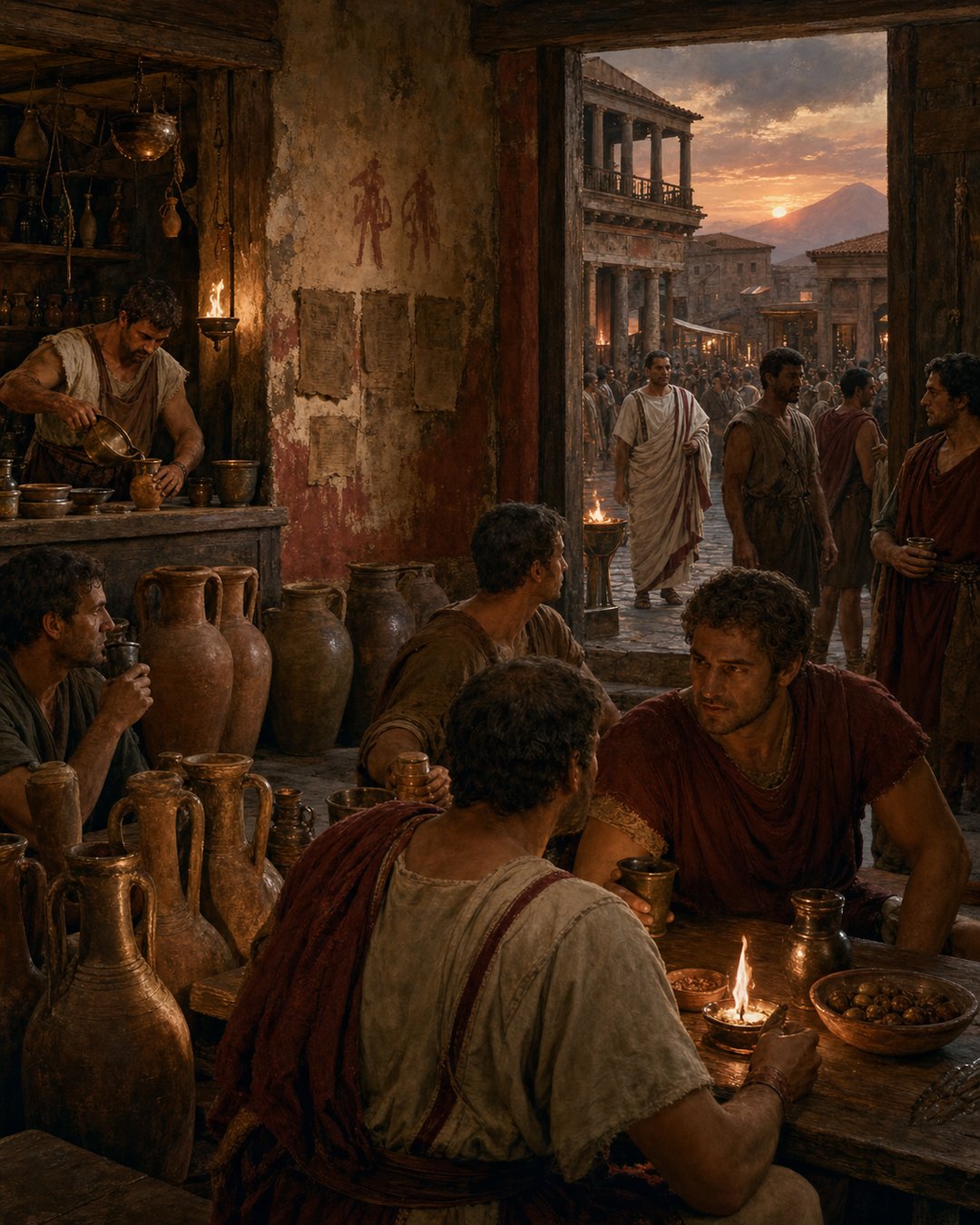
A Roman tavern did not need a speaker’s platform to matter politically. It only needed a counter open to the street, a few cups, the smell of cooked food, and people who kept coming back because daily life gave them reasons to pause there. The taberna made politics hard to keep private because it joined … Read more
Why Roman Standards Made Legions Visible

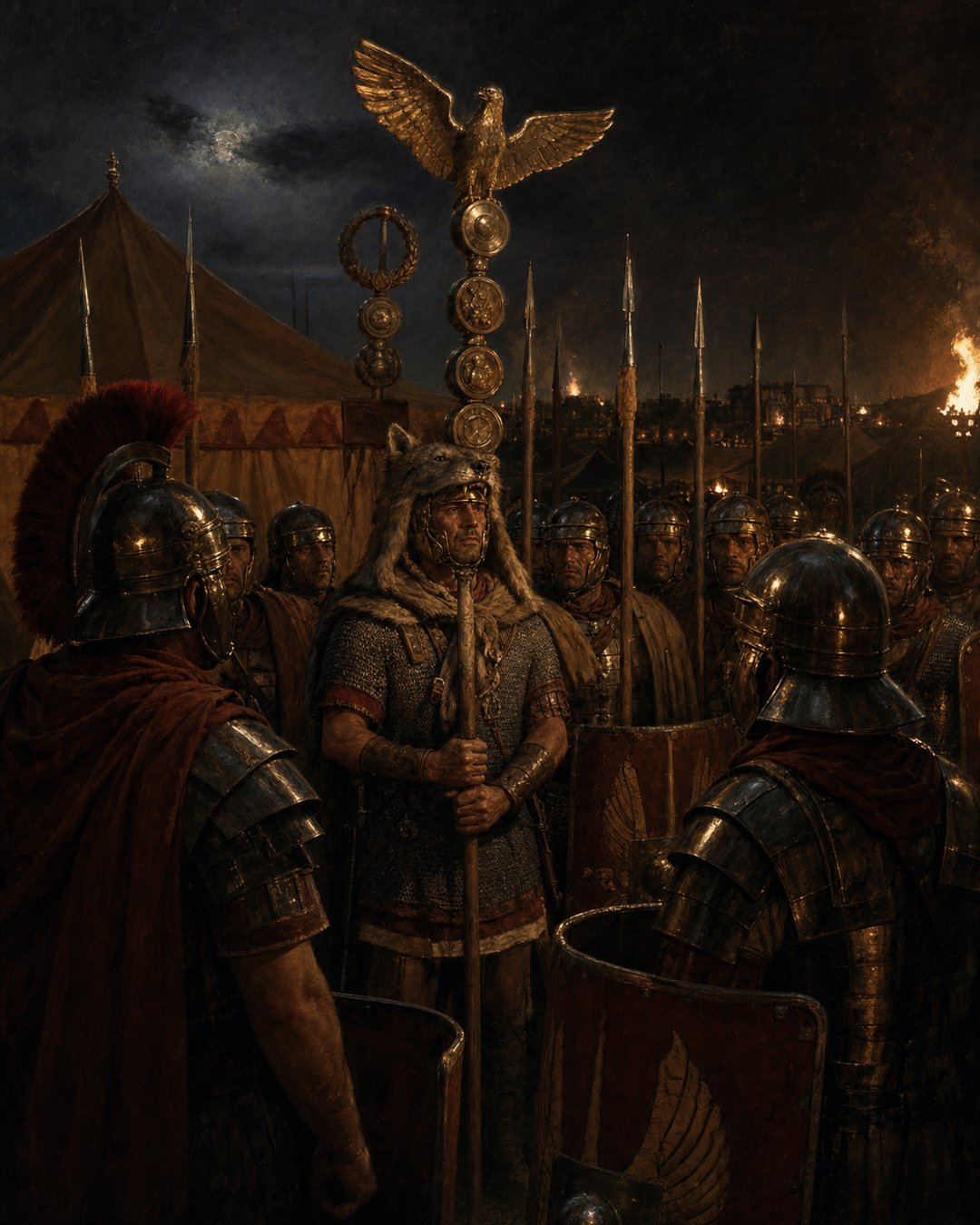
A Roman standard was not merely decoration on a pole. It stood above dust, helmets, shields, fear, and shouted orders. Men could look toward it, rally around it, swear by what it represented, and feel disgrace if it fell into enemy hands. Standards mattered because they made the legion visible to itself. In an army … Read more

Why Roman Veteran Colonies Made Conquest Permanent

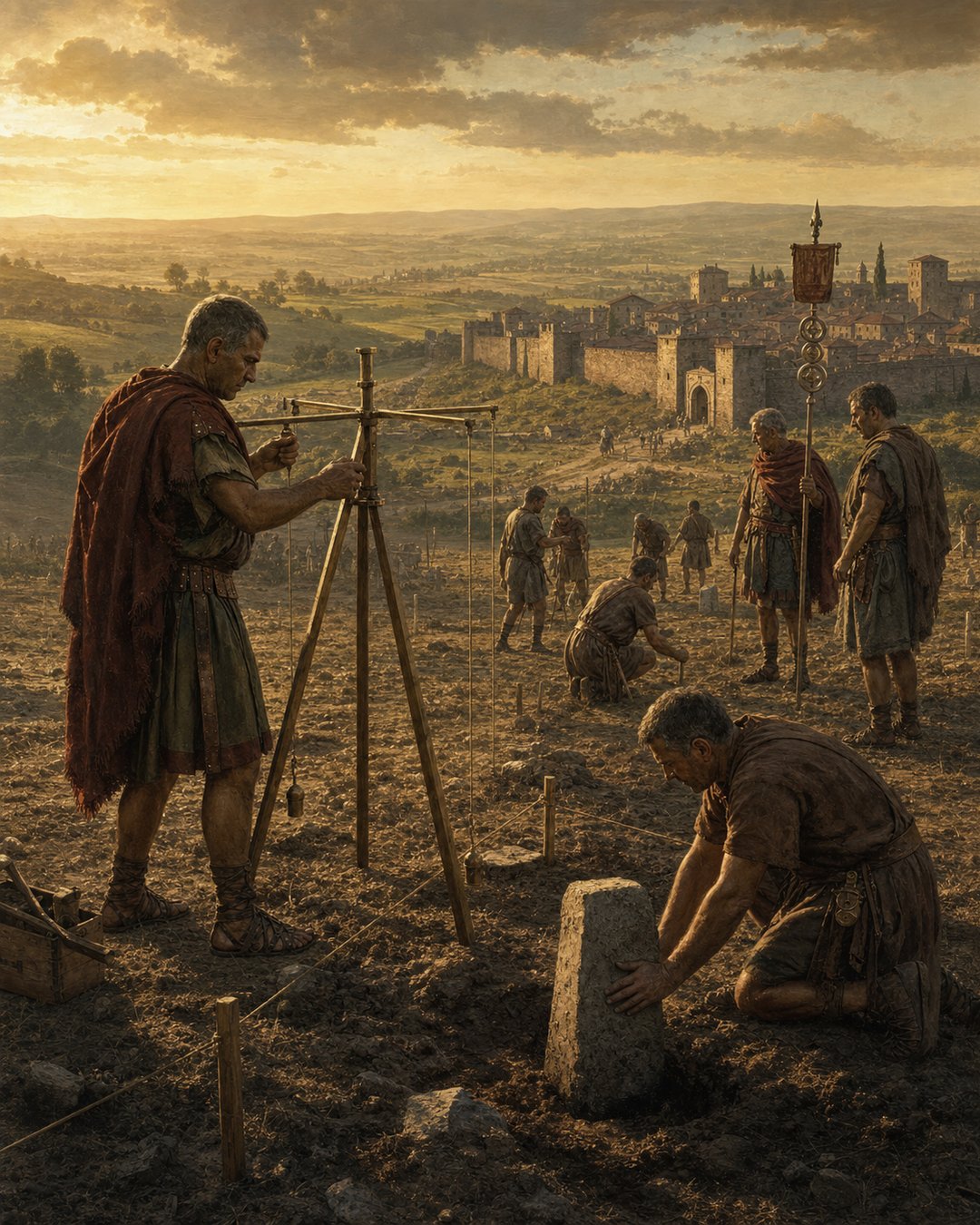
A conquest did not become permanent when the battle ended. It became harder to undo when someone measured land, drove stakes into soil, assigned plots, opened roads, and persuaded retired soldiers to build lives where an army had once passed. Roman veteran colonies mattered because they turned military victory into civilian geography. A discharged soldier … Read more

Why Roman Street Fountains Made Water Public

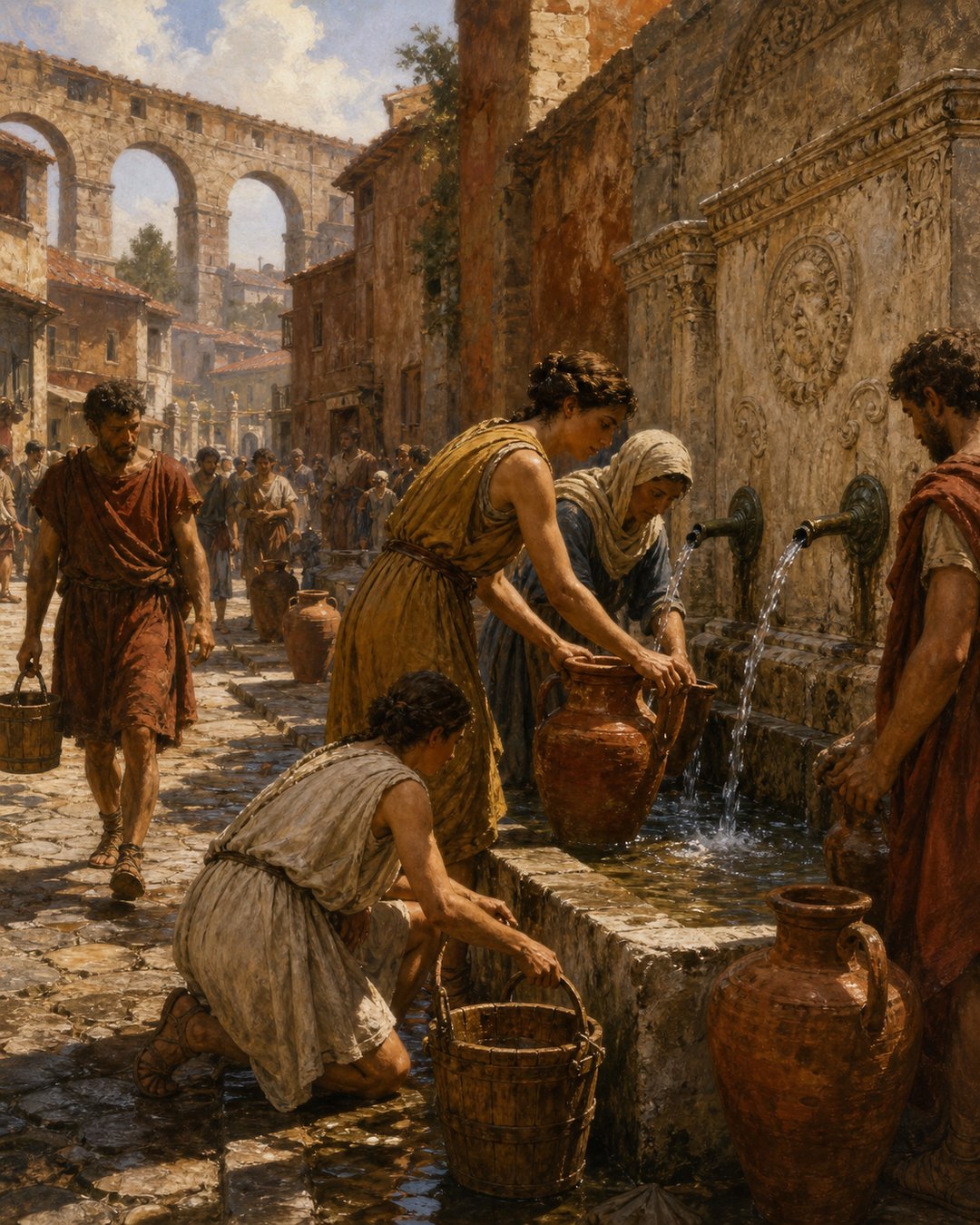
A Roman aqueduct could look like a monument from a distance, but its real test came at street level. Water had to arrive where people could use it: at basins, fountains, baths, workshops, and neighborhoods whose daily routines depended on a reliable flow. Street fountains mattered because they made water public. They turned distant engineering … Read more

Why Roman Funerals Made Family Ambition Public

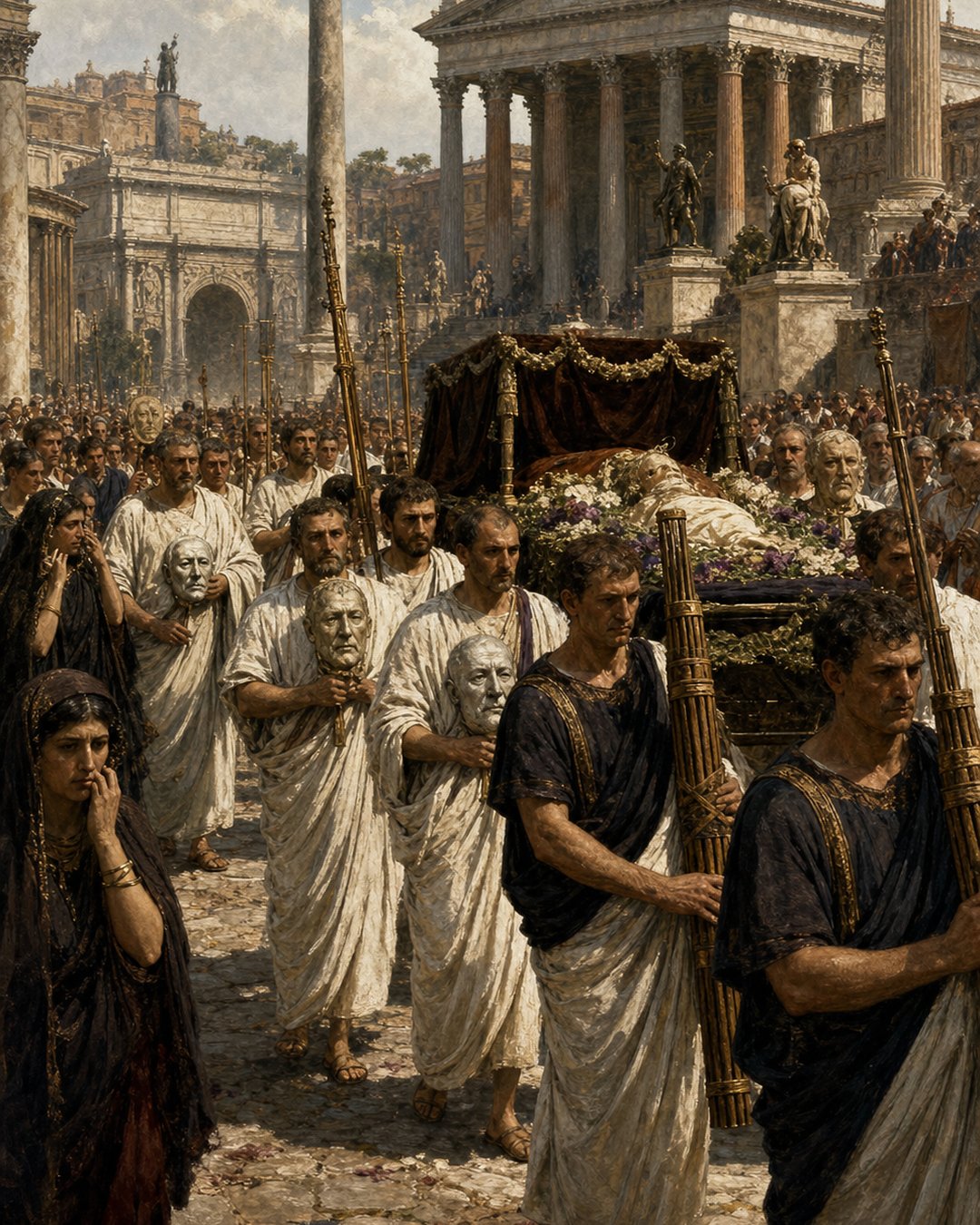
A Roman elite funeral was grief with an audience. The dead person mattered, but so did the family standing around the bier, the ancestors invoked, the offices remembered, and the crowd watching memory become performance. Mourning moved through the streets, and ambition moved with it. Roman funerals mattered because they made family ambition public. They … Read more

Why Roman Marching Camps Made Conquest Repeatable

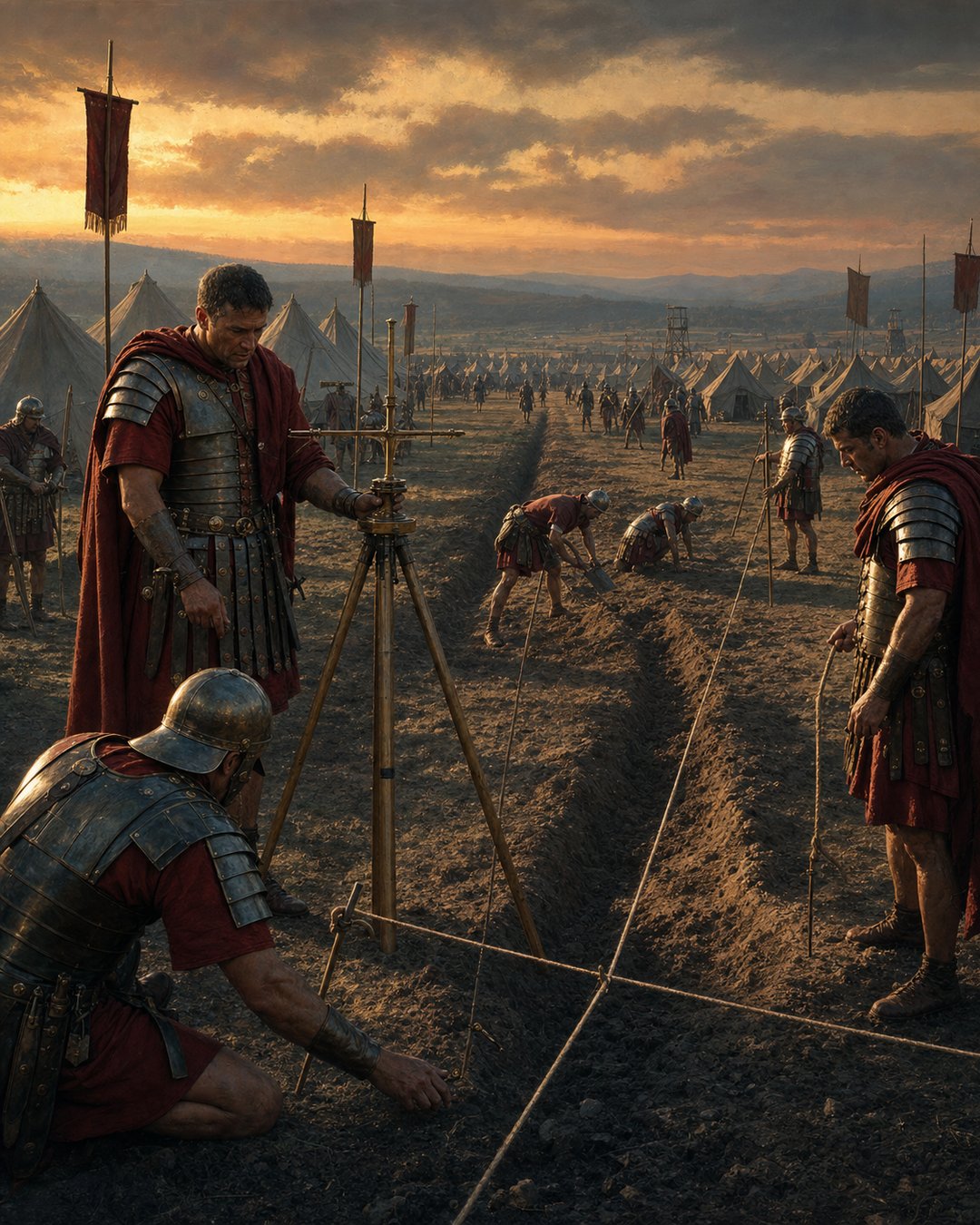
A Roman army did not simply stop when the day’s march ended. It measured a place, cut a ditch, raised a rampart, set gates, arranged tents, posted watches, and turned unfamiliar ground into something recognizable. The camp was not an afterthought. It was conquest made repeatable. Marching camps mattered because they gave Roman movement a … Read more

Why Roman Brick Stamps Made Buildings Speak

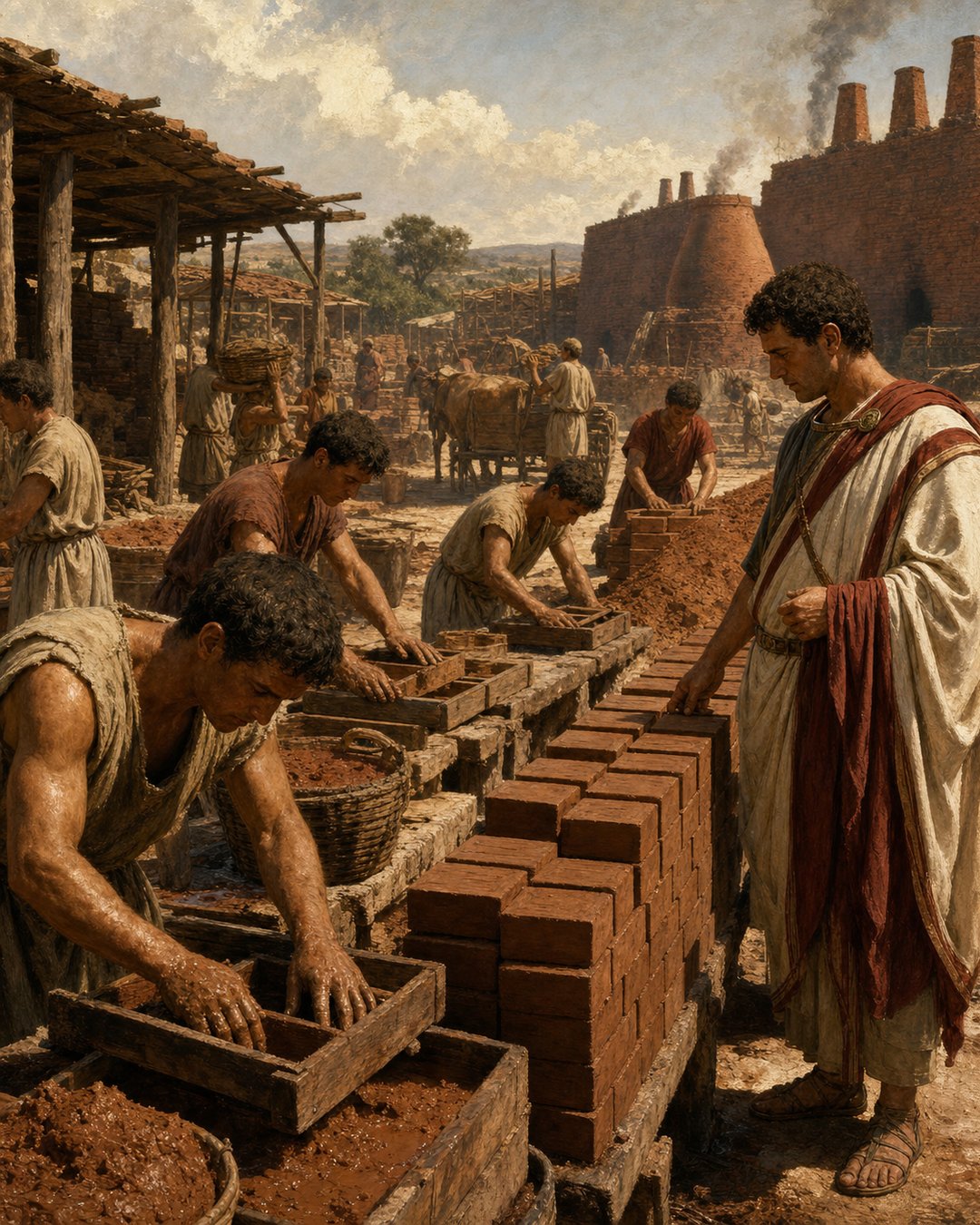
A Roman wall could speak before anyone covered it with marble. Its voice was small, rectangular, and easy to miss: a stamp pressed into wet clay before firing. To the casual eye it was only a mark on a brick. To a historian, it can be a name, a workshop, an estate, a date, and … Read more

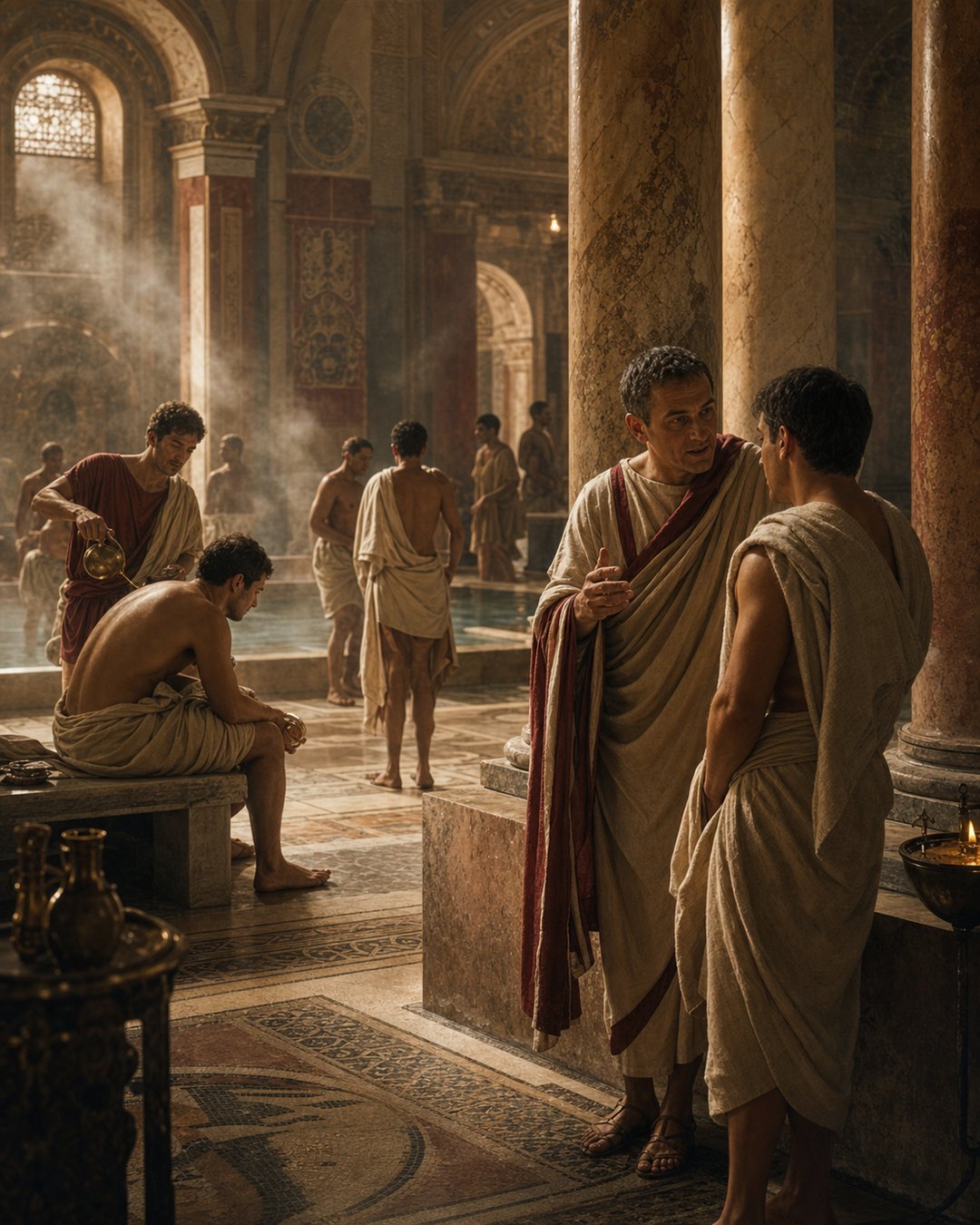
Why Roman Baths Made Private Ambition Public

A Roman bath was not just where the day softened. It was a place where bodies, greetings, favors, rumors, clients, attendants, and ambitions moved through steam together. Privacy entered the bath and came out social. Baths mattered because they made private ambition public. A man could wash, exercise, gossip, look generous, pursue a patron, display … Read more

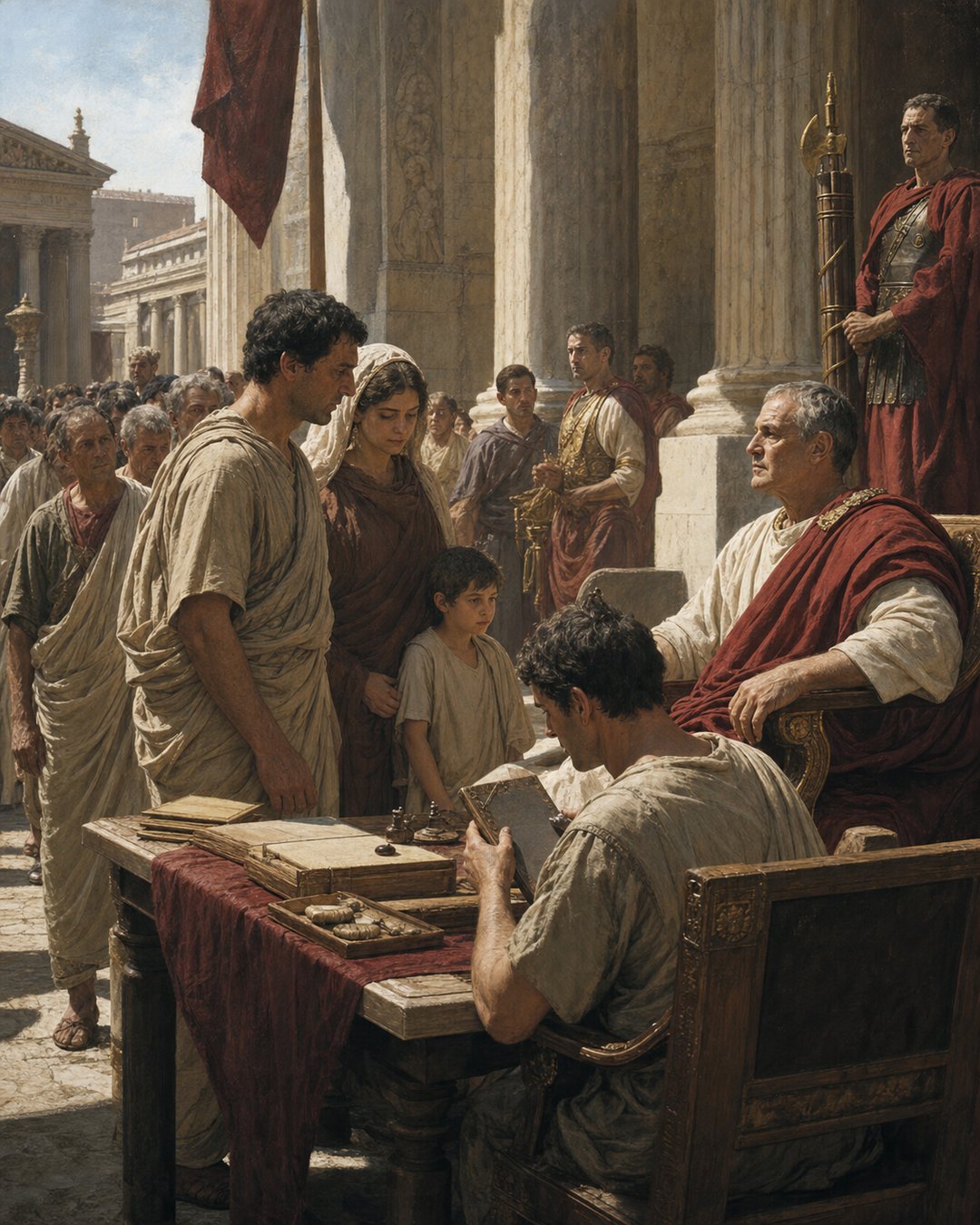
Why Roman Wax Tablets Made Promises Harder to Deny

A Roman promise could be scratched into wax. That sounds fragile, but the object changed the argument. Once a name, sum, witness, obligation, or date had a surface, memory was no longer only a matter of who spoke most confidently. Wax tablets mattered because they made promises harder to deny. They did not make Rome … Read more

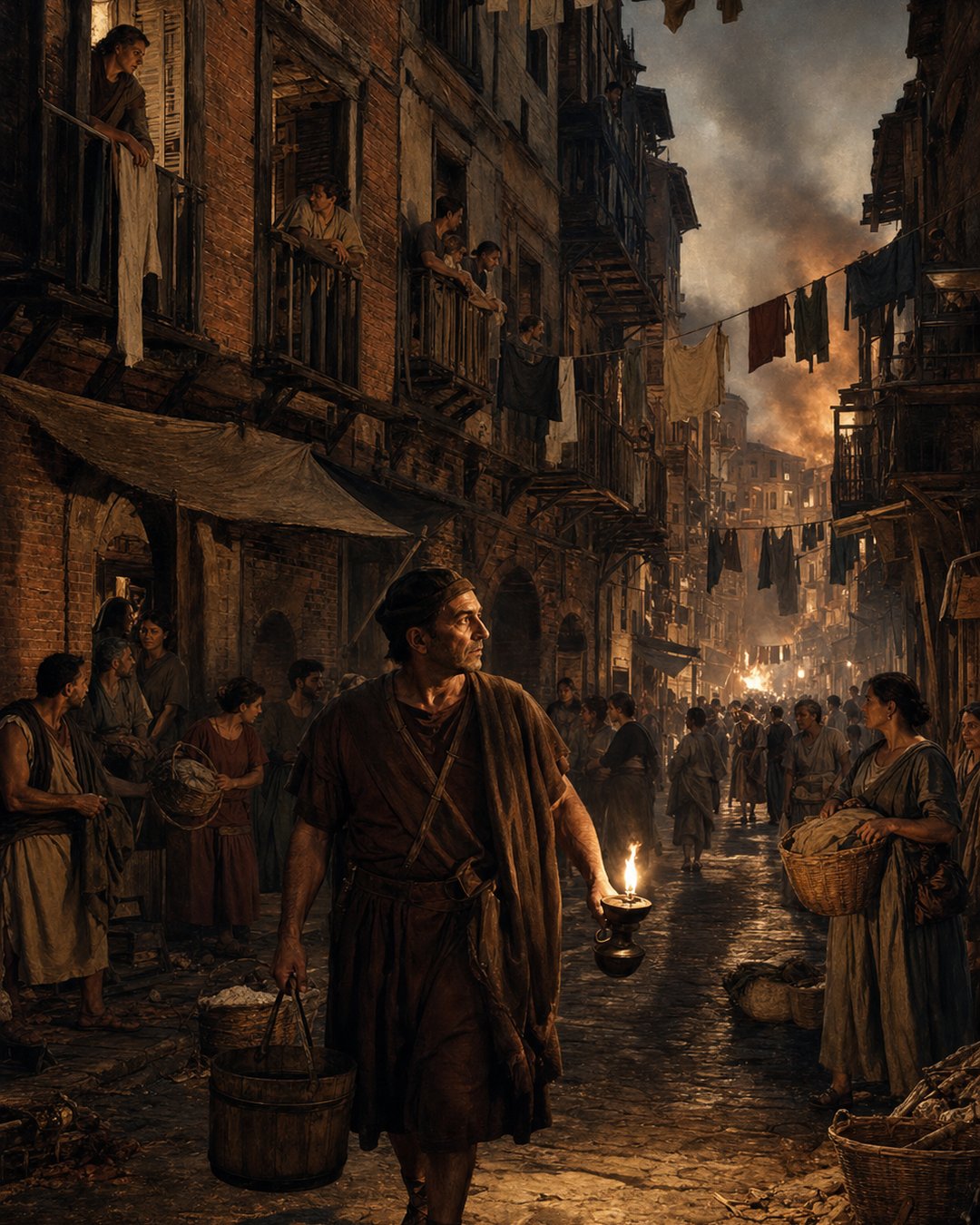
Why Roman Insulae Made Fire a Public Problem

A Roman apartment fire was never only a private misfortune. In a crowded block of insulae, one lamp, brazier, stairwell, or careless flame could become the problem of every neighbor above, below, and across the street. Density changed the meaning of accident. The insula matters because it made danger public. Rome’s poor and middling residents … Read more