Wards Came Before Clients in Rome’s Order of Duty
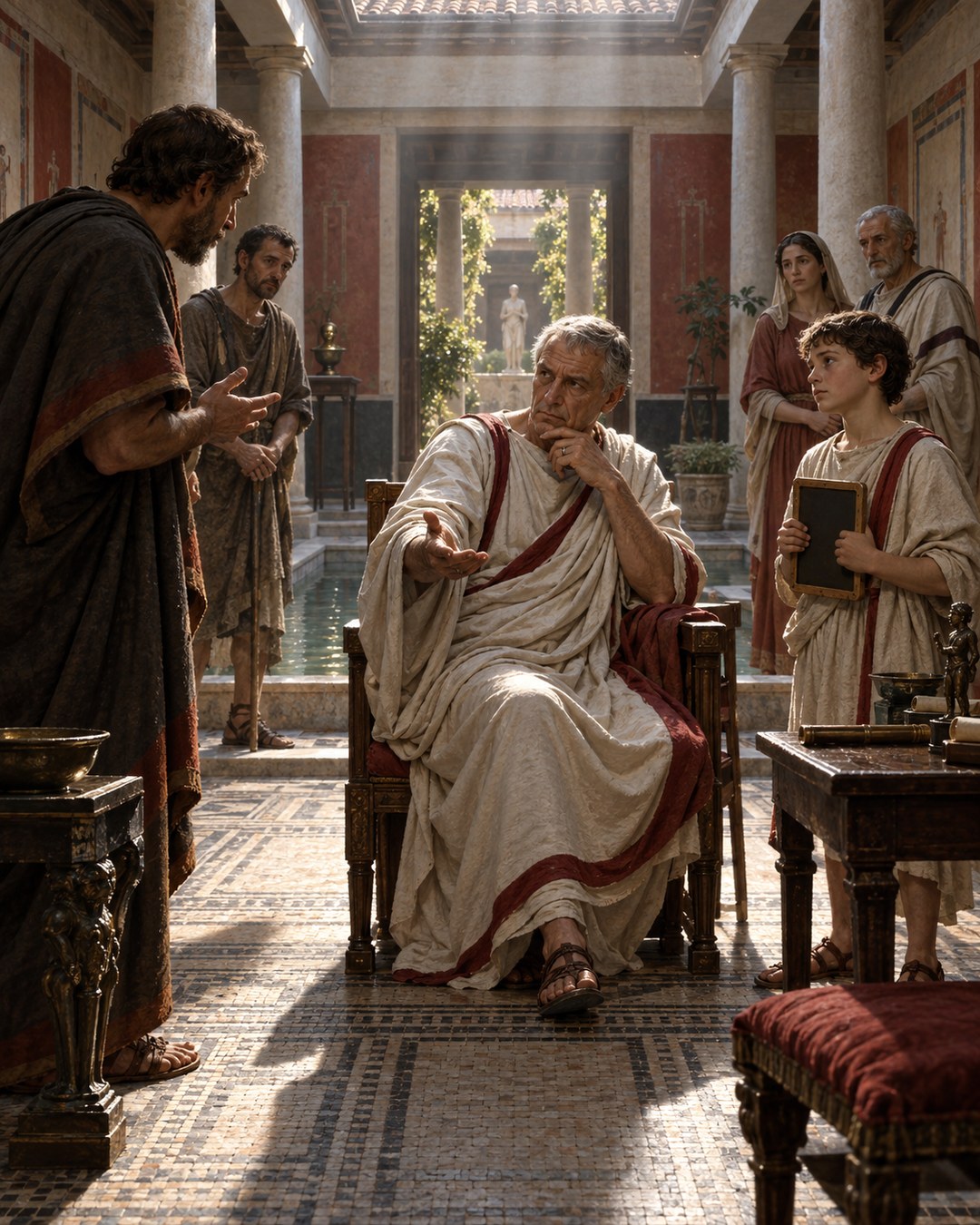
Four people could arrive with four legitimate claims: a ward needing protection, a guest invoking hospitality, a client asking for aid and a relative appealing to blood. Aulus Gellius heard senior Romans debate which claim should come first when one person could not satisfy them all. Their answer did not begin with affection. It began … Read more

Neglected Vines Could Lower a Roman Citizen’s Class

The vineyard did not need to collapse. It only needed to show that nobody had kept up the work. Unploughed soil, weeds, an untended orchard or vines left to decline could bring a Roman landholder before the censors. Aulus Gellius says the penalty could push that citizen into the lowest class. A knight faced a … Read more

Mars’s Spears Moved; Rome Prepared a Second Sacrifice

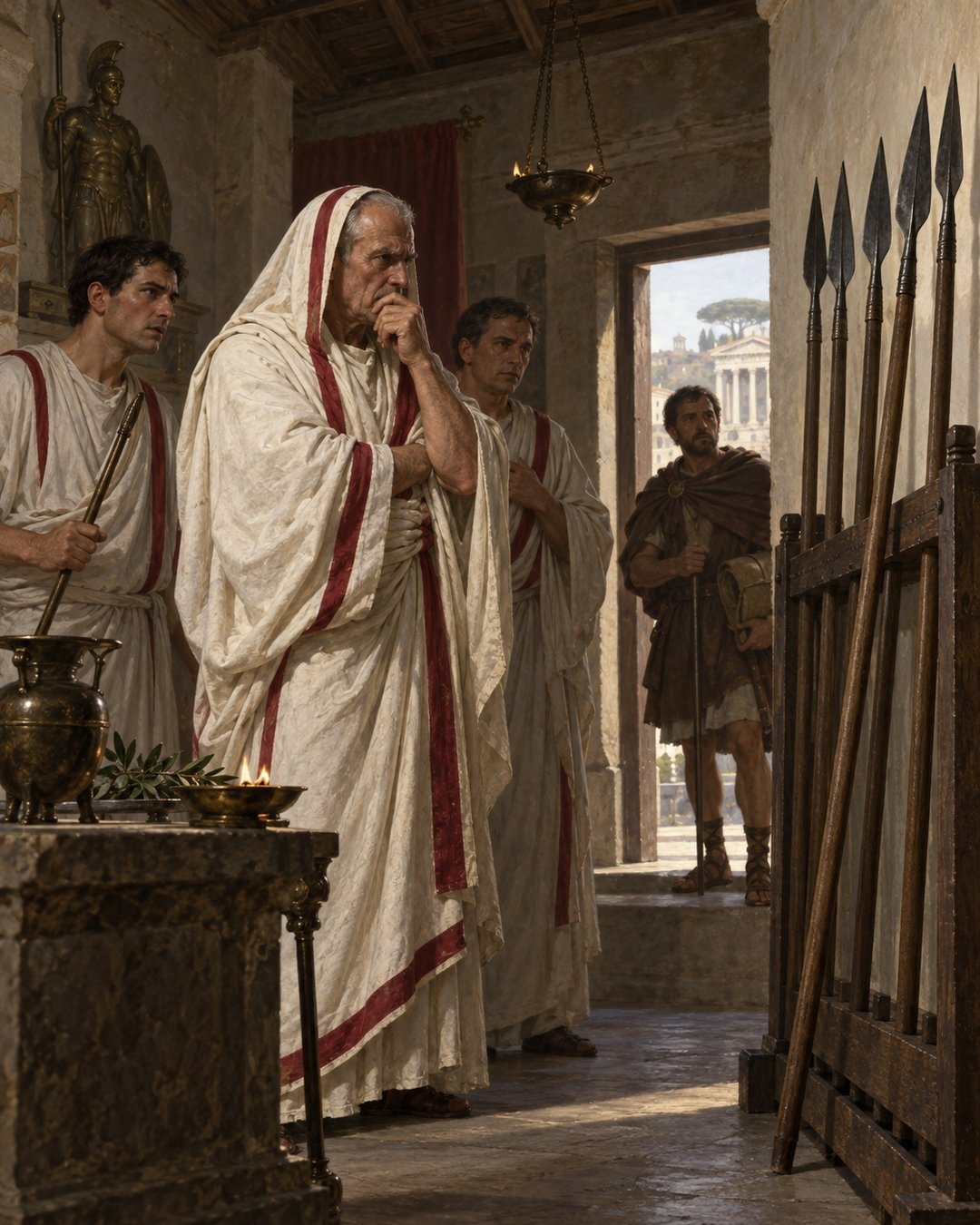
The spears were not on a battlefield. They stood inside the Regia, in a sanctuary tied to Mars. When they moved, a pontifex named Gaius Julius carried the observation into Rome’s machinery of government. The senate did not answer with a vague instruction to calm the gods. It named the consul responsible, distinguished which victims … Read more

Cicero Denied a House Purchase after Borrowing Two Million

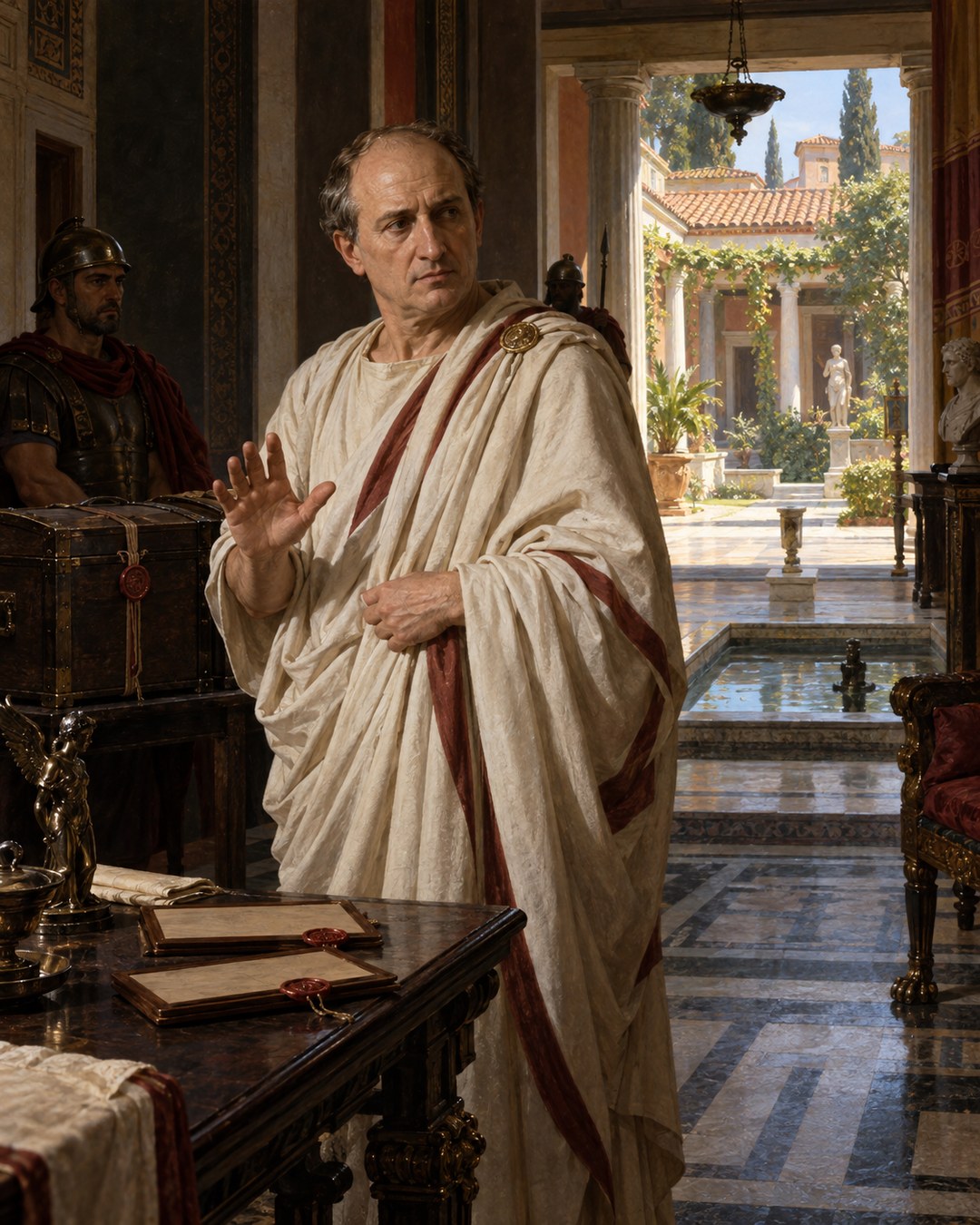
Cicero wanted the Palatine house. He did not have the ready money. A private loan of two million sesterces solved one problem and created another. The lender, Publius Sulla, was under accusation. When news of the transaction spread before the sale, Cicero denied receiving the money and denied any intention to buy. Then he bought … Read more

Cato’s Country Houses Were Still Unwhitewashed at Seventy

By his seventieth year, Marcus Cato’s country houses still had no whitewash. The walls were not ruins. They belonged to an ex-consul and ex-censor who had lived through Rome’s expanding wealth. Cato pointed to their plain surfaces because a finish had become affordable enough to seem normal, and normal enough to become a test of … Read more

The Areopagus Delayed a Poison Case for One Hundred Years

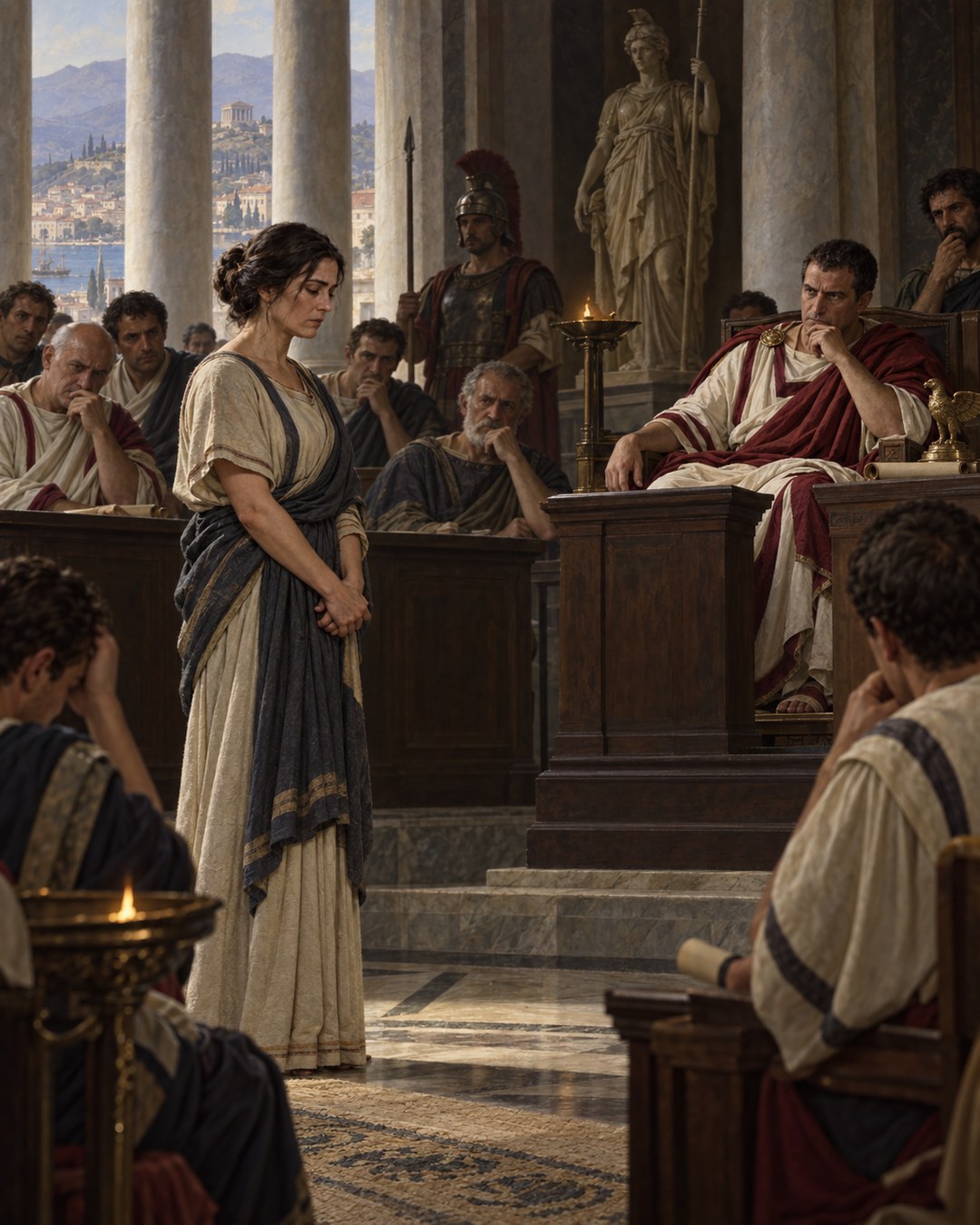
The woman did not deny the poison. She explained why she had used it. Before Gnaeus Dolabella, Rome’s proconsular governor in Asia, a defendant from Smyrna admitted killing her husband and one of her sons. She said those two men had treacherously murdered another son, a blameless young man from an earlier marriage. Aulus Gellius … Read more

Two Enemies Shared Jupiter’s Table and Arranged a Marriage

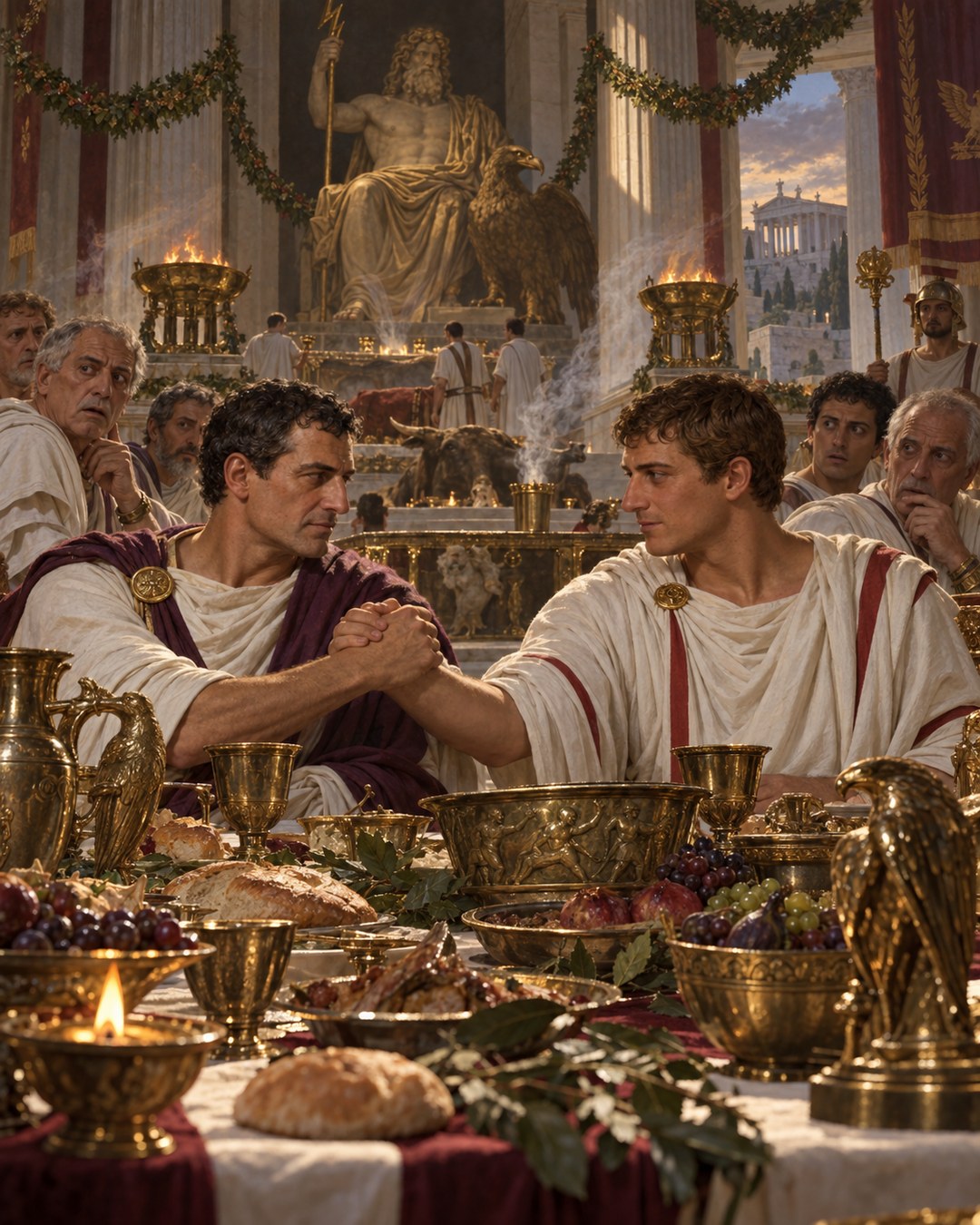
Scipio Africanus sat down beside a man he had opposed for years. Before the feast ended, that enemy had become his future son-in-law. Aulus Gellius tells the reconciliation as a sudden turn at Jupiter’s banquet on the Capitol. The Senate’s seating arrangement placed Publius Scipio beside Tiberius Gracchus after repeated disagreement over public affairs. The … Read more

A Night Thief Faced Death; Daylight Changed the Penalty

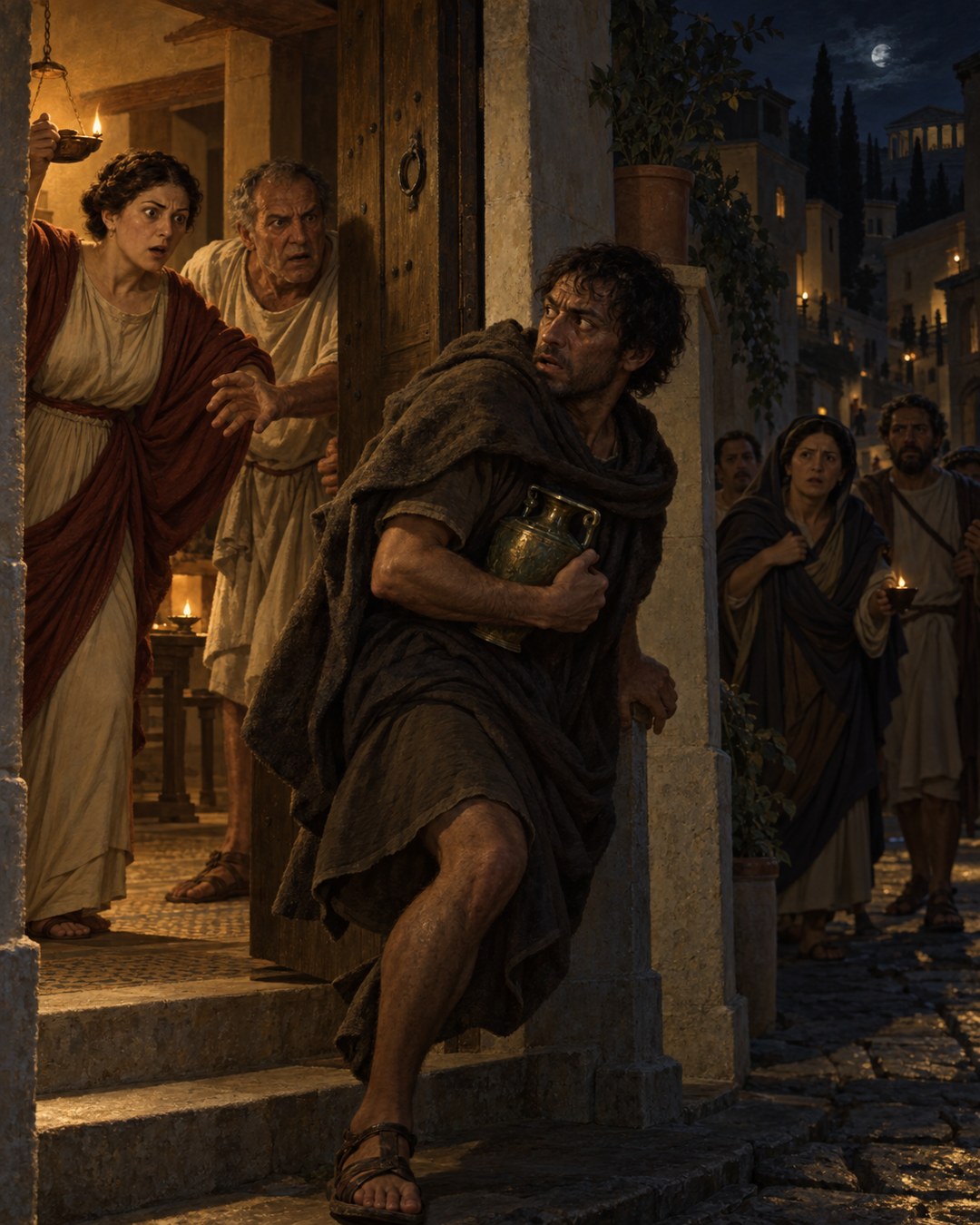
At night, discovery could turn a stolen vessel into a question of life and death. In daylight, the same taking followed a different path unless the thief resisted with a weapon. Later Roman actions could demand twice, three times or four times a value depending on how the goods disappeared and reappeared. Aulus Gellius gathered … Read more

Herodes Saw a Beard and Cloak, but No Philosopher

The beard reached almost to the petitioner’s waist. Herodes Atticus still asked who he was. The man pointed, in effect, to the answer he was wearing: long hair, a philosopher’s cloak and the cultivated appearance of someone who had renounced ordinary concerns. He grew angry that an ex-consul celebrated for Greek eloquence could fail to … Read more

Gravity Betrayed the Archers Above Metellus’s Slingers

The defenders owned the height. Metellus’s slingers owned the better line. That is how Quintus Claudius Quadrigarius framed a Roman assault on a fortified town. Archers and slingers worked furiously on both sides, yet the men below suffered fewer wounds and drove their opponents from the battlements. His reason seems backward: arrows and stones were … Read more