Four Materials Held Up Roman Vines in Four Regions
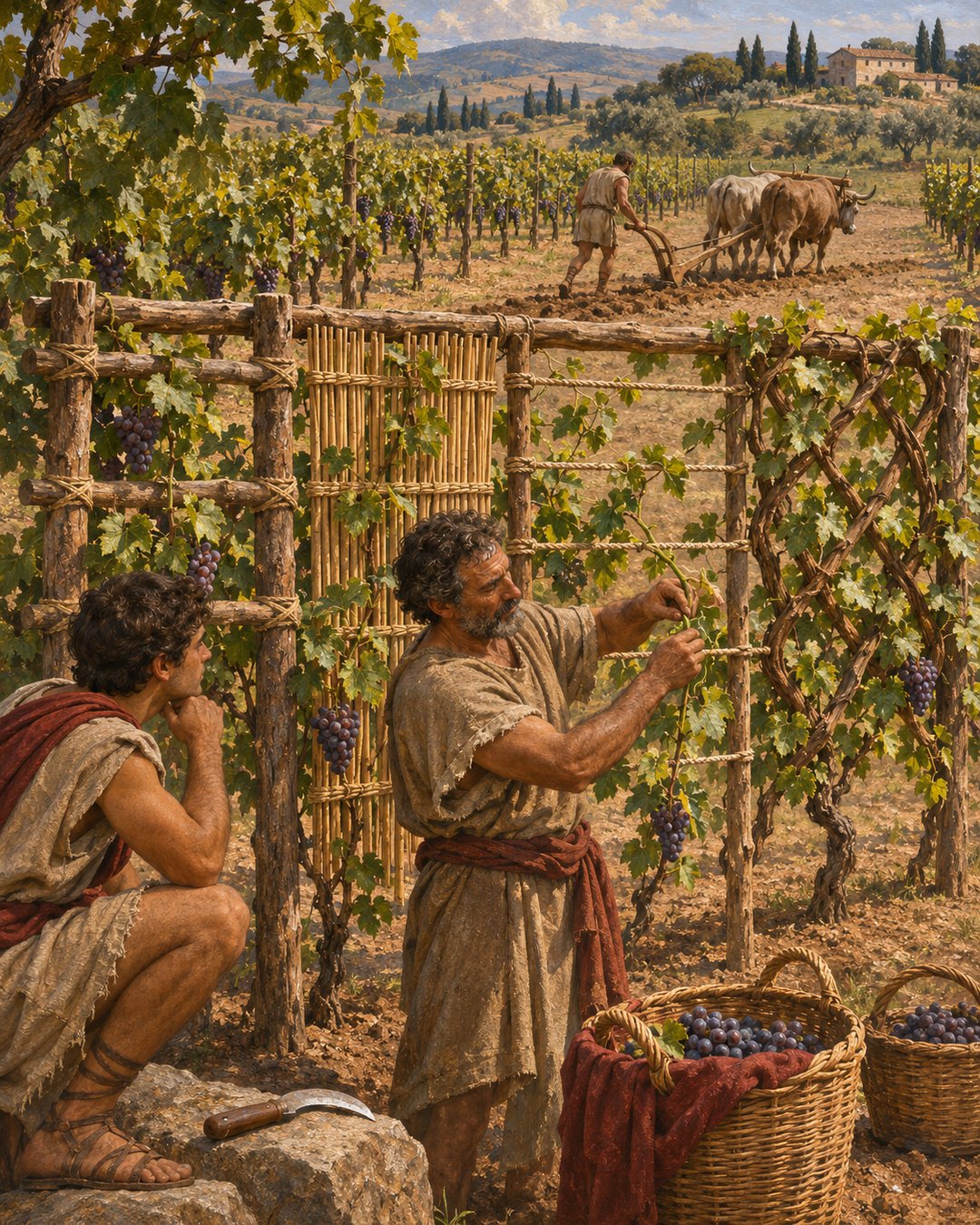
A Roman vineyard could rise on poles, reeds, ropes or living vines. Varro names all four supports and attaches each to a different Italian place: poles at Falerum, reeds at Arpinum, ropes at Brundisium and vines themselves at Mediolanum. The list is not decorative geography. It shows a crop being fitted to local materials. Support … Read more
Five Days in Salt Kept Roman Olives Black

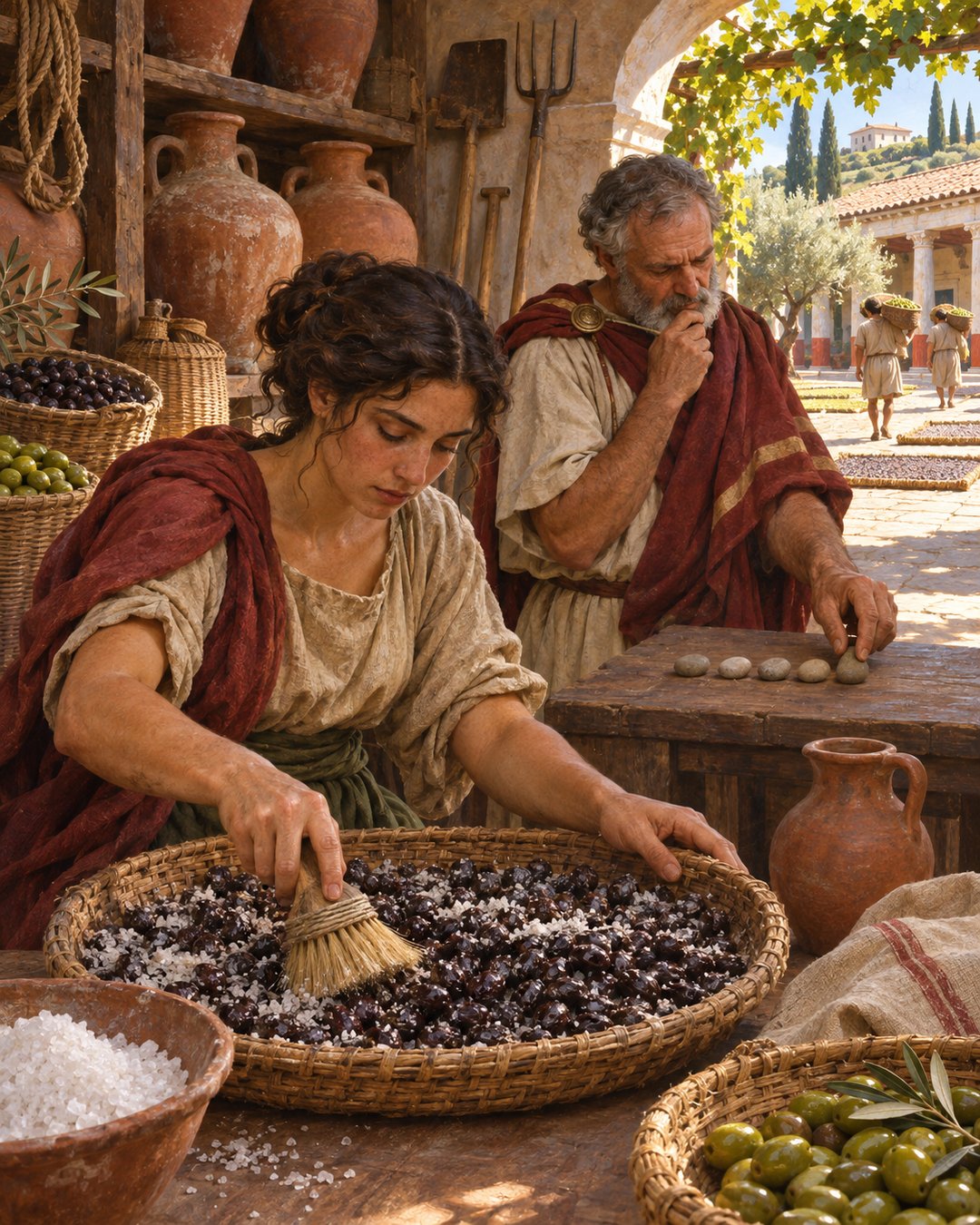
Five days in salt and two days in sunlight could determine whether a batch of round olives kept its dark appearance. Varro preserves the sequence in a short section on farm storage, attributing the advice to Cato. The olives were packed, uncovered, brushed clean and then moved into the sun. Nothing in that order was … Read more

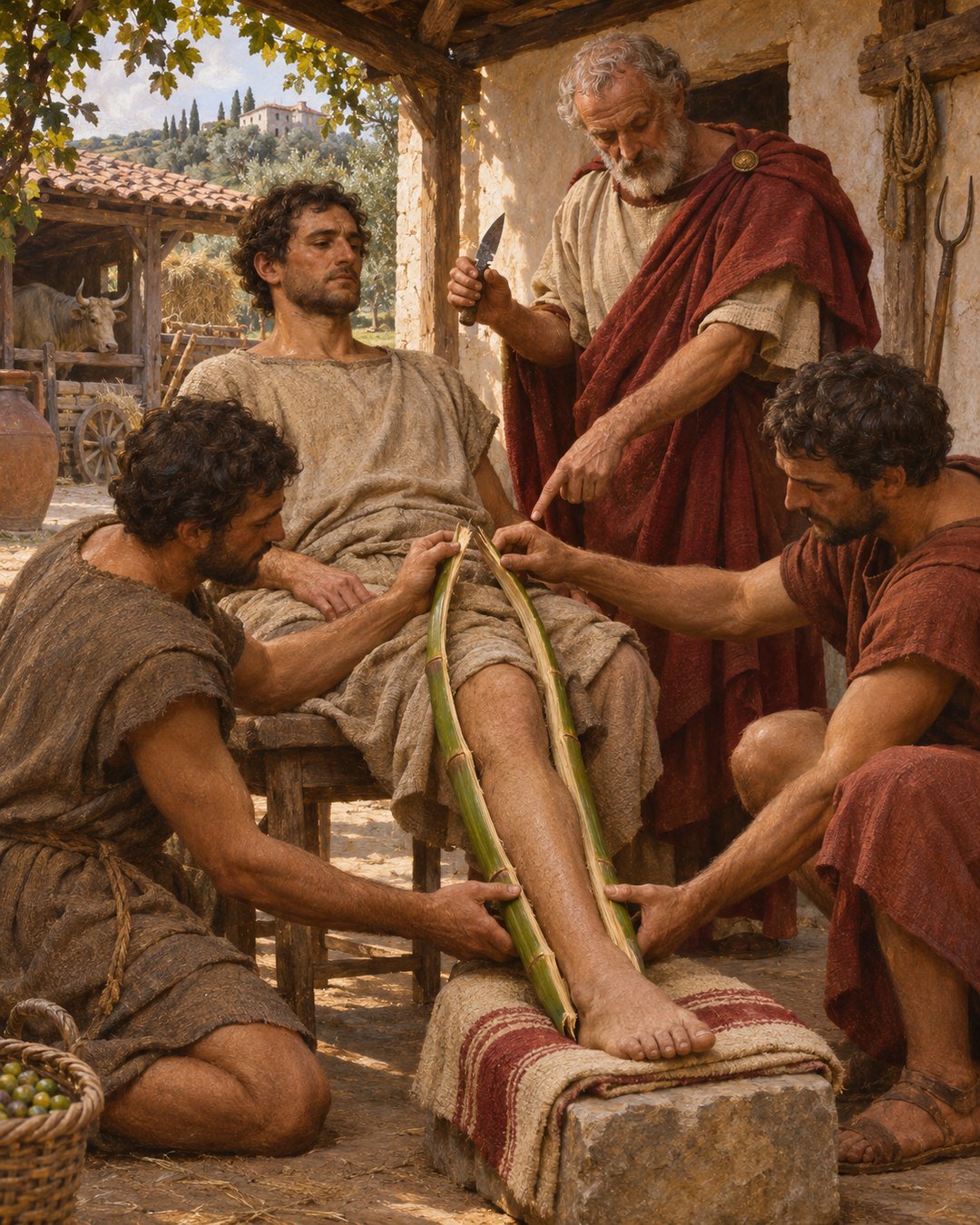
Two Men Closed a Split Reed over a Roman Fracture

A green reed four or five feet long, two helpers, a knife and a sequence of spoken sounds formed one of Cato’s most startling farm remedies. The procedure was meant for a dislocated or fractured bone. It did not begin with a drug. It began by splitting the reed from end to end and arranging … Read more

Payment Alone Did Not Complete Every Roman Livestock Sale

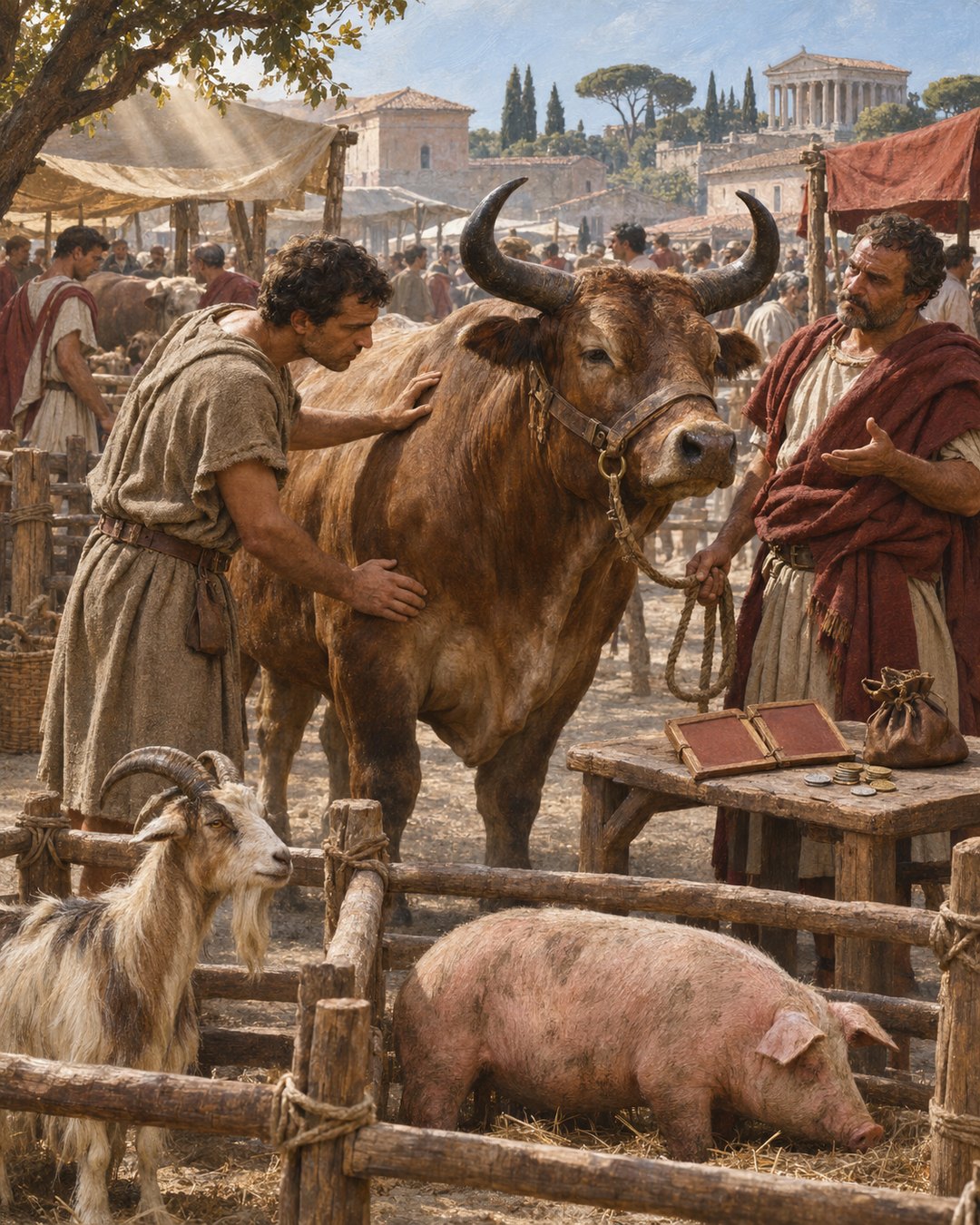
A Roman buyer could agree to a price, hand over the money and still need more before an animal was securely his. In Varro’s account of livestock management, legal precautions formed one of the basic parts of buying. He warns that neither a contract nor payment alone was sufficient in every case to transfer title. … Read more

A Partner Could Not Quit on the Eve of an Inheritance

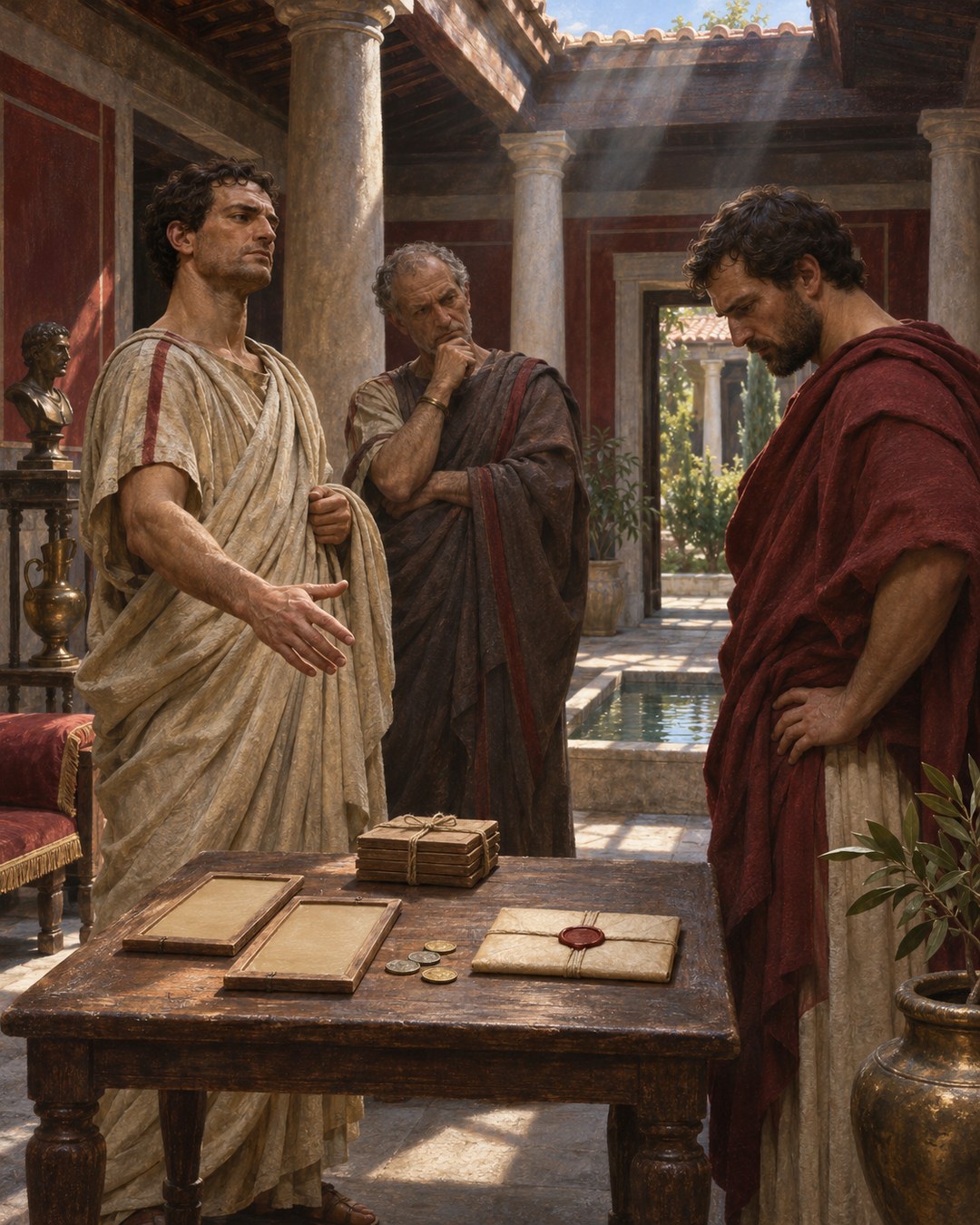
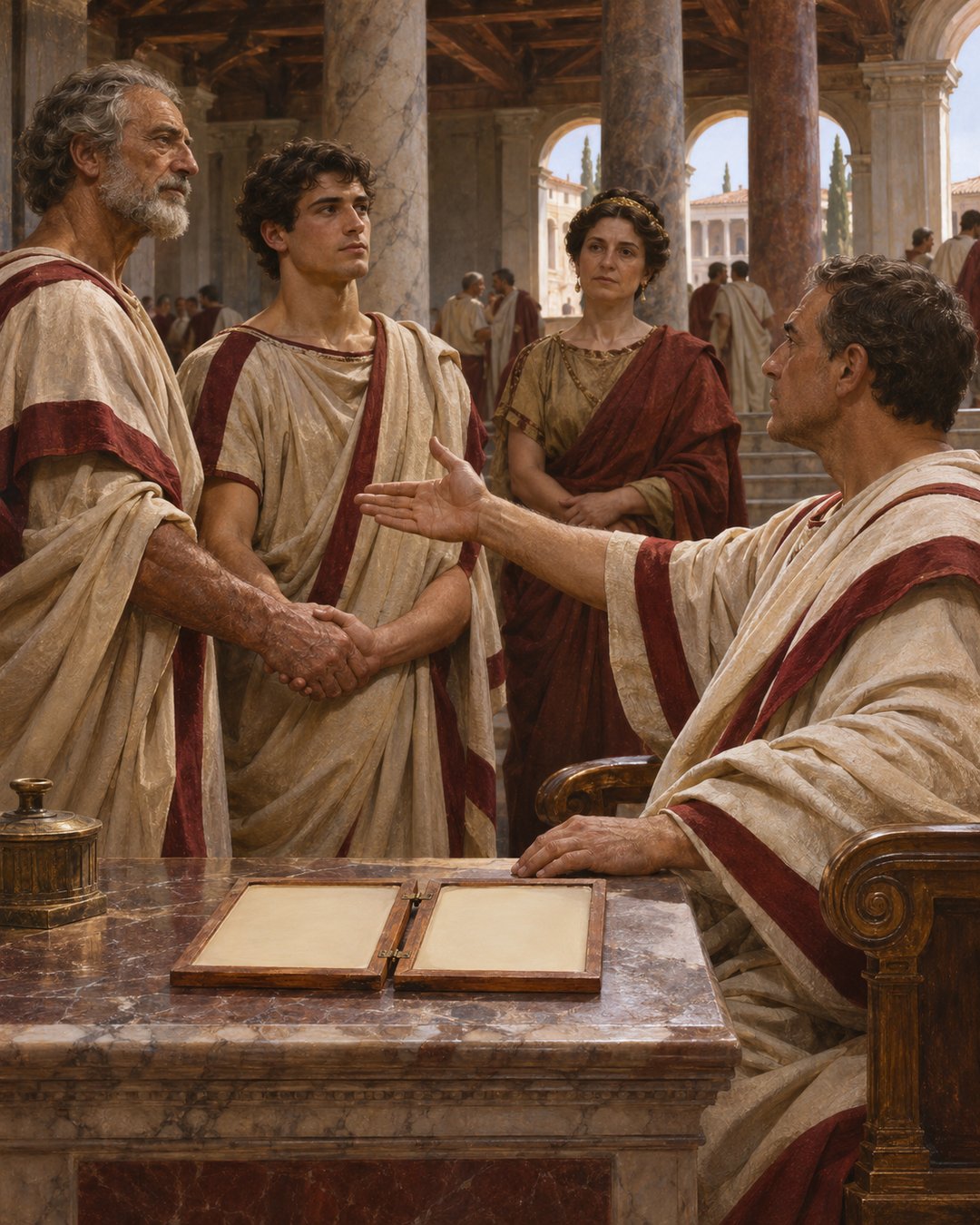
A Roman partner could end a partnership by saying he was done. Consent had created the relationship, and withdrawn consent could dissolve it. But Gaius placed a trap beside that freedom: a man who quit just as an inheritance approached could not use the timing to keep the estate from his partners. The example is … Read more

Jupiter Claimed the First Wine from Latium’s Vintage

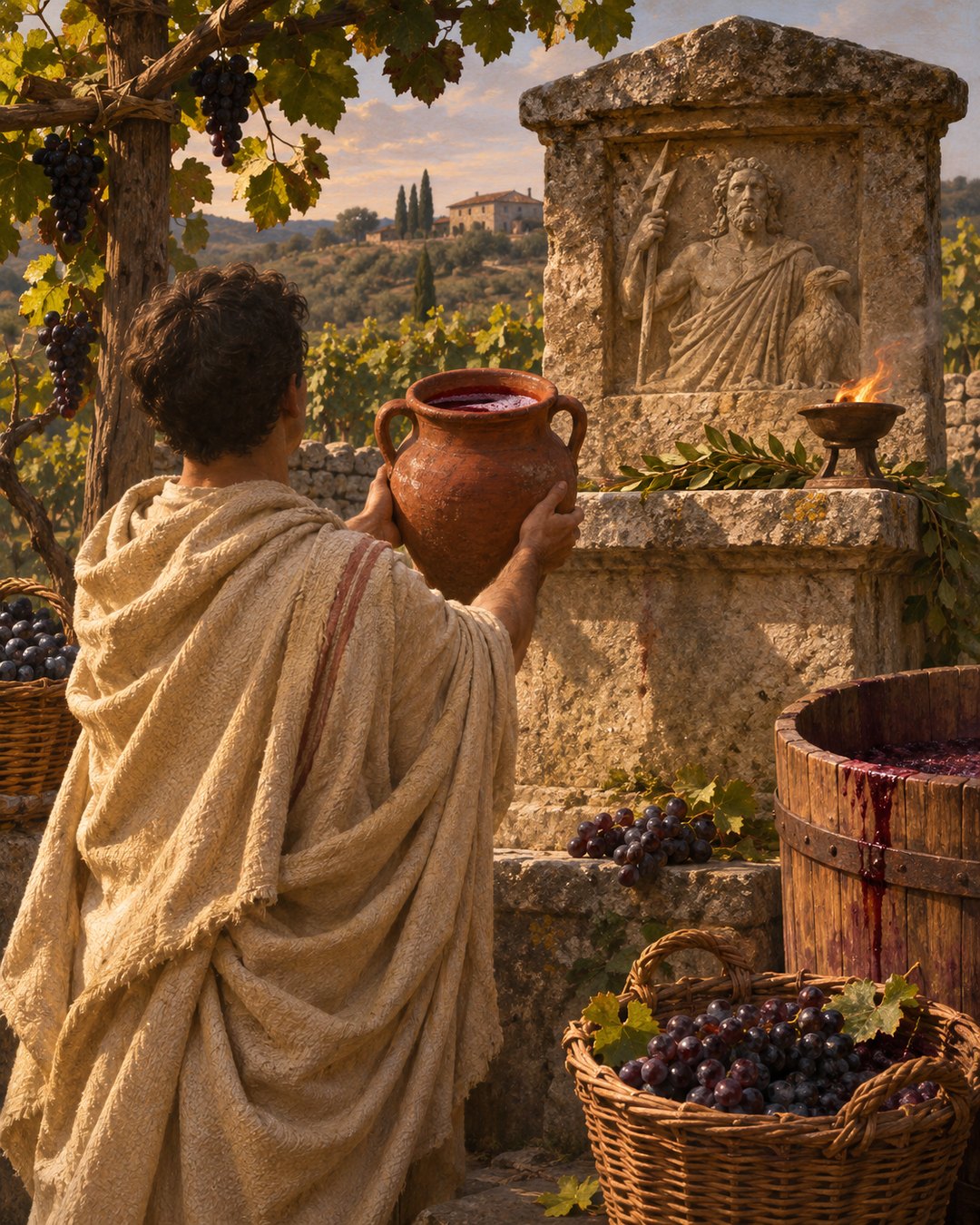
On April 23, a Roman could meet two very different stories in the same festival. Myrtle, mint, rushes and roses belonged to Venus. New wine belonged to Jupiter. Ovid does not smooth away that awkward division. He stops over it, asks why the Vinalia carries the presence of one deity but the claim of another, … Read more

Wet Lime and Marble Dust Made Roman Walls Shine

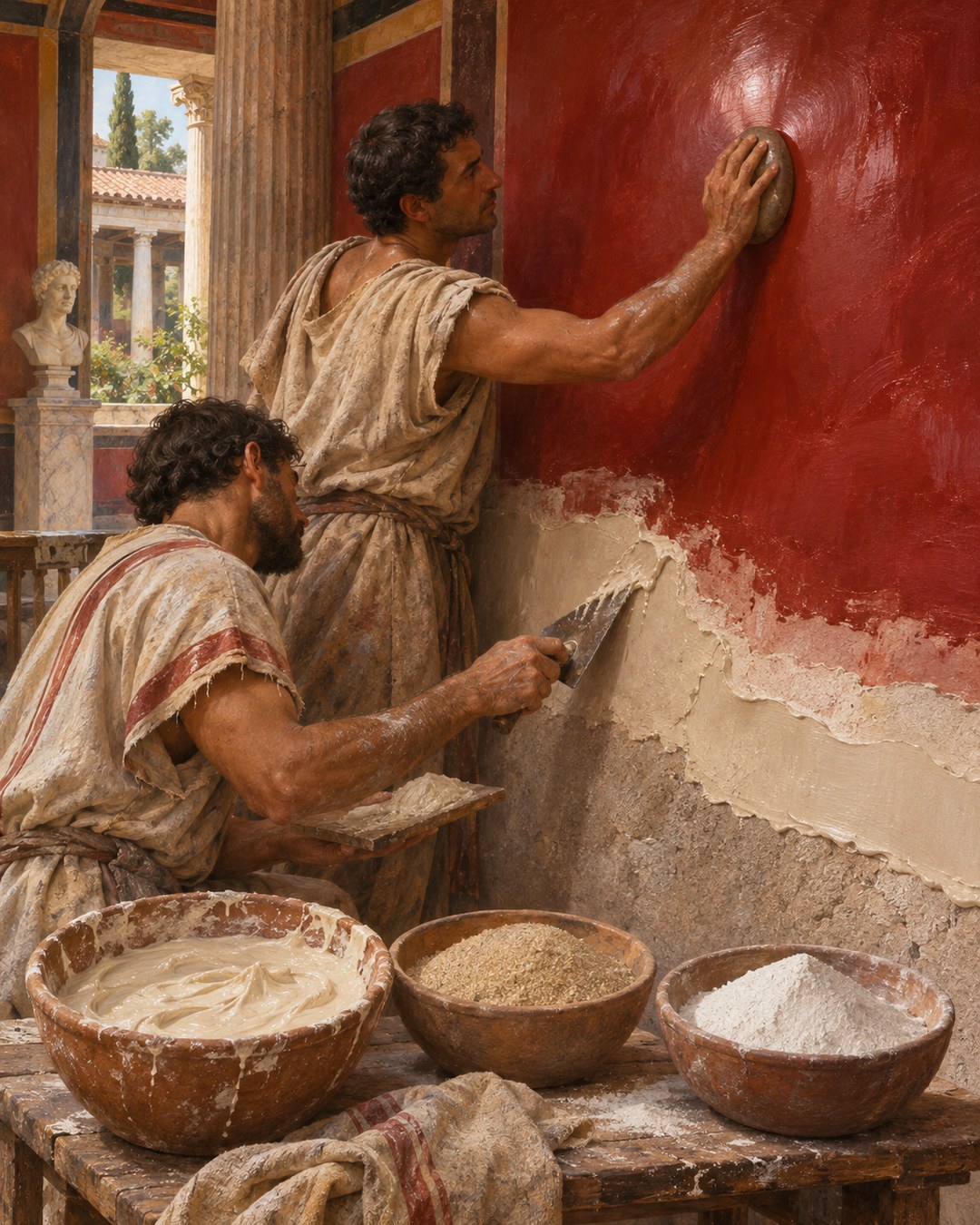
A Roman wall could shine strongly enough for Vitruvius to compare its brilliance with a mirror. The effect did not begin with paint. It began with a heap of lime prepared long before a colored surface existed. The lime had to slake thoroughly. A plasterer chopped it with a hatchet, feeling for hard pieces and … Read more

Roman Adoption Required an Eighteen-Year Age Gap

Roman adoption could move a person into a new line of succession, place a child under another household’s authority or bring an independent adult and his descendants into a new family. Yet the law did not treat family identity as an empty label. One compact rule made the point physically: an adoptive father had to … Read more