Heavy Grain Slid to the Edge of a Roman Threshing Floor
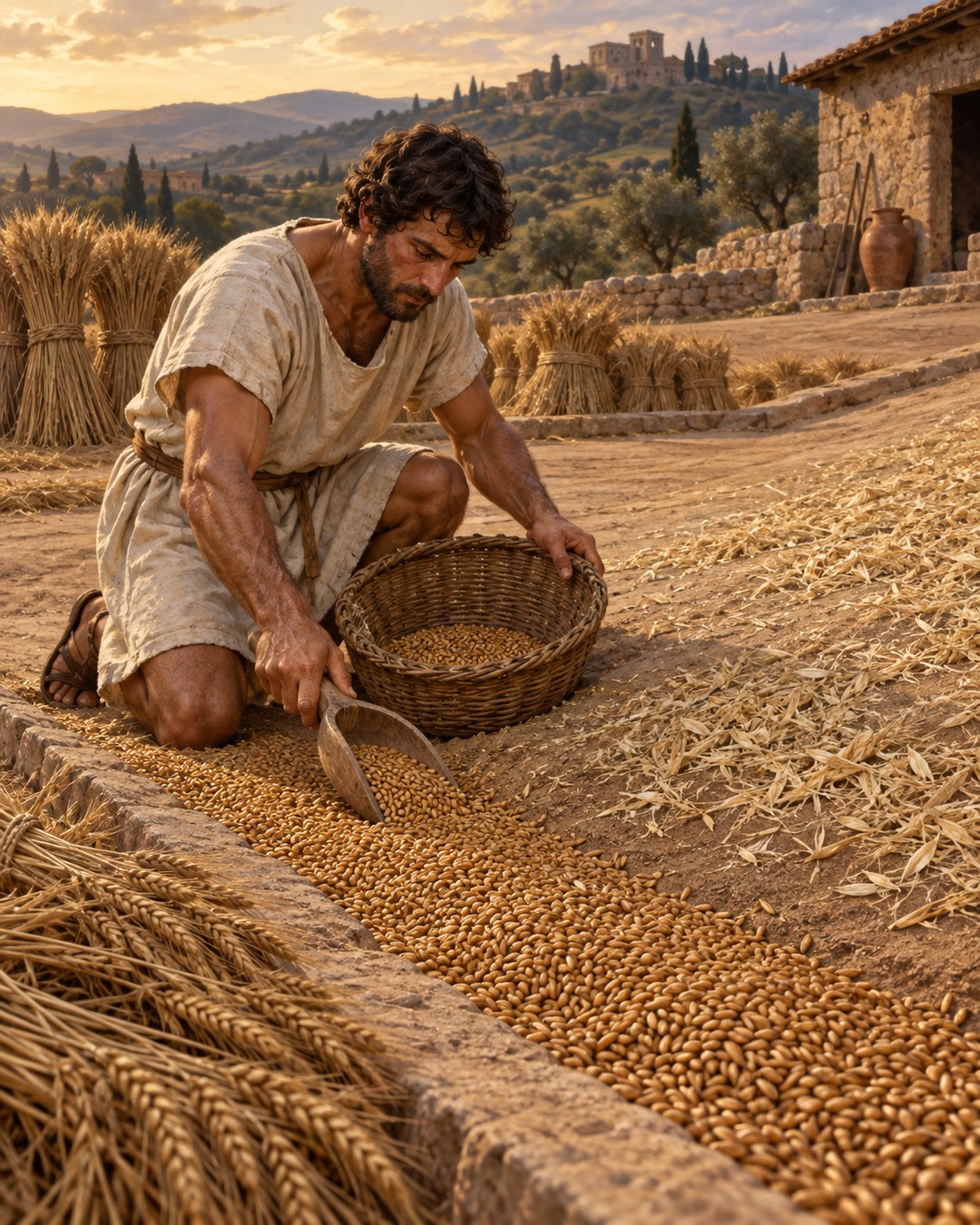
The best seed waited at the low edge of the floor. Pliny told farmers to reserve the grain that fell to the bottom of the threshing floor. It was the heaviest fraction, and in his account weight supplied the best practical sign of quality. The floor had already helped separate crop from straw and chaff. … Read more
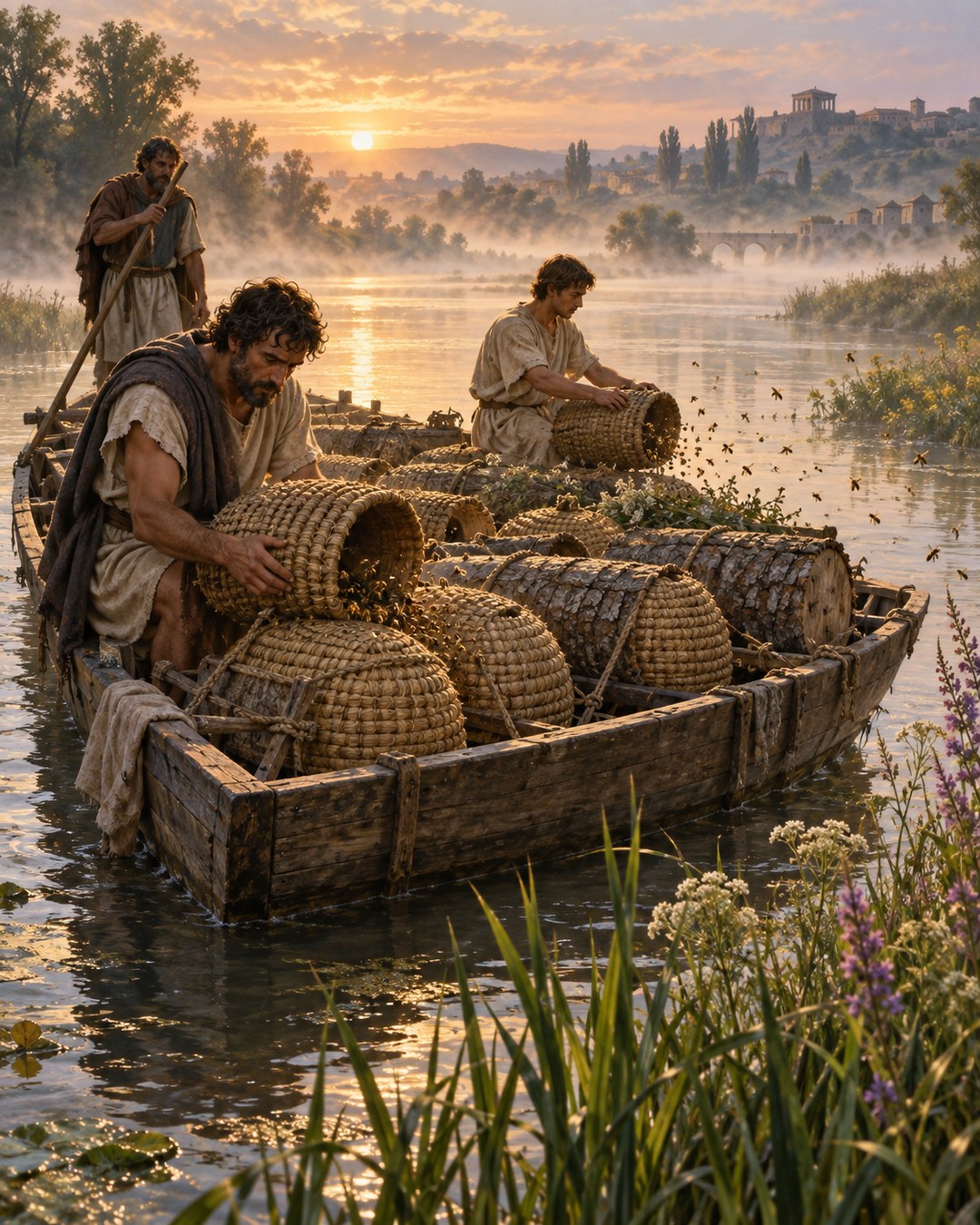
Beehives Travelled Five Miles Upriver to Find New Flowers

At night, Hostilia’s beehives went upriver. Pliny describes villagers on the Padus placing colonies in boats when nearby food failed. They carried the hives about five miles upstream in darkness. Morning released the bees into a new feeding area, and evening brought them back to the same floating base. The boat moved again from day … Read more

Raised Topsails Told Puteoli the Alexandrian Fleet Was Near

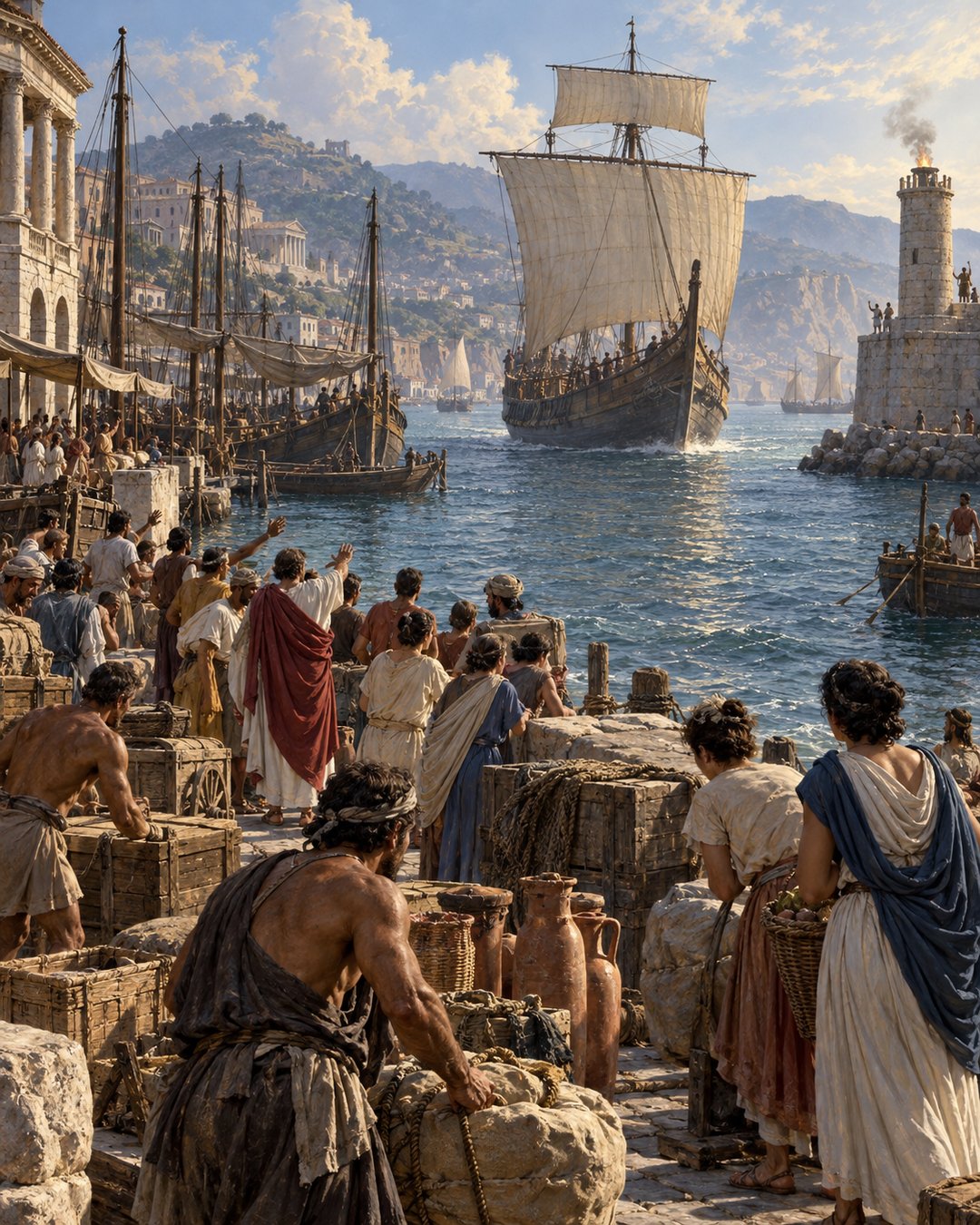
The message reached Puteoli as a patch of canvas above the horizon. Seneca watched Alexandrian ships approach the Campanian coast and identified them as advance vessels sent to announce a fleet. People on the docks knew them before they came alongside. Among a crowd of ships, their sail trim gave them away. Ordinary vessels near … Read more

Paint on Another Man’s Board Could Change Who Owned It

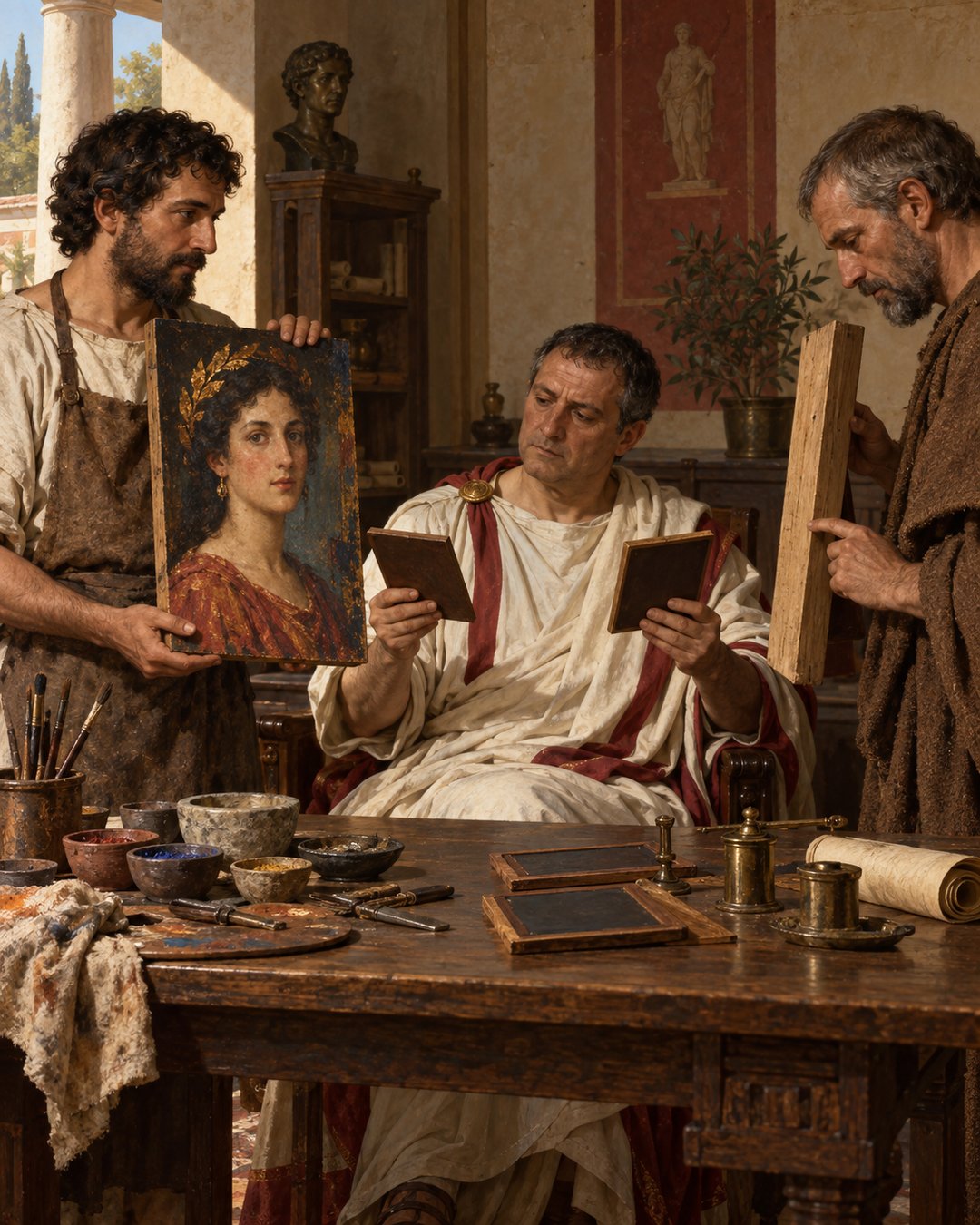
The letters could be gold and still lose to the parchment. Gaius says that writing placed on another person’s paper or parchment became the material owner’s property. The letters were accessory to the sheet beneath them. A painted image, however, could produce the opposite result: the support was treated as accessory to the painting. The … Read more

Augustus Wore Four Tunics and Still Feared Winter Sun

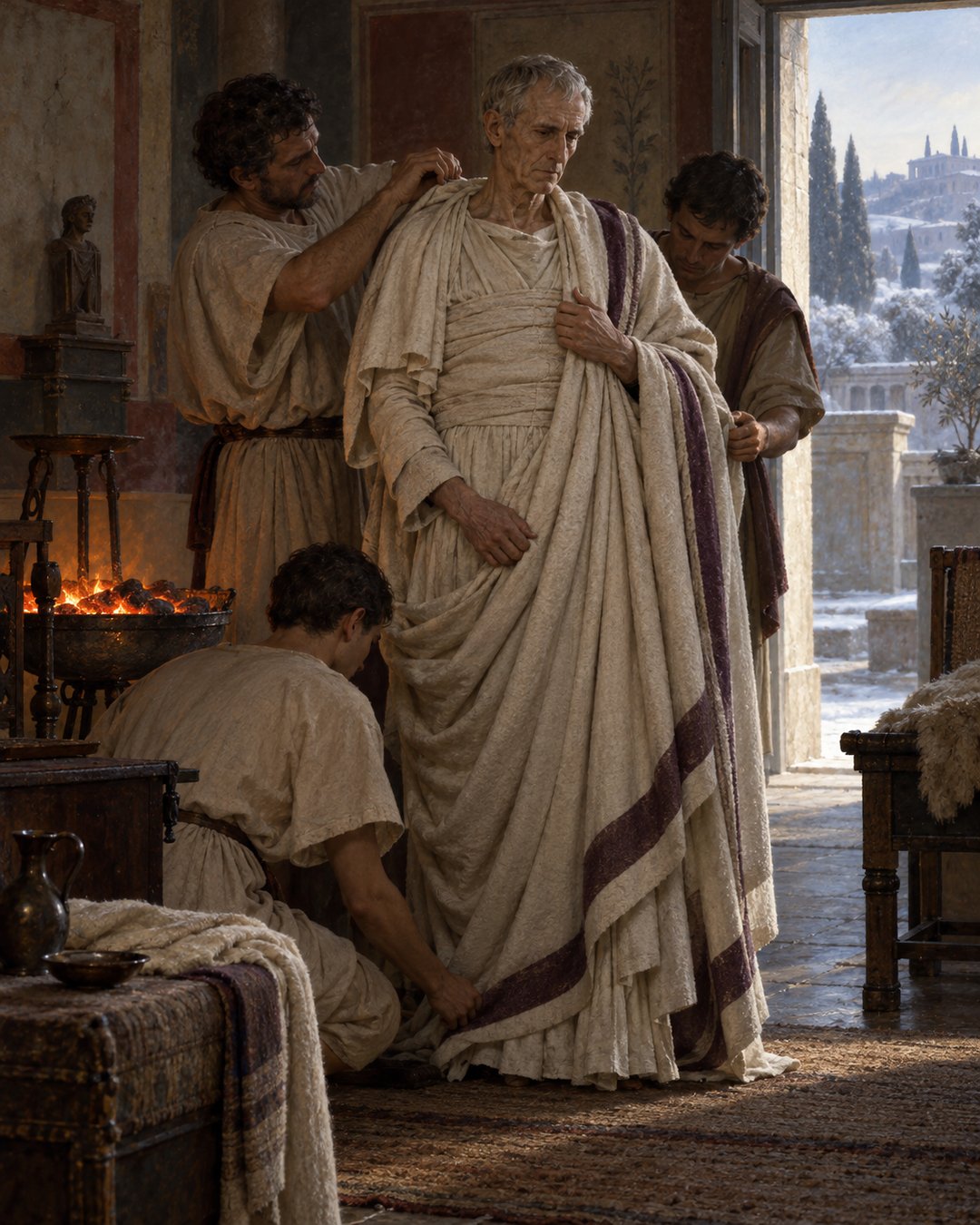
Four tunics stood between Augustus and a Roman winter. Suetonius adds a heavy toga, a woollen undershirt, a chest-protector, drawers and coverings for the legs. This was not the ceremonial wardrobe of a ruler displaying rank. It was a practical barrier assembled around a man who, his biographer says, could not easily endure cold or … Read more

Growers Carried Male Palm Dust to Female Date Trees

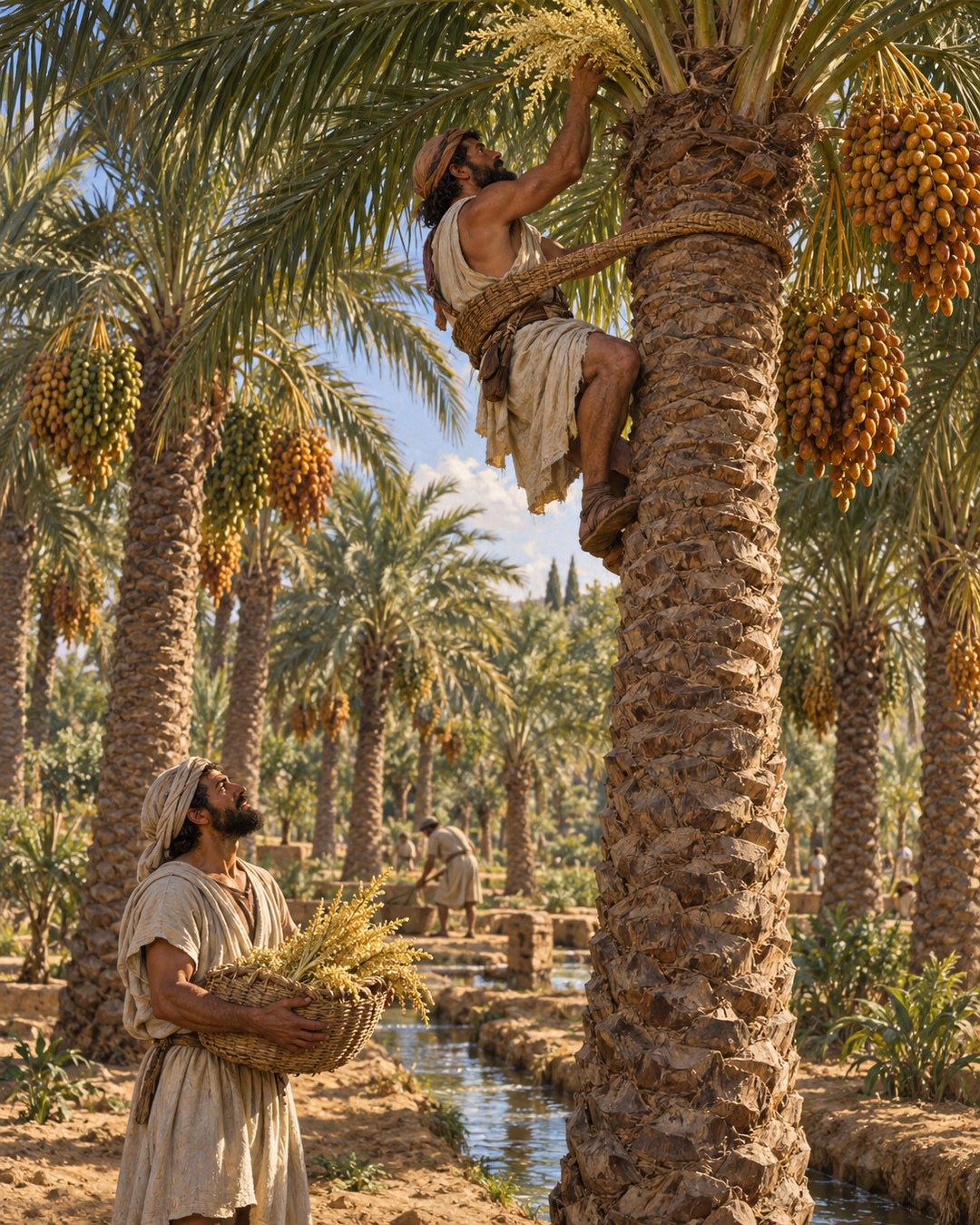
The useful part of the tree waited high above the ground. Date palms carried foliage, flowers and fruit in the crown. Pliny the Elder describes eastern climbers fastening an osier loop around body and trunk, then moving upward with striking speed. At pollination time, the climb joined a second piece of skilled work. Growers collected … Read more

Diviners Hid Horatius’s Statue Where the Sun Could Not Reach

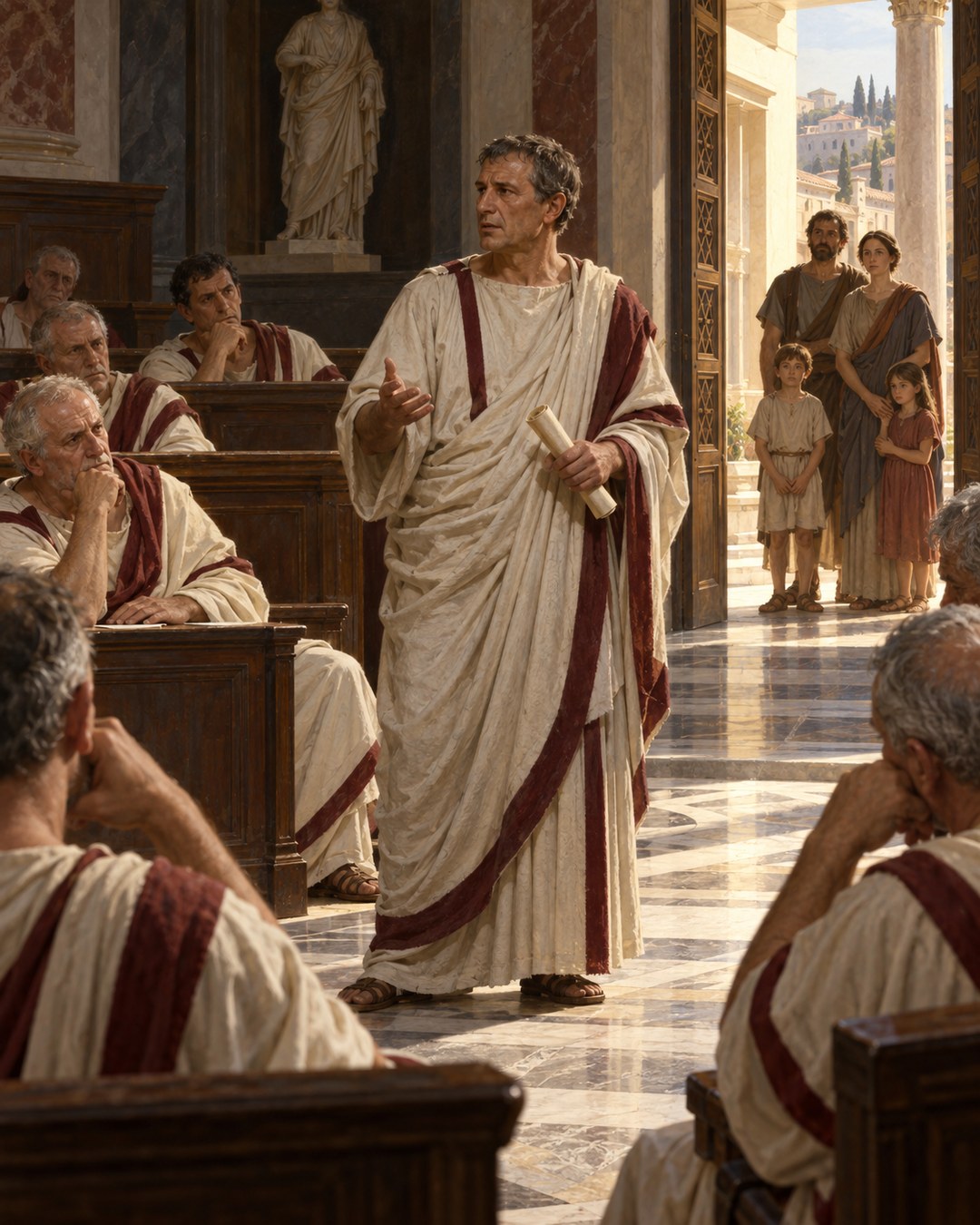
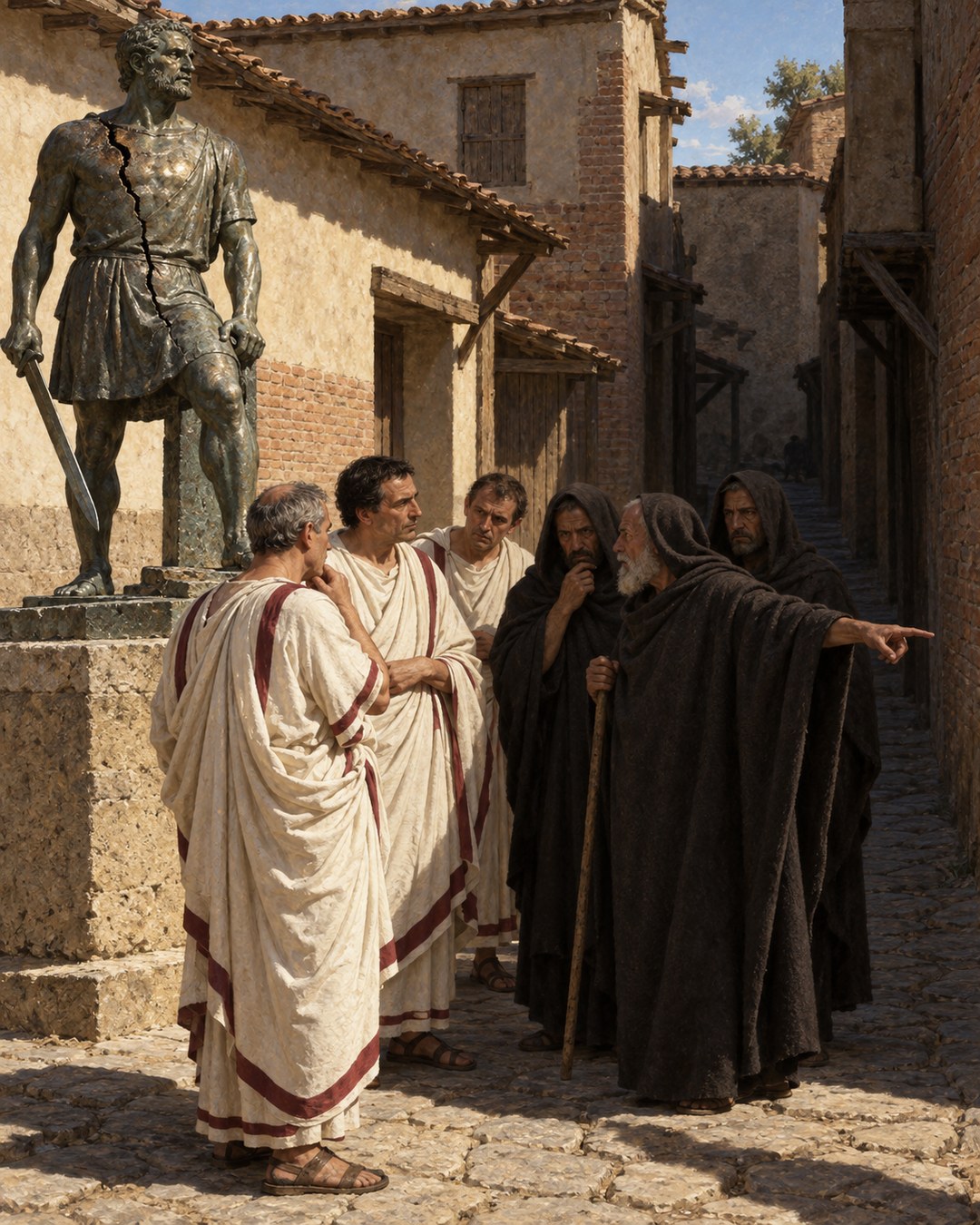
Lightning hit the bronze hero, and the experts told Rome to hide him from the sun. The statue of Horatius Cocles stood in the Comitium, a dense center of political memory. After the strike, Romans summoned diviners from Etruria to direct the expiation. According to Aulus Gellius, those advisers carried old hostility into their technical … Read more

A Heavy Roman Knight Kept His Rank but Lost His Horse

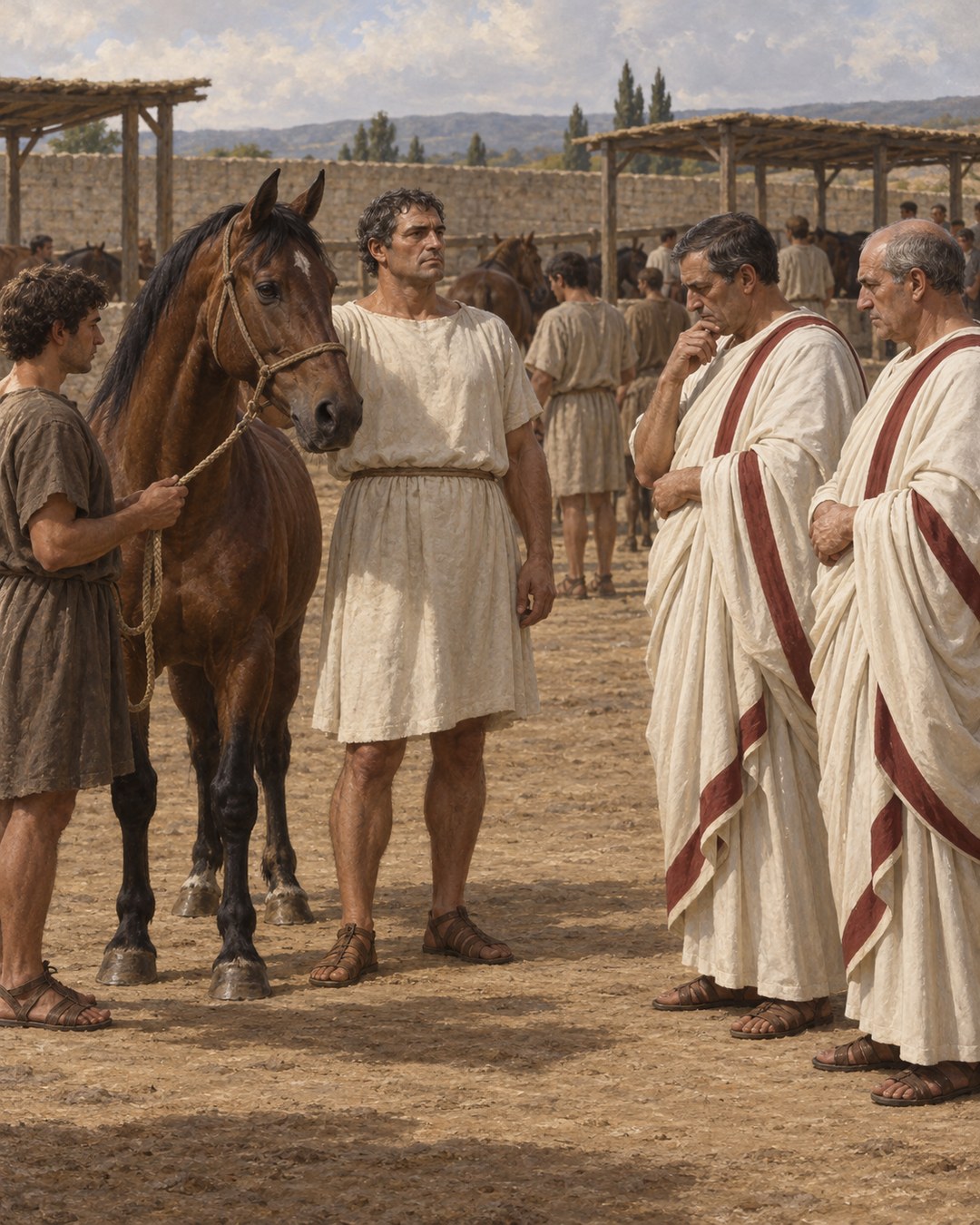
The horse left the review without its rider. Roman censors, Aulus Gellius says, used to remove a knight’s horse when the man had become too fat and corpulent. Their immediate reasoning was practical: someone so heavy was no longer considered fit for the duties expected of a mounted equestrian. Yet the physical decision opened a … Read more