Pompey Put TERT Where Rome’s Grammarians Disagreed
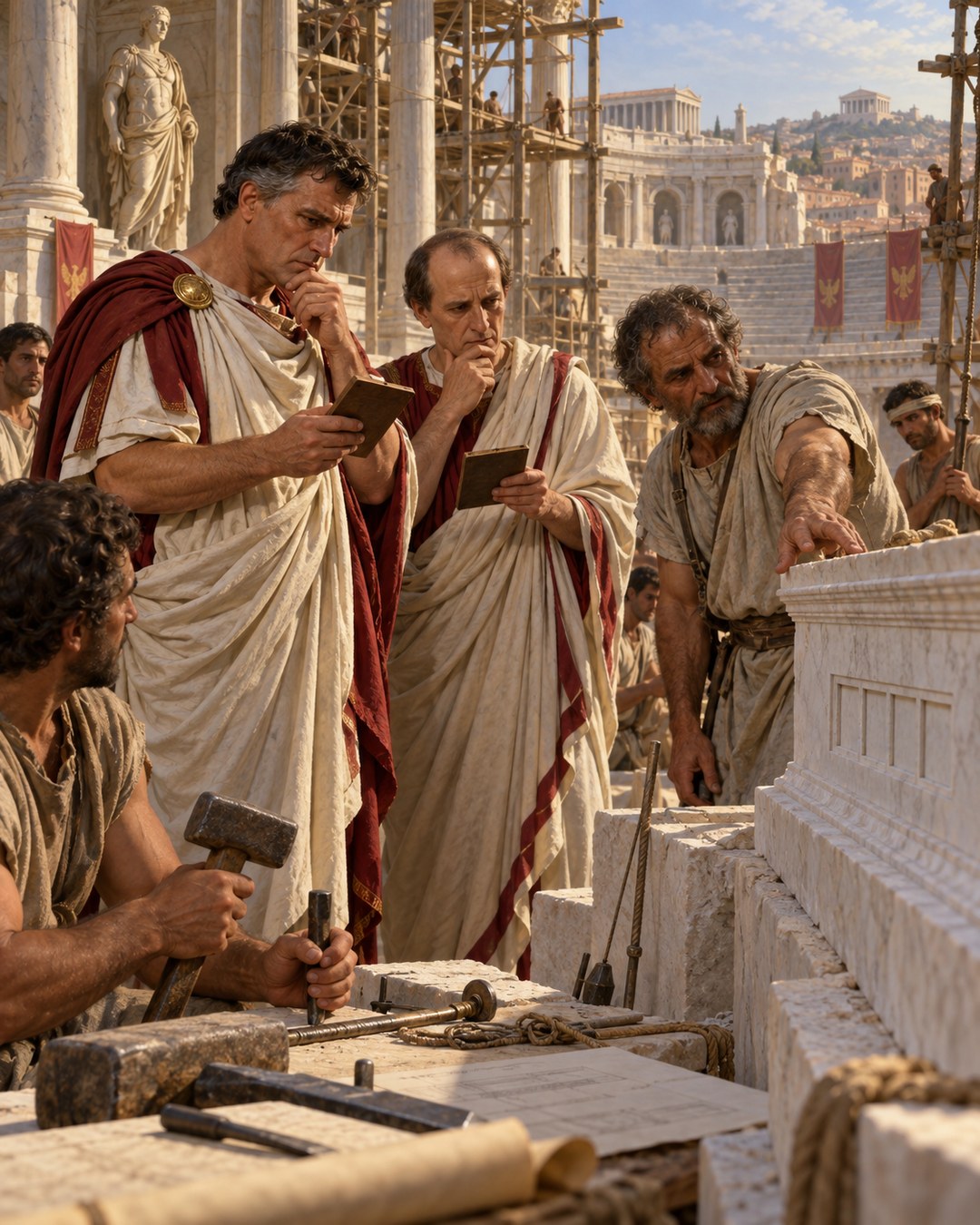
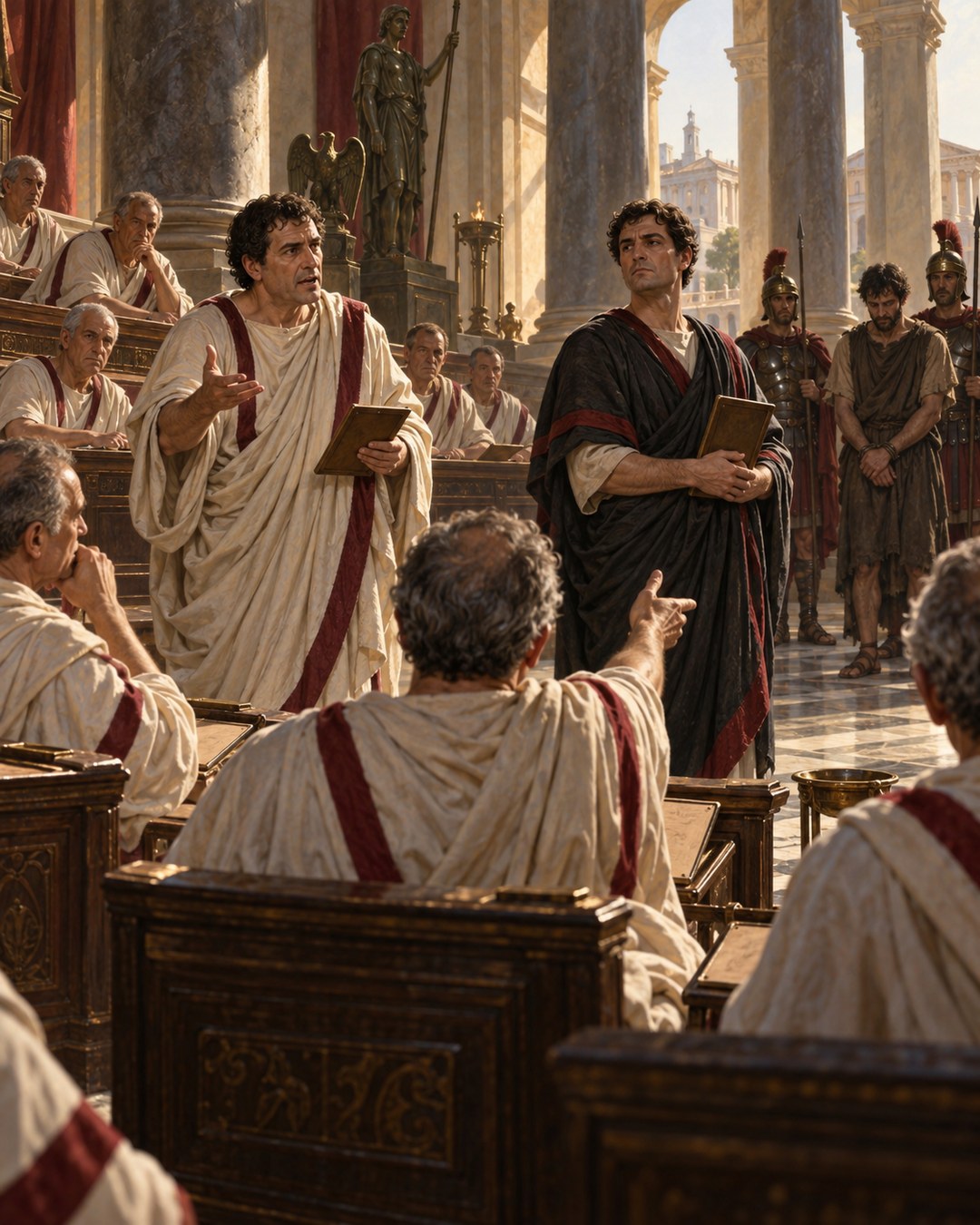
The stone waited for a final vowel. Pompey wanted his third consulship recorded on the great theatre complex he was preparing to dedicate. The honor itself was clear. The grammar was not. Should the inscription call him consul tertium or consul tertio? He consulted learned Romans and received two confident answers. Pompey then asked Cicero … Read more
Olive Lees Sealed a Roman Threshing Floor against Ants

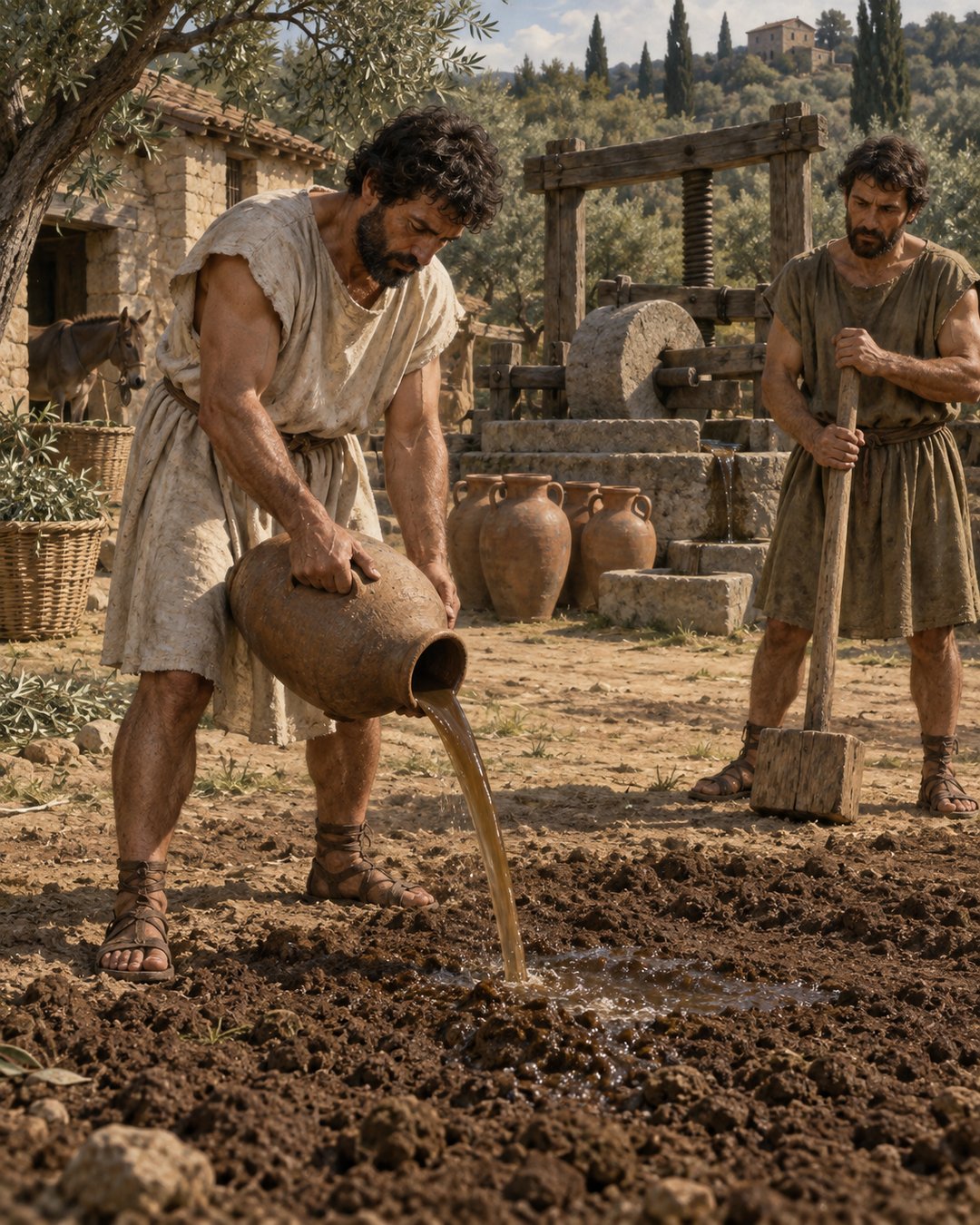
Before the grain arrived, the ground had to be built. Cato’s recipe for a threshing floor begins by turning soil and flooding it with amurca, the dark watery lees left from olive-oil production. The liquid soaked in. Workers then broke every clod, leveled the area and beat it hard with rammers. A second layer of … Read more

Antonia’s Lamprey Wore Earrings at Baculo

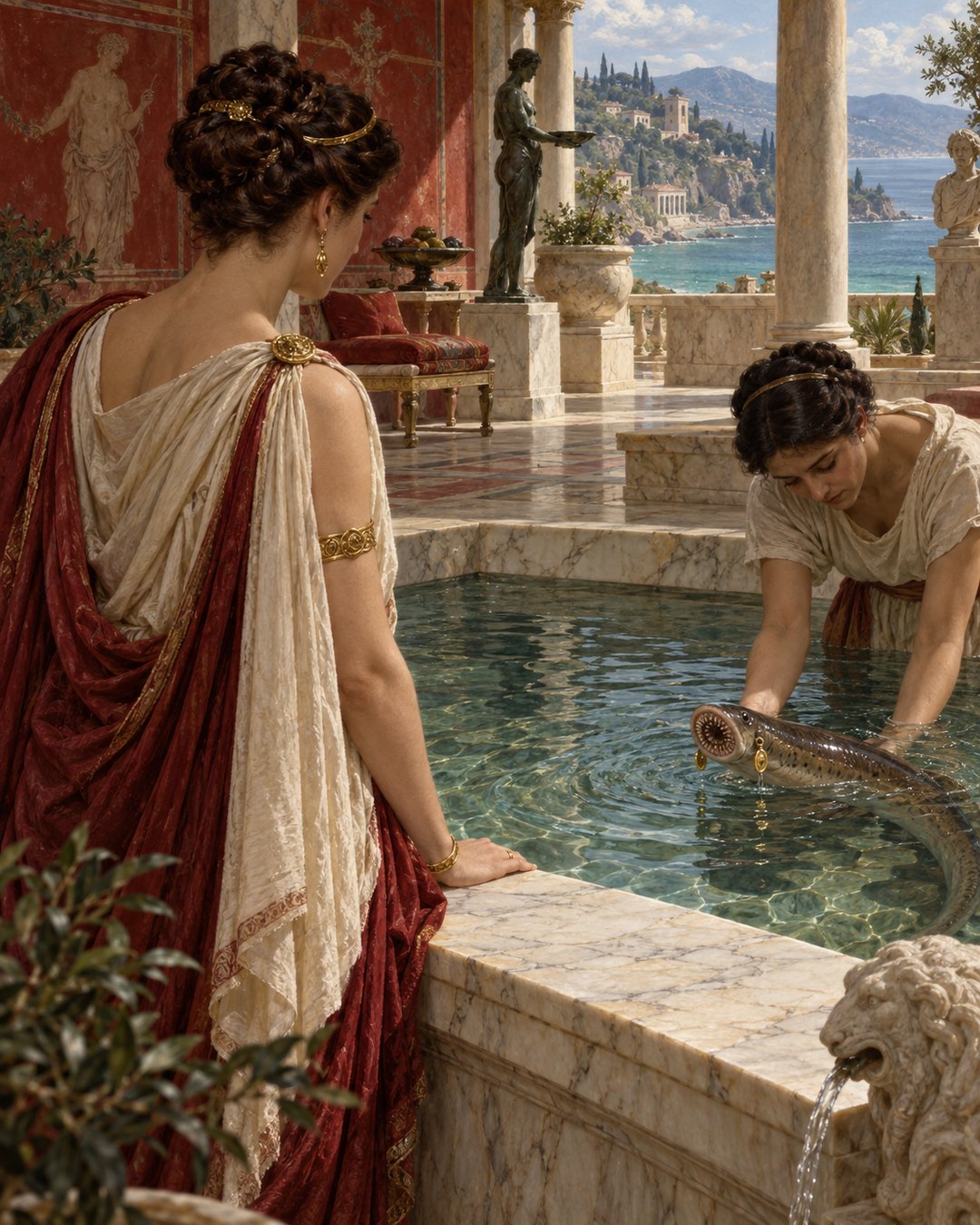
The visitor did not come for a statue. The attraction moved beneath the water. At a villa in Baculo, near Baiae, Antonia kept a favorite lamprey and decorated it with earrings. Pliny says the fish acquired such a reputation that people became eager to visit. A creature normally counted among pond stock had become an … Read more

A White Cloth Exposed Bad Sand Before the Mortar Set

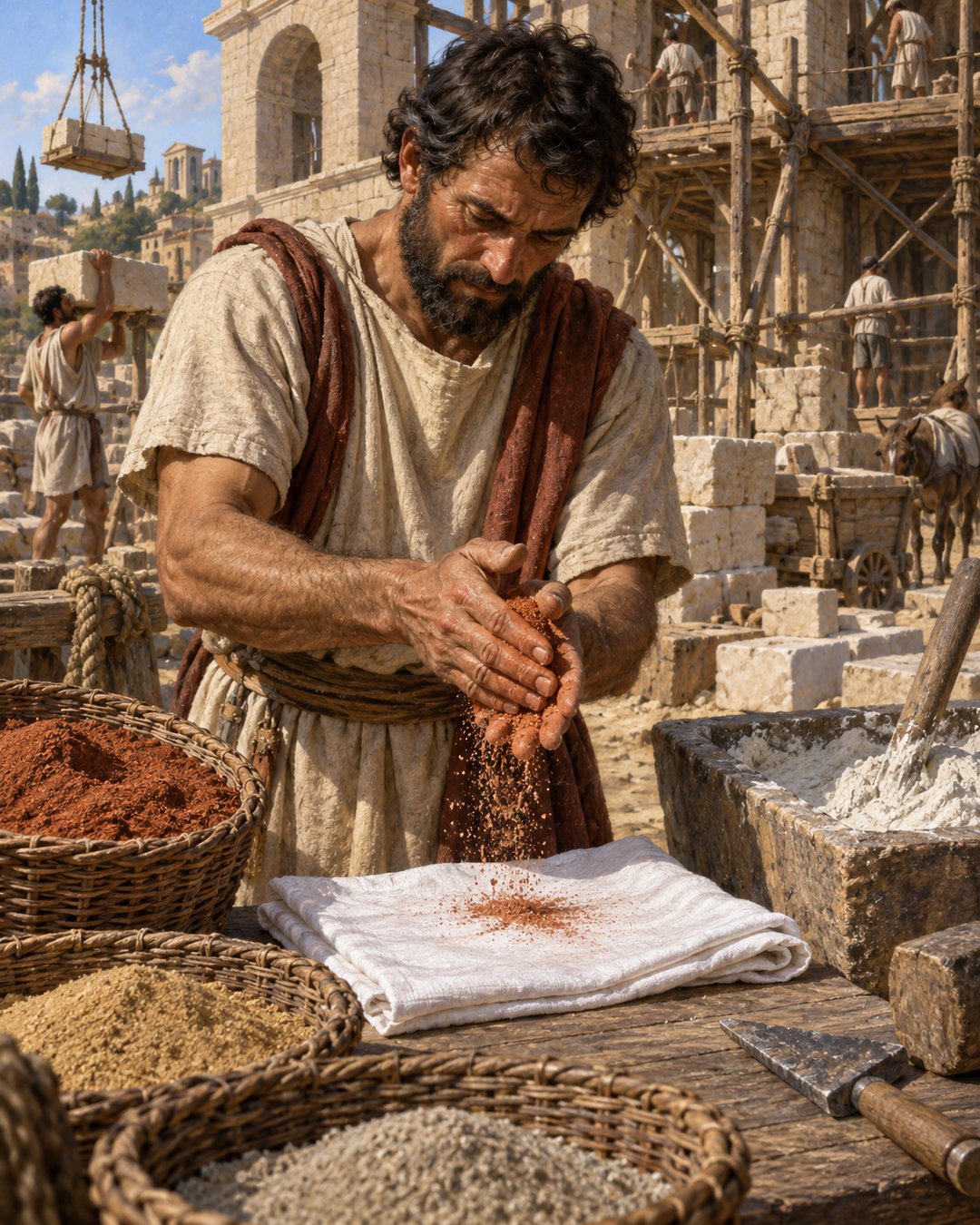
The sand looked dry enough. That did not make it fit for a wall. Vitruvius gives a builder two tests that required no furnace, scale or specialist instrument. Rub the grains in the hand and listen. Then pour them over a white garment, shake them off and inspect what remains. Good material should rasp rather … Read more

Loaves and Violets Stopped Rome’s Millstones

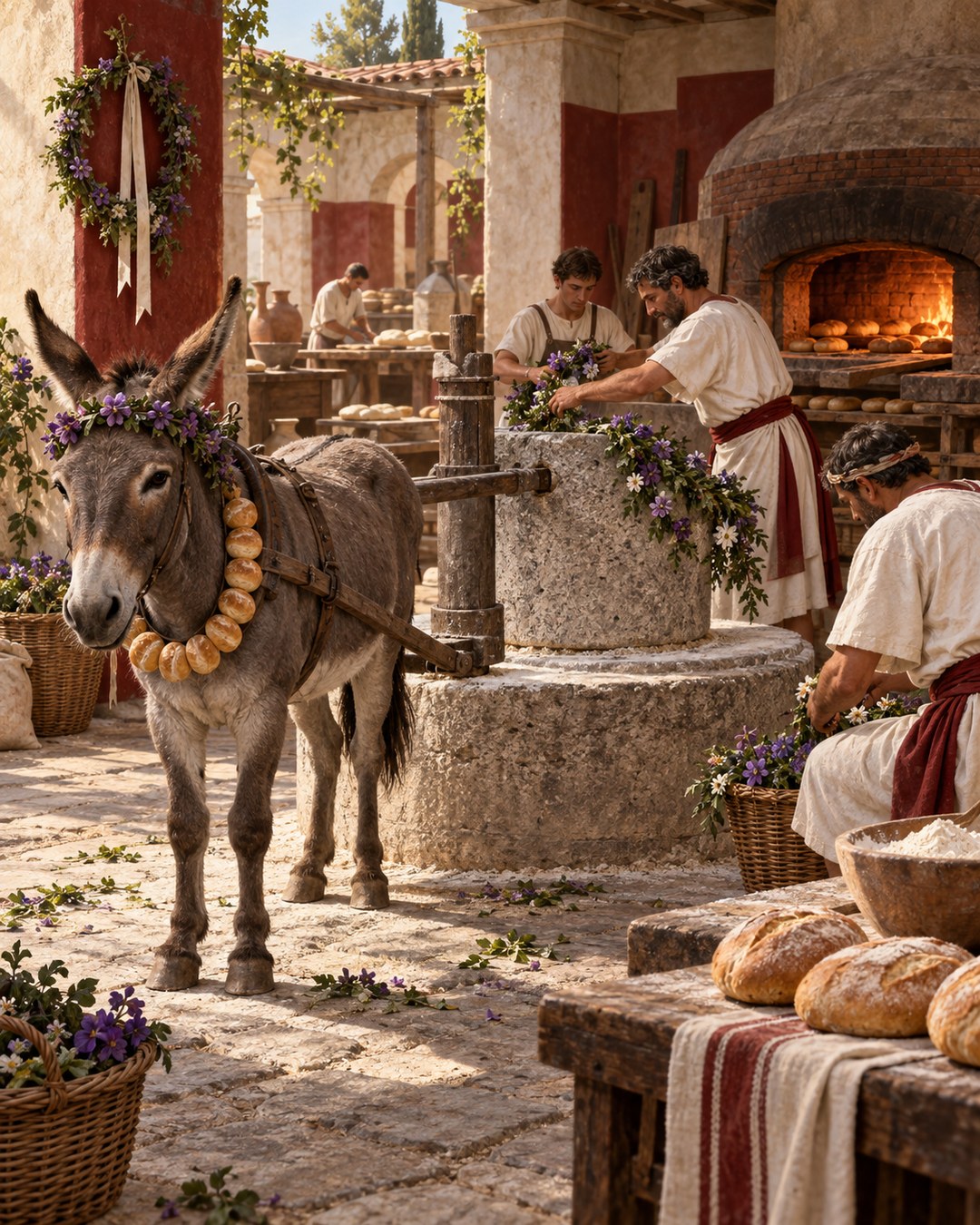
For a day, the loaf moved from product to ornament. Ovid pictures bread hanging from wreath-decked asses while flowers covered the rough millstones beside them. The animals did not walk their usual circles. The mills stood empty and silent. The scene belongs to his June account of Vesta, the hearth and the labor that fed … Read more

Dust and a North Wind Took the Characitan Caves

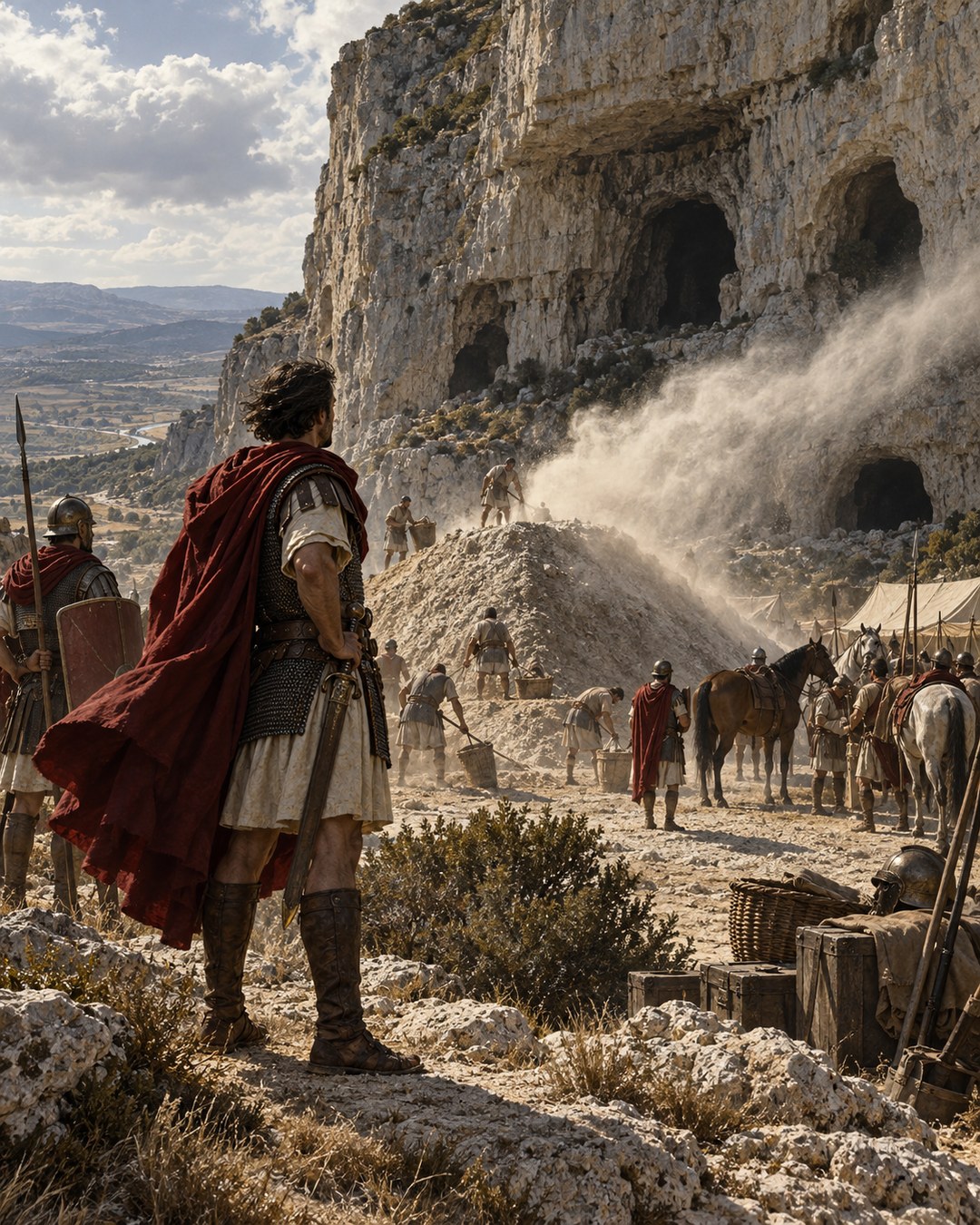
The caves had no gate, no street and no wall that a Roman assault could conveniently break. The Characitani lived inside hollows cut into a high cliff beyond the river Tagonius. Whenever war threatened, Plutarch says, they carried their plunder into those chambers and waited where force could not reach them. Sertorius arrived after withdrawing … Read more

An Earthquake Gave Rome a Holy Day without a God’s Name

The ground moved, but the decree that followed did not name who had moved it. In Aulus Gellius’s account, Romans of old answered an earthquake by declaring a holy day. Where such a decree would ordinarily identify the god being honoured, this one left the divine recipient unstated. The omission was deliberate. Philosophers disagreed about … Read more

An Oiled Basin Sweated Overnight Where Water Hid

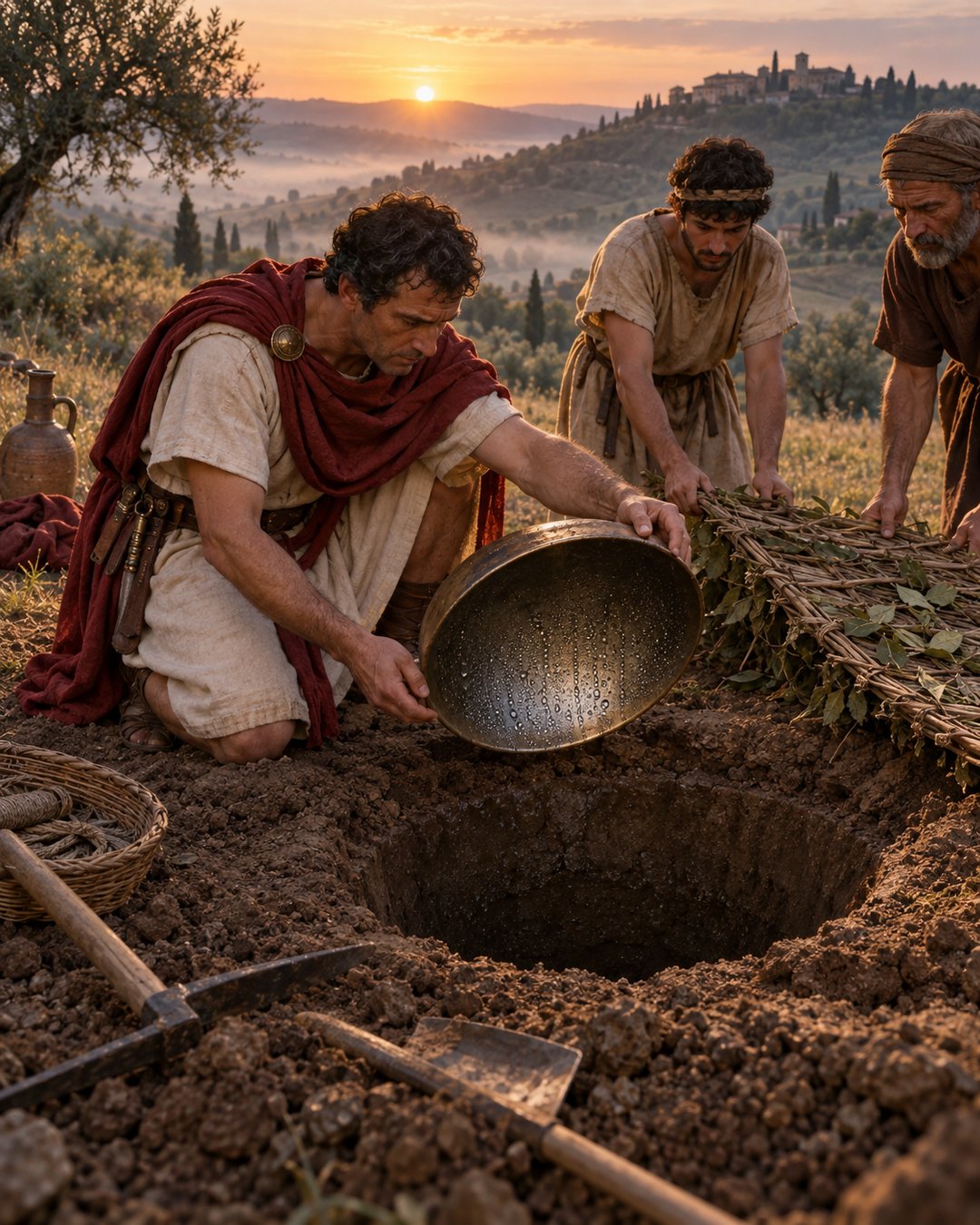
The ground looked dry, and the water beneath it could not be seen. Vitruvius did not begin his answer with a deep shaft. He began with a test hole: three feet square, at least five feet deep, prepared before sunset. Into that smaller excavation went a bronze or lead basin. Its inside was rubbed with … Read more