Kanus Was One Counter Ahead When the Centurion Came
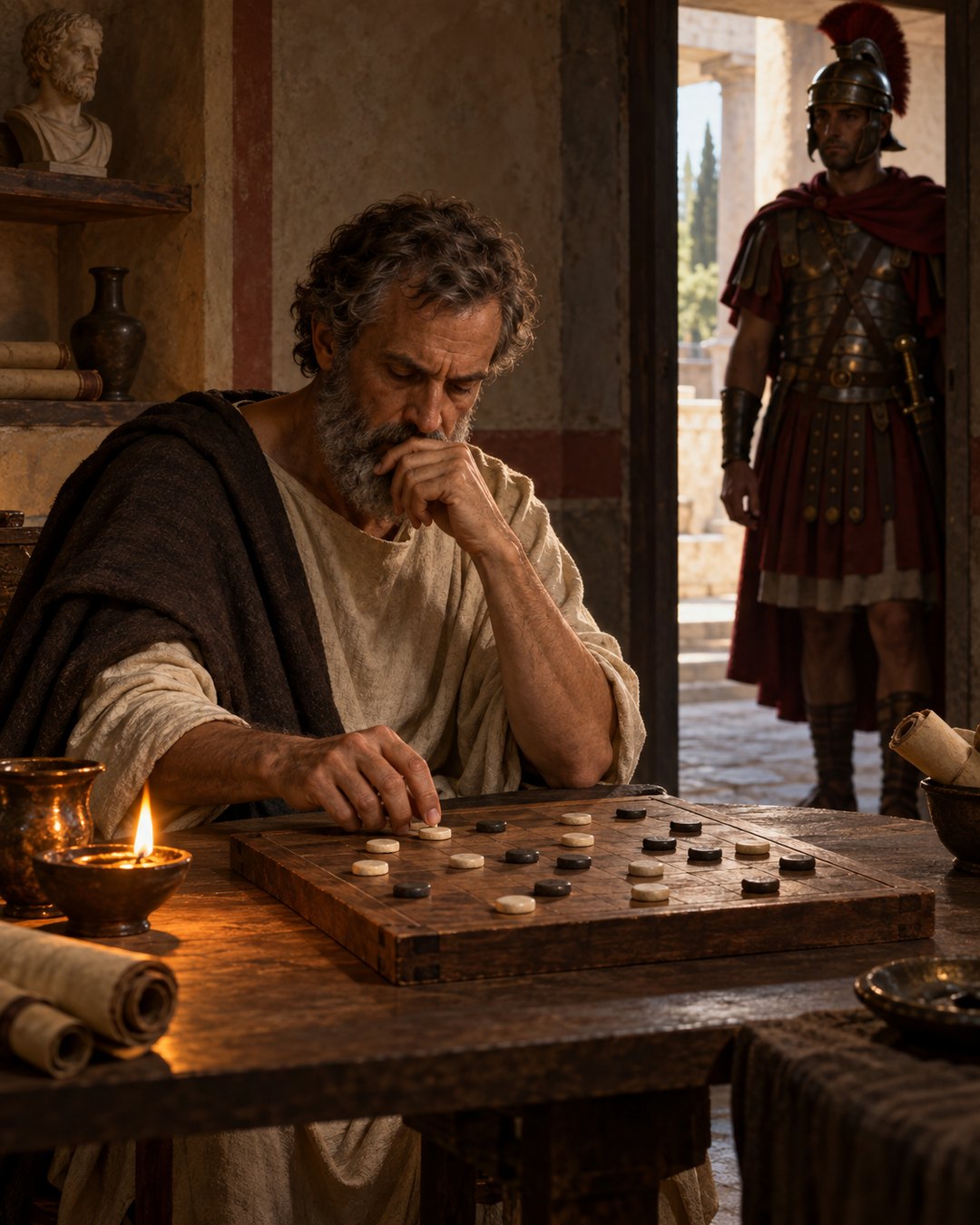
The centurion arrived before the game had produced a winner. Julius Kanus was sitting over a draughts board when the officer summoned a group of prisoners for execution. Kanus did not sweep the pieces aside. According to Seneca, he counted them. Then he gave his opponent an instruction: after Kanus was dead, the other man … Read more
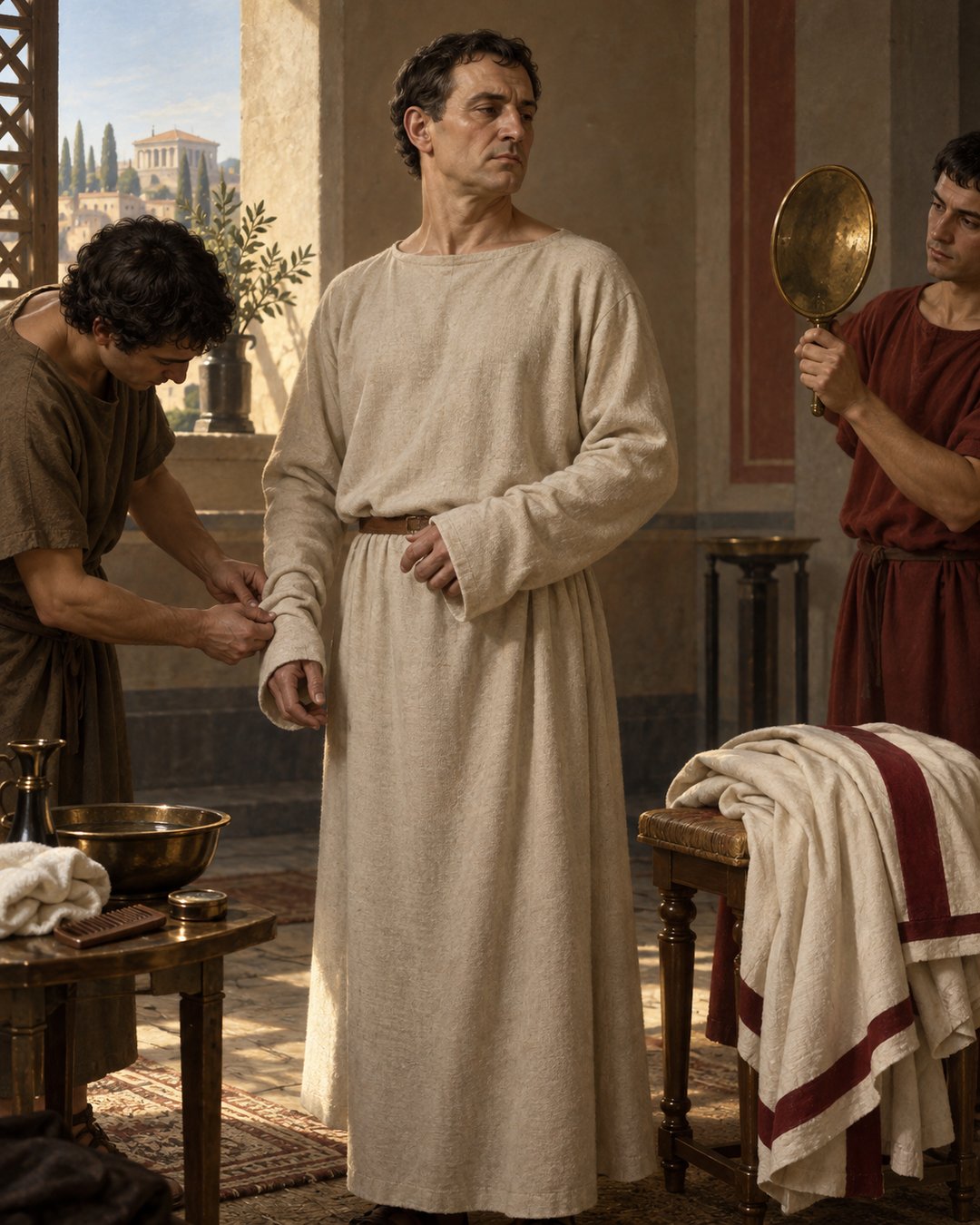
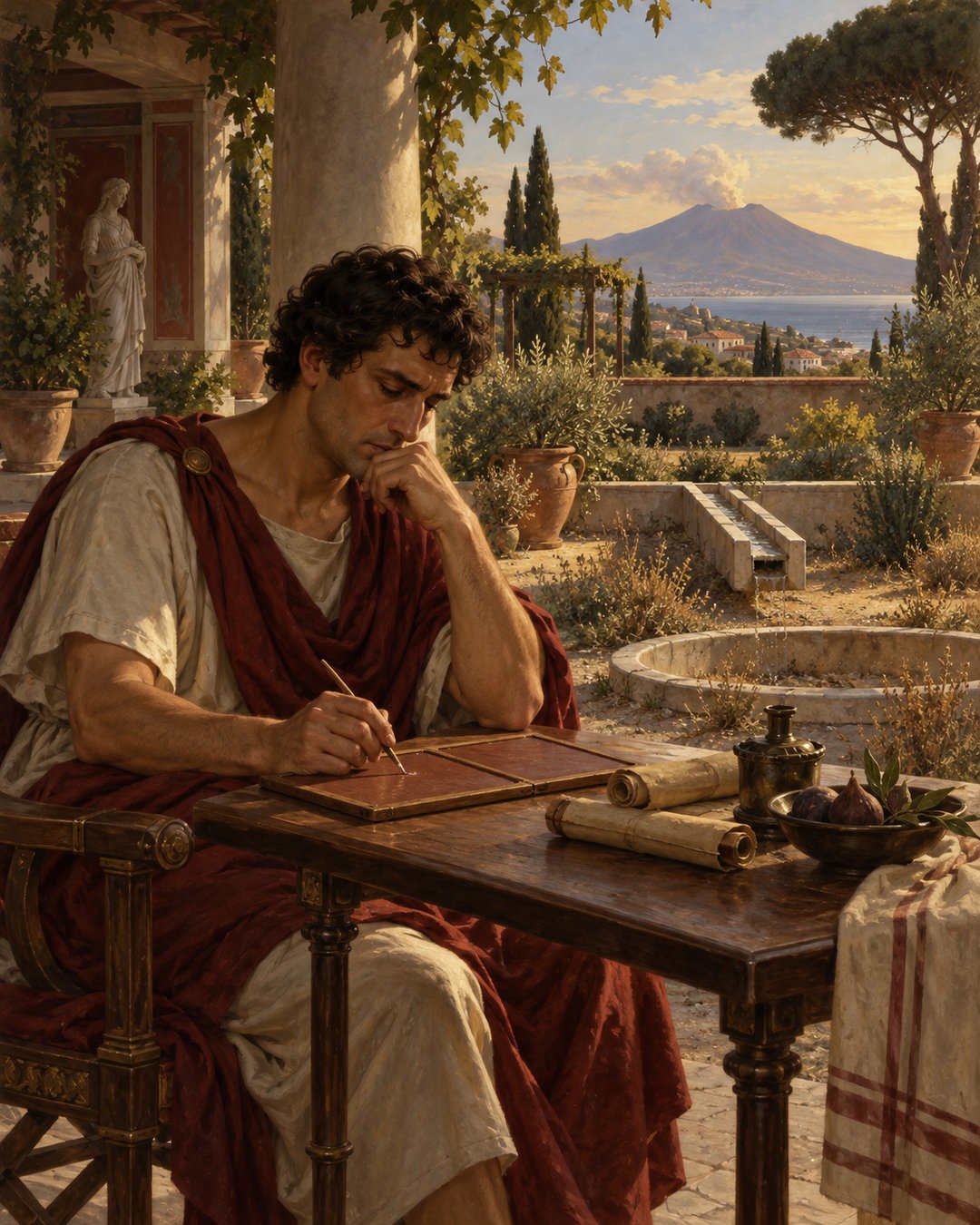
Sleeves to the Fingers Became Evidence in a Roman Character Attack

A Roman man’s sleeve could end below the shoulder, at the wrist or almost at the fingertips. In Attic Nights 6.12, those few inches become evidence. Aulus Gellius says that tunics reaching down the arms were considered unbecoming for men in Rome and Latium. He calls them chiridotae, a Greek-derived name for long-sleeved garments. Then … Read more

Gellius Would Not Decide Why Nola Vanished from Virgil

A story reached Aulus Gellius through an unnamed commentary. Virgil, it said, once wrote Nola into a passage of the Georgics beside wealthy Capua and the slope of Vesuvius. The poet owned land nearby and asked the people of Nola to let him conduct city water to his estate. They refused. Offended, he supposedly struck … Read more

Wind Shook the Lines, So Vitruvius Leveled with Water

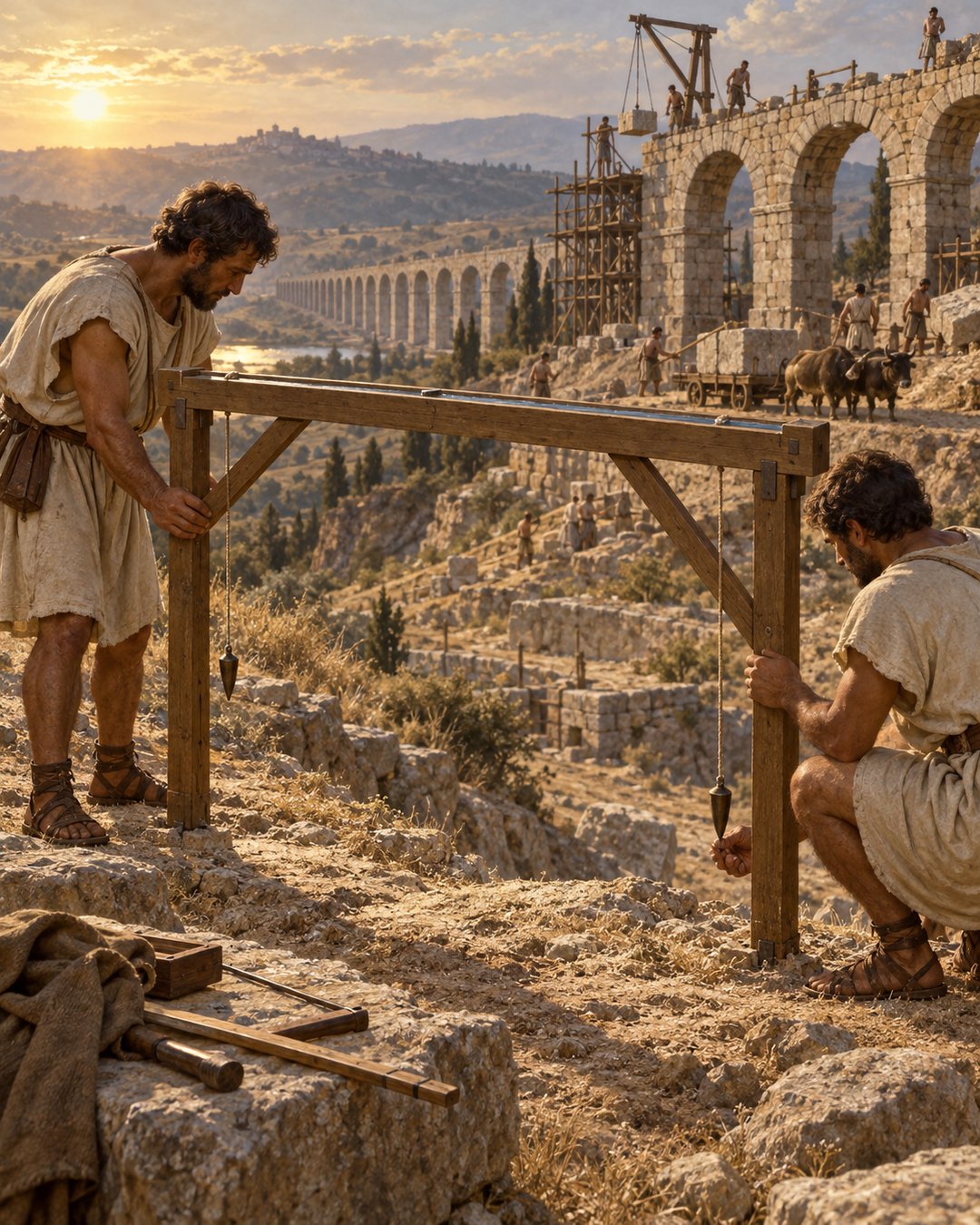
Aqueduct surveyors needed a horizontal reference before they could measure a slope. Vitruvius offered three instruments for that work: the dioptra, water levels and the chorobates. He preferred the last. It was not a pocket tool but a timber straightedge about twenty feet long, standing on equal legs and stiffened by tenoned crosspieces. In calm … Read more

Twenty Thousand Survivors Left One Consul in Chains

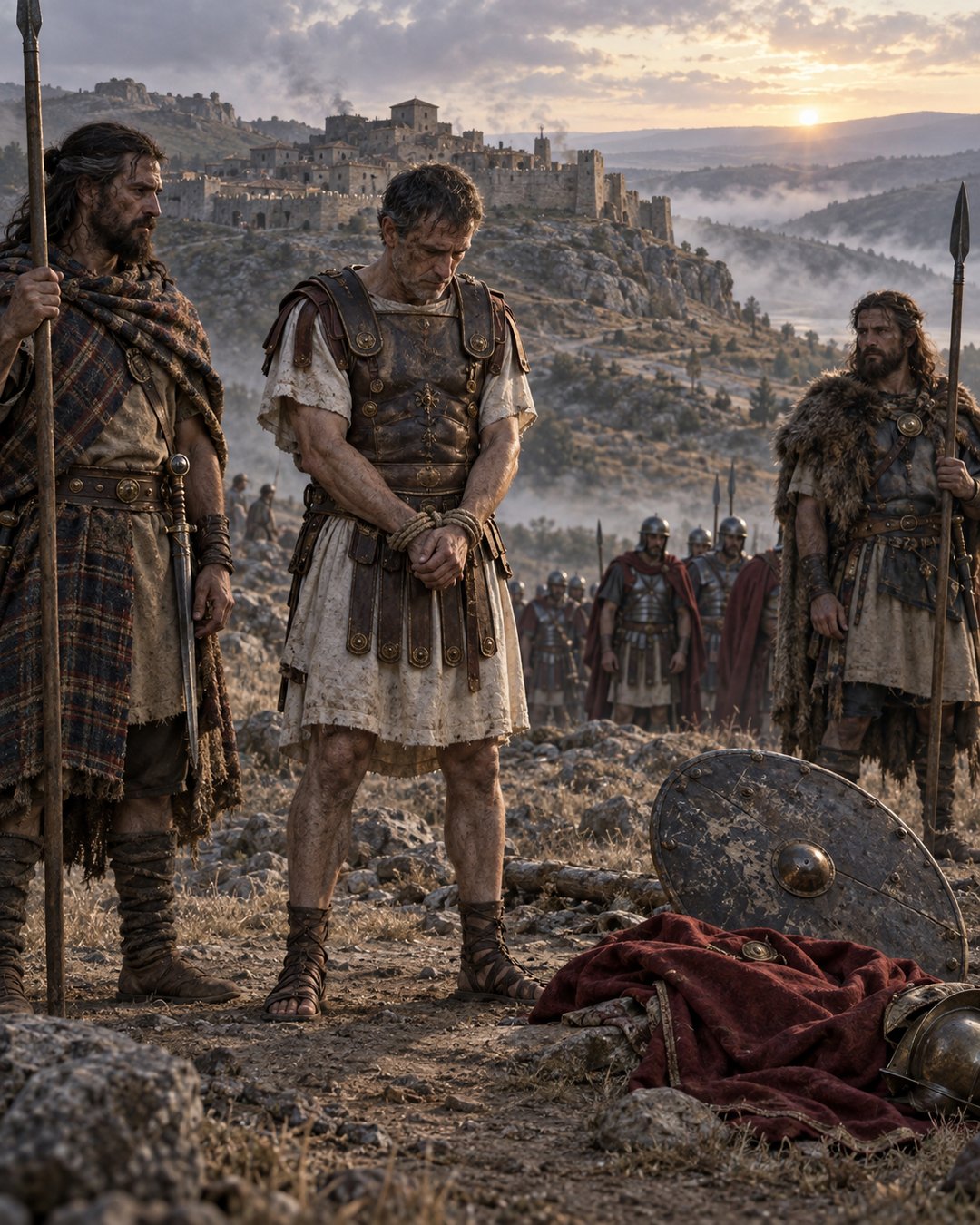
The retreat began at night. After a succession of defeats outside Numantia, the consul Gaius Hostilius Mancinus tried to abandon his camp and pull the Roman force away in darkness. The Numantines detected the movement, seized the camp and struck the men at the rear. What remained of the army was crowded into difficult country … Read more

Forty Cubits Made Trajan Fear an Empty Lake

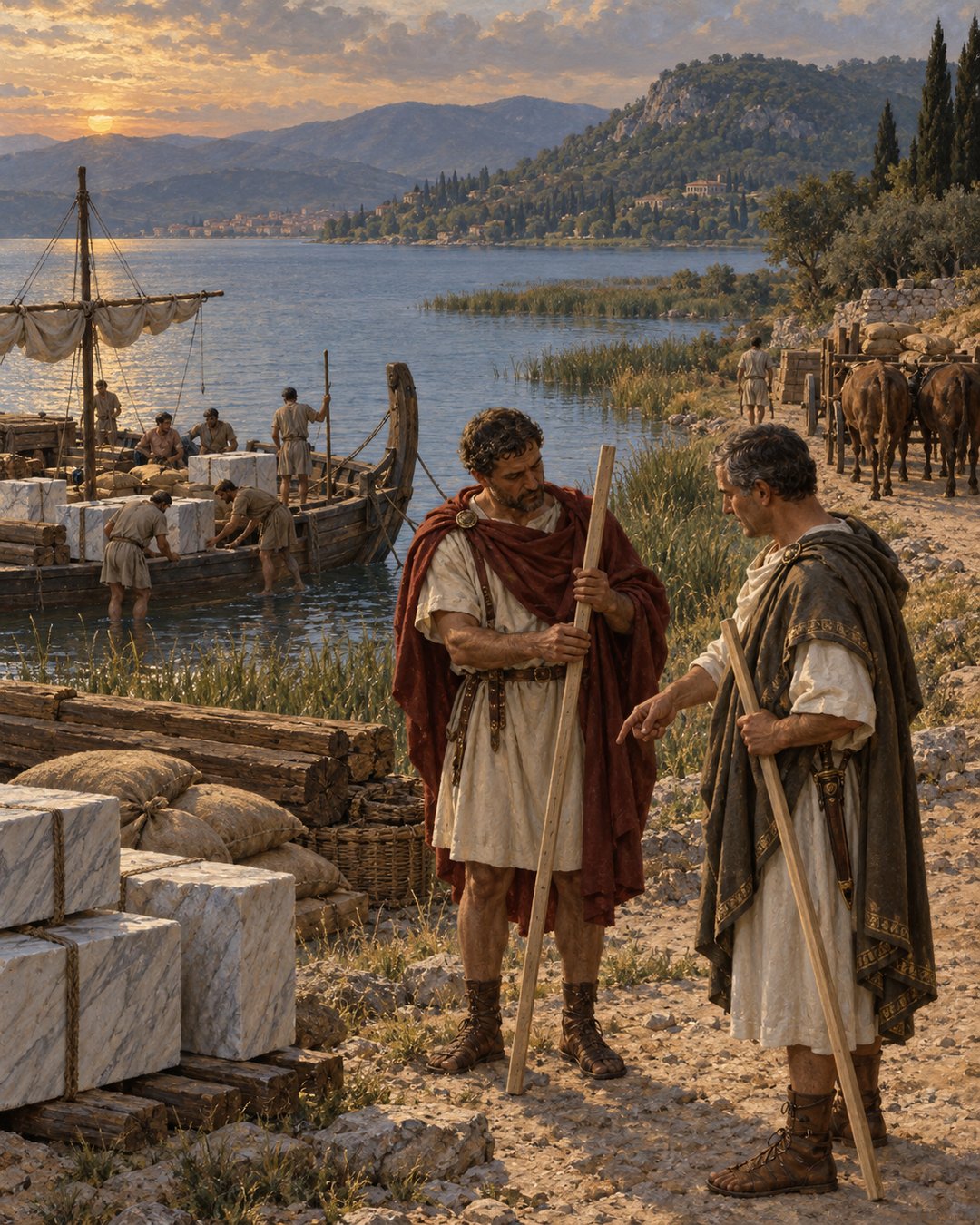
Inland from Nicomedia lay a spacious lake that already functioned as a transport route. Barges could carry marble, grain, timber and other bulky goods across its water to the high road with little expense or labor. Then the advantage ended. Cargo had to descend to the sea in wagons, and Pliny called that stage laborious … Read more

Nicomedia Had No Buckets, but Trajan Refused 150 Firemen

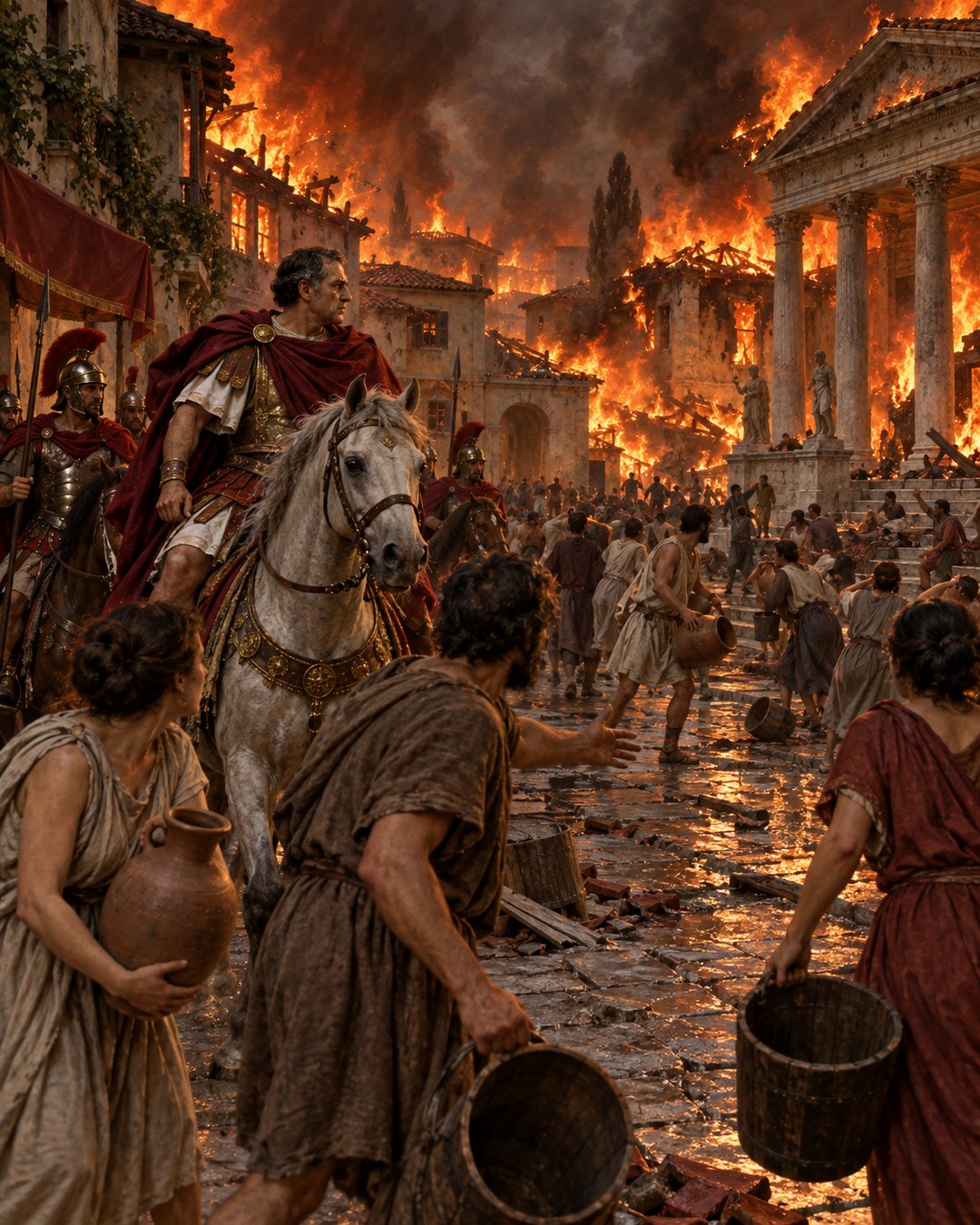
When fire ran through Nicomedia, the provincial governor was not there to direct the response. Pliny was visiting a distant part of his province. By the time he described the disaster to Trajan, private houses had been lost along with two public buildings: a facility associated with the city’s elders and a temple of Isis. … Read more

Four Hundred Wheel Turns Dropped One Ball into a Mile Box

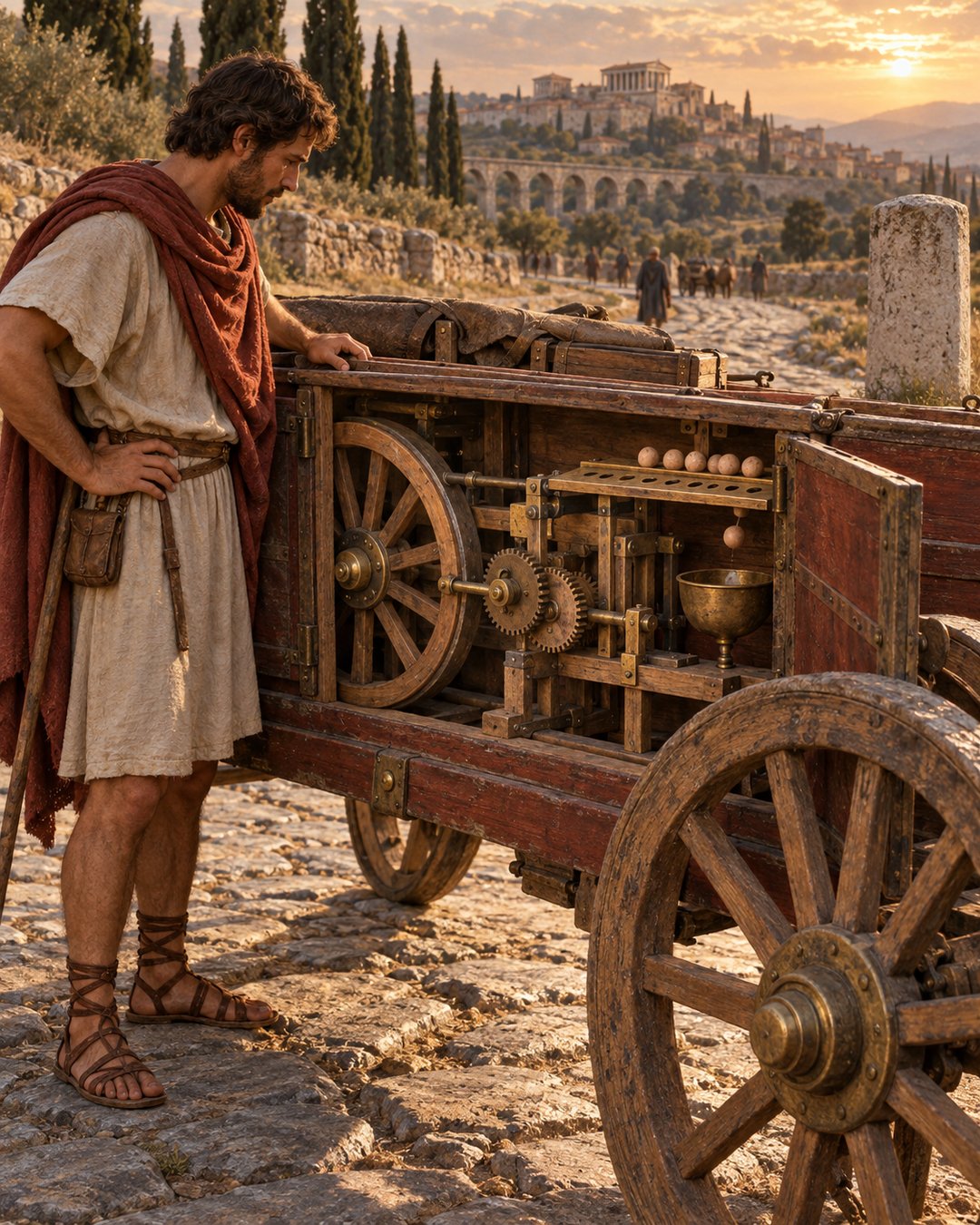
A Roman chariot travelled continuously, but Vitruvius wanted its distance to arrive in separate pieces. Inside the vehicle, the road wheel drove a slower vertical wheel. That wheel drove a horizontal plate pierced with holes. In each hole waited a small ball. After four hundred turns of the carriage wheel, one ball reached an opening, … Read more

A Six-Foot Stake Took Every Blow from a Roman Recruit

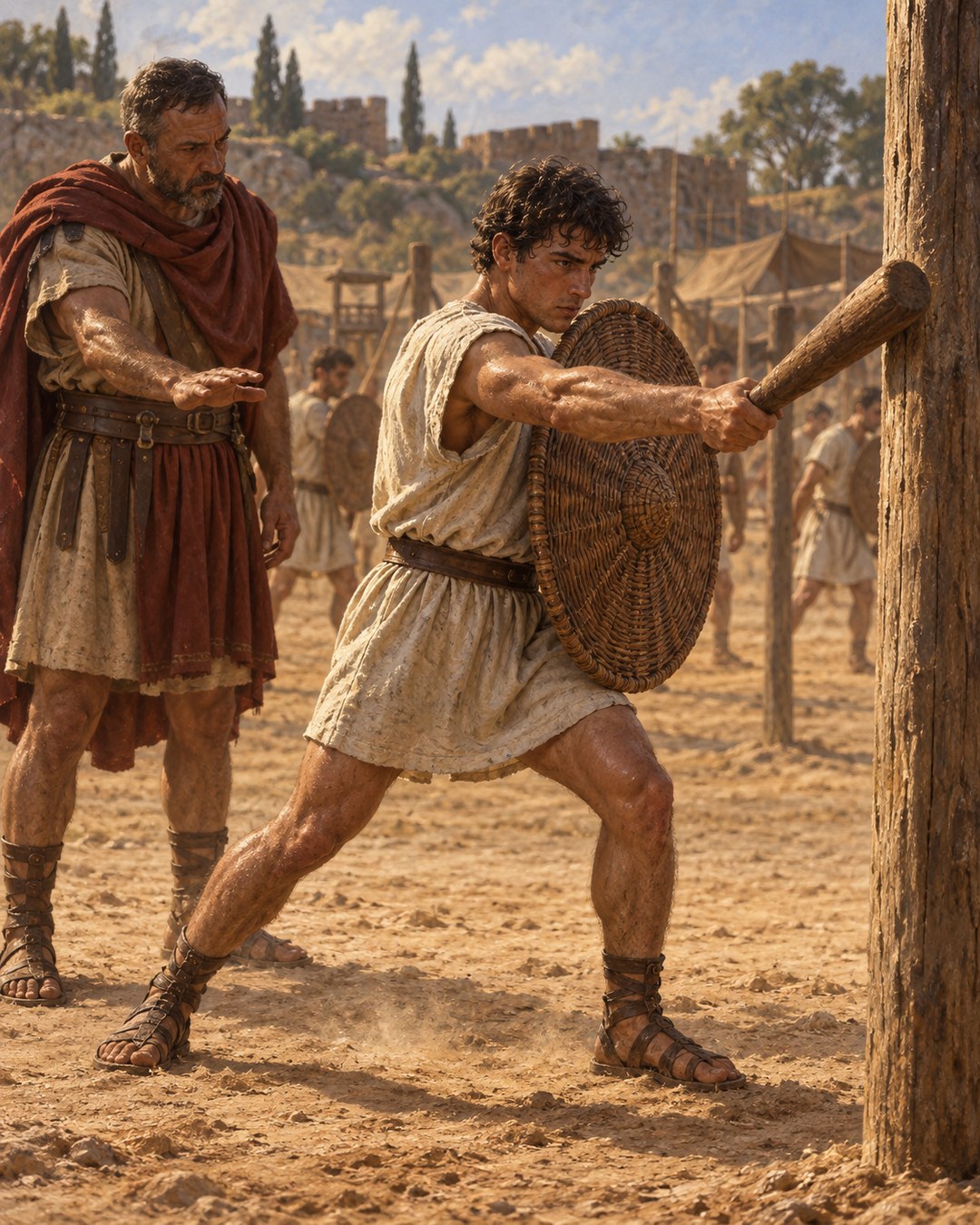
A Roman recruit walked onto the drill ground carrying equipment deliberately worse than the weapons he hoped to use. His round shield was woven from wicker and built to twice the weight of a service shield. In his other hand sat a wooden club, also twice the weight of the sword it represented. In front … Read more