An Oiled Basin Sweated Overnight Where Water Hid
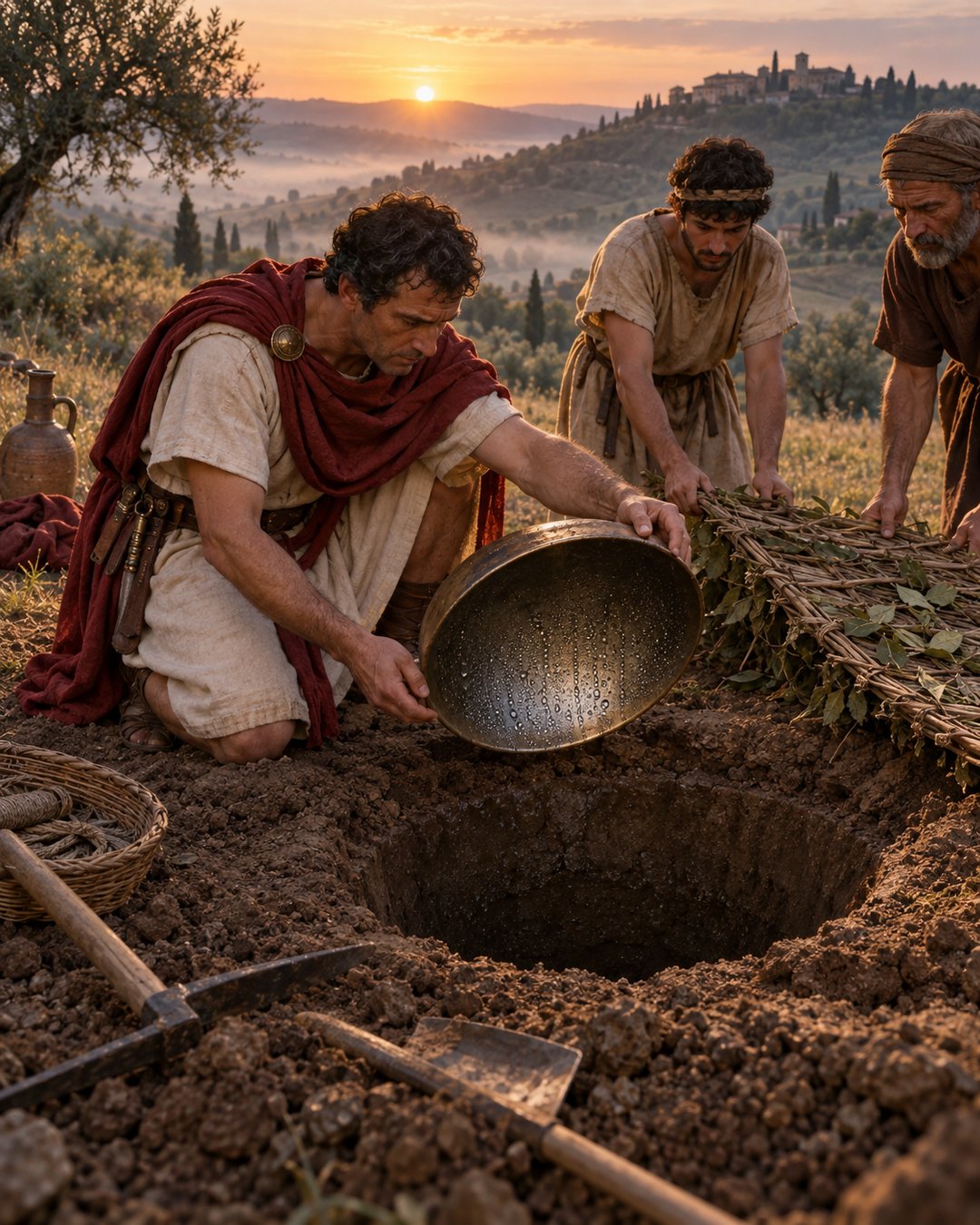
The ground looked dry, and the water beneath it could not be seen. Vitruvius did not begin his answer with a deep shaft. He began with a test hole: three feet square, at least five feet deep, prepared before sunset. Into that smaller excavation went a bronze or lead basin. Its inside was rubbed with … Read more
Hannibal Counted Antiochus’s Gold as Roman Booty

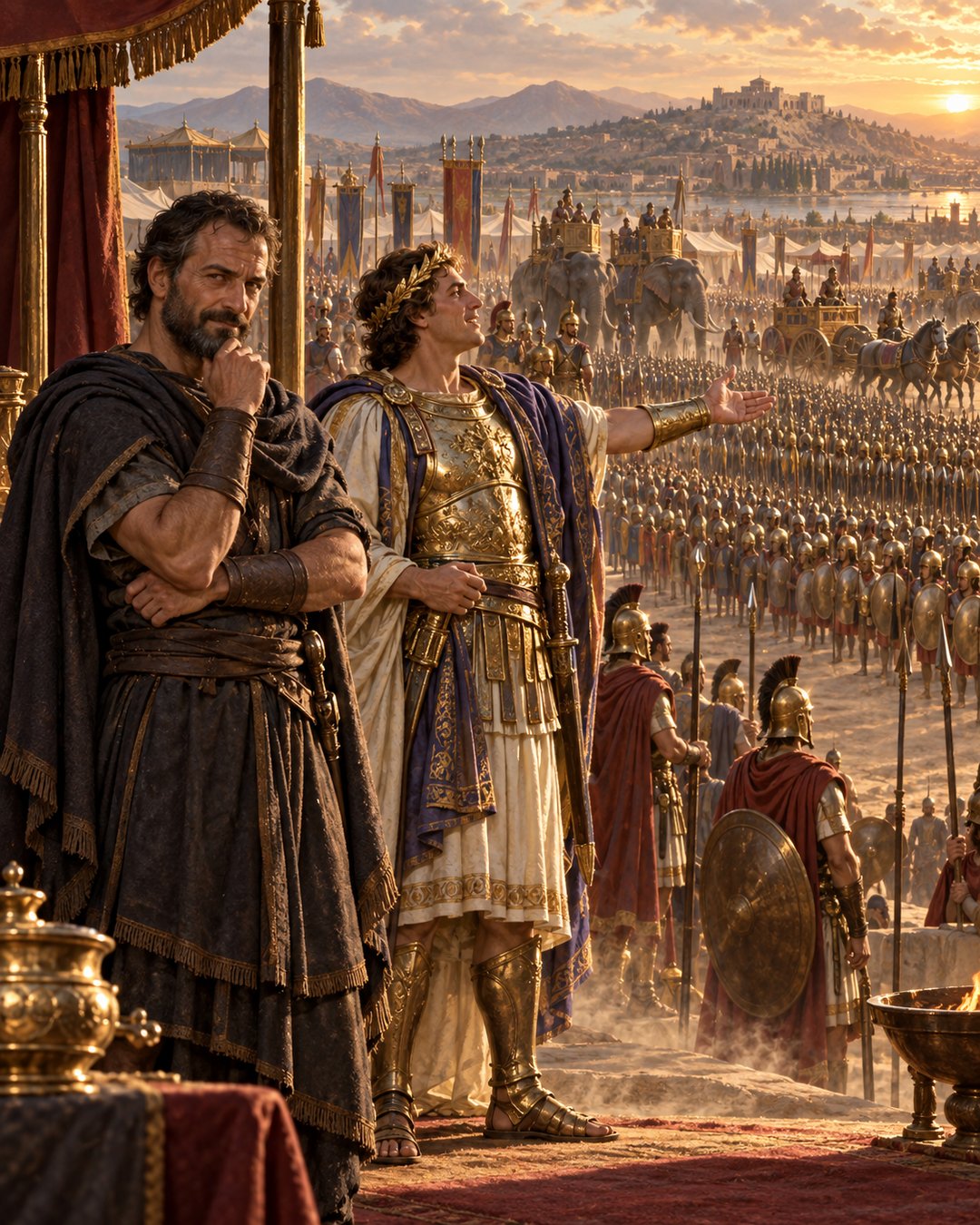
King Antiochus had assembled his answer to Rome on an open plain. Troops manoeuvred in gold and silver ornaments. Scythed chariots stood among them. Elephants carried towers, while cavalry horses flashed with brilliant bridles, saddle-cloths, neck-chains and other trappings. The king showed the spectacle to Hannibal and asked for a comparison. Could all this be … Read more

Musonius Said a Philosopher’s Best Applause Was Silence

The philosopher finished, and the room erupted. Hands moved, voices rose, bodies leaned into the rhythm of approval. To Musonius, that response could be evidence of failure rather than success. Aulus Gellius preserves his criticism in a short chapter about how people listened to philosophy. Musonius did not object merely to one rude interruption. He … Read more

Taurus Made a Governor’s Father Sit First

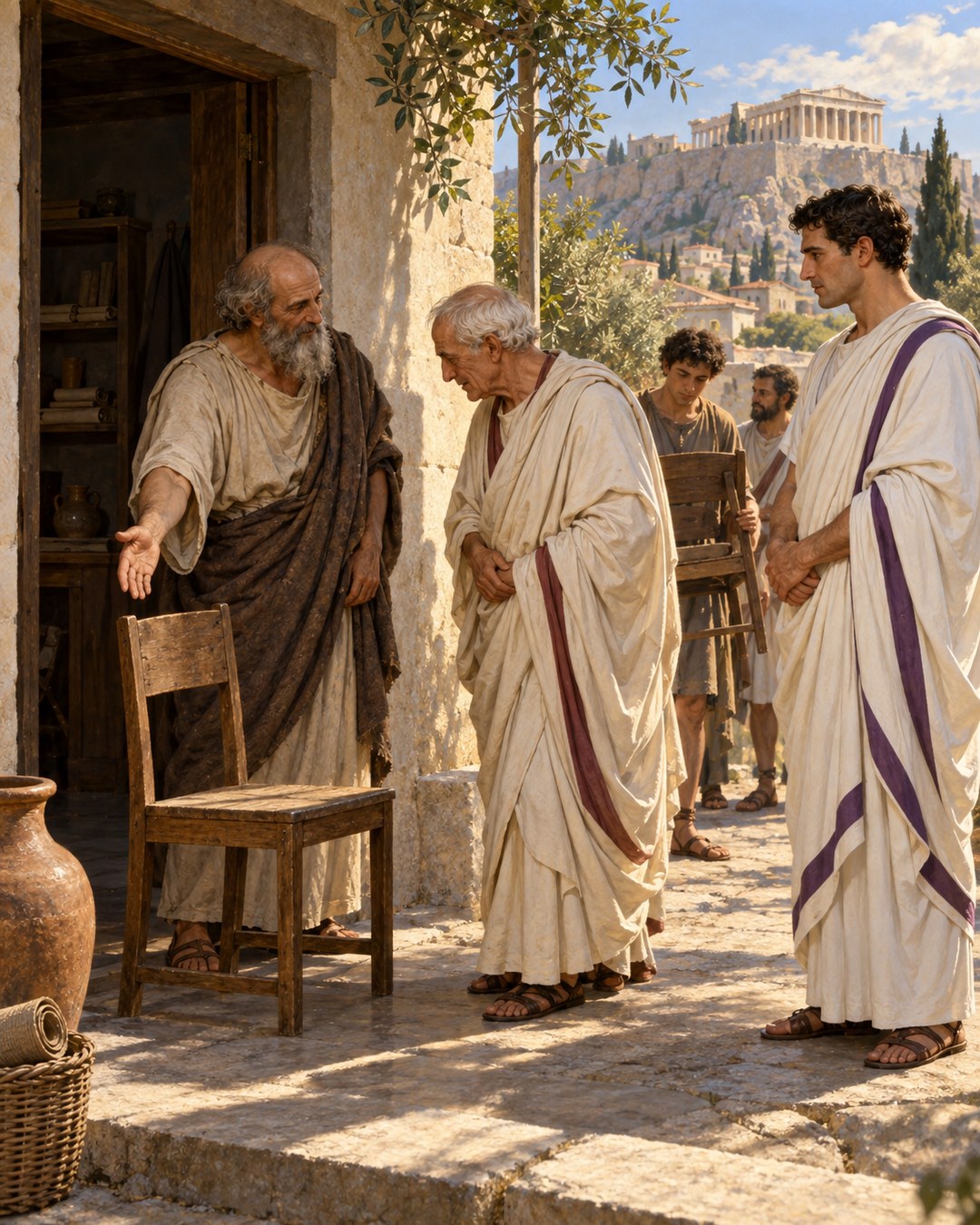
There was one chair and two claims to it. The governor of Crete had come to Athens with his father to meet the philosopher Taurus. The son held senatorial rank and Roman magistracy. The father held no office in the scene, but he was still the father and the older man. Taurus offered him the … Read more

Smoke Stuck to a Polished Vault Before It Became Black Paint

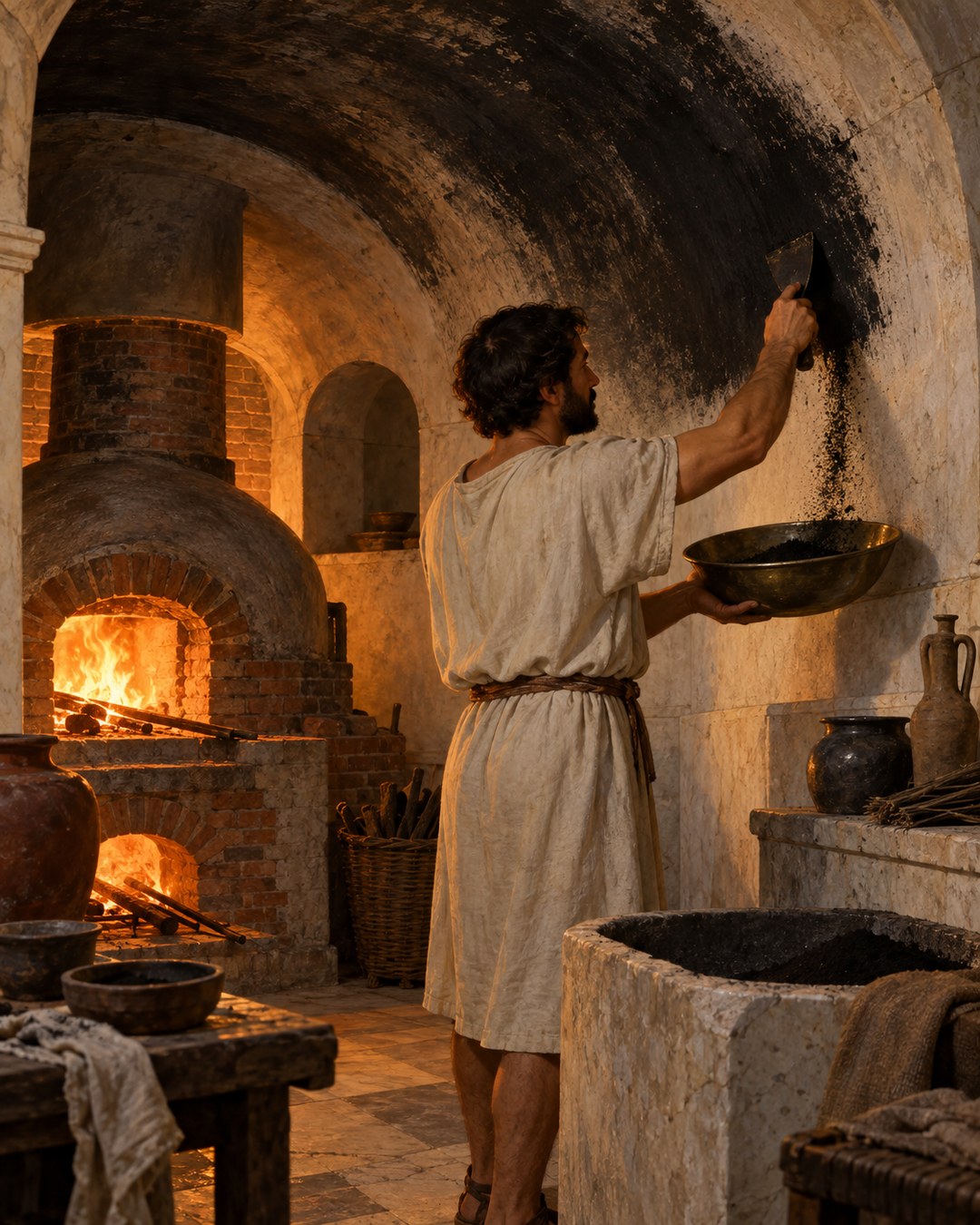
The useful material began as dirt on a polished ceiling. Resin burned in a furnace outside a small vaulted room, and smoke passed through a masonry connection into the chamber. There it settled on pale walls and the curve overhead until a worker could gather the black deposit. Vitruvius describes this installation while explaining colours … Read more

Royal Fishermen Piloted Ships through Barygaza’s Tides

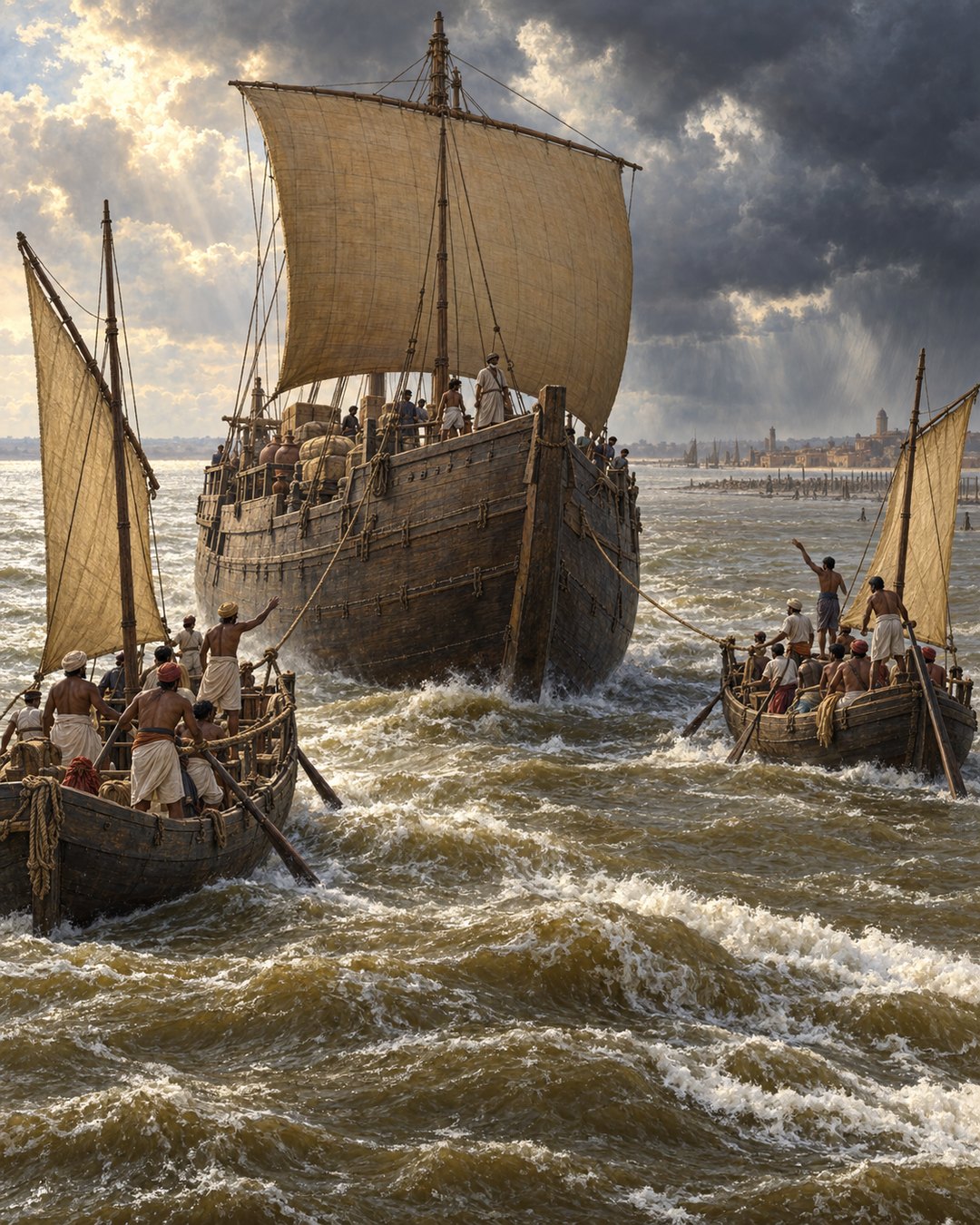
The coast offered almost no help. A ship approaching Barygaza could cross the outer gulf and still fail to identify the river mouth because the land lay too low to distinguish until the vessel was close. Finding the entrance solved only the first problem. Shoals waited inside it, currents punished the anchorage, and the tide … Read more

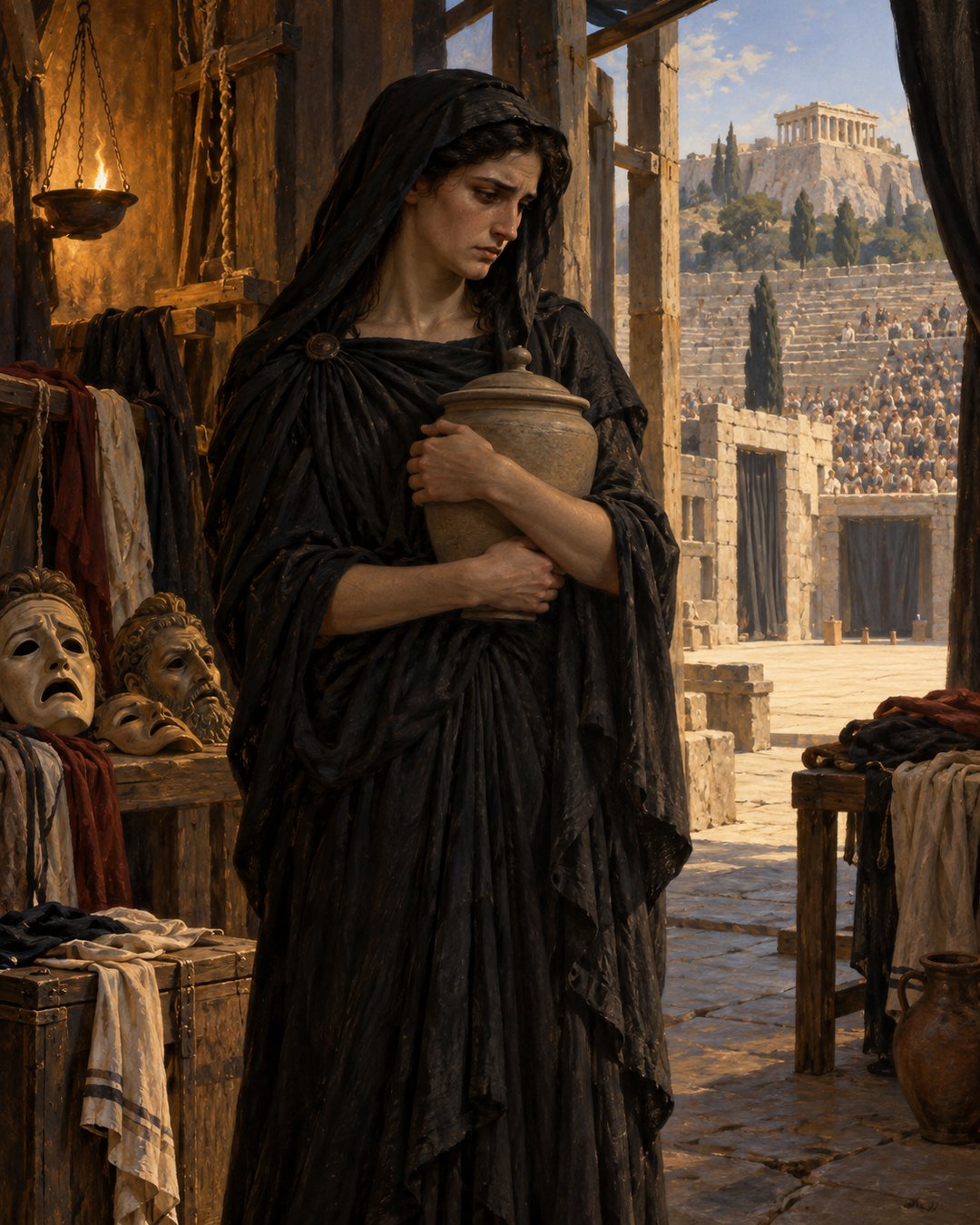
Polus Carried His Son’s Ashes onto Electra’s Stage

The urn in Sophocles’ Electra is meant to deceive the woman who carries it. She believes it contains the ashes of her brother Orestes and speaks her grief over remains that the drama’s audience knows are not really his. At one performance in Athens, the actor Polus made that false object real in a different … Read more

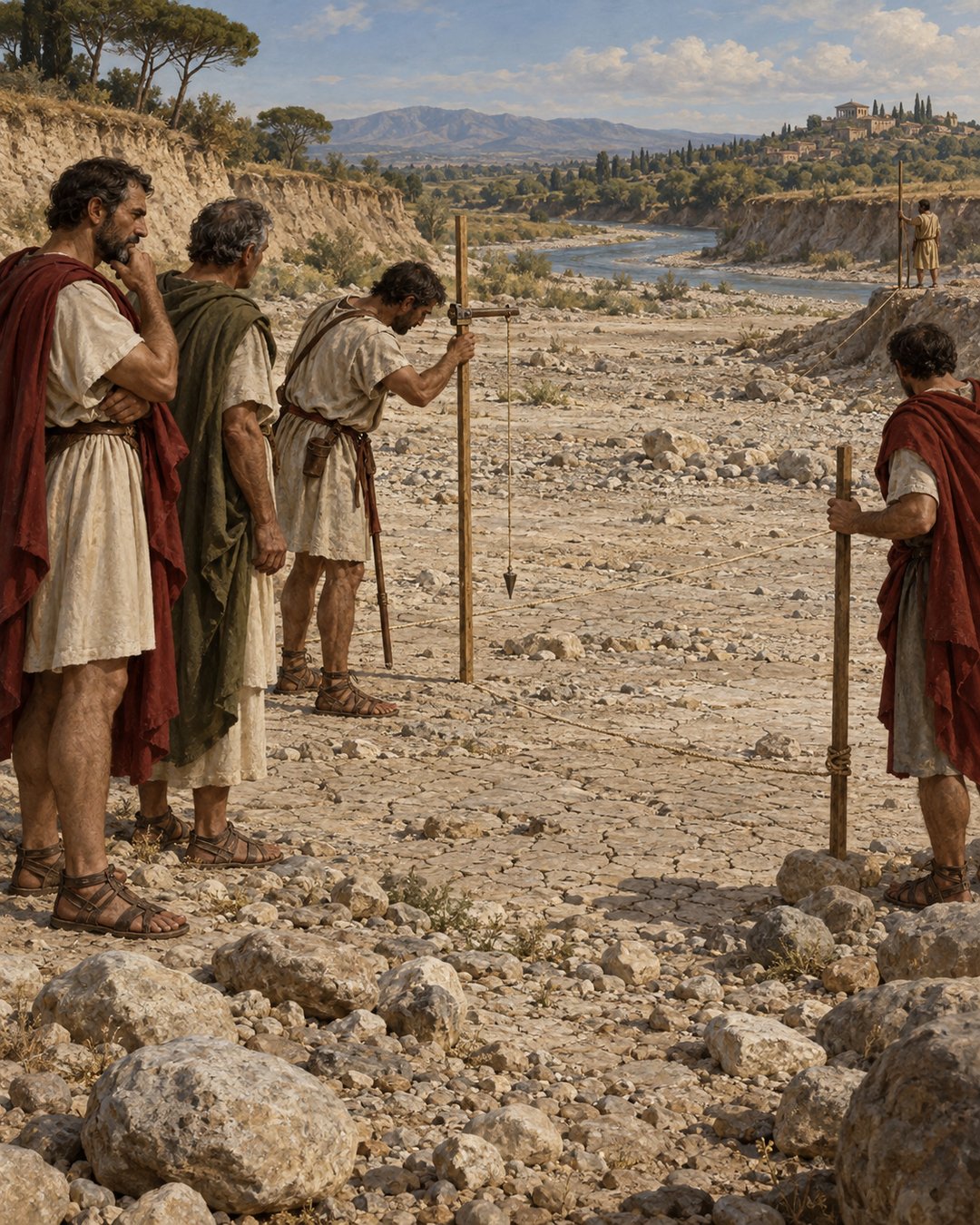
An Abandoned Riverbed Passed to Both Banks

The river was no longer where the boundary expected it to be. Water had cut a new course, leaving stones and silt in a channel that yesterday had been public riverbed. Fields still faced one another across the dry hollow. The practical question was immediate: who now owned the ground between them? The Institutes of … Read more

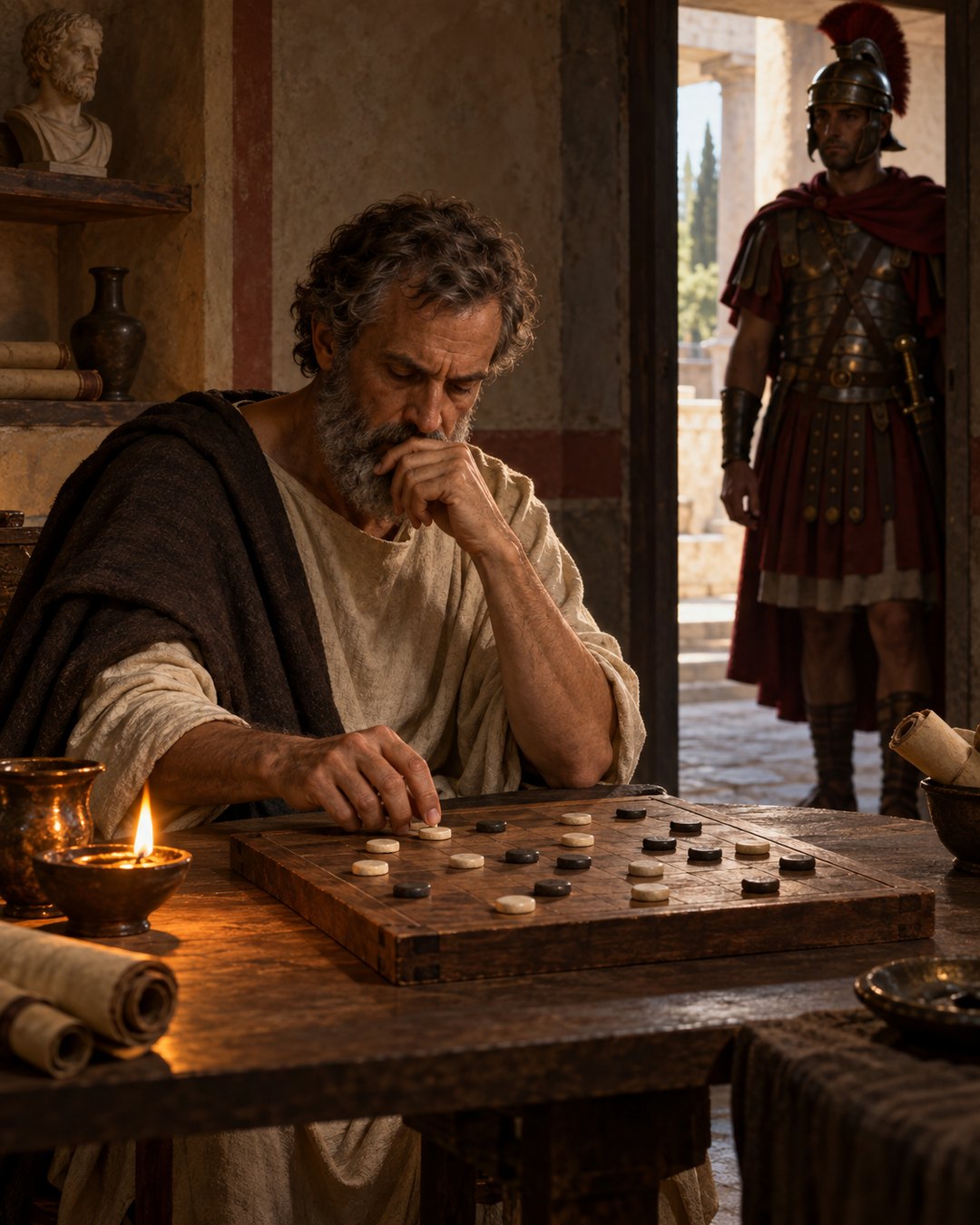
Kanus Was One Counter Ahead When the Centurion Came

The centurion arrived before the game had produced a winner. Julius Kanus was sitting over a draughts board when the officer summoned a group of prisoners for execution. Kanus did not sweep the pieces aside. According to Seneca, he counted them. Then he gave his opponent an instruction: after Kanus was dead, the other man … Read more