Buried Treasure Split between Finder and Landowner

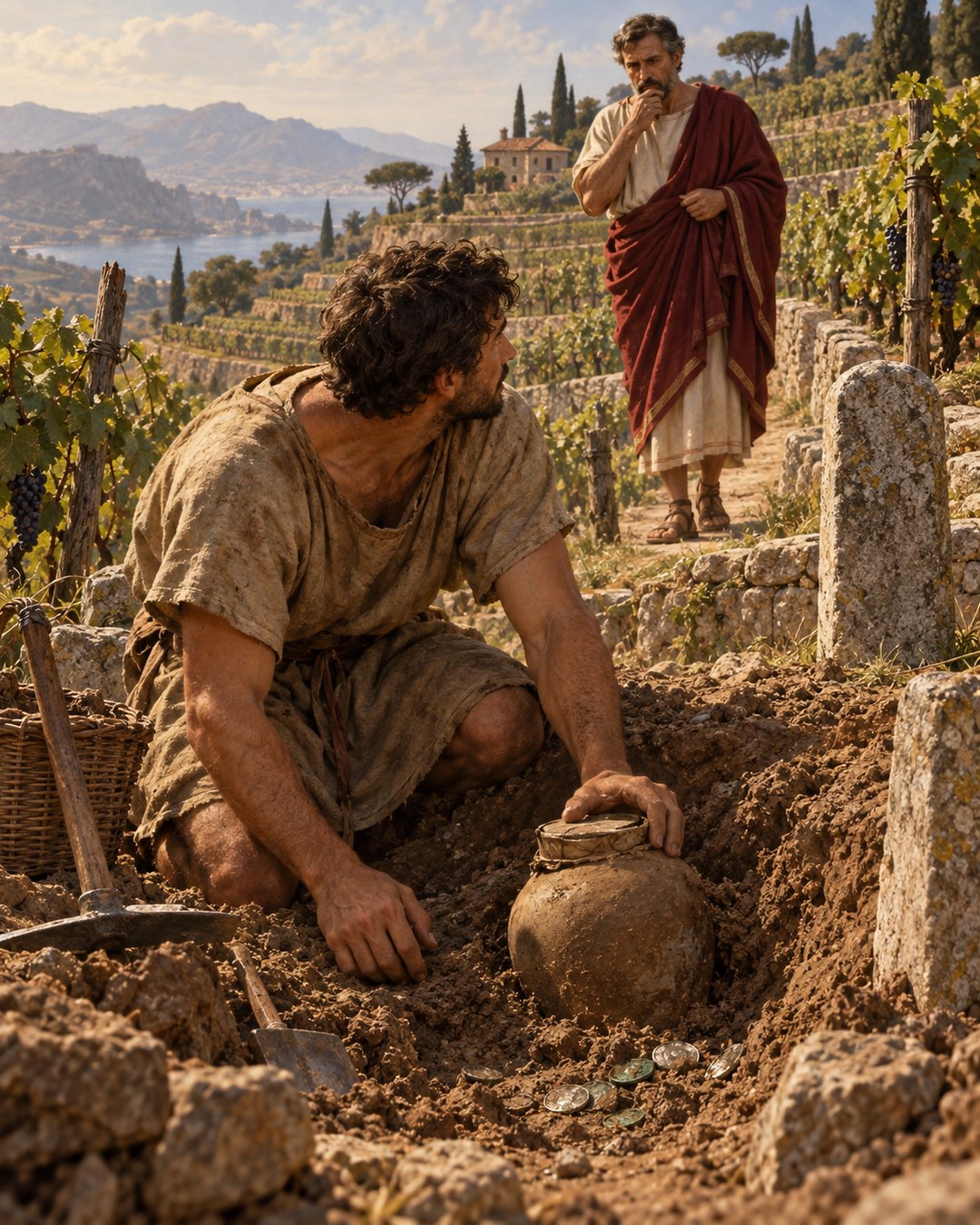
A jar of old money emerges from the earth. No living person remembers who buried it, and no ordinary chain of ownership reaches back to the deposit. Discovery feels sudden, but Justinian’s Institutes refuses to leave the result to whoever grabs first. The text asks where the treasure was found. On the finder’s own ground, … Read more

Five Lead Darts Waited Inside Each Shield

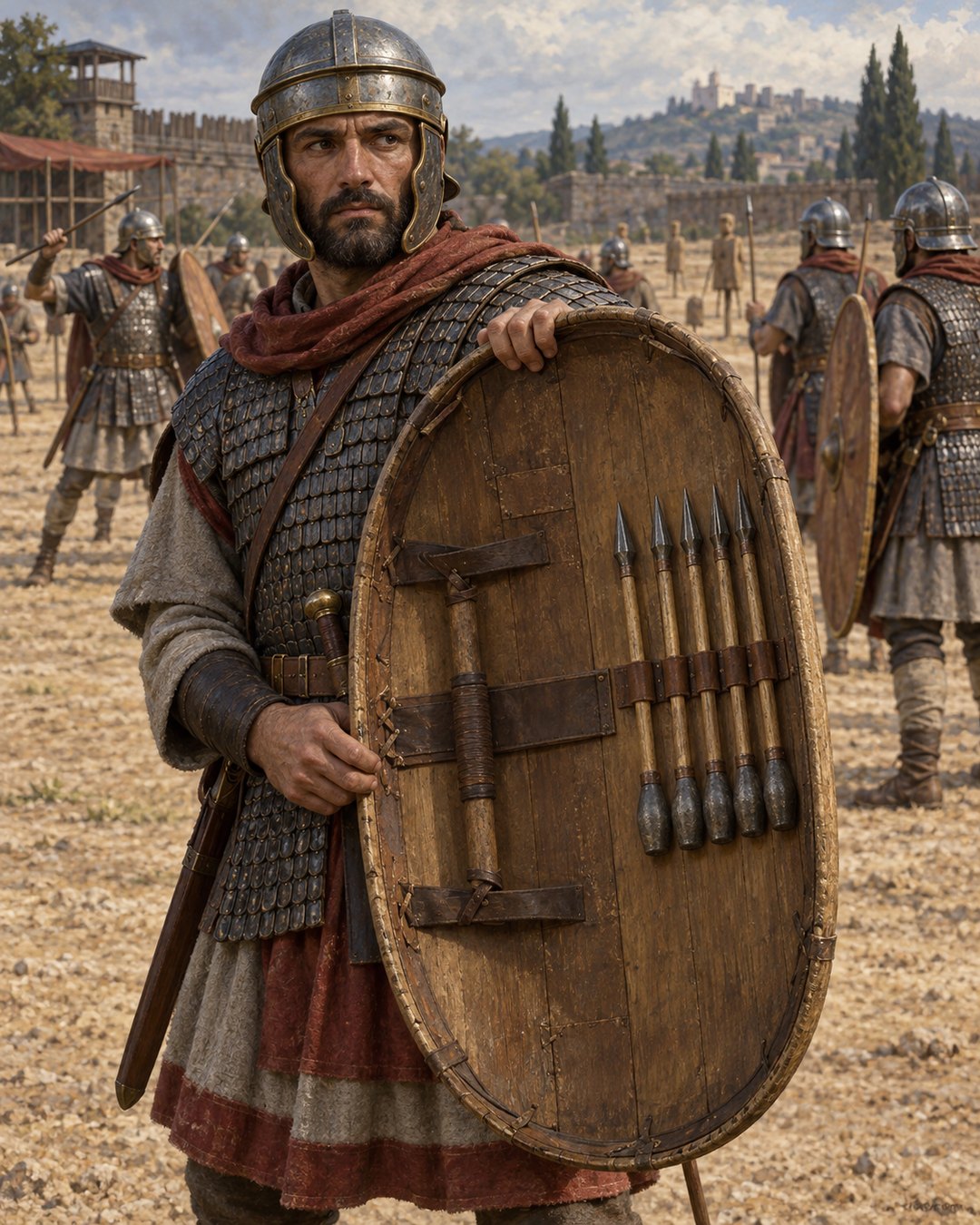
Five short darts travelled on the protected side of a soldier’s shield. They were weighted with lead, close enough to the hand to be drawn and thrown, yet carried inside the object that had to remain ready for defense. Vegetius calls them plumbatae or martiobarbuli. His description is compact, but its tactical consequence is large. … Read more

Burning Foxes Ran the Circus for Ceres

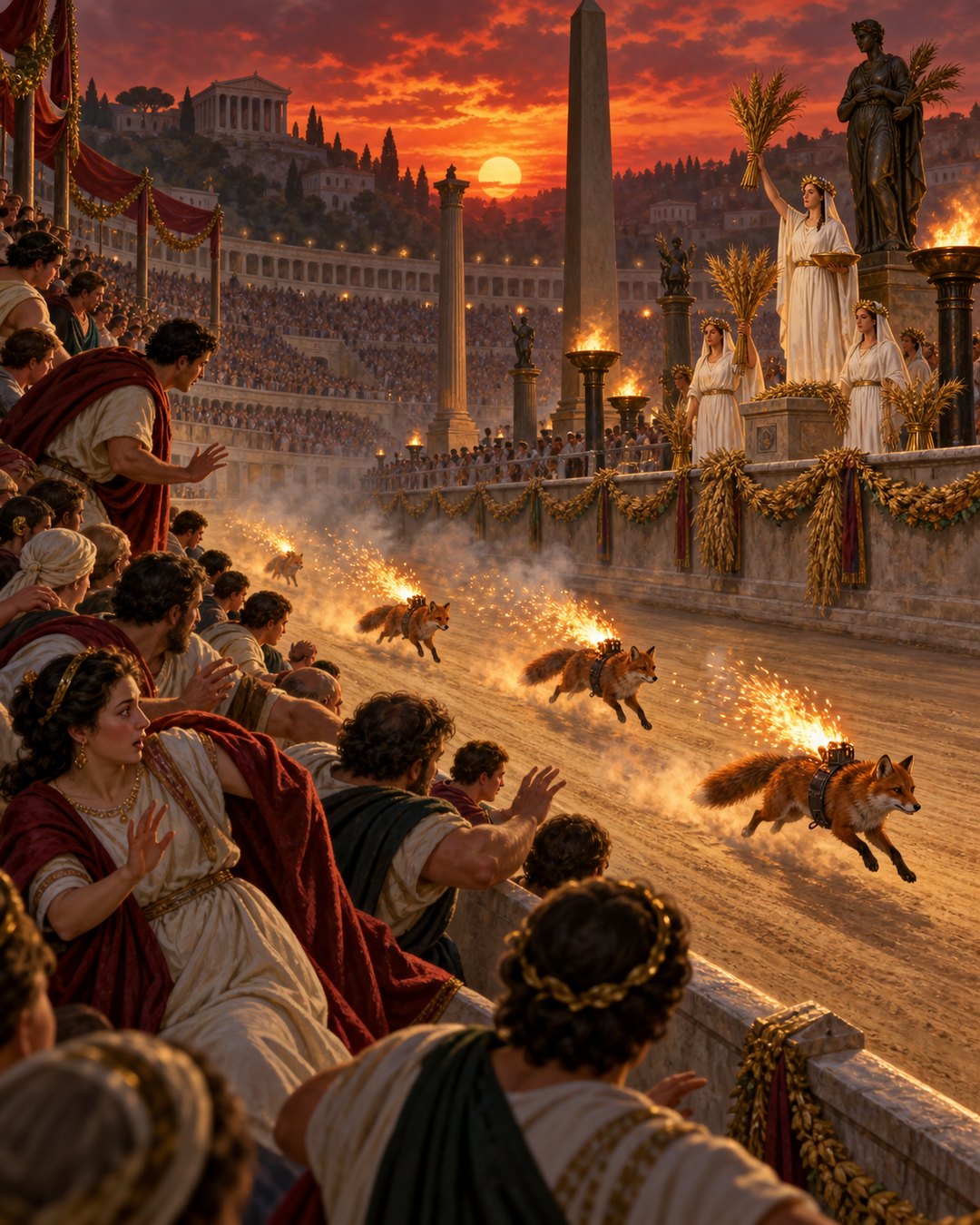
Foxes ran across the Circus carrying fire. Ovid does not let the image pass as ordinary festival color. In the fourth book of the Fasti, he stops at the games of Ceres and asks why living animals were released with torches fastened to their backs. His answer does not begin in Rome. It begins beside … Read more

Eggs and Steam Made Anchovies Unrecognizable at Dinner

The fish arrived at the dining table without looking like fish. A Roman recipe ordered anchovies or other small fish cooked, boned and chopped very fine. Pepper, rue, broth and oil followed. Raw eggs turned the fragments into one solid mass, while steam set the dish without allowing it to boil. Then came the boast. … Read more

Two Enslaved Recruits Made Trajan Split One Fault Three Ways

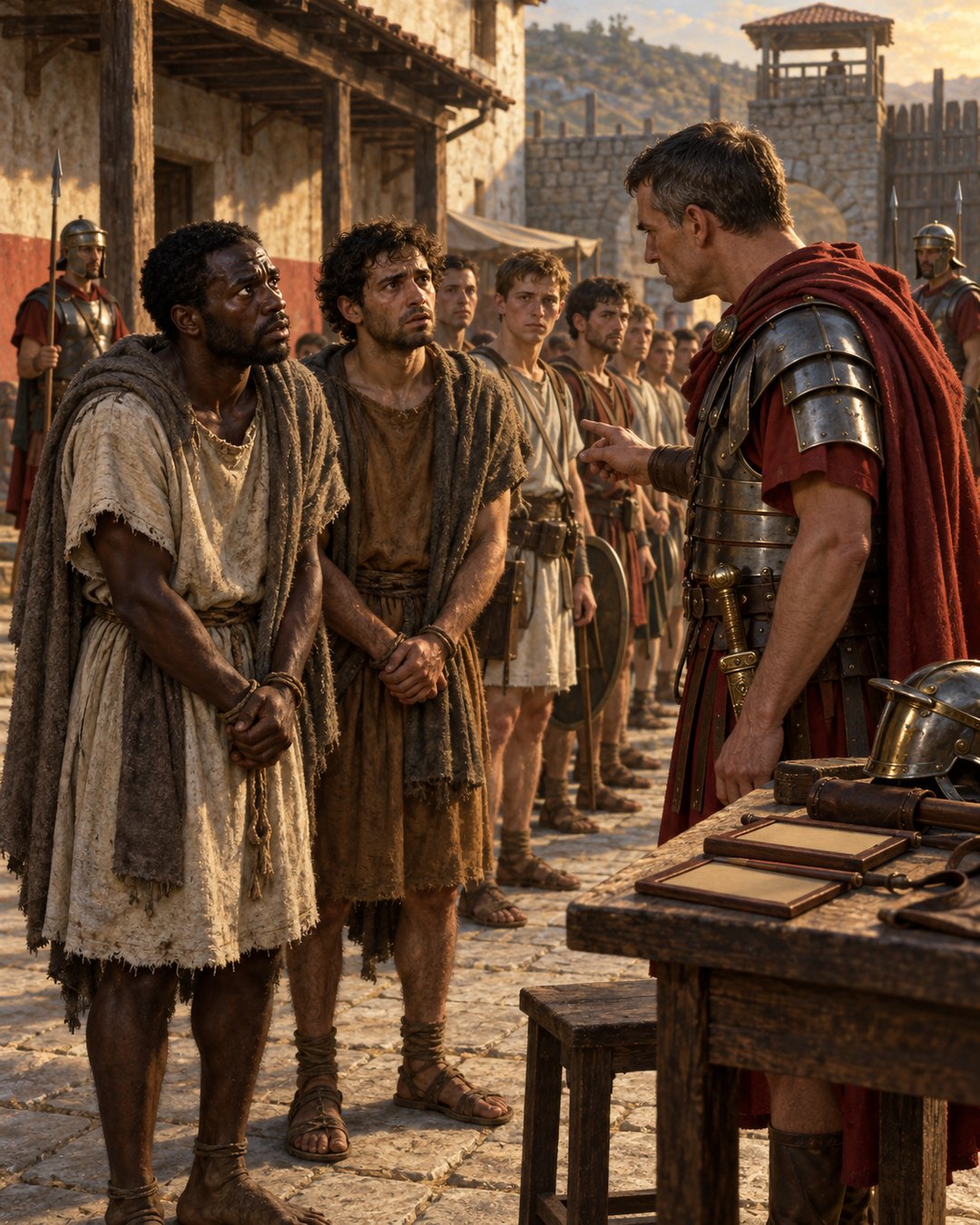
Two men stood in the dangerous interval between acceptance and assignment. They had subscribed to Rome’s military oath, yet no legionary company had received them. Then someone discovered that both were enslaved. Sempronius Caelianus, whom Pliny the Younger calls an excellent young officer, sent the pair to the governor. Pliny did not announce a penalty. … Read more

Caesar Paid Eighty Talents for Medea and Ajax

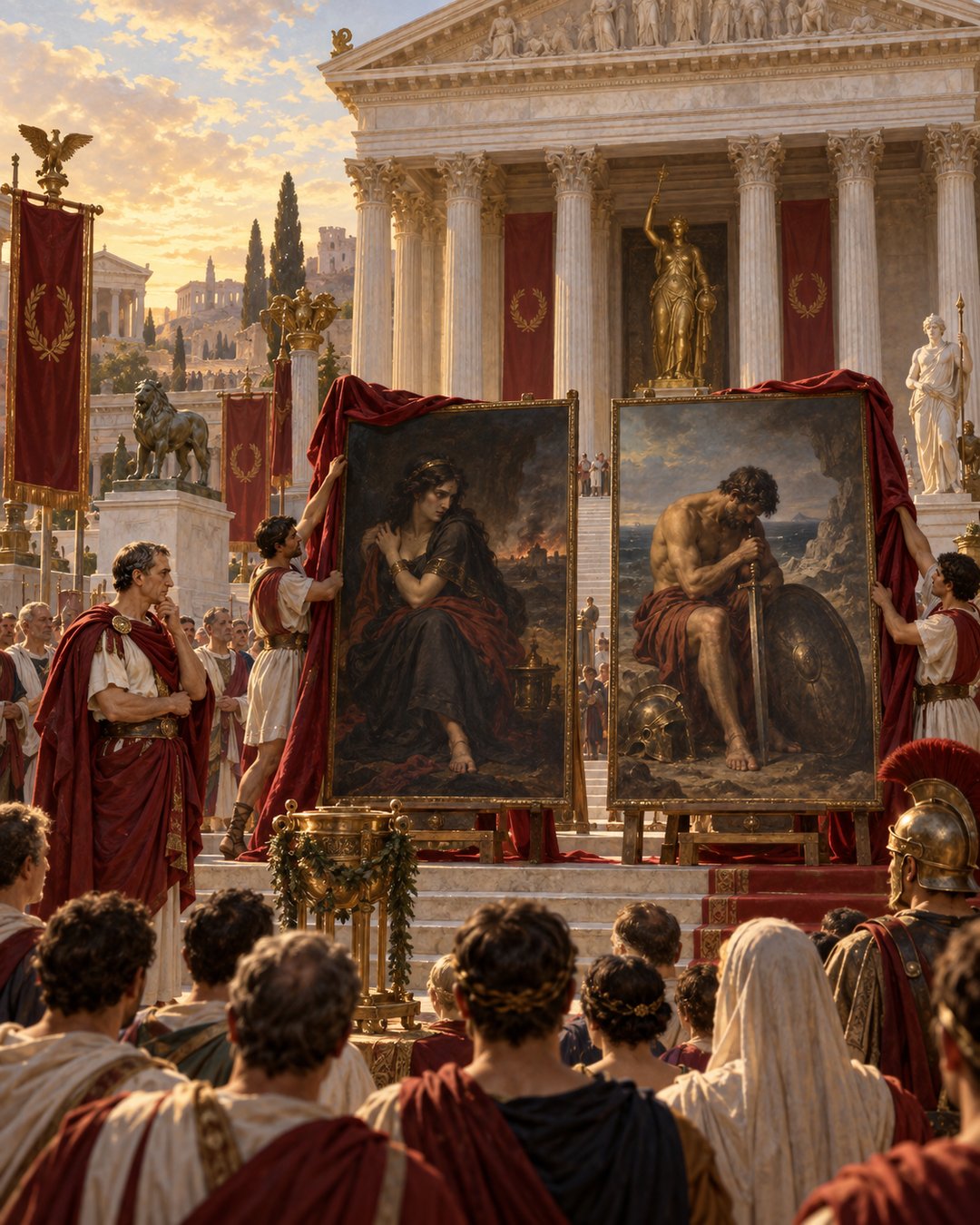
Eighty talents changed hands for two painted panels: Medea caught inside her terrible decision and Ajax destroyed by his own shame. Julius Caesar bought both from the Greek painter Timomachus, then carried them into the public architecture of his new forum. Pliny preserves the price in one book of the Natural History. In another, he … Read more

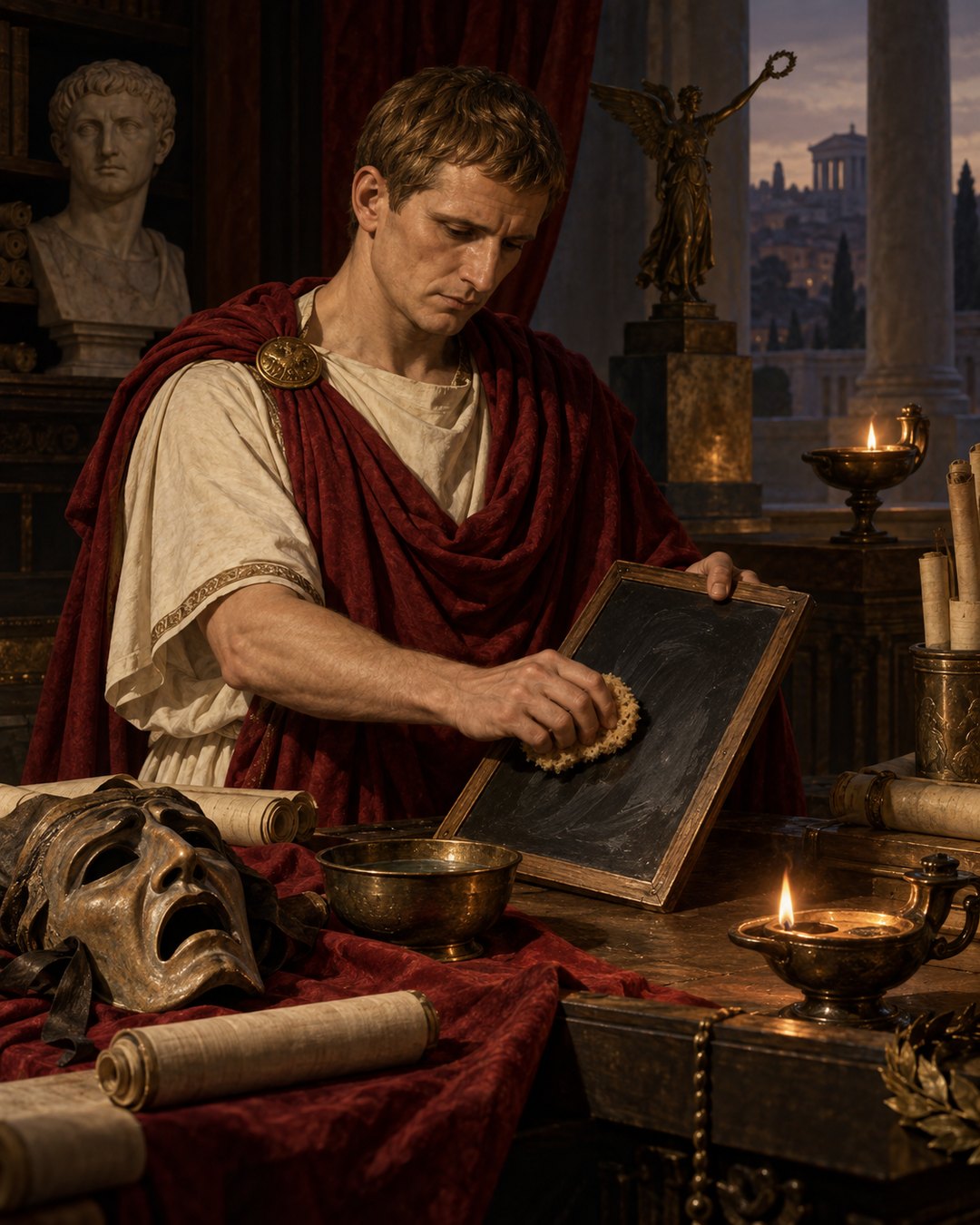
Augustus Let Ajax Fall on His Sponge

Augustus began a tragedy about Ajax with enthusiasm. Then the emperor decided its style did not satisfy him and destroyed it. When friends asked what had become of the hero, Augustus replied that his Ajax had fallen on his sponge. Suetonius gives the joke only a sentence, but he places it inside a sustained account … Read more