A Third of Every Candidate’s Fortune Had to Move to Italy
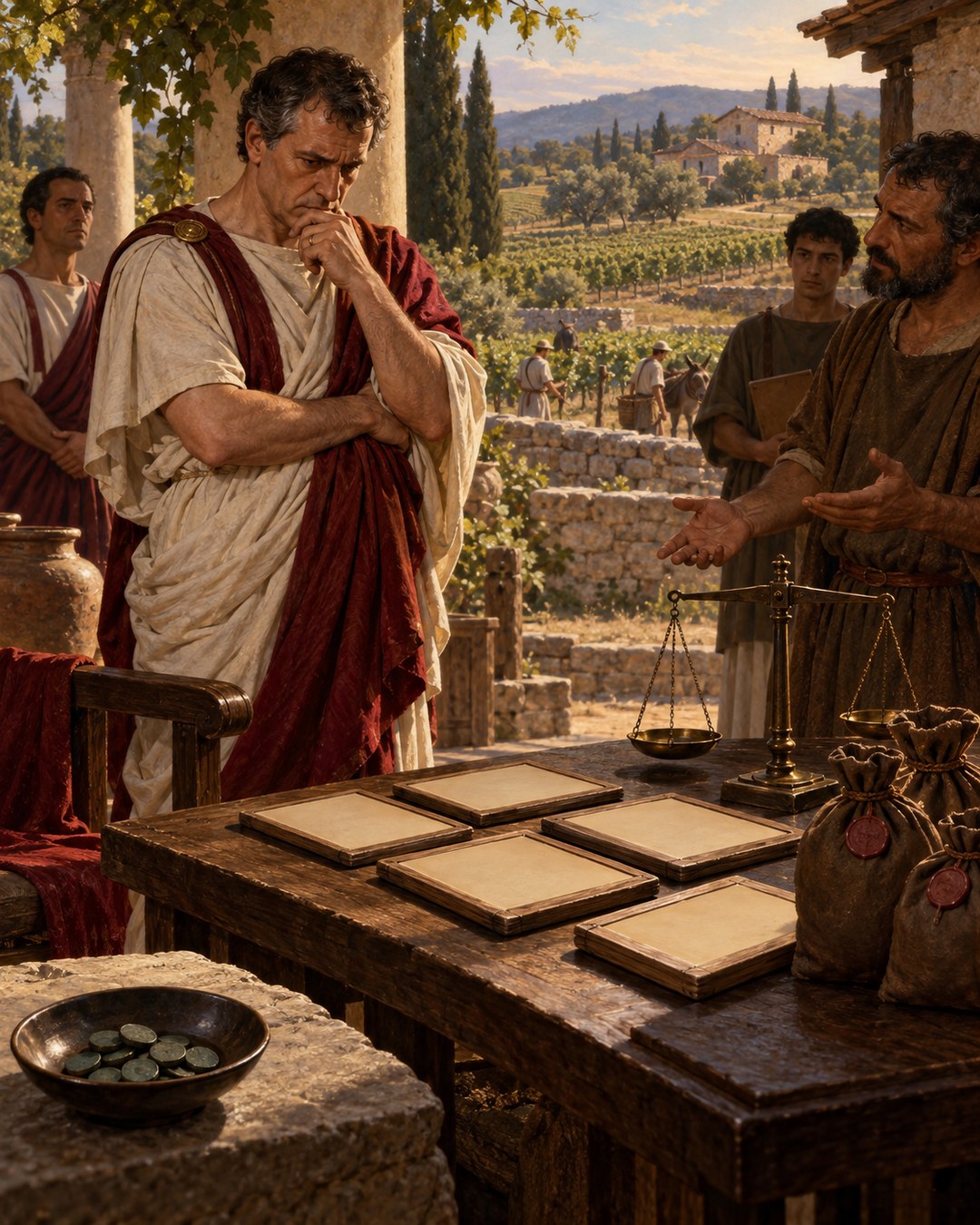
Italian land did not become more fertile overnight. No newly opened road shortened the journey to Rome, and no harvest suddenly doubled. Yet Pliny the Younger wrote that prices had jumped, especially around the capital. Candidates for office were running about to buy whatever estates they heard were available. The cause was a rule that … Read more
Three Punishments Asked Three Different Questions

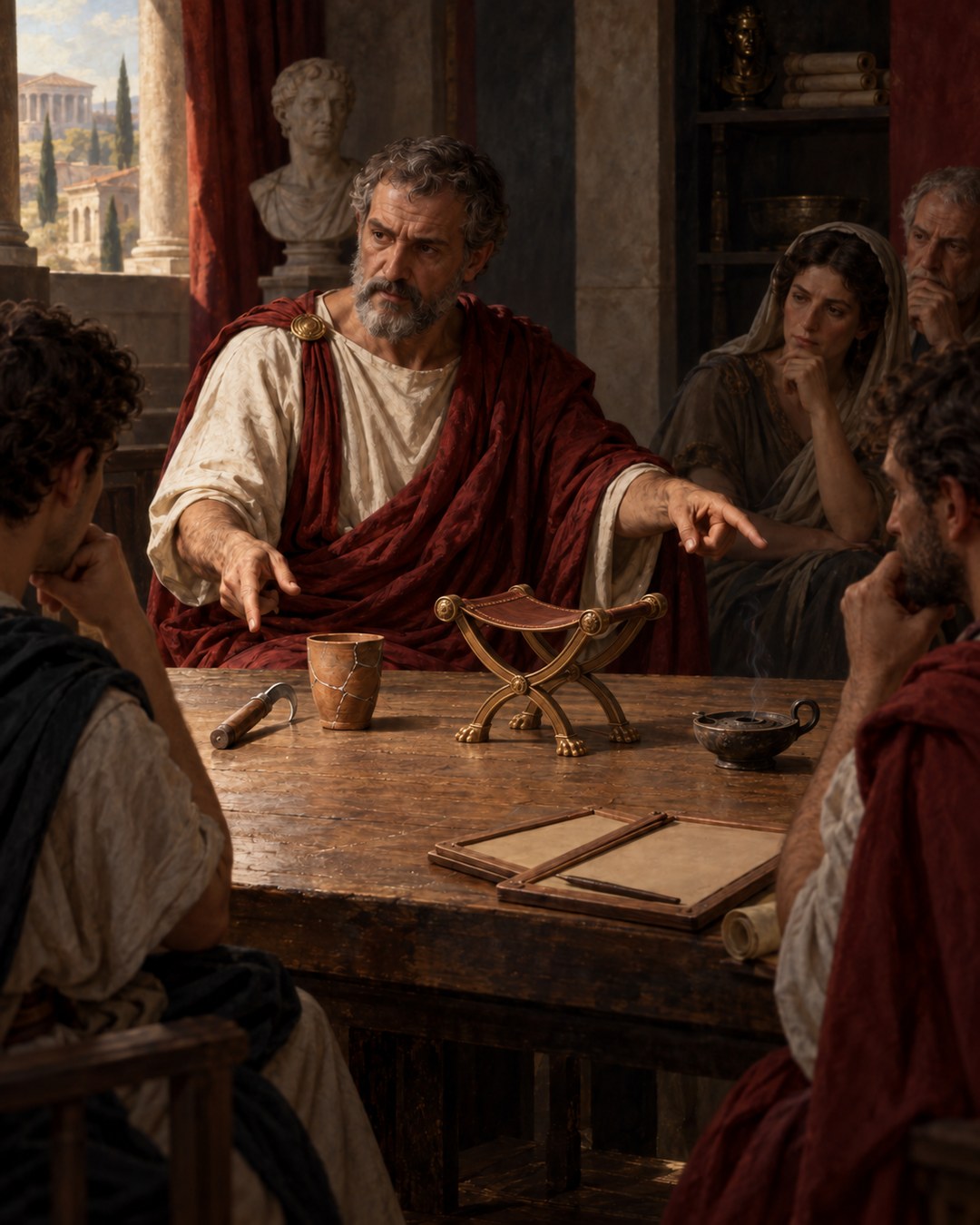
“Punishment” looked like one action until Aulus Gellius asked what the action was supposed to accomplish. One penalty tried to reform an offender. Another protected the injured person from contempt. A third made fear travel outward to everyone watching. If none of those jobs needed doing, the penalty lost its philosophical excuse. The First Penalty … Read more

Twenty Miles in Disguise Bought Euclides a Night with Socrates

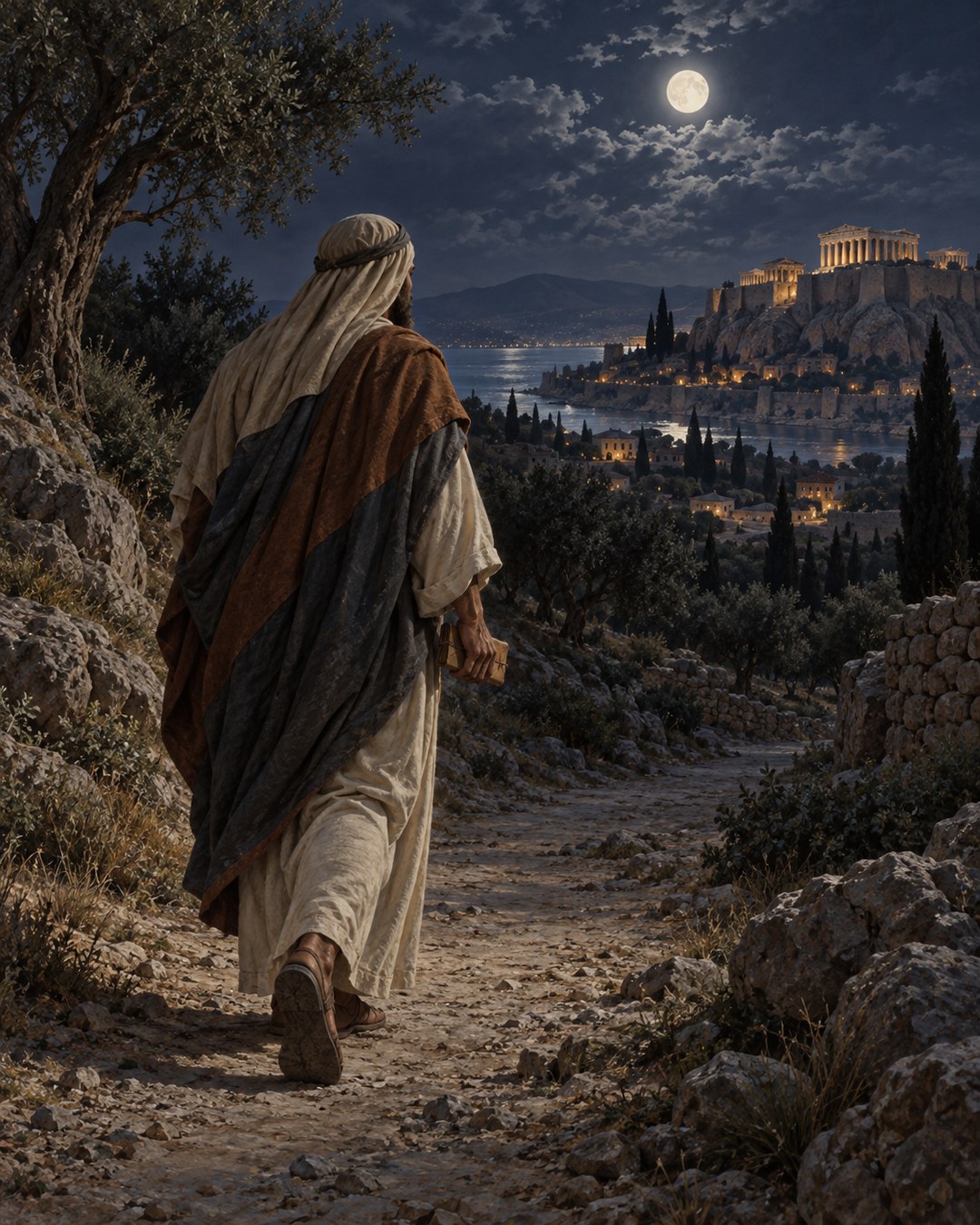
Darkness gave Euclides a narrow opening. Athens had decreed death for any citizen of Megara who set foot inside the city, yet Socrates was teaching there. Euclides put on a long tunic, a parti-colored mantle and a veil. He walked from Megara after nightfall, listened for part of the night, then started home before dawn. … Read more

A Curule Chair Trapped Nobles Who Refused to Stand

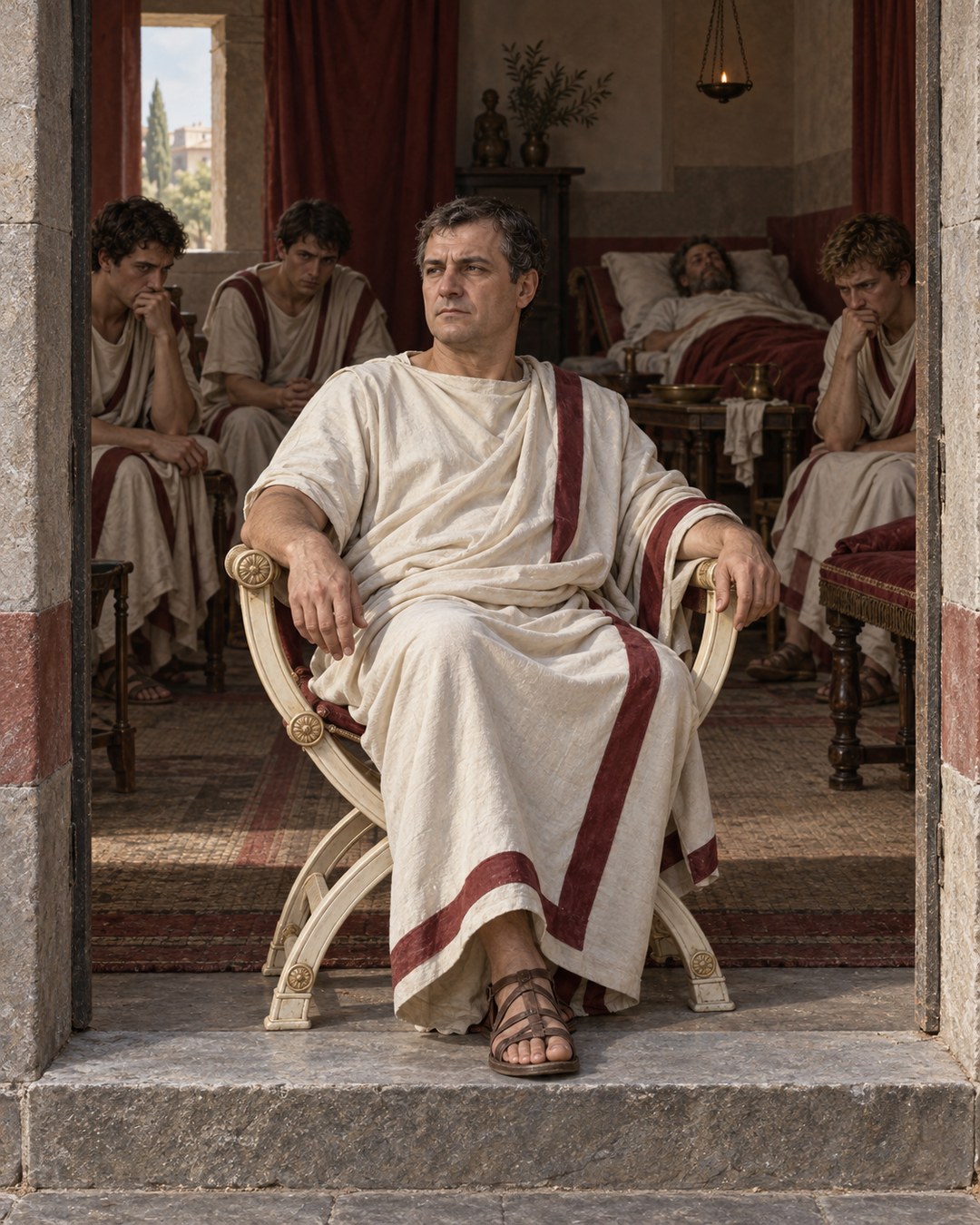
The young nobles did not rise when Gnaeus Flavius entered the sickroom. They remained seated, making a small domestic courtesy carry a public insult. Flavius did not demand applause or begin a speech about his ancestry. He laughed, called for his curule chair, and had it set across the threshold. The men who would not … Read more

Refiners Pruned Impurity Until Silver Was Puri Puti

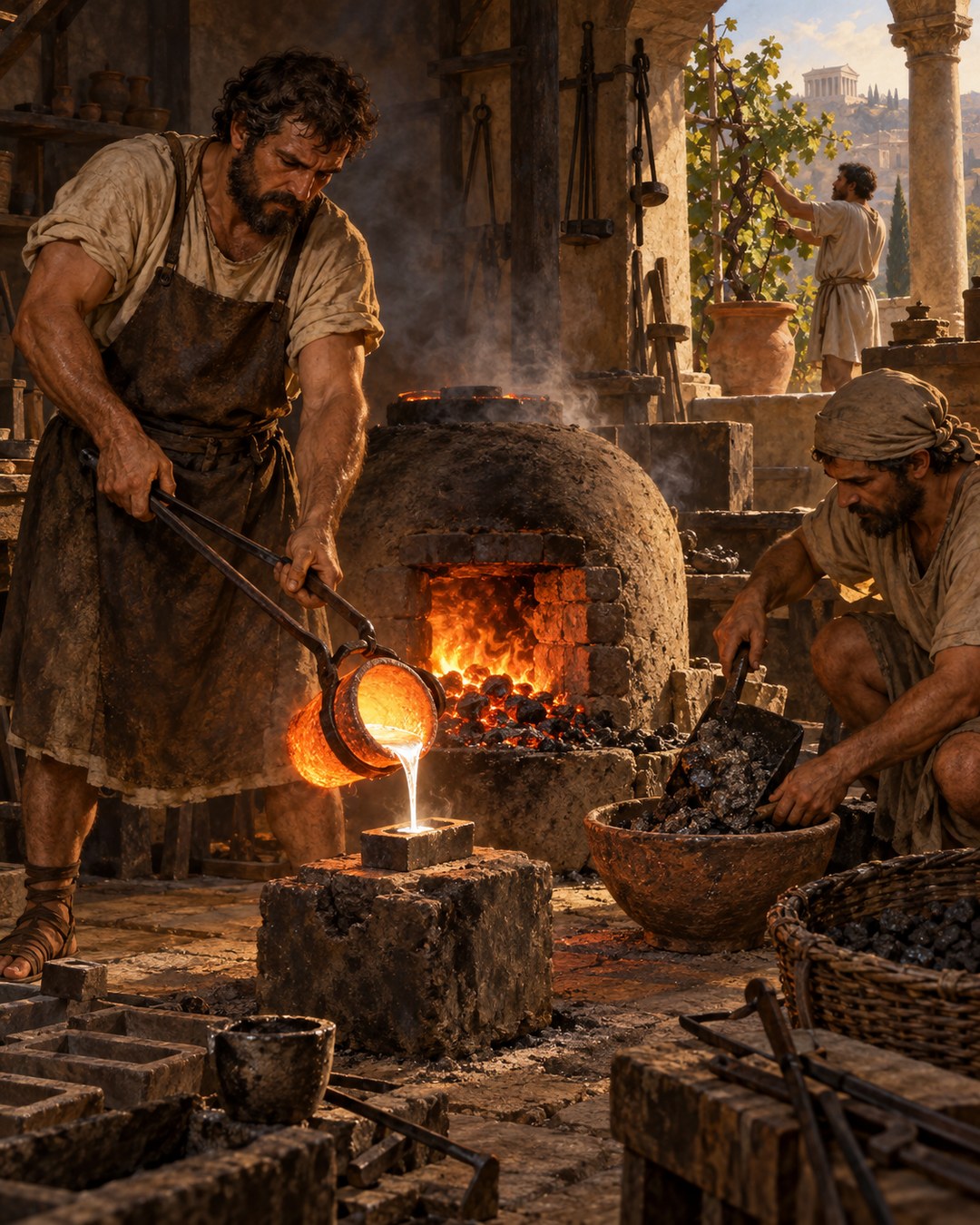
A Roman treaty did not ask Carthage for silver in the abstract. It specified a yearly weight of argenti puri puti. The phrase sent Aulus Gellius from legal language into vineyards, account keeping and the refiner’s furnace. What made the metal pure was not verbal emphasis alone. Purity was what remained after foreign material had … Read more

Thin Skull Bones Made Reason’s Best Design Vulnerable

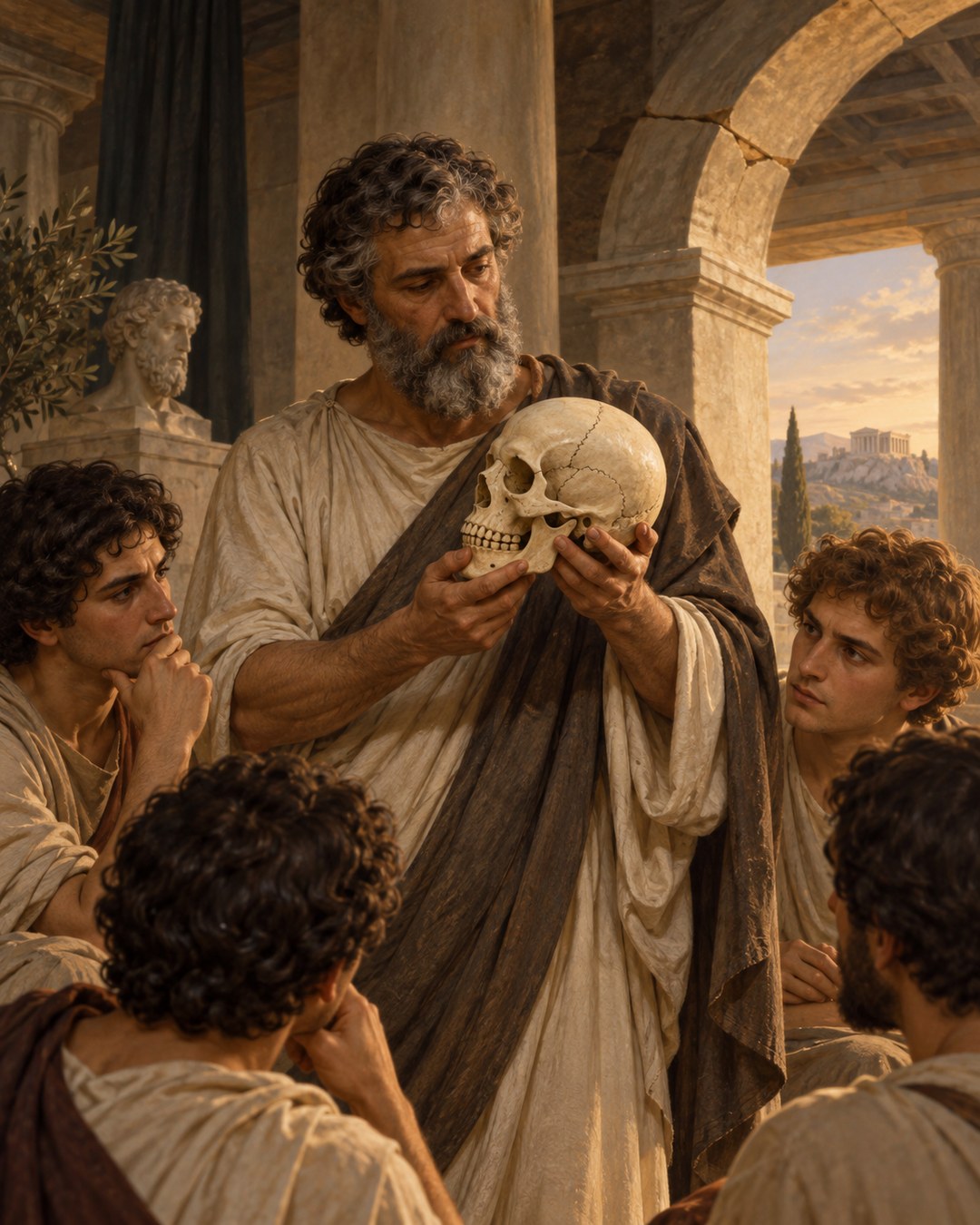
A philosopher defending Providence did not point to an invulnerable human body. He pointed to the skull. Its bones were small and delicate because the head required a particular kind of structure. The same choice left that vital part lightly protected against blows. For Chrysippus, vulnerability could travel beside usefulness without becoming nature’s original aim. … Read more

Gracchus Stopped an Enemy’s Brother at the Prison Door

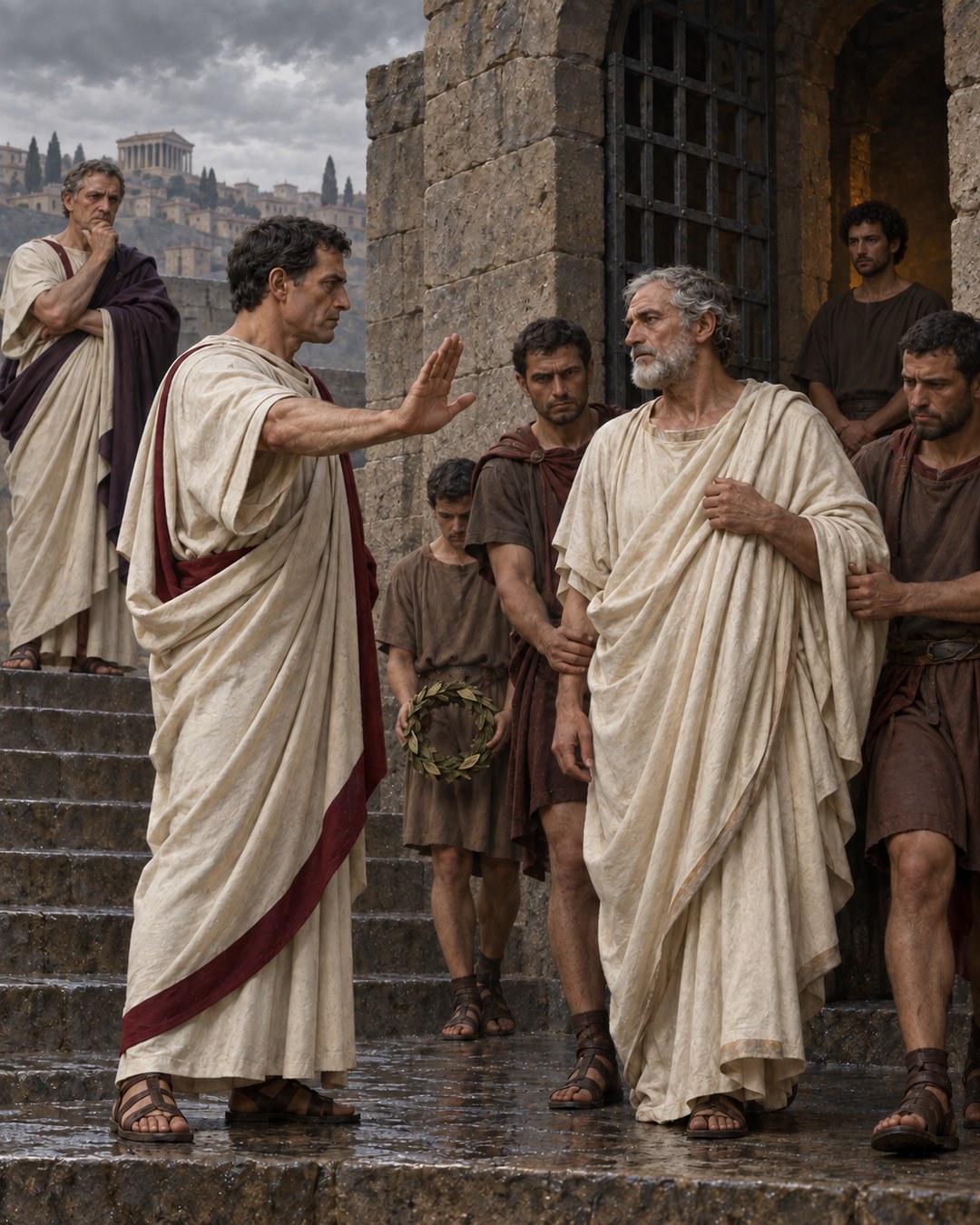
Lucius Scipio Asiaticus had commanded Roman armies and celebrated a triumph. Now a tribune fined him, demanded security for payment, and ordered him toward prison when he refused. His brother, Publius Scipio Africanus, appealed to the other tribunes. Eight offered only a conditional shield. Then an avowed political enemy supplied the veto that friendship could … Read more

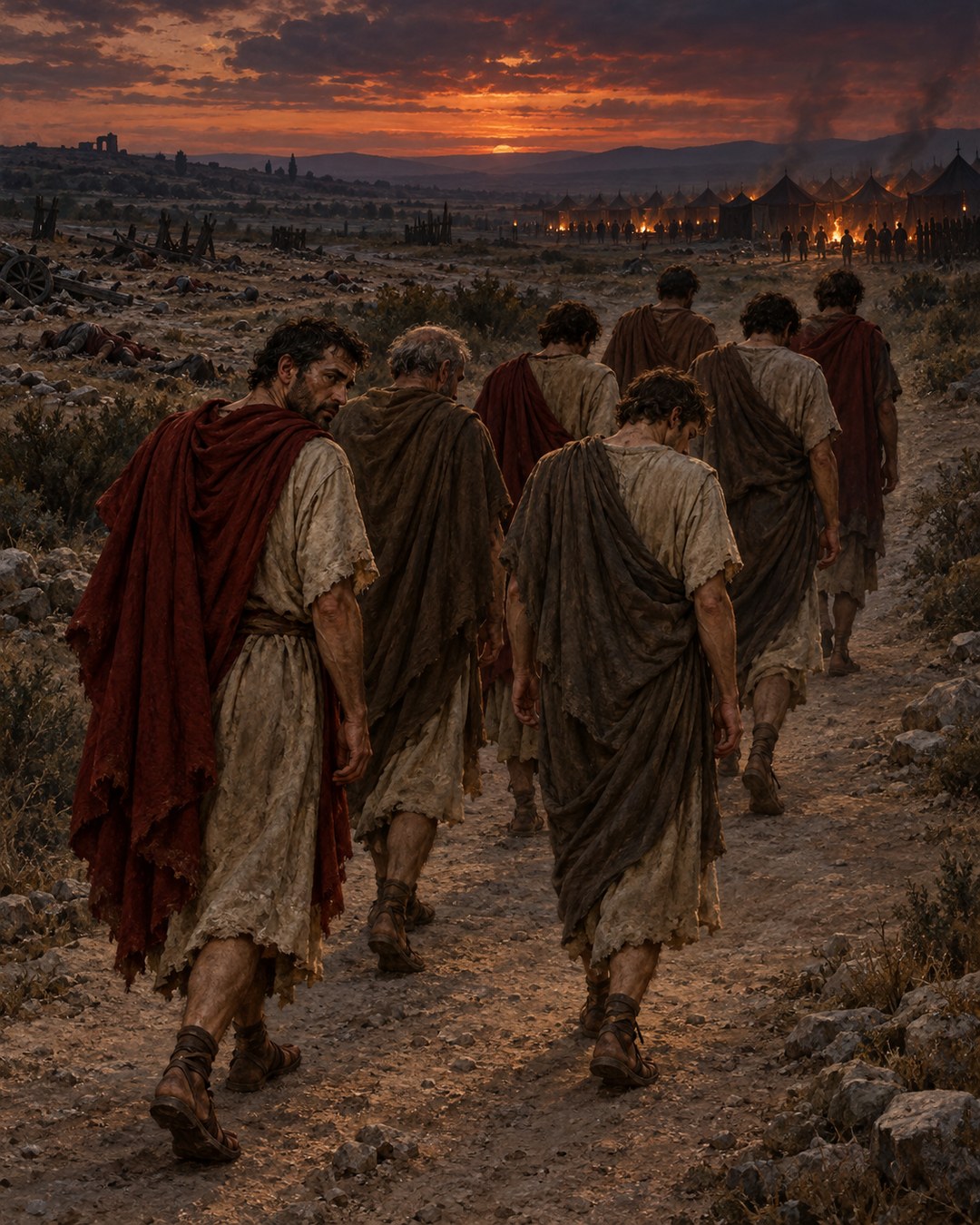
Eight Cannae Prisoners Walked Back to Hannibal

Ten Roman prisoners left Hannibal’s camp after Cannae and reached home alive. They carried a proposal for exchanging captives, but their freedom came with an oath. If the Senate refused, they had sworn to return to the Punic camp. The Senate refused. Eight men embraced their families and walked back. Hannibal Made Captives into His … Read more

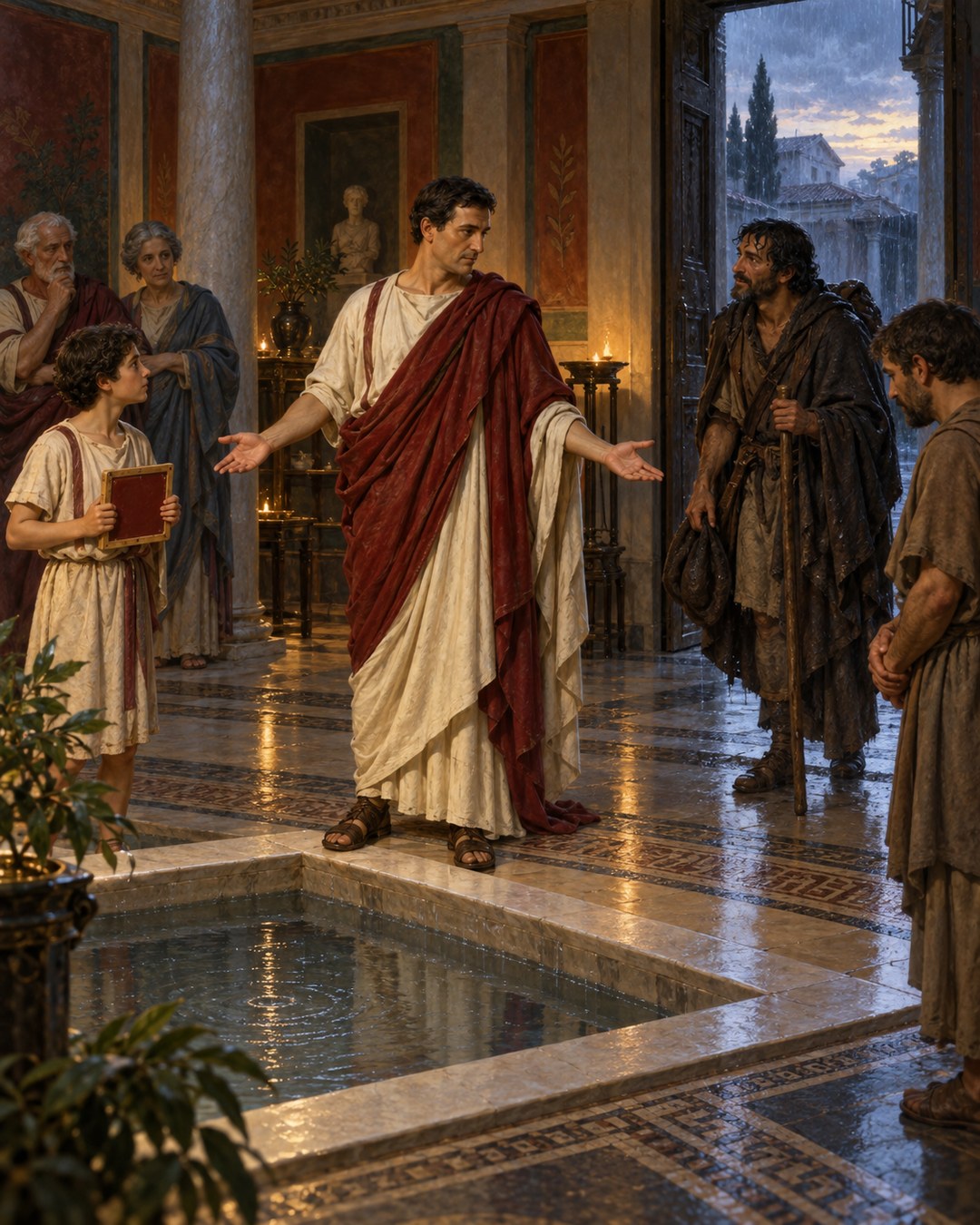
Wards, Guests, and Clients Came Before Roman Kin

A Roman patron faced several claims at once. A ward needed protection. A guest required attention. A client asked for courtroom help. Relatives expected blood to settle the order. Aulus Gellius records an argument among senior Romans about who came first. Their answer did not simply move outward from the family tree. Some bonds became … Read more

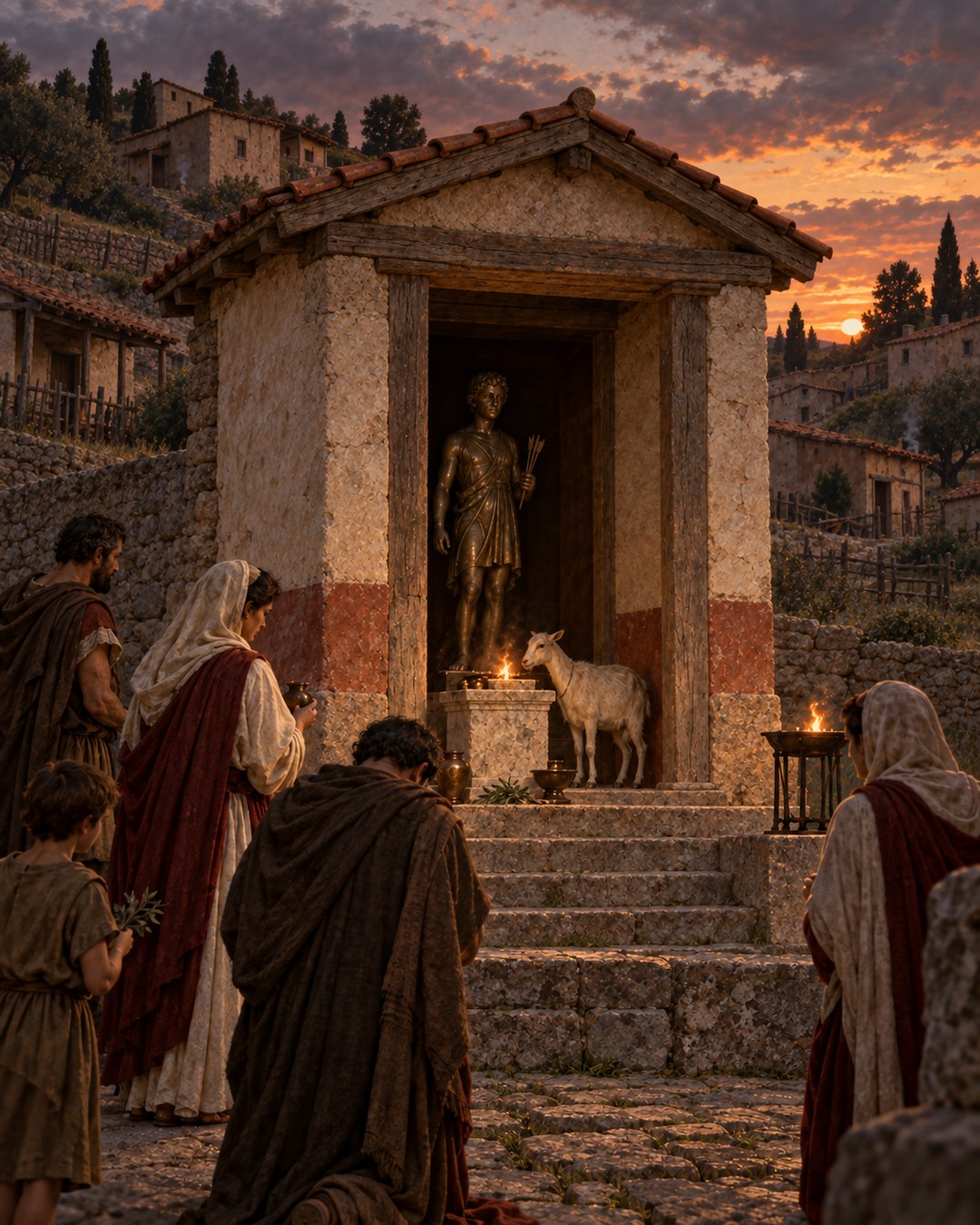
Vediovis Held Arrows Between the Capitol and Citadel

Between Rome’s Citadel and Capitol stood a temple whose god carried arrows. A she-goat belonged to his customary sacrifice. His name was Vediovis, and Aulus Gellius did not introduce him as a source of victory, harvest or healing. He introduced him through a distinction in religious attention. Some gods were worshipped to gain favor. Others … Read more