Gravity Betrayed the Archers Above Metellus’s Slingers
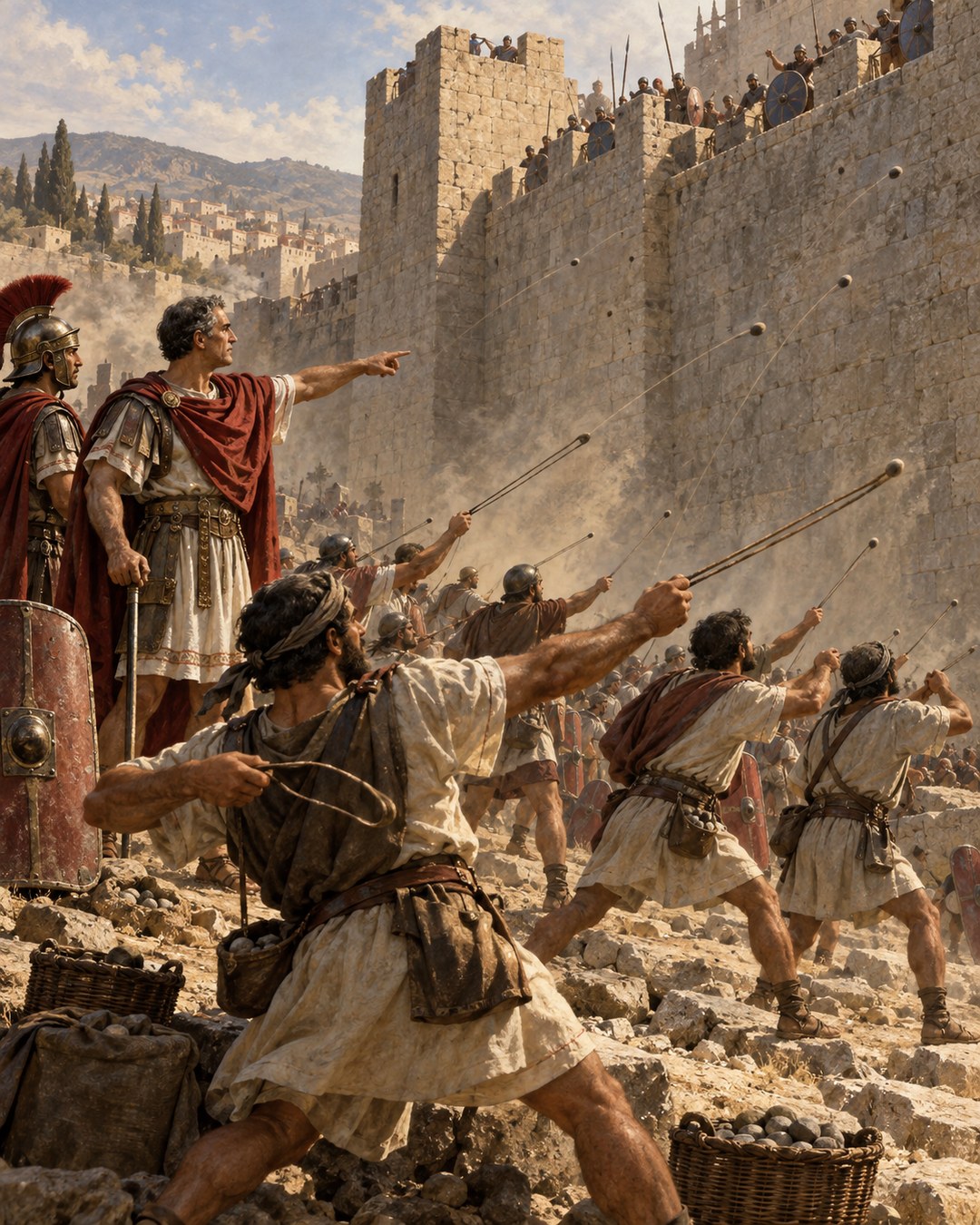
The defenders owned the height. Metellus’s slingers owned the better line. That is how Quintus Claudius Quadrigarius framed a Roman assault on a fortified town. Archers and slingers worked furiously on both sides, yet the men below suffered fewer wounds and drove their opponents from the battlements. His reason seems backward: arrows and stones were … Read more
Cato’s Overseer Rose First and Went to Bed Last

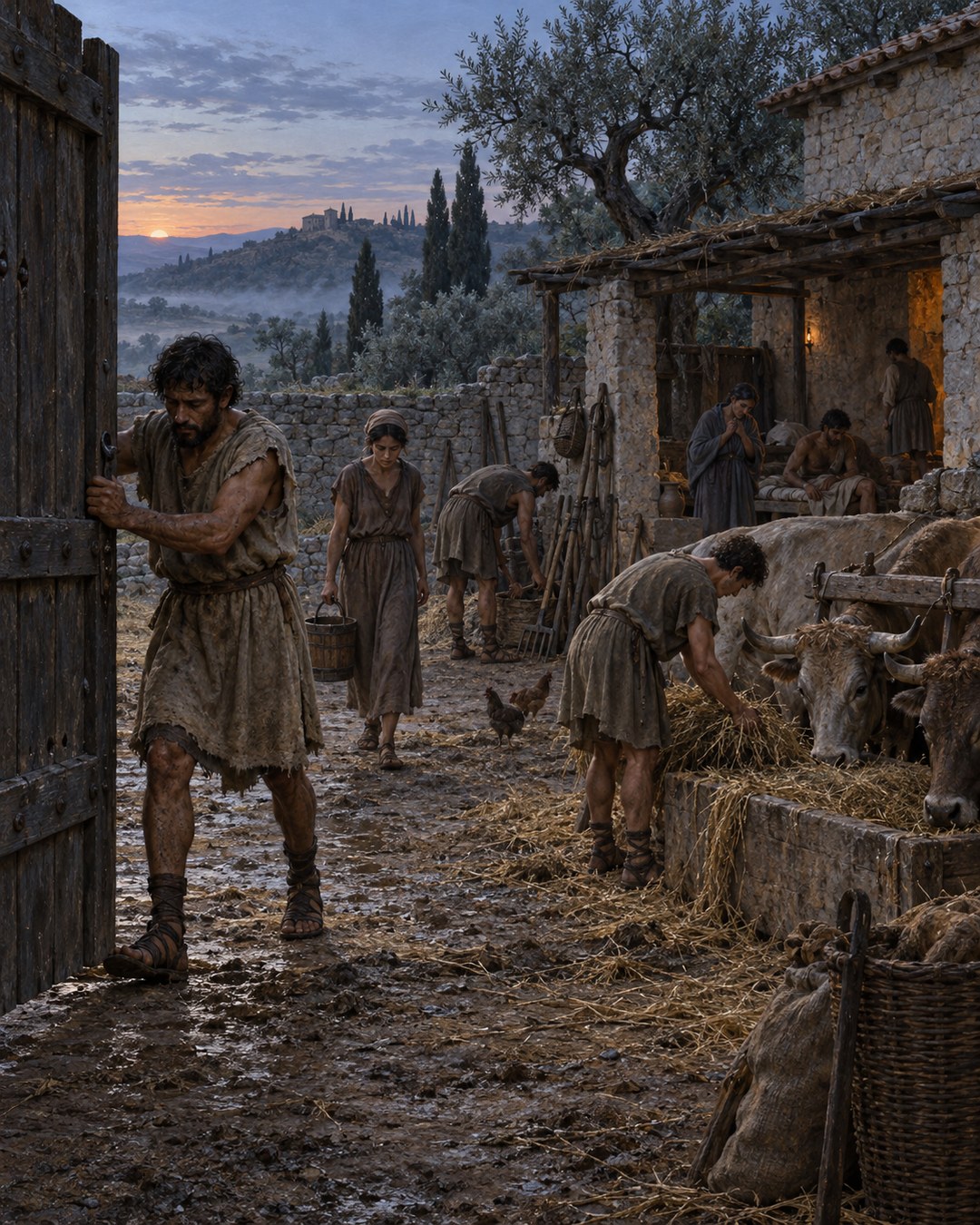
Before the overseer slept, he had to know who was in each bed, whether the gate was barred and whether the oxen had fodder. At dawn, Cato wanted him up before everyone else. Those two instructions are often read as a compact tribute to diligence. Inside On Agriculture, they form the outer frame of something … Read more

A Thrush Room Could Earn Sixty Thousand Sesterces

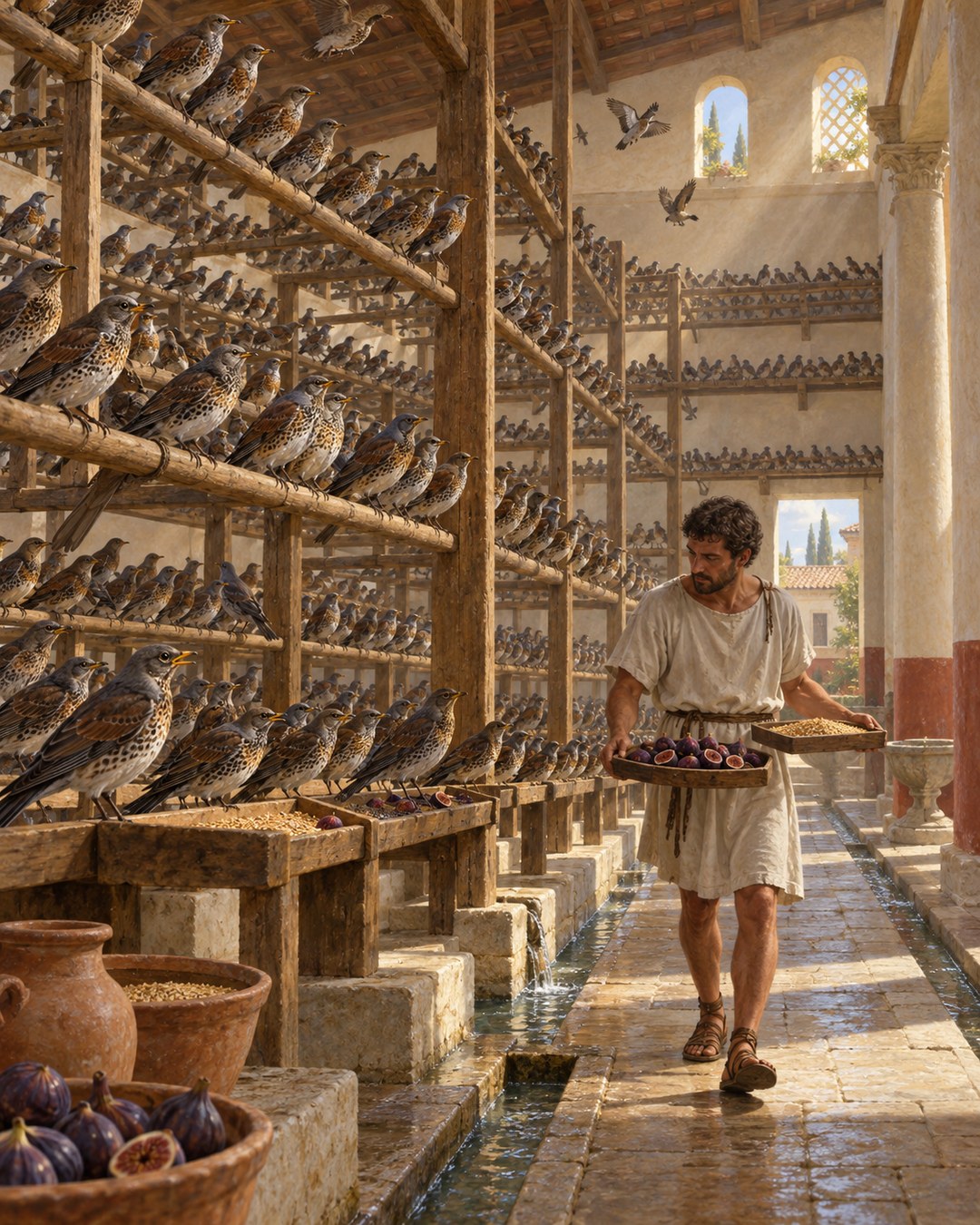
The profit began by making a migratory bird forget the view outside. Varro reports an extraordinary Sabine sale: five thousand fieldfares at three denarii apiece, producing sixty thousand sesterces from one aviary in one year. He immediately warns that such money needed the appetite of a banquet, triumph or dining club. Demand could spike. Birds … Read more

Three Guests Made a Beginning; Nine Made a Crowd

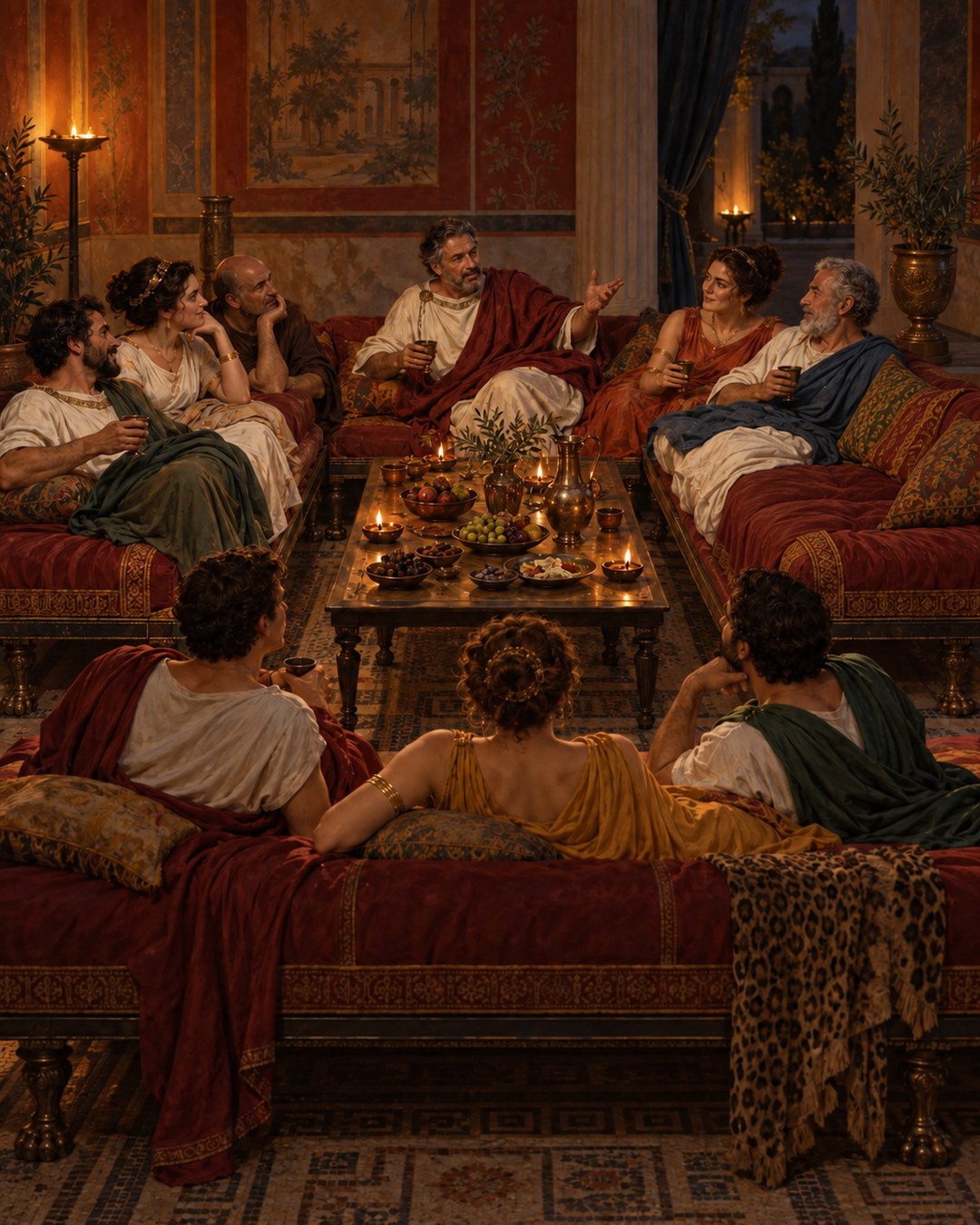
Nine was not a lucky ceiling. It was the point at which one conversation threatened to become a crowd. Marcus Varro mapped the ideal Roman dinner between divine numbers. The smallest company matched the three Graces; the largest matched the nine Muses. Fewer did not make a dinner, and more no longer reclined as one … Read more

A Tribune Could Arrest the Man He Could Not Summon

The messenger had an order, but Labeo wanted the magistrates themselves. A woman had appealed to Rome’s tribunes of the commons, and they sent for the jurist Antistius Labeo at the Gallianum. He did not simply obey. The tribunes, he answered, could arrest him, but they could not summon him while he was absent. If … Read more

Frontinus Made Aqueduct Crews Record Each Day’s Work

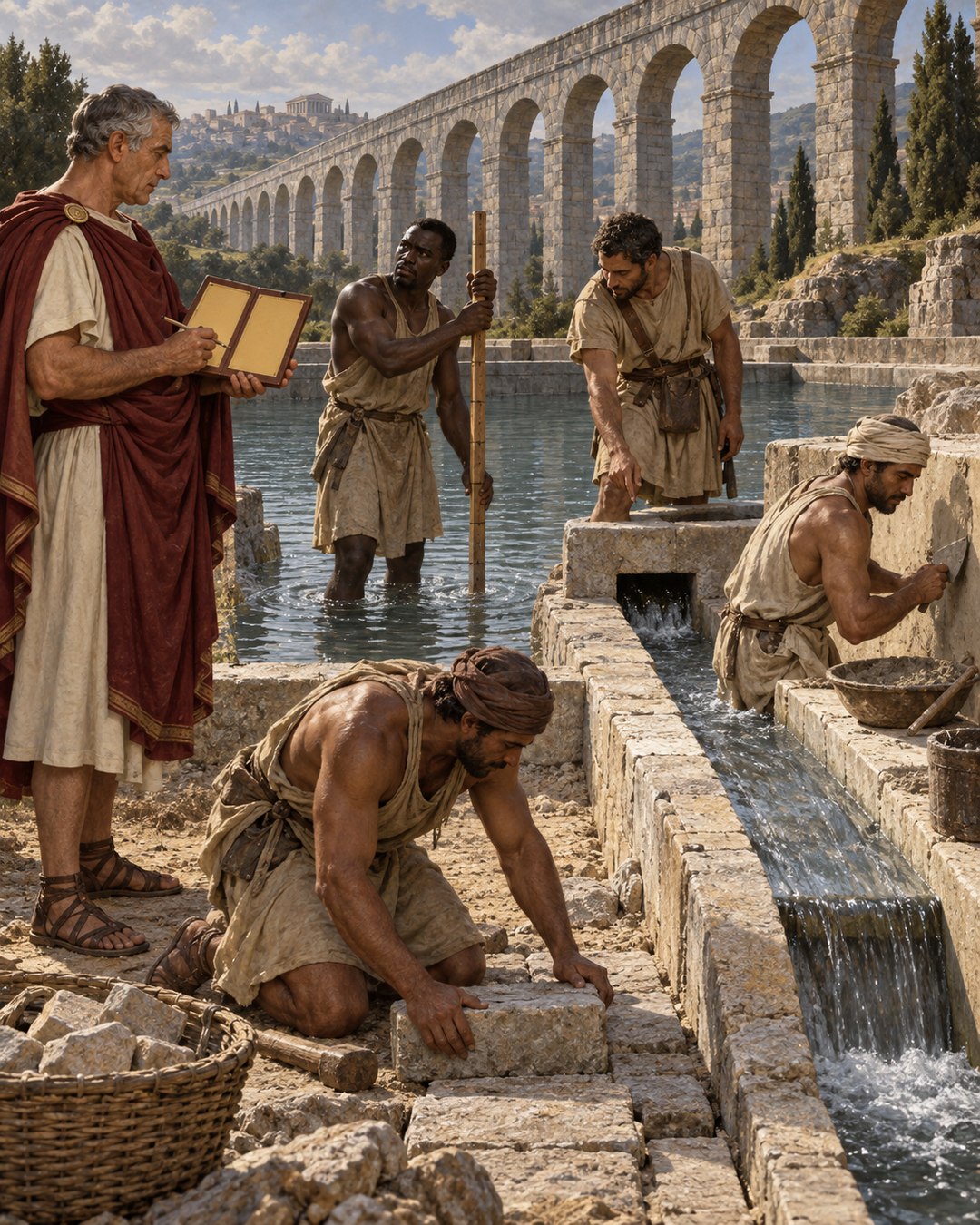
Frontinus wanted tomorrow’s aqueduct work written down before tomorrow began. Rome maintained two large gangs for its water system. One belonged to the State and numbered about 240 workers. The other belonged to Caesar, numbered 460 and dated to Claudius’s new aqueduct. Their specialists watched reservoirs, inspected structures, laid paving and repaired plaster. But a … Read more

The Senate Followed Cato to Prison Mid-Speech

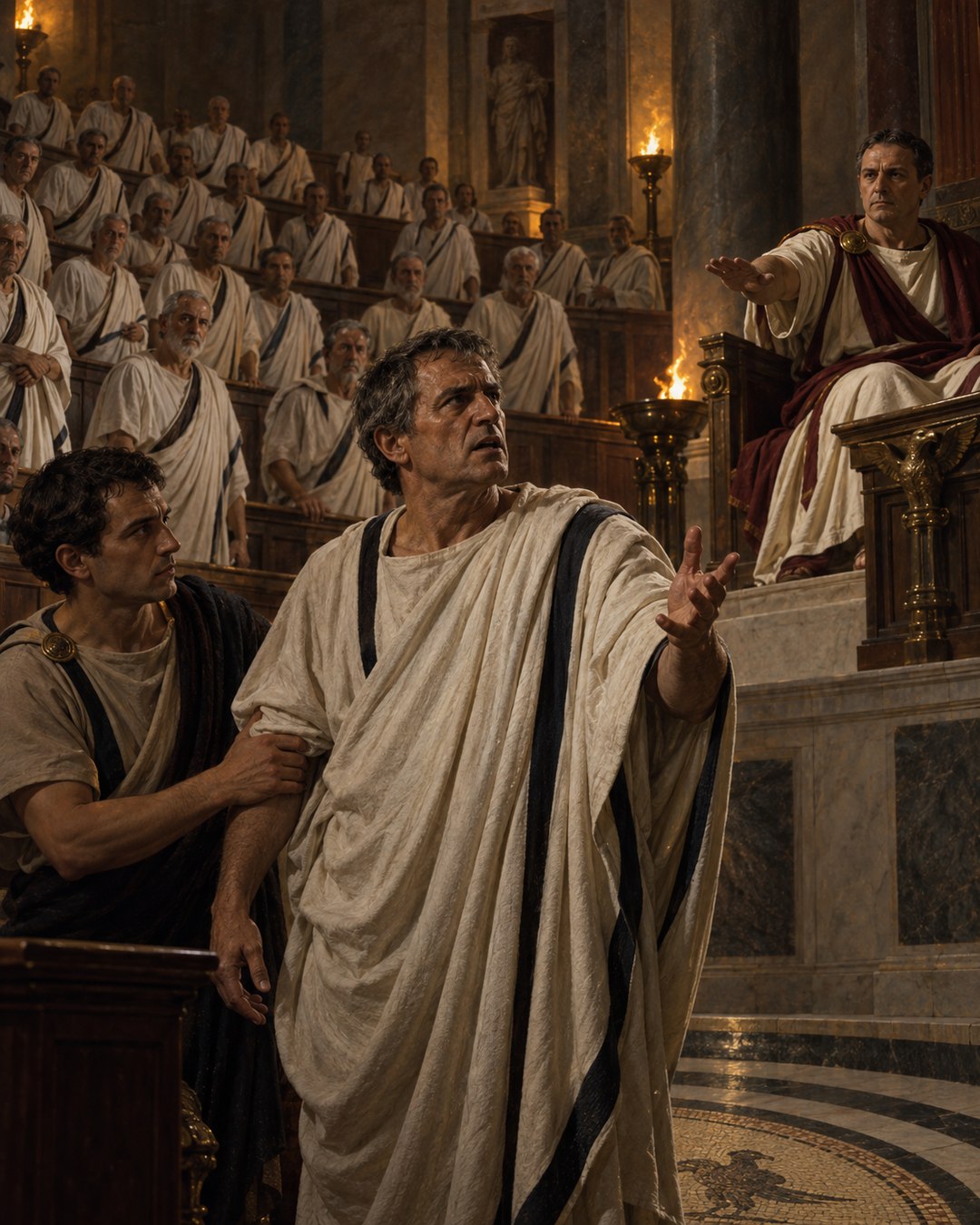
Cato was still speaking when Caesar called for the attendant. The consul had asked for his opinion on a motion. Cato opposed it and used a senator’s procedural liberty to discuss another subject first, for as long as he wished. His aim, Gellius says, was to consume the whole day and prevent a decision. Caesar … Read more

Twenty Girls Entered Rome’s Lottery for One Vestal

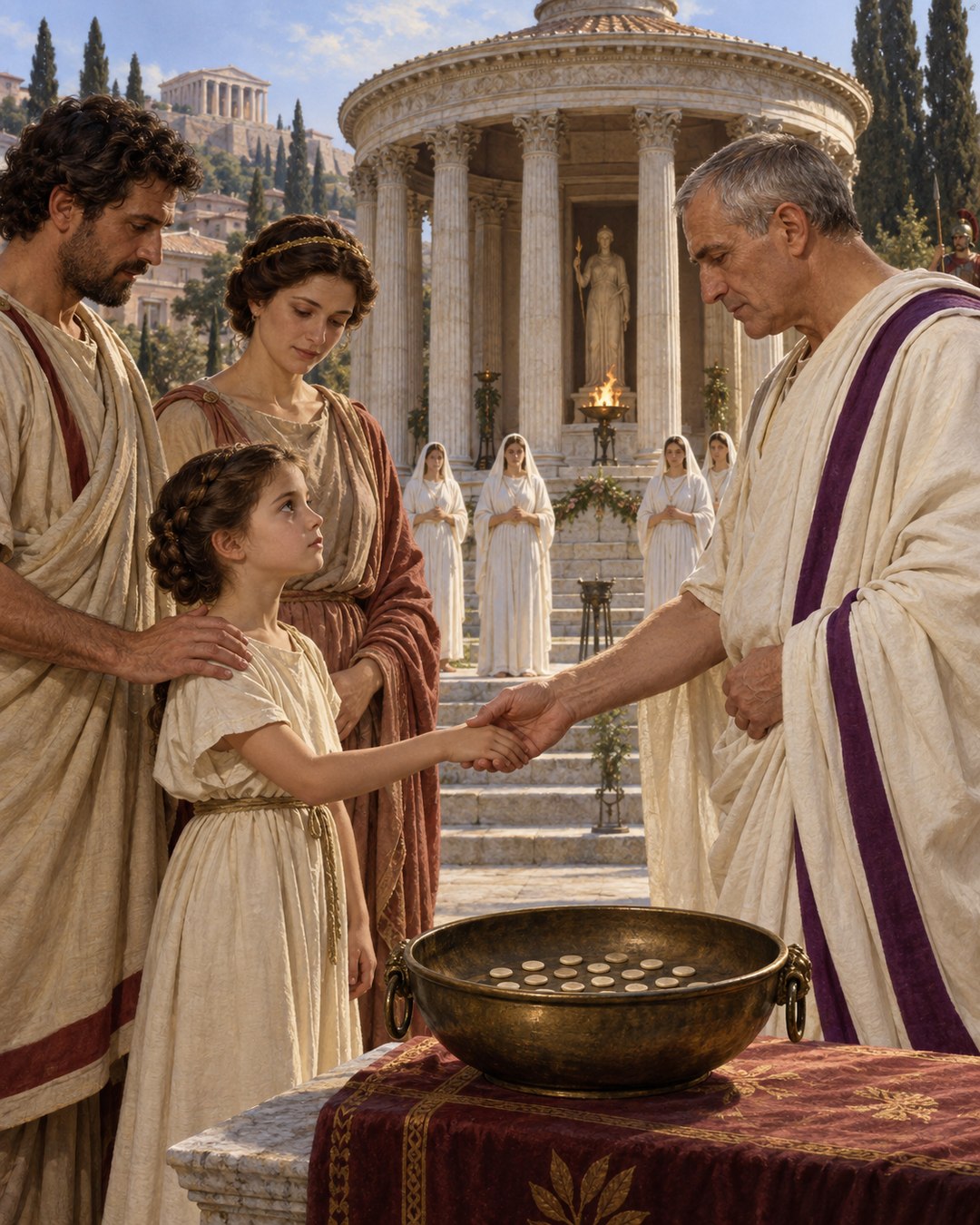
The bowl held twenty chances, but most Roman girls could never reach it. Aulus Gellius describes a selection process for the priesthood of Vesta that began with age, family and bodily qualifications. A candidate had to be at least six and no more than ten, with both parents living. Religious exclusions and family exemptions narrowed … Read more

Sealed Trenches Promised Wheat for Fifty Years

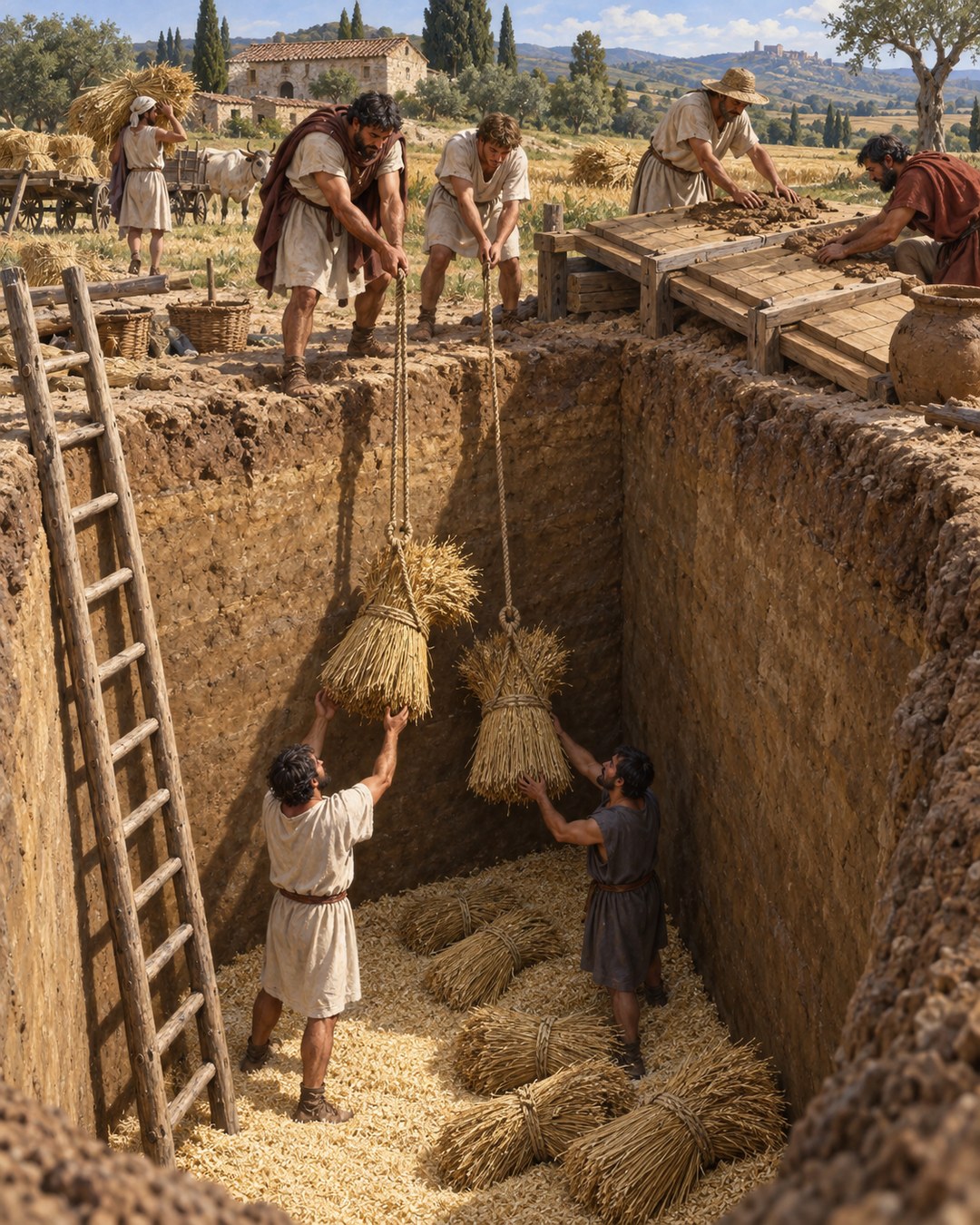
Fifty years was the promise attached to one sealed store of wheat. Pliny reports the figure from Varro while describing trenches called siri. They were dug in dry soil, bedded with chaff, filled with grain still in the ear and closed against incoming air. Under those conditions, Varro said wheat could last fifty years and … Read more

Moonlight Faced Mithridates Before Pompey Attacked

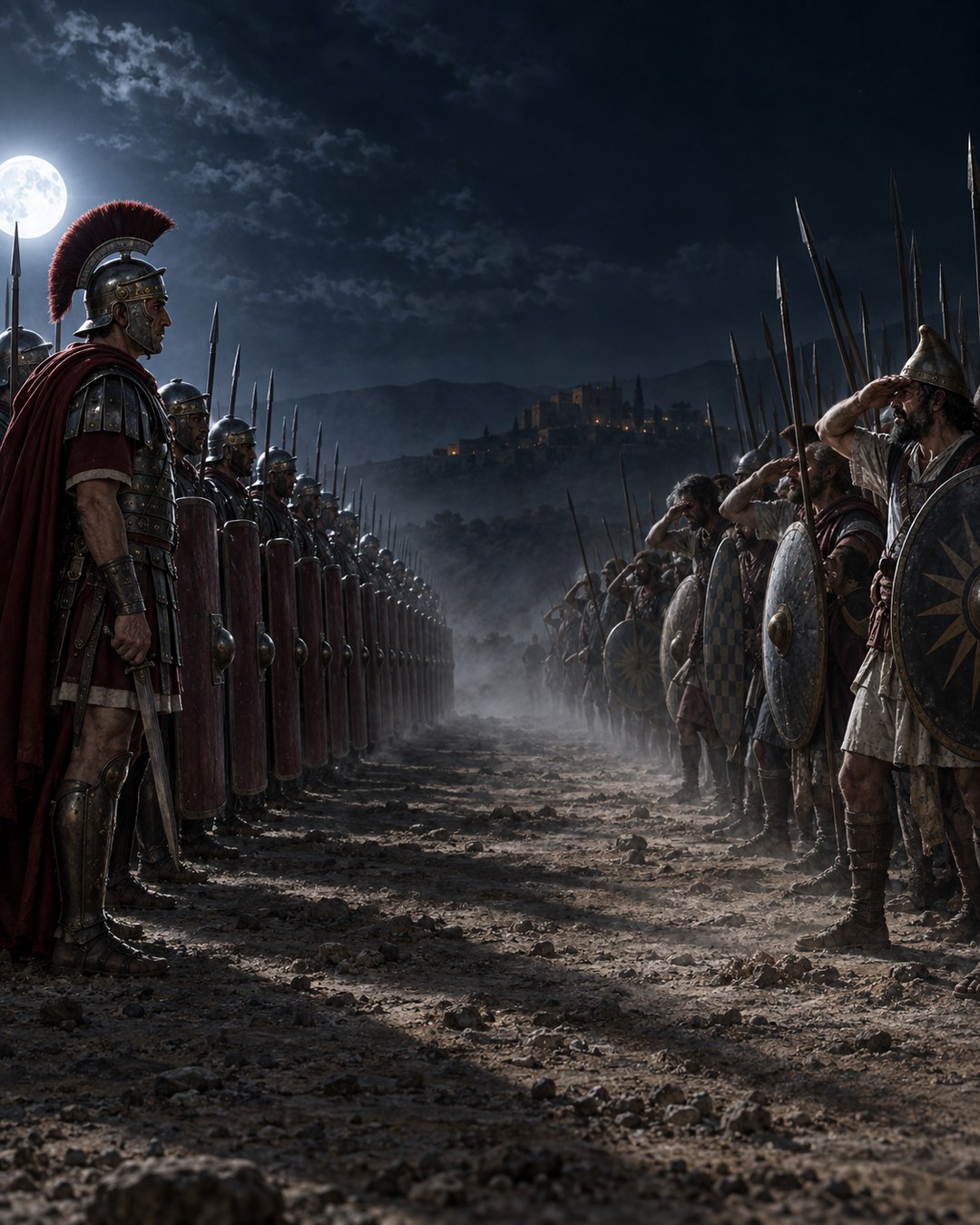
Pompey did not wait for daylight to make the battlefield visible. He wanted to stop Mithridates from escaping and force an encounter during withdrawal. Frontinus says he chose night, blocked the march and arranged his force so moonlight fell into the faces of the Pontic soldiers. The same light worked differently behind the Roman line. … Read more