A 22-Millimetre Coin Mould Copied Faustina II
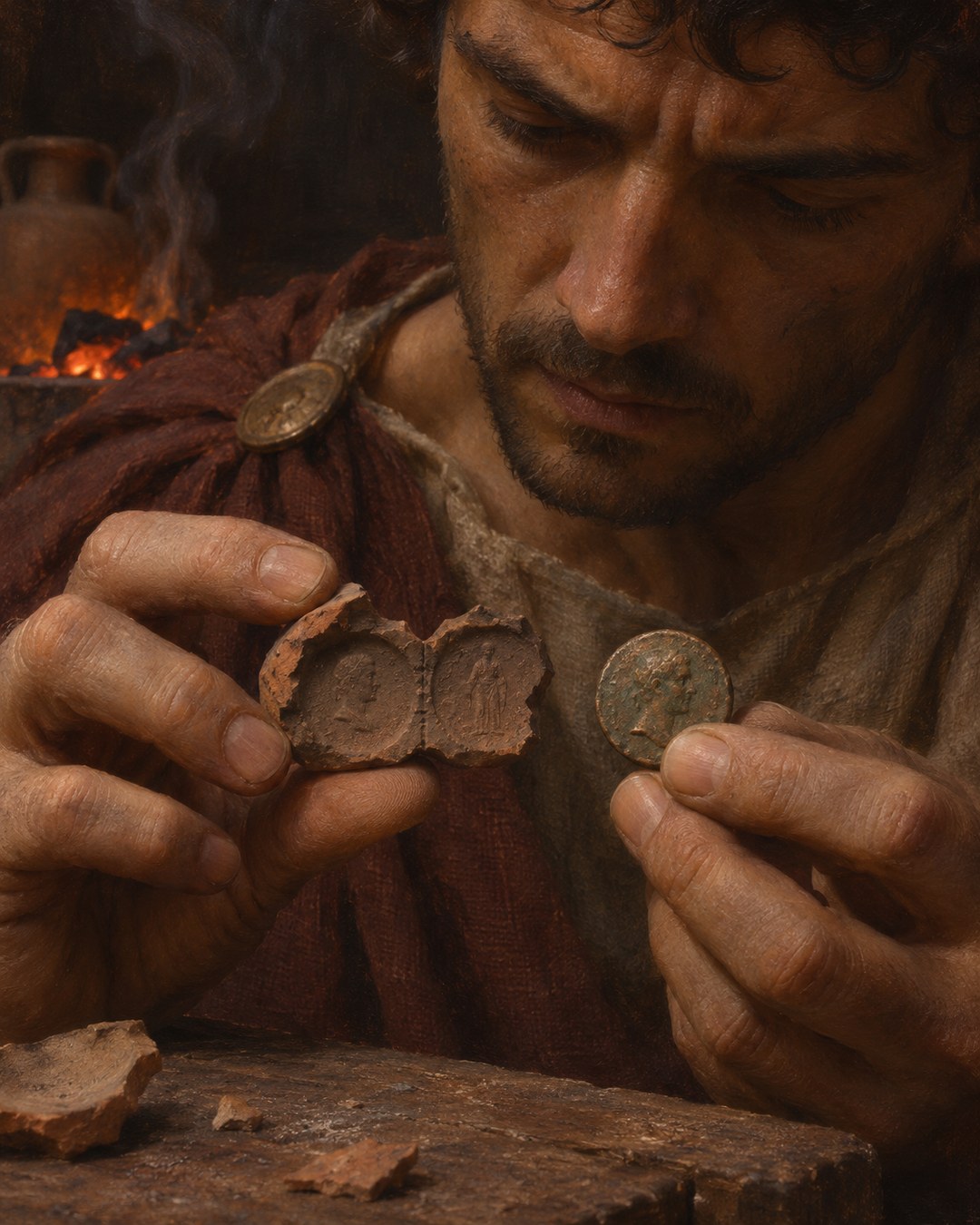
A worn coin of Faustina II was pressed into clay. Its portrait left a negative. On the other face, Laetitia stood with a wreath and anchor, also reversed. The clay was baked, clipped and burnt. What survives is only 22 millimetres across, but it records a production decision with political consequences: an imperial coin had … Read more
Silver Eyes Watched from a Roman Bacchus Tripod Mount

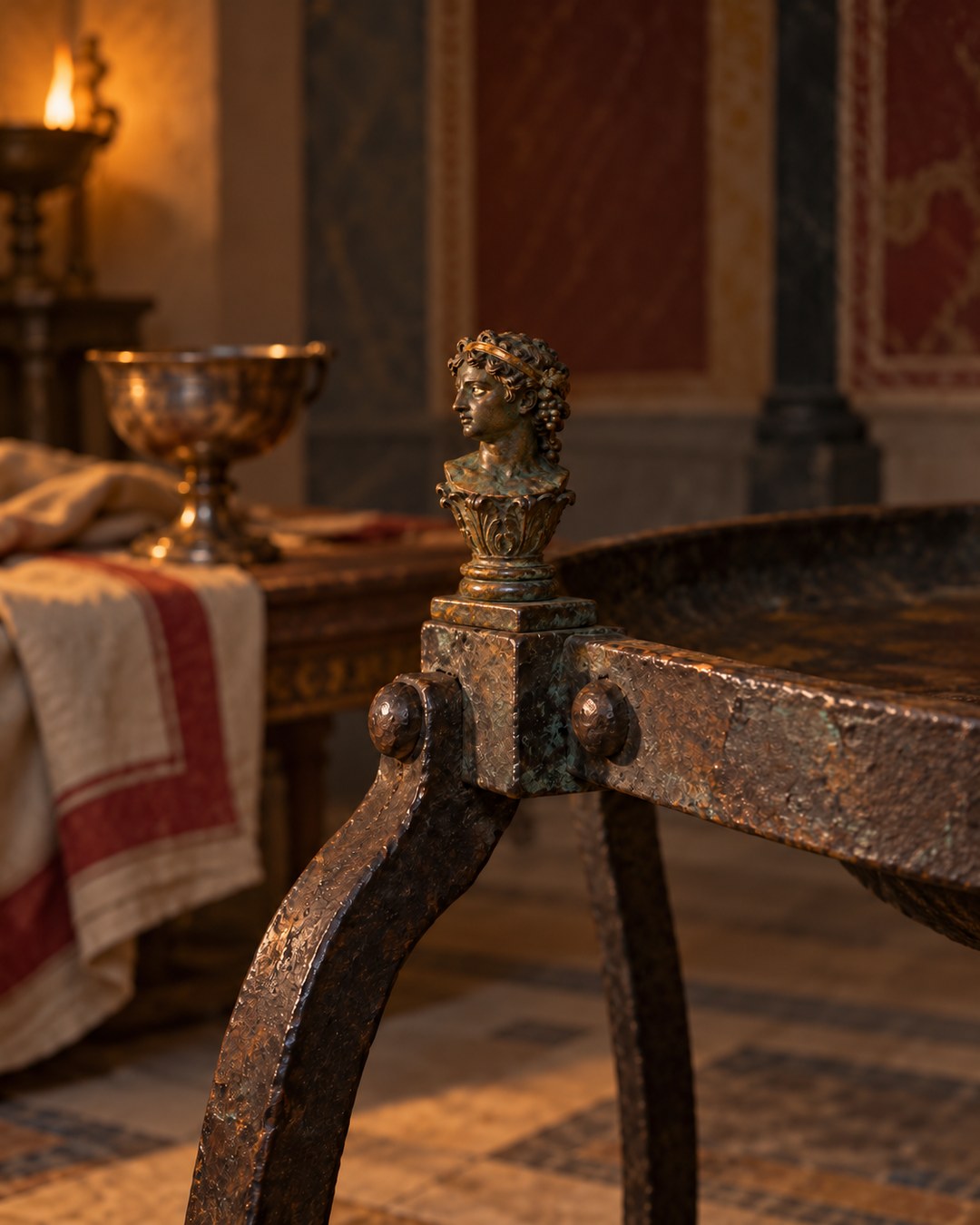
Two tiny silver eyes interrupt the brown-green surface of a copper-alloy face. The head turns left. Flowing hair rises beneath a diadem, while the bust emerges from an acanthus calyx fixed over a square hollow base. This is not a freestanding household god. It is a mount from an iron tripod. The London Museum dates … Read more

A 54-Millimetre Isis Balanced a Roman Steelyard

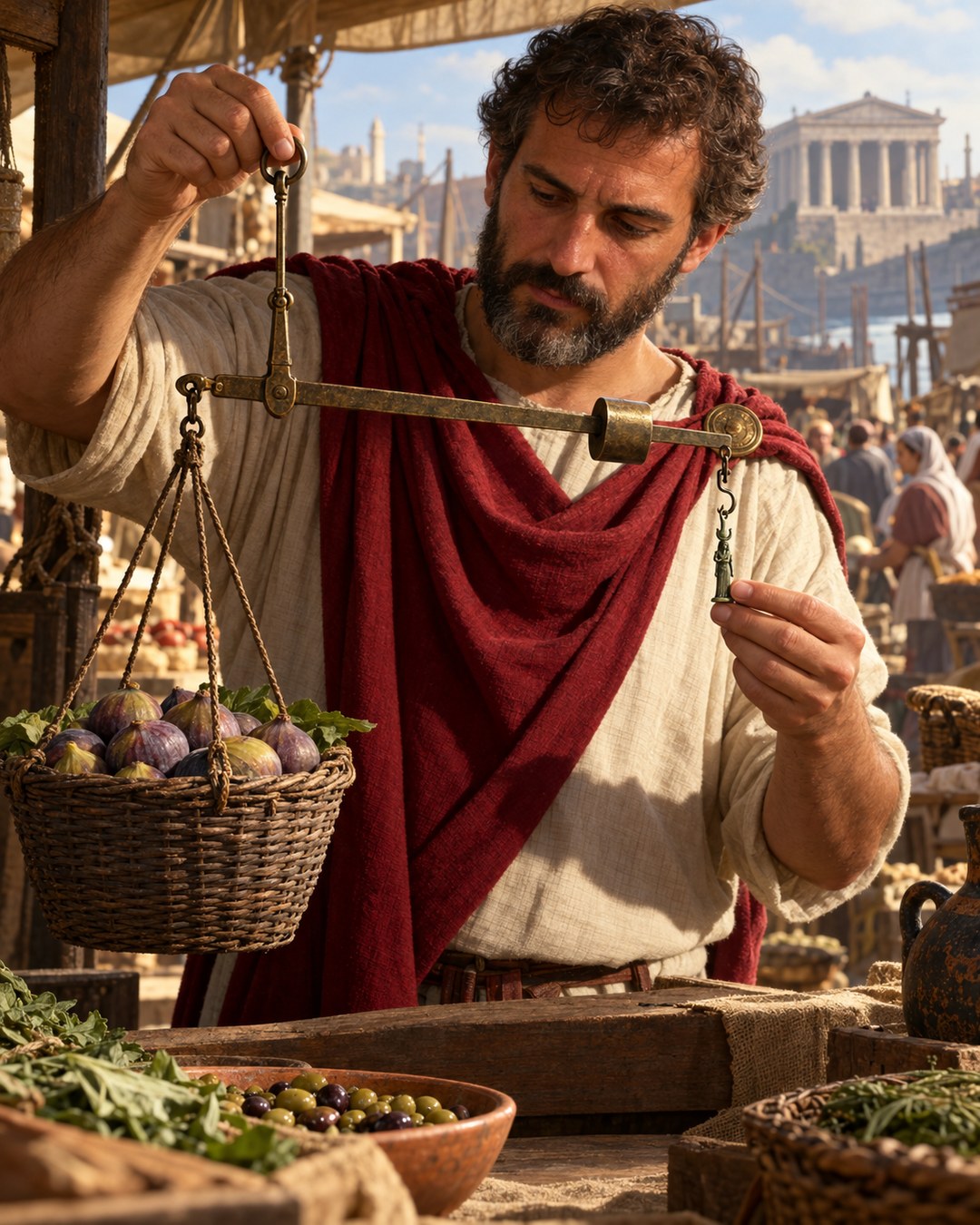
A trader lifts a bronze beam while a basket hangs below it. On the longer arm, the counterweight is not an anonymous lump. It has been cast as Isis. The surviving object in the London Museum is only 54 millimetres long, 35 millimetres wide and 22 millimetres high, but those dimensions were enough to give … Read more

Three Holes Laced One Roman Armour Scale into a Cuirass

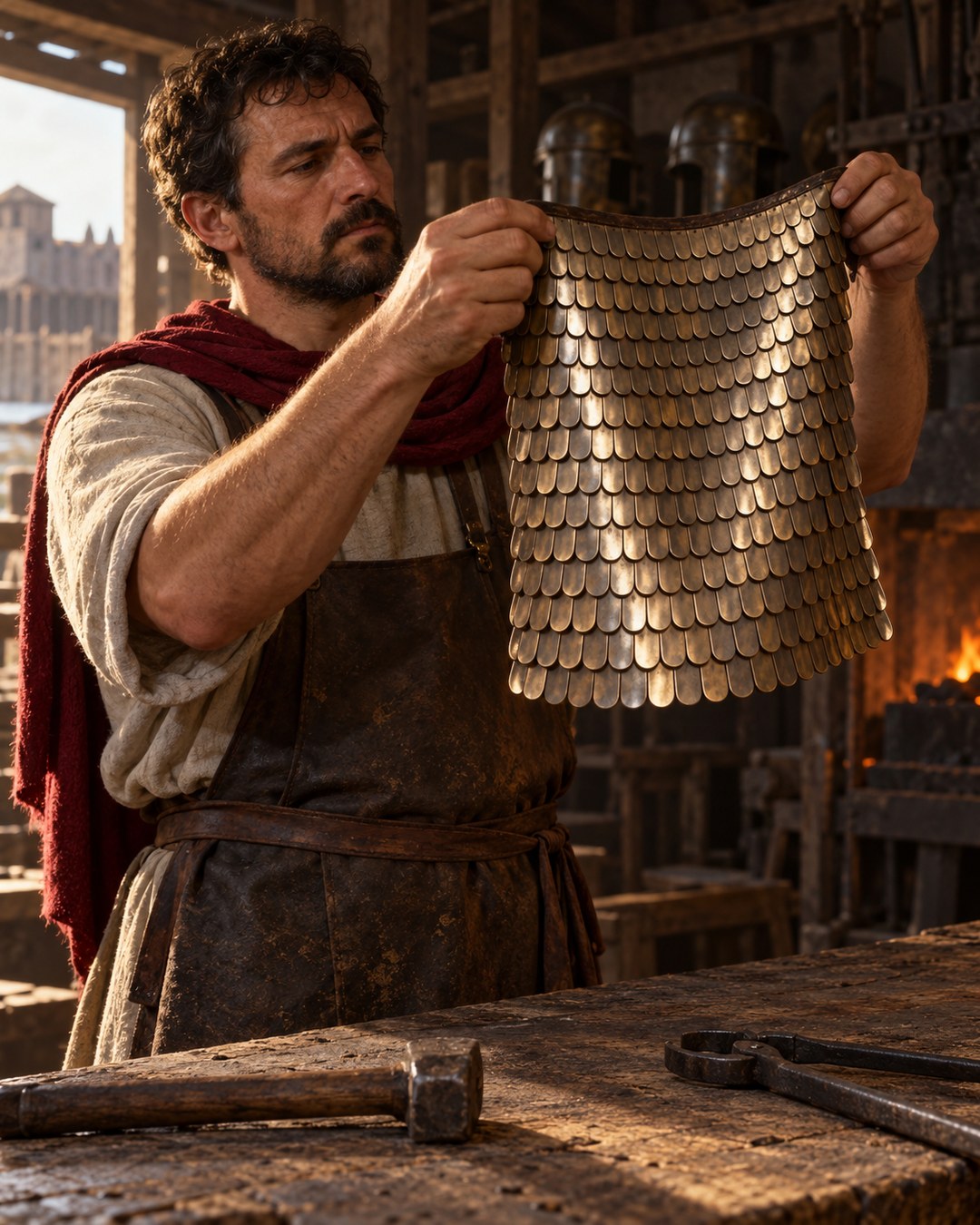
A scrap of armour can be more revealing than a complete parade suit. The London Museum holds a copper-alloy scale only 30 millimetres long and 21 millimetres wide. It has no surviving wearer, no named legion and no secure battlefield story. What it does have is a precise set of working features: three holes across … Read more

Six Silver Rings Hung Below a Late Roman London Brooch

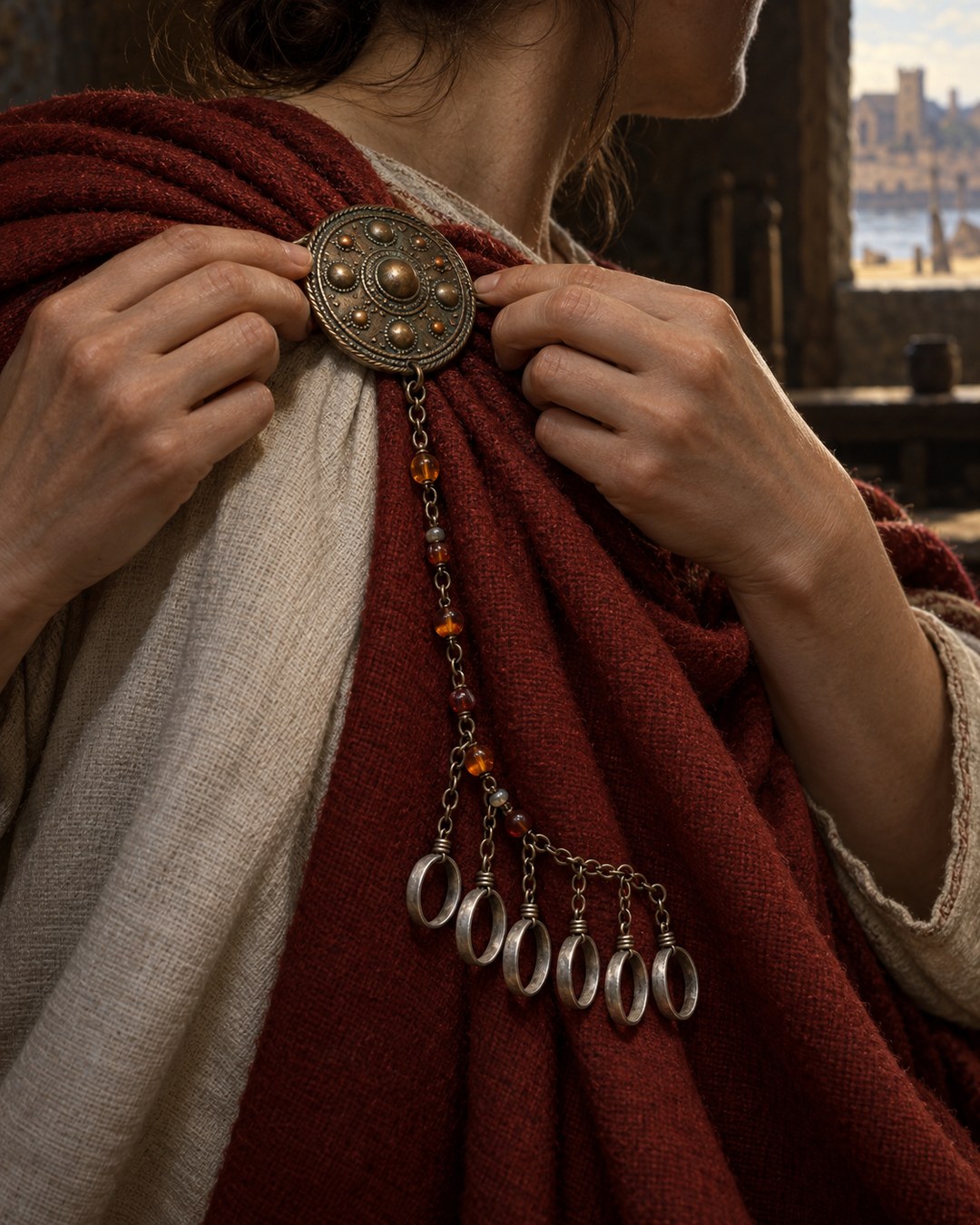
A brooch is easy to reduce to a pin. The late Roman object catalogued by the London Museum refuses that simplification. It combines a brooch with a chain, glass beads, amber beads and six silver rings. Copper alloy, silver, glass and amber all belong to one surviving assembly. The measurements keep the object at human … Read more

A Seventy-Millimetre Leather Shoe Was Made in Miniature

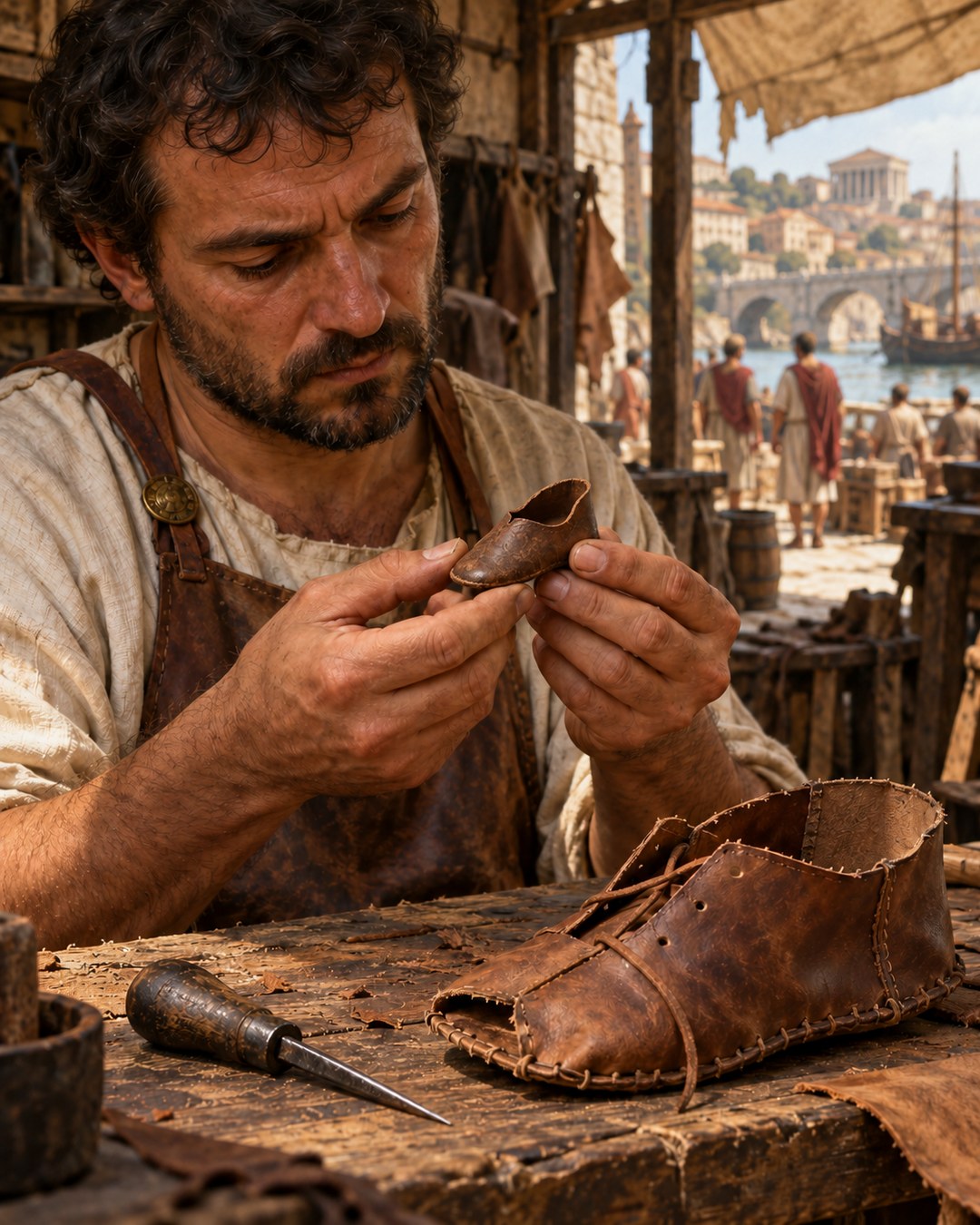
A shoe 70 millimetres long cannot be understood by imagining a small adult. The London Museum’s object is also only 46 millimetres wide and is catalogued plainly as a one-piece miniature shoe. It is leather, Roman and archaeological. Beyond that, its purpose is not supplied with a confident label. That restraint is useful. Miniature objects … Read more

Hot Wax Kept Colour on Roman Warships

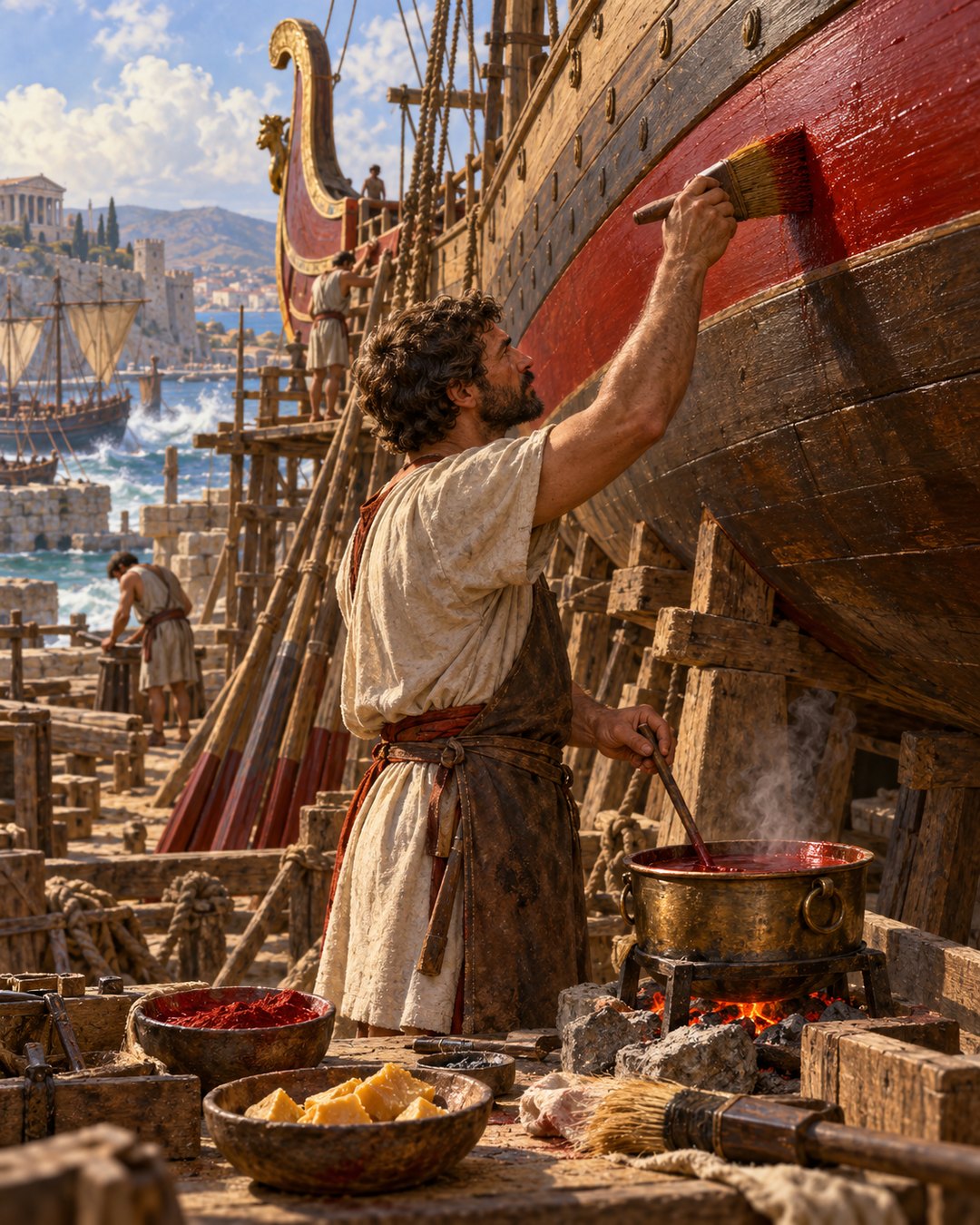
A painted warship had an awkward problem that a painted wall did not. Its surface moved. Sun heated the planks, wind dried them, spray salted them, and every voyage carried the finish into another cycle of wet and dry. Pliny the Elder preserves a compact technical answer: painters melted coloured wax and worked it onto … Read more

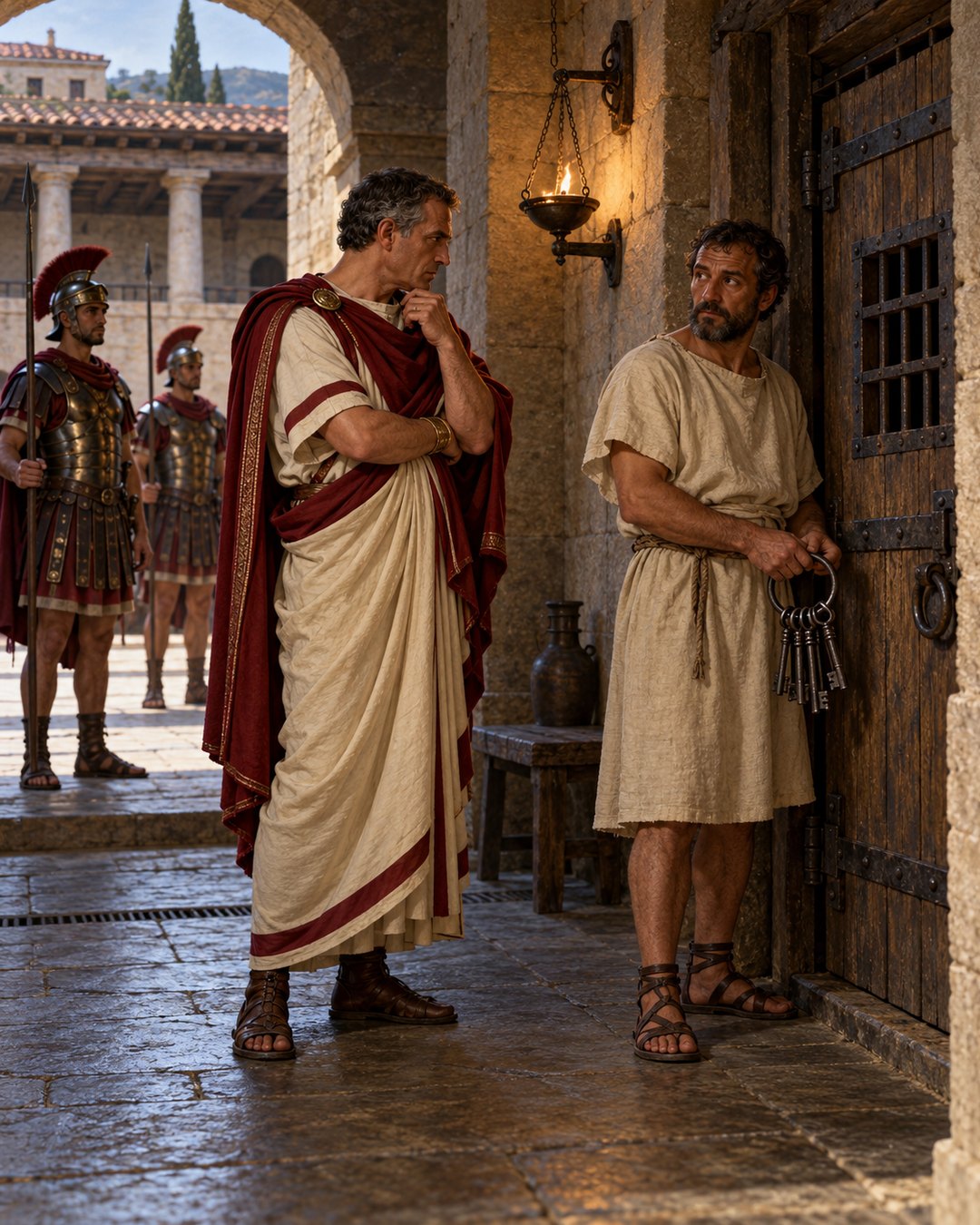
Pliny Split Prison Duty and Made Both Guards Less Careful

Pliny had inherited a provincial prison system guarded by public slaves belonging to Bithynian cities. He did not trust them. Soldiers looked more dependable, so the governor added a few legionaries to the existing watch. The compromise immediately created a second risk. Each group could assume that the other was responsible, and each could blame … Read more

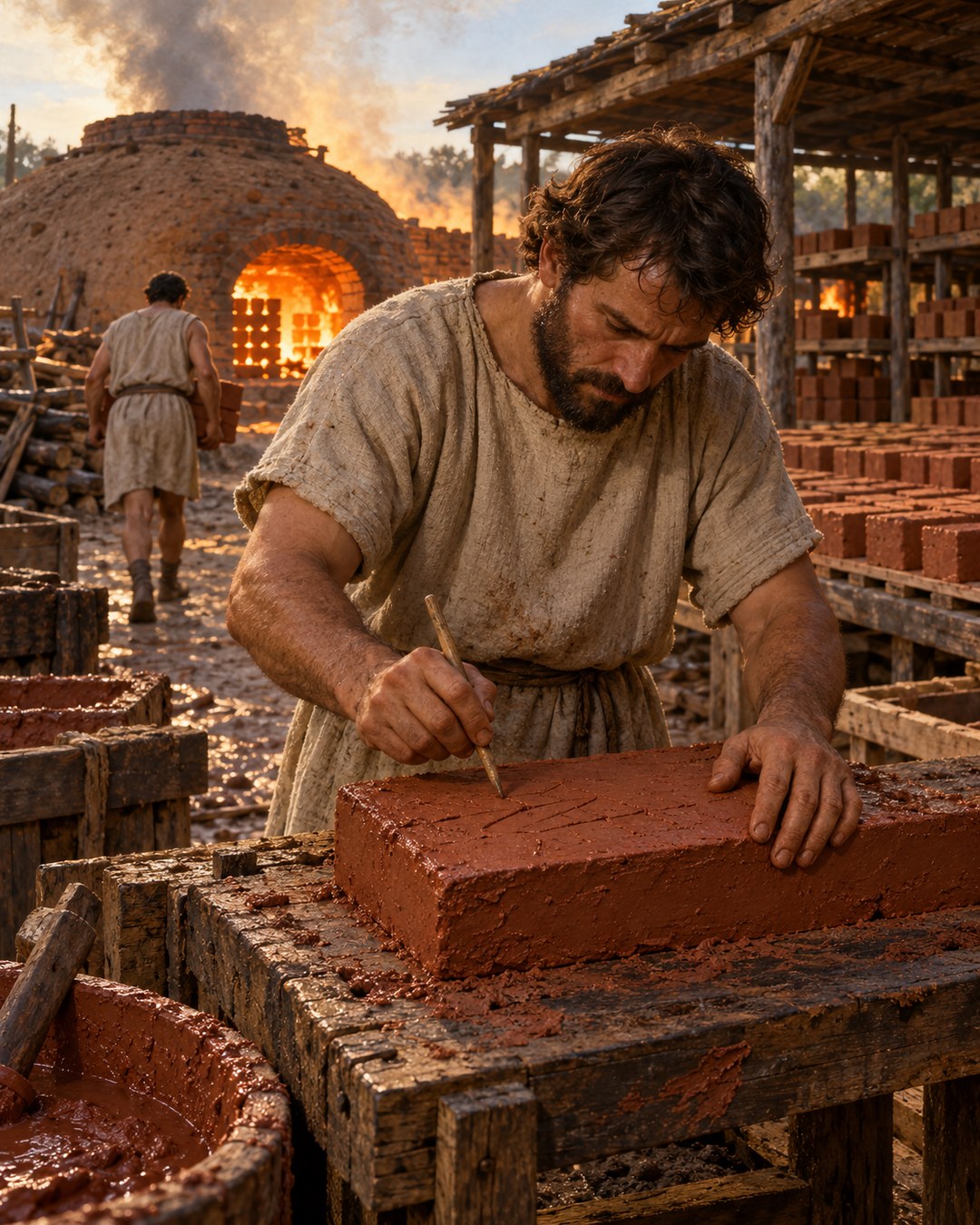
A Brickmaker Counted Austalis’s Thirteen Days Away

Someone scratched a complaint into a red clay brick while it was still soft. The target was a co-worker named Austalis. He had been wandering off alone every day, the writer said, and the count had reached thirteen days. The message survived because its surface was not paper or wax. Once fired, the Lydion brick … Read more