German Linen Weavers Worked in Caves Deep Underground
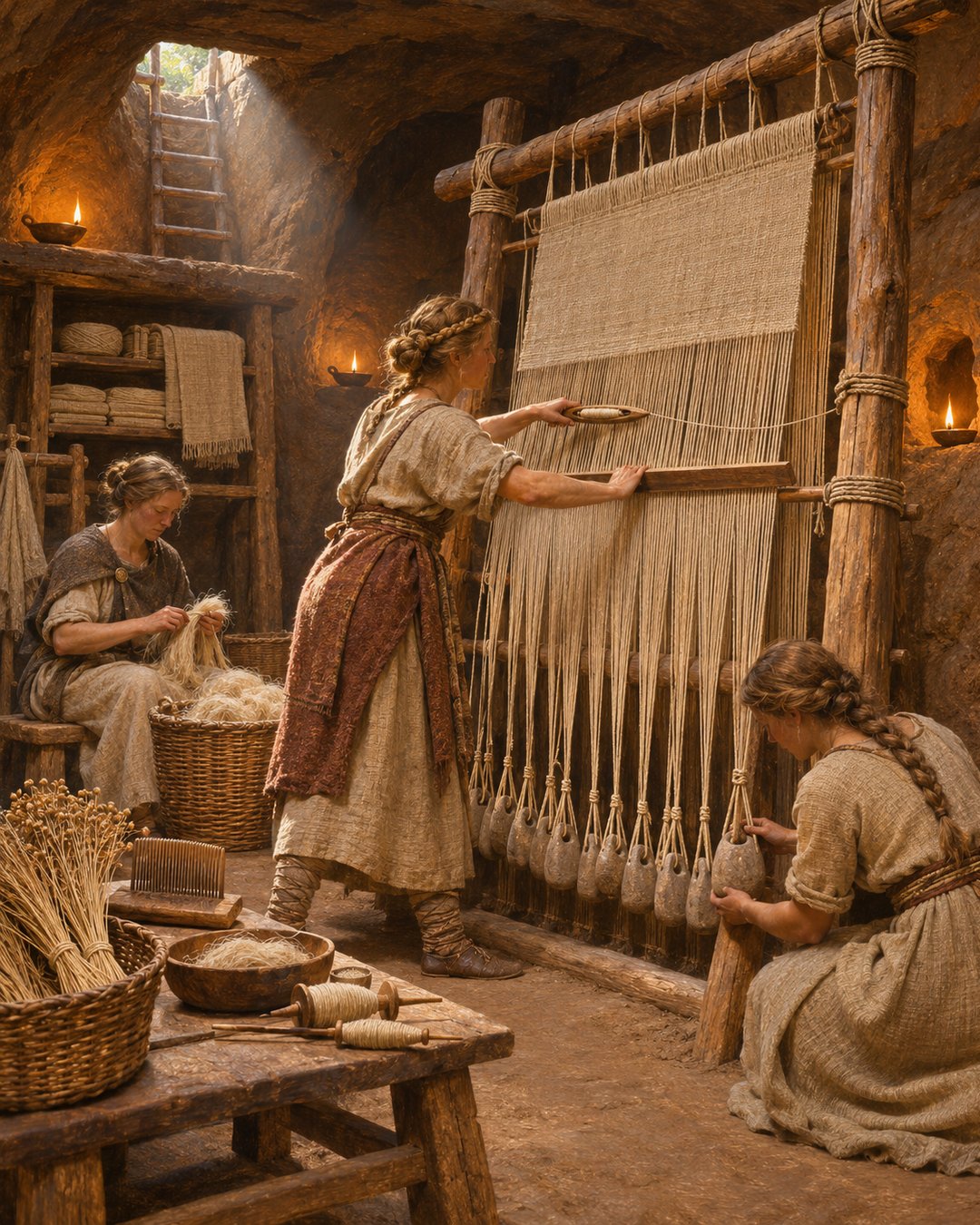
Pliny the Elder placed some of the Roman world’s linen looms where daylight barely reached: in caves deep underground. He first assigns the practice to Germany, then says the same thing happened in the Alian territory of northern Italy, between the Po and Ticino rivers. The detail is easy to turn into picturesque mystery. Yet … Read more
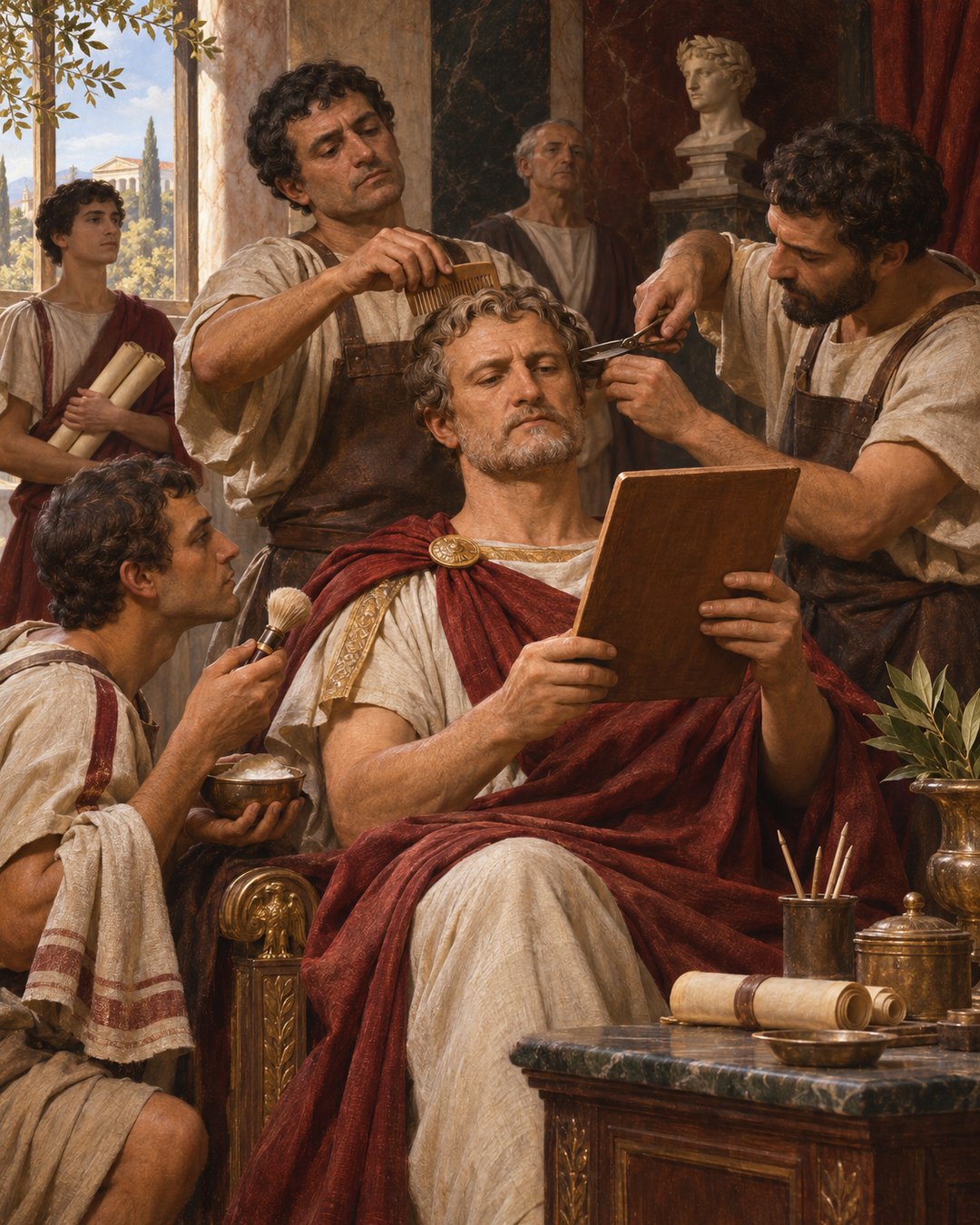
Several Barbers Worked While Augustus Read or Wrote

Augustus did not stop working when the barbers arrived. Suetonius says several of them arranged the emperor’s hair at the same time because the job was done in haste. His beard might be clipped or shaved, and while hands and blades moved around his head, Augustus read or wrote. The scene is intimate, practical and … Read more

Prusa Put a Public Bath on a Ruined Imperial Bequest

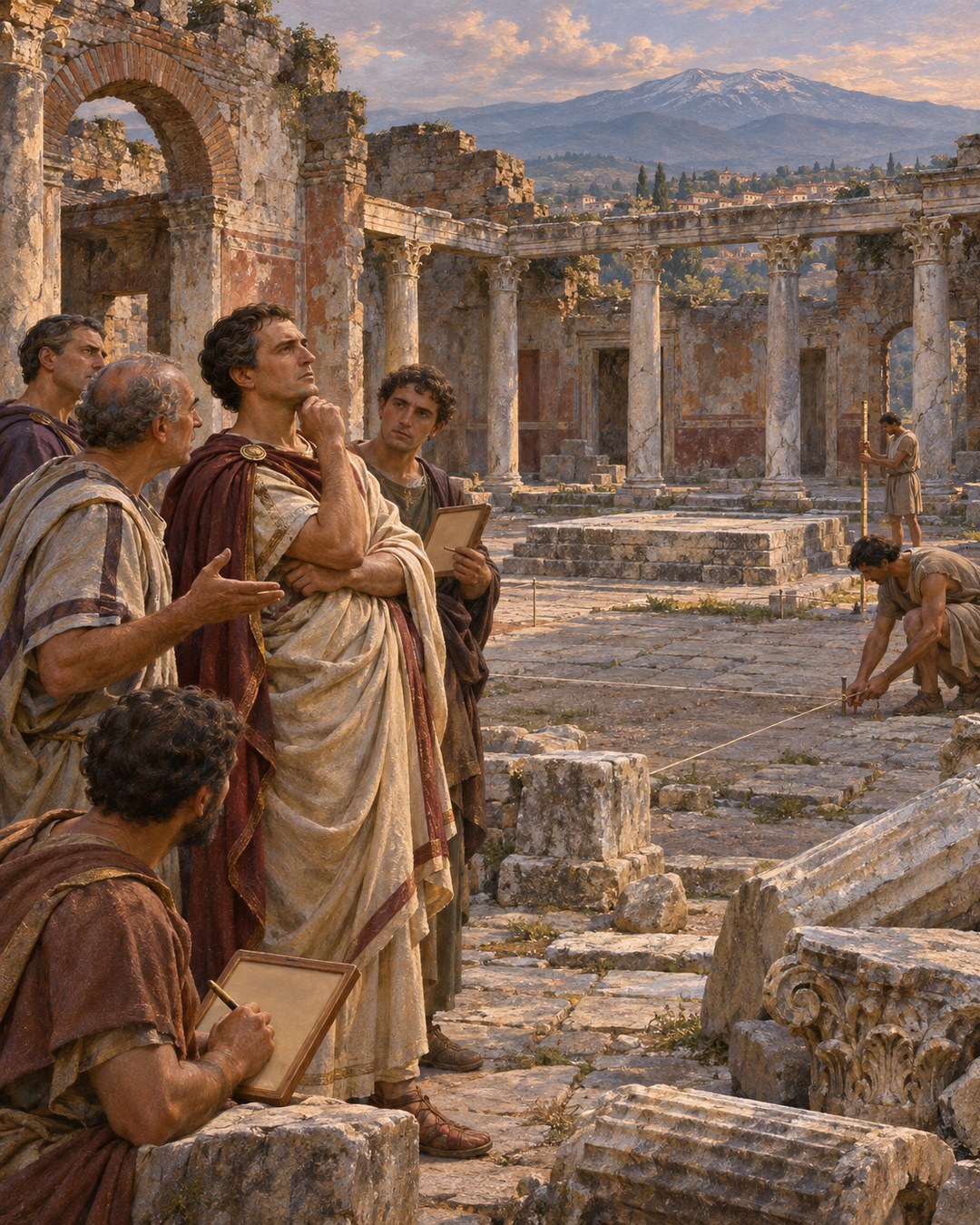
Prusa had imperial permission to build a public bath and a ruined property in a useful part of the city. The match looked simple. Pliny the Younger told Trajan that a once-beautiful mansion had collapsed so completely that scarcely more than its ground remained. A bath could revive the site, add porticoes and seats, and … Read more

Baths, Ovens and Cisterns Stayed Away from Roman Wine Rooms

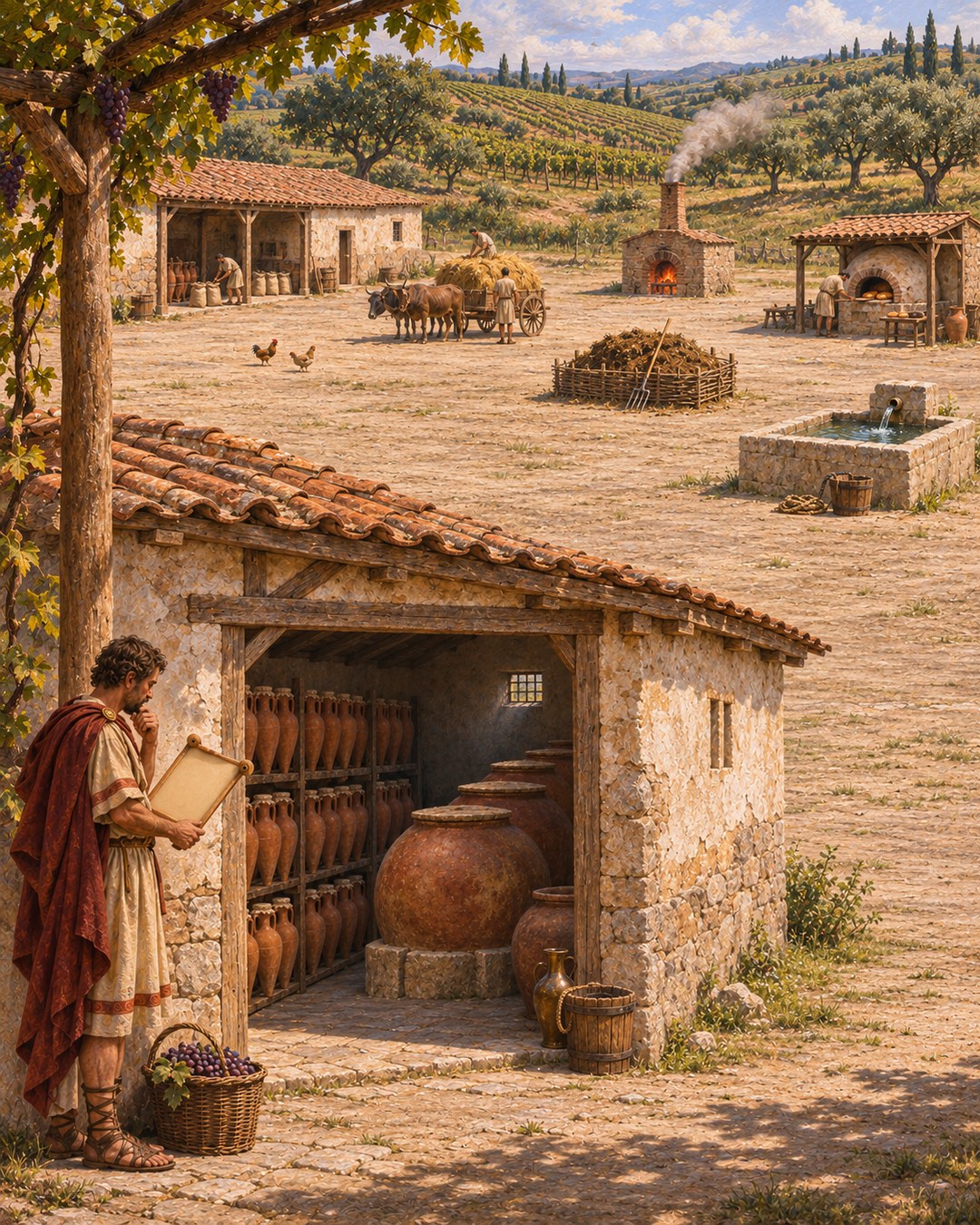
A Roman wine room was defined partly by what could not stand beside it. Columella put liquid produce such as wine and oil on the ground floor of a working farm. Then he drew a practical perimeter around the wine: no baths, no oven, no dunghill, no foul-smelling place, no cistern, and no running water … Read more

A Loose Horse Let Scipio’s Spies Measure Syphax’s Camp

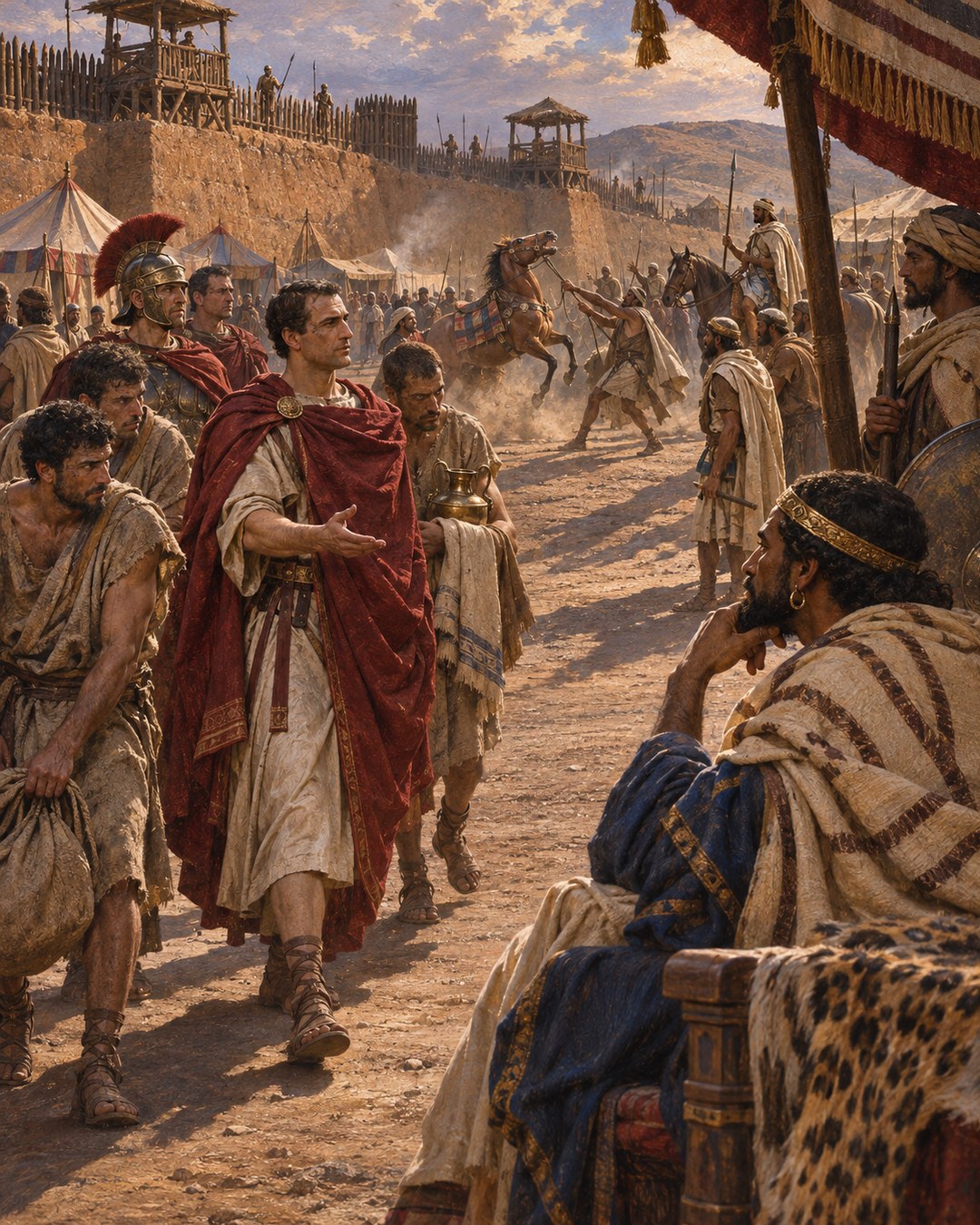
The most useful horse in Scipio Africanus’s reconnaissance did not carry a cavalryman or charge a line. It appeared to escape. While Gaius Laelius visited King Syphax as an ambassador, Roman officers disguised as enslaved attendants deliberately let the animal loose. They ran after it around much of the camp’s fortifications. To anyone watching, the … Read more

Claudius Left Court When He Smelled the Salii’s Meal

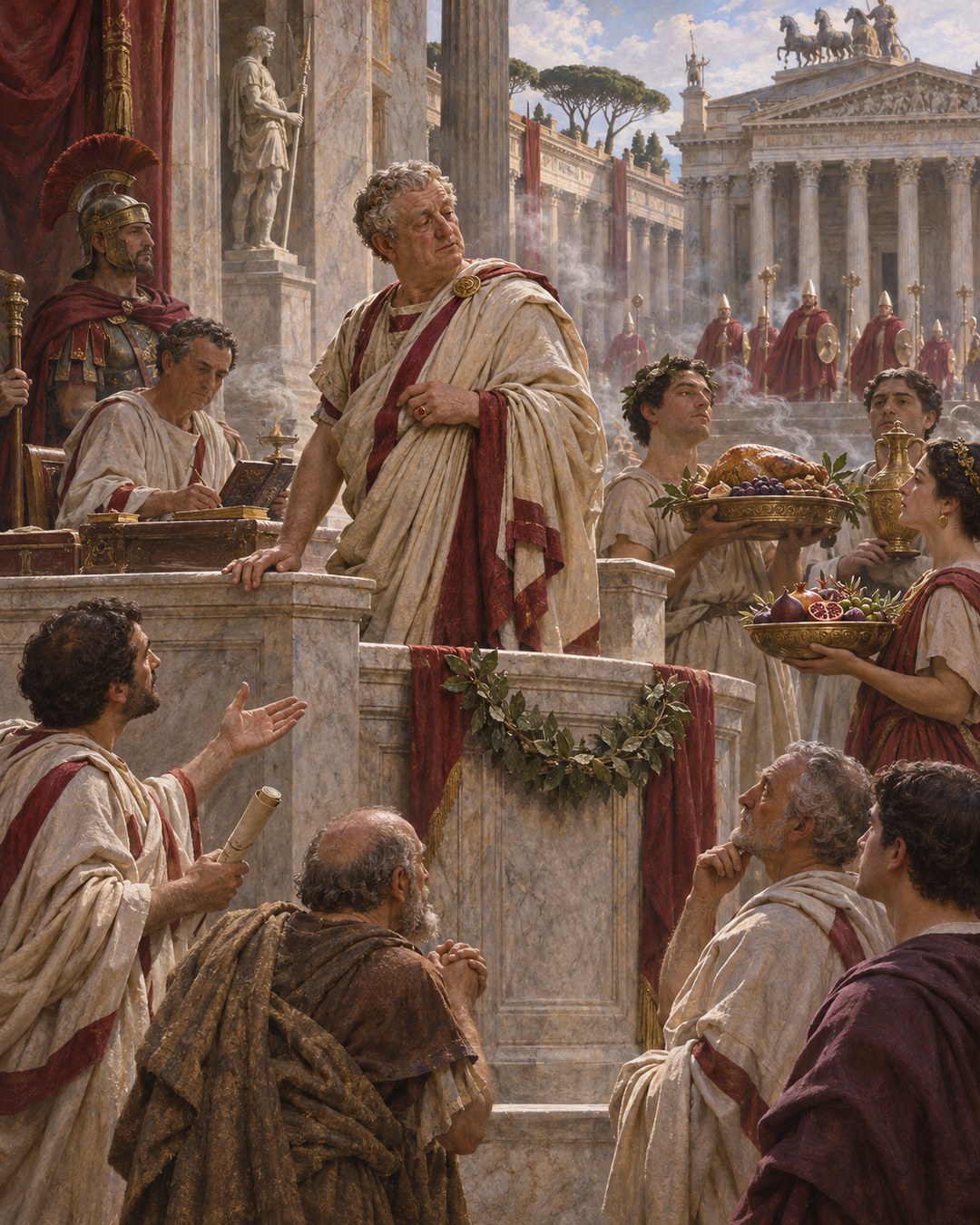
Emperor Claudius was holding court in the Forum of Augustus when another institution of Roman power reached him through the air. Nearby, in the Temple of Mars, a meal was being prepared for the Salii, the ancient priesthood associated with Mars. Claudius caught its savour. According to Suetonius, he left the tribunal, went up to … Read more

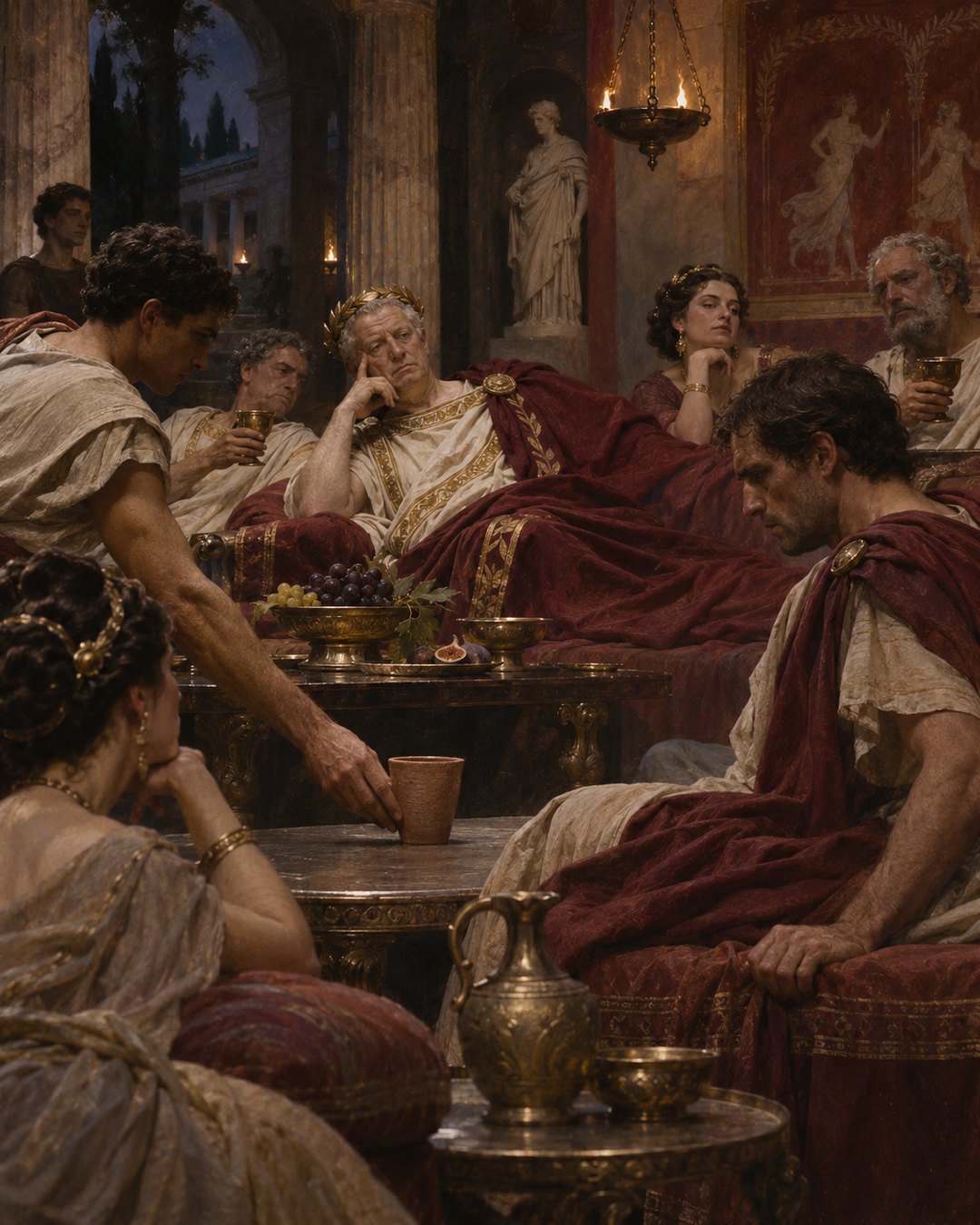
Claudius Replaced a Suspected Thief’s Gold Bowl with Clay

A gold bowl vanished from the emperor Claudius’s dinner table. Suetonius does not give us an investigation, a confession, or a courtroom. He gives us something smaller and more uncomfortable. A guest was suspected of taking the vessel. Claudius invited him back the following day—and placed an earthenware cup before him. The story occupies only … Read more

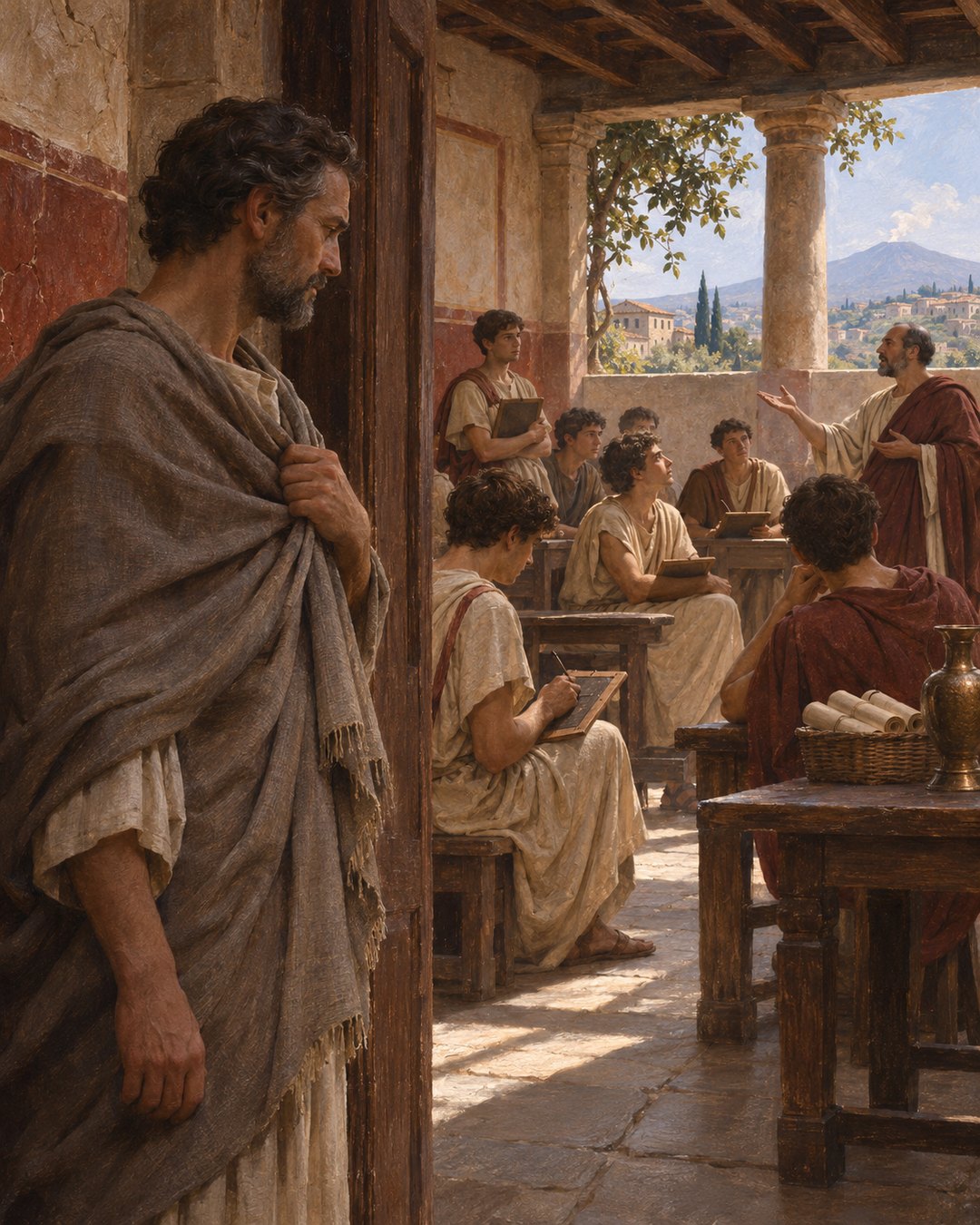
A Greek Cloak Marked a Roman Senator’s Exile

When Valerius Licinianus walked into a classroom in Sicily, his clothes announced the verdict before he spoke. He had once been a praetor, one of the men entitled to sit near the summit of Roman public life. Now he was an exile, and Pliny the Younger says that exiles could not wear the toga. Licinianus … Read more

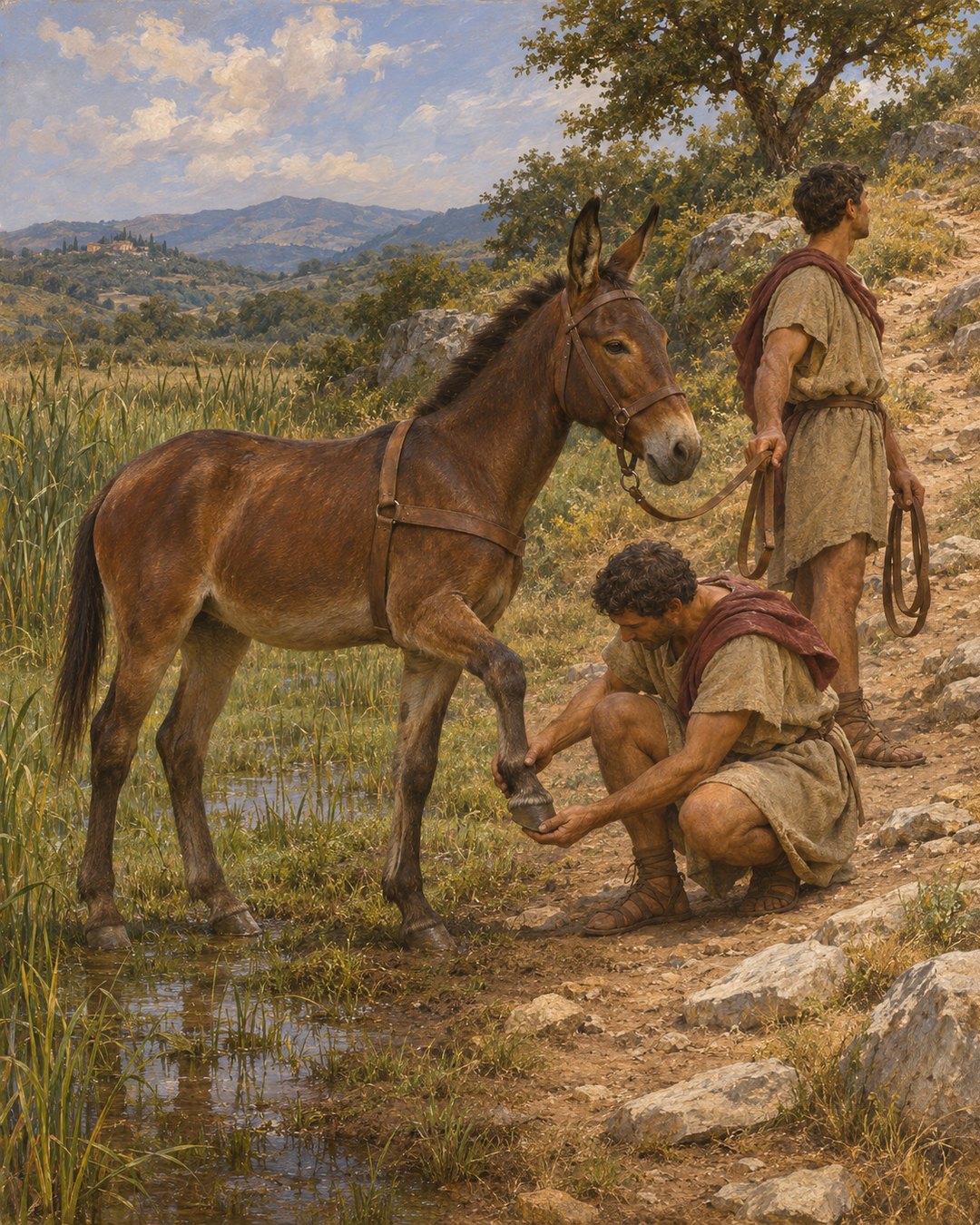
Summer Mountains Hardened a Roman Mule’s Soft Hooves

A mule foal born in marshy country carried its landscape in its feet. Varro says that young mules raised in swampy ground developed soft hooves. At Reate, the answer was movement: drive them into the mountains during summer, and their hooves would harden. The instruction reduces a large husbandry system to one memorable contrast—wet lowland … Read more