Dinner Laws Counted Asses, Silver and Wedding Days
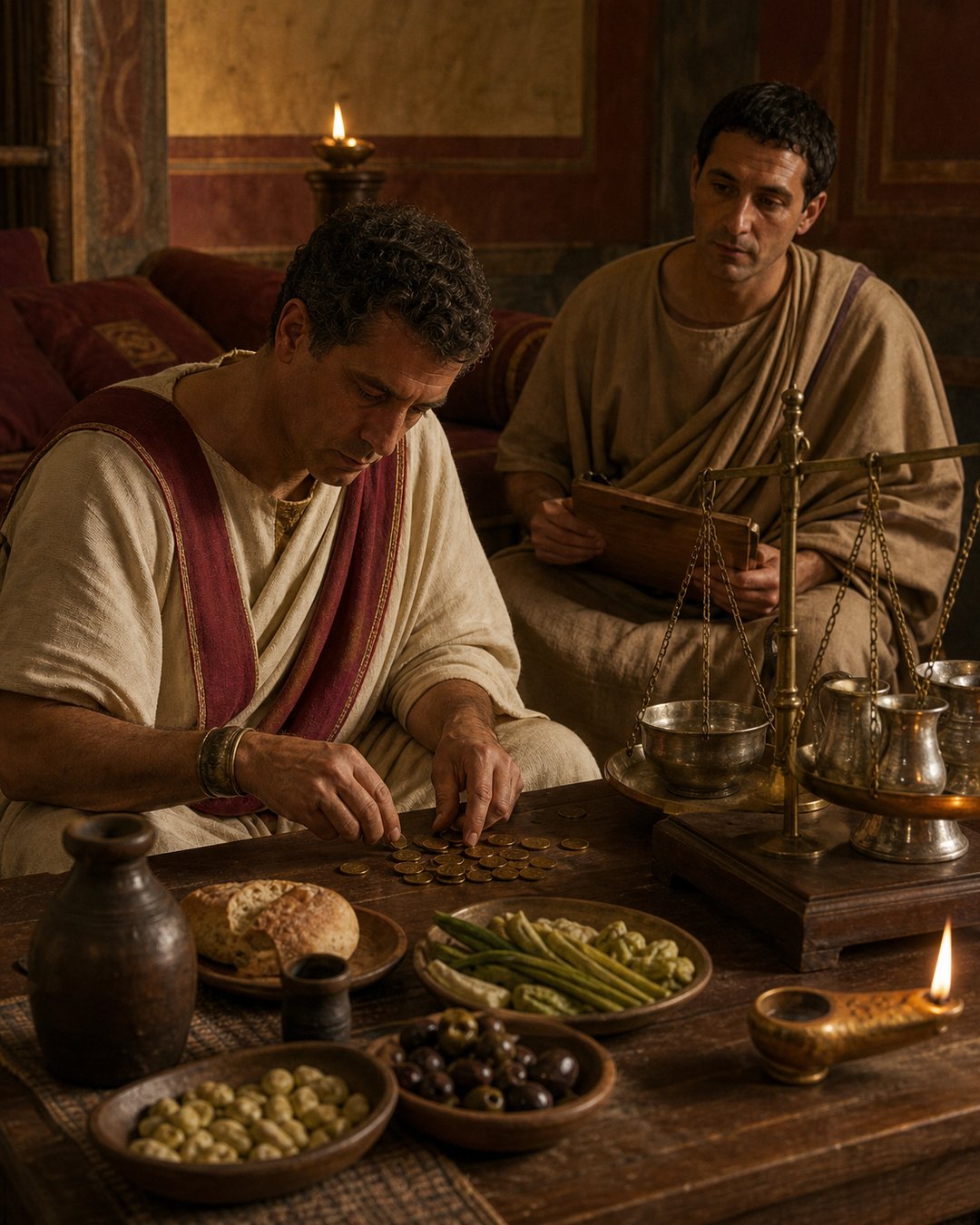
A Roman host could face a different dinner limit simply because the calendar had changed. In Aulus Gellius’s catalogue, one law permitted one hundred asses on named festival days, thirty on ten additional days each month, and only ten on ordinary days. Another made room for a wedding. An older decree counted silver by the … Read more
Oil Dregs Helped a Roman Terrace Survive the Frost

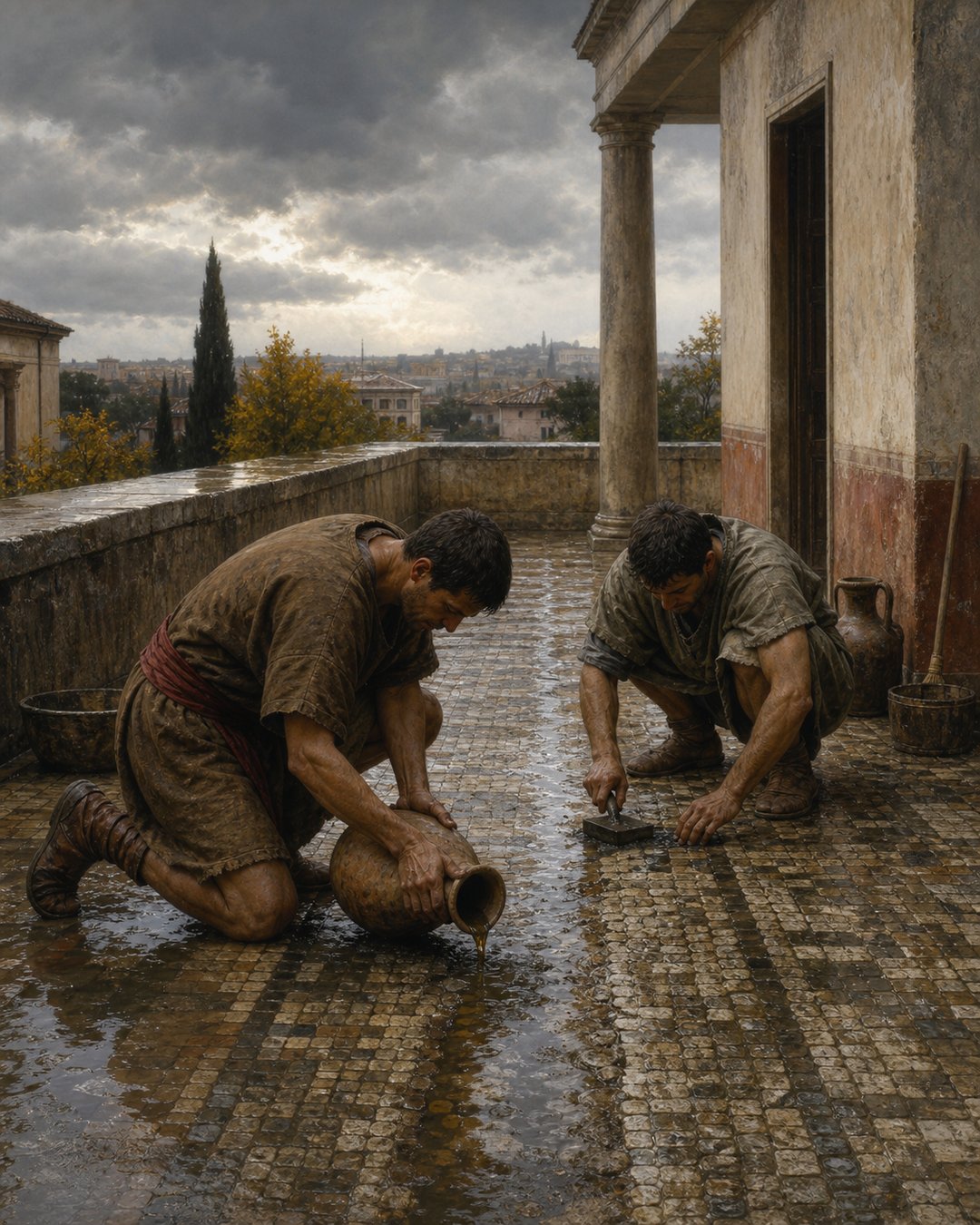
Before winter, a Roman terrace needed something that had already served another purpose: the dark residue left from olive oil. Vitruvius tells builders to drench the mortar joints with oil-dregs every year before the cold arrived. The instruction belongs to a much larger design for floors exposed to open air. Damp made the supporting wood … Read more

One Missing Tooth Split Rome’s Market Lawyers

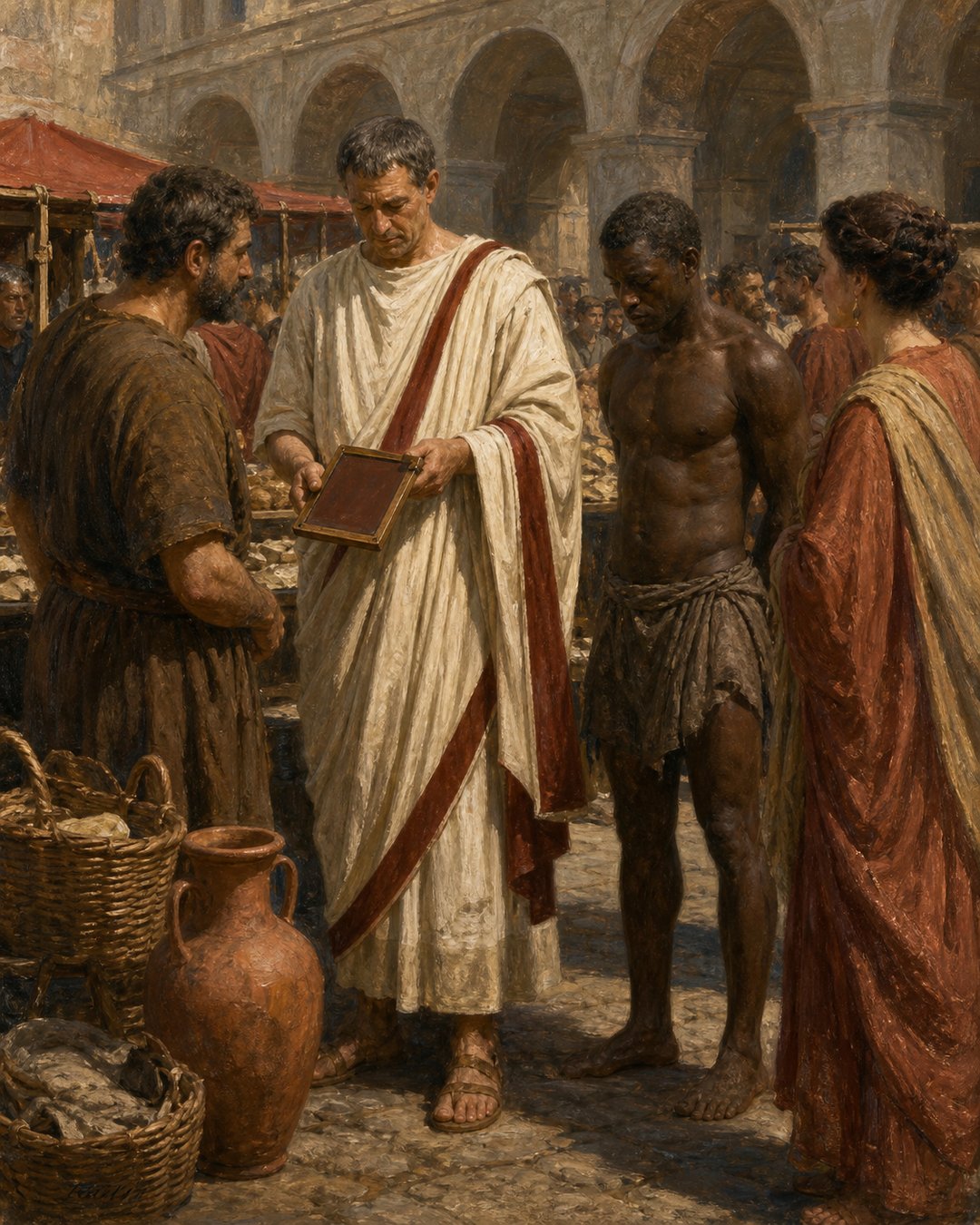
A single missing tooth divided two Roman jurists. Servius thought it could justify returning an enslaved person after a sale. Labeo thought that conclusion was absurd. The disagreement appears in Aulus Gellius’s discussion of the curule aediles’ market edict. The rule required a sale ticket to reveal disease, defect, flight, vagrancy and an unresolved condemnation. … Read more

Thirteen Bronze Vessels Tuned a Stone Theatre

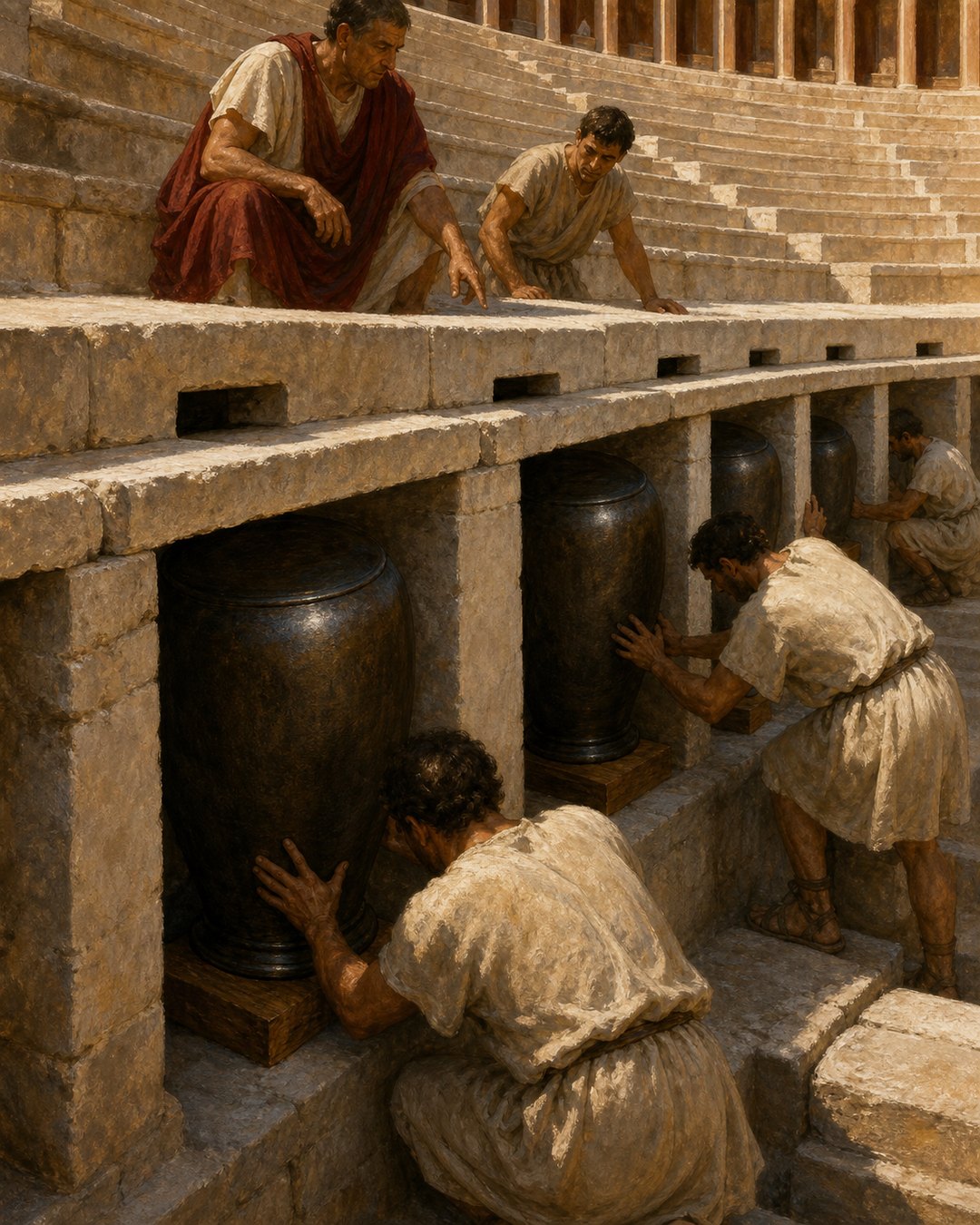
An actor spoke from the stage, and hidden bronze vessels beneath the seats were supposed to answer. Vitruvius did not imagine them as decoration. He specified their pitches, positions, clearances and openings. In a moderate theatre, thirteen cavities formed a measured ring halfway up the seating. Each vessel sat upside down, isolated from the wall … Read more

One Finger’s Breadth Kept Cato’s Olive Millstones Clear

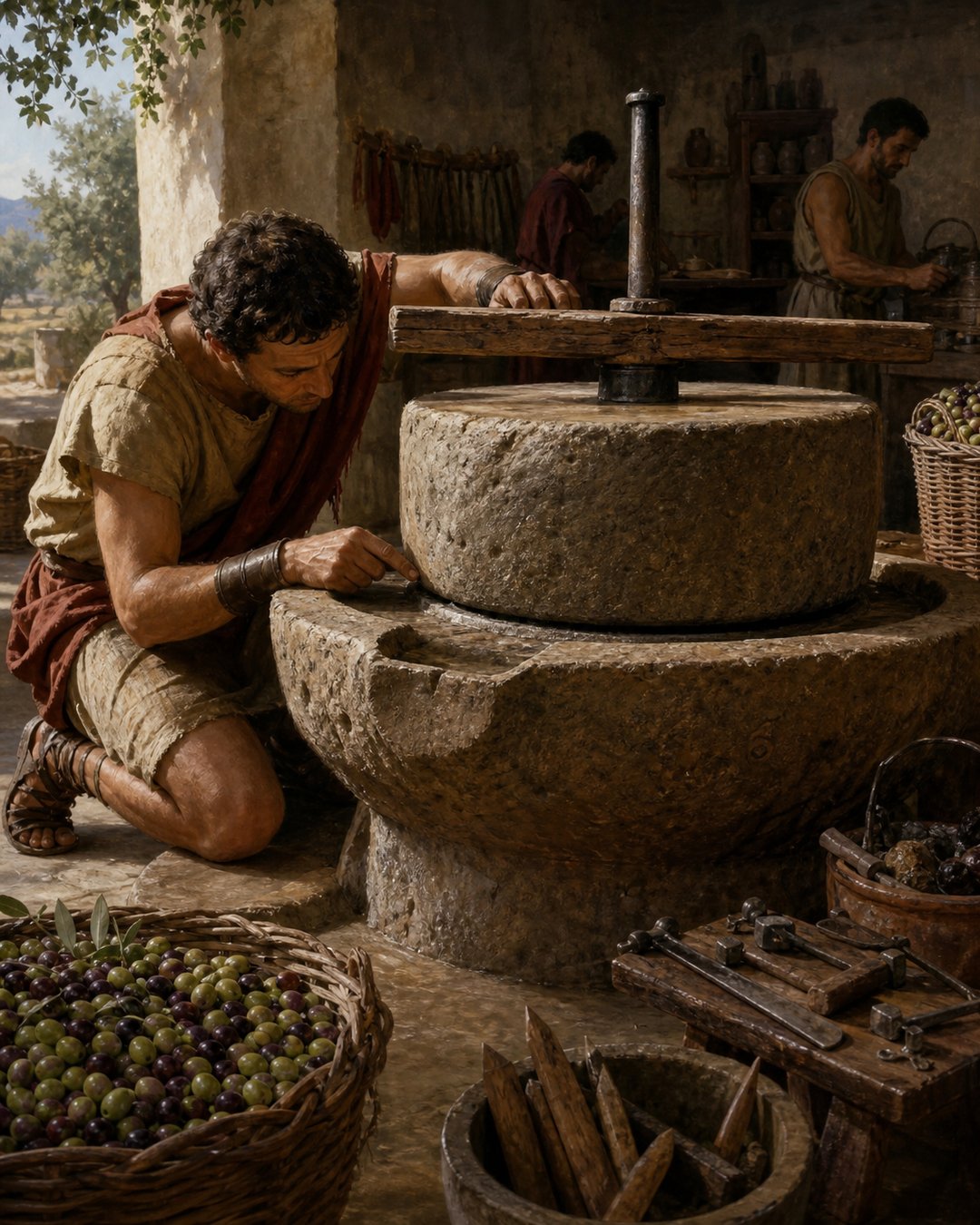
The olive harvest could fill a farmyard with baskets, shouting and urgent work. Cato began his most revealing instructions somewhere quieter: at the iron pivot in the middle of the mill. It had to stand upright. Willow wedges held it. Poured lead stopped it shaking. If it moved, the installer was not told to hope … Read more

Eight Winds Made Vitruvius Turn the Street Grid

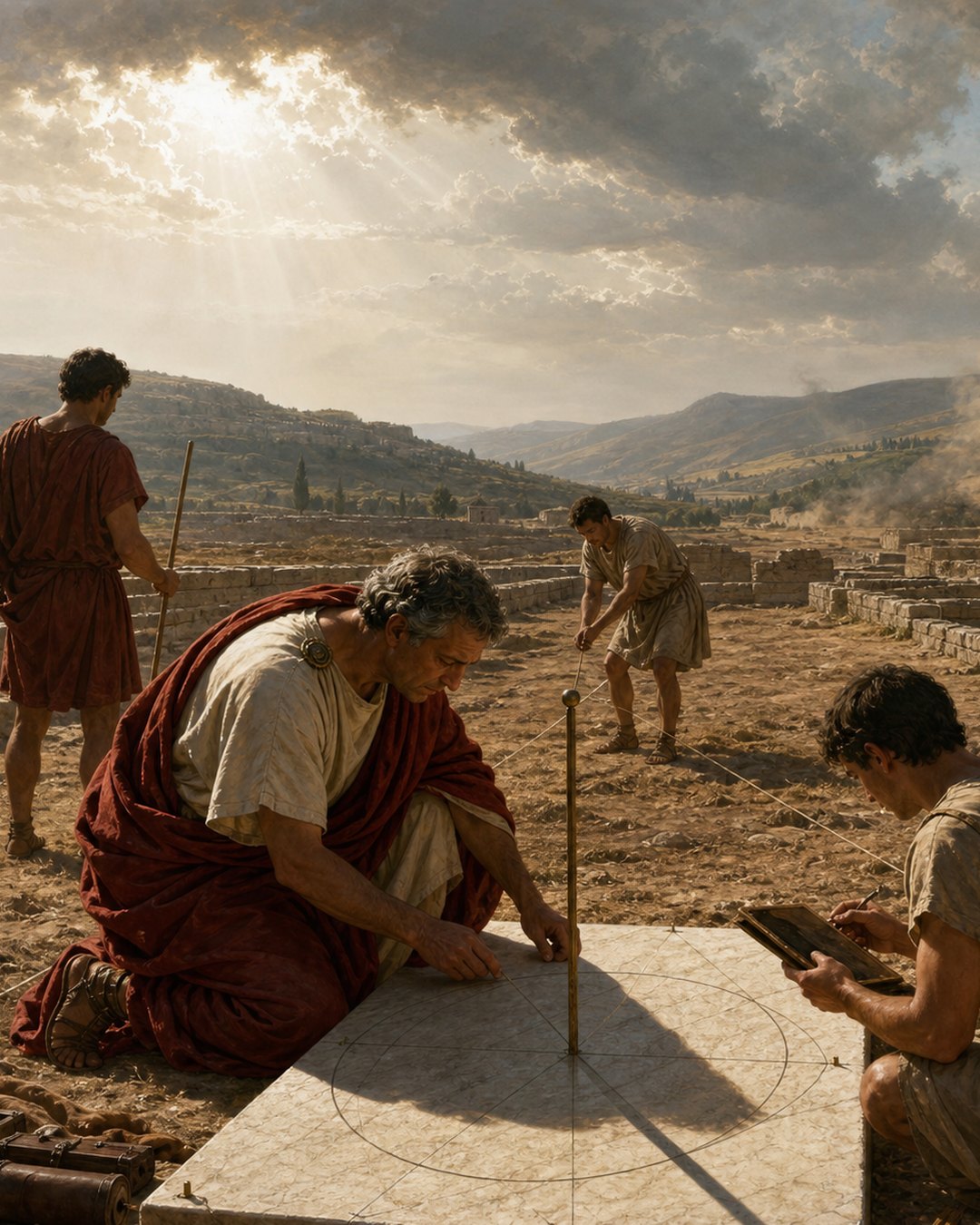
Before a wall rose, Vitruvius wanted a surveyor to stand at the centre of the future city with a level surface, a bronze pin and the sun. The pin cast a morning shadow across a circle. Hours later, its lengthening afternoon shadow touched that circle again. Joining the two points established the frame from which … Read more

Three Painted Lines Ended an Artists’ Contest

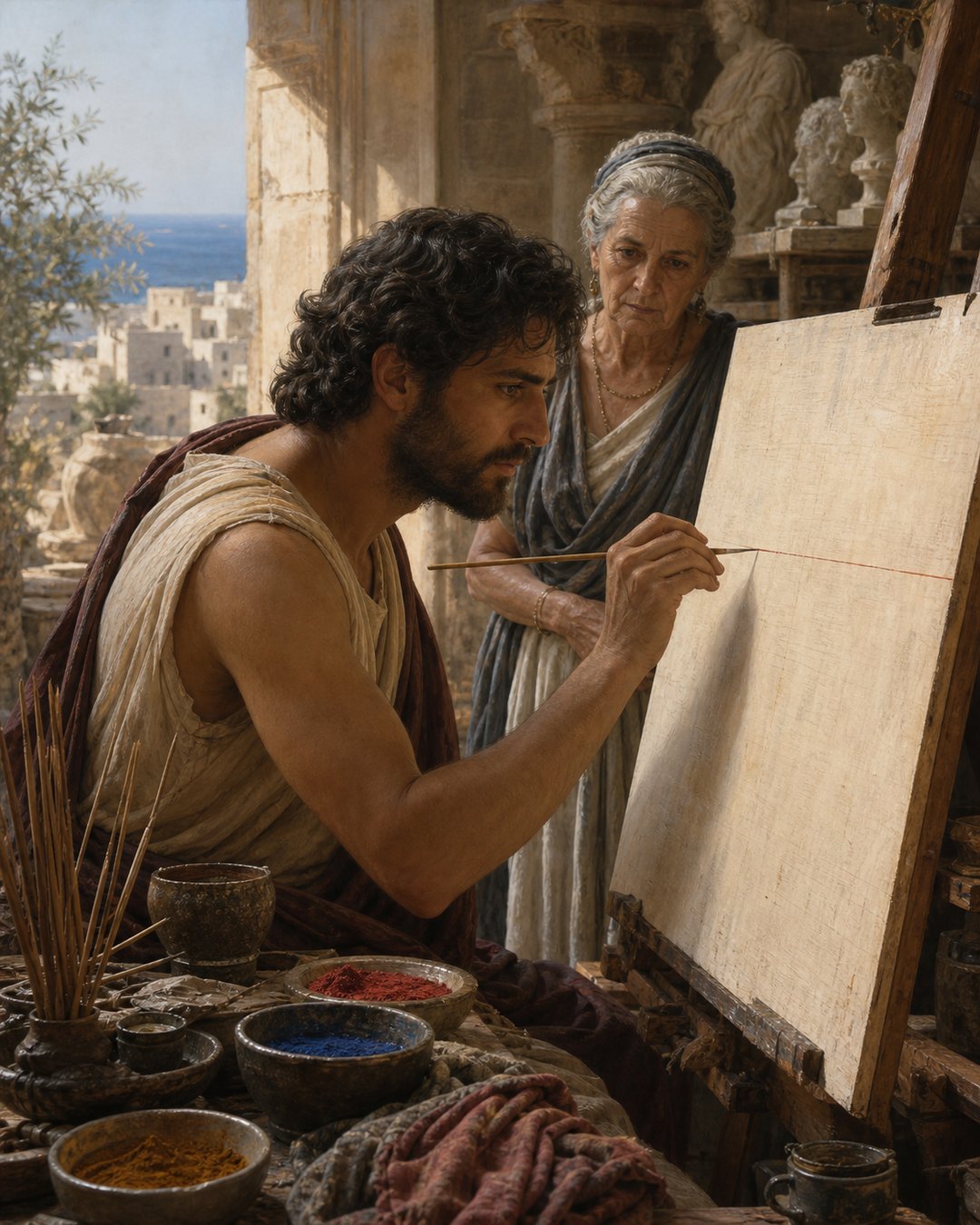
Apelles reached the workshop on Rhodes and found the painter absent. An old woman guarded a large prepared panel resting on an easel. She asked whom she should name when Protogenes returned. Apelles did not give her a name. He took a brush and drew one extraordinarily fine colored line across the panel. When Protogenes … Read more

Painted Faces Joined Roman Portraits to Egyptian Mummies

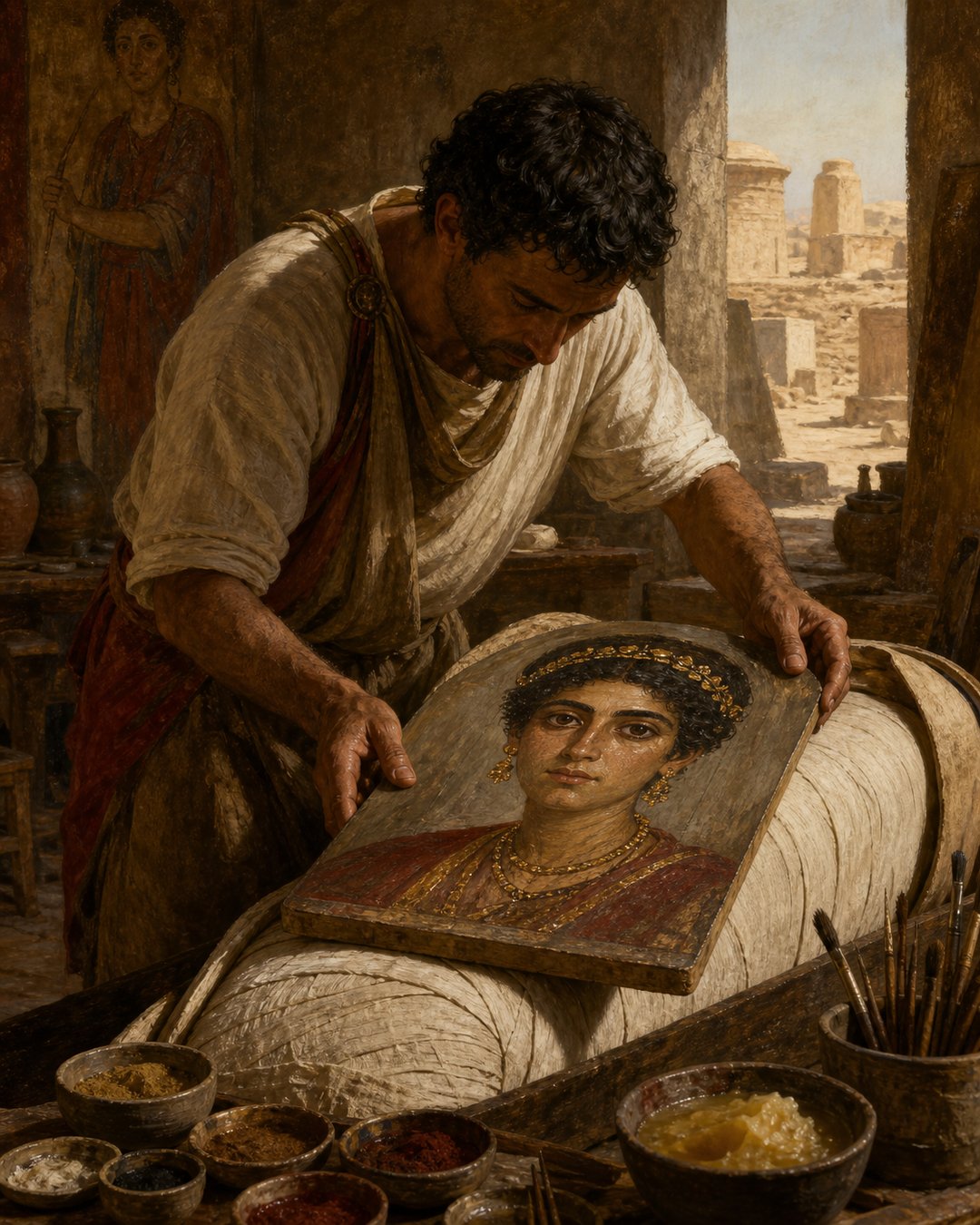
The face looks startlingly present. Dark eyes meet the viewer. A curl falls across the forehead. Gold catches at an earring or wreath. Yet the painted wooden panel was not made to hang alone on a pale museum wall. It was fitted over the wrapped head of a mummy. These works are commonly called Fayum … Read more

One Missing Corpse Trapped the Widow of Ephesus

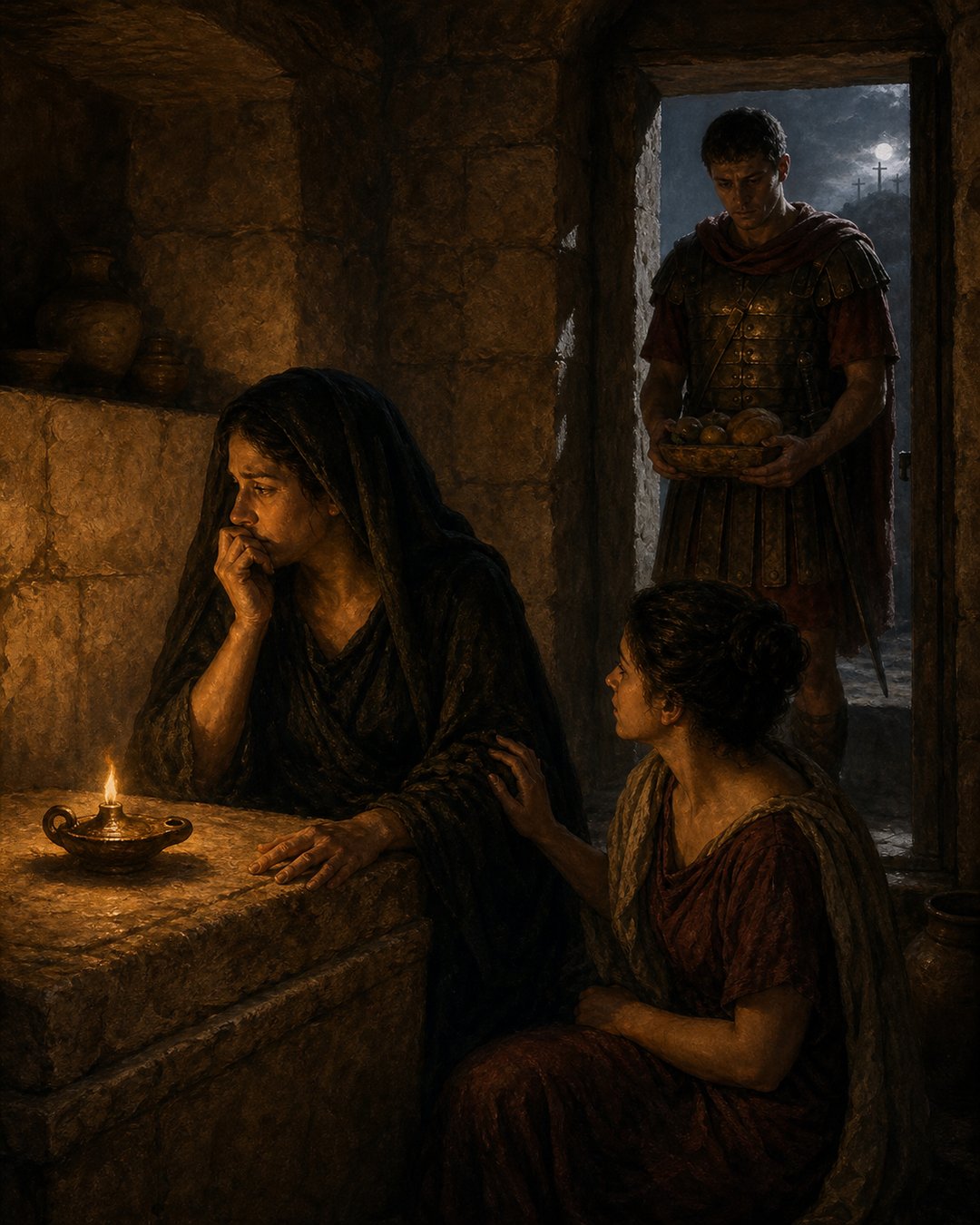
A lamp burned beside a coffin while an entire city praised the woman who refused to leave it. Petronius’s Ephesian widow had followed her husband into the tomb, rejected food and held her vigil into a fifth day. Her grief had become a public marvel before a soldier guarding nearby crosses noticed the light among … Read more

Lentisc Wood, Gold and Boxwood Built a Roman Grooming Kit

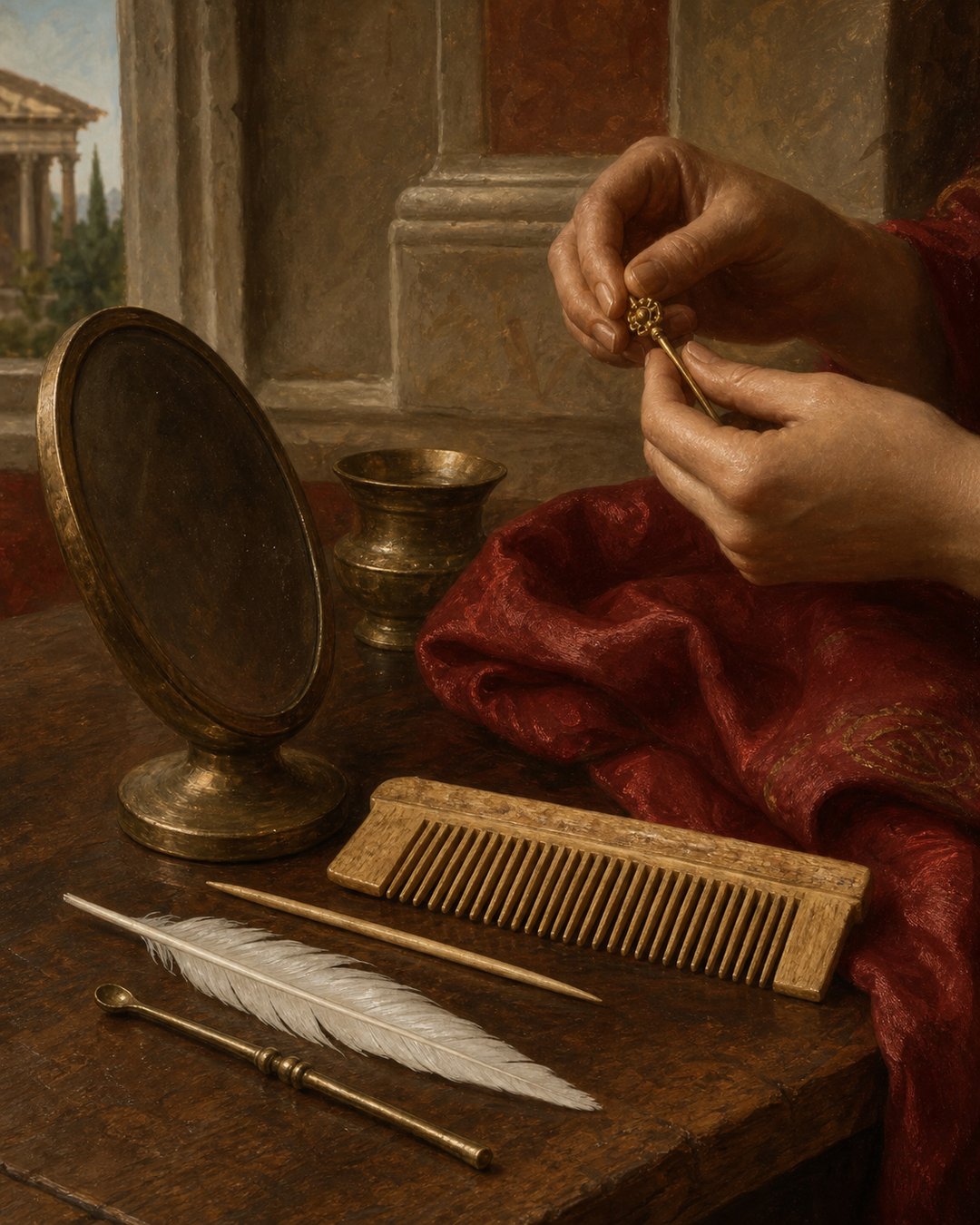
A sliver of lentisc wood passed between the teeth. A narrow implement answered an itch in the ear. A gold pin lifted oiled hair clear of silk, while a boxwood comb waited for a recipient whom the poet promptly declared bald. In Martial’s gift book, Roman grooming arrives not as a single morning routine but … Read more