A Rhetoric Teacher Stopped Senators in Holiday Slippers
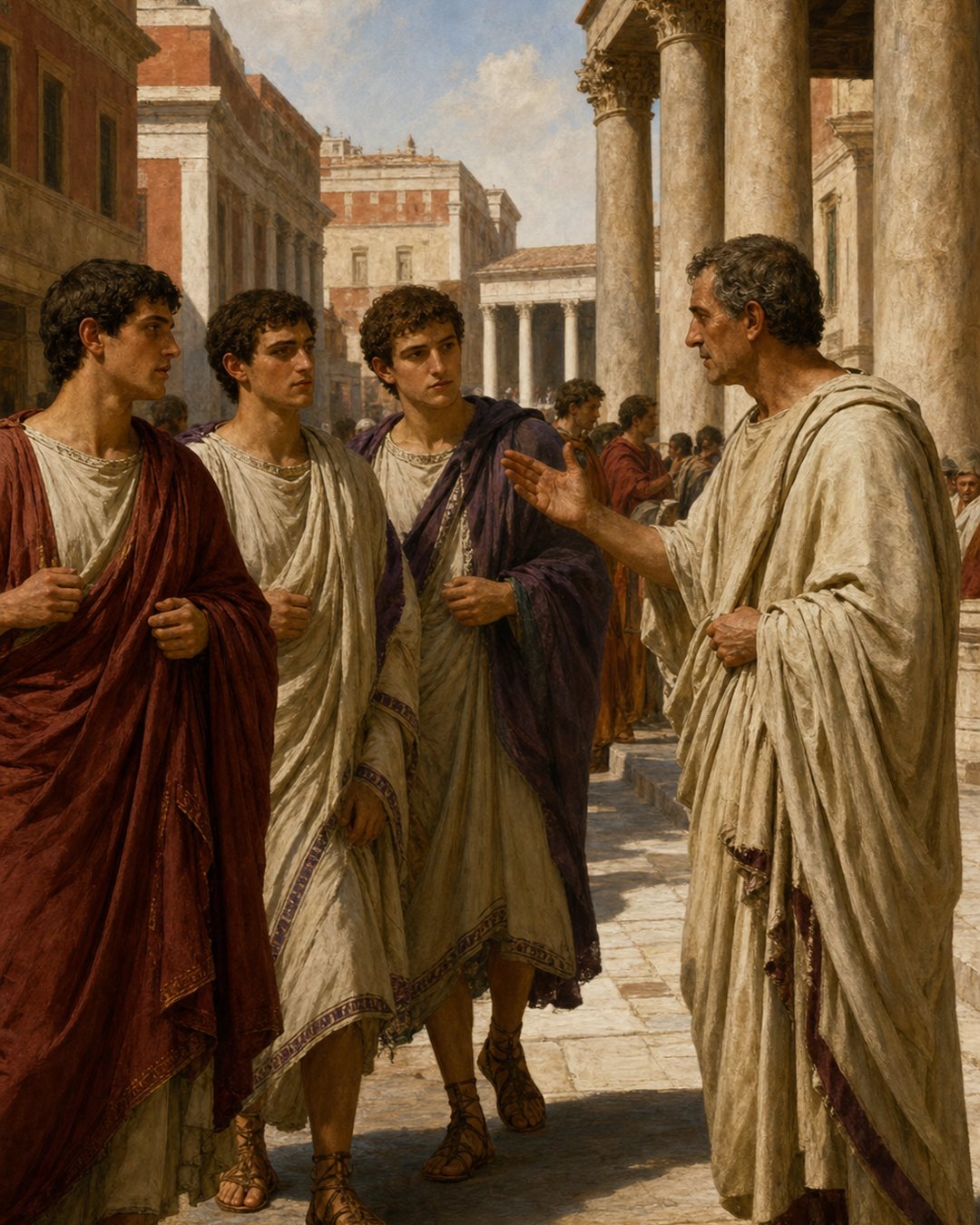
The rhetoric lesson began after the students had left their formal clothes behind. Aulus Gellius says his teacher Titus Castricius encountered several pupils who had become senators. It was a holiday, and they crossed Rome in tunics, cloaks and open Gallic slippers. Castricius stopped them. Long custom might excuse the relaxed garments, he conceded. Yet … Read more
Red Ore Sweated Quicksilver Before Becoming Wall Paint

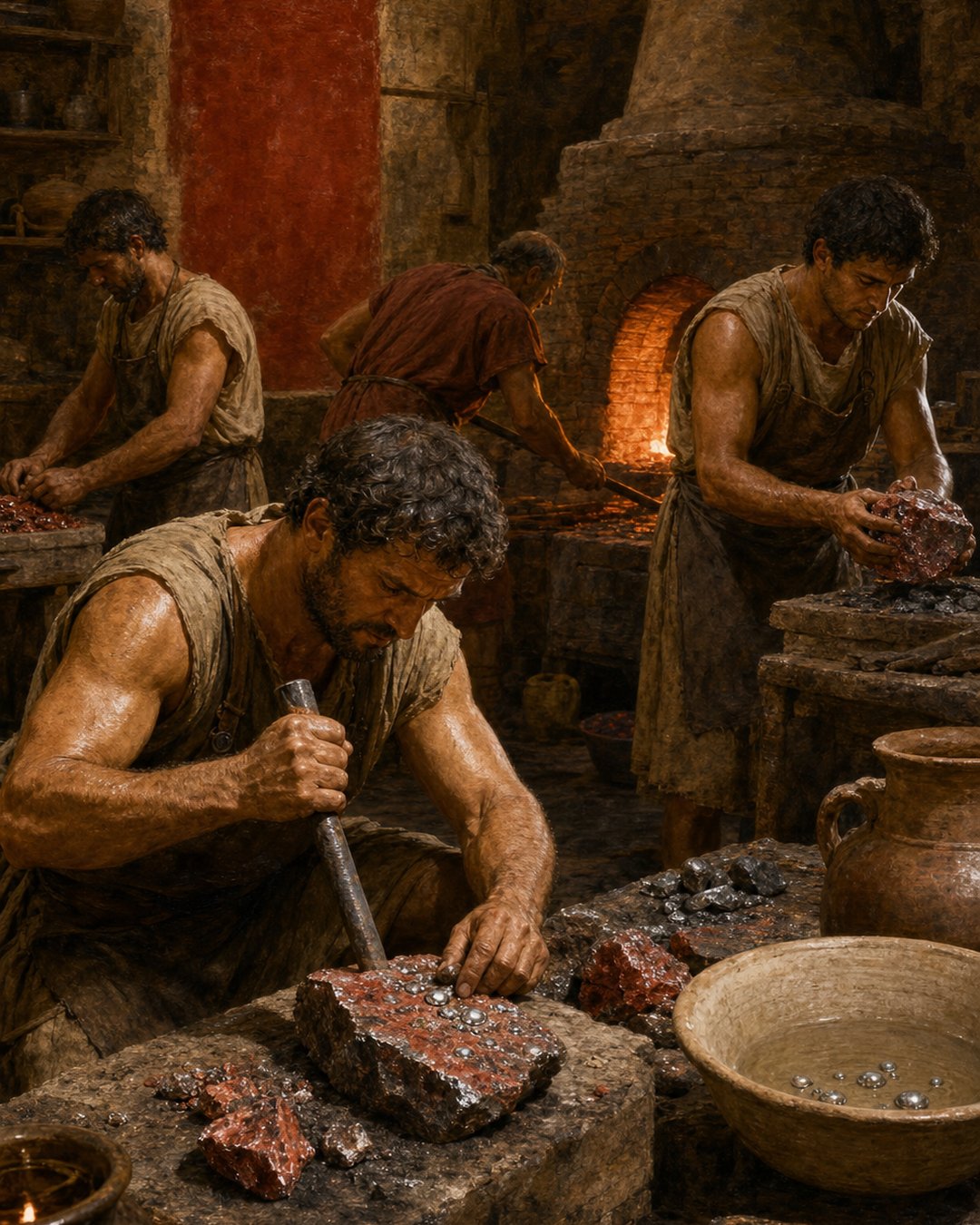
The red clod did not enter the house as paint. First it sweated silver liquid under blows from iron bars. Vitruvius describes mineral material from the Ephesian region with red veins and dust. Workers struck it until drops of quicksilver appeared. More metal condensed from furnace fumes, too fine to gather individually, so it was … Read more

Bodies, Brass and Boiling Pots Judged a Roman Spring

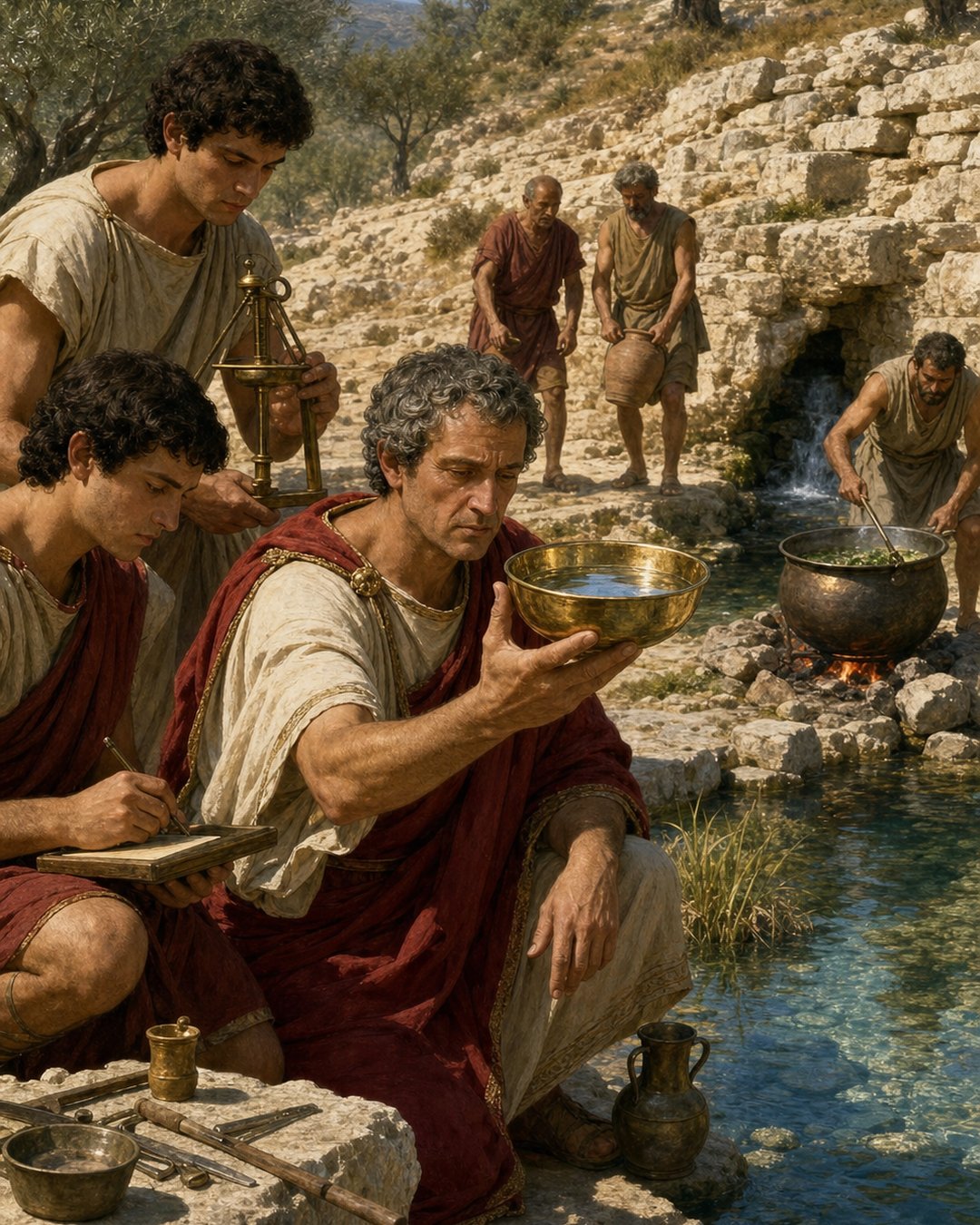
Before water entered a conduit, Vitruvius wanted the architect to look at the people already drinking it. Were their limbs strongly formed? Did they have fresh colour, sound legs and clear rather than blear eyes? Then came tests on the water itself. A drop from a new spring should leave no stain on good brass. … Read more

Pacuvius Heard Accius’s Atreus and Asked Time to Ripen It

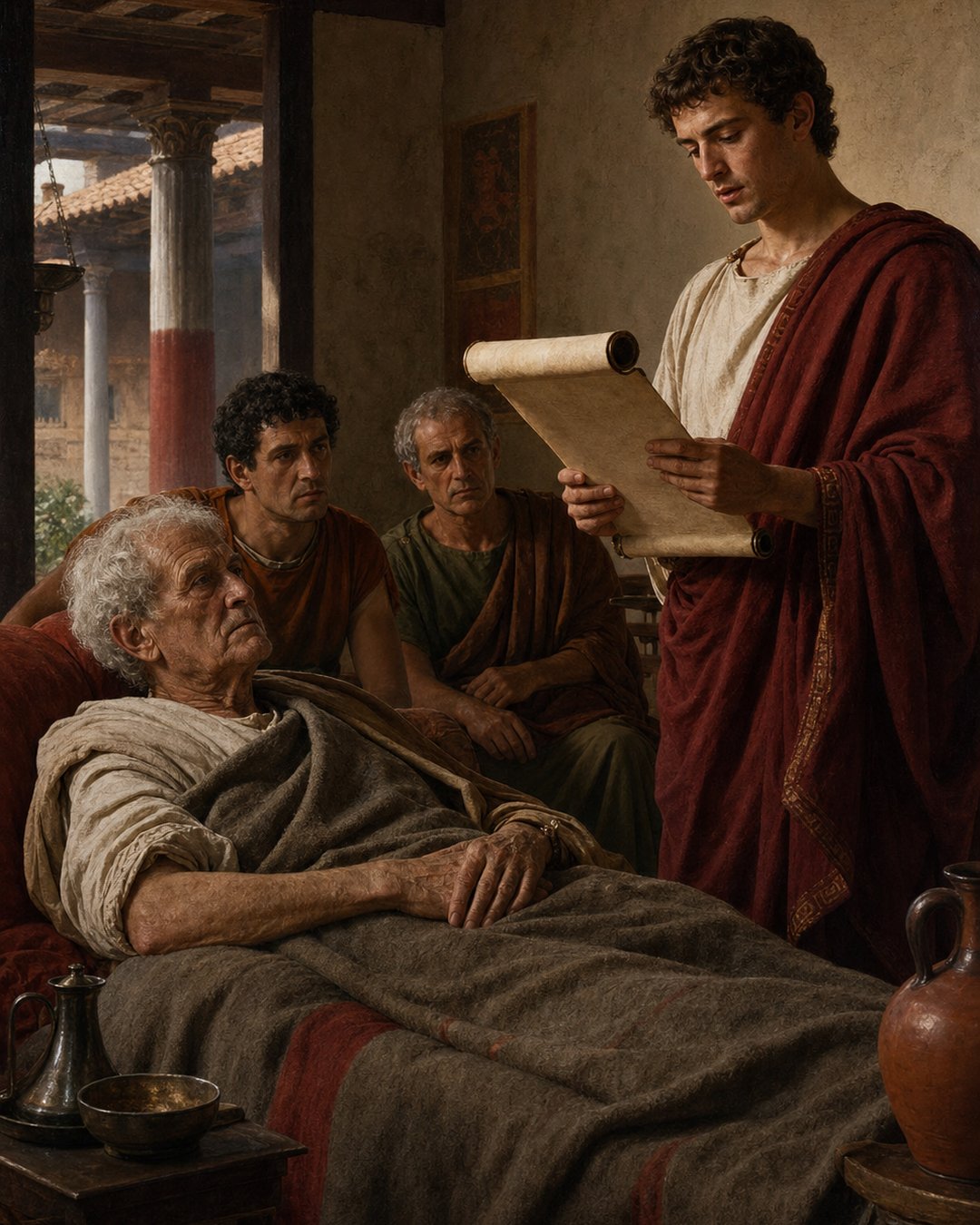
The younger poet did not send a finished scroll and wait for applause. He stood in an old man’s house and read. Aulus Gellius places Lucius Accius in Tarentum on his way to Asia. Marcus Pacuvius, already weakened by age and illness, had withdrawn there from Rome. He welcomed the visitor, kept him for several … Read more

Cato Counted a Farm’s Wine from Grape Skins to Saturnalia

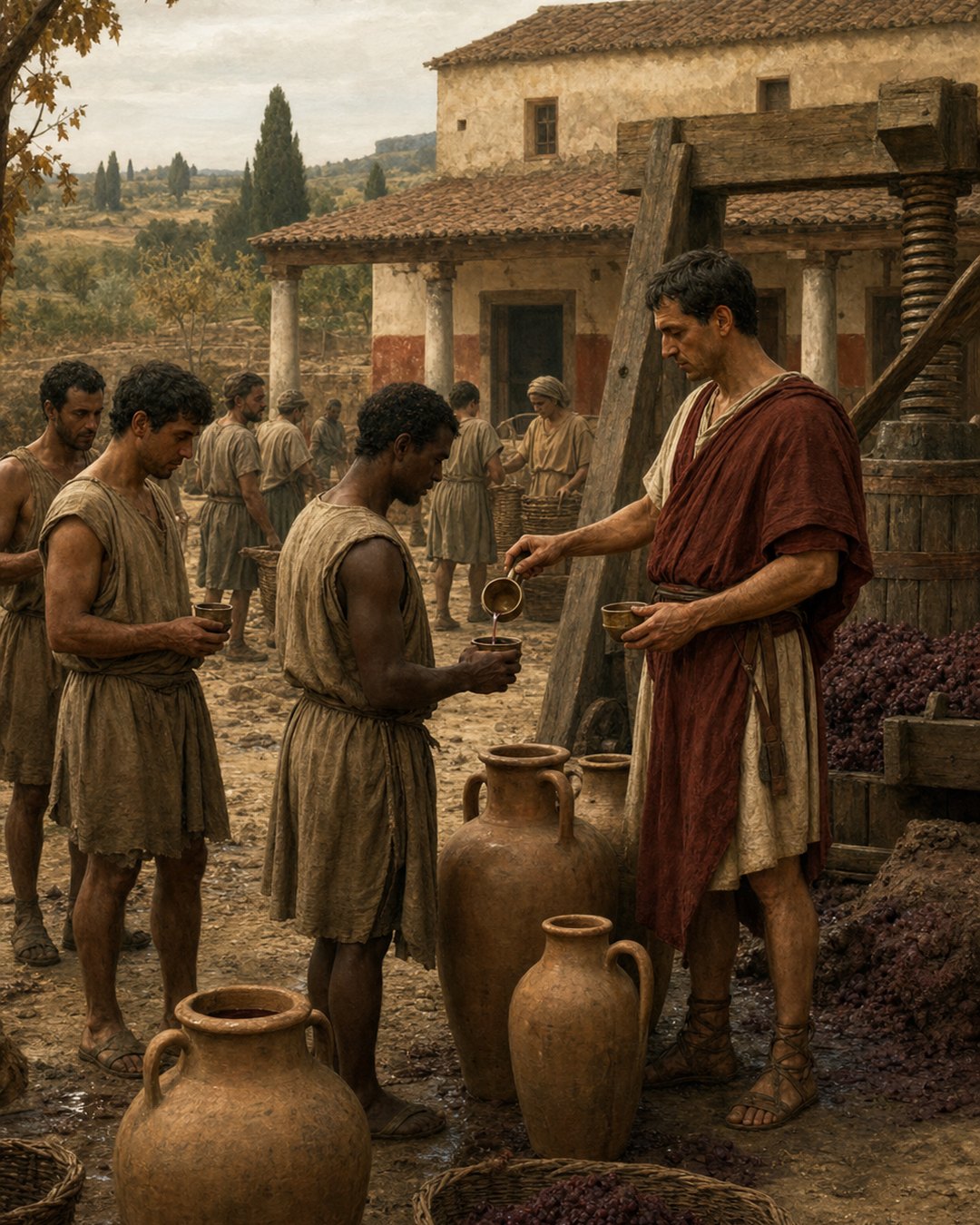
Cato’s farm did not issue the same wine all year. It counted forward from the vintage. For three months, the hands received after-wine made from grape residue. In the fourth month came a hemina a day. The daily amount rose again through months five to eight, then reached three heminae in the final four months. … Read more

Bathwater Exposed the Silver Hidden in Hiero’s Crown

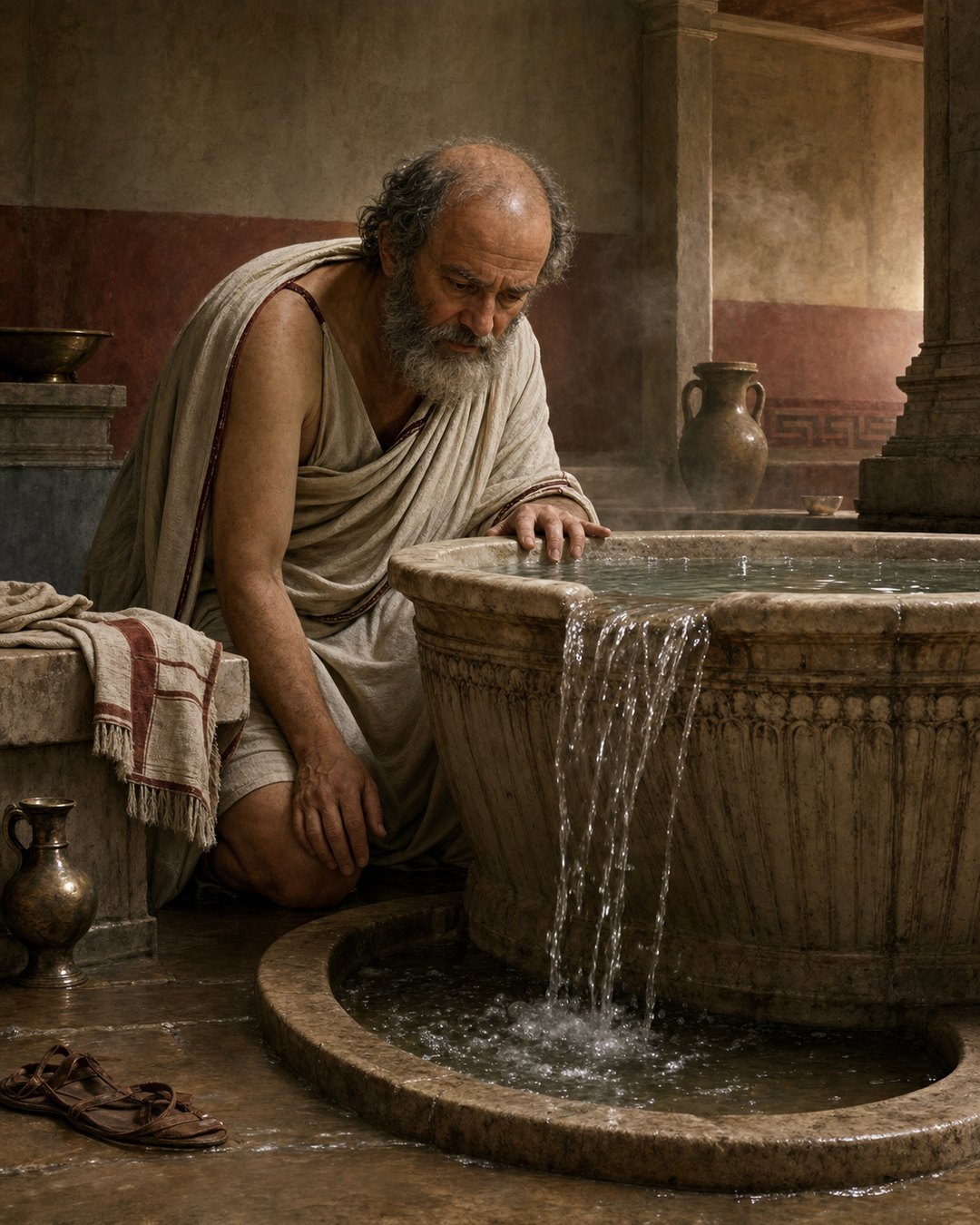
The crown weighed exactly what Hiero expected. That was the problem. The king of Syracuse had supplied gold for a costly votive crown. When the finished work returned, it was beautifully made and matched the assigned weight. Then a report alleged that part of the gold had been removed and replaced with silver. The suspected … Read more

Five Hundred Foaling Asses Followed Poppaea’s Bath

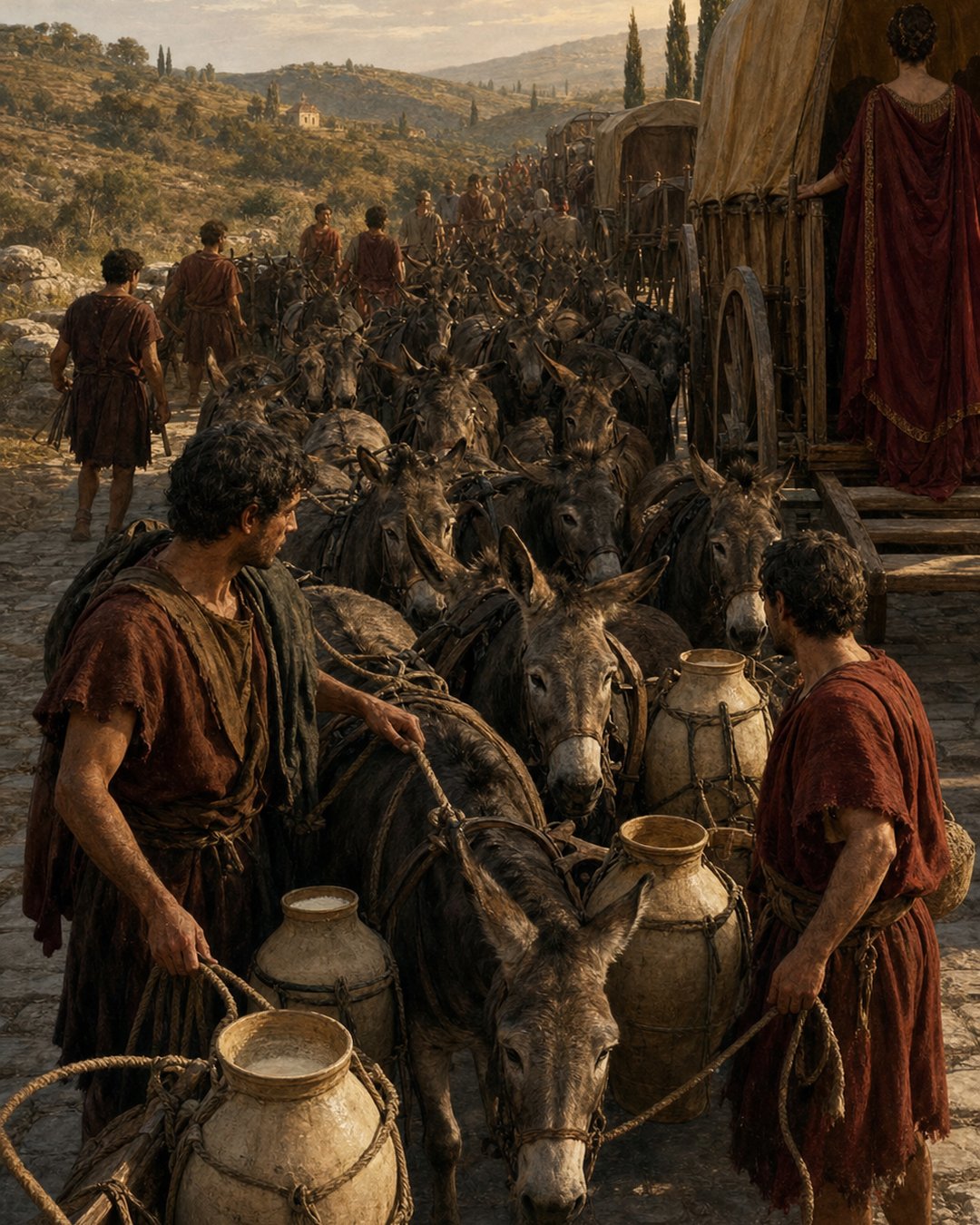
Poppaea’s bath did not fit inside a travelling chest. It walked behind her. Pliny the Elder reports that Nero’s wife kept five hundred asses with foal in her company and bathed her entire body in their milk. She believed the treatment whitened and softened her skin. The number is startling, but it also exposes something … Read more

Utica Gave Building Bricks a Five-Year Wait

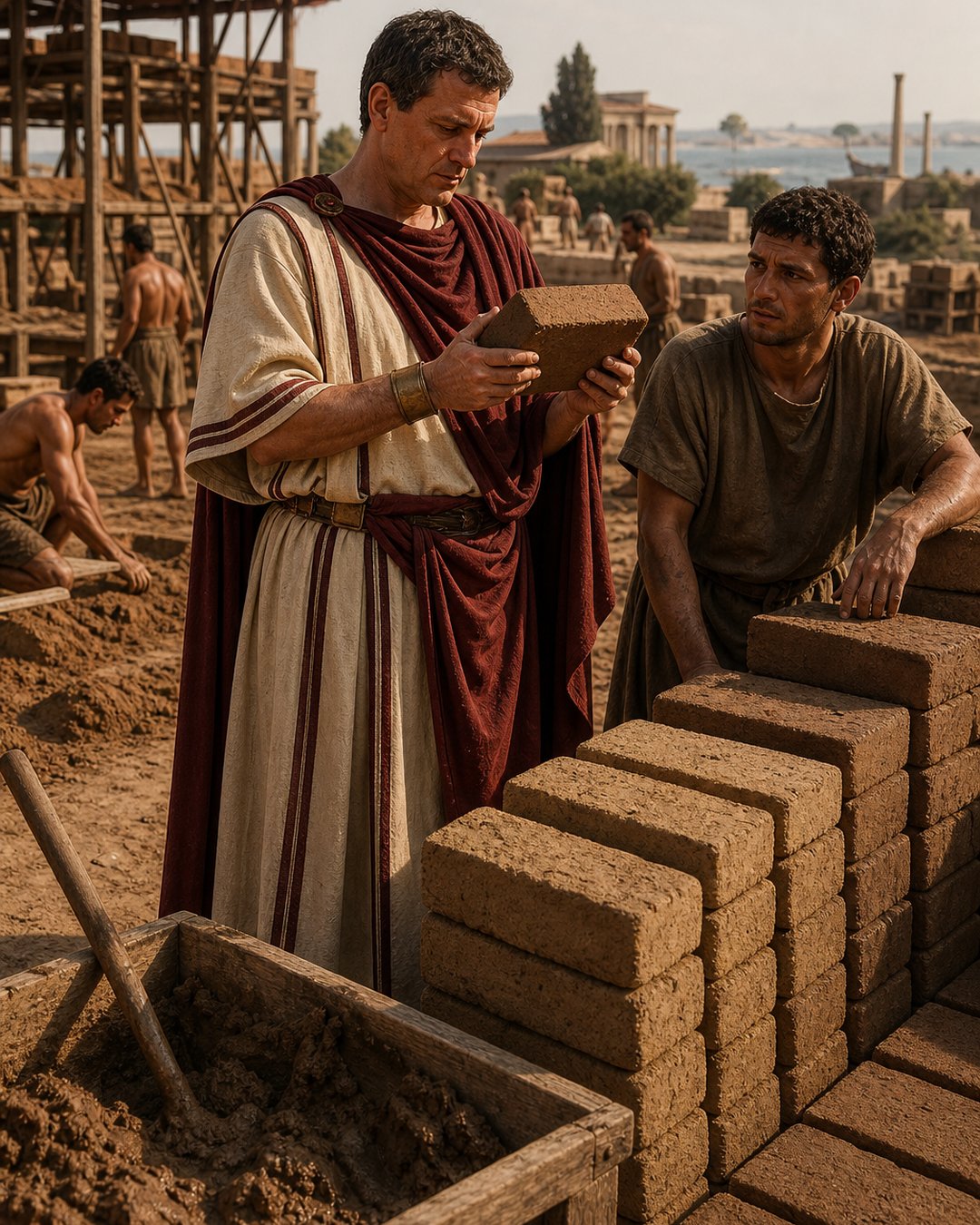
A wall in Utica began with five years of waiting. Vitruvius says the city allowed no brick into a building unless it had reached that age and received a magistrate’s approval. His own general advice was already patient: the best bricks, he wrote, had dried for at least two years. Utica more than doubled the … Read more

Cabbage and Four Hours of Walking Filled Cato’s Medicine Chest

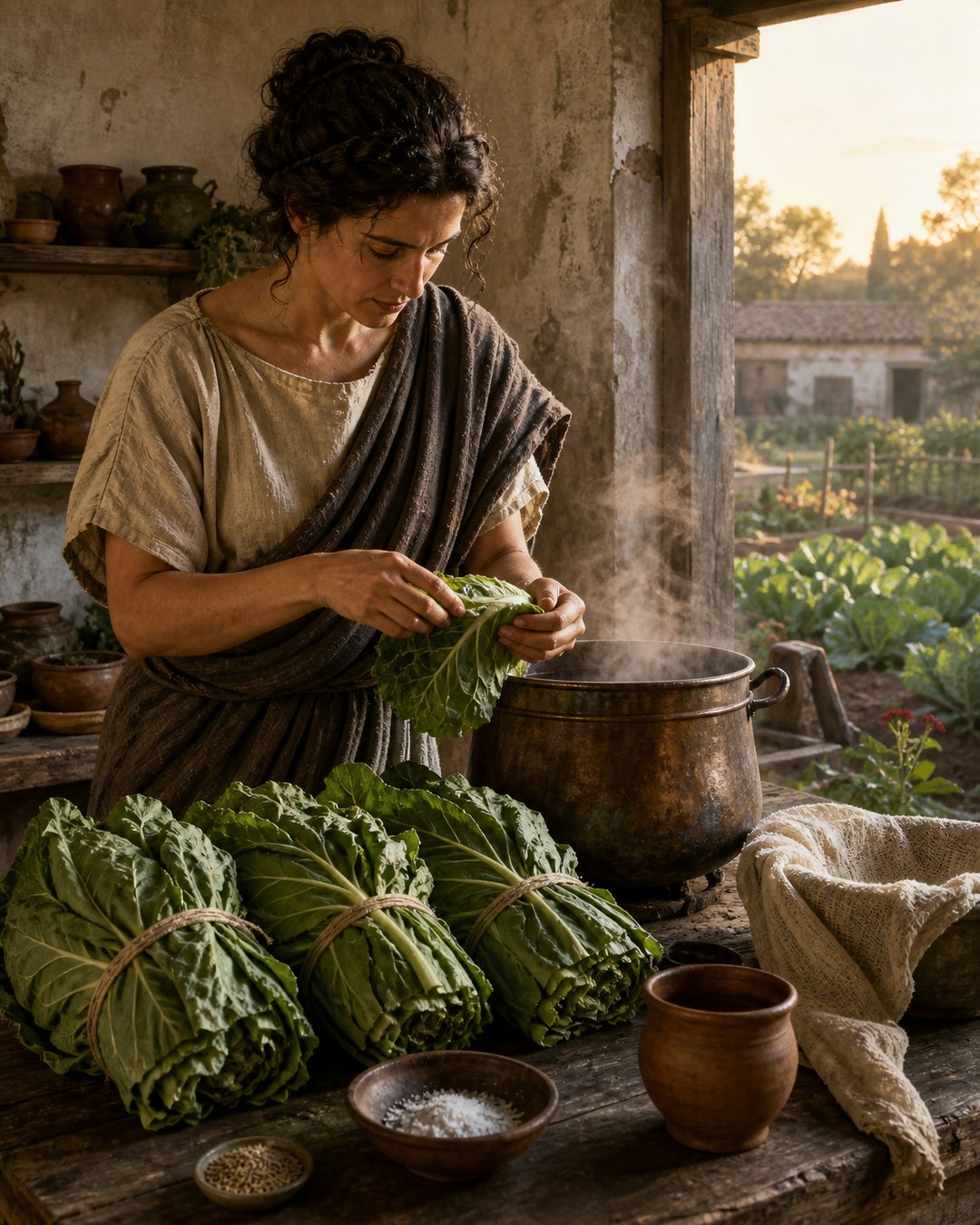
Cato’s patient was not simply told to eat a vegetable. Four pounds of smooth cabbage leaves had to be divided into three bundles. Each bundle met boiling water in a timed sequence. The leaves were pounded, squeezed through cloth, seasoned in an earthen cup and left outside through a calm night. Preparation continued with a … Read more

Dinner Laws Counted Asses, Silver and Wedding Days

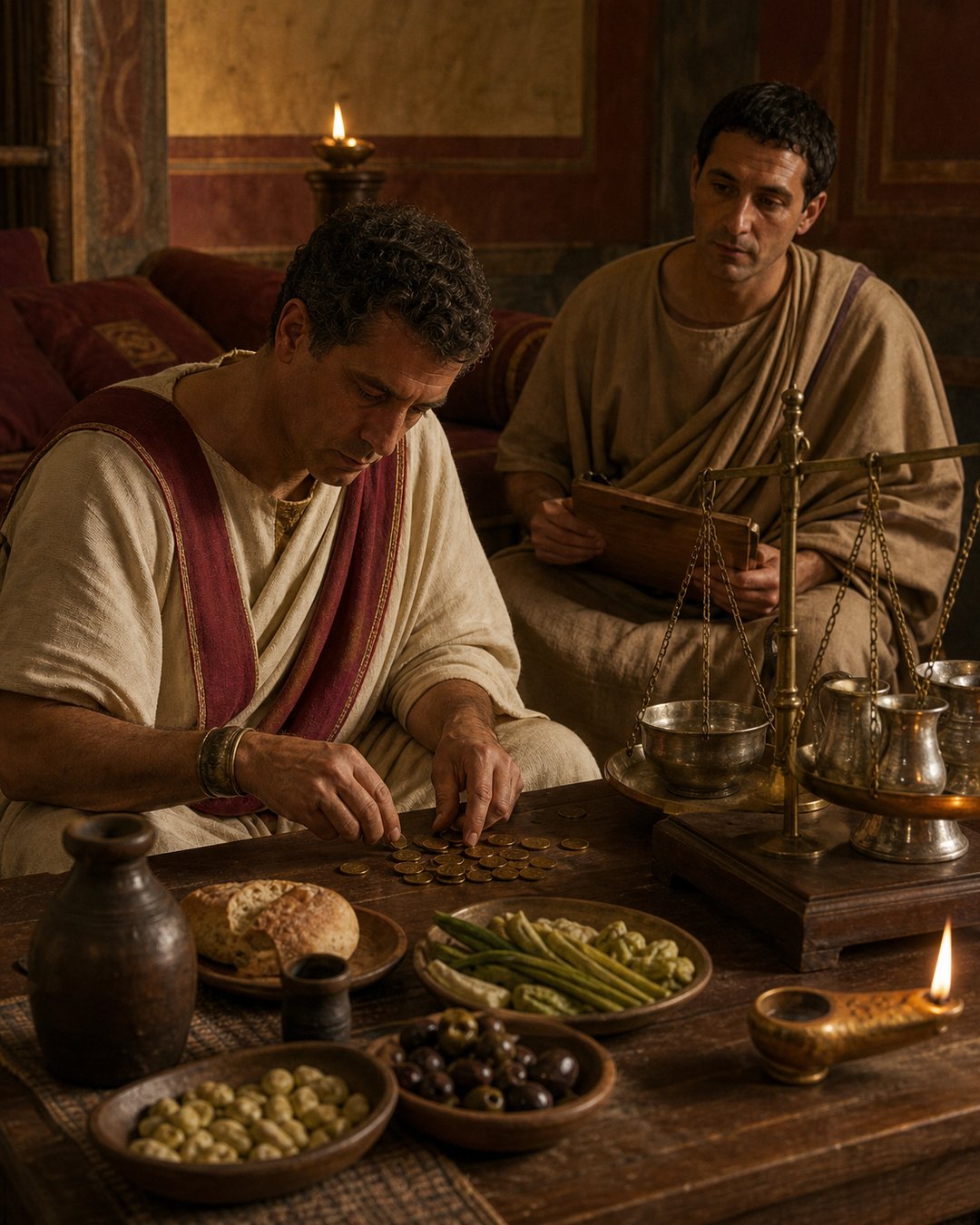
A Roman host could face a different dinner limit simply because the calendar had changed. In Aulus Gellius’s catalogue, one law permitted one hundred asses on named festival days, thirty on ten additional days each month, and only ten on ordinary days. Another made room for a wedding. An older decree counted silver by the … Read more