Schoolmasters by Dawn, Corn Mills by Night: Martial’s Sleepless Rome
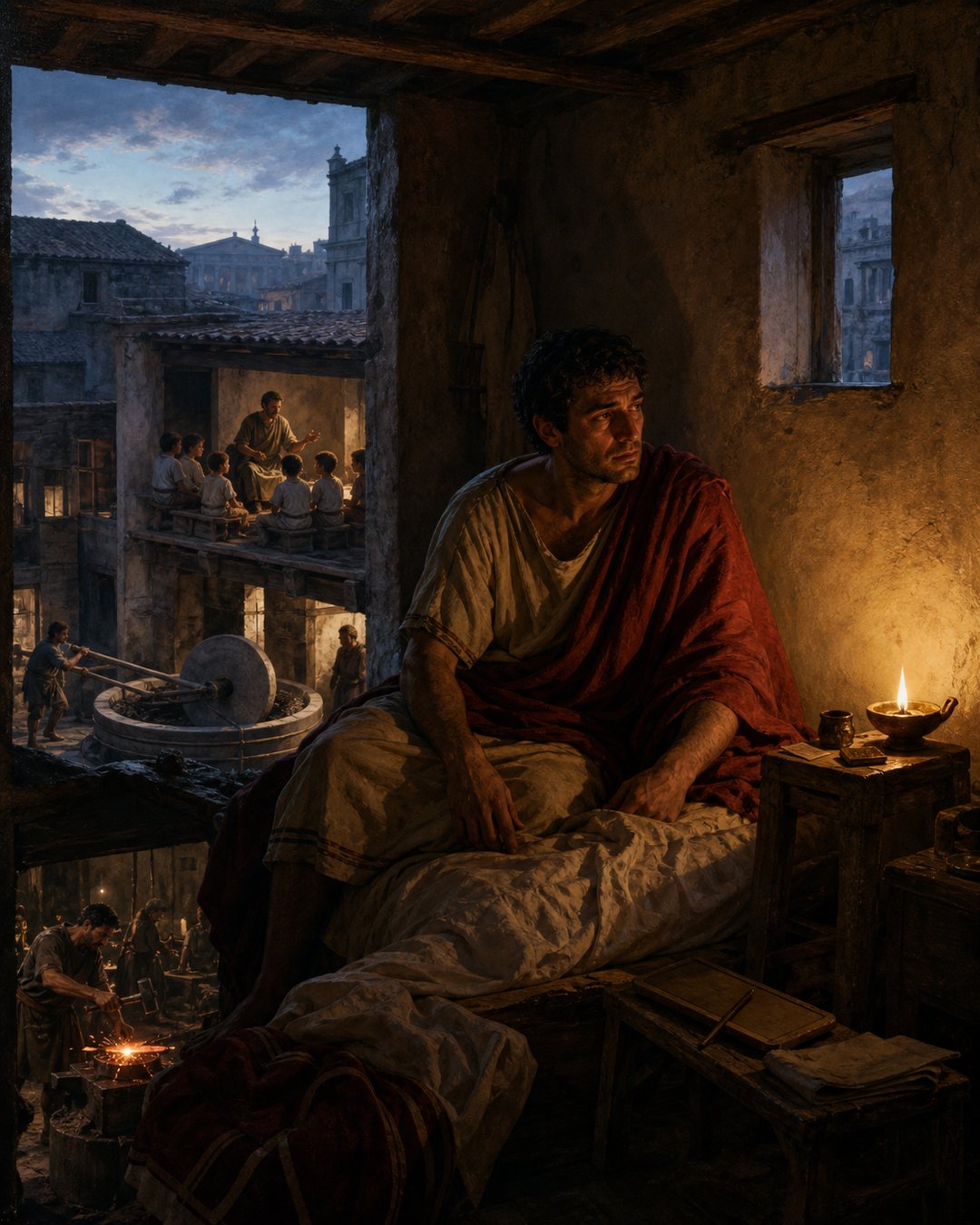
The schoolmaster began at dawn. Corn mills carried on through the night. Somewhere between them, bronze workers hammered, a money-changer rattled coins, a gold-beater struck stone, religious devotees shouted, sellers called and a passing crowd laughed close enough to wake the man in bed. Martial’s Rome did not need an alarm clock. It entered the … Read more
Bad Water and a Smoking Stove Followed Horace to Brundisium

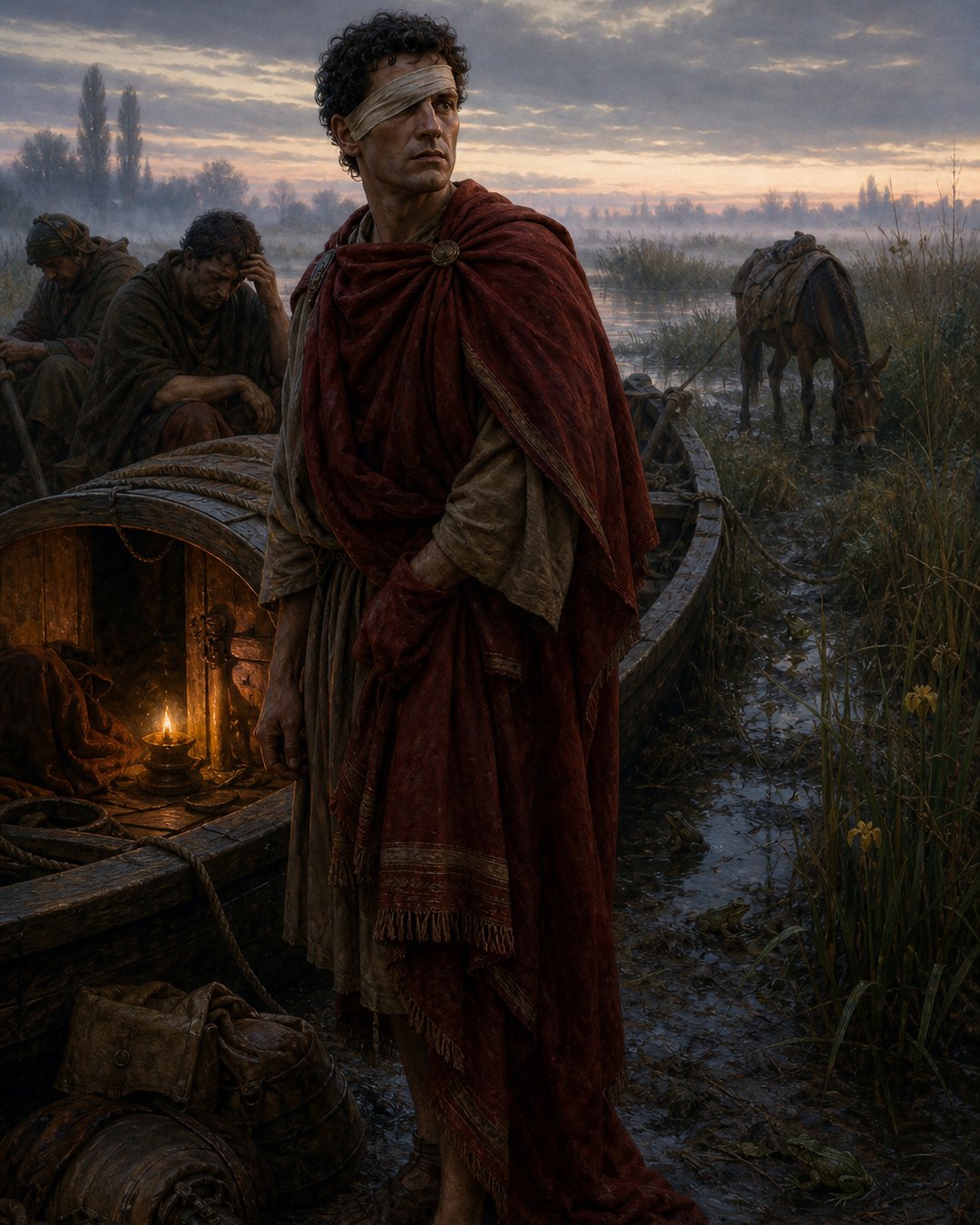
The mule stopped pulling the boat and wandered off to graze. Passengers had already endured frogs, midges and competing songs in the dark. At another stop, bad water made Horace skip supper. Farther south, an innkeeper nearly burned down his own kitchen while roasting lean thrushes. Rome’s road network may have connected the peninsula, but … Read more

Dinner in a Pocket: Rome’s Six-Part Silver Utensil

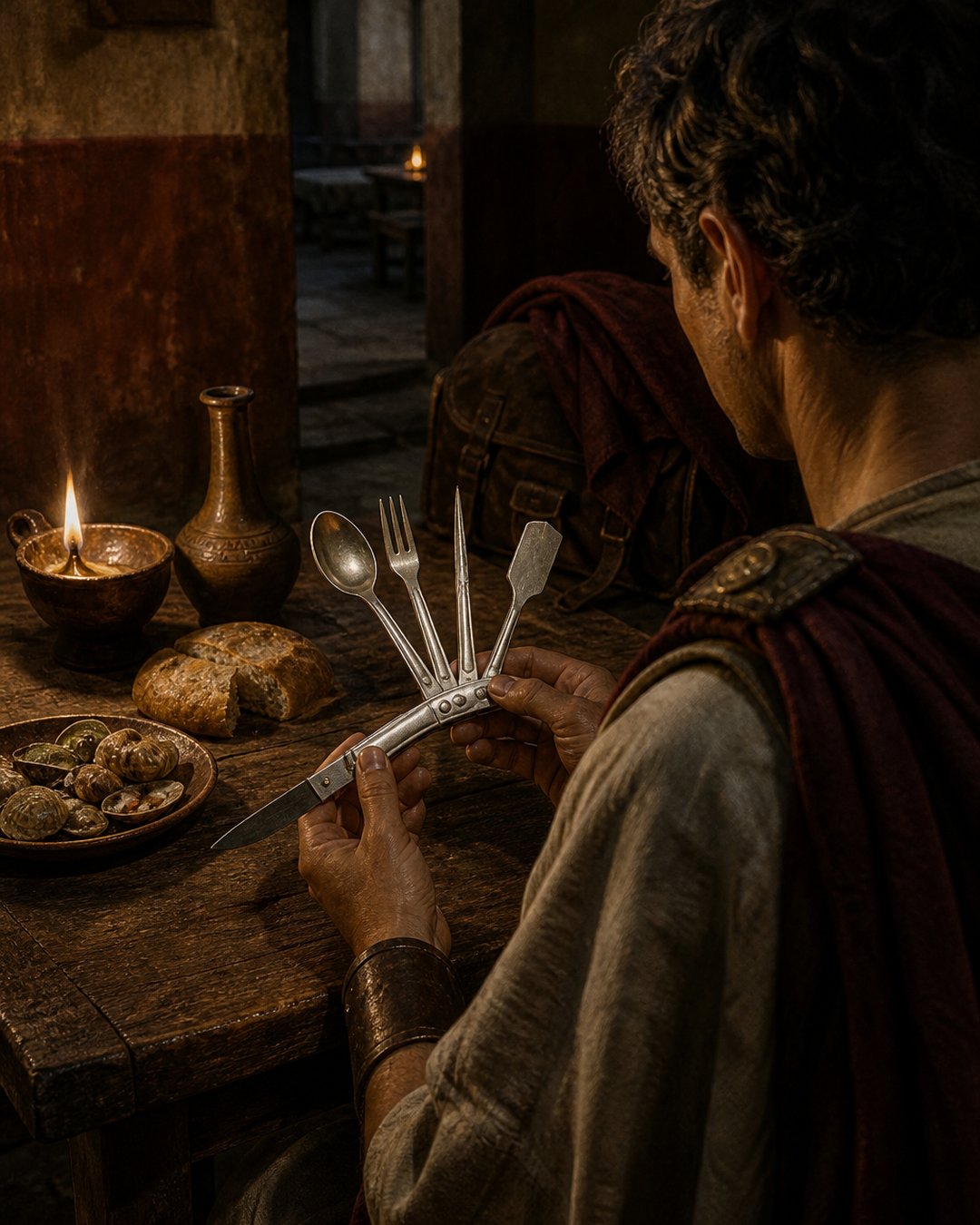
Closed, it is only a small bar of silver hardware. Open it, and a table setting seems to unfold from a traveller’s hand. A three-pronged fork swings away from the body. So do a spoon, a spatula, a narrow pick and a spike. An iron knife once completed the set, but its blade has largely … Read more

A Marble Counter Made Pompeii’s Measures Public

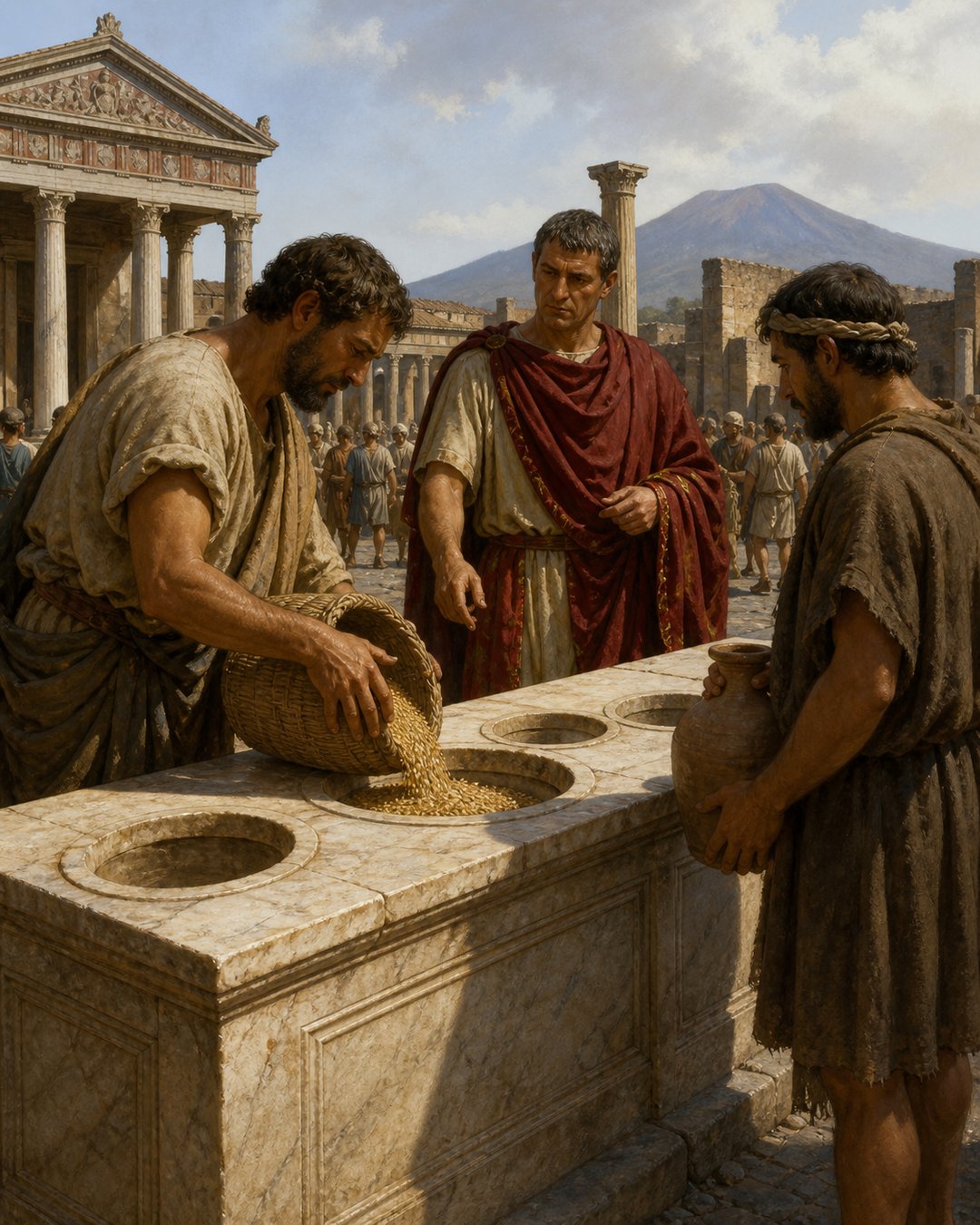
A trader could argue about the size of a jar. The stone could answer. On the western side of Pompeii’s Forum, a marble counter presented a row of hollow standards for checking how much a vessel really held. Grain or liquid went into the appropriate basin, a cap closed it, and the contents were released … Read more

A Curved Bronze Grinder Mixed Colour for Roman Britain

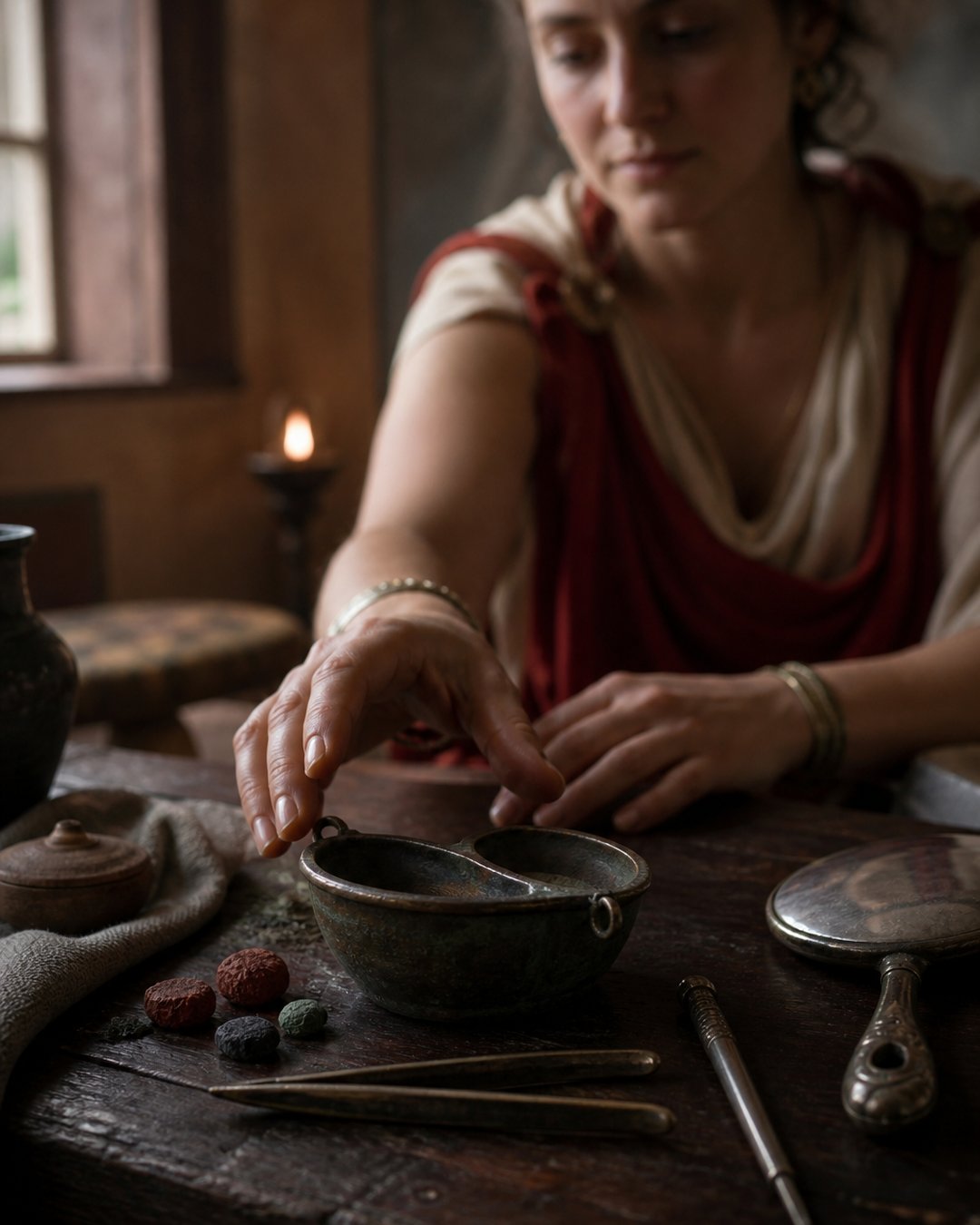
It is small enough to disappear inside a closed hand. The London Museum’s copper-alloy pestle measures only 61 millimetres long and bends like a narrow crescent. One end carries a loop. Its companion set included a matching mortar, tweezers and a nail cleaner. Nothing about that scale suggests a workshop machine, yet the worn metal … Read more

A Donkey Turned Pompeii’s Hourglass Mills into Bread

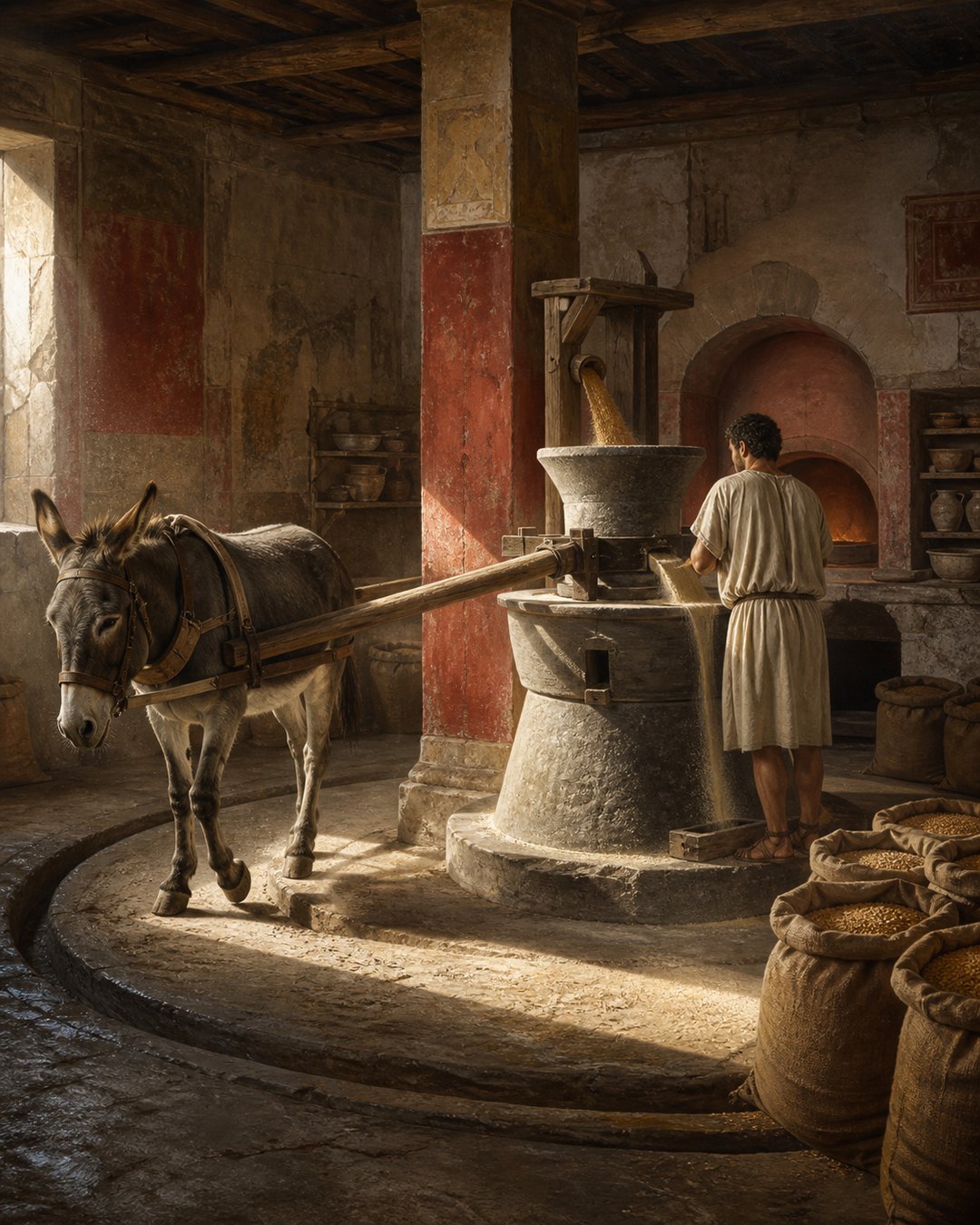
The stone does not look like a wheel. In Pompeii’s bakeries, the fixed lower piece rose like a blunt cone, while the upper piece narrowed at the middle and opened again above it. Put together, the pair looked closer to an hourglass than to the flat millstones familiar from later windmills. Grain entered at the … Read more

A Blue Glass Vase Survived Being Smashed into 189 Pieces

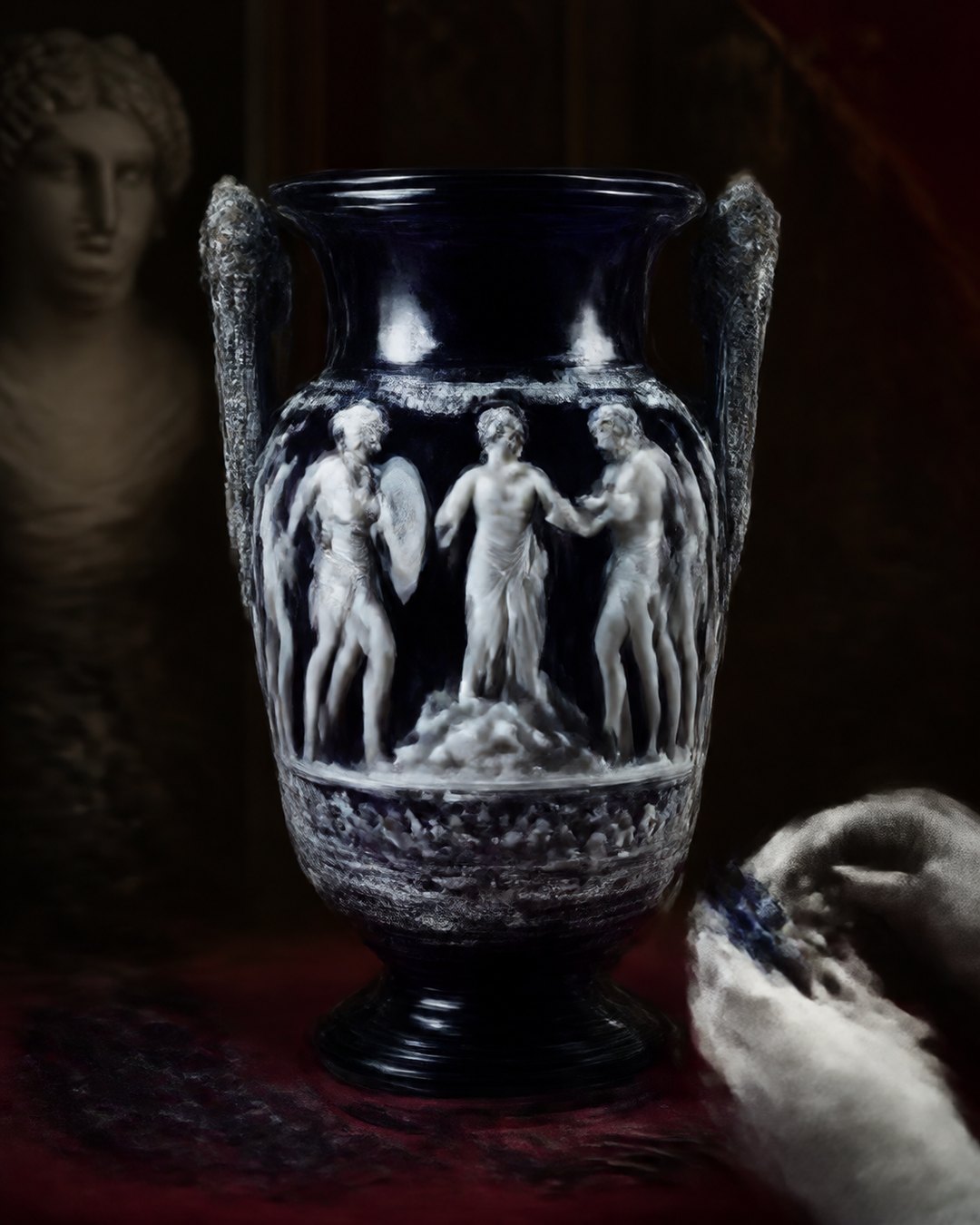
The man did not knock the Portland Vase from its case by accident. On 7 February 1845, William Lloyd entered the British Museum, picked up a nearby carved object and struck one of the most famous Roman glass vessels in the world. The vase collapsed into 189 recorded fragments. A museum attendant had been close … Read more

A Road from Cádiz to Rome Wrapped Around Four Silver Cups

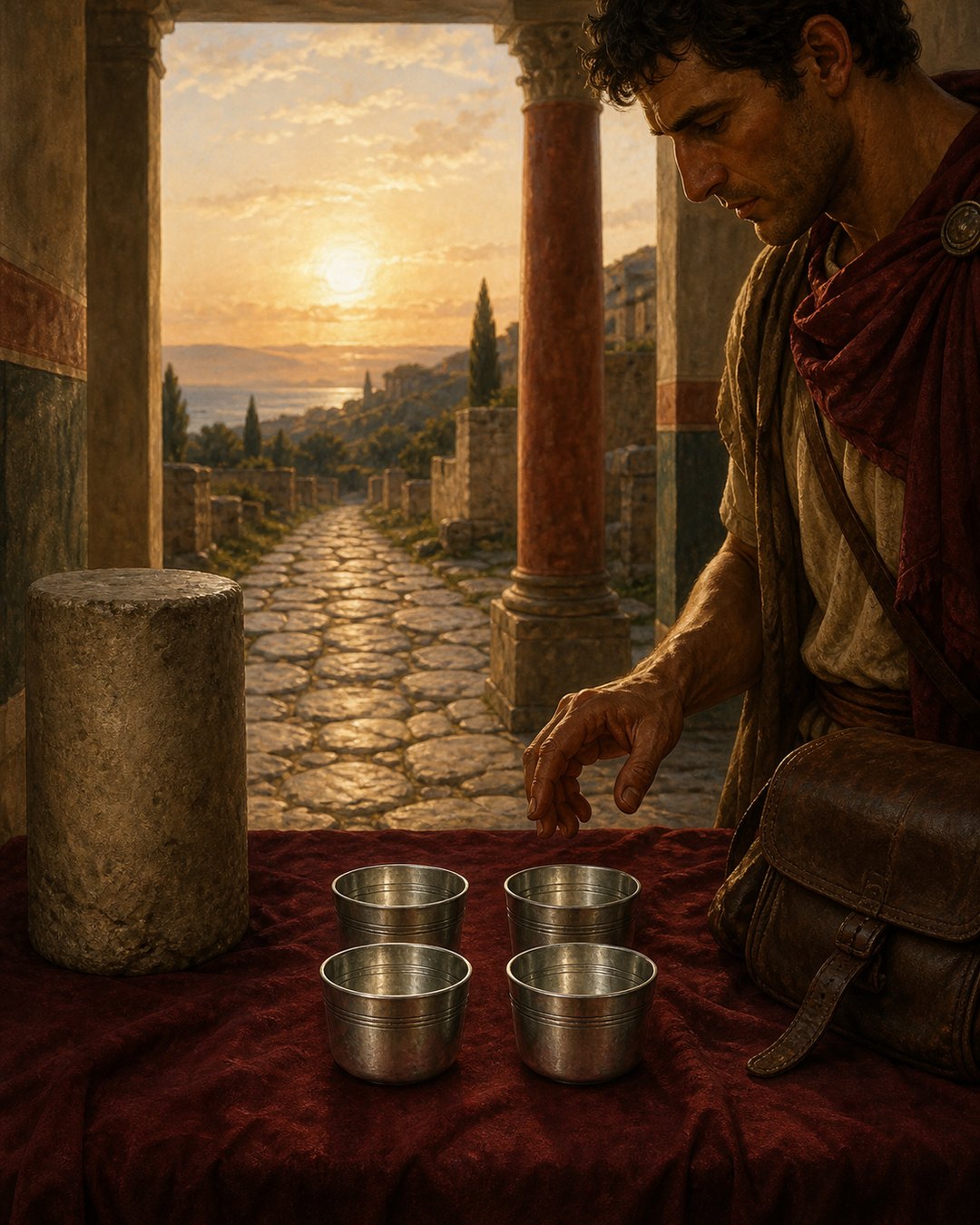
Four silver cups begin at Gades, the Atlantic port now called Cádiz, and end at Rome. Between those names, narrow columns of letters give station after station and the distance to the next one. The road does not appear as a line. It circles the vessels, making a journey of 1,840 Roman miles small enough … Read more

Five Centimetres of Bronze Offered Gold for a Fugitive

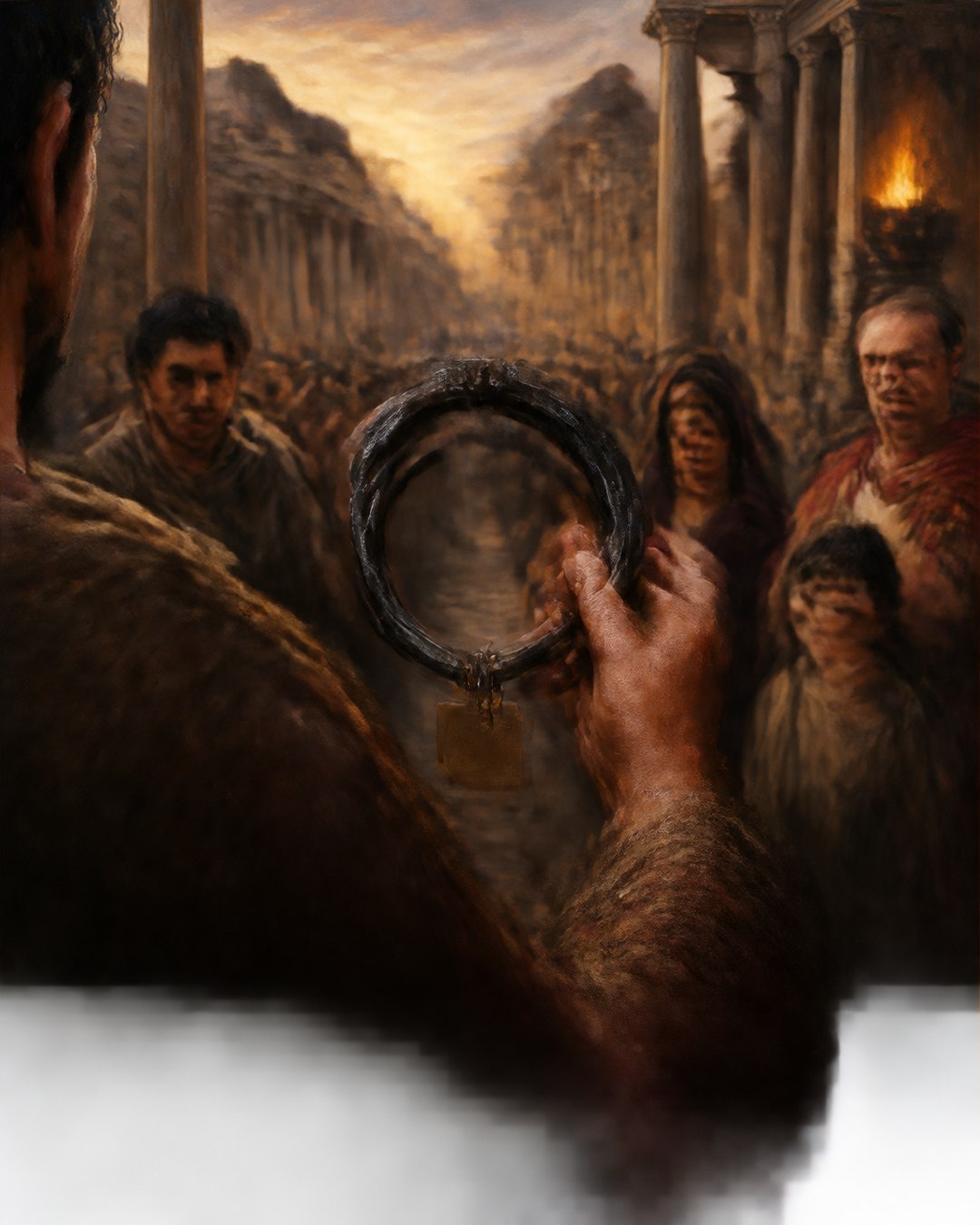
A late Roman neck ring survives with a voice attached to it. The voice is not the wearer’s. A small bronze plate orders whoever reads it to seize a fugitive, return him to a man called Zoninus and collect a solidus. The person inside the iron is never named. The object now called the Zoninus … Read more