Every New Tunic Sent an Old One Back to the Patch Basket
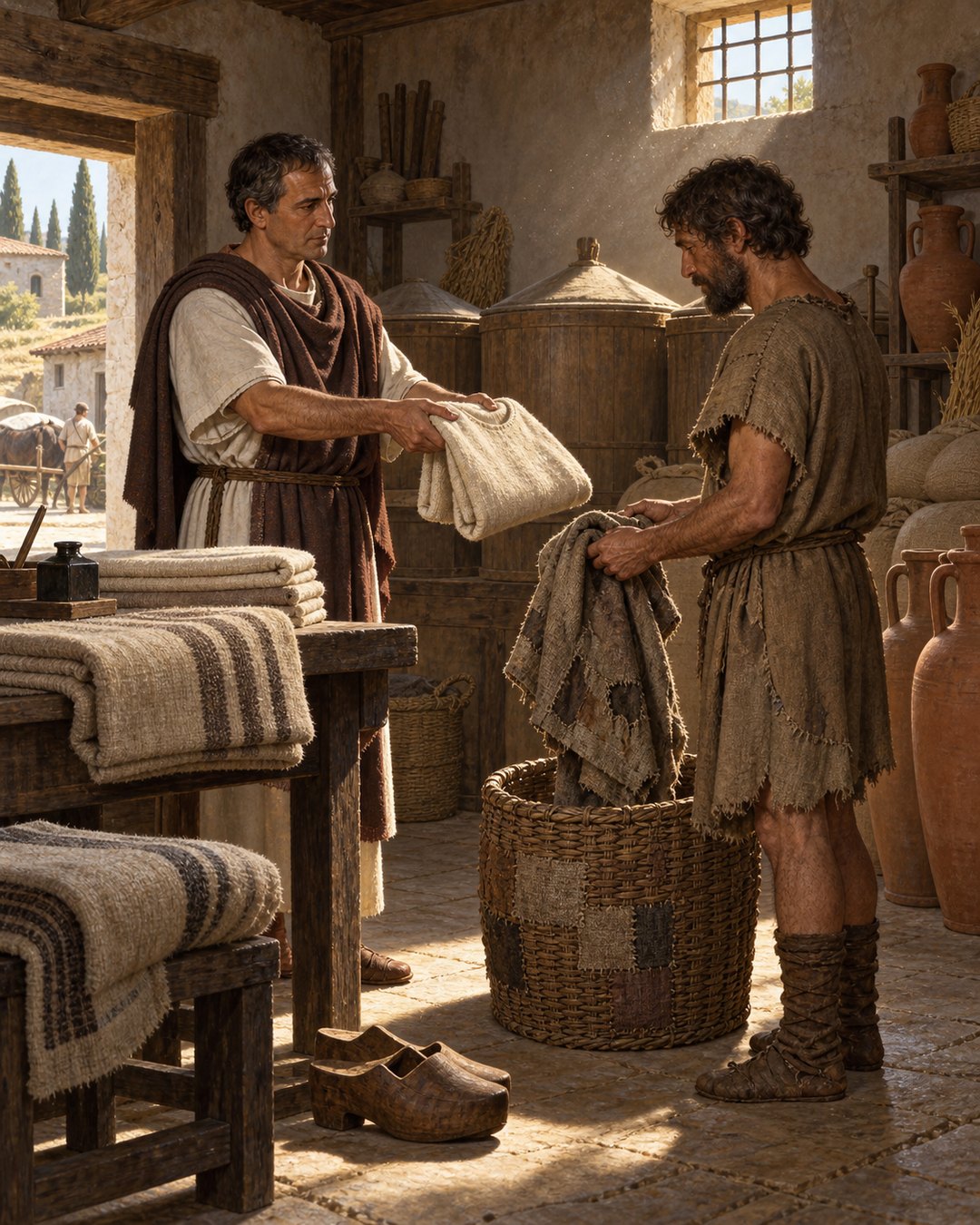
A new tunic did not leave the Roman farm storeroom by itself. Cato’s instructions required the old garment to come back first. The worn cloth was then made into patchwork, while a replacement entered another cycle of use. The rule appears beside precise allowances for wheat, bread, wine, olives, oil, salt and wooden shoes. Together … Read more

A Camel Owed 688 Denarii before Frankincense Reached the Sea

Before a camel carrying frankincense reached Mediterranean Gaza, Pliny says, it had accumulated 688 denarii in expenses. Roman customs charges still lay ahead. The number belonged not to the resin alone but to the route: water, fodder, lodging, tolls, guards, permissions and claims collected between tree and sea. The journey began with restricted access. Pliny … Read more

Buried Treasure Split between Finder and Landowner

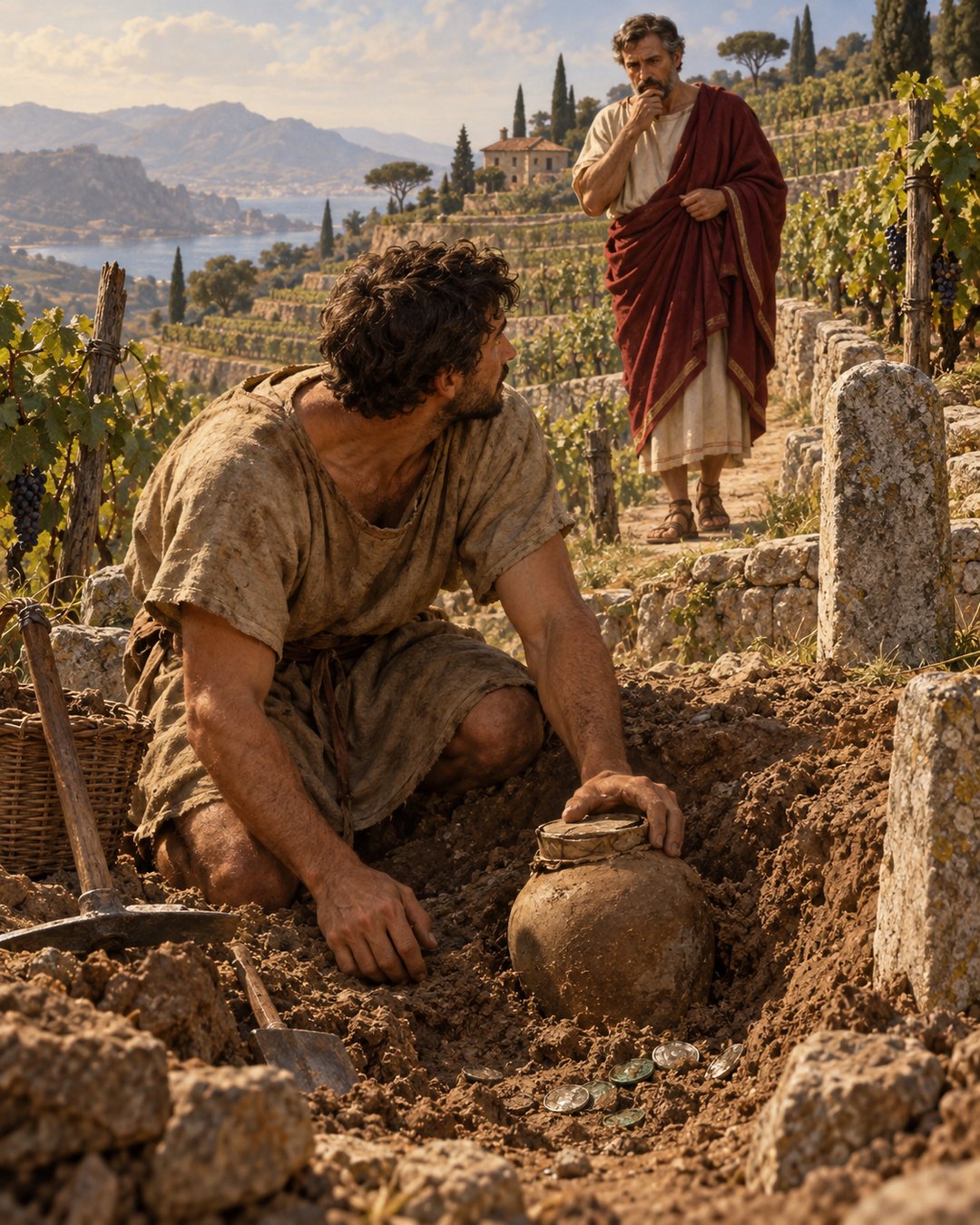
A jar of old money emerges from the earth. No living person remembers who buried it, and no ordinary chain of ownership reaches back to the deposit. Discovery feels sudden, but Justinian’s Institutes refuses to leave the result to whoever grabs first. The text asks where the treasure was found. On the finder’s own ground, … Read more

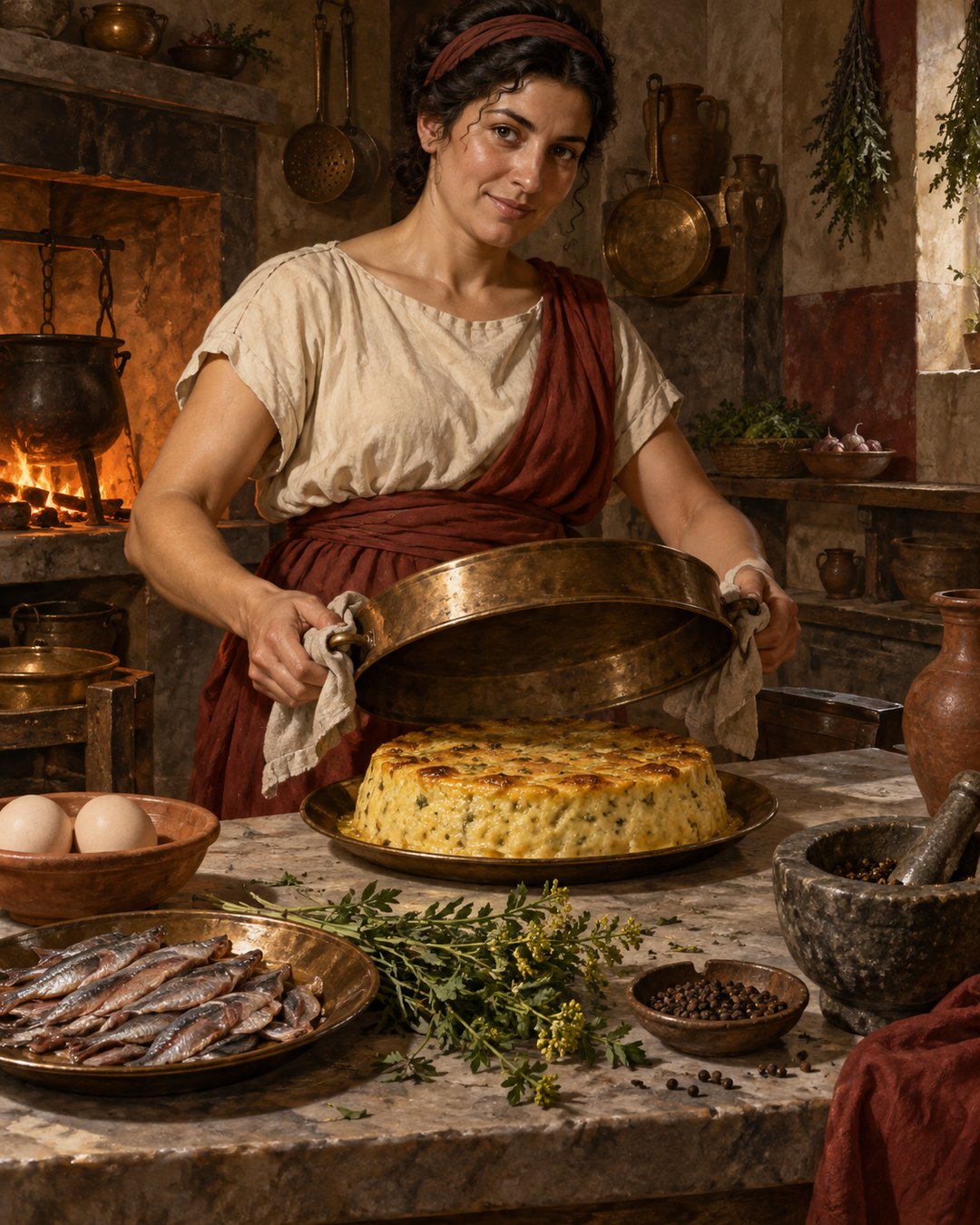
Eggs and Steam Made Anchovies Unrecognizable at Dinner

The fish arrived at the dining table without looking like fish. A Roman recipe ordered anchovies or other small fish cooked, boned and chopped very fine. Pepper, rue, broth and oil followed. Raw eggs turned the fragments into one solid mass, while steam set the dish without allowing it to boil. Then came the boast. … Read more

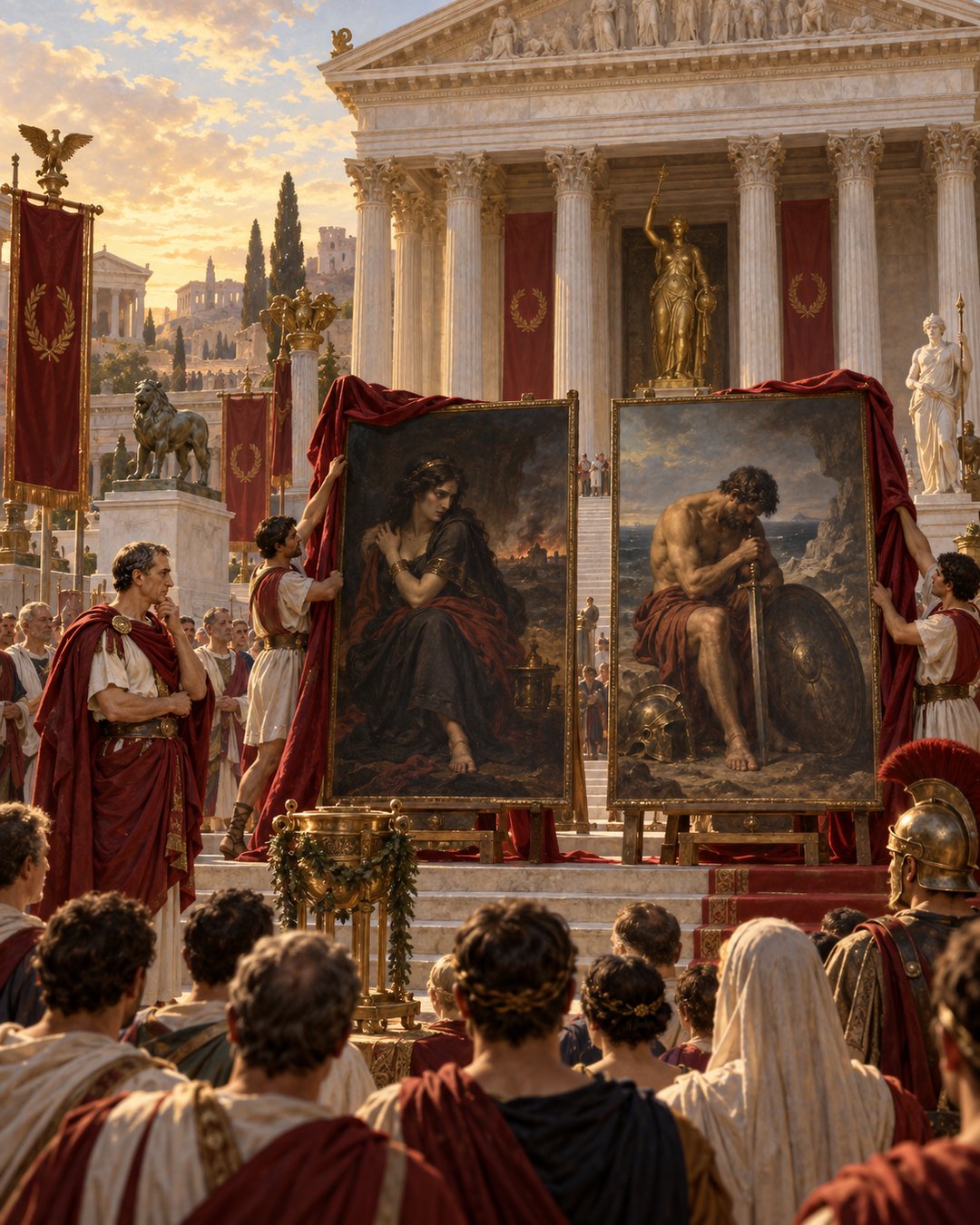
Caesar Paid Eighty Talents for Medea and Ajax

Eighty talents changed hands for two painted panels: Medea caught inside her terrible decision and Ajax destroyed by his own shame. Julius Caesar bought both from the Greek painter Timomachus, then carried them into the public architecture of his new forum. Pliny preserves the price in one book of the Natural History. In another, he … Read more

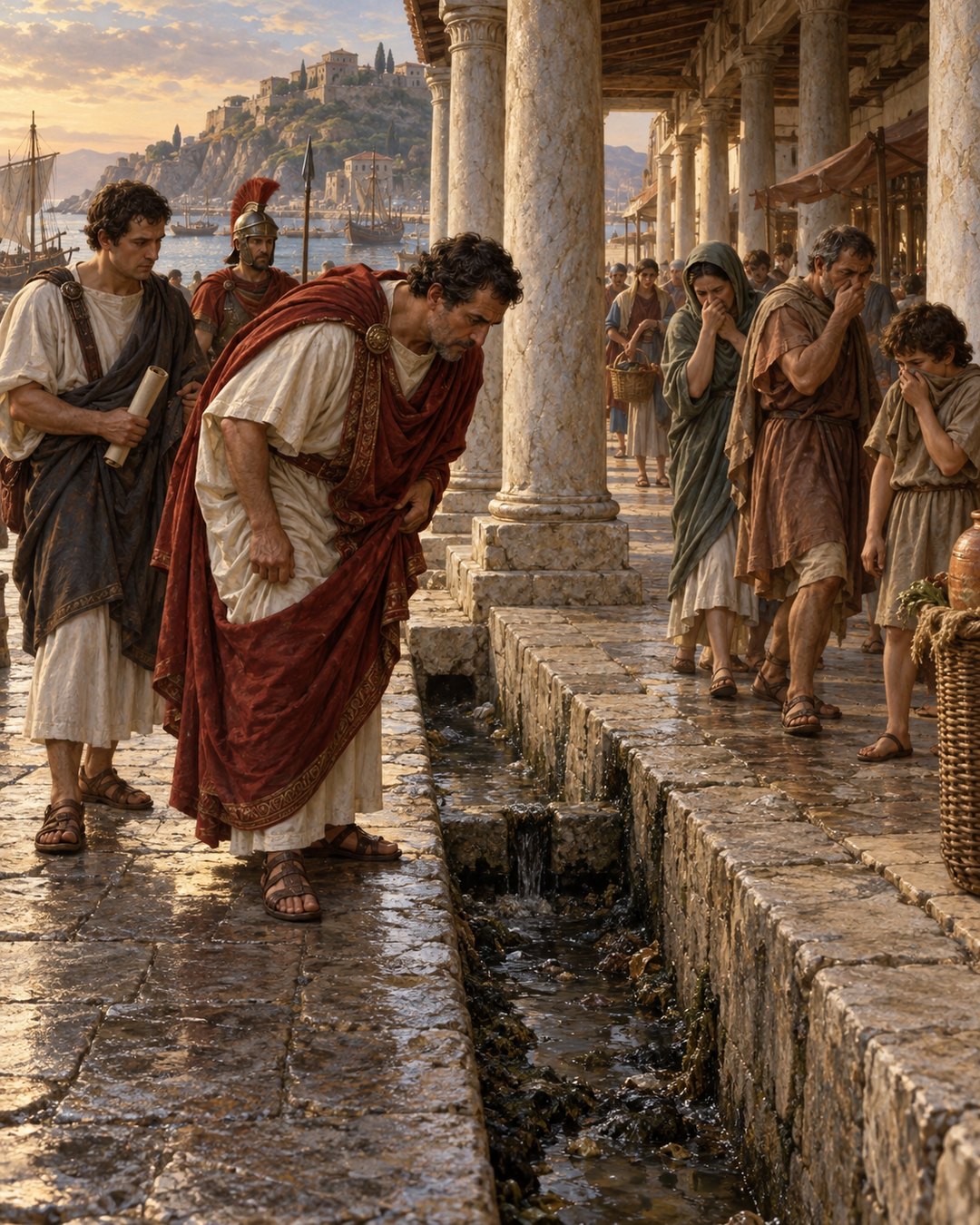
Amastris Called It a River; Pliny Smelled a Sewer

Amastris possessed what Pliny the Younger called a very beautiful and lengthy street. Along one side, for its entire extent, ran a channel that people called a river. Pliny stood the polite name against what eyes and noses reported. It was, he told Trajan, really a sewer of the foulest kind. The short exchange in … Read more

A Lamp’s Shadow Gave Clay a Face

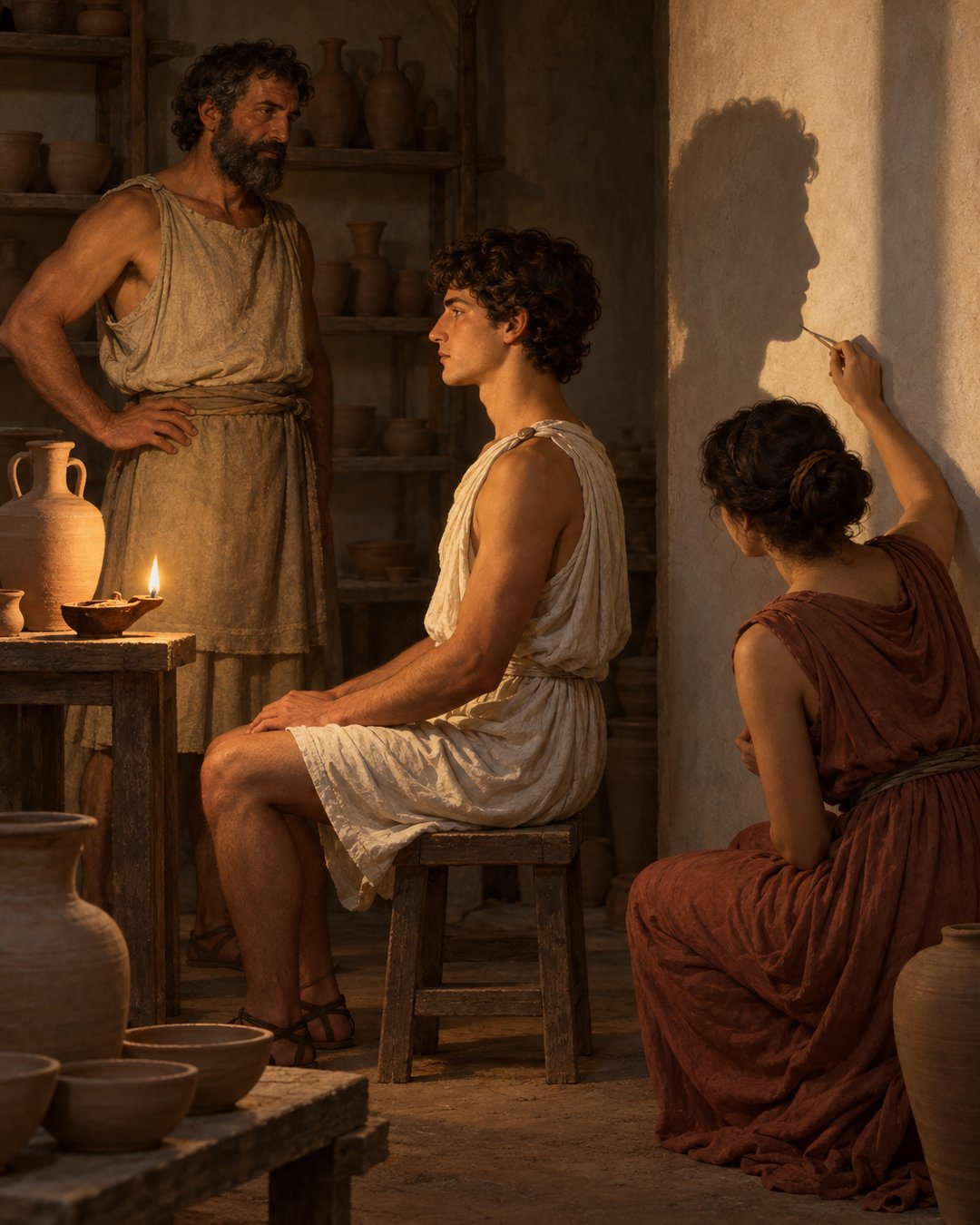
A young man was about to leave Corinth. An oil lamp placed his profile on a wall, and the woman who loved him drew around the edge of the shadow. Her father, the potter Butades, pressed clay over those lines and fired the modeled face with the rest of his pottery. That is Pliny the … Read more

Pliny Built Silence with an Empty Passage

Pliny could close the windows of one bedroom and lose the sound of slaves talking, the murmur of the sea and the violence of a storm. Lightning no longer announced itself. Daylight disappeared. He credited the silence not to a single heavy door but to a passage left empty between the chamber wall and the … Read more

Columella Hung Grapes Inside Four-Handled Jars

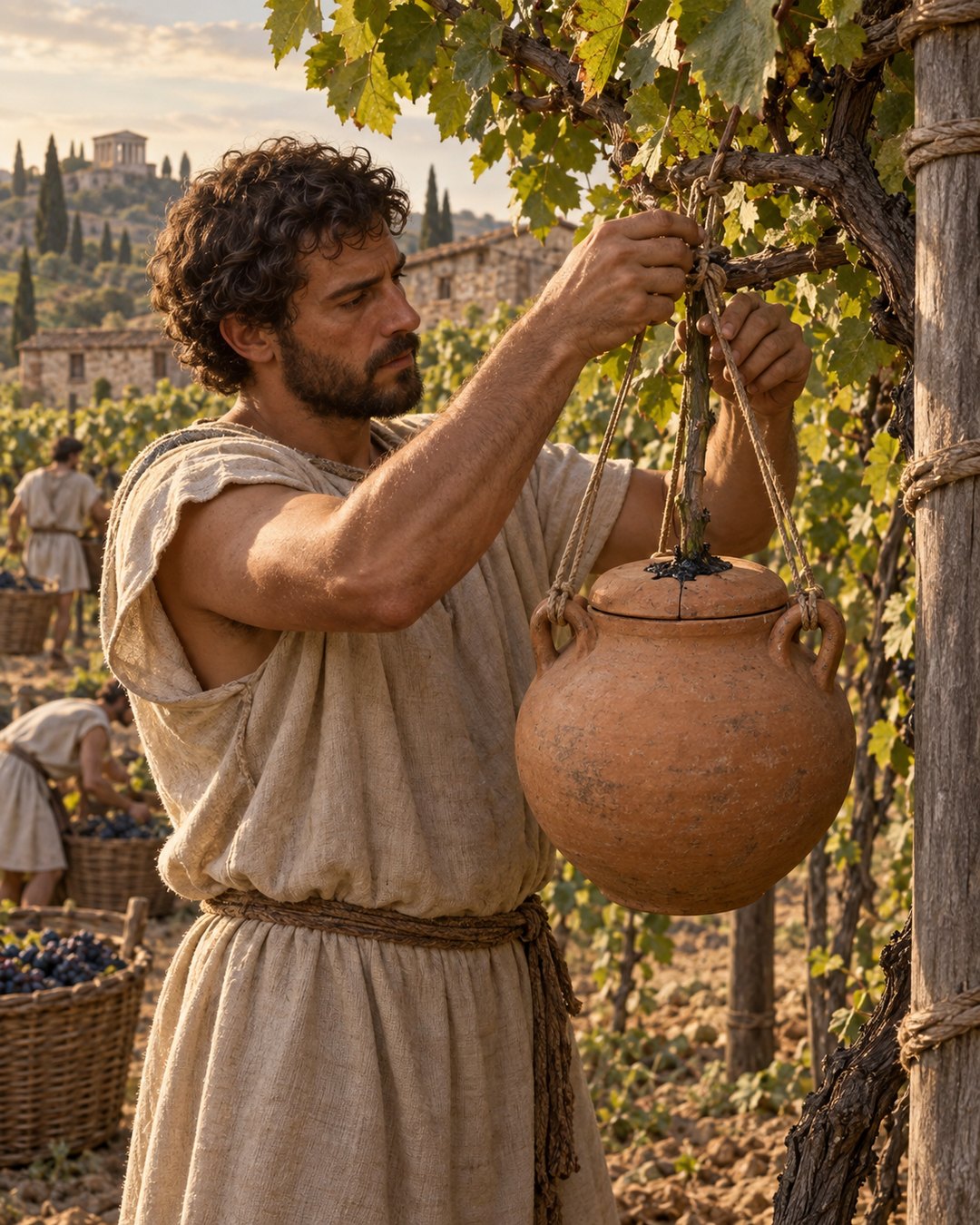
One grape bunch remained attached to its vine while a clay vessel closed around it. The pot had four handles so cords could suspend it from the plant. Its lid came in two pieces, allowing the halves to meet around the living stem. Inside, the fruit hung loosely enough to touch neither wall nor cover. … Read more