Numa Read a Farmer’s Character from His Fields

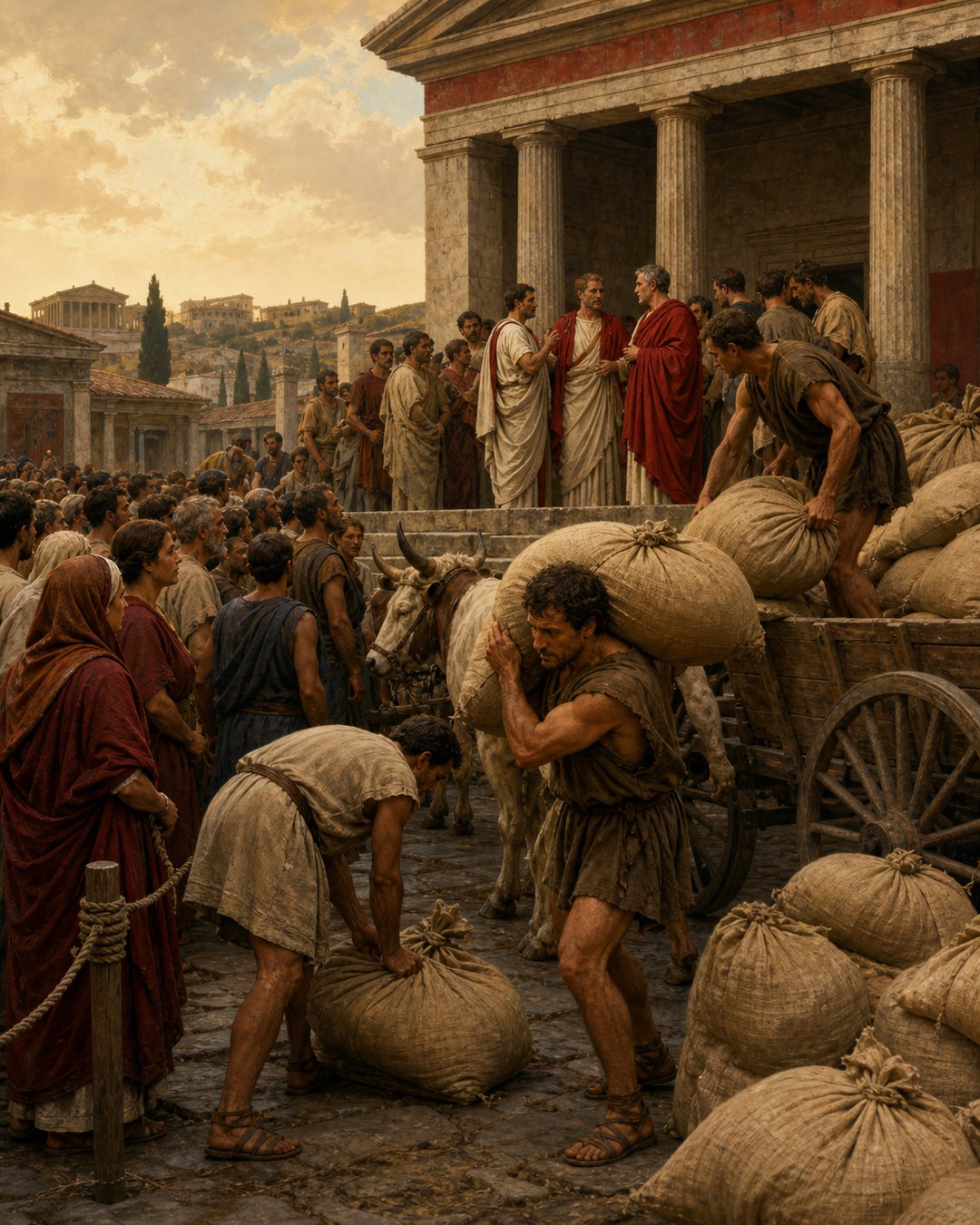
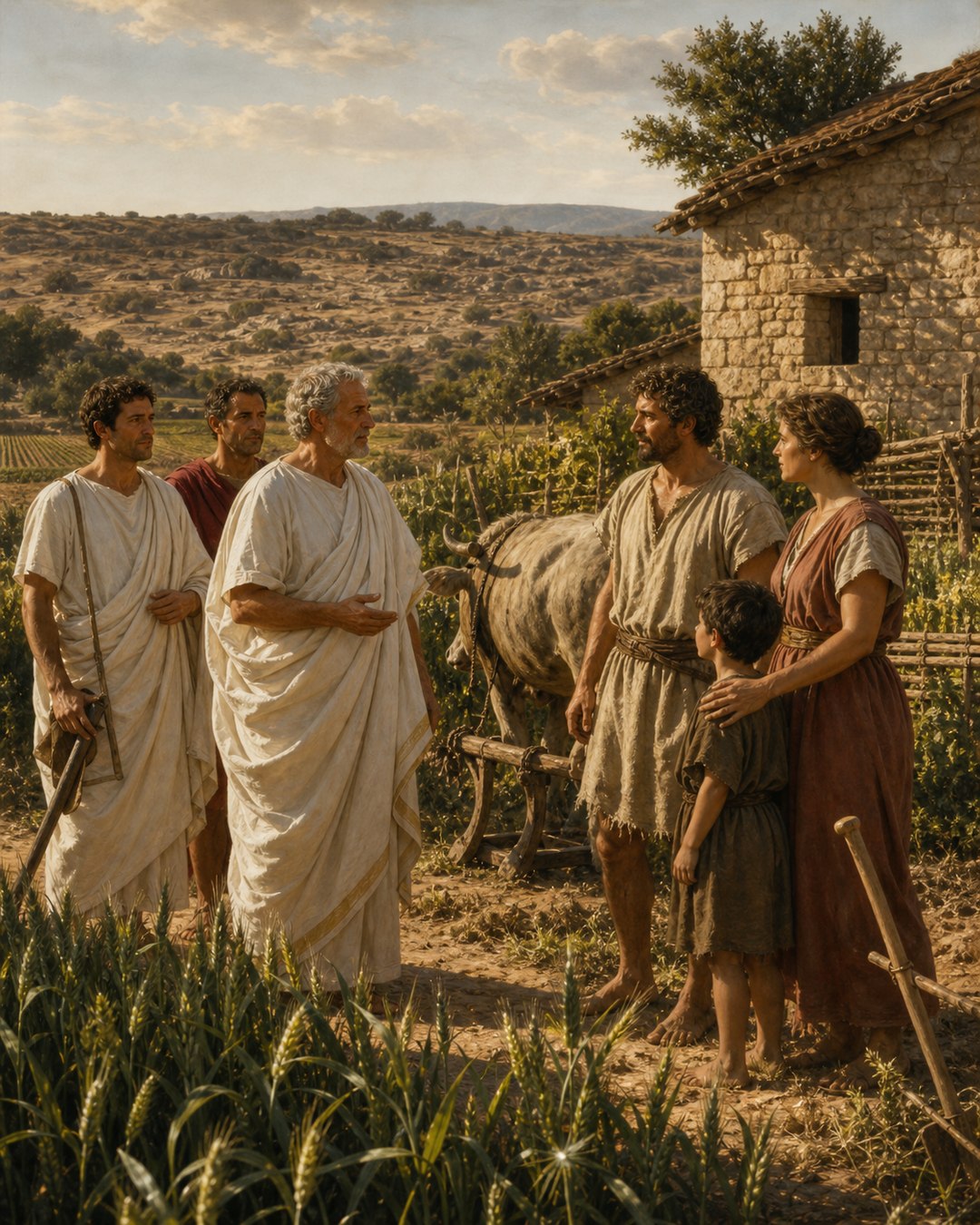
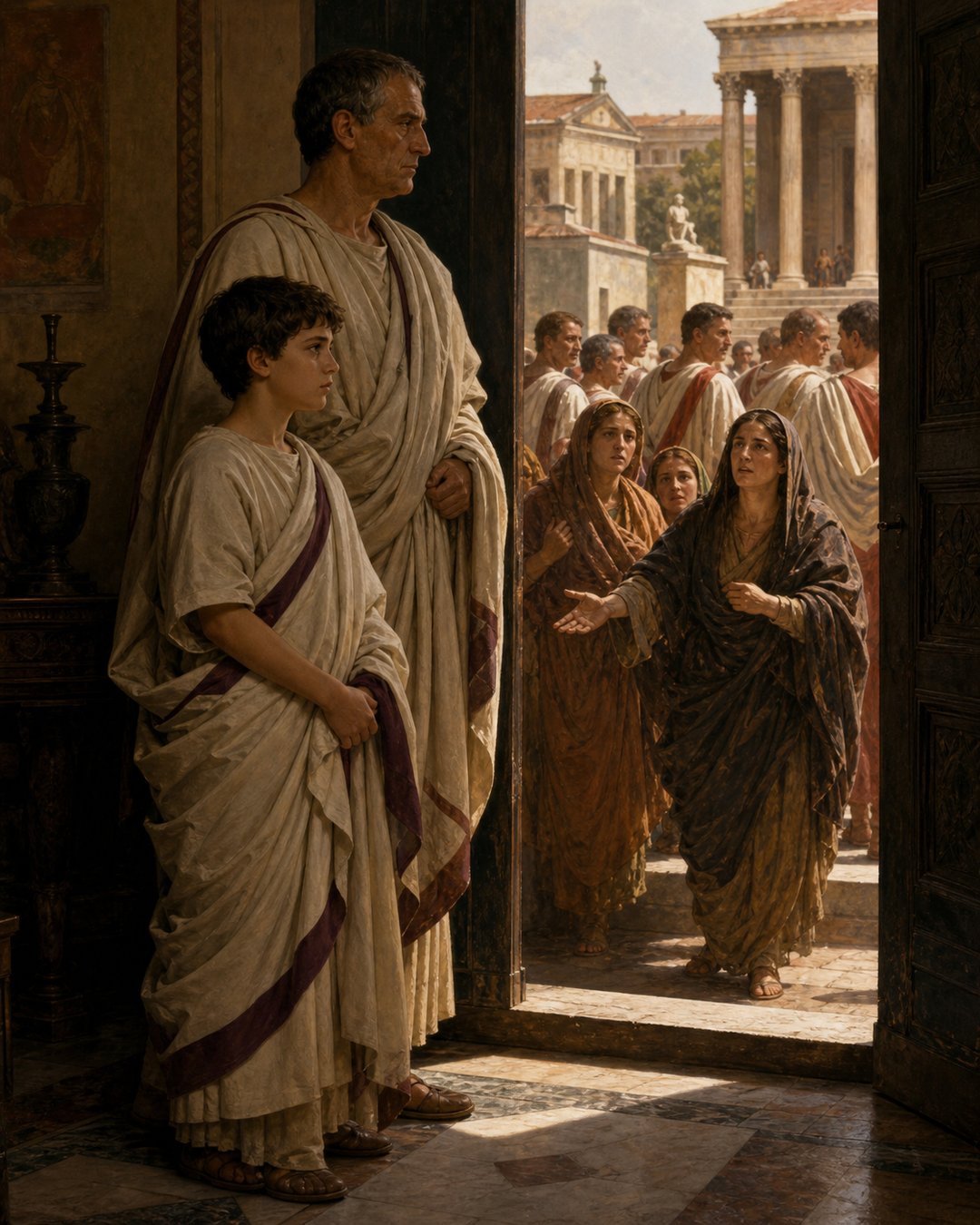
A field became a character reference. Plutarch imagines Numa walking beyond Rome, looking at furrows, boundaries and neglected ground, then deciding which citizens deserved trust. The judgement began with a material transfer. Land acquired under Romulus was distributed among people in need. Numa divided the territory into districts, appointed overseers and patrols, and sometimes inspected … Read more

Four Letters Let Cicero Escape Pompey’s Grammar Trap

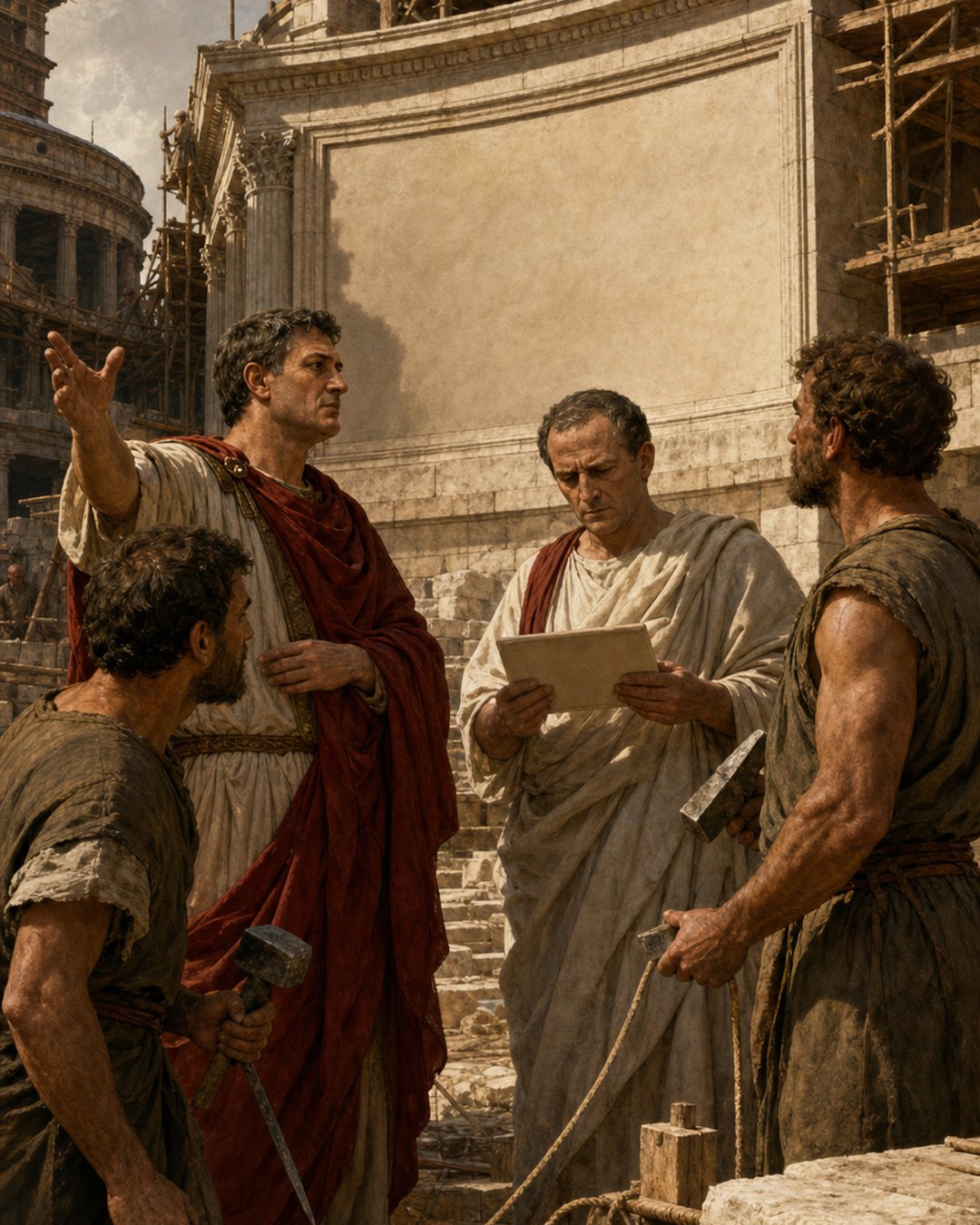
Pompey had conquered armies, crossed seas and accumulated honours. Four letters on a theatre still presented a problem he did not want to decide alone. The inscription was meant to record his third consulship. The grammatical dispute turned on the ending of one Latin word: should the monument say tertium or tertio? Learned Romans defended … Read more

Childlessness Drove Rome’s Earliest Recorded Divorce

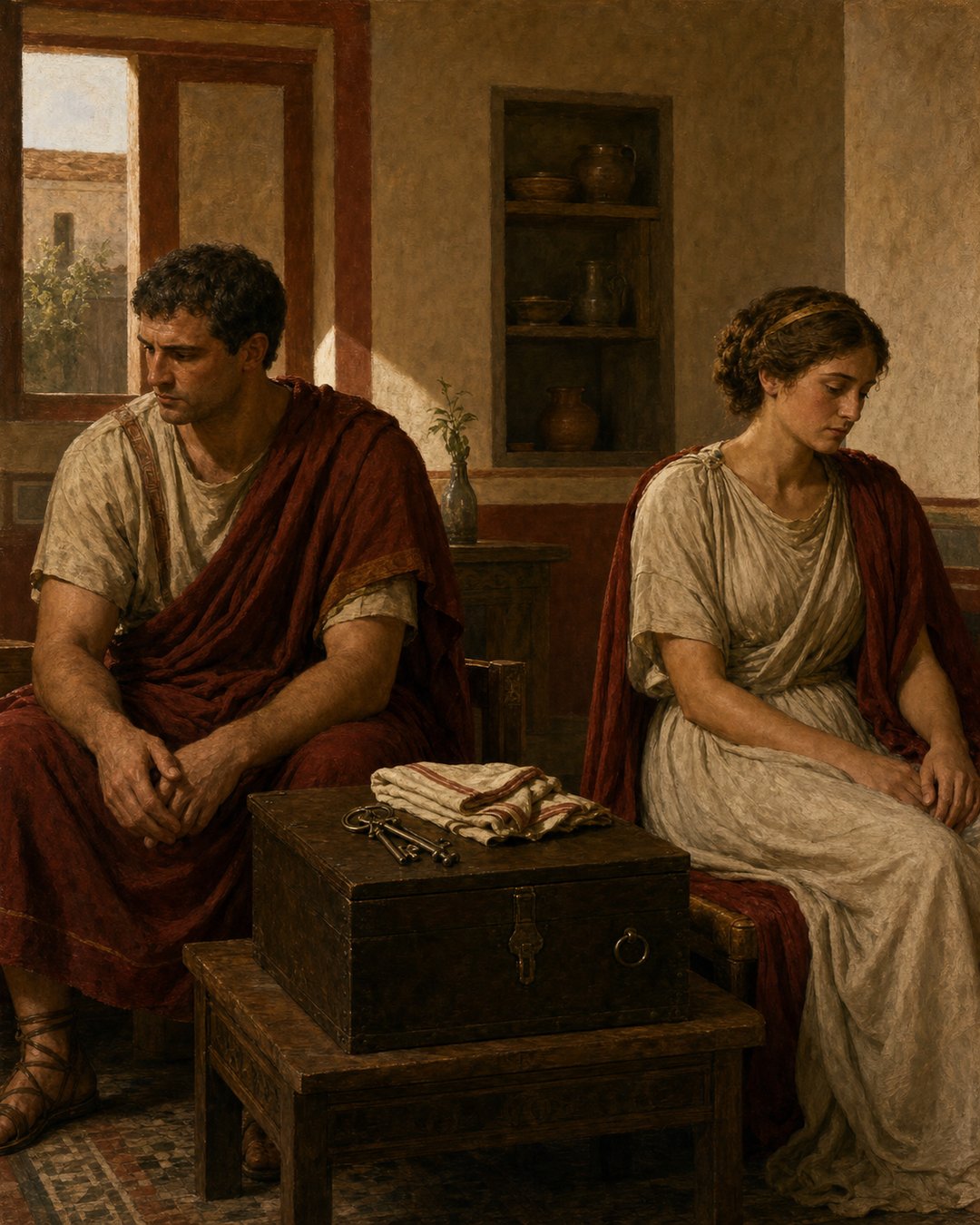
Spurius Carvilius reportedly loved his wife. The marriage ended anyway. Aulus Gellius says a physical condition prevented children from being born from her. Carvilius, a man of rank, had sworn before the censors that he married for the purpose of begetting children. He placed that oath above affection and sent his wife away. Gellius presents … Read more

A Plump Rider Lost His Rank After Blaming Statius

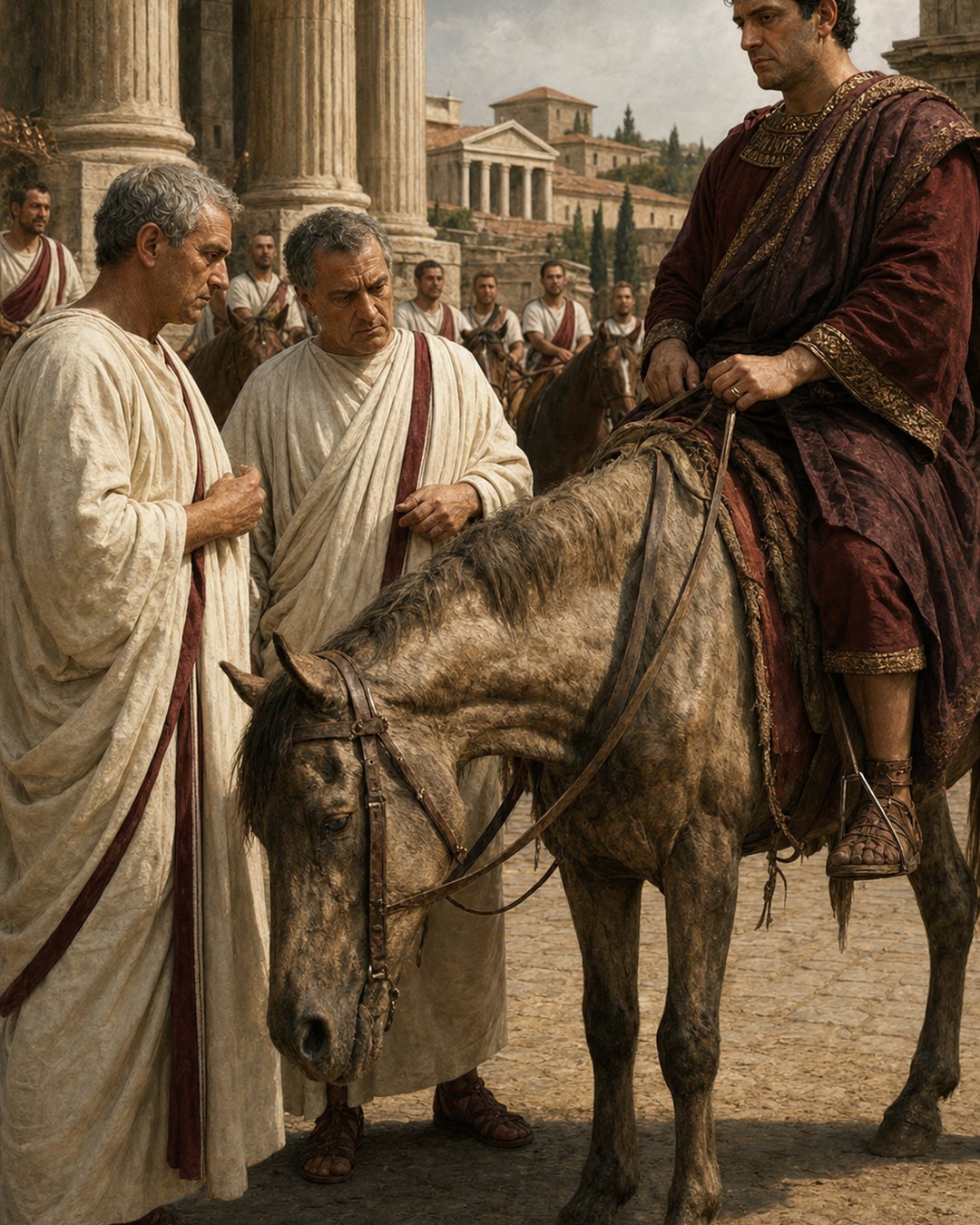
The censors did not need an account book. They had the horse and the rider standing beside each other. Aulus Gellius preserves a story from Masurius Sabinus about an equestrian review conducted by Publius Scipio Nasica and Marcus Popilius. One mount was thin and poorly kept. Its rider was plump and thriving. The contrast made … Read more

Frontinus Found Water Sold Through Secret Street Pipes

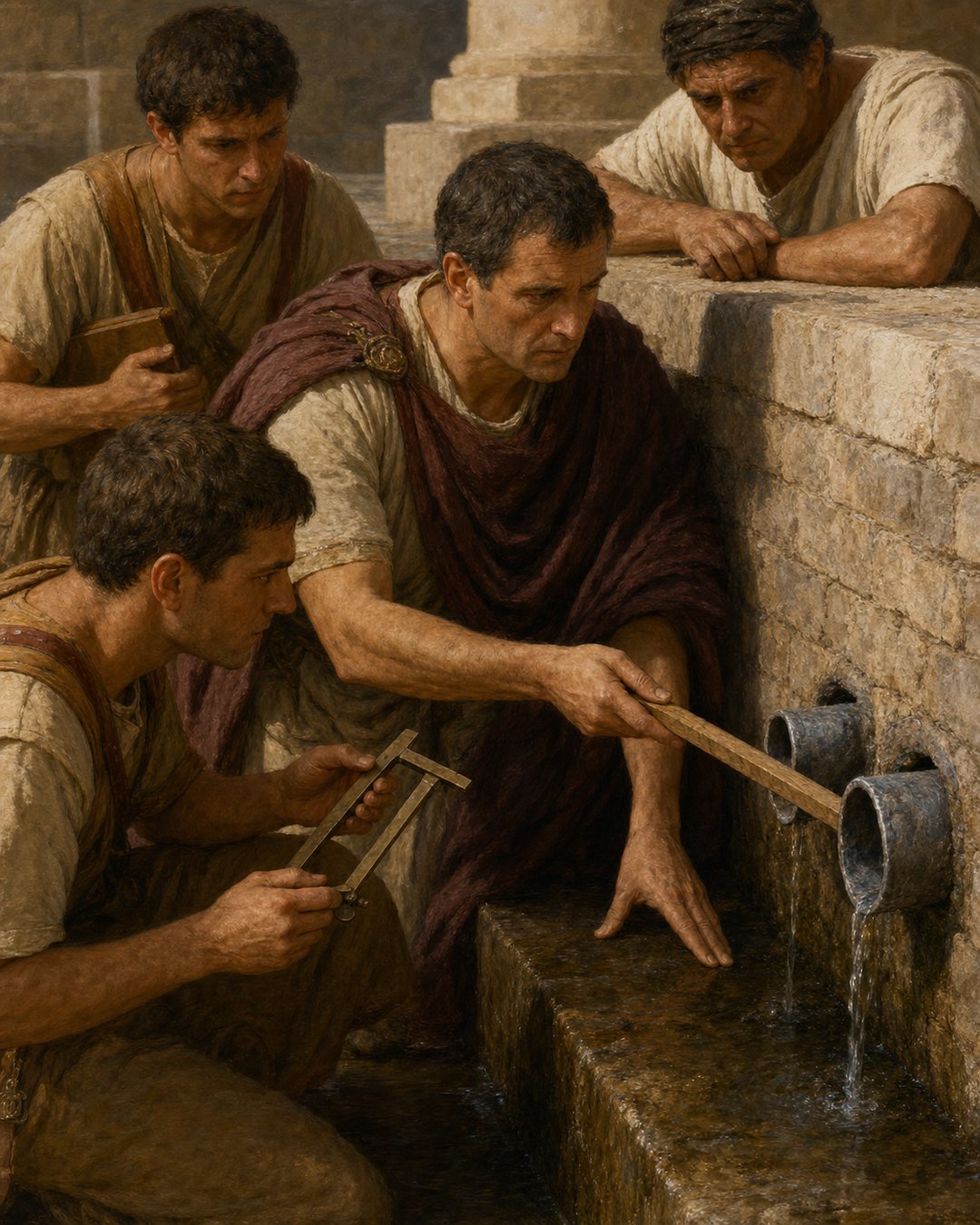
Rome’s stolen water disappeared through openings small enough to hide beneath a street. When Frontinus audited the aqueduct system, he found discrepancies at every scale. Claudia carried 4,607 quinariae at its intake although official records credited it with 2,855. Before the flow reached a settling reservoir, legitimate grants and secret diversions had already reduced it. … Read more

Seven Judges Put Alexandria’s Favorite Poet Last

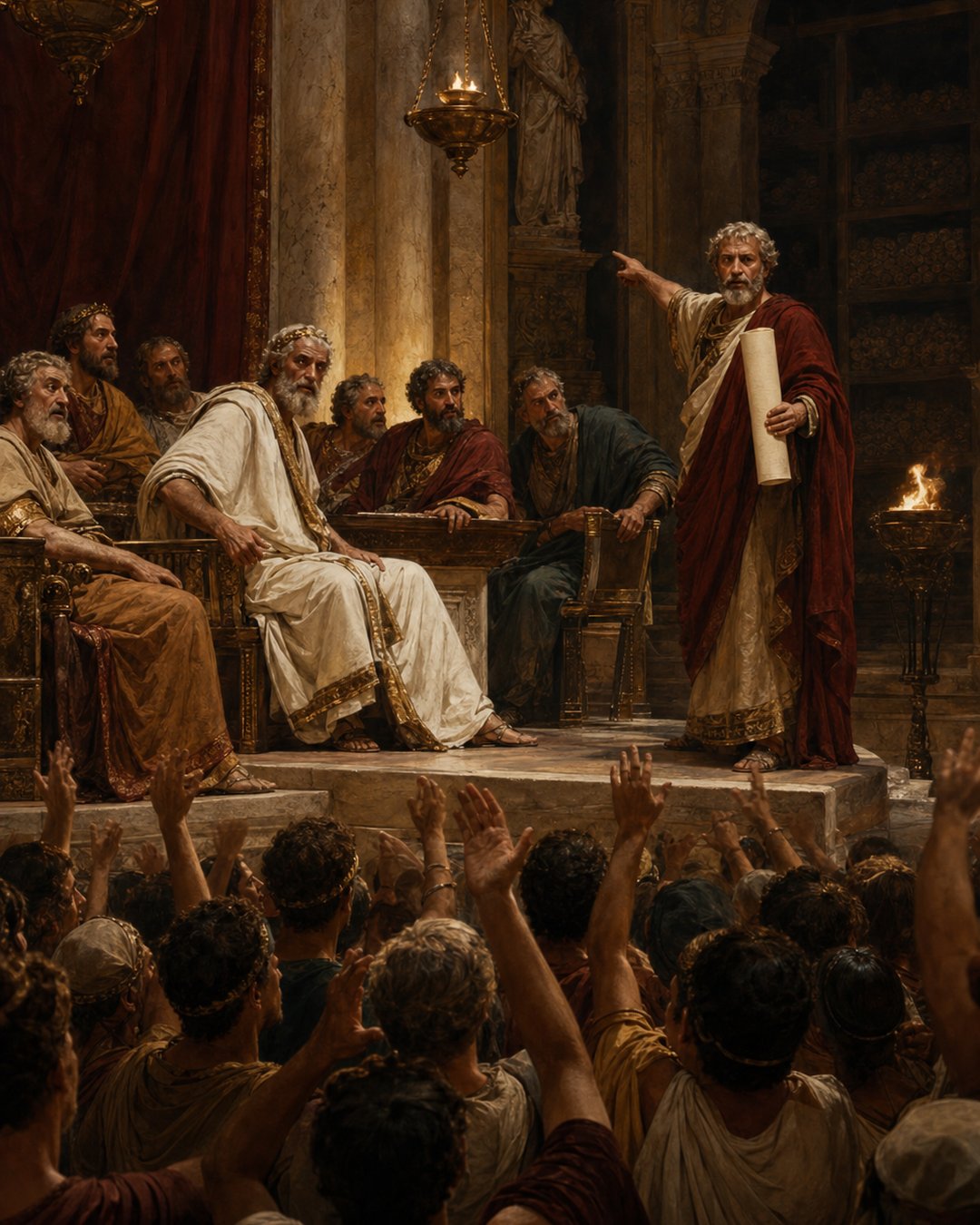
Alexandria’s audience had already made up its mind. The favorite poet had pleased the crowd, and six of the seven judges were ready to reward him. The seventh judge produced the opposite ranking. Aristophanes said the best poet was the competitor whom the public had liked least. Vitruvius says the king and the multitude reacted … Read more

Dolabella Sent an Impossible Murder Case to Athens

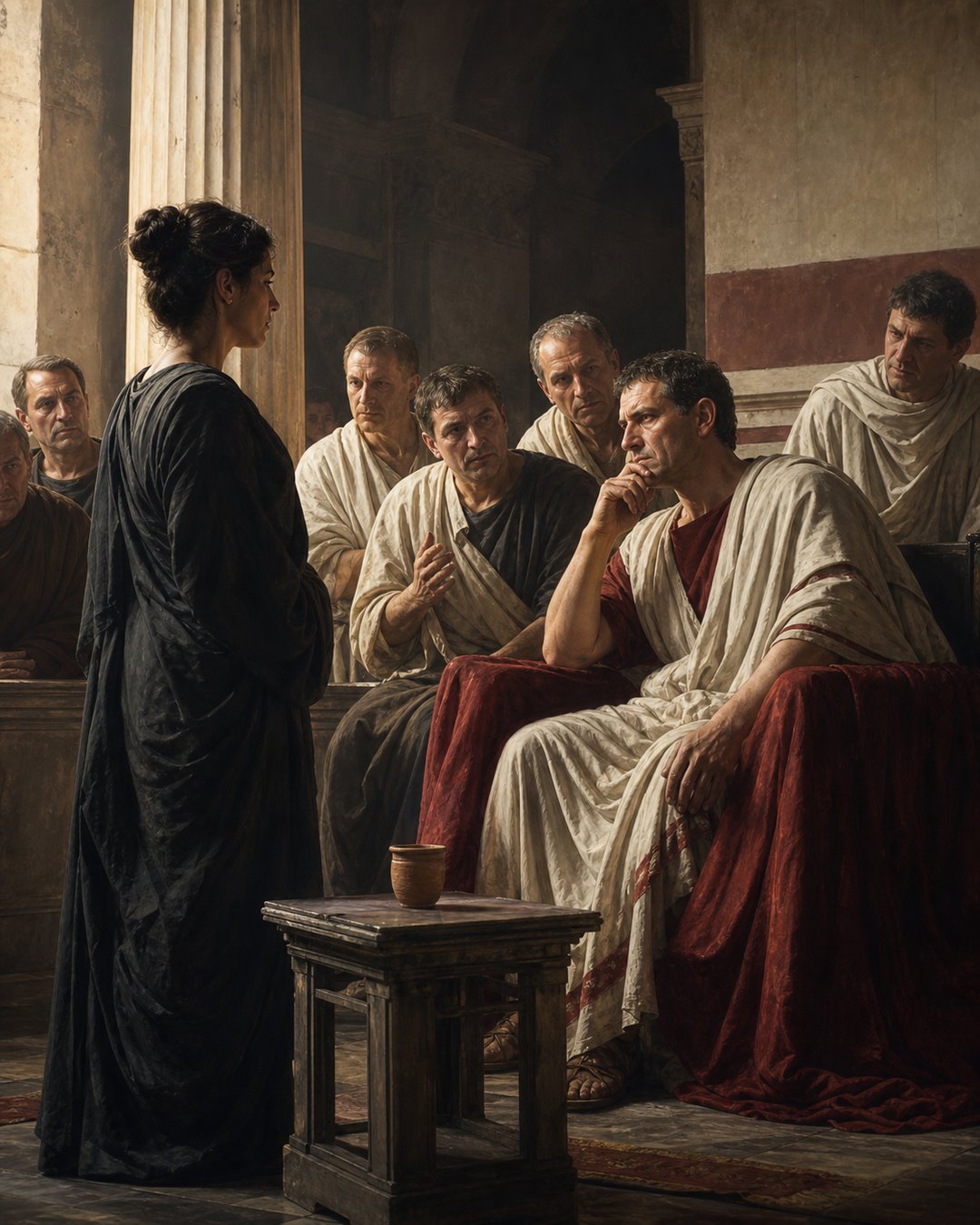
The woman did not deny the poison. Before Gnaeus Dolabella, Rome’s proconsul in Asia, she admitted killing her husband and her son at the same time. That confession should have simplified the case. Instead, it made the difficulty visible. The two victims, she said, had treacherously killed another son of hers, a blameless young man … Read more

Cork Floats Marked the Route of Cyprus’s Treasure

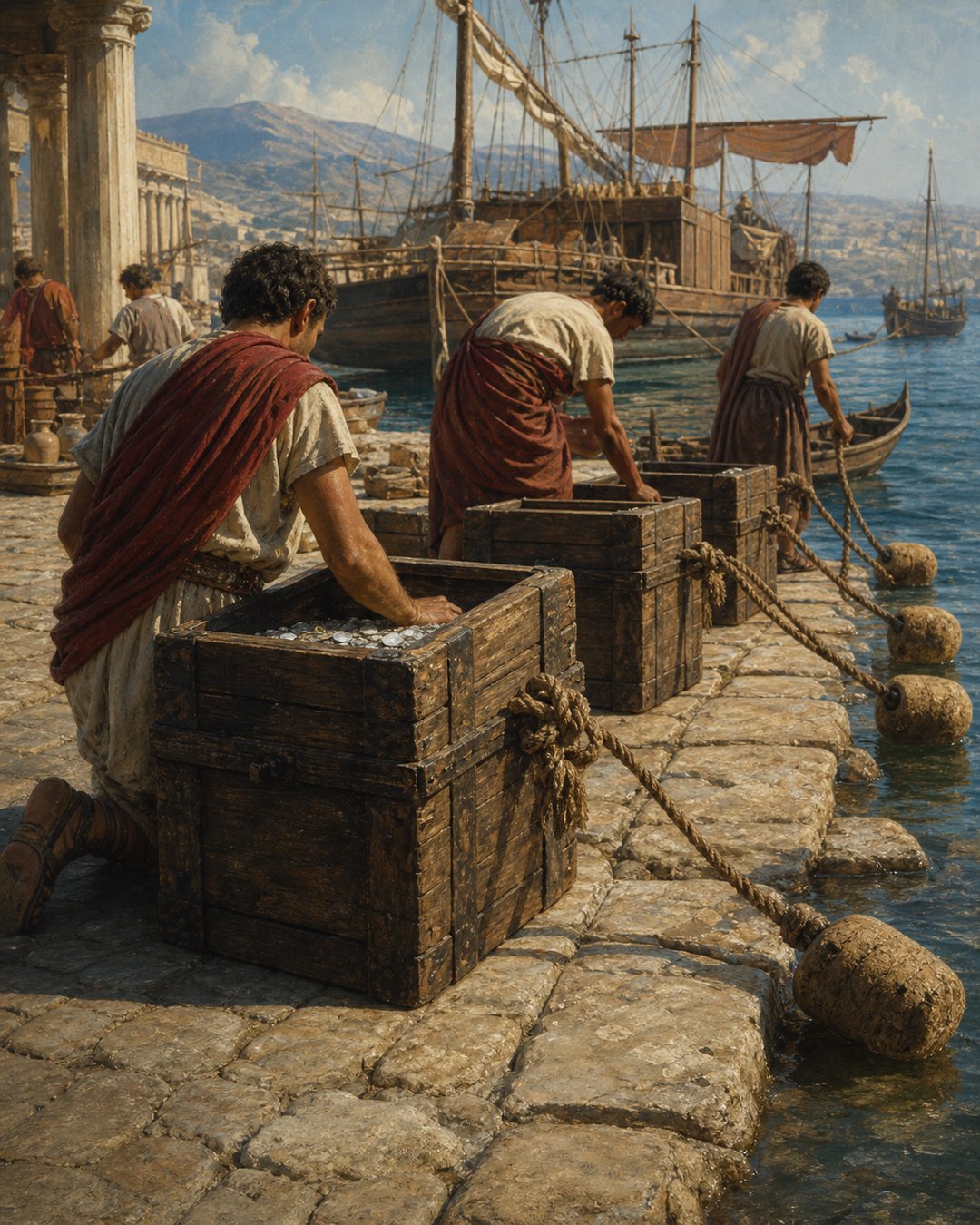
Cato the Younger prepared for a shipwreck by giving the sea something it could not easily hide: huge pieces of cork. Plutarch says Cato gathered nearly seven thousand talents of silver during his commission in Cyprus. For the long voyage to Rome, he divided it among many coffers. Each held two talents and five hundred … Read more