Fabius Dismounted Before the Office His Son Held
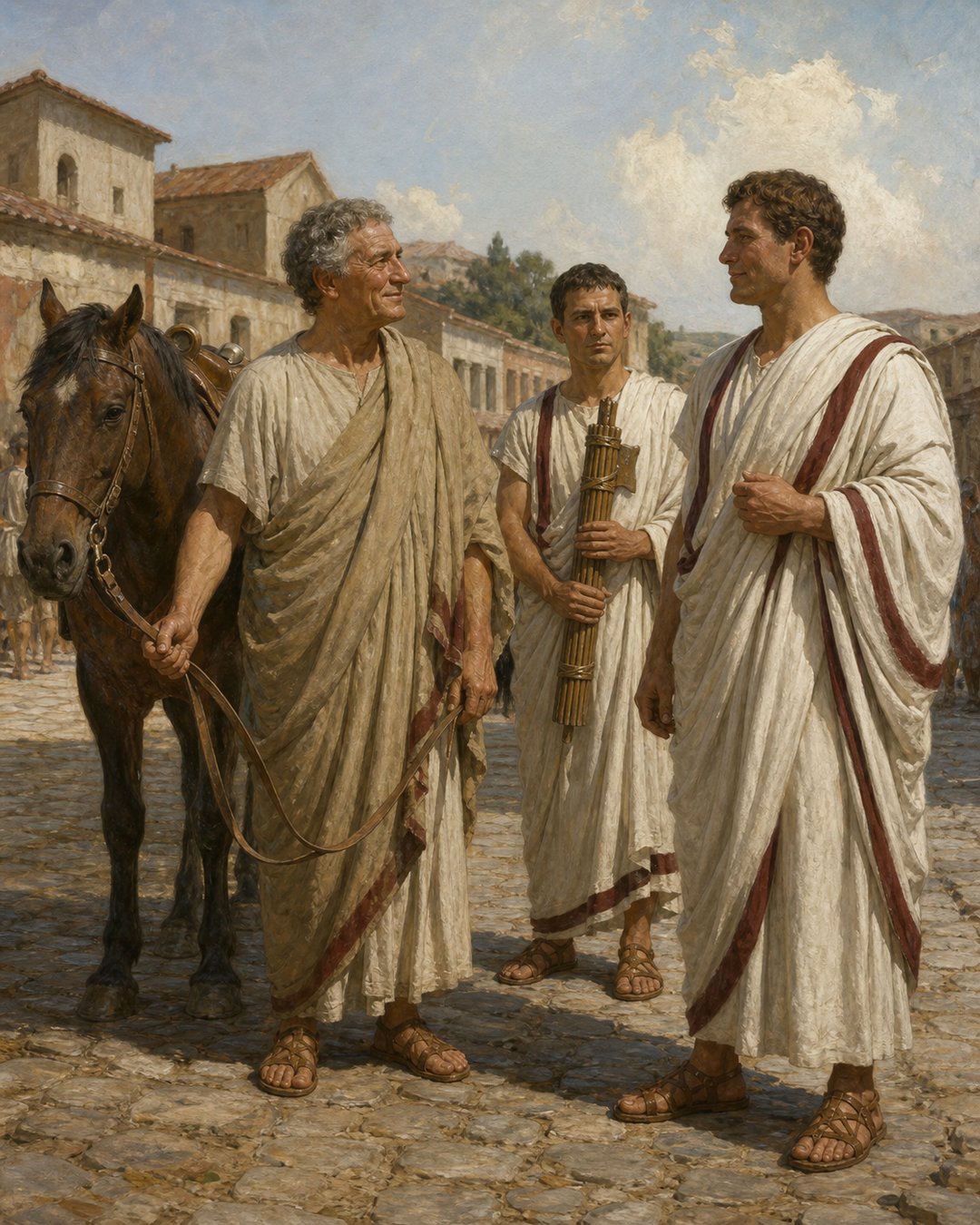
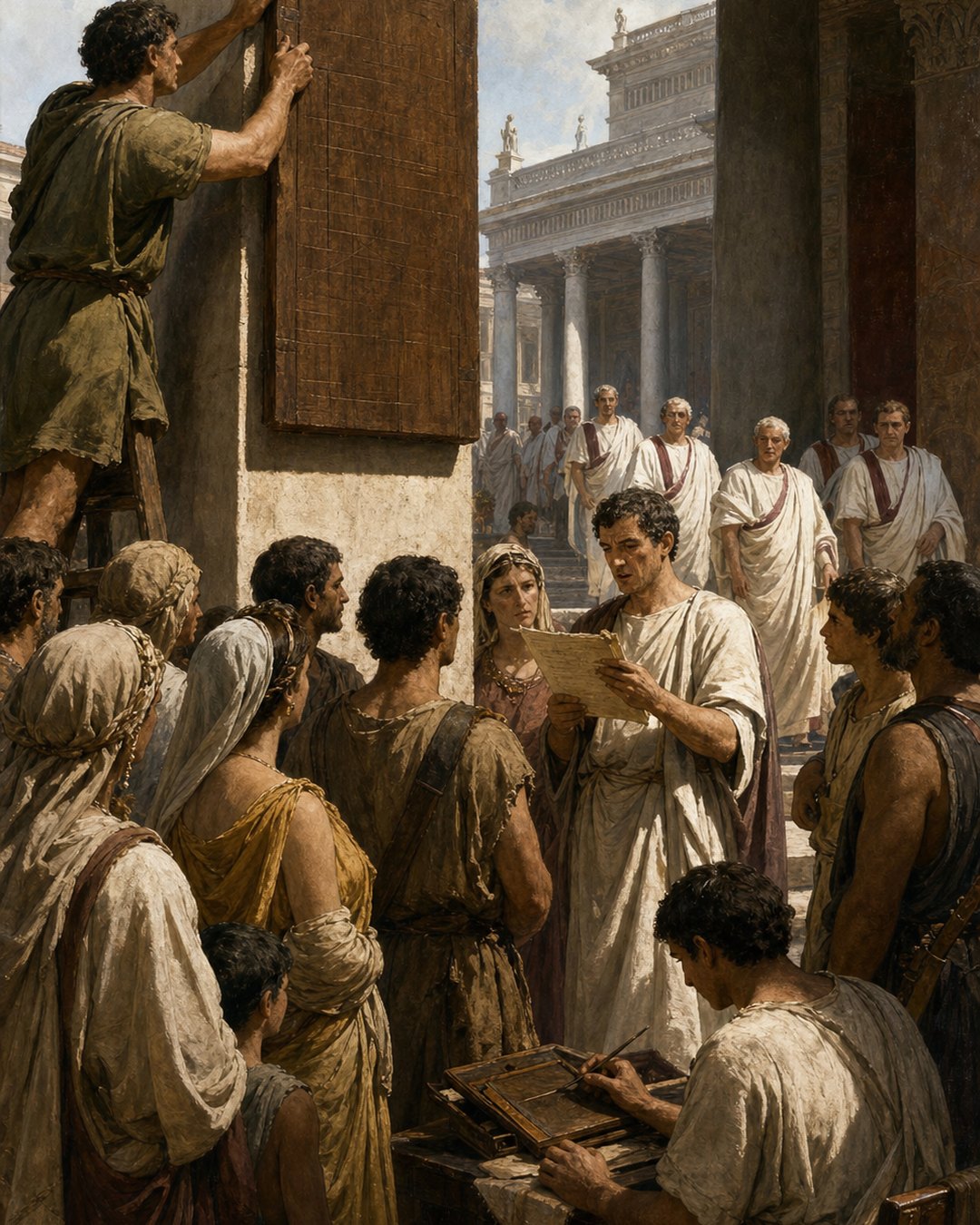
The proconsul remained on his horse as he approached a Roman consul. Nobody immediately told him to get down. The hesitation was understandable. The rider was Fabius Maximus, a former consul and the father of the magistrate in front of him. The lictors knew father and son lived in complete harmony. Household respect, seniority and … Read more
A Shoed Mule Bought a Litigant Time with Vespasian

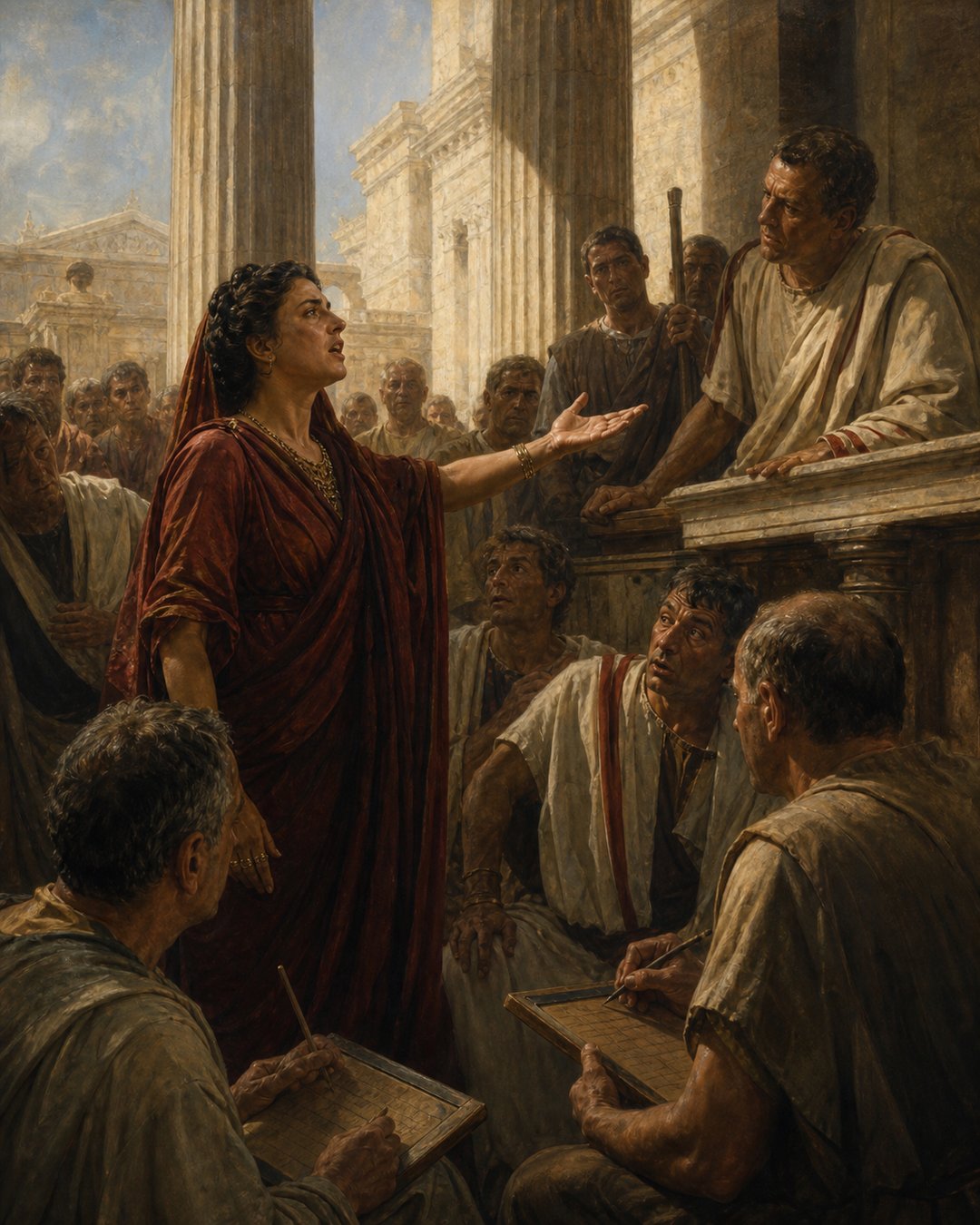
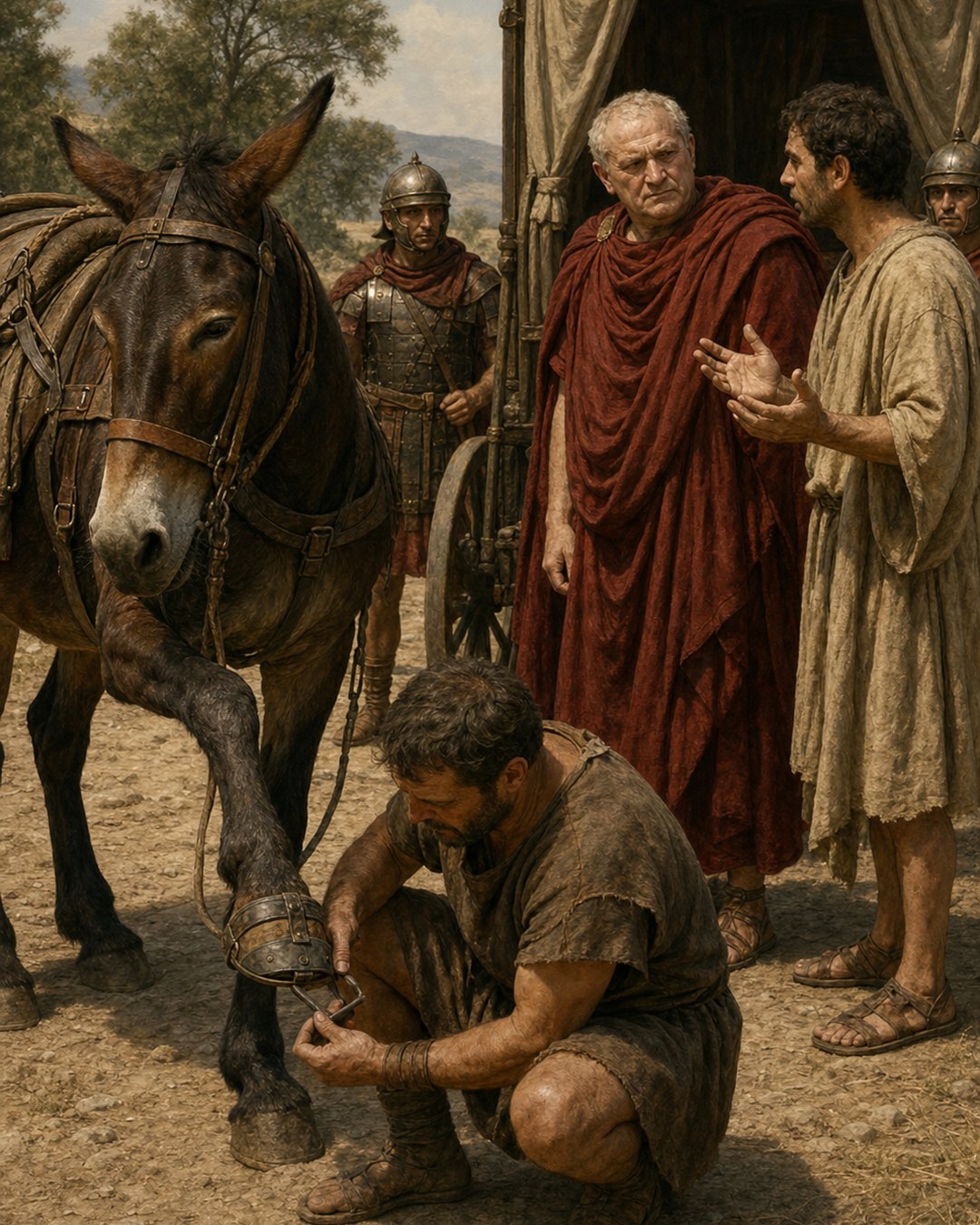
The imperial journey stopped because a mule needed a shoe. At least, that was the explanation offered beside the road. Vespasian suspected a different cause. The muleteer had created just enough delay for a man with a lawsuit to approach the emperor. Someone who could not order the travelling court to halt had apparently found … Read more

Two Abandoned Aqueducts Cost Nicomedia Five Million Sesterces

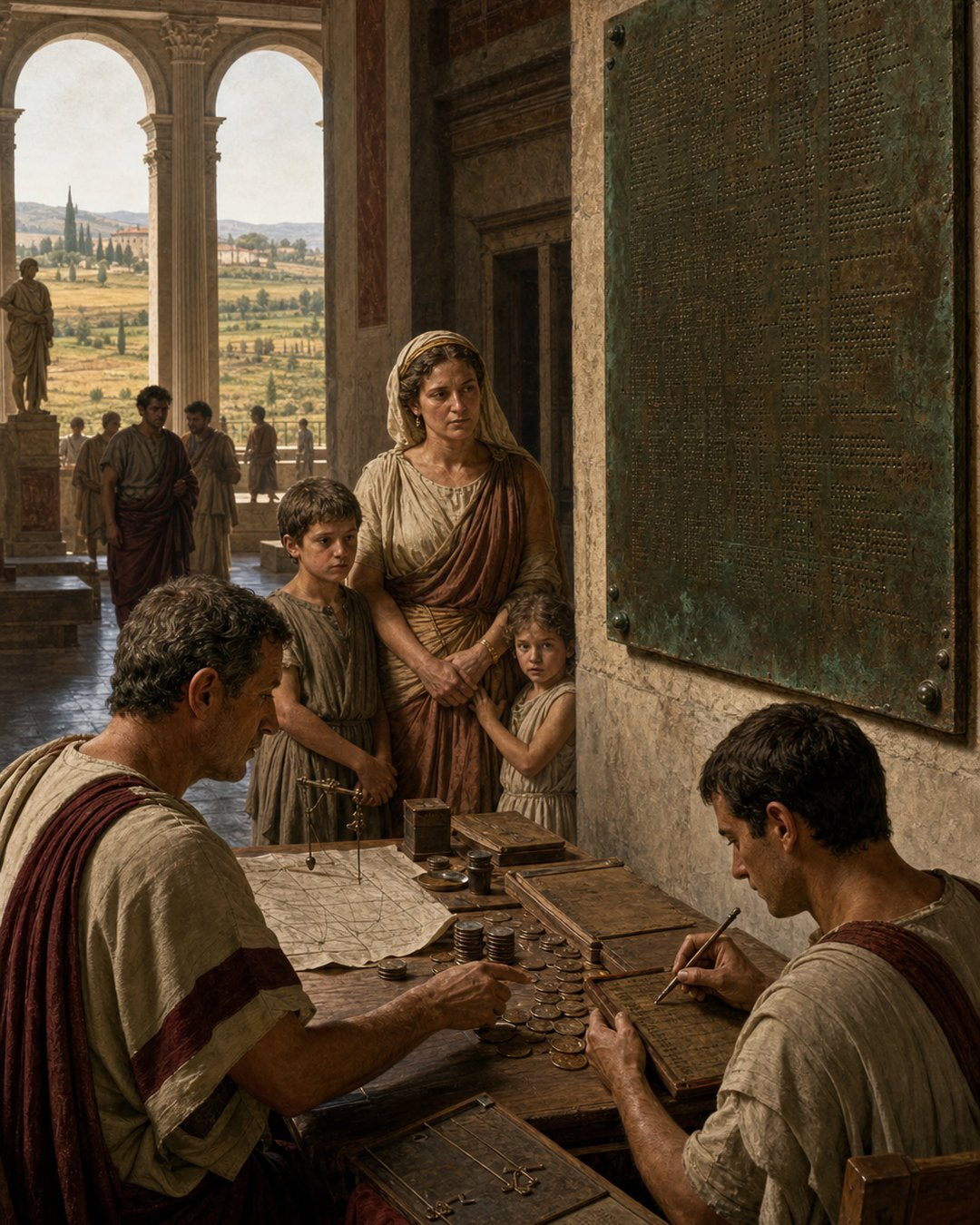
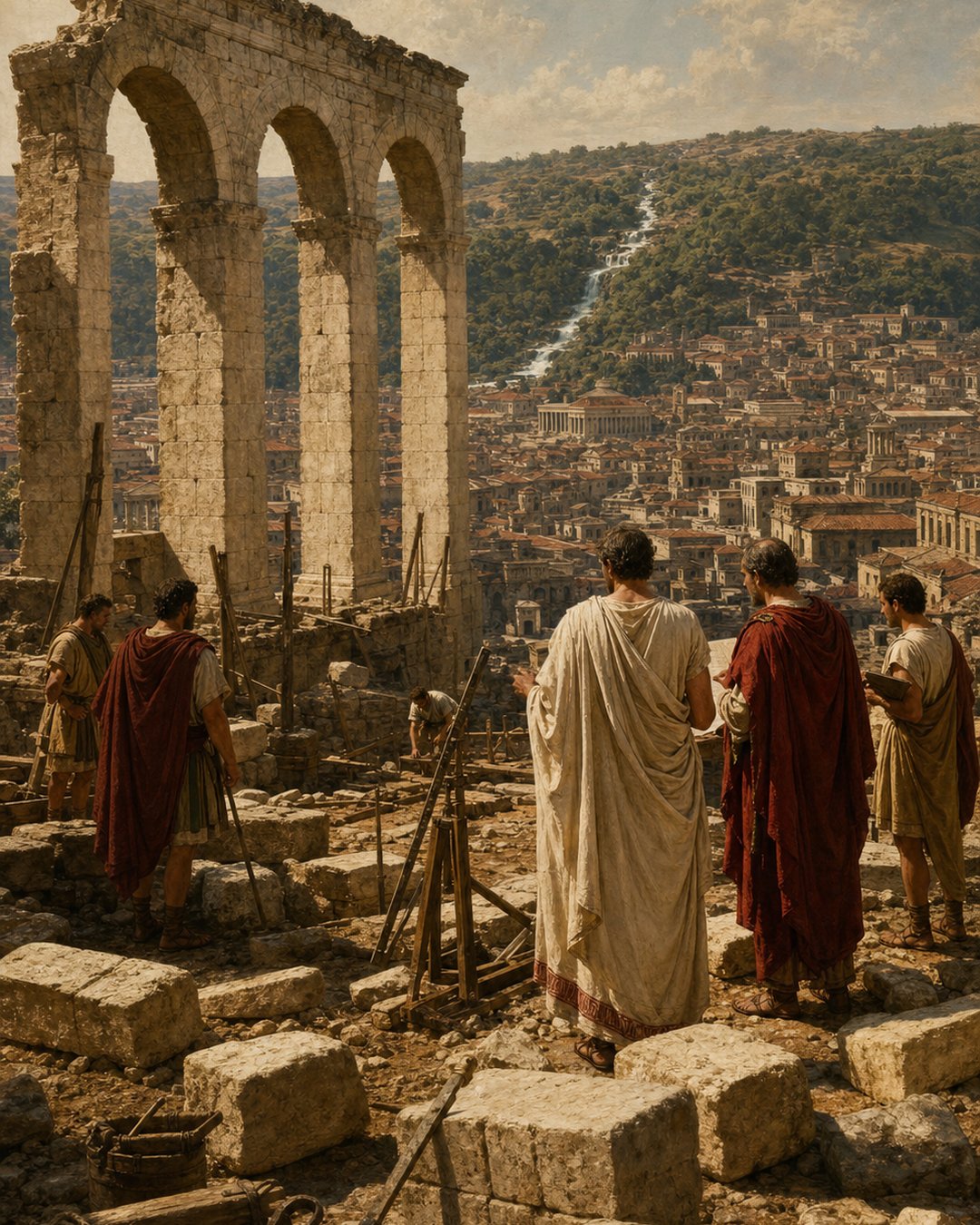
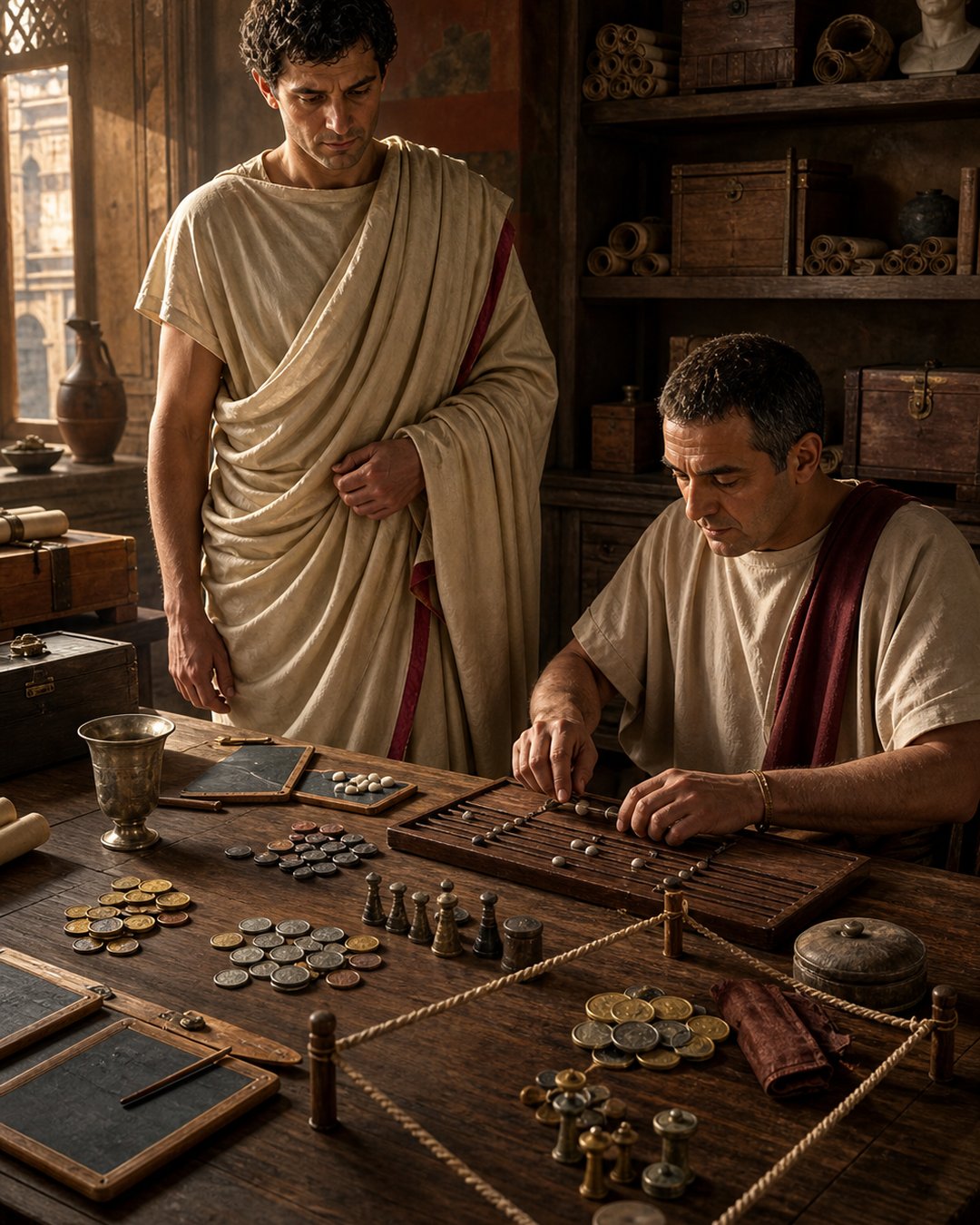
By the time Pliny inspected Nicomedia’s water problem, the city had already paid for failure twice. One aqueduct had consumed 3,329,000 sesterces and stood unfinished, effectively a ruin. A second scheme had raised another two million and had also been abandoned. The combined expenditure did not leave the city with reliable water. It left another … Read more

Marius Offered One Leg to the Surgeon’s Knife

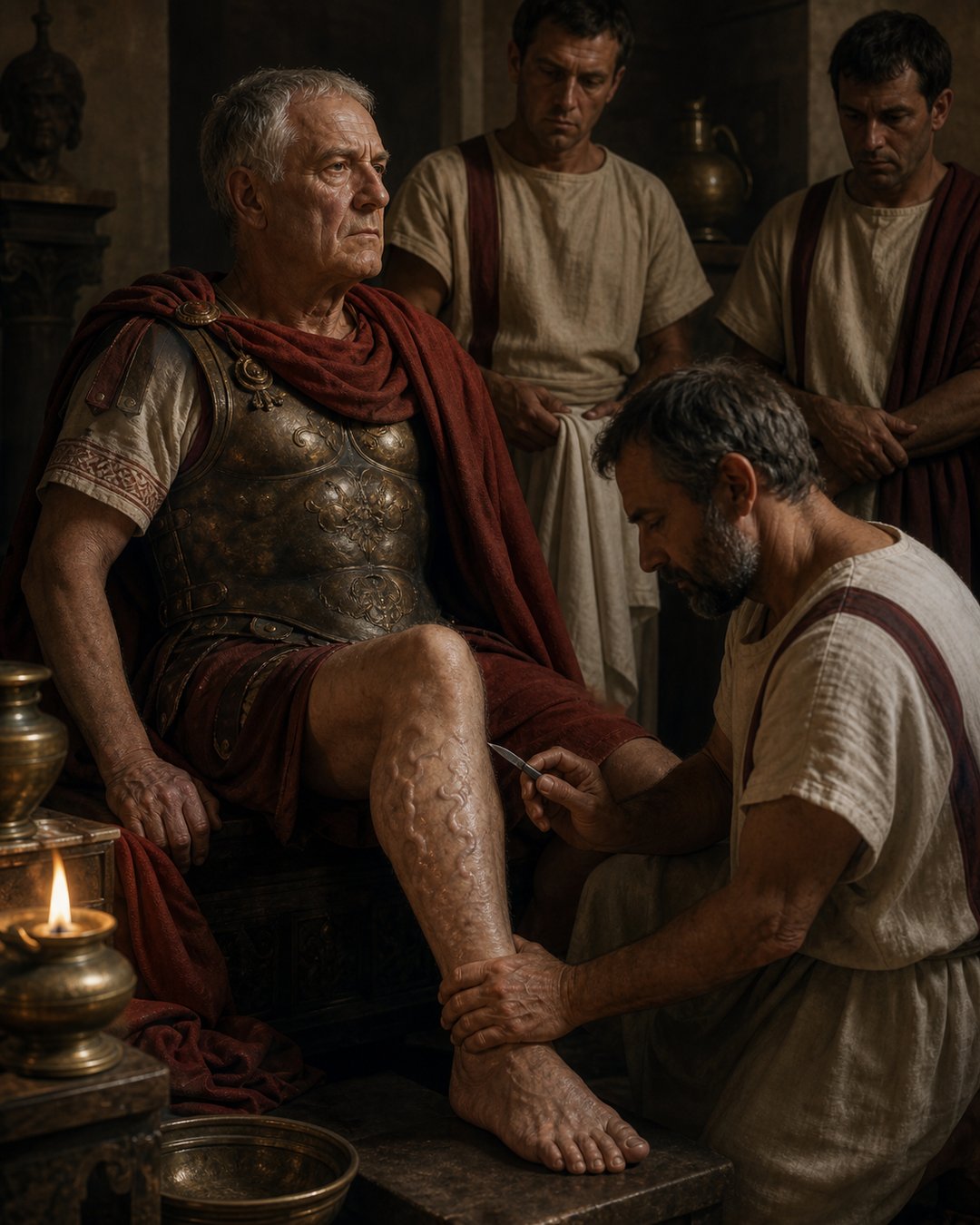
Gaius Marius placed one leg before a physician and refused to be tied down. Plutarch says the Roman endured the knife without movement, groan or change of expression. Then the physician approached the second leg. Marius stopped him. The cure, he decided, was not worth the pain. The abrupt refusal completes the anecdote rather than … Read more

Caracalla Made Nearly Every Free Imperial Subject a Citizen

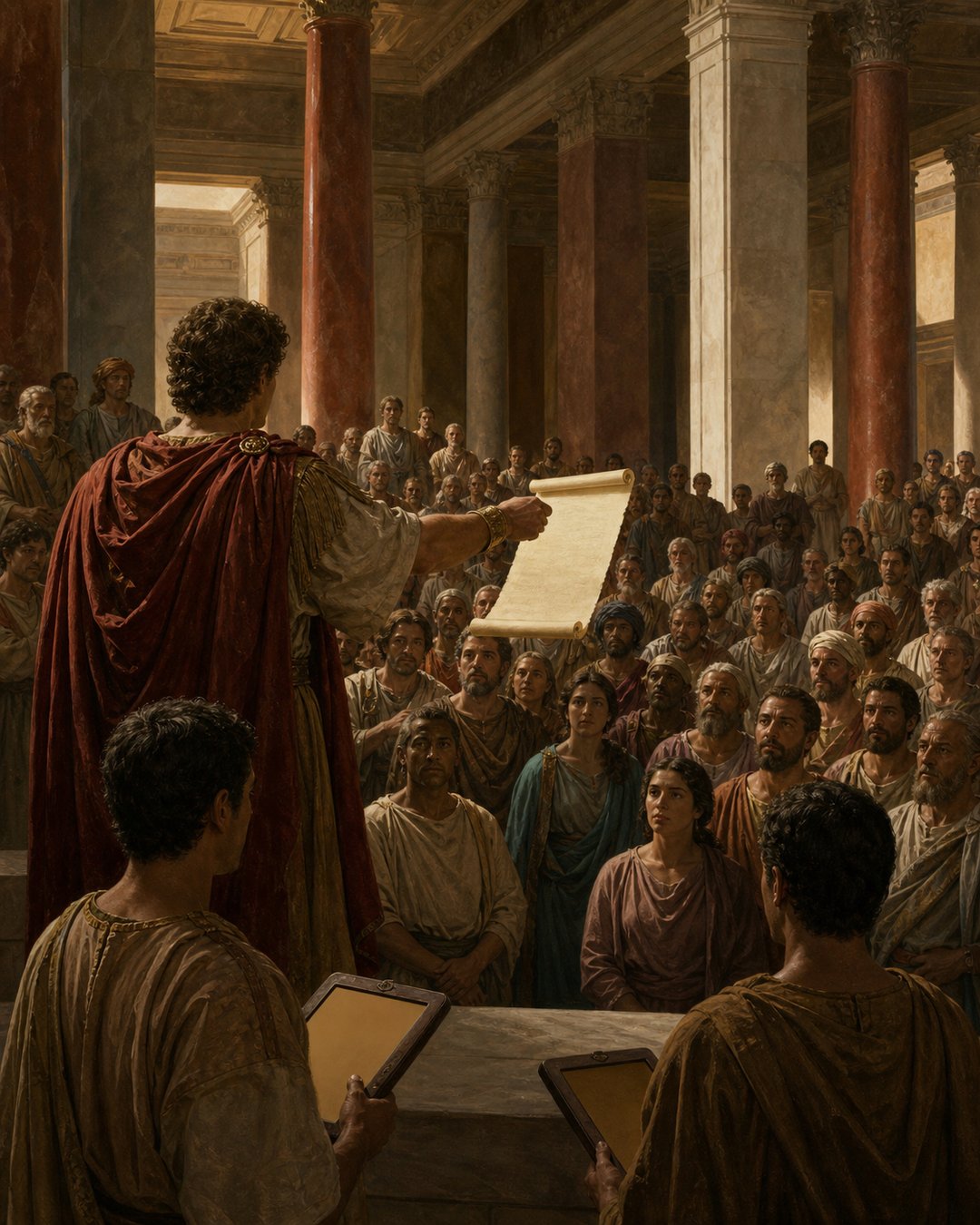
A damaged papyrus preserves the opening of an imperial decision that changed the legal identity of millions. In AD 212, Marcus Aurelius Antoninus—better known as Caracalla—extended Roman citizenship to almost every free inhabitant of the empire. The decree did not flatten the empire into one uniform society. It did something narrower and still enormous: it … Read more

Claudius Added Three Letters to the Roman Alphabet

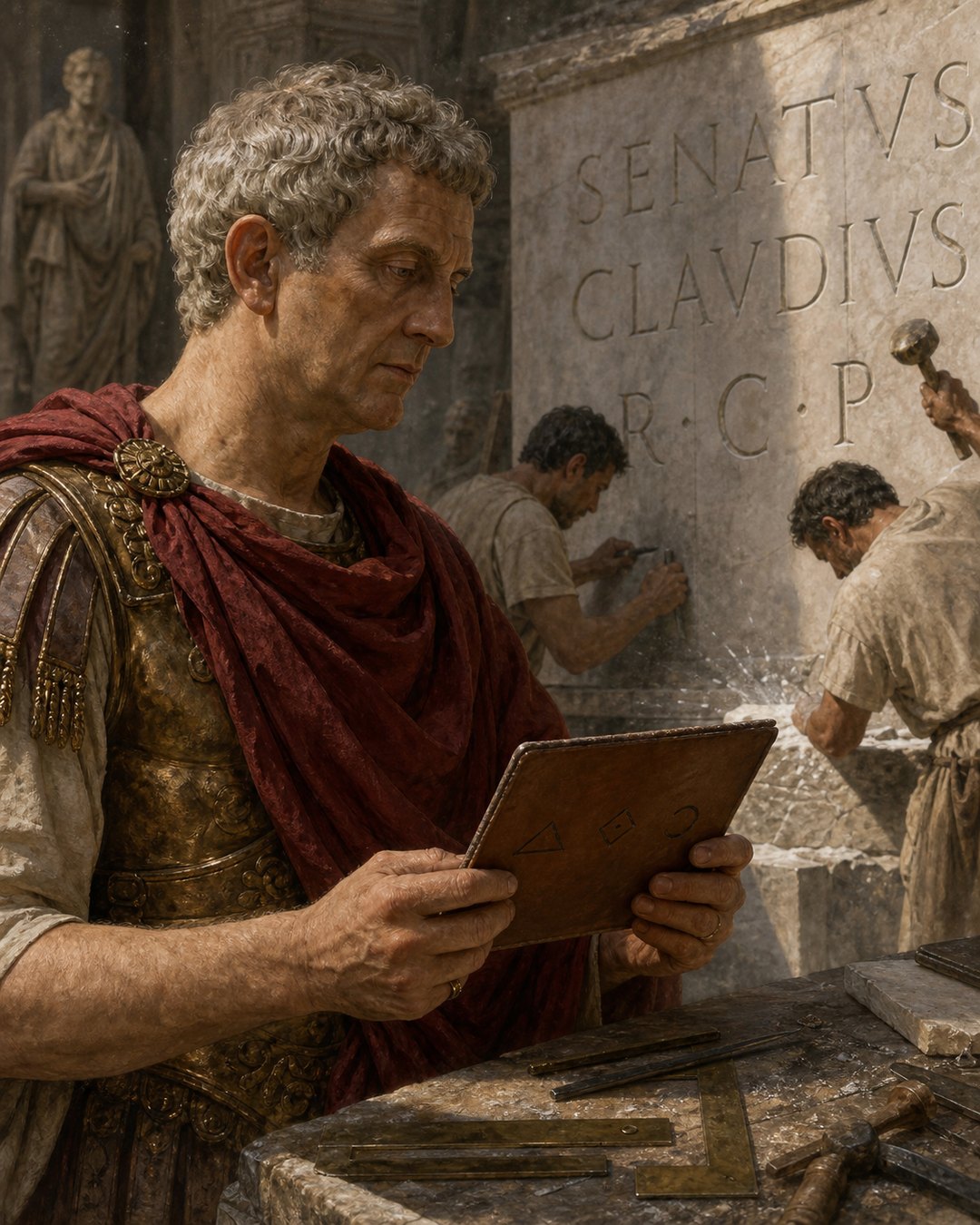
Claudius did not stop at writing histories in Latin and Greek. Before he became emperor, he designed three additions to the Latin alphabet, argued for them in a book, and later used imperial power to put them into public circulation. Suetonius says the characters appeared in books, Rome’s daily gazette, and inscriptions on public buildings. … Read more