Marble, Glass and Gilded Wood Rose for One Month
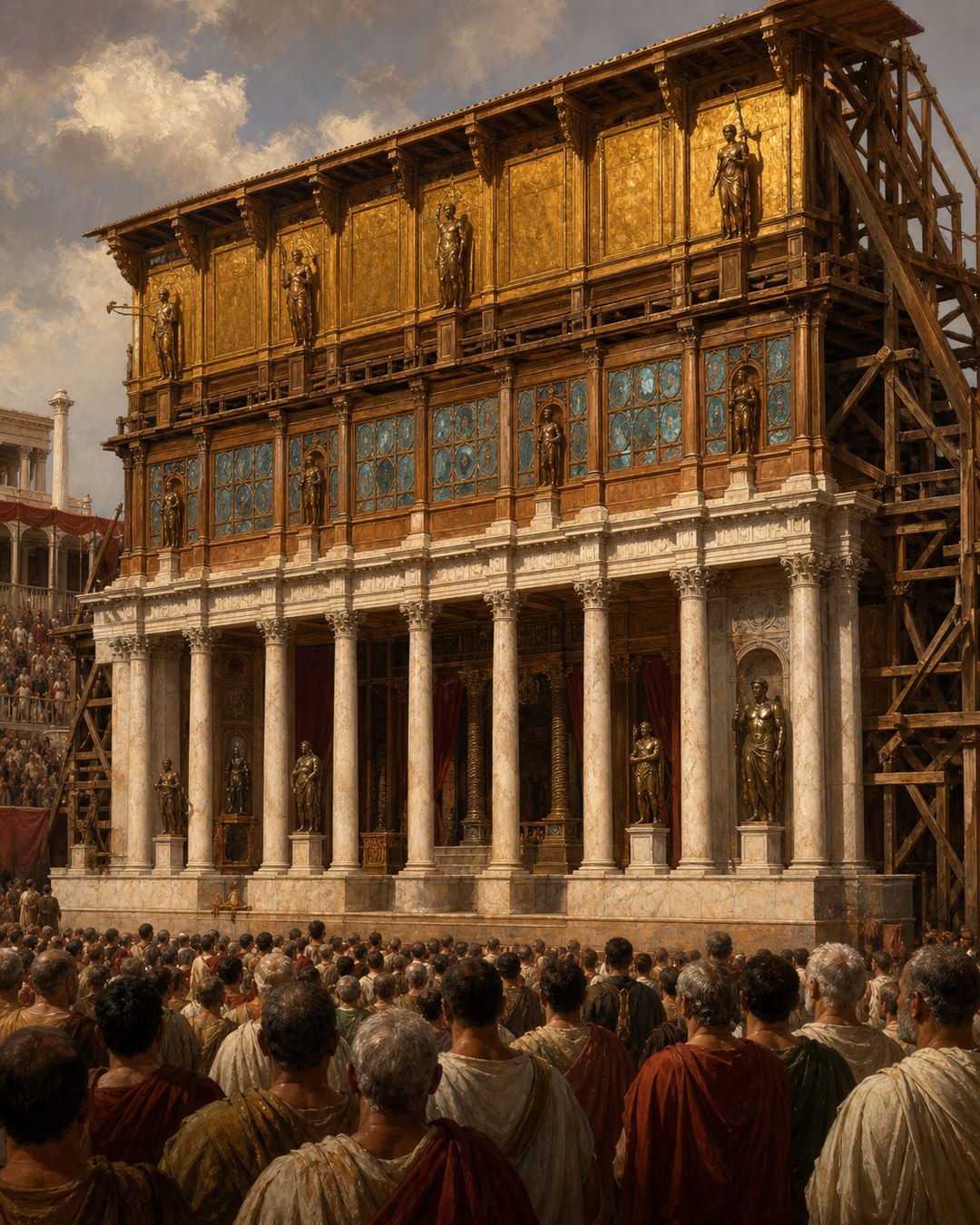
For a few festival days, Rome looked up at a building that seemed determined to exhaust comparison. Its lower stage façade was marble. Above it came glass. Gilded timber occupied the highest level. Pliny counted 360 columns and 3,000 bronze statues, then gave the audience an astonishing reported capacity of 80,000. The sponsor was Marcus … Read more
Vine Was the Wrong Word in an Early Roman Lawsuit

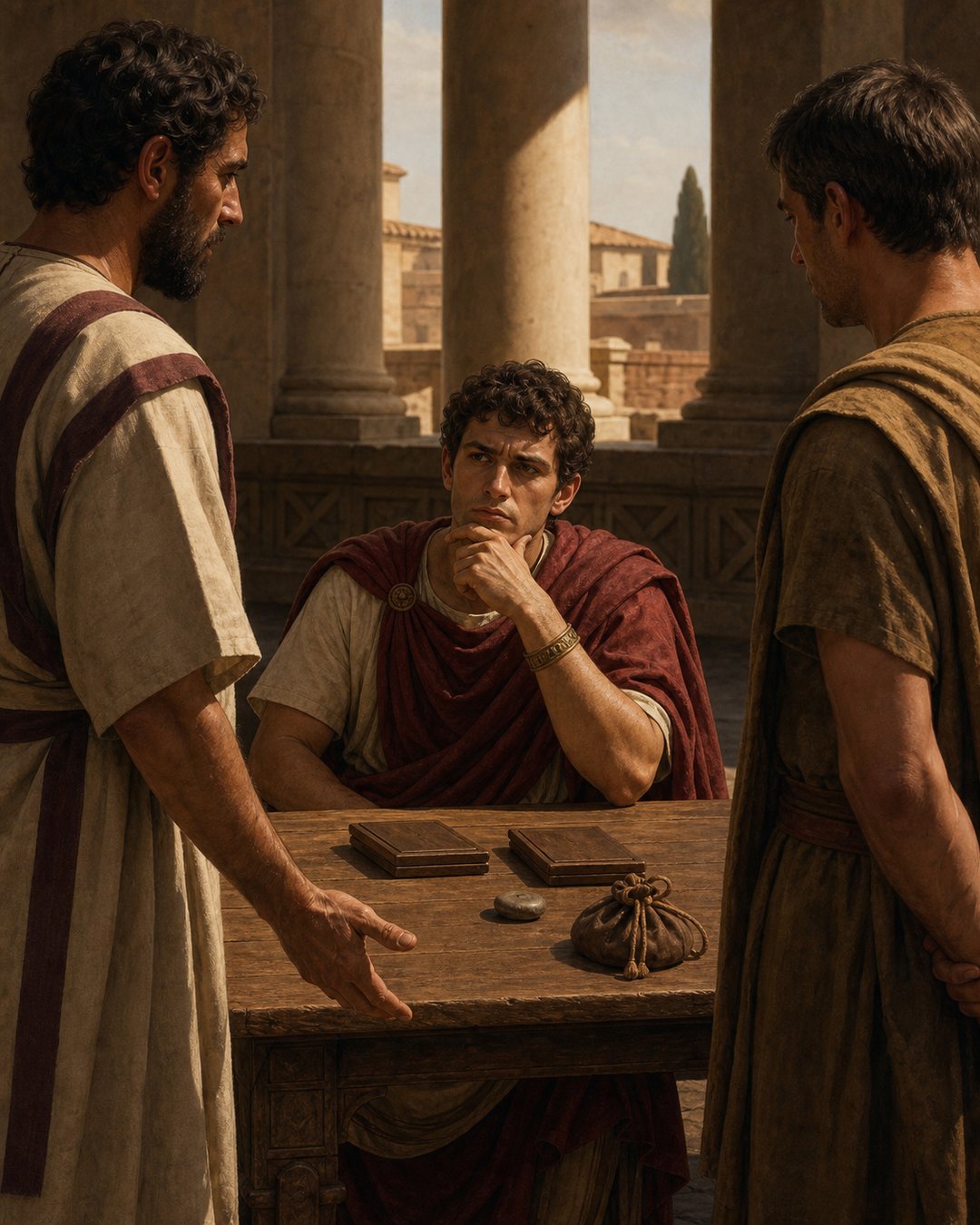
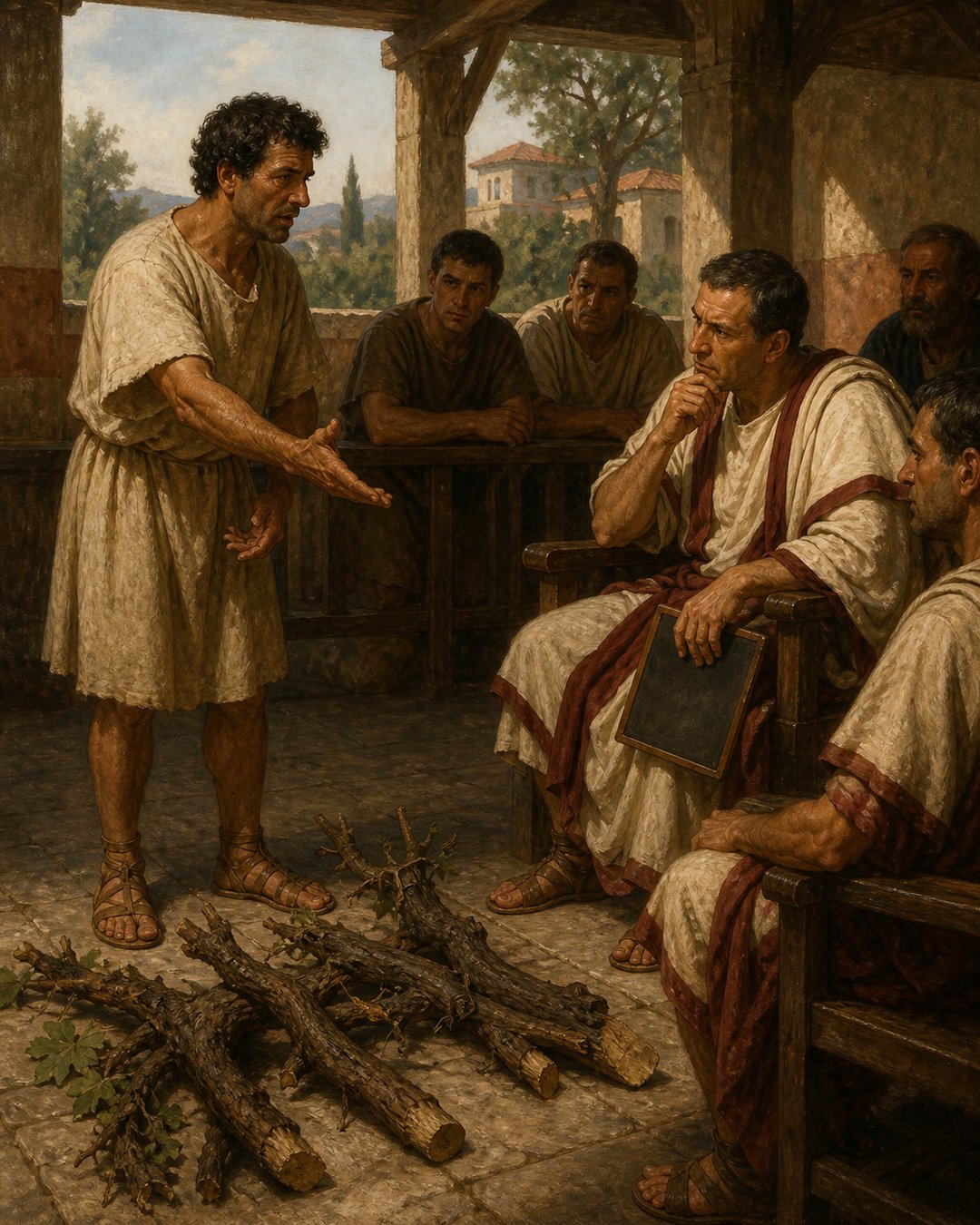
The farmer’s word was accurate. Someone had cut his vines, so he came to court and called them vines. Yet according to the Roman jurist Gaius, that ordinary precision destroyed the action. The old statutory form required him to say “trees.” The dispute therefore stopped at a threshold that feels remote from the damaged field. … Read more

A Young Judge Swore the Evidence Was Not Clear

A money claim came before Aulus Gellius with almost everything a cautious judge might distrust. The claimant produced no receipt, no account entry, no signature, no sealed deed, and no witness. Yet Gellius believed him to be a man of tested honesty. The defendant, surrounded by advocates, had a reputation for lies and fraud. The … Read more

Three Seal Rings Carried Augustus from Sphinx to Portrait

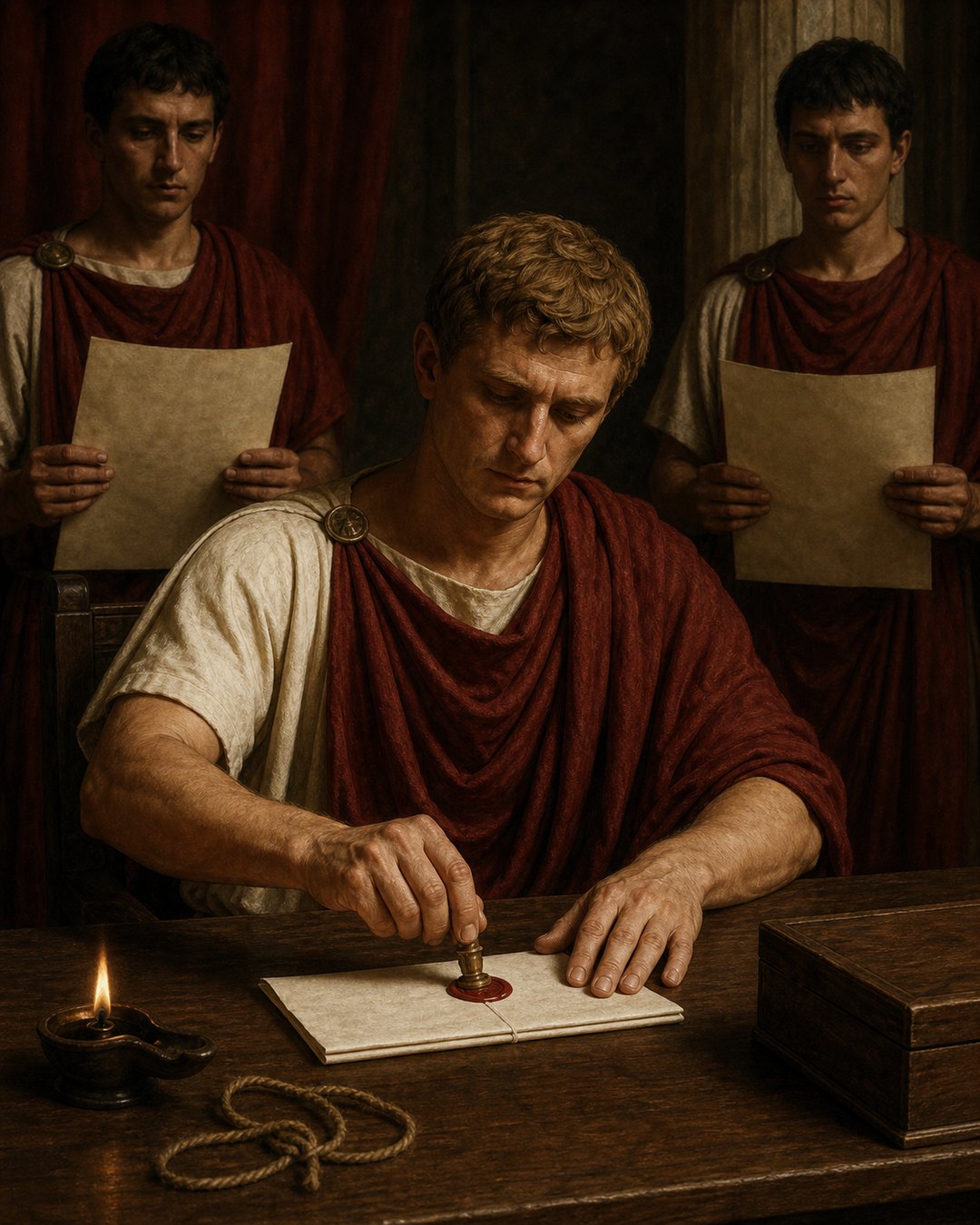
An obscure letter from Augustus could provoke a joke before it provoked obedience. The emperor’s first seal showed a sphinx. When recipients struggled with his meaning, Suetonius says, they remarked that the sphinx had brought riddles. The joke reveals what a signet could and could not do. Its impression could identify the sender and protect … Read more

Scipio Turned His Trial Day into Zama’s Anniversary

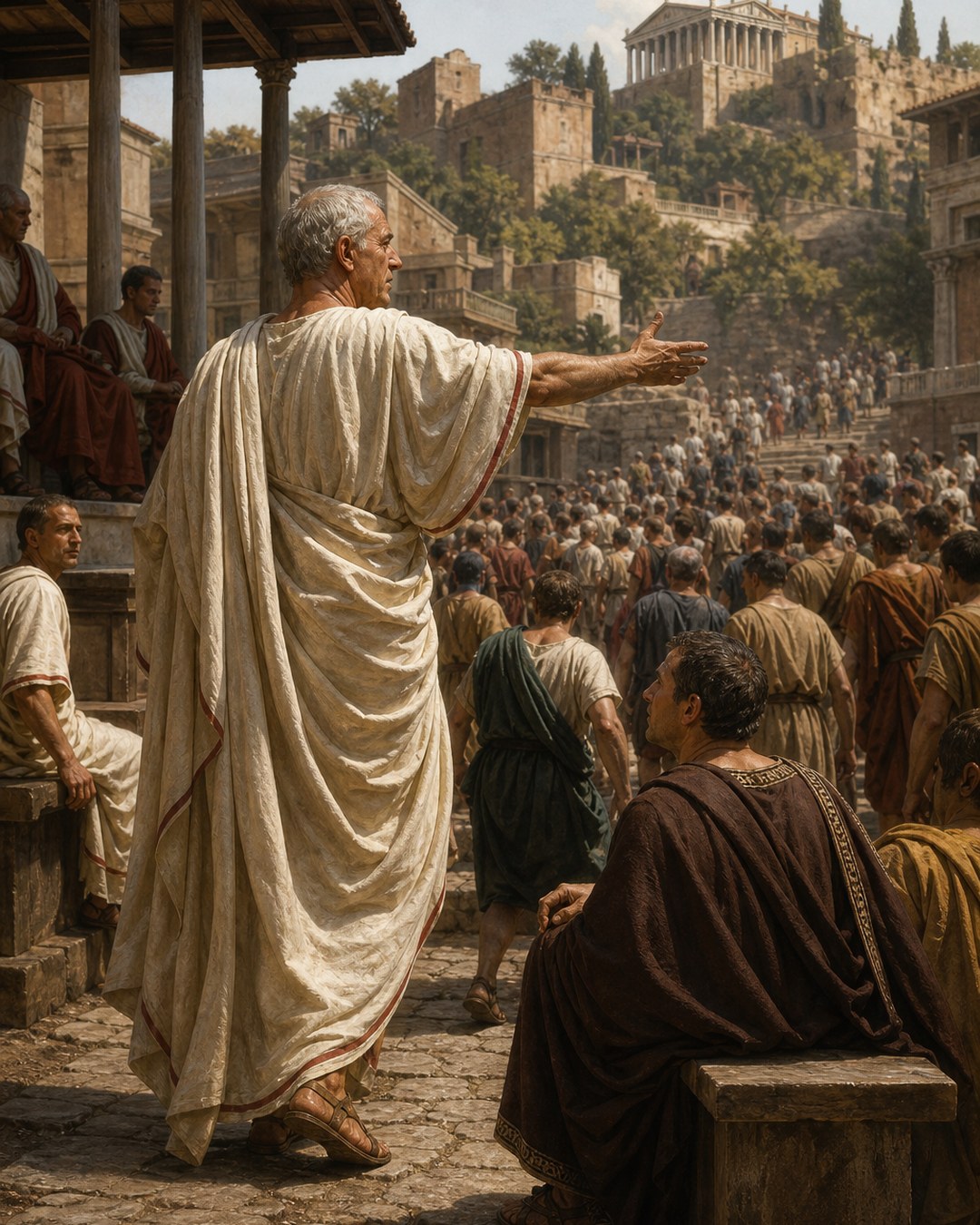
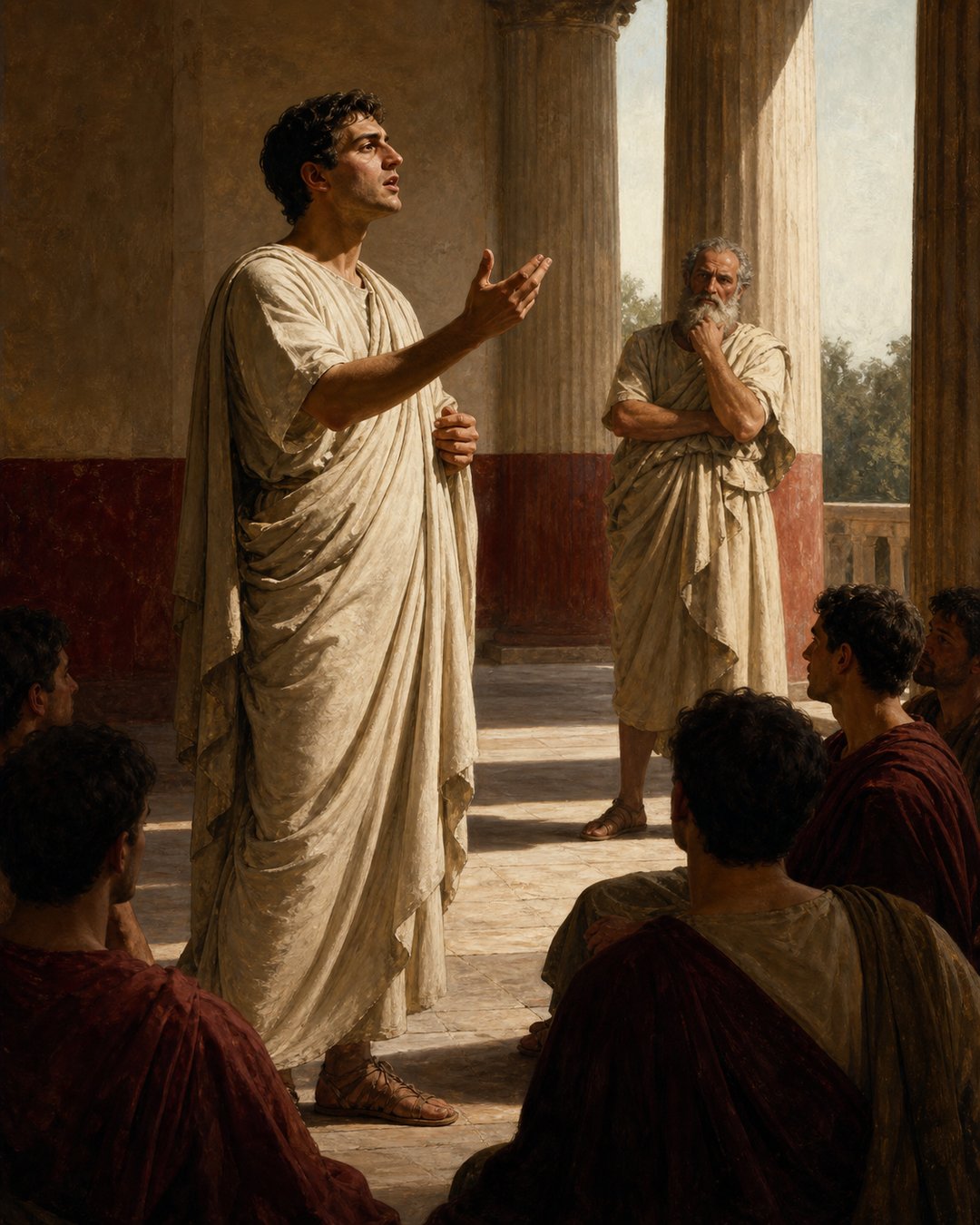
At dawn, the tribunes took their places on the Rostra. Scipio Africanus arrived through the Forum with friends, clients, and a crowd drawn from every social rank. He was not entering Rome in a triumphal chariot. He was appearing as a defendant, summoned to answer accusations involving money, influence, and his conduct around the war … Read more

Alexander Rejected a City Carved into Mount Athos

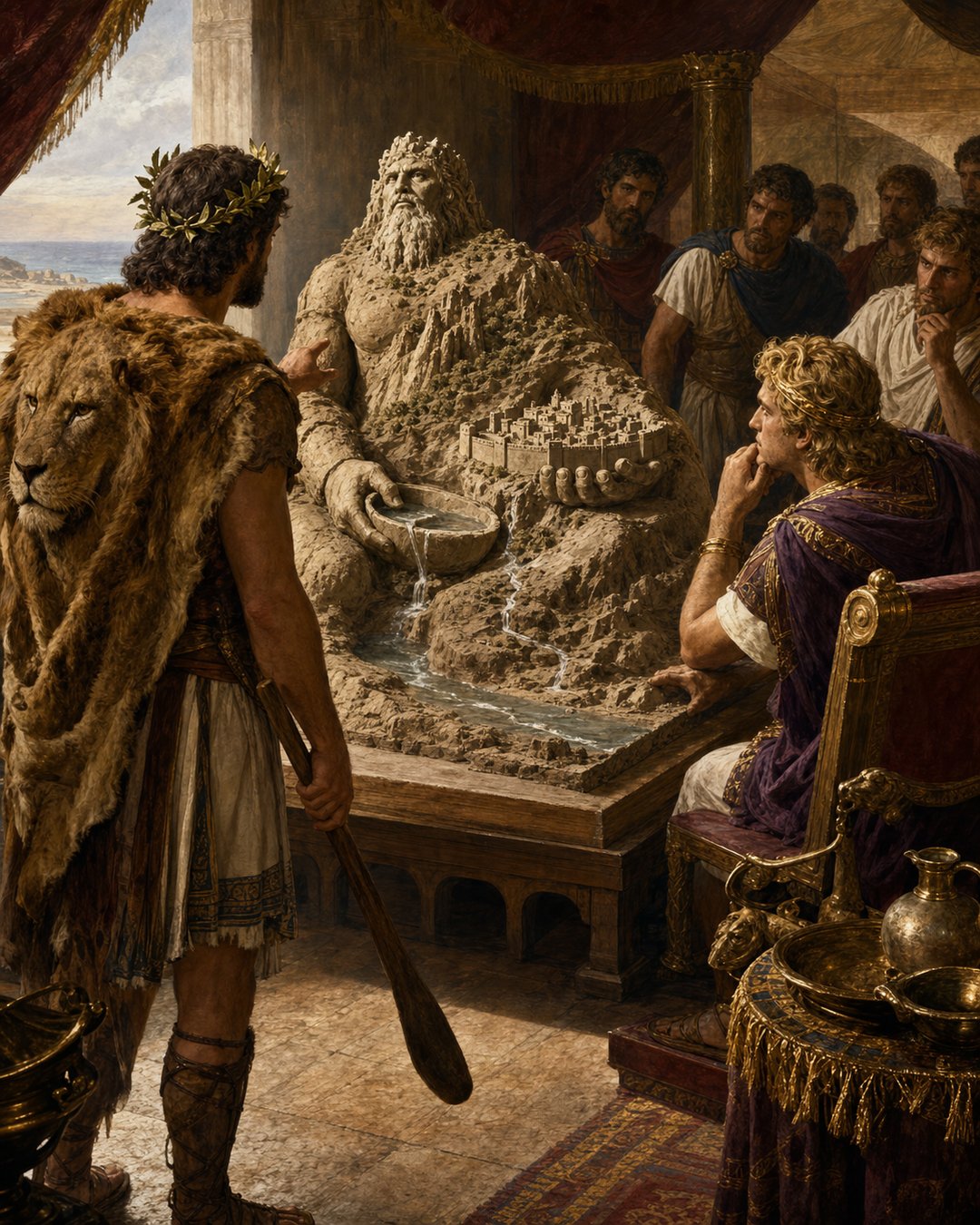
Dinocrates did not wait quietly for a royal appointment. According to Vitruvius, the Macedonian architect reached Alexander’s army with letters to powerful men, watched those introductions stall, and decided to turn his own body into the invitation. He stripped off his ordinary clothing, covered himself with oil, placed a poplar wreath on his head, slung … Read more

Cicero Trained a Harsh Voice for the Forum

Cicero’s young voice was powerful enough to make listeners worry about the body producing it. Plutarch describes him as spare and lean, troubled by a weak stomach and able to take only a little light food late in the day. His voice was full and strong, yet harsh and unmodulated. Passion drove it upward into … Read more

Lollia Paulina Wore Forty Million Sesterces to Dinner

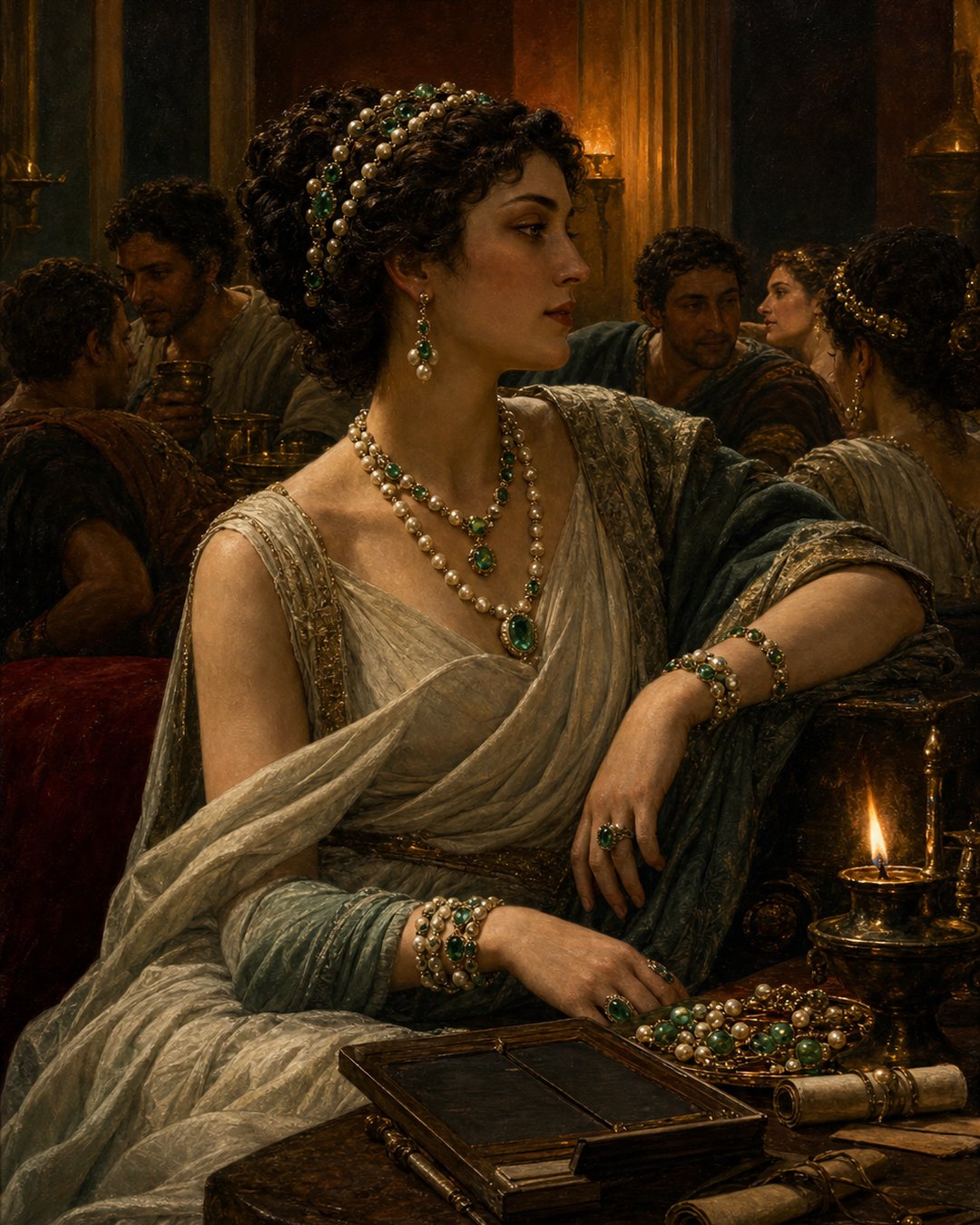
Pliny the Elder chose an ordinary dinner to make wealth look extraordinary. He remembered seeing Lollia Paulina, once the wife of Emperor Caius, arrive covered in alternating layers of pearls and emeralds. They appeared on her head and in her hair, among her wreaths, at her ears and neck, around her wrists, and on her … Read more

Six Hundred Miles of Amber Ended in Nero’s Arena

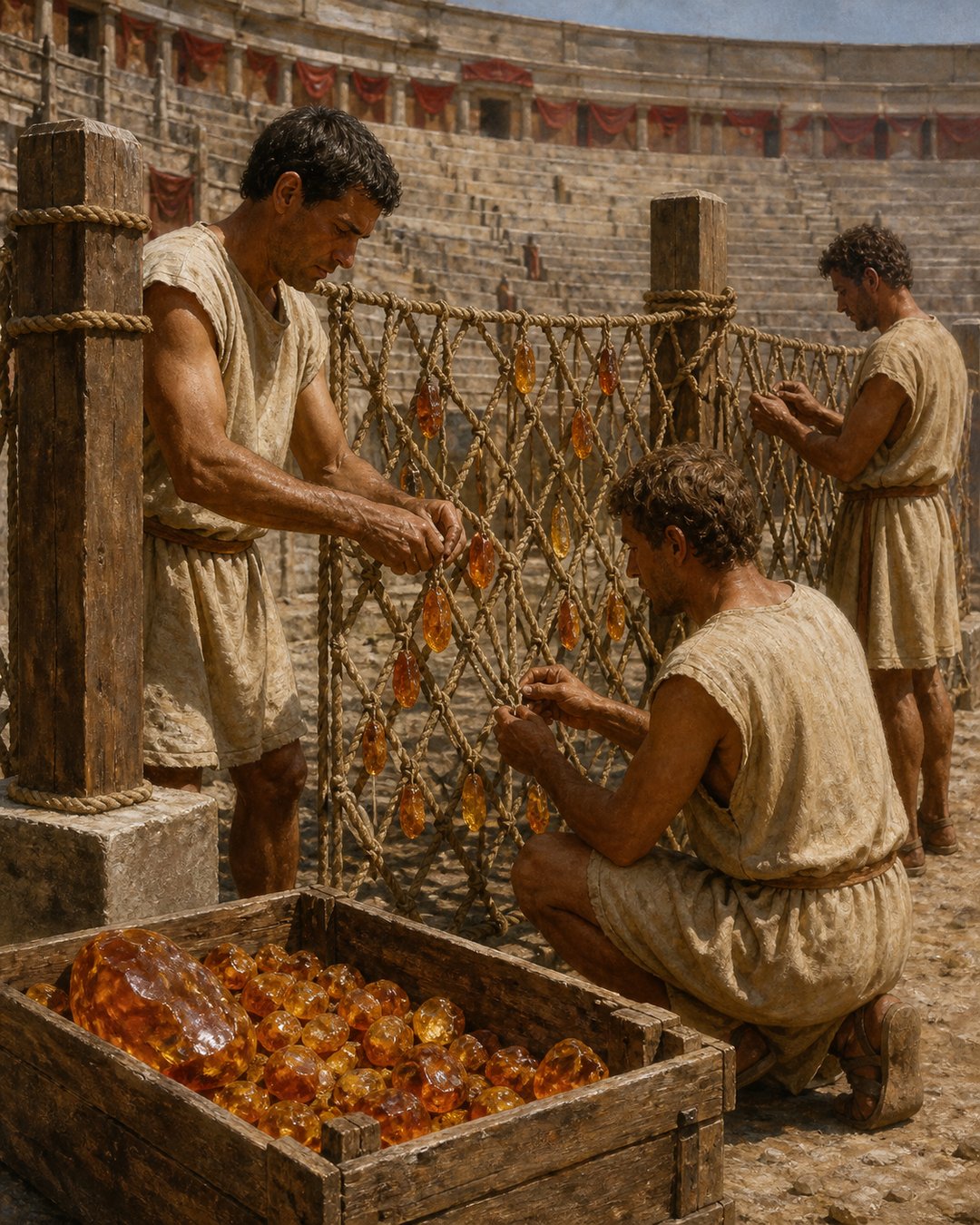
The scene Pliny records begins far from the arena. A Roman of equestrian rank travelled north from the Pannonian frontier, crossed markets along the coast, and returned with enough amber to alter the look of a day at Nero’s gladiatorial games. The distance Pliny gives between Carnuntum and the supplying coast is about six hundred … Read more