Ten Days Put Caesar’s Road Across the Rhine

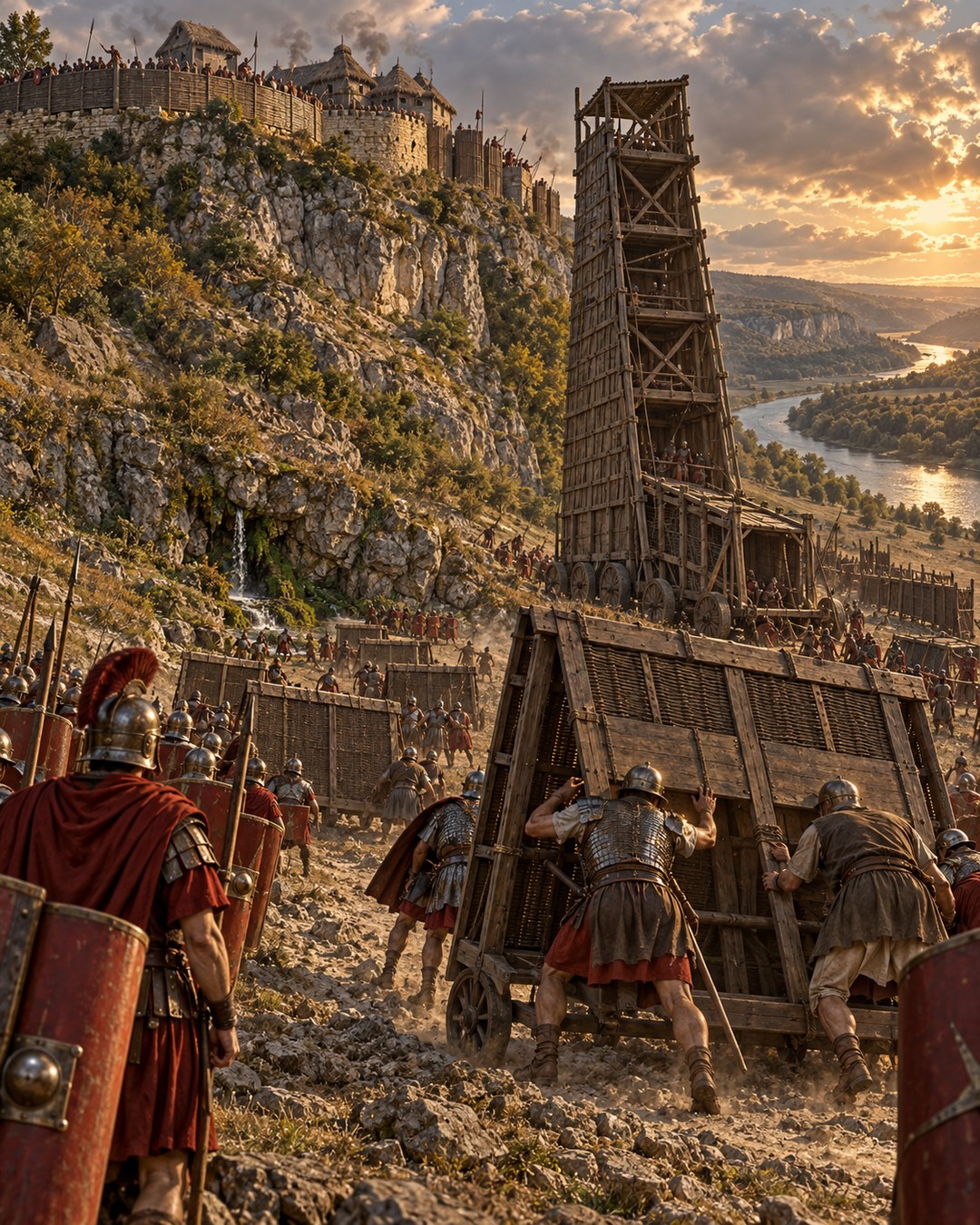
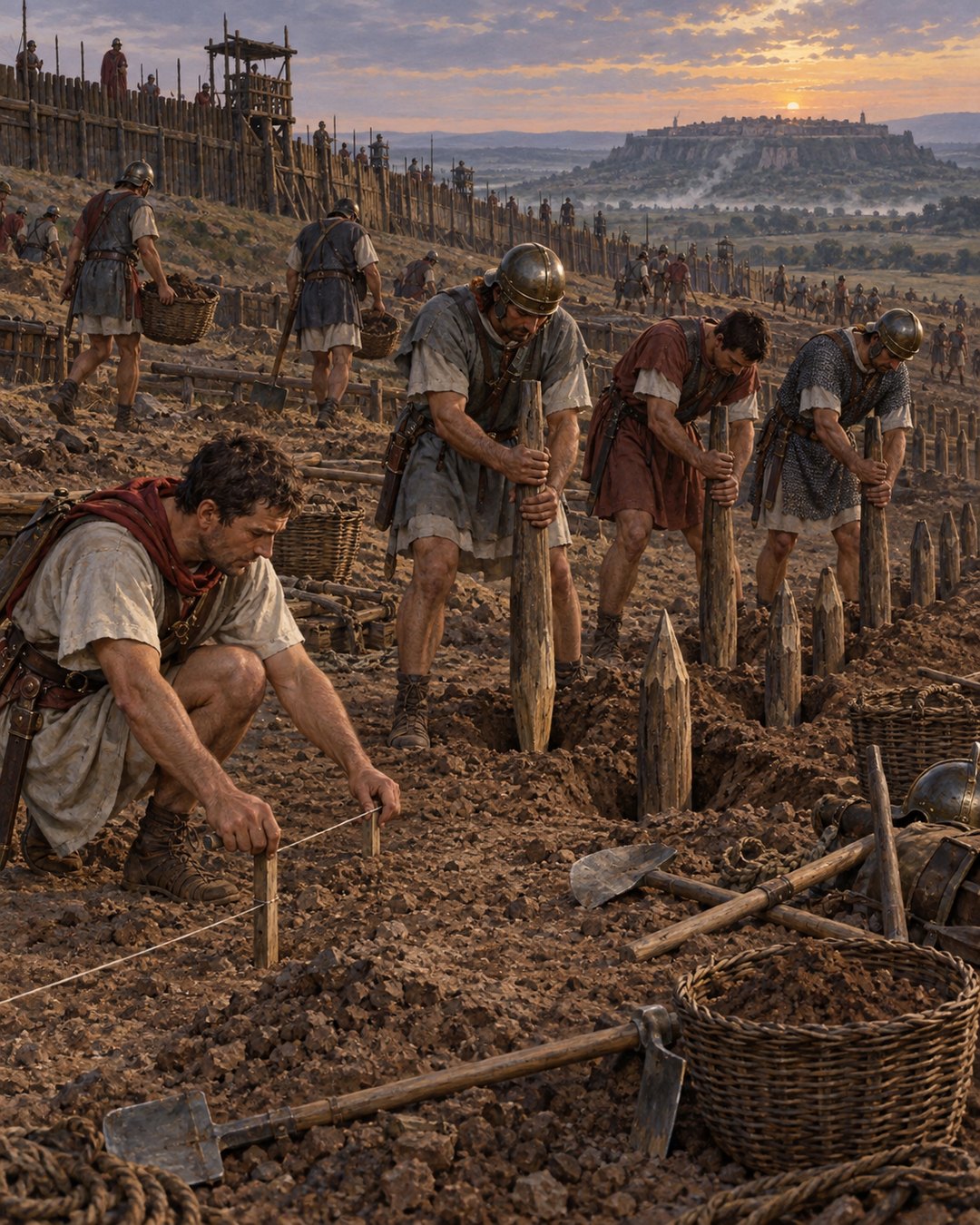
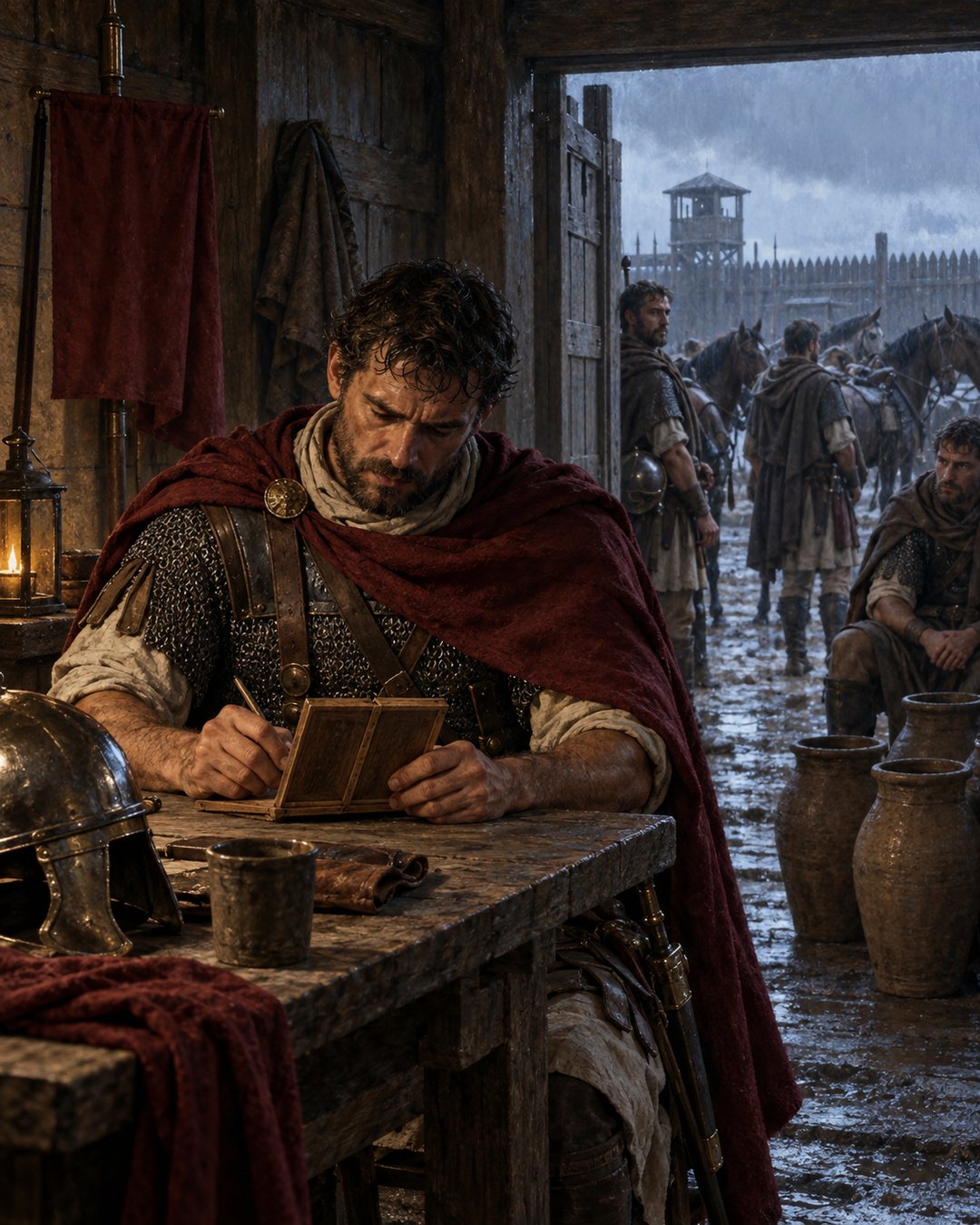
The Rhine did not need to be held forever to serve Julius Caesar. In 55 BC, it needed to be crossed in a way that everyone on both banks would remember. Boats could carry soldiers. Caesar rejected that solution and ordered his army to put a timber road across one of Europe’s great rivers. His … Read more

Sertorius’s White Fawn Made Secret Intelligence Look Divine

A white fawn walked through Quintus Sertorius’s camp in Hispania as if it belonged beside the commander’s chair. It answered his call, followed him through crowds and appeared at moments when news had turned favorable. Sertorius said the animal came from Diana. His soldiers could watch an ordinary military report become a divine message before … Read more

Smoke Killed Roman Soldiers Beneath Dura-Europos

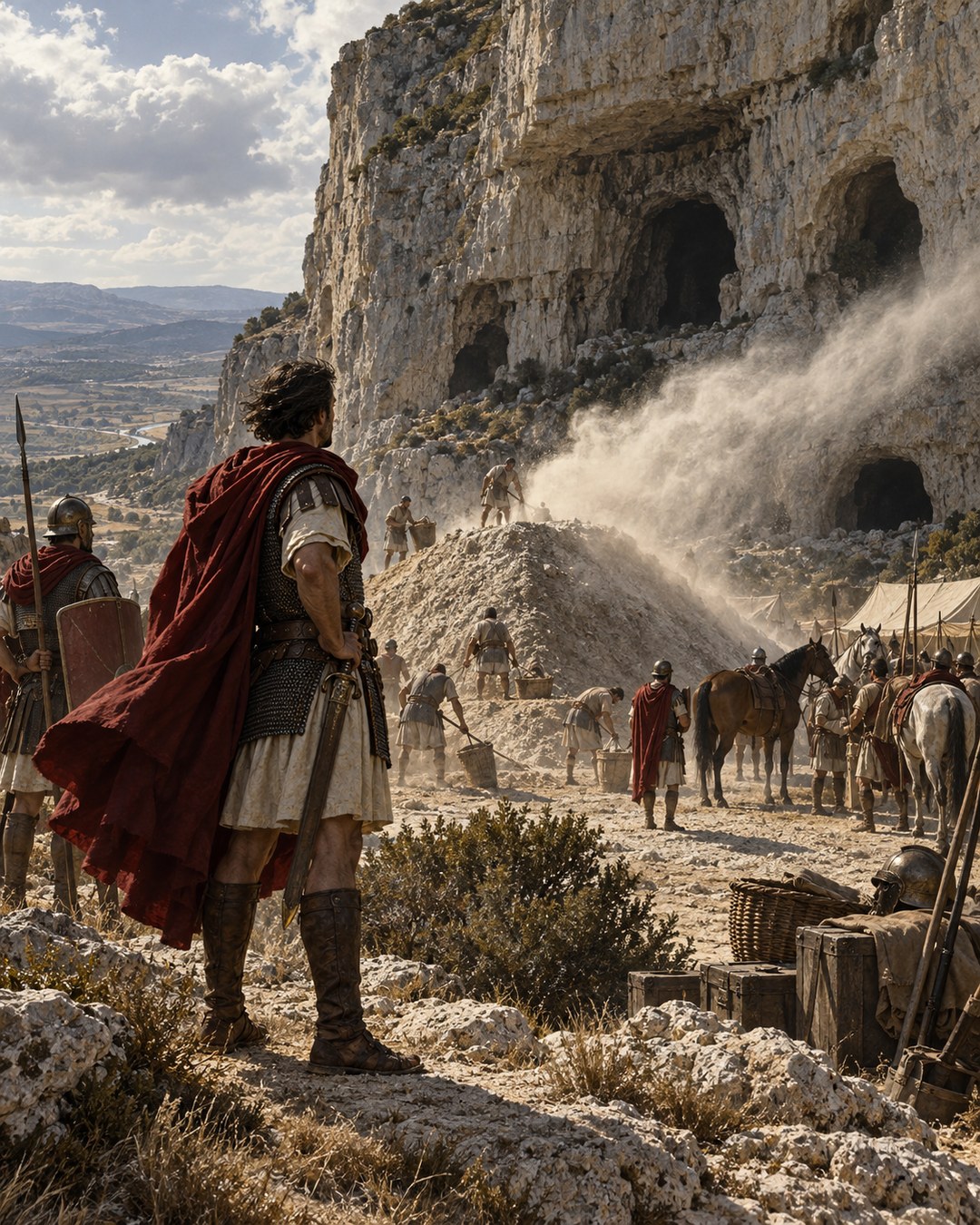
The Roman soldiers did not meet their enemy on an open wall. They crawled into a tunnel beneath Tower 19 at Dura-Europos, lamps and shields squeezed between timber and earth. Ahead lay Sasanian miners trying to bring down the city’s defenses. In the confined darkness, the first decisive blow may have been a cloud. Excavators … Read more

Actium Was Decided Before the Fleets Collided

On 2 September 31 BCE, Antony and Cleopatra’s fleet faced Octavian’s forces near Actium on the western coast of Greece. The famous image is a line of heavy warships, Cleopatra’s squadron breaking through and Antony following her toward Egypt. That dramatic exit was real enough to dominate later storytelling. It was not the beginning of … Read more

Seven Miles to the Fire: Scipio’s Midnight Attack

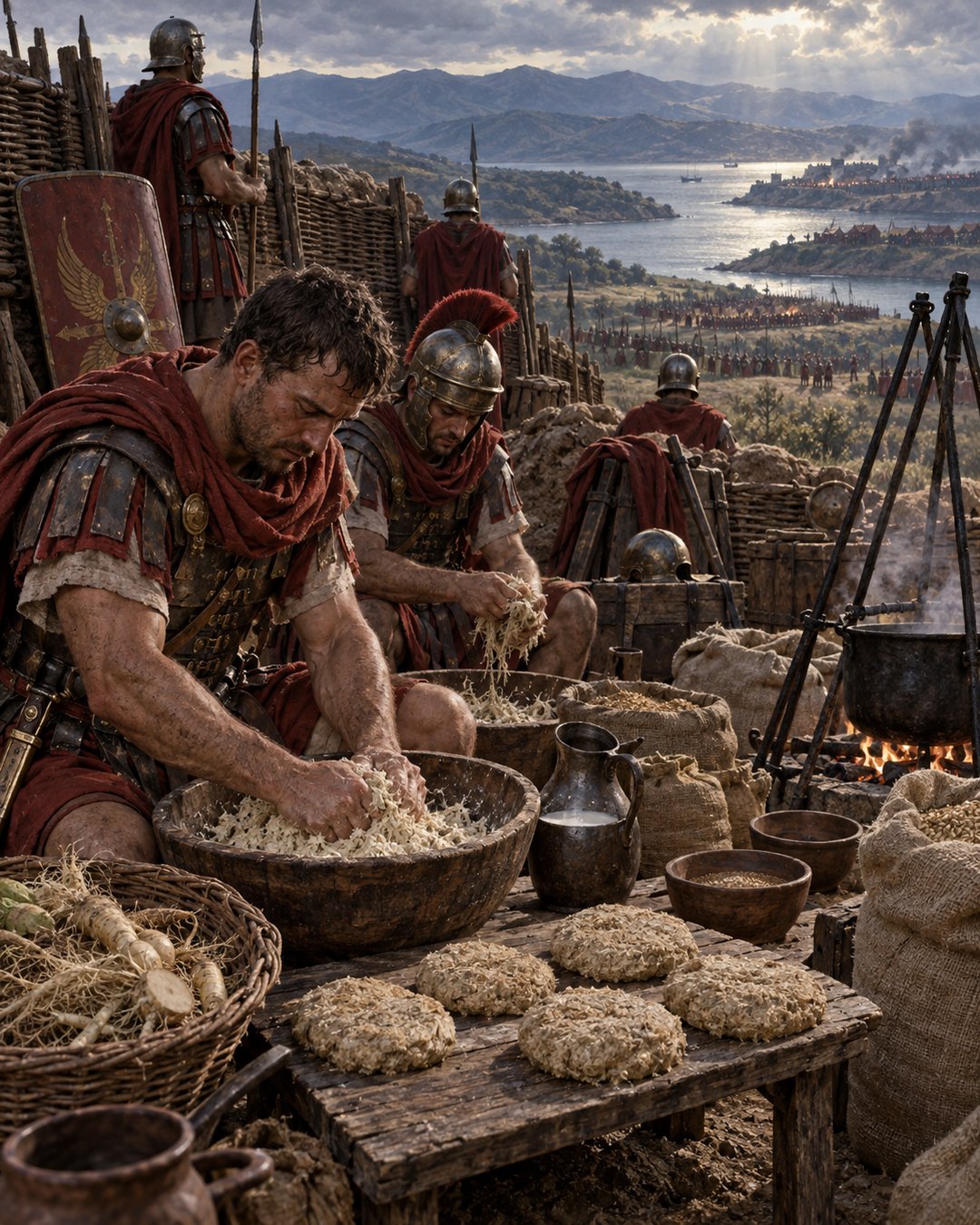
At sunset in 203 BCE, Roman troops left their camp in North Africa without the noise of a normal advance. They marched seven miles at an easy pace and deployed before midnight. Ahead of them stood two allied encampments: the Numidian king Syphax in huts of reeds and timber, and Hasdrubal Gisco with the Carthaginians. … Read more

Why the Anvil Matters as Much as the Hammer

A hammer can strike hot iron in open air, but without support much of the blow merely sends the workpiece away. Forging begins when the metal is caught between two forces: the descending hammer and a surface that refuses to follow it. The anvil is that second participant. It has no handle and makes no … Read more

Winning by Fractions: How a Roman File Shaped Metal

Forging gets the sparks, but fitting decides whether the object works. A Roman smith could hammer a bar close to shape and still find that a joint bound, an edge stood proud or a pin refused its opening. One more heavy blow might bend the part or undo an hour of work. The remaining error … Read more

From Butchered Bone to Sewing Needle

After meat had been removed, an animal bone still contained a workshop problem. Its dense outer wall was hard enough to become a tool, but it curved, narrowed, enclosed a hollow and carried pores, joints and scars from life. A needle could not simply be snapped from it. The maker had to find one straight, … Read more

Why Roman Shipwrights Joined the Hull Before Raising the Frames

A Roman merchant hull could become a boat before it possessed the skeleton a modern observer expects. On a Mediterranean building shore, shipwrights set a keel, shaped heavy planks to its curve and locked each new strake to the one below. The fastenings disappeared as the shell rose, leaving a smooth wooden surface where the … Read more