Why the Anvil Matters as Much as the Hammer
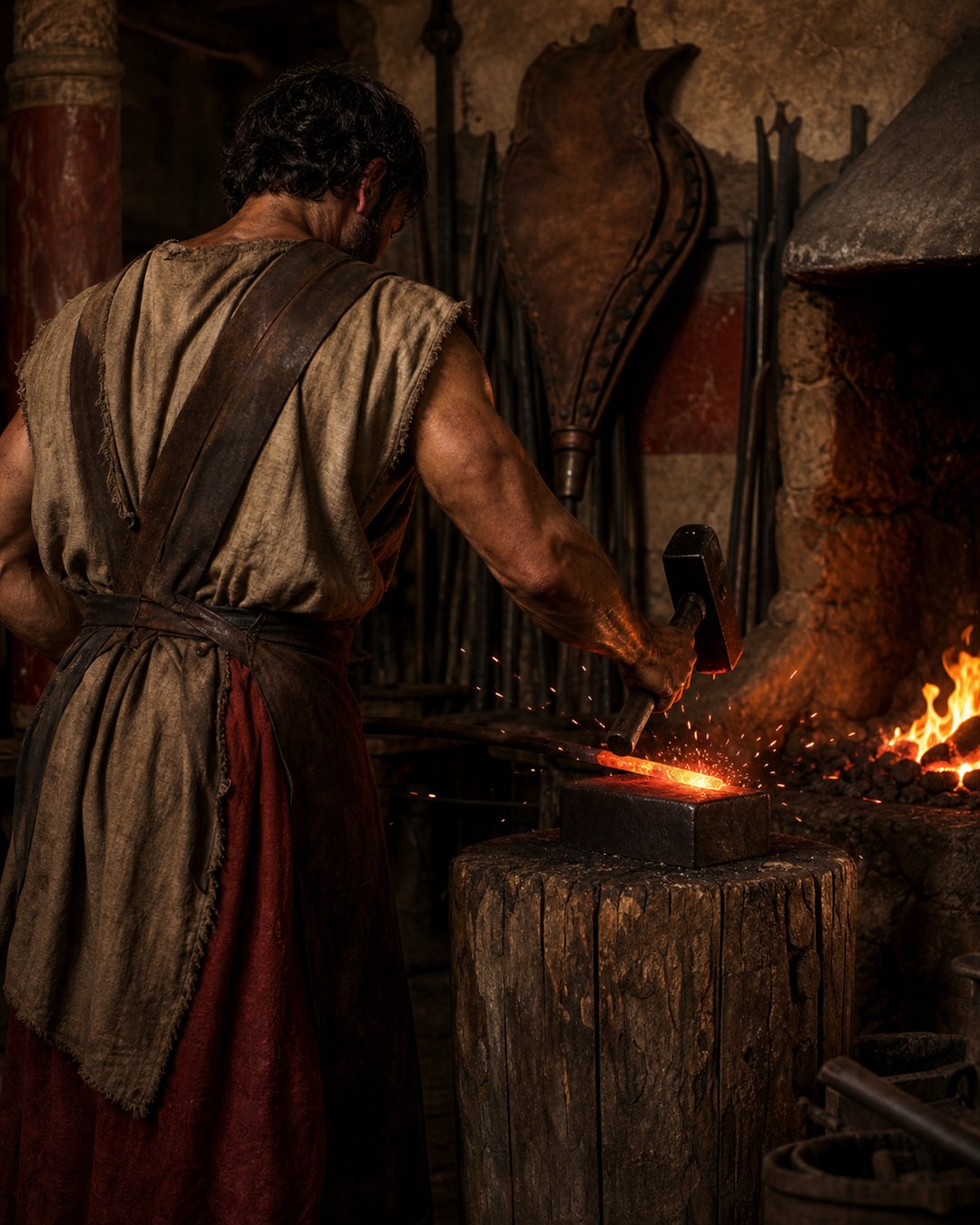
A hammer can strike hot iron in open air, but without support much of the blow merely sends the workpiece away. Forging begins when the metal is caught between two forces: the descending hammer and a surface that refuses to follow it. The anvil is that second participant. It has no handle and makes no … Read more
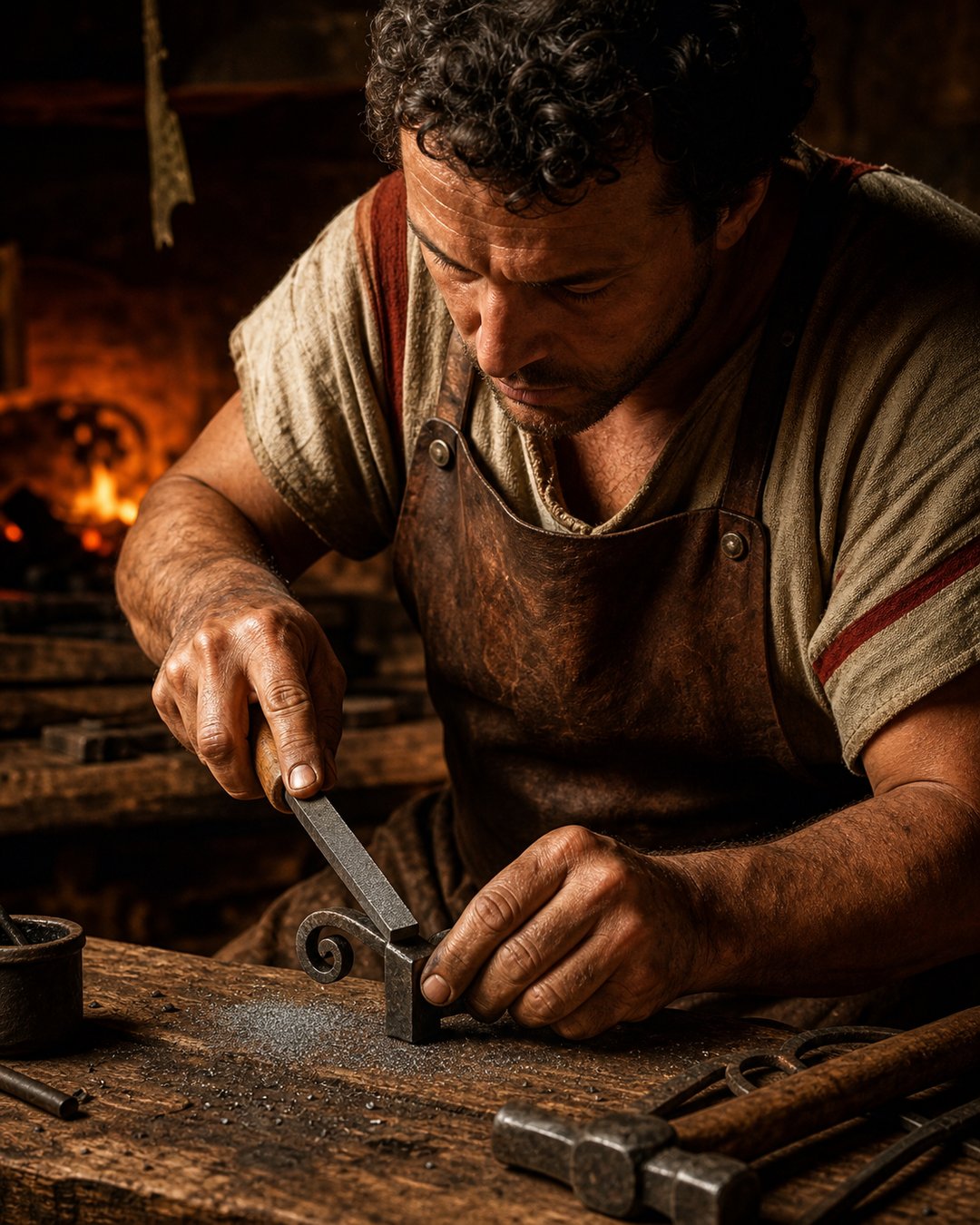
Winning by Fractions: How a Roman File Shaped Metal

Forging gets the sparks, but fitting decides whether the object works. A Roman smith could hammer a bar close to shape and still find that a joint bound, an edge stood proud or a pin refused its opening. One more heavy blow might bend the part or undo an hour of work. The remaining error … Read more

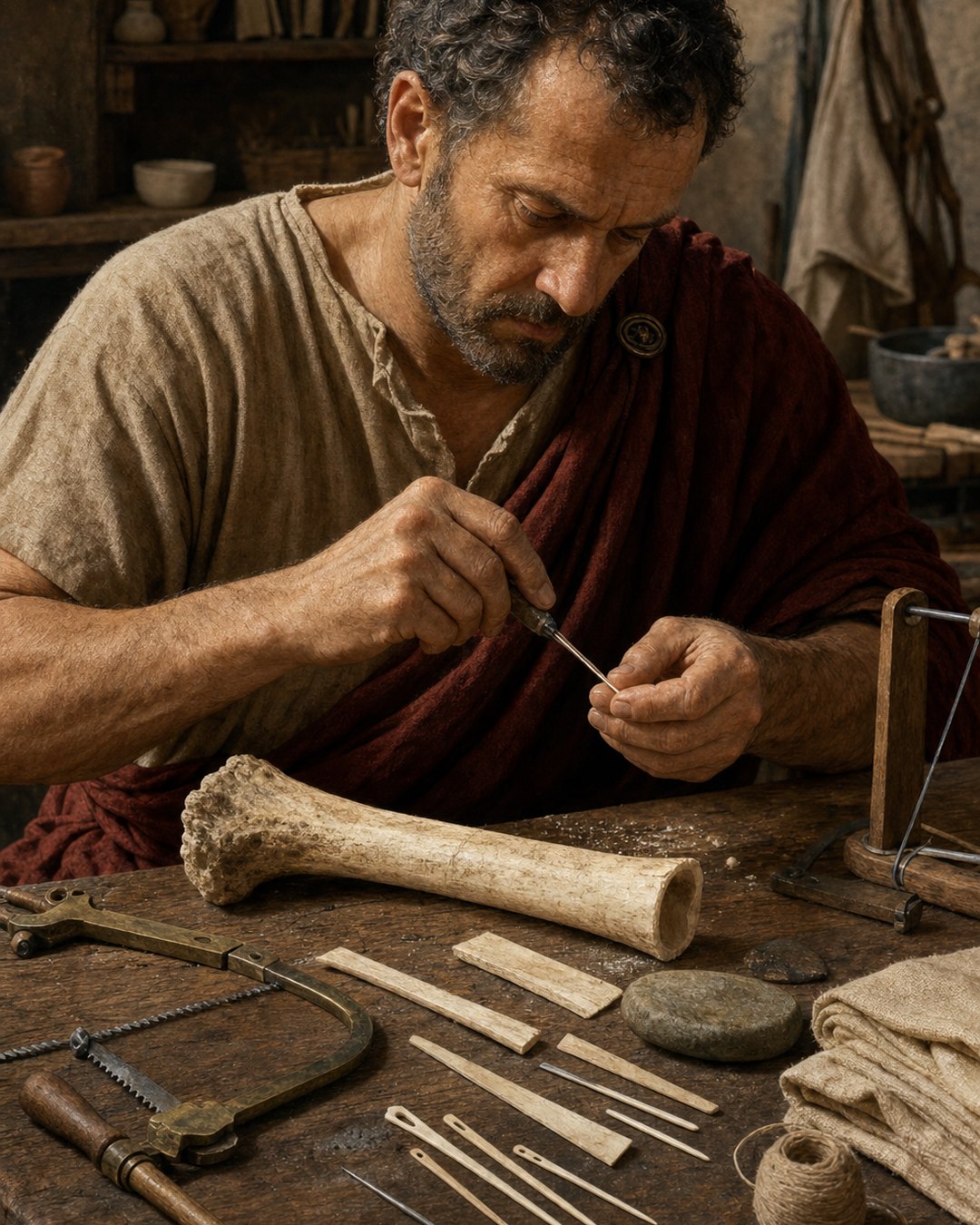
From Butchered Bone to Sewing Needle

After meat had been removed, an animal bone still contained a workshop problem. Its dense outer wall was hard enough to become a tool, but it curved, narrowed, enclosed a hollow and carried pores, joints and scars from life. A needle could not simply be snapped from it. The maker had to find one straight, … Read more

Why Roman Shipwrights Joined the Hull Before Raising the Frames

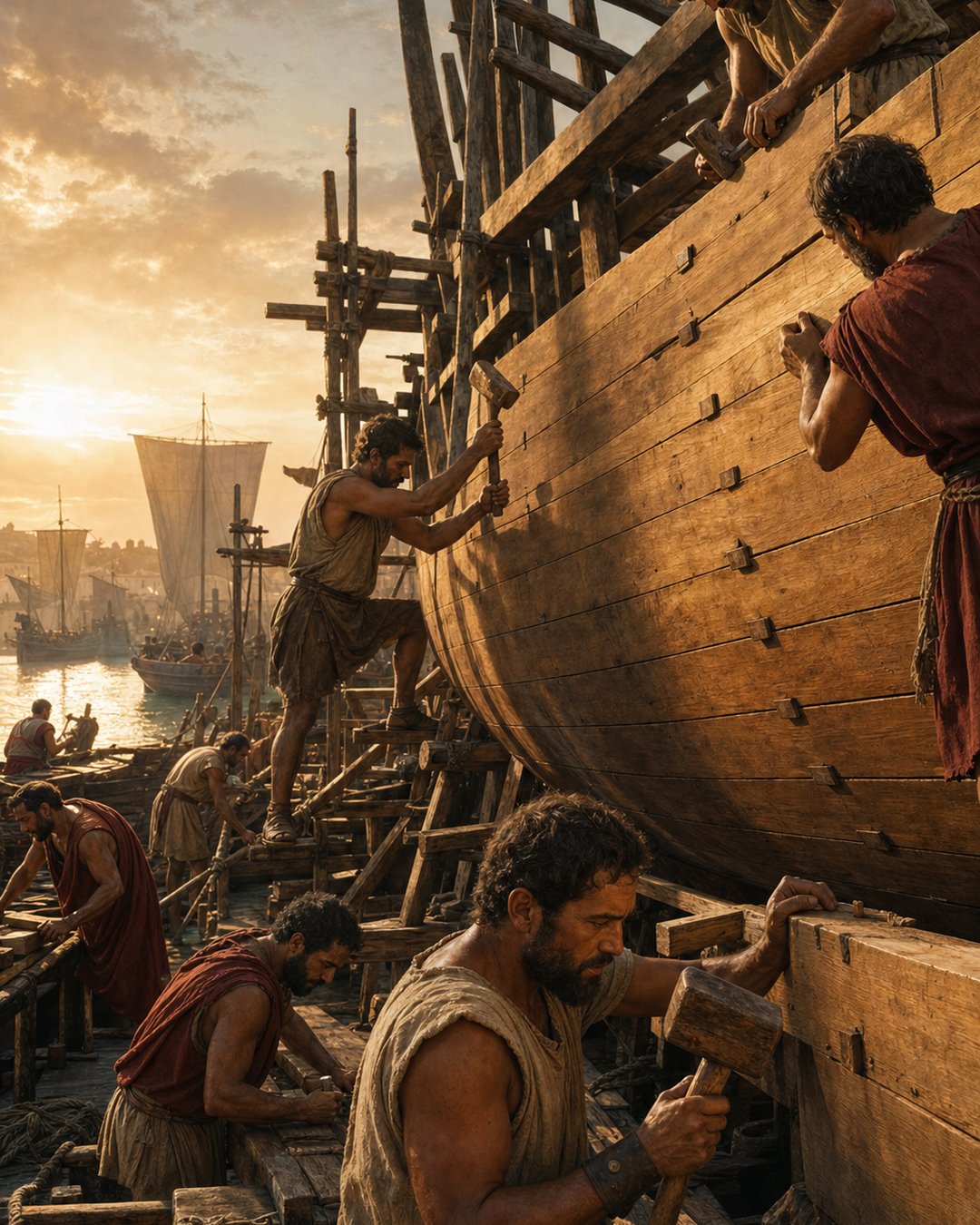
A Roman merchant hull could become a boat before it possessed the skeleton a modern observer expects. On a Mediterranean building shore, shipwrights set a keel, shaped heavy planks to its curve and locked each new strake to the one below. The fastenings disappeared as the shell rose, leaving a smooth wooden surface where the … Read more

The Ropework That Decided Whether a Roman Ship Could Sail

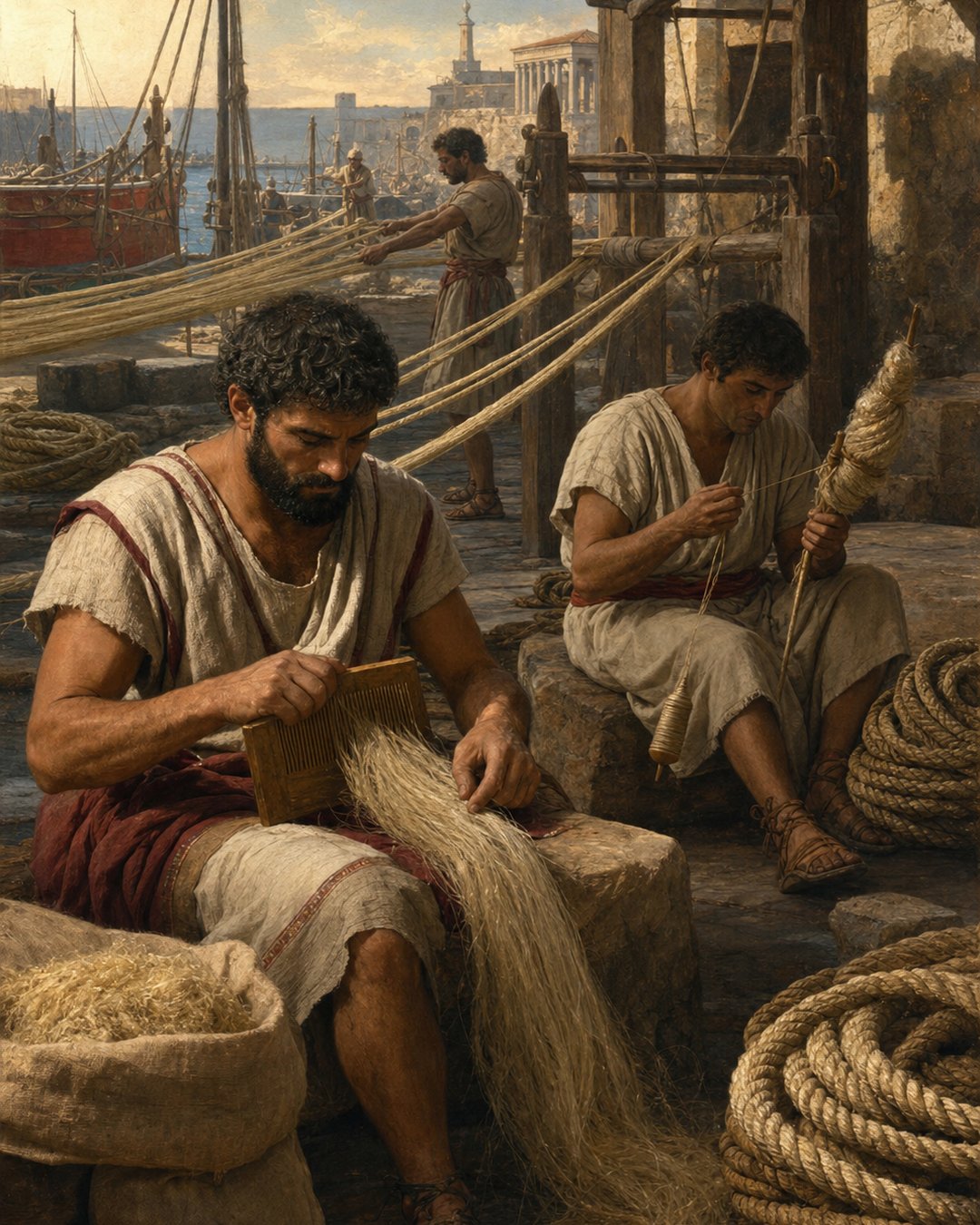
A Roman harbor was full of ropes doing different kinds of work. One held a ship to stone, another carried a sail’s pull, another passed through a lifting tackle, and smaller cord bound cargo or repaired equipment. They looked like continuous lines, yet every one began as short plant fibers that could be pulled apart … Read more

How a Roman Trumpet Turned Breath into Battlefield Command

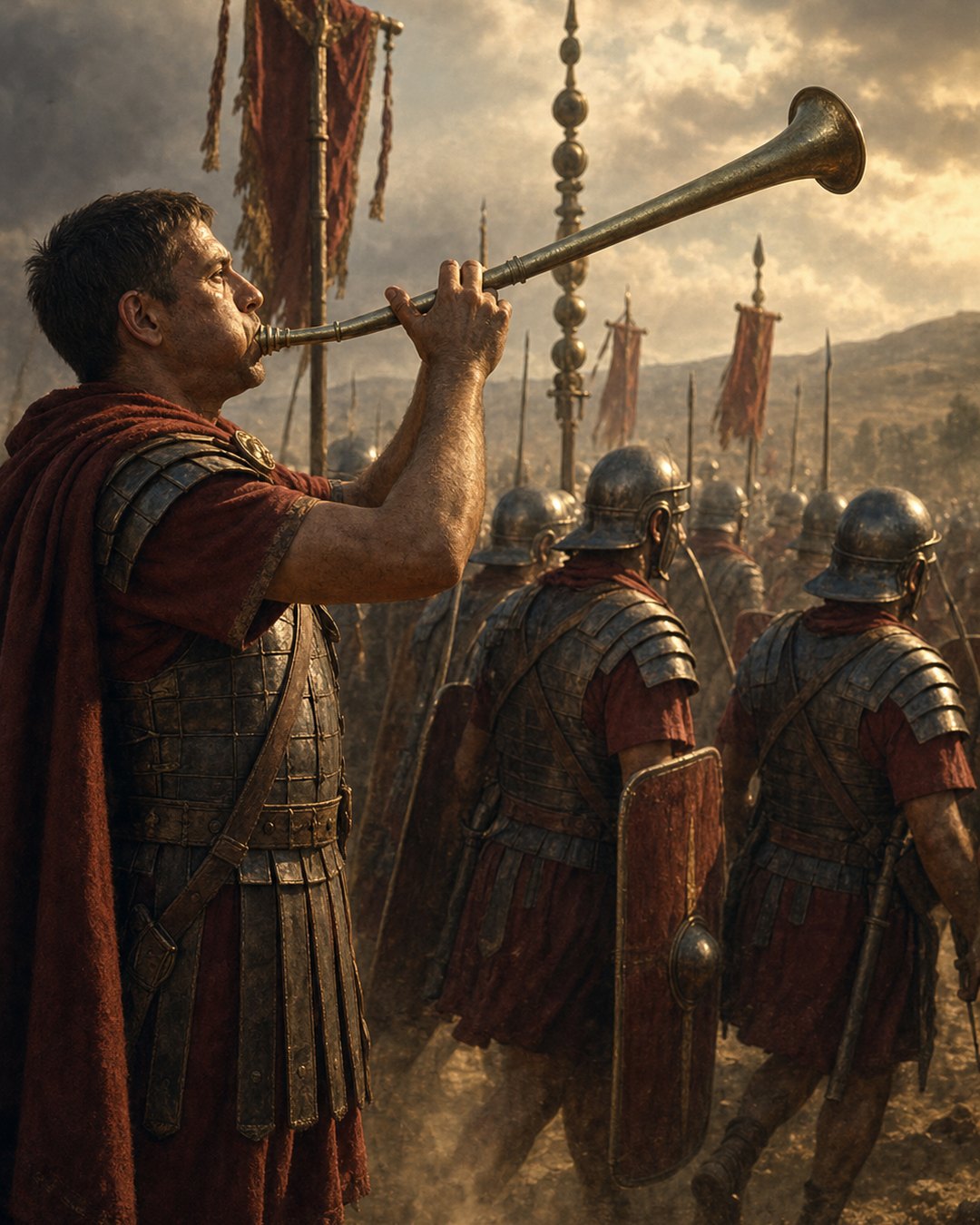
A commander’s voice was small beside a marching formation. Wind carried it sideways, helmets dulled it, weapons struck equipment and hundreds of feet made their own uneven thunder. Rome answered part of that problem with a straight metal tube. The tuba took the buzz of a musician’s lips, set a column of air vibrating and … Read more

The Roman Soldier’s Belt Was a Working Tool, Not Just Decoration

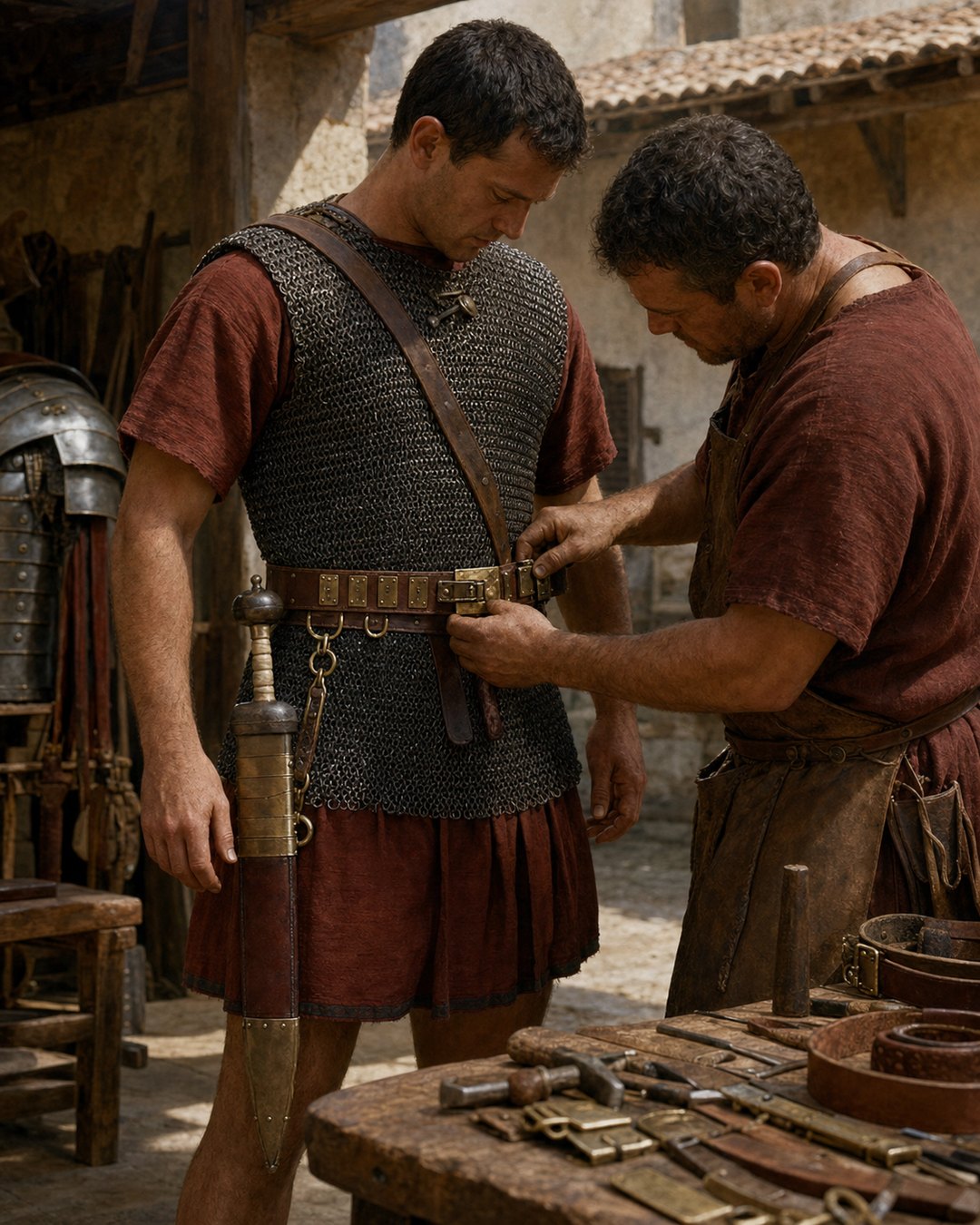
A Roman soldier could remove his helmet and put down his shield, but the belt still organized the equipment closest to his body. Leather circled the waist or crossed from the shoulder. A buckle fixed the fit. Suspension points controlled sword and dagger, while metal plates made the assembly conspicuous even when it carried little … Read more

Inside the Roman Sling: Two Cords, One Timed Release

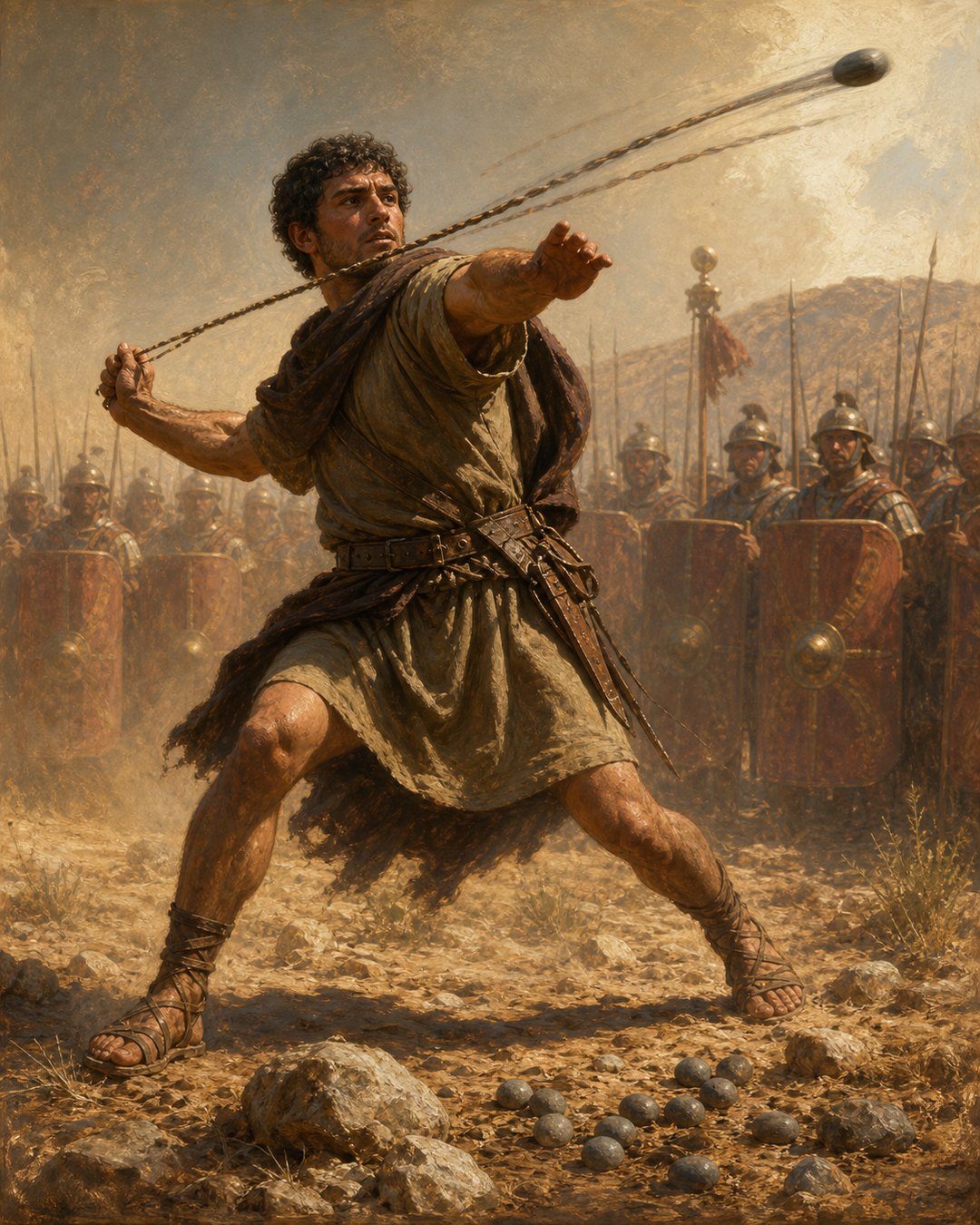
A sling could be rolled into a hand and mistaken for spare cord. In use, it changed the reach of that hand. A pouch held stone or lead, two cords extended the radius of rotation, and the release of one end let the projectile leave at speed. No wooden bow, iron spring or torsion frame … Read more

Roman Helmets Balanced Protection with Awareness

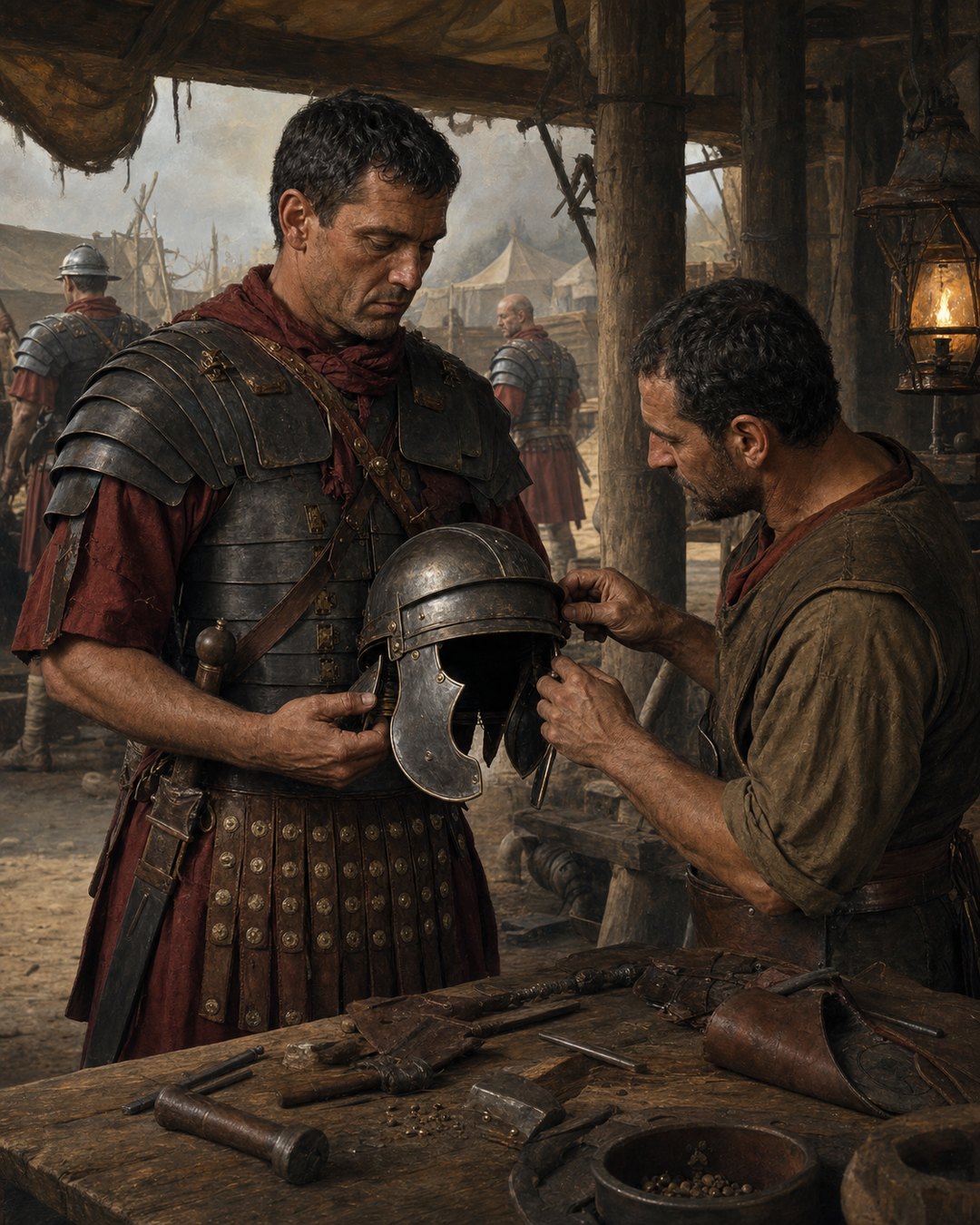
A helmet that stops a blow but prevents a soldier from hearing an order has solved only half the problem. Roman warfare asked the head to survive impact while the eyes followed uneven ground, the ears found a command inside noise and the lungs managed heat under load. The galea therefore protected by leaving deliberate … Read more

Roman Scuta Turned Wood into a Moving Wall

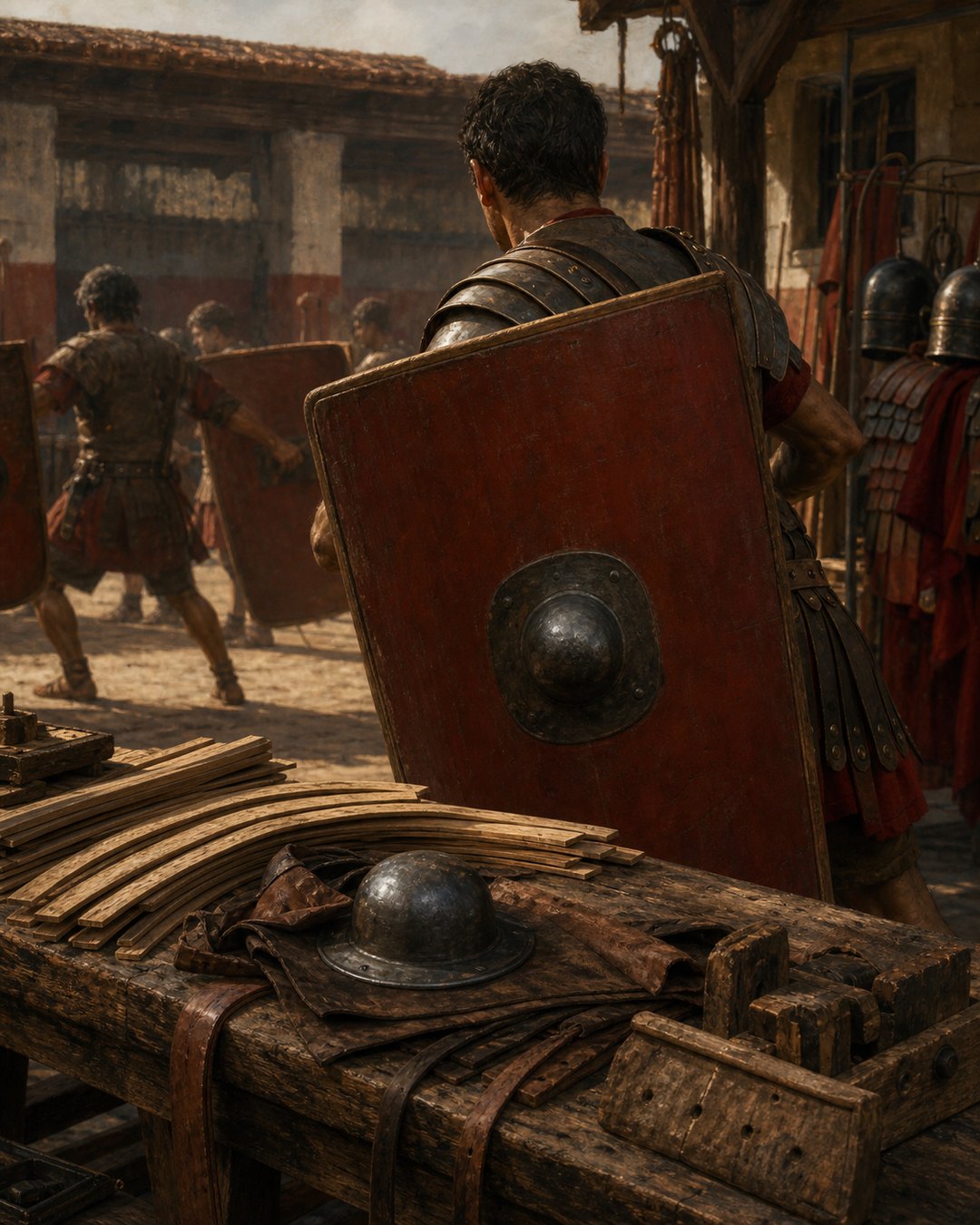
A Roman scutum met the enemy as one object, but it began as many materials persuaded to cooperate. Thin strips of wood crossed one another inside a curved body. Cloth or hide covered the face. An iron boss guarded the fist around a horizontal grip. The result rose from shin toward shoulder while bending around … Read more