One Hundred Men Moved Hegetor’s Four-Thousand-Talent Ram
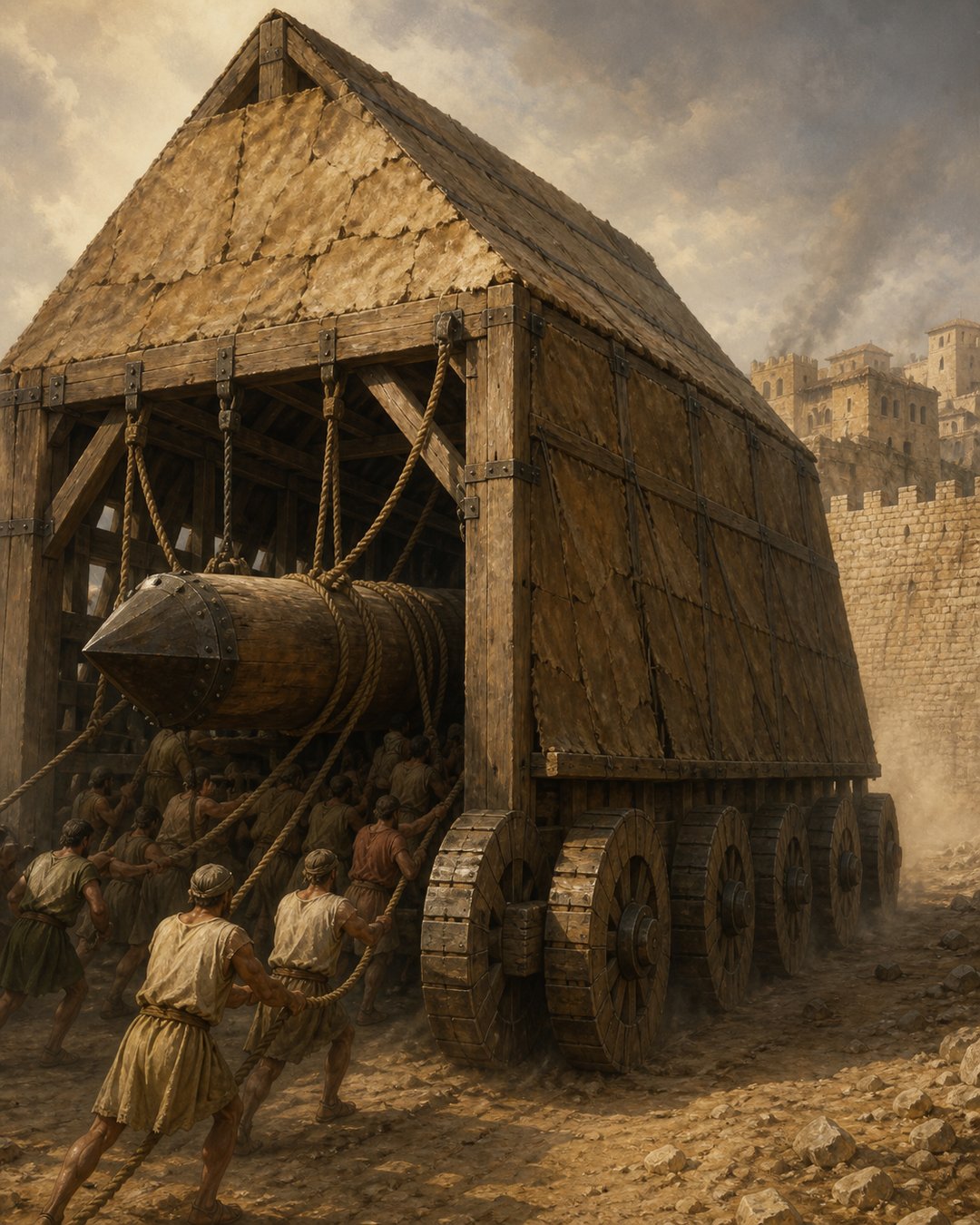
One hundred men stood between four thousand talents of siege machinery and a city wall. Vitruvius says the immense tortoise attributed to Hegetor of Byzantium could roll forward, shift right or left, raise its ram and lower it. Its iron beak did not hang from a simple shed. It worked inside a timber building that … Read more
Two Hundred Forty Prisoners Cost Fabius His Fields

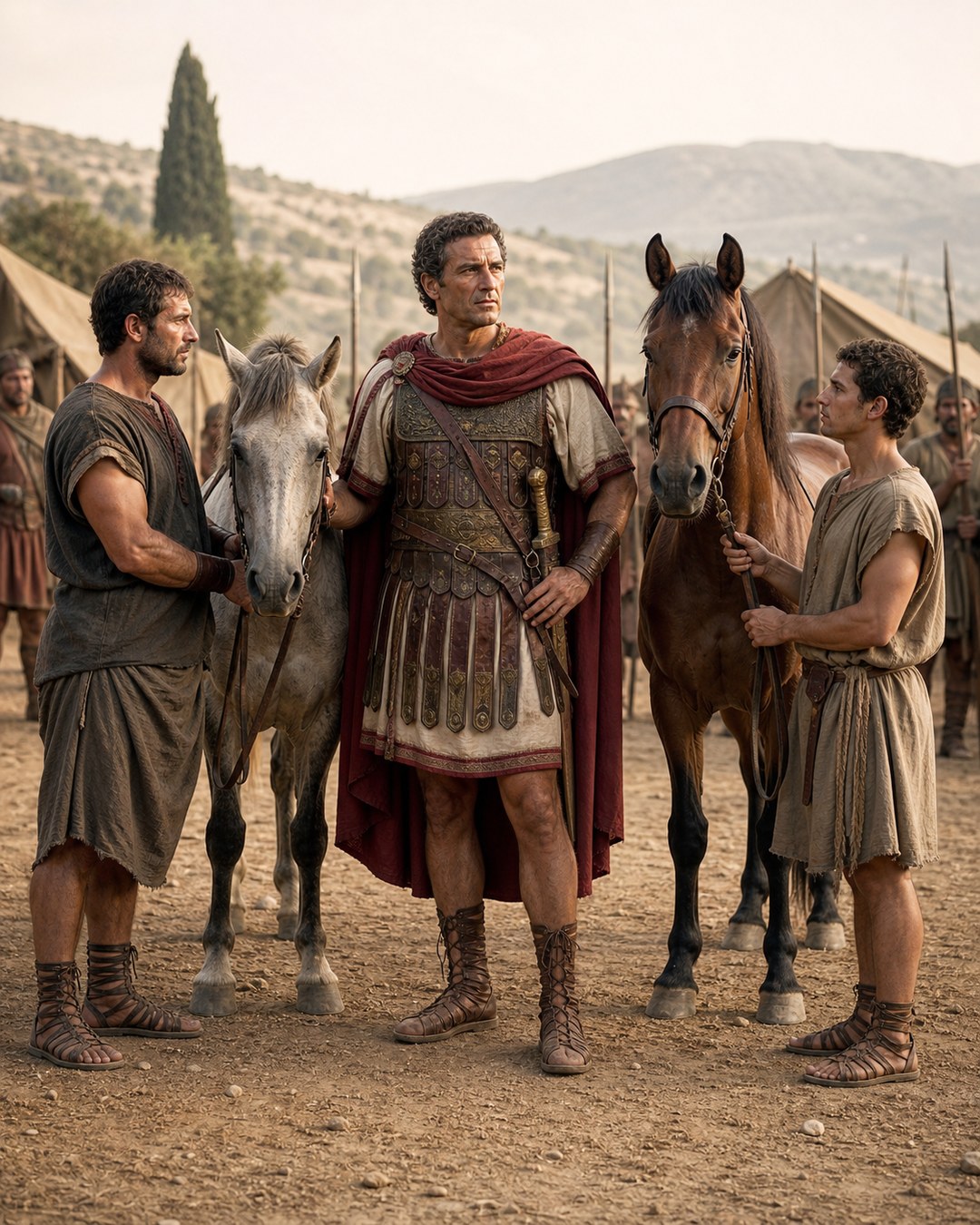
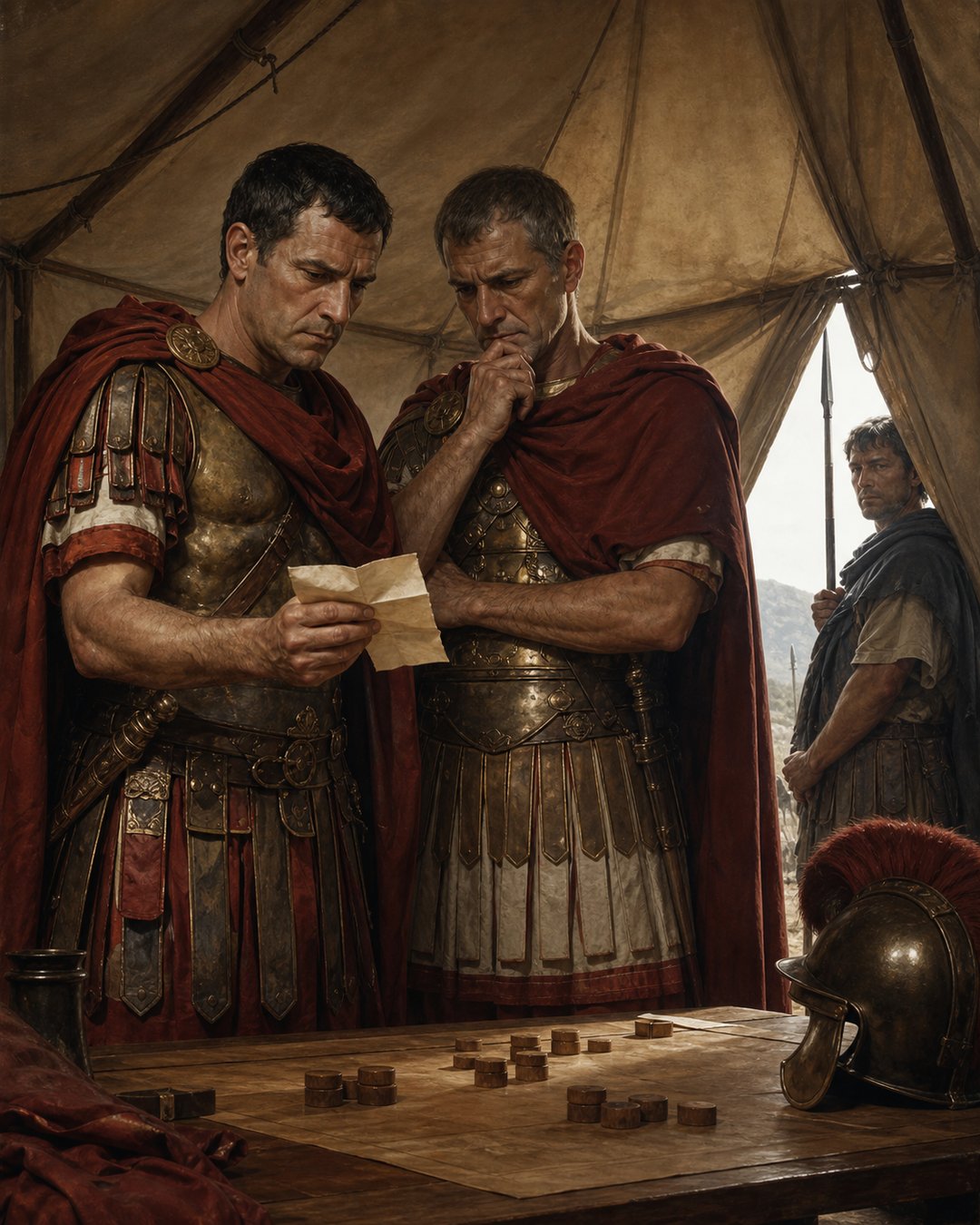
The prisoner exchange began with a clean rule and ended at the boundary of Fabius Maximus’s land. He and Hannibal agreed to trade captives man for man. When the matched exchanges were complete, Hannibal still held 240 Romans. The contract gave that remainder a price: 250 drachmas for every man recovered. Rome’s Senate refused to … Read more

Fabricius Warned Pyrrhus Before the Poison Could Reach Him

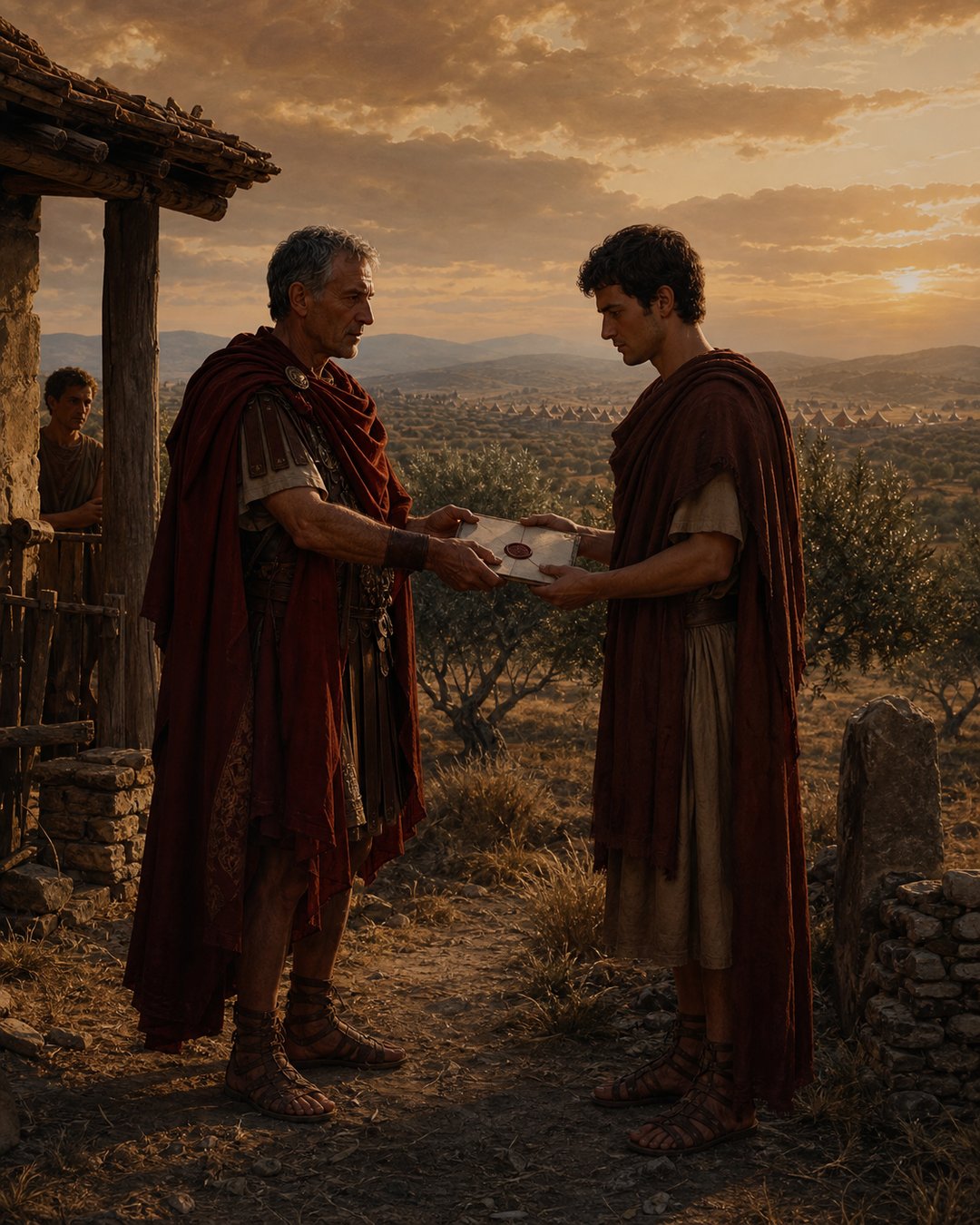
The offer arrived in a Roman camp as a letter from the other side. Pyrrhus’s own physician promised the consuls that he could kill the king with poison. In exchange, he wanted a reward for ending the war without exposing Roman soldiers to another battle. Plutarch places Caius Fabricius in the consulship when the messenger … Read more

Two Horse Tails Taught Sertorius to Fight by Degrees

The strongest man in the assembly wrapped both hands around an old horse’s tail and pulled. He had height, muscle and what looked like the easier animal. The tail stayed where it was. Nearby, a much smaller man began taking hairs from the thick tail of a powerful horse, one after another. Plutarch says the … Read more

Twenty-Three Wounds and an Iron Hand Kept Sergius Fighting

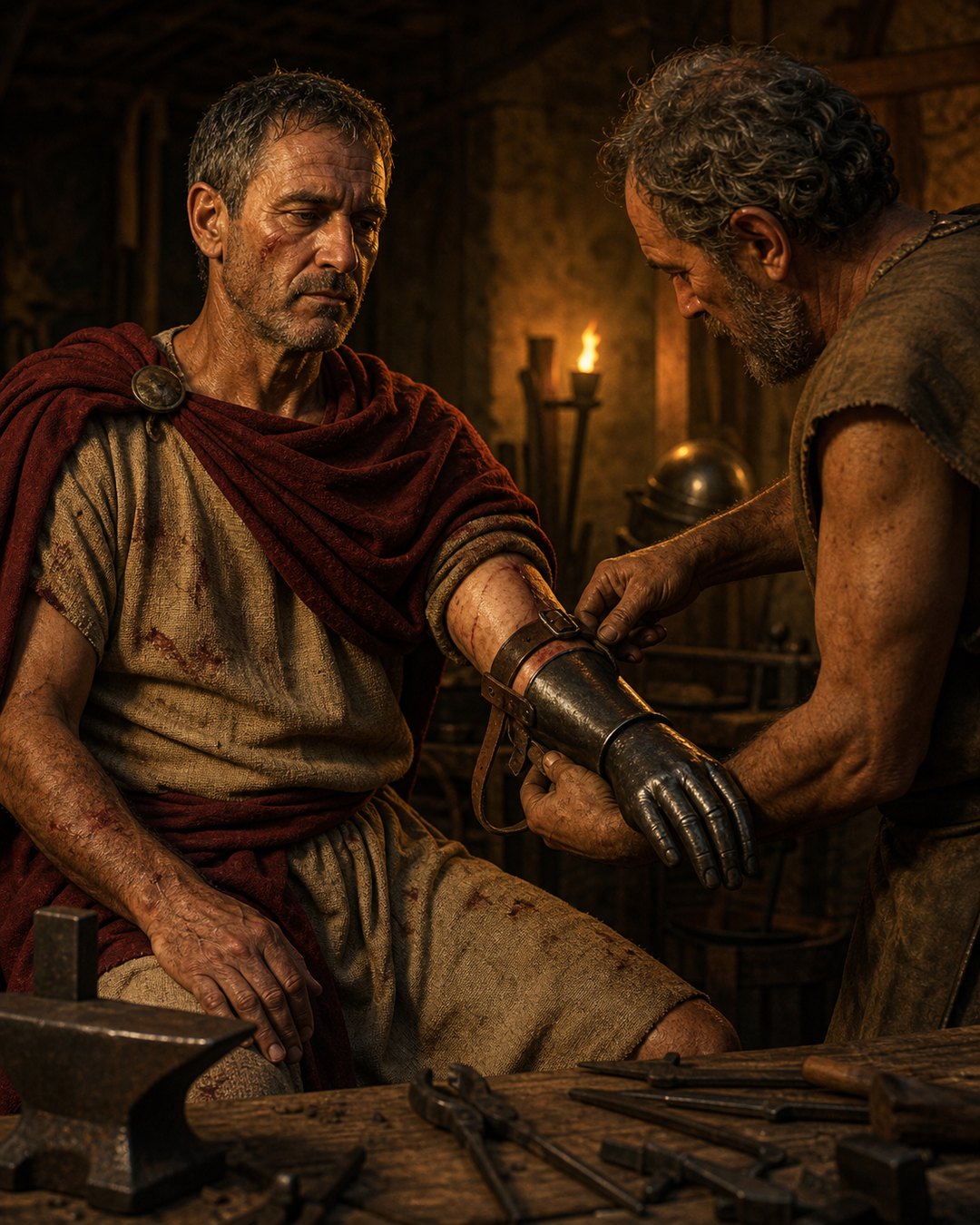
Marcus Sergius carried a battle record that could be counted on his body. Pliny the Elder reports twenty-three wounds in two campaigns, a lost right hand, damaged limbs, two captures by Hannibal, and twenty months in chains. Sergius still returned to service. He fought with his left hand and later used an iron replacement on … Read more

A Raven Won Valerius a Name Before Two Armies

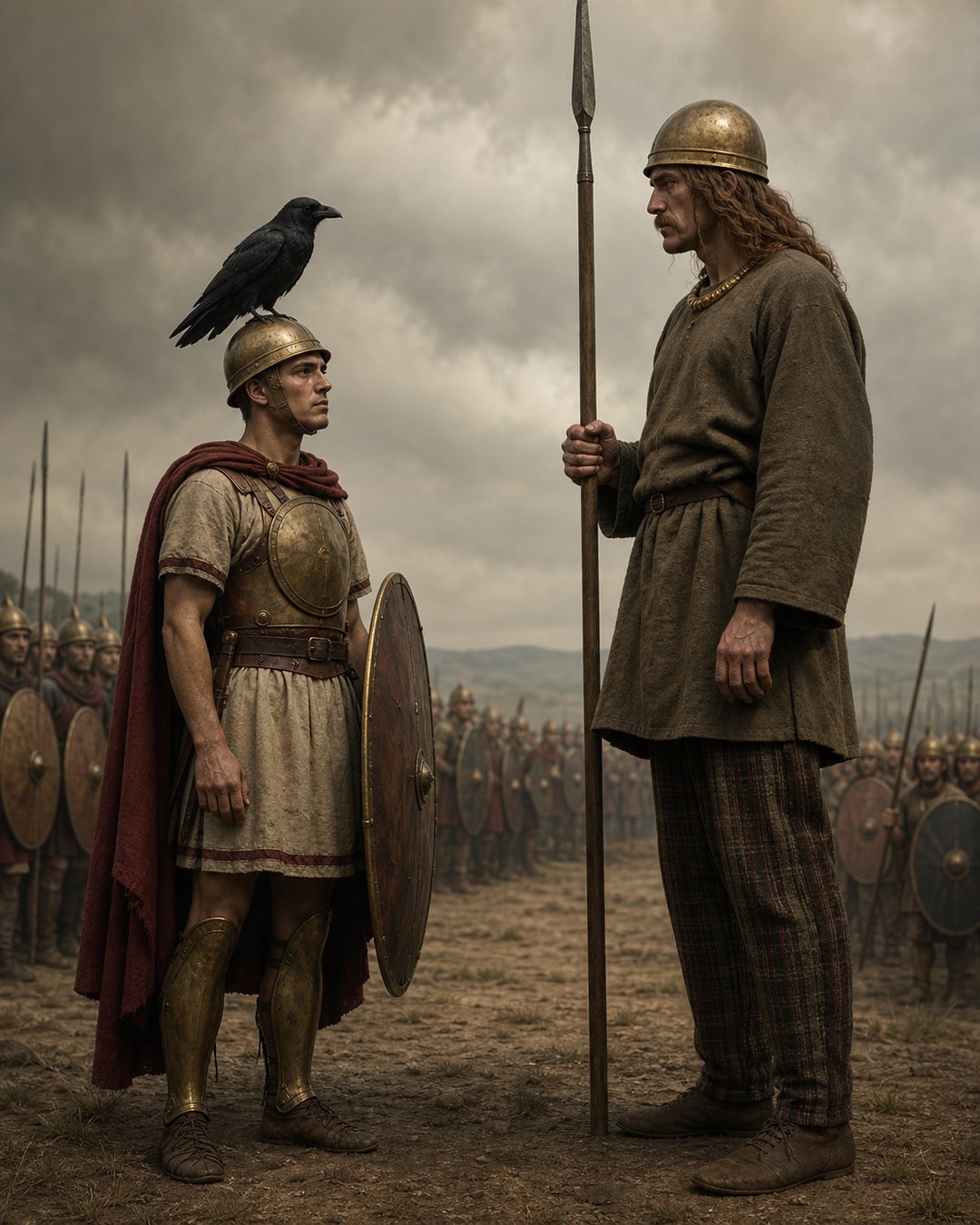
A giant Gallic warrior stepped out before two armies with gold flashing on his armor. He flourished a spear, looked across the Roman line, and challenged anyone willing to meet him. The consuls were already troubled by the enemy’s strength and numbers. For a moment, Gellius says, Roman soldiers wavered between fear and shame. Then … Read more

Scipio Built and Demolished a Camp Every Day

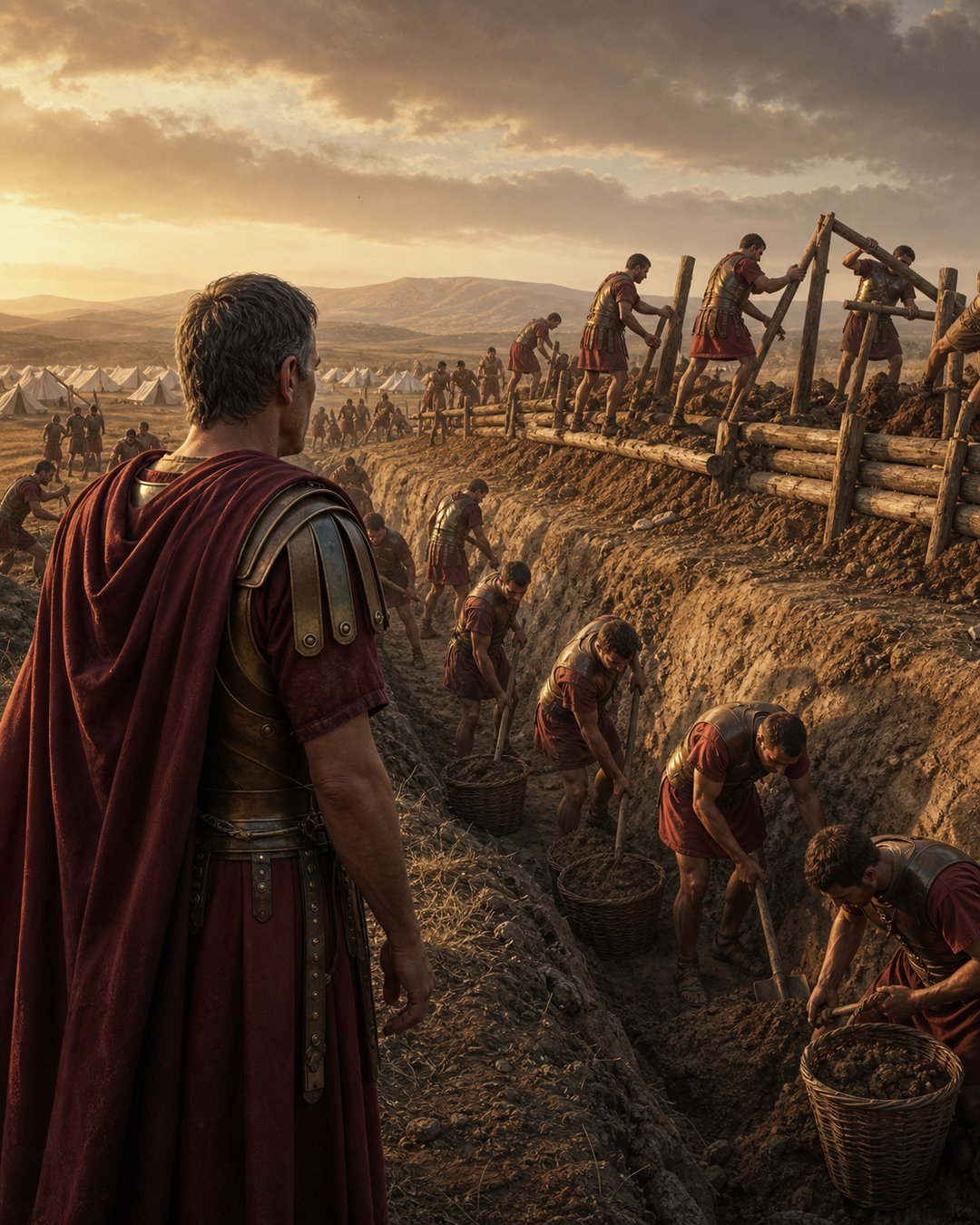
Scipio Aemilianus arrived in Spain to command an army he did not yet trust. Rome had elected him consul for a second time in 134 BCE because the war around Numantia had dragged on through defeats, reversals, and damaged morale. Appian says Scipio understood the order of his problem: he could not overcome the enemy … Read more

Children Drove Their Traitor Back to Falerii

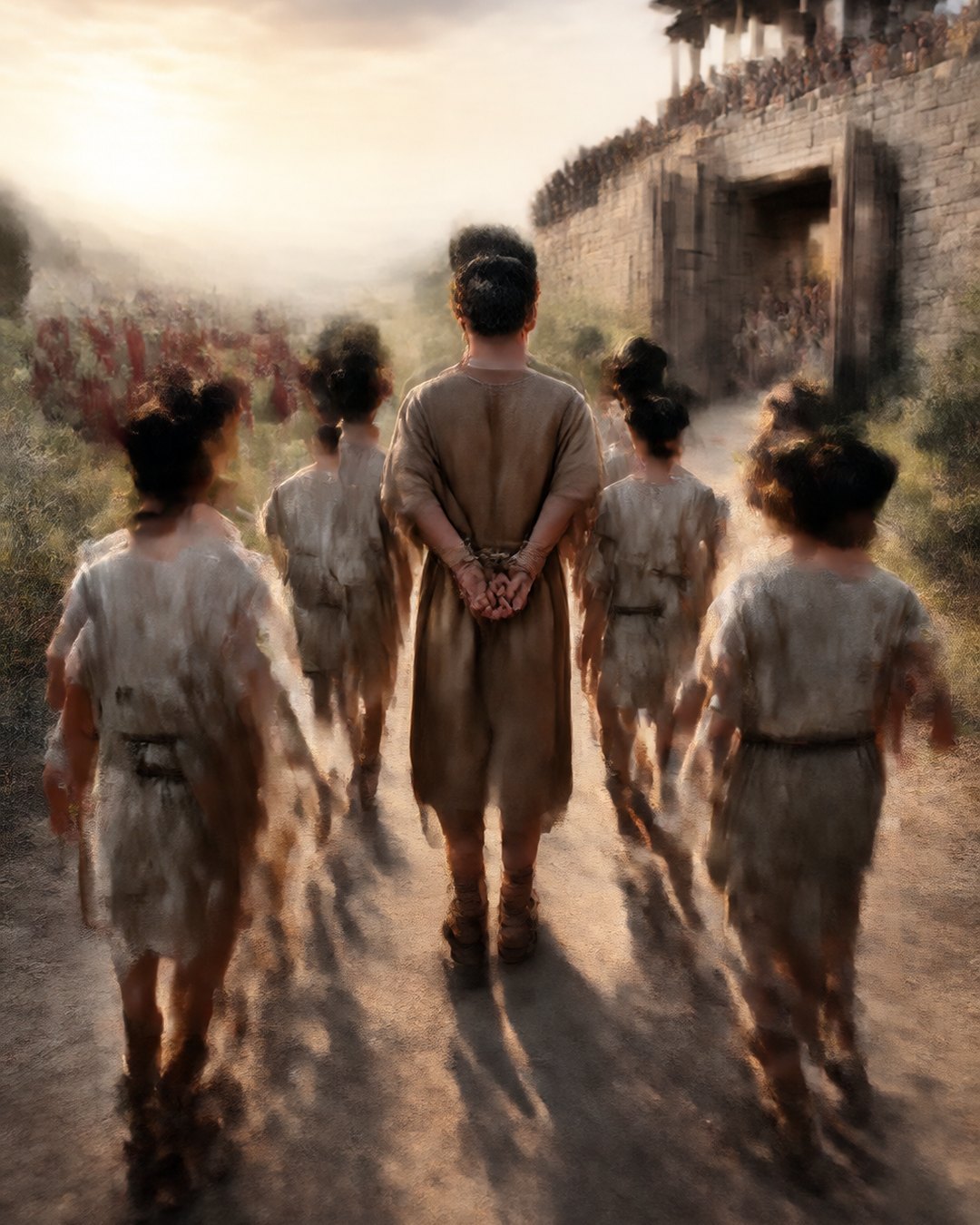
The betrayal began as a school routine. Livy says a tutor at Falerii regularly took the sons of leading families beyond the city for play and exercise. He had done it in peace, so the gate opened for him during war. Short walks became longer ones. Conversation and games carried the boys farther than usual … Read more

Two Hundred Talents Bought Cato Allies Only If He Won

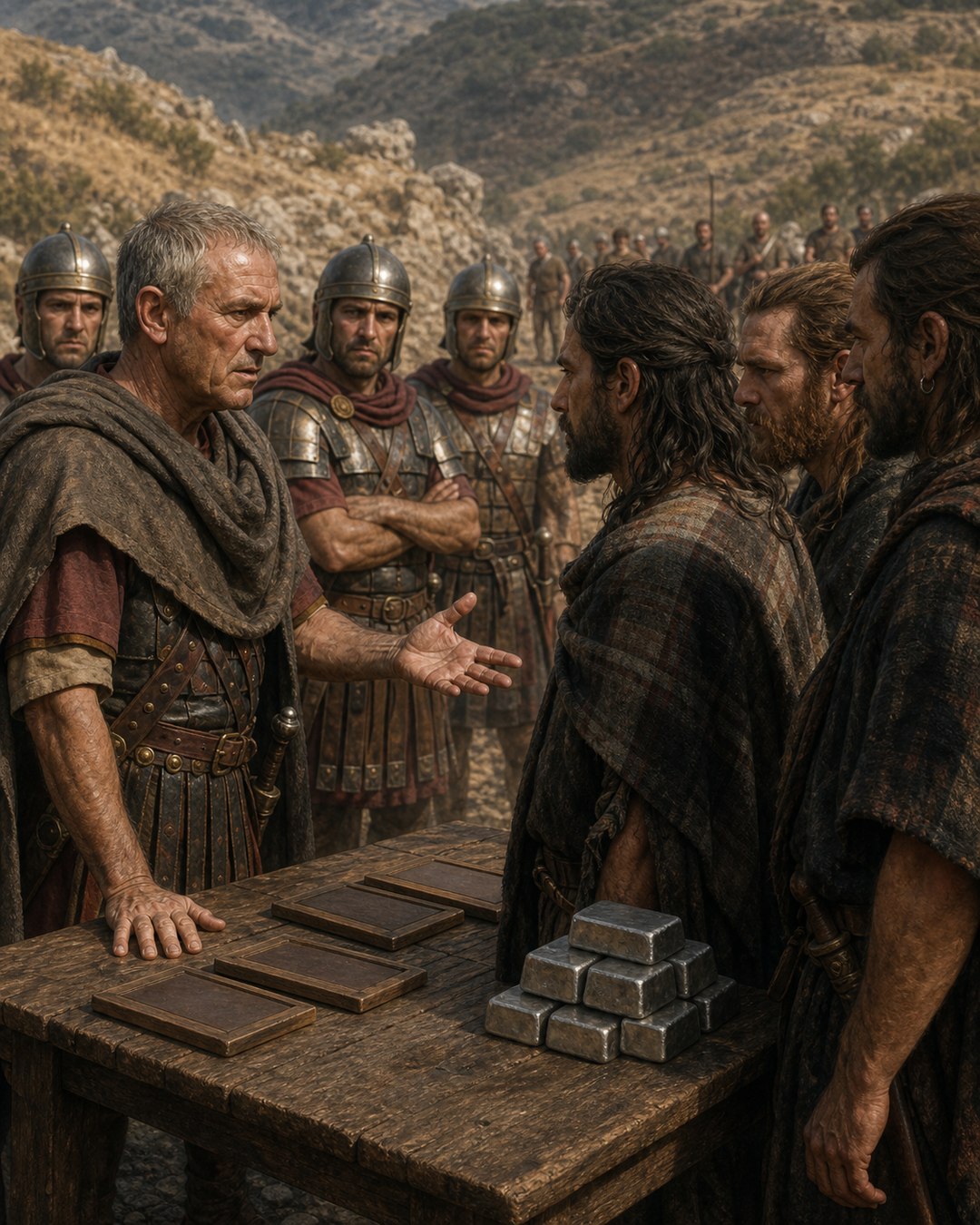
Two hundred talents stood between Cato and the allies he needed. His officers heard humiliation in the price. Cato heard a bargain whose risk could be postponed until after battle. A large force threatened to drive him from his Spanish province. He asked neighbouring Celtiberians for help. They did not answer with sentimental loyalty to … Read more

An Opened Vein Marked a Roman Soldier with Disgrace

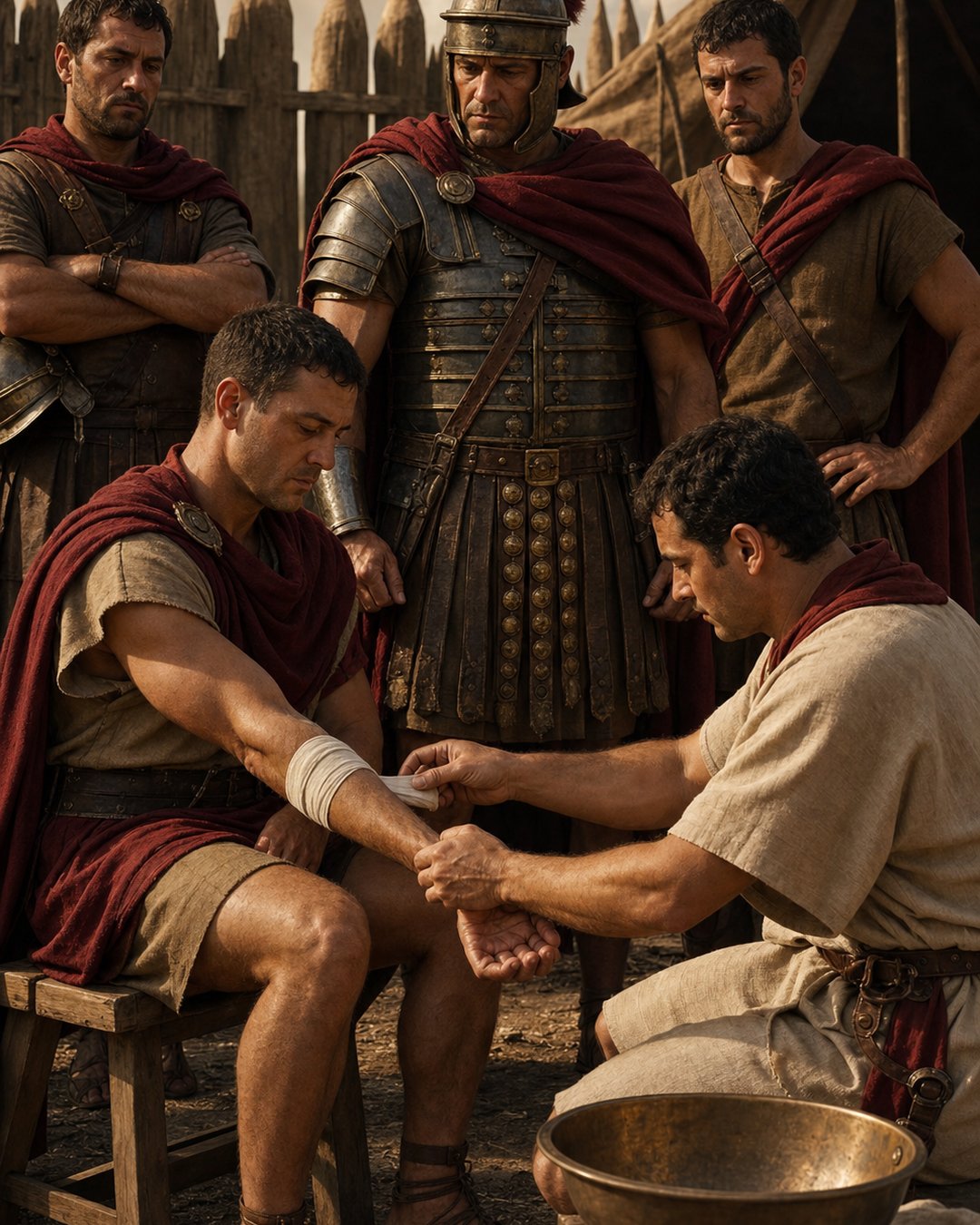
The order did not send a Roman soldier to the whipping post or the execution ground. It sent him to have a vein opened. Aulus Gellius preserves the punishment in a chapter only a few sentences long. He calls it an old military penalty and says its purpose was disgrace. Blood was deliberately let from … Read more