Why Romans Hung Tiny Bells at the Door

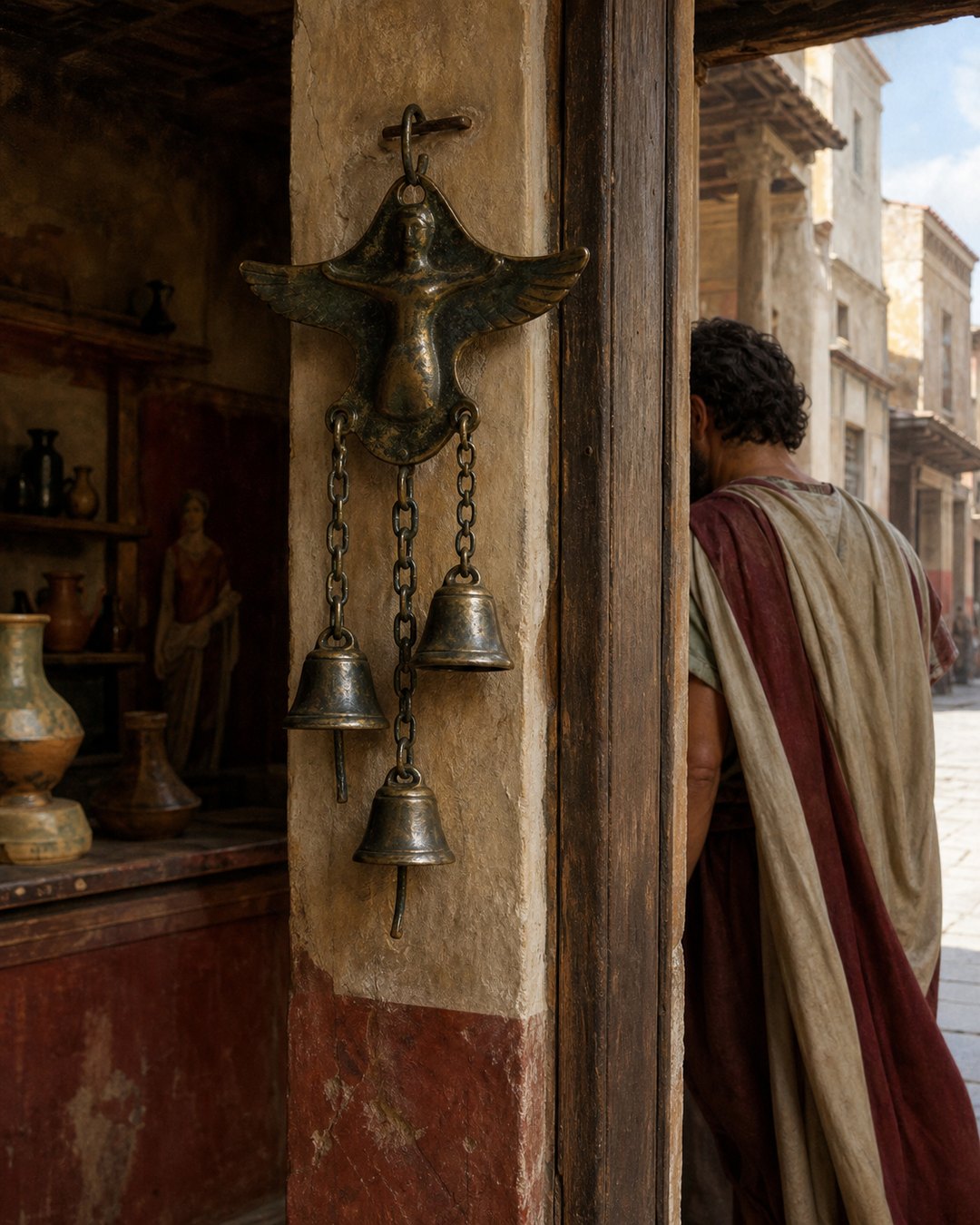
A Roman doorway could ring before anyone spoke. Small bronze bells hung from a central figure or branching frame, each with enough freedom to strike when touched or disturbed. The object was called a tintinnabulum, a name built around the little bell itself. Some examples from Pompeii are visually startling: protective bodies, exaggerated sexual imagery, … Read more
Roman Mosaics Spoke Before the Host Did

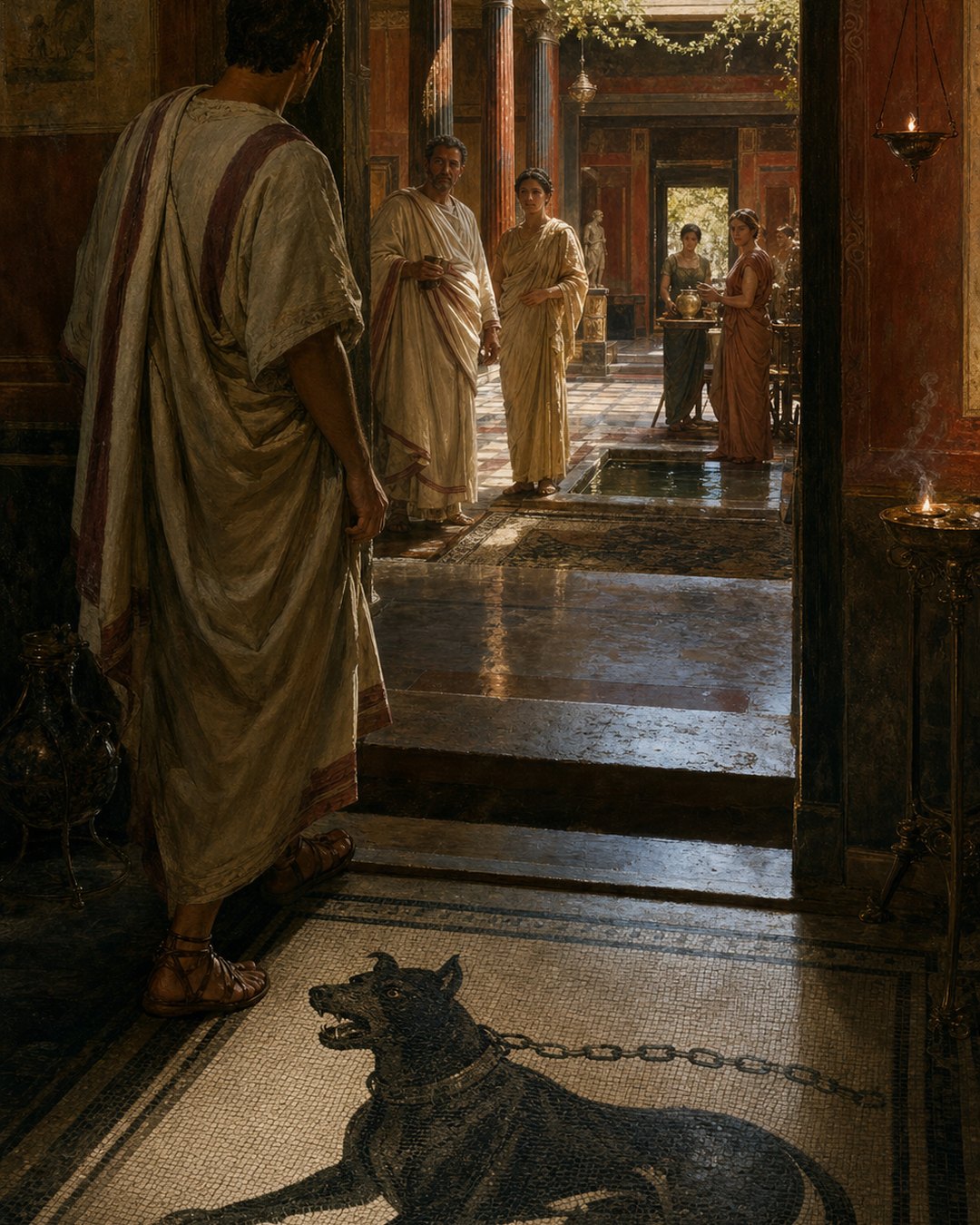
A guest crossing a Roman threshold looked down because the floor demanded it. Tiny pieces of black, white, ochre, red, green, and blue stone formed borders, waves, masks, birds, fish, mythic bodies, or an alert dog. The image waited in the exact place where a visitor decided how confidently to enter. Mosaics were expensive surfaces, … Read more

The Colosseum Velarium Made Shade a Public Performance

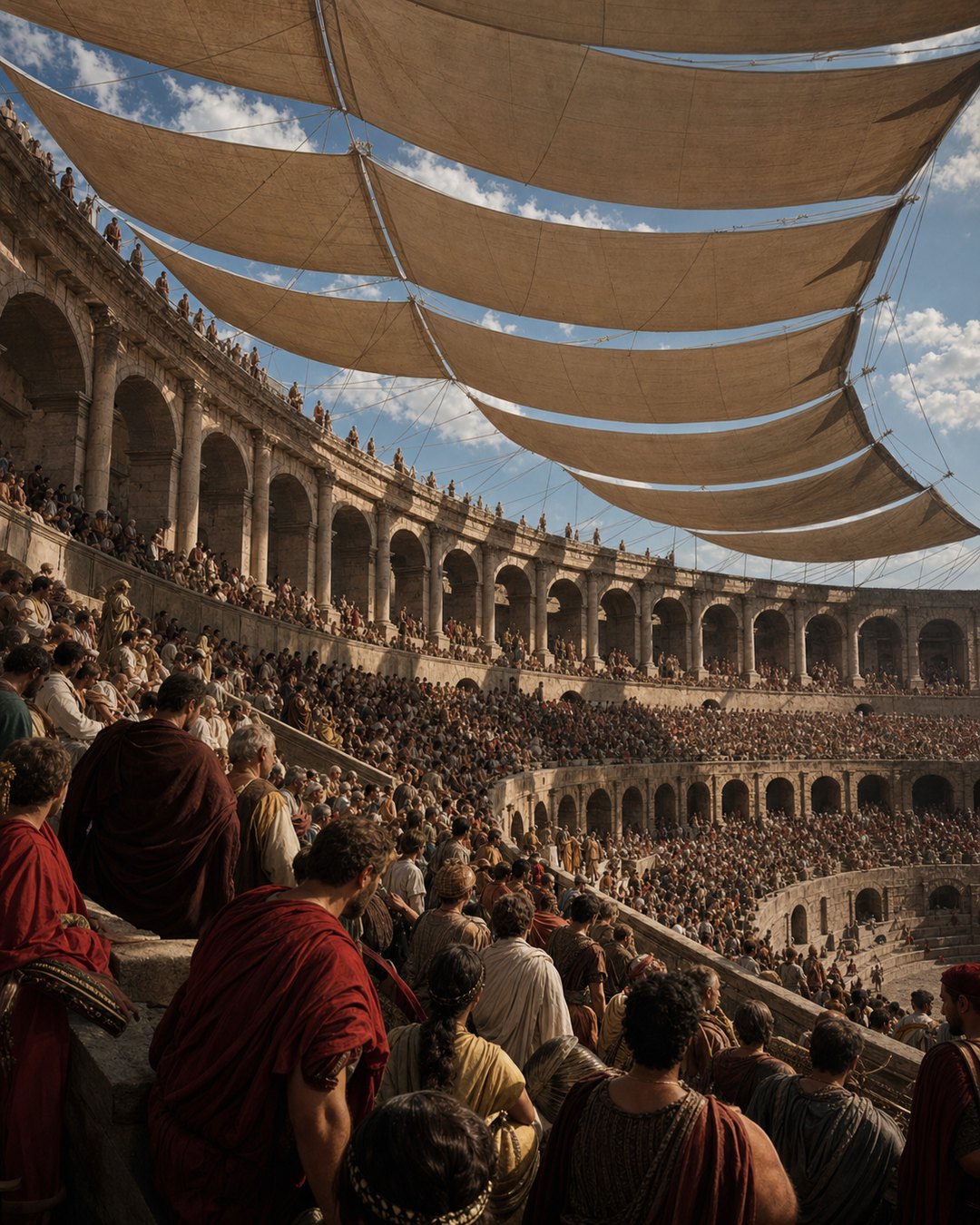
Before a Colosseum crowd looked down toward the arena, many spectators looked up. Masts ringed the highest level. Ropes crossed open sky. Vast sections of canvas pulled outward, caught the light, and cast broad moving bands of shade across stone seats packed with tens of thousands of bodies. The velarium was not a lid placed … Read more

Roman Window Glass Changed What a Wall Could Do

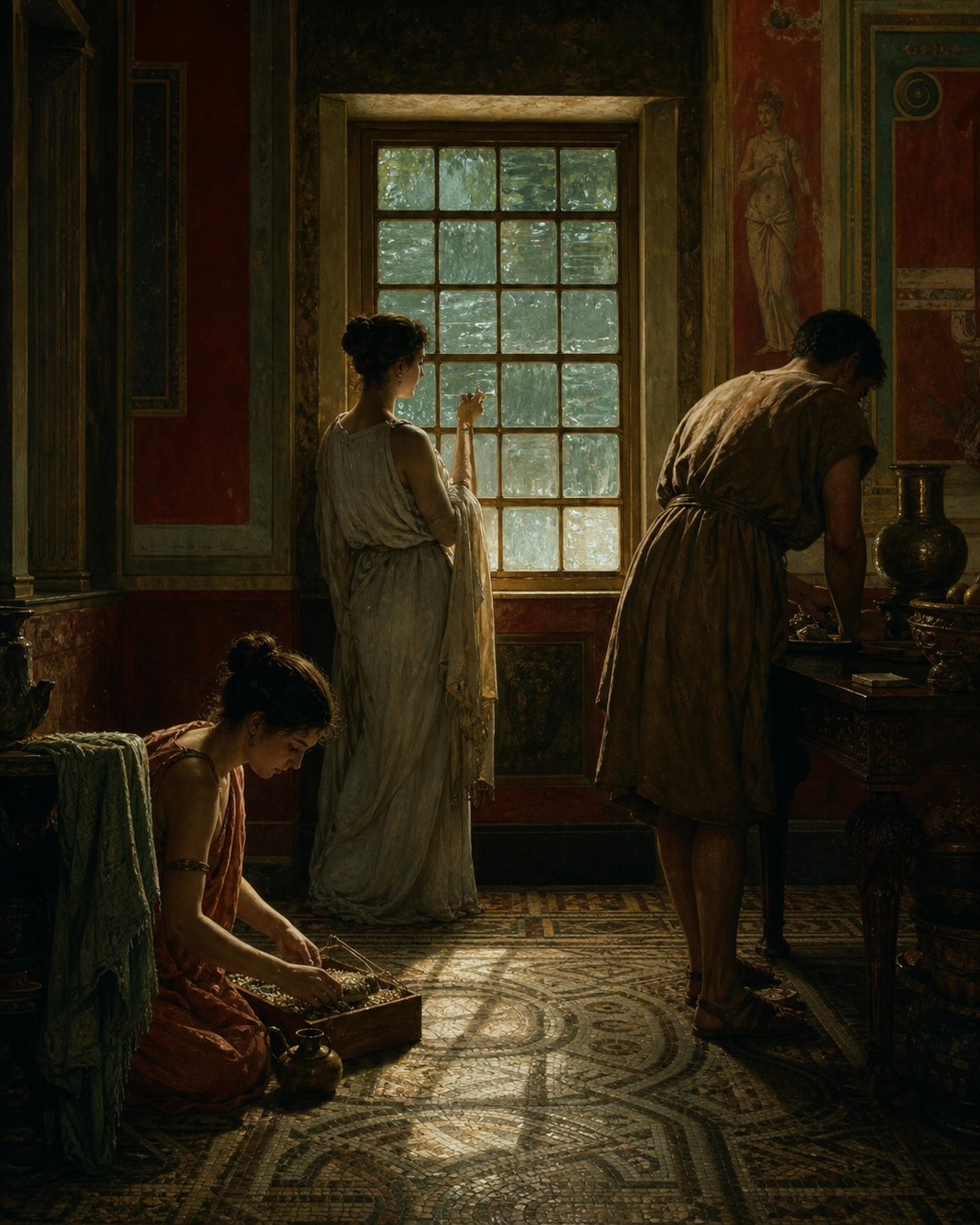
A Roman window pane did not have to show a perfect landscape to change a room. Pale blue-green glass, cloudy with bubbles and ripples, could turn hard sunlight into a diffuse glow. The wall remained closed against a gust or shower, yet the interior no longer depended entirely on an open doorway, courtyard, lamp, or … Read more

Pompeii’s Graffiti Made the City Talk Back

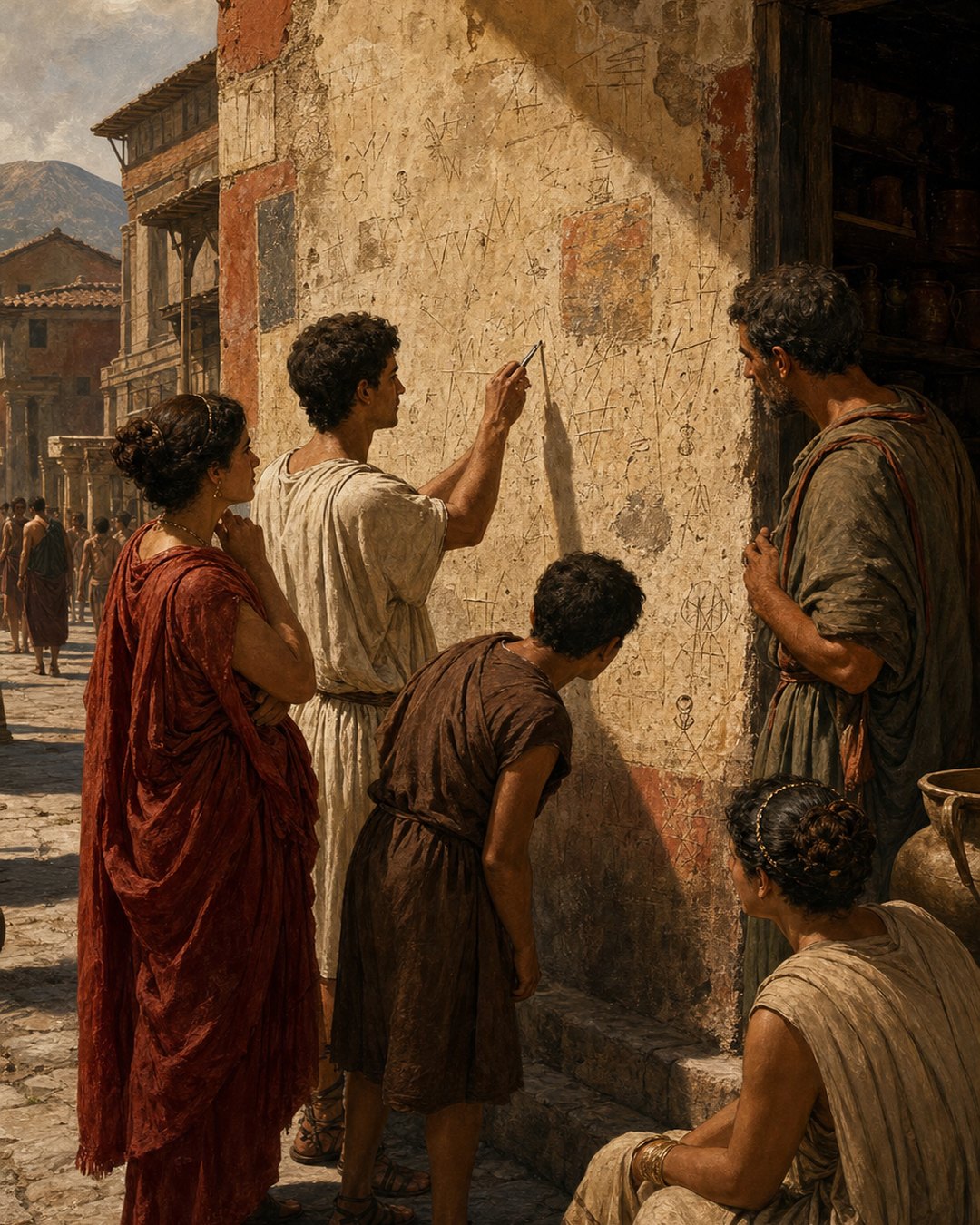
Pompeii’s walls did not wait for permission to speak. Someone scratched a name beside a doorway. Another person praised a gladiator, complained about a host, copied a remembered line of poetry, drew a ship, or answered a message already in the plaster. The result was not one civic announcement but thousands of small attempts to … Read more

When Rome Panicked, It Opened the Sibylline Books

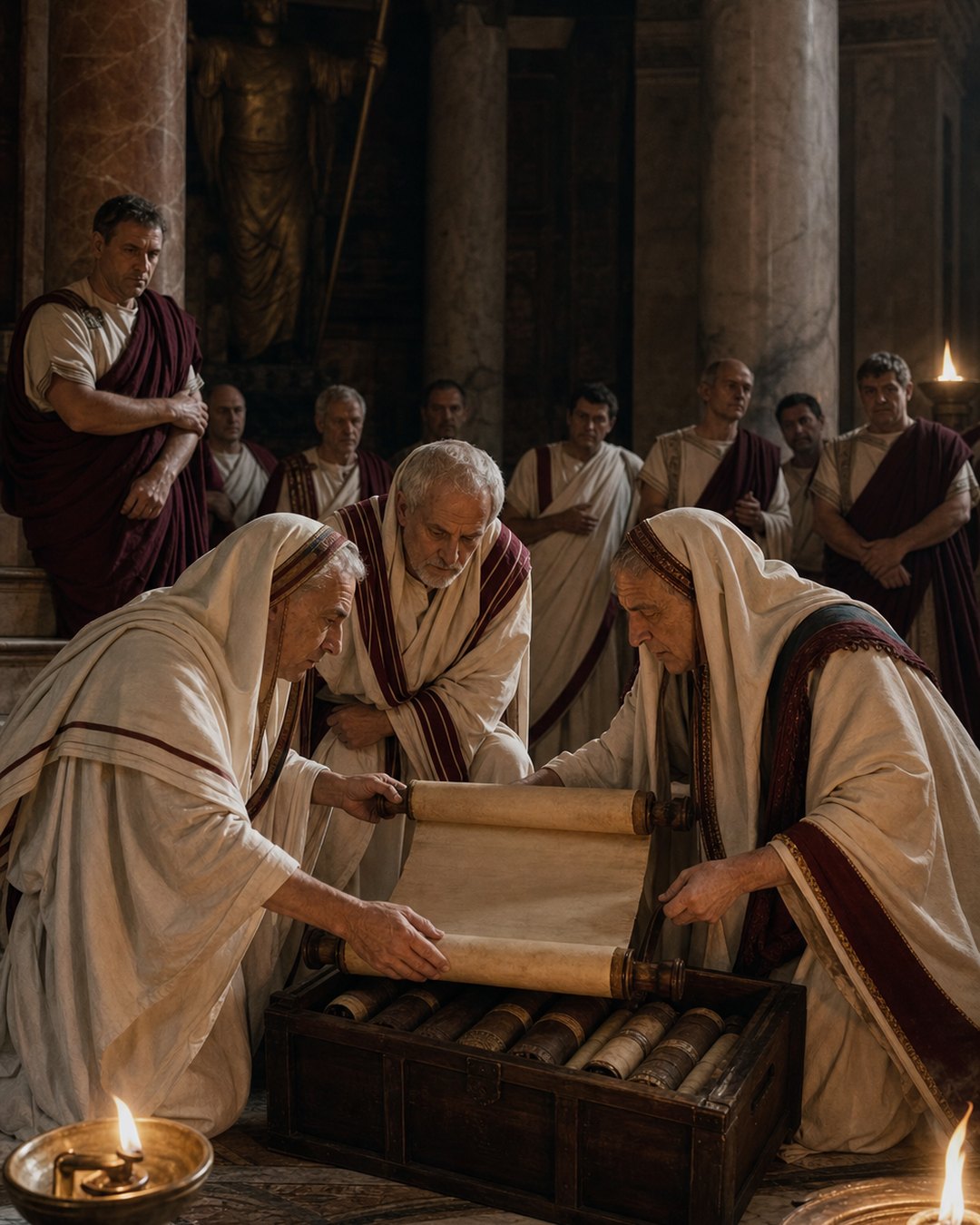
Rome did not open the Sibylline Books to ask who would win a private lawsuit or whom a young aristocrat should marry. The collection belonged to the state, rested under guarded custody, and entered public life when plague, prodigy, defeat, or some other rupture made normal ritual feel insufficient. The senate authorized consultation; appointed priests … Read more

Why Roman Crossroads Shrines Made Neighborhoods Visible

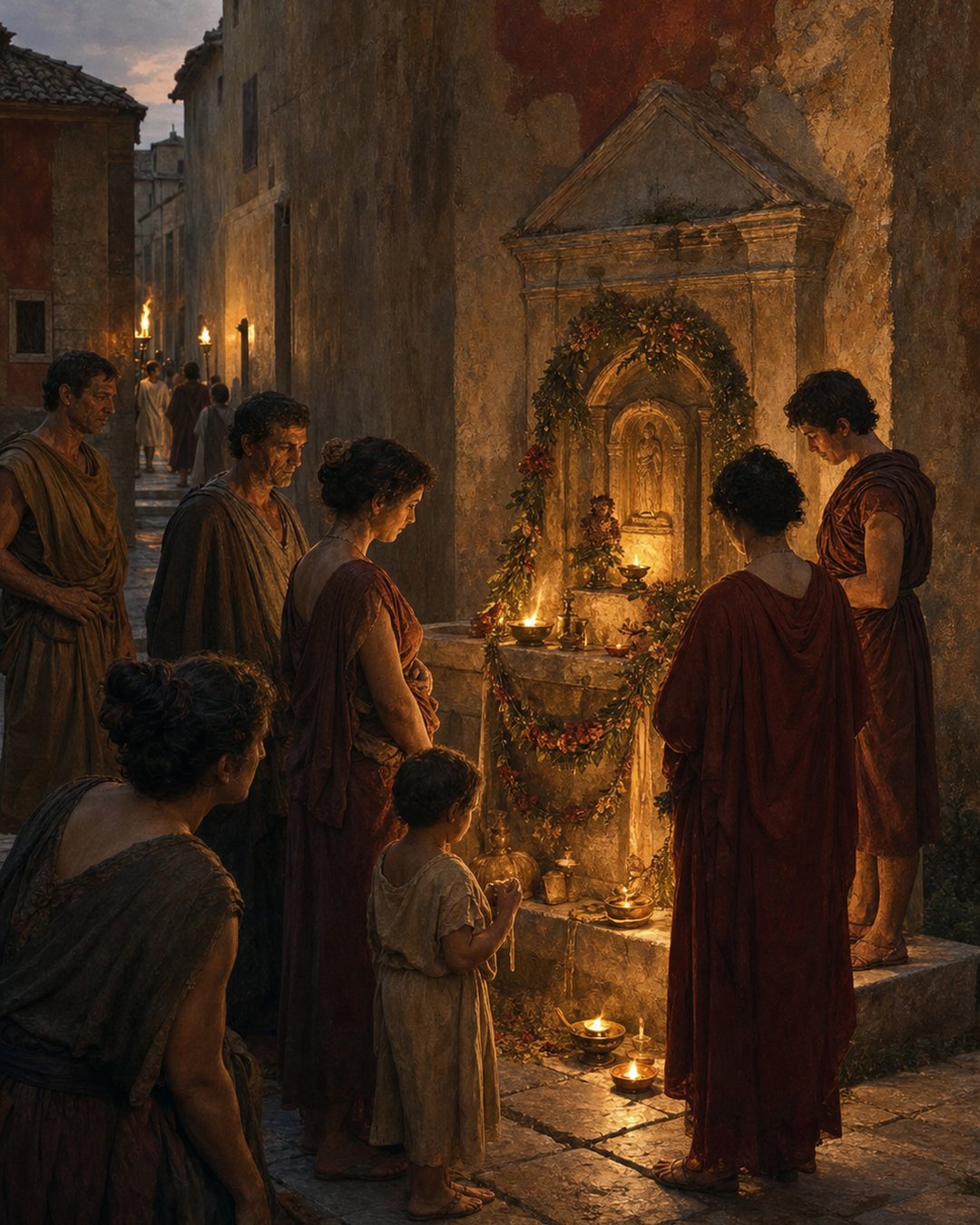
A Roman crossroads was never only a place to turn left or right. It was where carts slowed, neighbors recognized one another, shopfronts opened, gossip moved, and local gods could be noticed by people who might not share a household. Roman crossroads shrines made neighborhoods visible because they gave a vicus a sacred marker in … Read more

Why Roman Altars Made Vows Visible

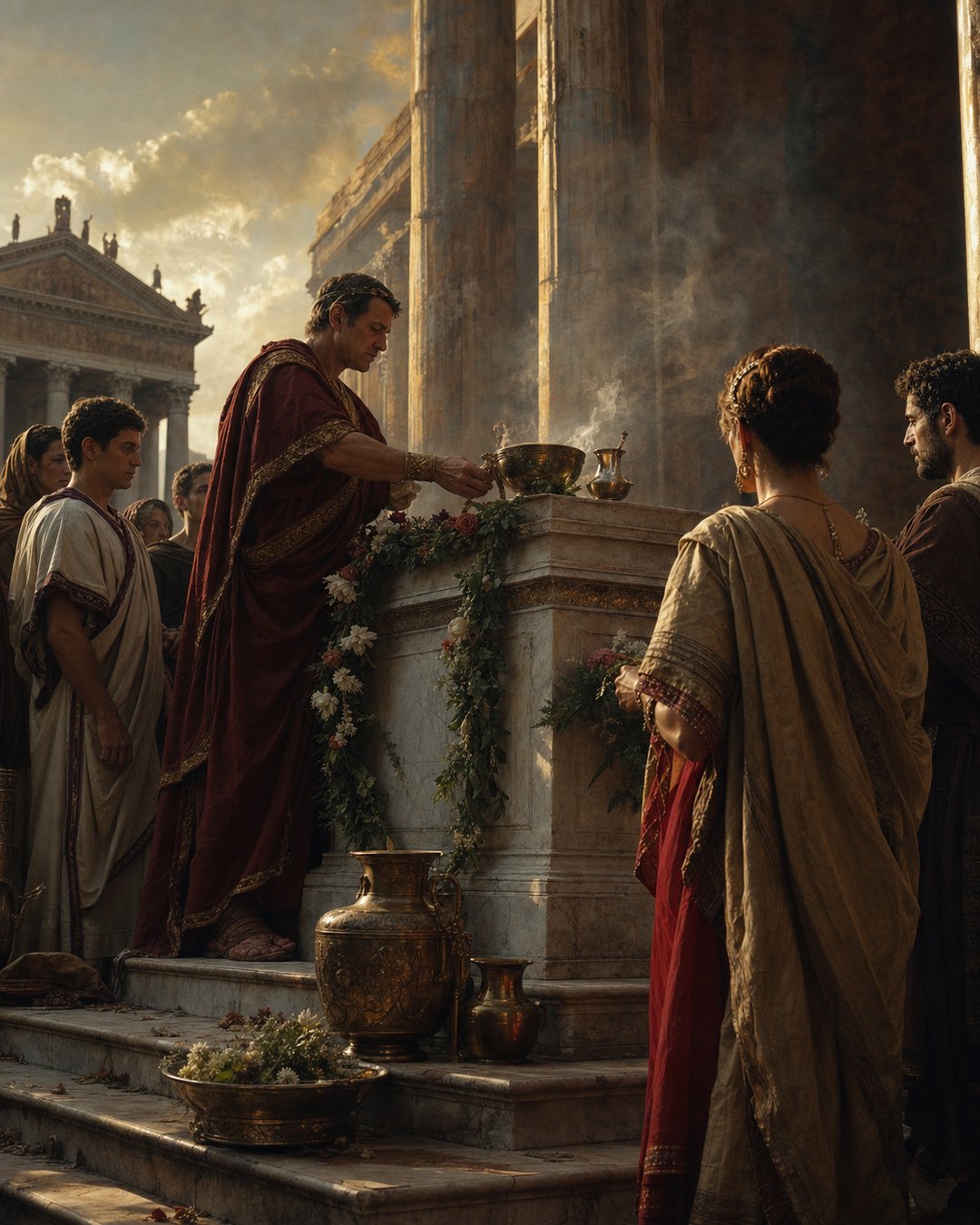
A vow can sound private when we imagine it as a thought whispered in fear or gratitude. Rome often made that promise harder to hide. It gave the promise stone, smoke, a route, witnesses, and a place where memory could return. Roman altars made vows visible because they turned religious obligation into public action. The … Read more

How Roman Processions Made Religion Move Through the Streets

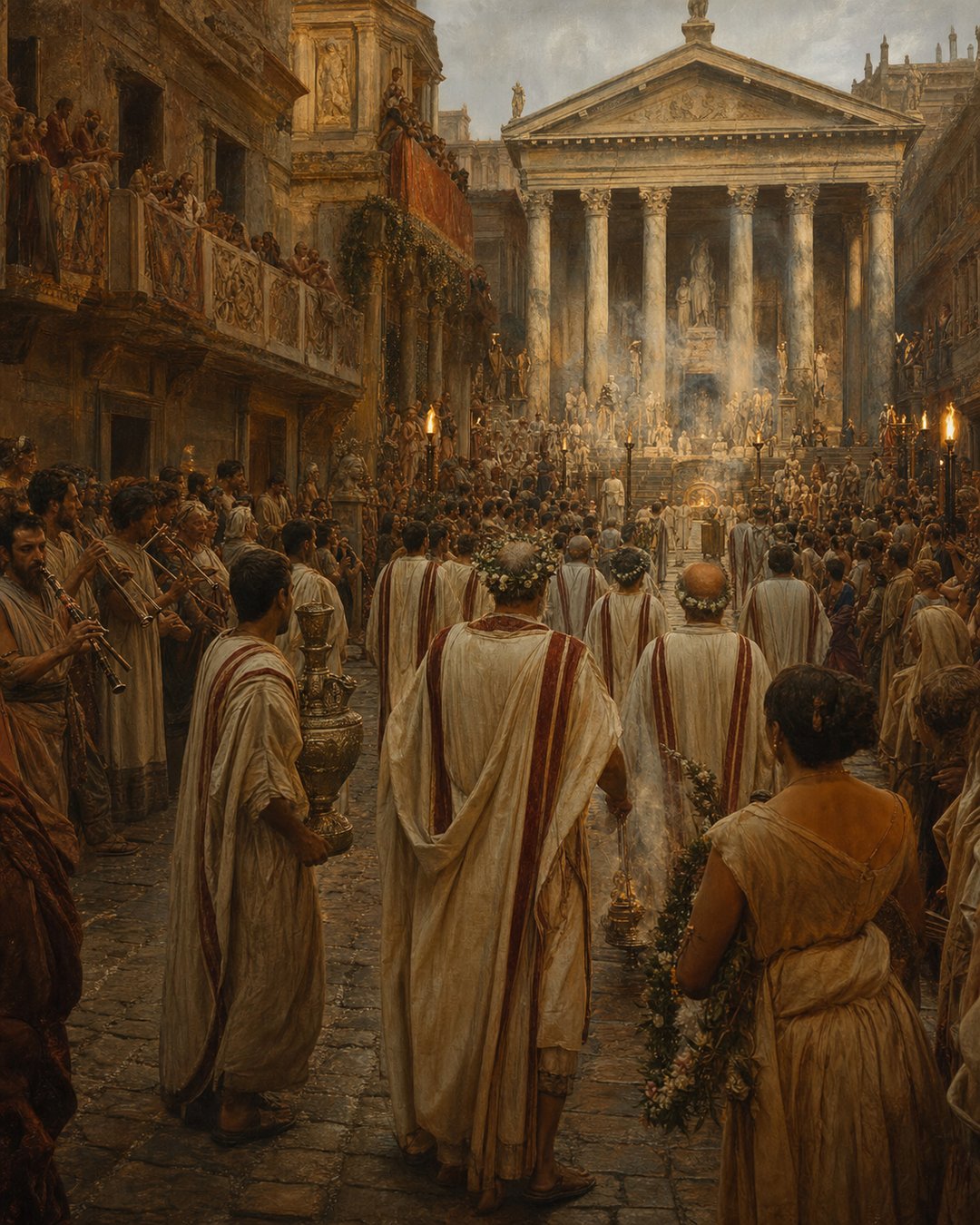
Roman religion was not a private feeling that happened to borrow public buildings. It moved. It formed lines, filled streets, gathered spectators, carried implements, raised smoke, and made the relationship between city and gods visible in bodies. Roman processions made religion move through the streets because ritual needed witnesses as much as words. The pompa … Read more

How Roman Hospitality Tokens Made Trust Travel

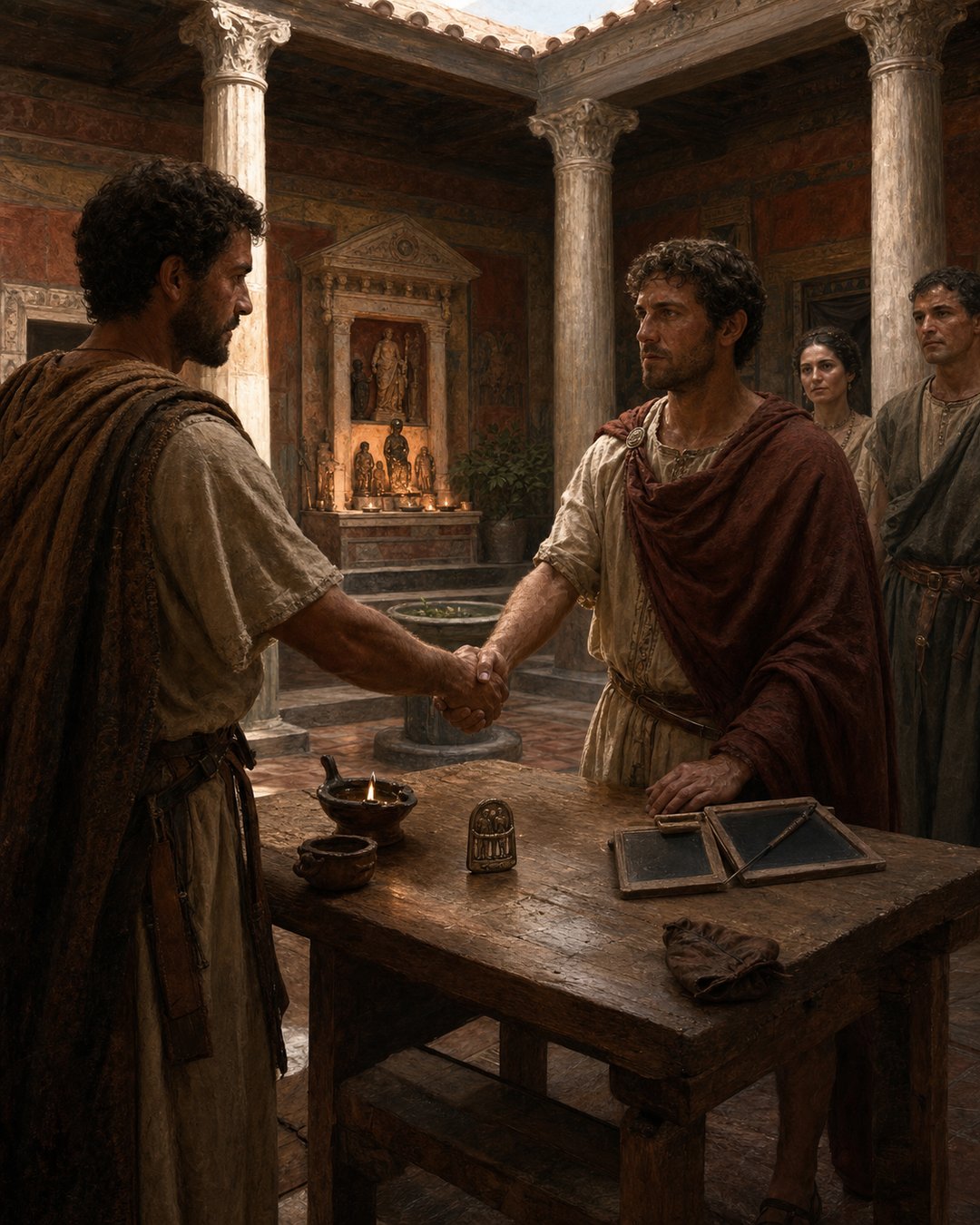
Trust is easy to praise and difficult to move. A promise made in one house can become fragile when the guest is far away, the host is dead, or a descendant has to decide whether an old bond still matters. Rome had ways to make that problem material. Roman hospitality tokens made trust travel because … Read more