Why Roman Tax Farmers Made Revenue Public
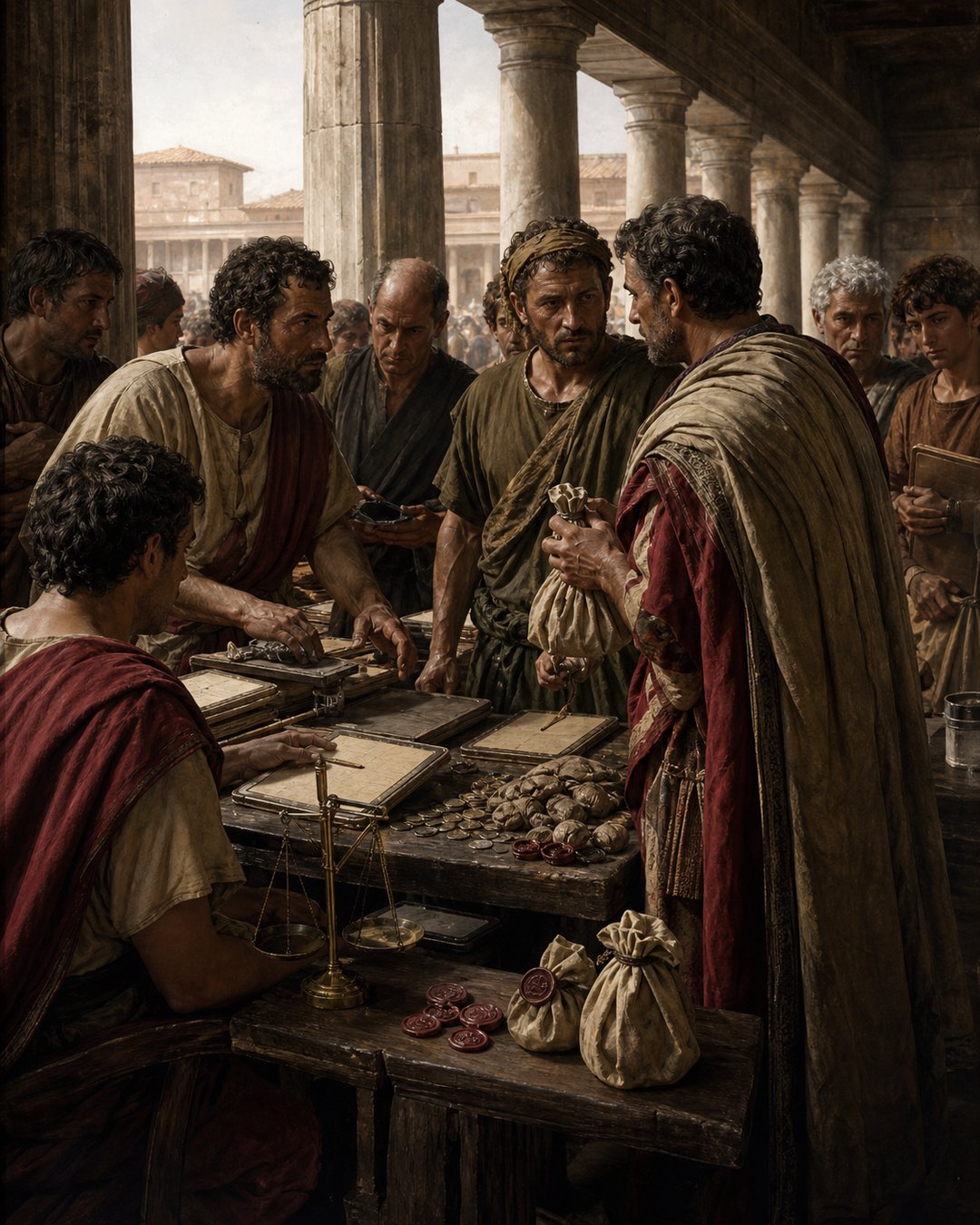
Revenue sounds abstract until someone places a scale on the table. In the Roman world, taxes, rents, tolls, and customs could appear as coins counted under a portico, seals pressed into wax, goods weighed at a station, or a contractor insisting that the state’s claim had become his business. Roman tax farmers made revenue public … Read more
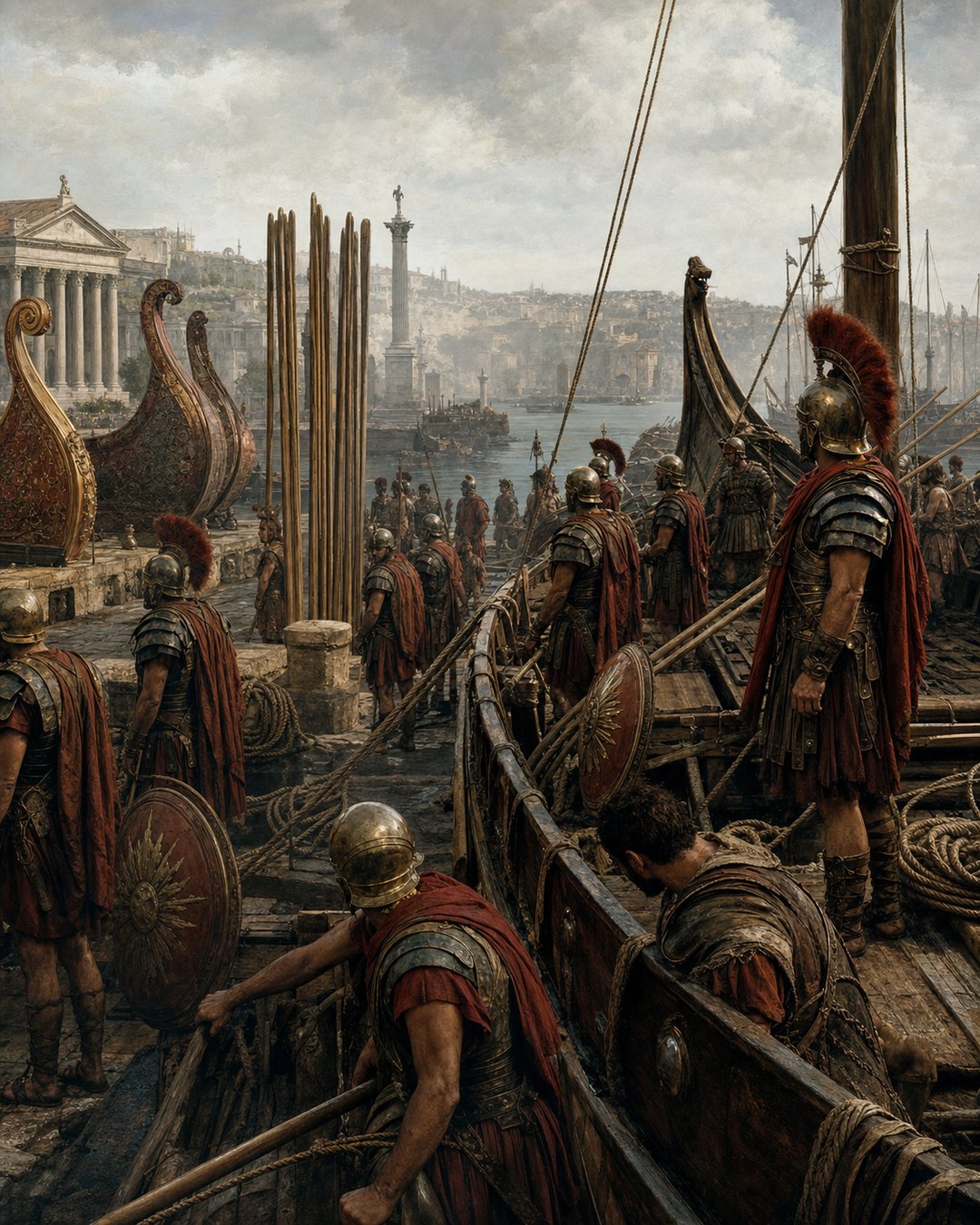
Why Roman Ship Prows Made Naval Victory Public

Naval victory is difficult for a land city to remember. The battle happens beyond the Forum, beyond the citizen crowd, beyond the daily routes of most people who will later speak about it. Rome solved that problem in a characteristically physical way. It brought the sea back as an object. Roman ship prows made naval … Read more

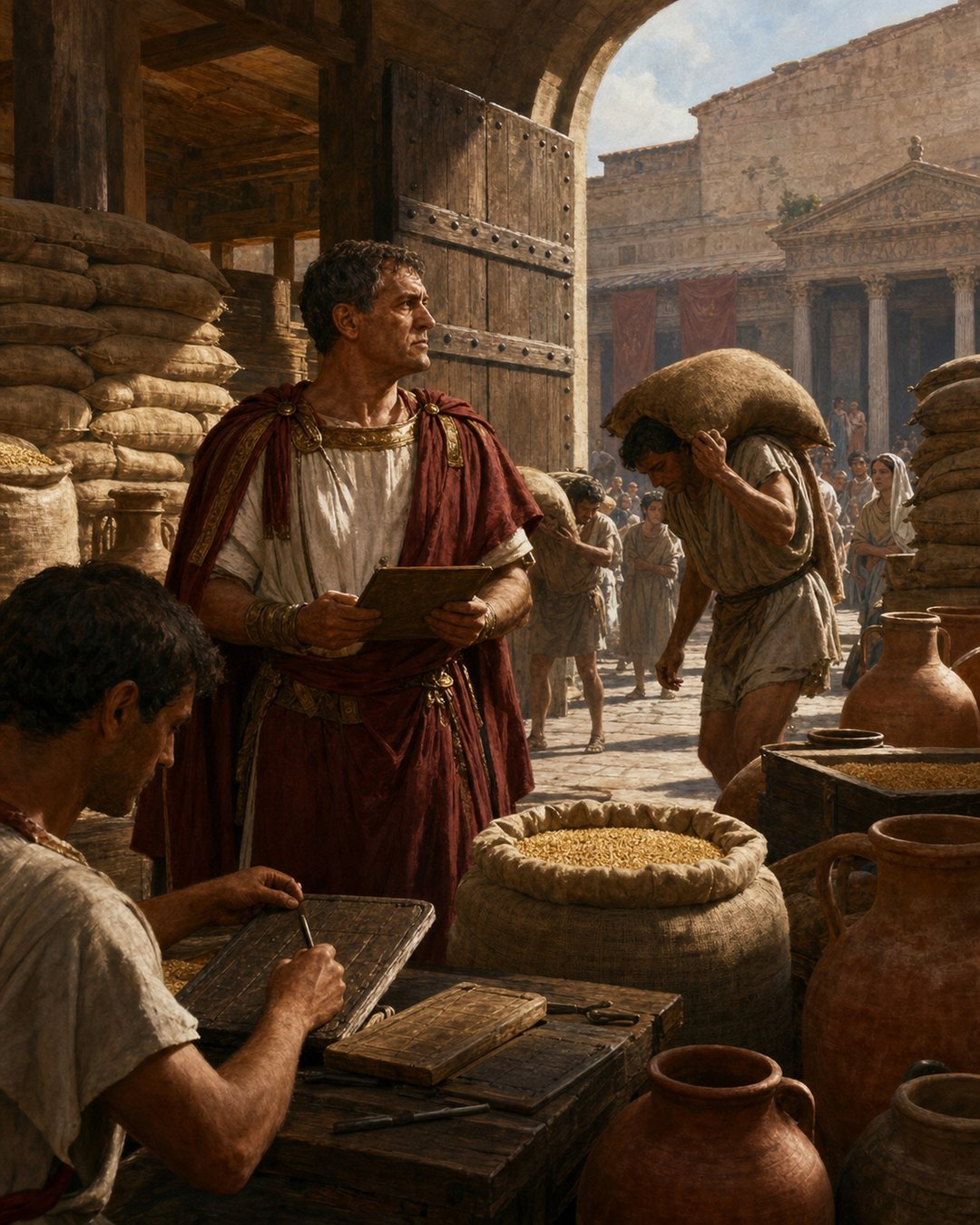
Why Roman Granaries Made Surplus Visible

A granary is easy to mistake for a background building. It waits, it stores, it seems less dramatic than a battle, a speech, or a riot. Rome knew better. Roman granaries made surplus visible because stored grain was not only food kept for later. It was evidence that the city could survive tomorrow’s hunger, if … Read more

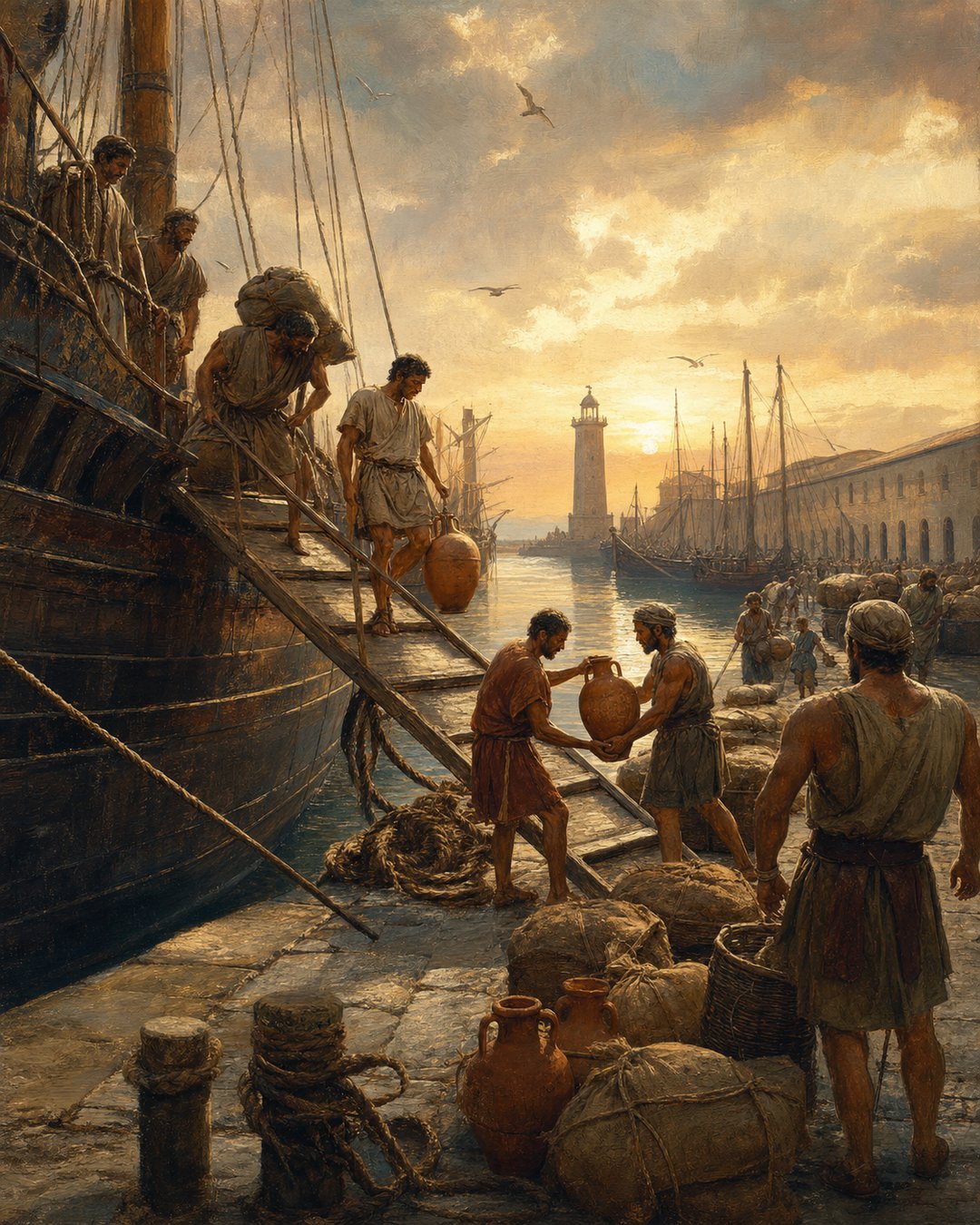
Why Ostia’s Harbor Made Empire Feel Reachable

Empire can sound abstract until it reaches a dock. At Ostia, distance became visible as ships, ropes, sacks, amphorae, warehouses, ledgers, and laborers moving goods toward Rome. Ostia’s harbor made empire feel reachable because it turned faraway provinces into practical arrivals. The system was not only conquest or map color. It was cargo handled at … Read more

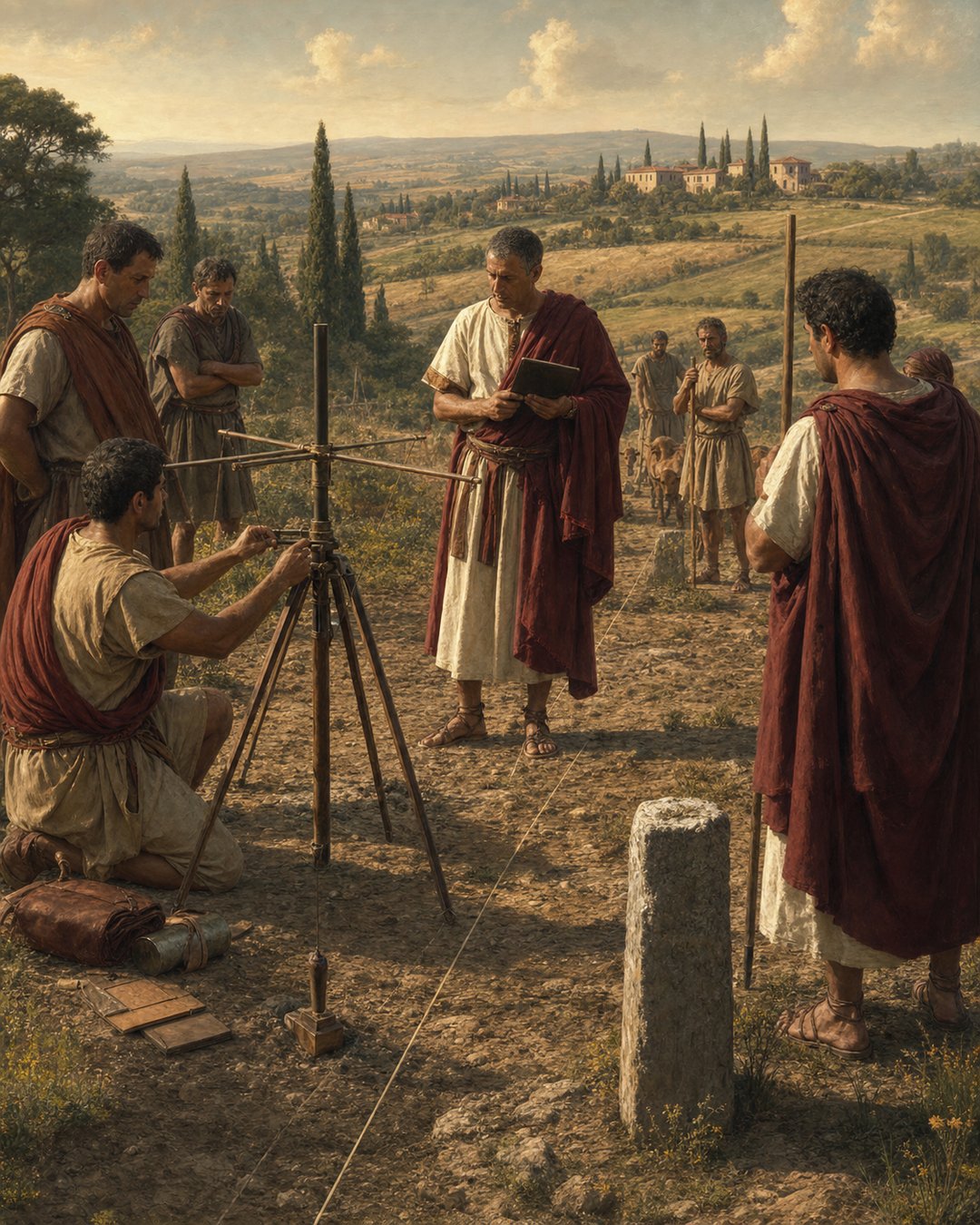
Why Roman Surveyors Made Land Disputes Visible

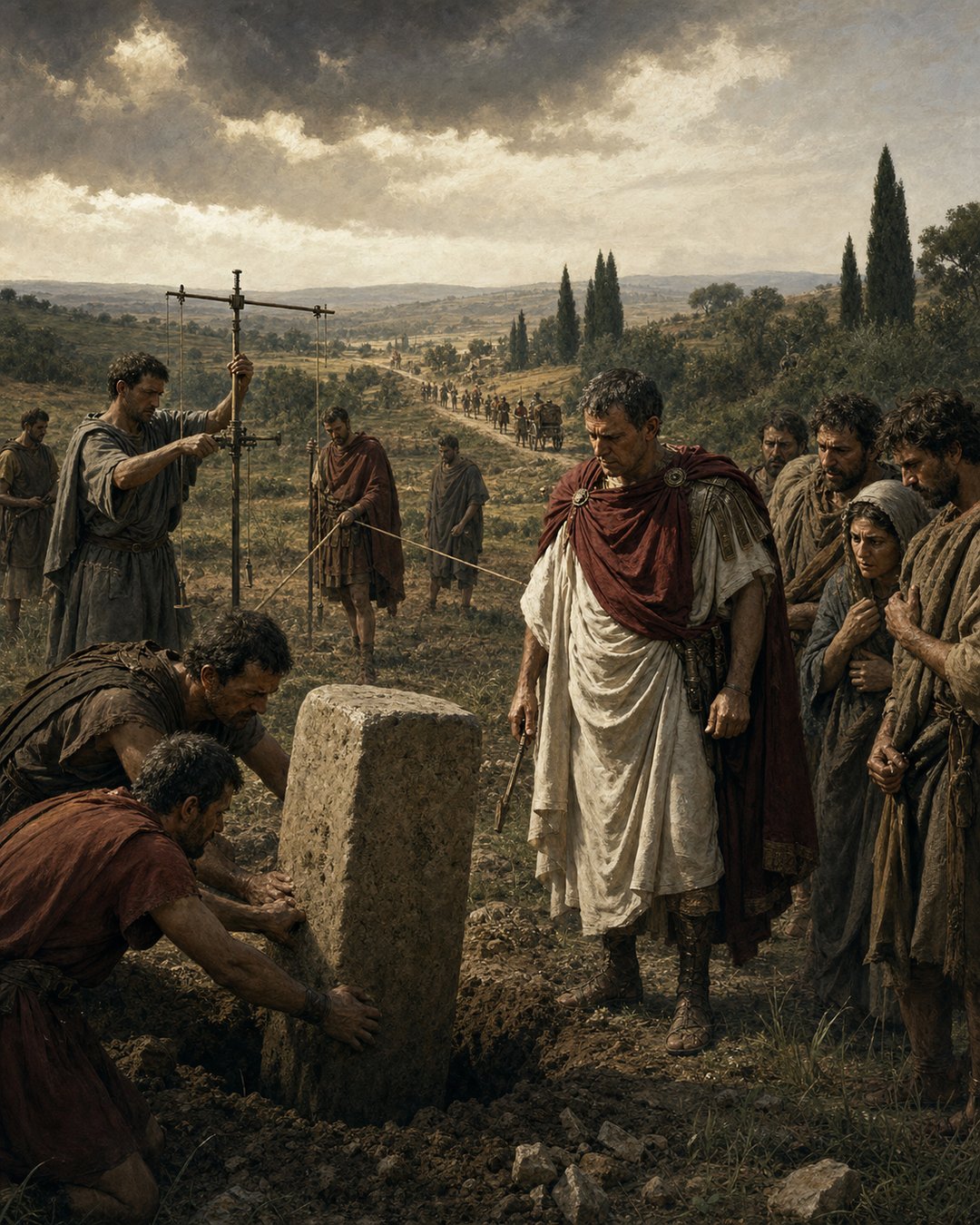
A Roman land dispute could begin with something small: a stone moved, a furrow crossed, a neighbor’s claim repeated once too often. The solution, at least in theory, required making the invisible argument visible. Roman surveyors made land disputes visible because they turned ownership, taxation, settlement, and jurisdiction into measured lines on the ground. A … Read more

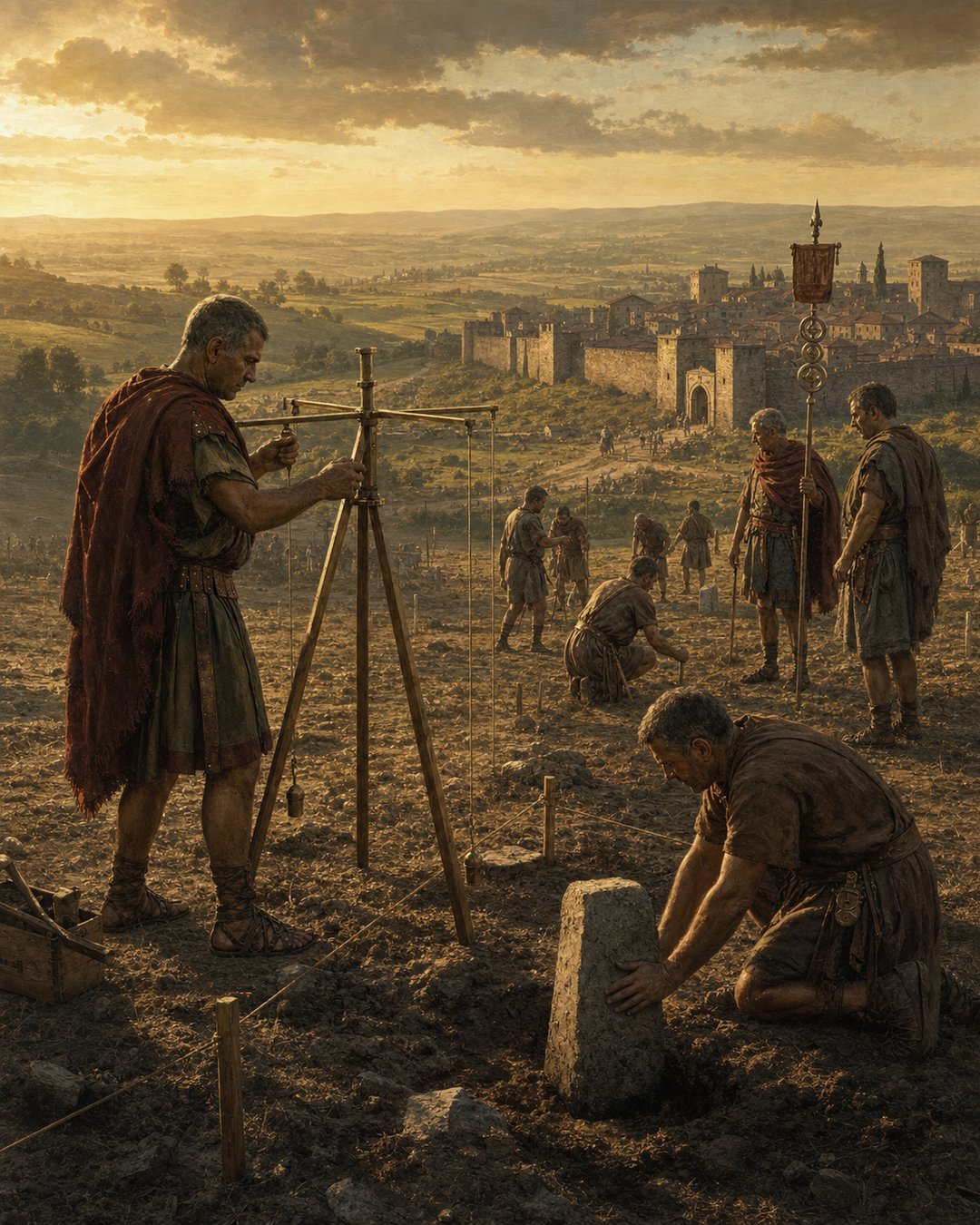
Why Roman Veteran Colonies Made Conquest Permanent

A conquest did not become permanent when the battle ended. It became harder to undo when someone measured land, drove stakes into soil, assigned plots, opened roads, and persuaded retired soldiers to build lives where an army had once passed. Roman veteran colonies mattered because they turned military victory into civilian geography. A discharged soldier … Read more

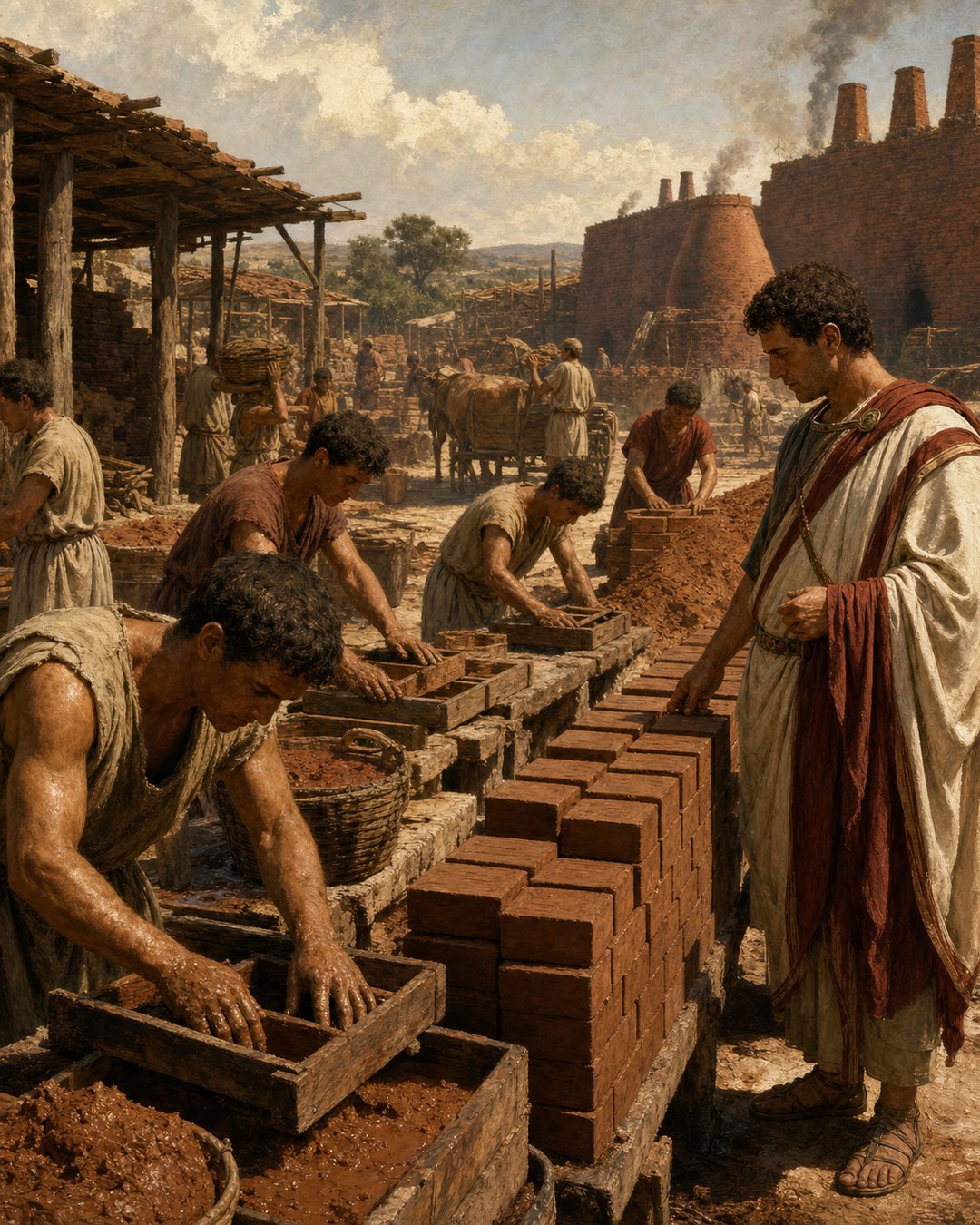
Why Roman Brick Stamps Made Buildings Speak

A Roman wall could speak before anyone covered it with marble. Its voice was small, rectangular, and easy to miss: a stamp pressed into wet clay before firing. To the casual eye it was only a mark on a brick. To a historian, it can be a name, a workshop, an estate, a date, and … Read more

Why Roman Boundary Stones Made Land Political

A boundary stone looks quiet until people disagree about it. Then it becomes a witness, a threat, a memory, and a piece of government in the soil. Romans understood that land was not only earth. It was measured earth, inherited earth, taxed earth, sacred earth, and sometimes conquered earth. That is why Roman boundary stones … Read more

Why Aurelian’s Walls Changed the Meaning of Rome

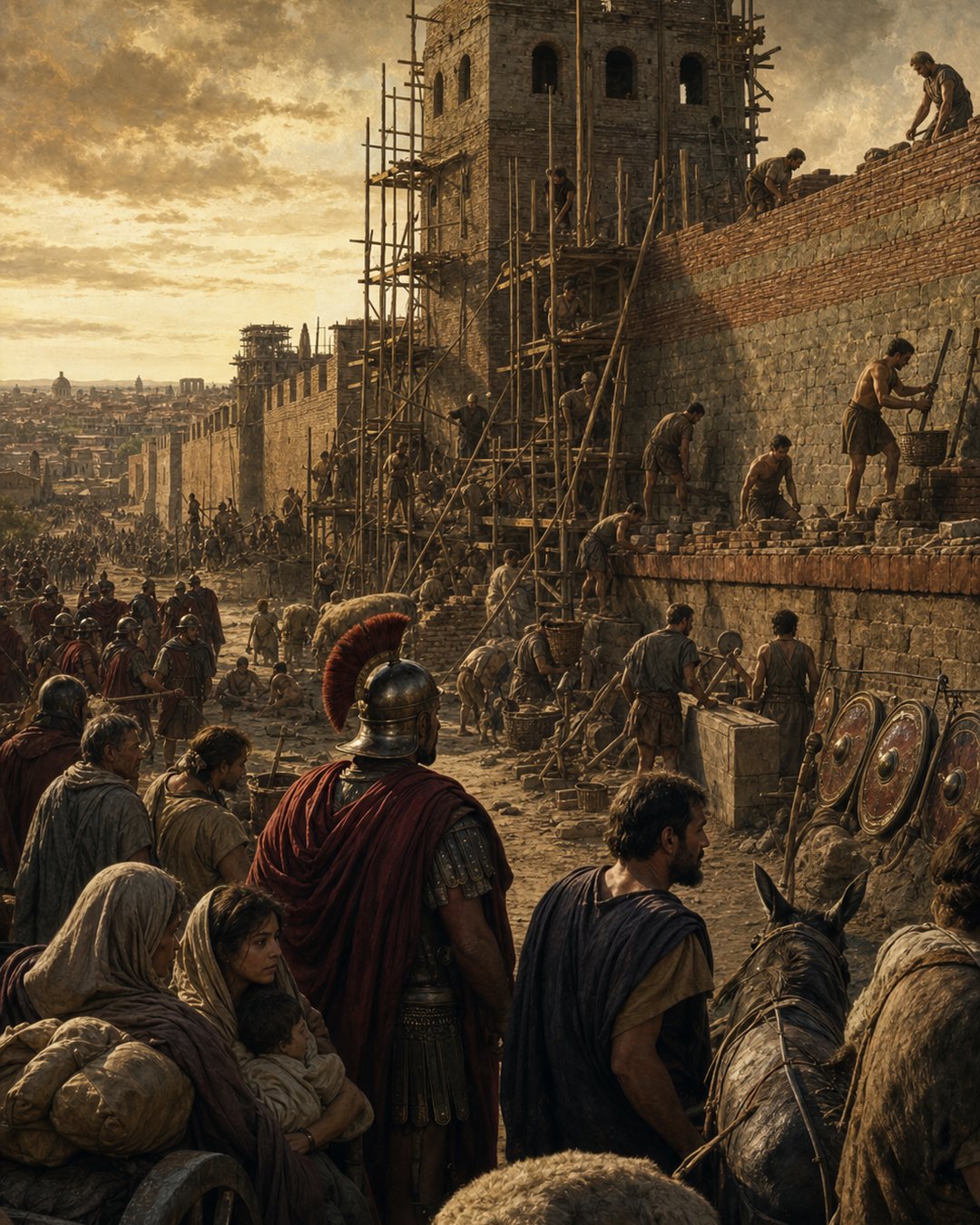
A wall is never only a wall around a capital. It is a confession in stone and brick. When Aurelian began building a new defensive circuit around Rome in the 270s CE, the city received more than fortification. It received a visible admission that the old confidence had changed. For centuries, imperial Rome could imagine … Read more

Sulla’s March Showed Rome a New Kind of Army

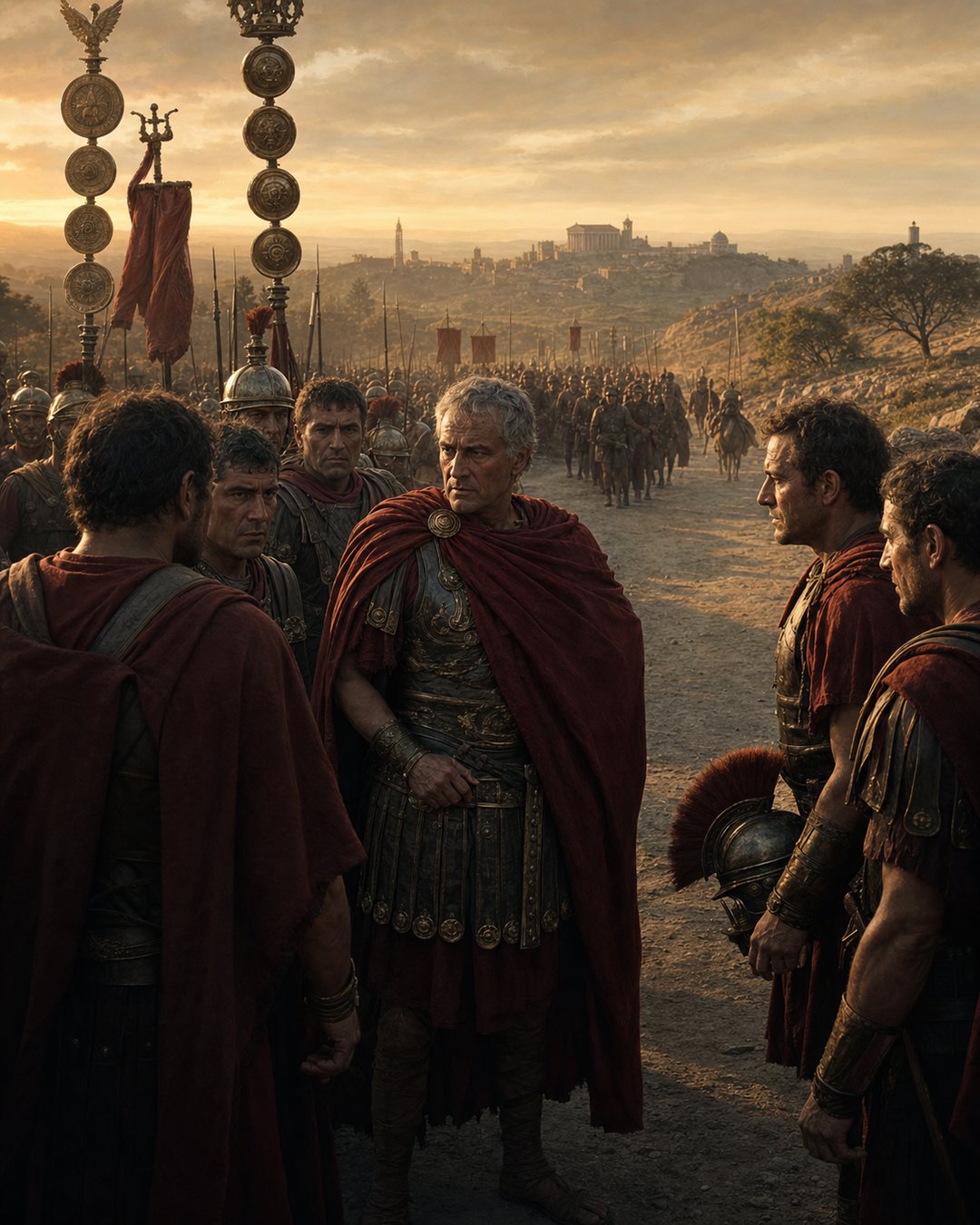
The most dangerous road in the late Republic was not outside Italy. It led back to Rome. In 88 BC, Lucius Cornelius Sulla did something Roman political culture had struggled to imagine: he marched his own army toward the city to settle a domestic command crisis. The shock was not simply violence. Rome knew violence. … Read more