An Imagined House Could Hold an Entire Roman Speech

A Roman speaker could prepare for court by walking through a house without moving his feet. He began at the doorway, crossed the atrium, passed a column, paused at a couch and continued toward a staircase. At each familiar place he set a vivid mental image for one part of the speech. When the moment … Read more

Six Bronze Tablets Made a Town Govern Itself

In 1981, six bronze plates recovered in southern Spain opened a town hall that had been silent for nearly nineteen centuries. They belonged to the Municipium Flavium Irnitanum, a community in the modern province of Seville that was scarcely known before its municipal charter appeared. The metal did not preserve a heroic speech. It preserved … Read more

Every Eighth Day Brought the Countryside into Rome

Rome’s countryside did not enter the city at random. On a recurring market day, farmers and rural buyers could plan to bring produce, settle business, hear news and return home with goods that were difficult to obtain locally. The cycle was called the nundinae, a “ninth day” by Roman inclusive counting but an eight-day interval … Read more

Dead Consuls Returned to the Forum in Wax

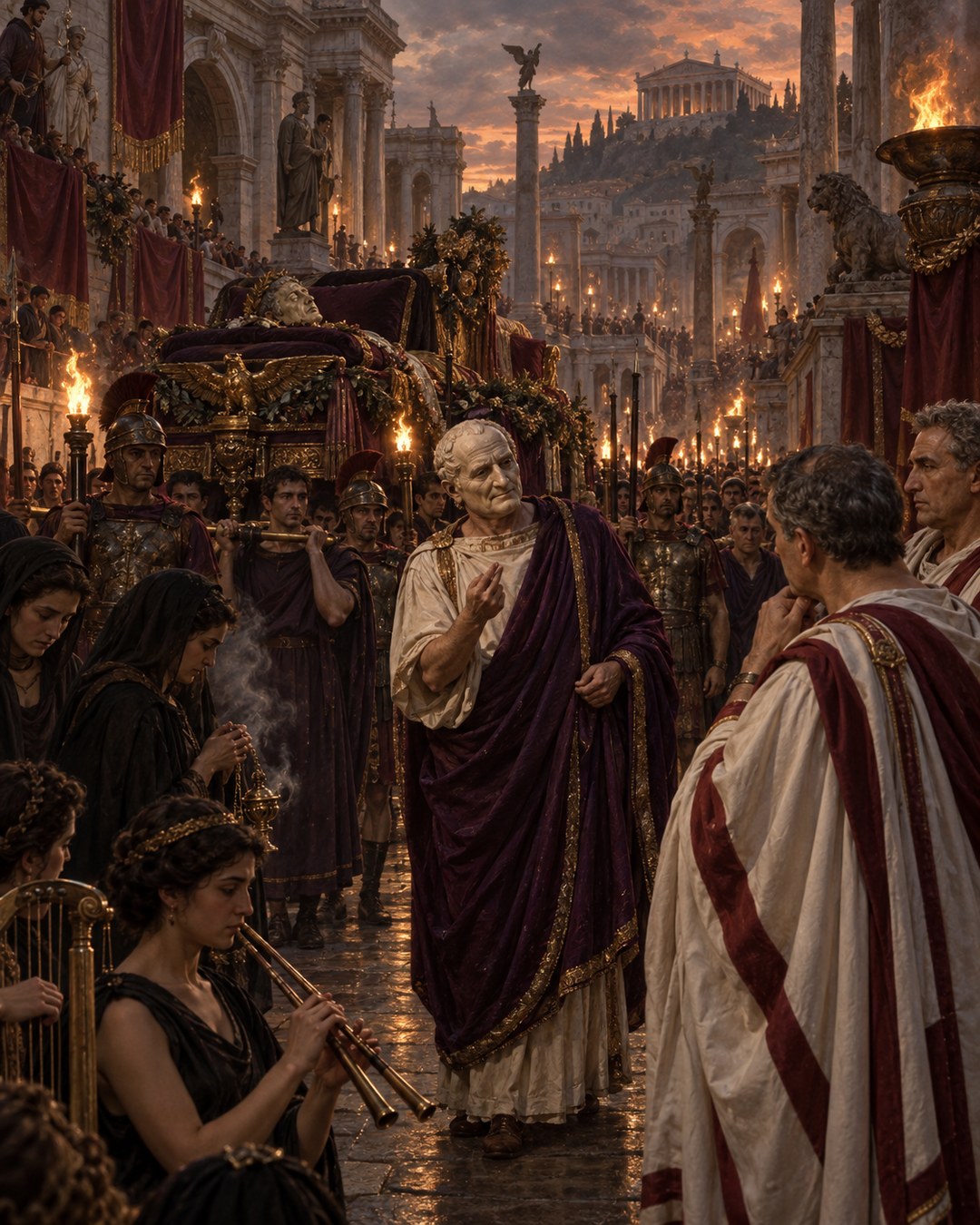
An elite Roman funeral could bring more than one dead man into the Forum. Polybius describes actors wearing wax likenesses of a family’s ancestors, dressed according to the offices those men had held. Former consuls, censors and triumphators appeared to return in procession, then sat on ivory chairs while the newest death was explained to … Read more

A Baker Built His Tomb Like the Machinery of Bread

Marcus Vergilius Eurysaces did not ask Rome to remember a borrowed heroic ancestor. He put bread production on his tomb. Near the Porta Maggiore, the monument announces a baker, contractor and public servant in letters large enough for traffic to read. Above them, ranks of cylinders and a relief sequence turn commercial machinery into funeral … Read more

Fifteen Priests Guarded Rome’s Dangerous Prophecies

Rome did not treat prophecy as a voice that anyone could quote whenever politics became difficult. Its most famous prophetic collection was locked away, placed under named guardians and opened only after the Senate decided that ordinary answers were no longer enough. The arrangement looks paradoxical. A city that feared omens preserved dangerous verses at … Read more

Actium Was Decided Before the Fleets Collided

On 2 September 31 BCE, Antony and Cleopatra’s fleet faced Octavian’s forces near Actium on the western coast of Greece. The famous image is a line of heavy warships, Cleopatra’s squadron breaking through and Antony following her toward Egypt. That dramatic exit was real enough to dominate later storytelling. It was not the beginning of … Read more

Pepper, Ivory and a Loan Contract Across Two Oceans

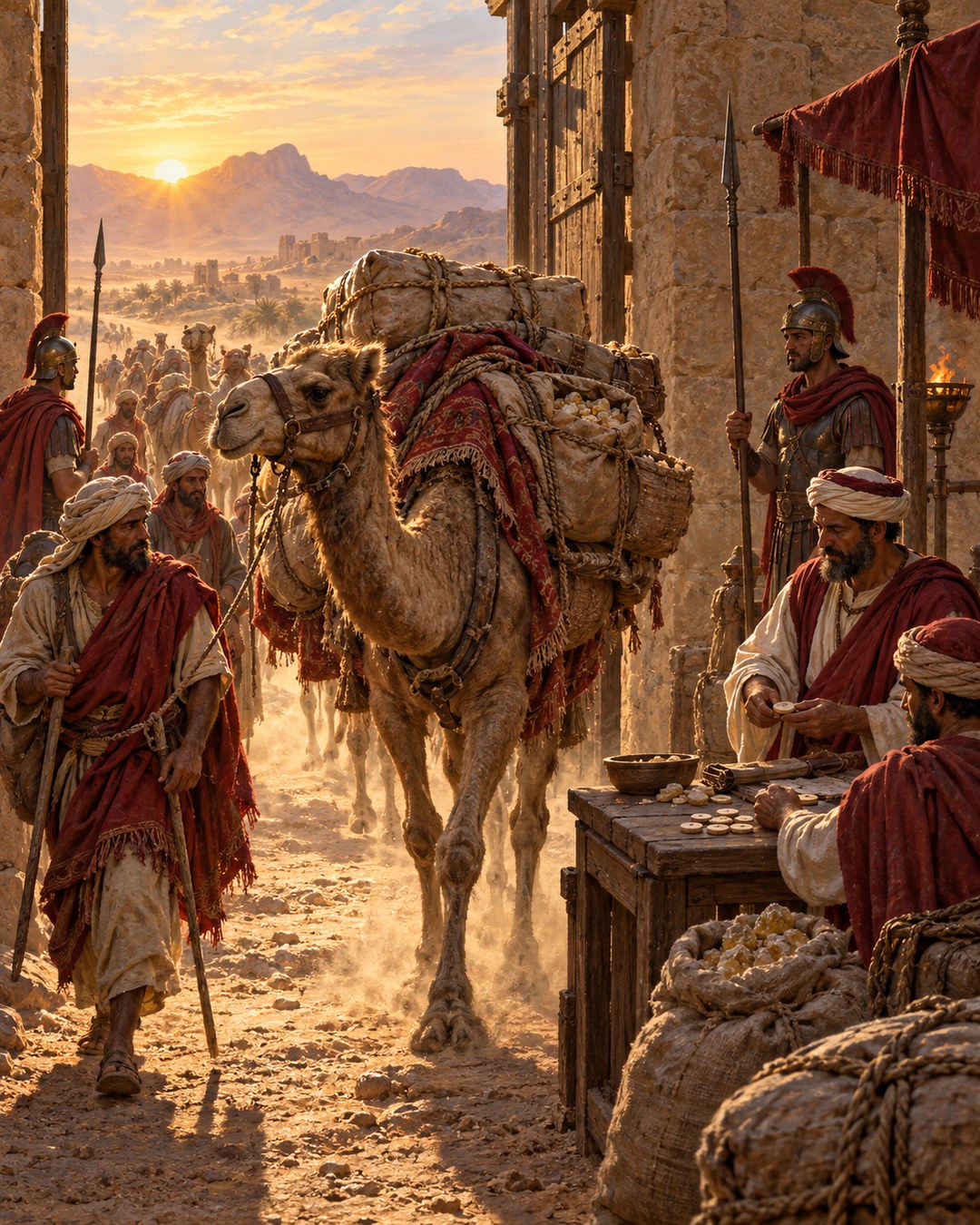
A torn papyrus preserves a ship called the Hermapollon, sixty boxes of Gangetic nard, thousands of pounds of ivory and a cargo valued in talents and drachmas. It is easy to read those fragments as an exotic shopping list. The more important revelation is less glamorous: Roman trade with India was held together by clauses … Read more

The Admiral Who Read Vesuvius as a Rescue Signal

At Misenum on the afternoon of the Vesuvius eruption, Pliny the Elder was not standing at a villa window waiting to become a martyr to science. He commanded the Roman fleet. When an unfamiliar cloud rose across the Bay of Naples, curiosity sent him toward his writing tablets, but a message from a trapped friend … Read more