The Admiral Who Read Vesuvius as a Rescue Signal

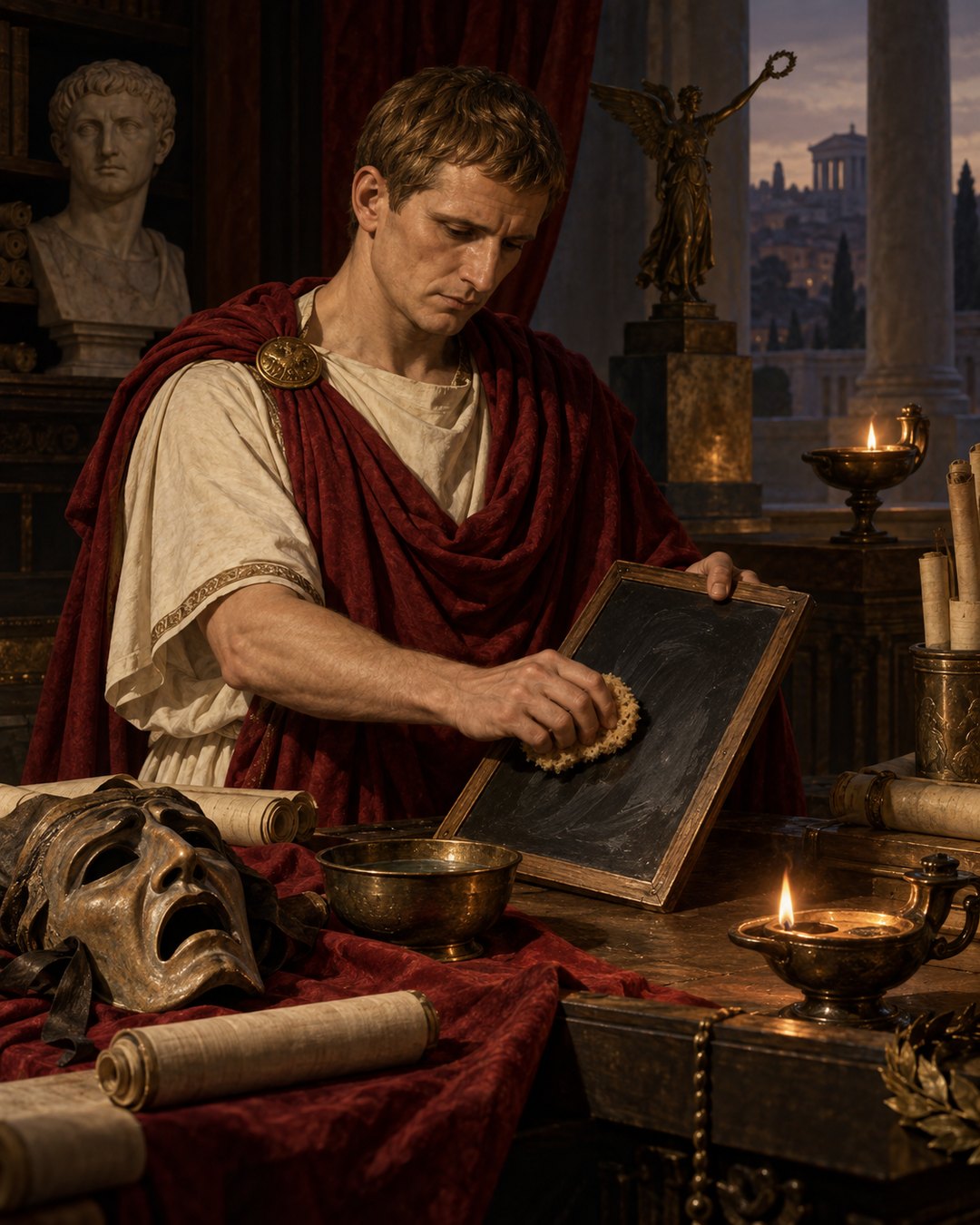
At Misenum on the afternoon of the Vesuvius eruption, Pliny the Elder was not standing at a villa window waiting to become a martyr to science. He commanded the Roman fleet. When an unfamiliar cloud rose across the Bay of Naples, curiosity sent him toward his writing tablets, but a message from a trapped friend … Read more

Verres Left Rome Before Cicero Finished the Case

When Gaius Verres entered court in 70 BCE, he expected a long contest. Delay favoured him. Elections and public games could interrupt proceedings, a friend might soon hold the consulship, and the case could be pushed into a political climate kinder to a former governor with money and connections. Marcus Tullius Cicero answered by refusing … Read more

Diocles Won 1,462 Races—and Chose When to Hold Back

A stone inscription set up at Praeneste does something modern sports archives would recognize immediately: it turns a career into numbers. Gaius Appuleius Diocles raced for twenty-four years, entered 4,257 contests, won 1,462 times and accumulated 35,863,120 sesterces in prize money. Those figures are so large that they can make him look like a legend … Read more

Seven Miles to the Fire: Scipio’s Midnight Attack

At sunset in 203 BCE, Roman troops left their camp in North Africa without the noise of a normal advance. They marched seven miles at an easy pace and deployed before midnight. Ahead of them stood two allied encampments: the Numidian king Syphax in huts of reeds and timber, and Hasdrubal Gisco with the Carthaginians. … Read more

Eighty Million Broken Oil Jars Became a Roman Hill

South of ancient Rome’s center stands a hill that the landscape did not make. Monte Testaccio rises from fragments of transport jars, overwhelmingly amphorae that once carried olive oil. Estimates approach eighty million containers. Their handles, rims and walls accumulated into terraces high enough to become urban topography. The hill is often called a rubbish … Read more

Cicero Spoke While Catiline Sat Alone

On 8 November 63 BCE, Lucius Sergius Catilina walked into a meeting of the Roman Senate and found isolation waiting for him. Senators who might normally have greeted a former praetor moved away. The bench around him was left conspicuously empty. Across the chamber stood the consul Marcus Tullius Cicero, prepared to turn intelligence about … Read more

A Black Stone Arrived While Hannibal Still Haunted Italy

In 204 BCE, the Second Punic War had lasted fourteen years. Hannibal no longer threatened Rome’s walls, but he remained in Italy, harvests and alliances had been tested, and Romans wanted the war’s end to become thinkable. Their answer included a small dark object carried across the sea: the sacred stone of the Great Mother … Read more

One Vote Gave Pompey the Whole Mediterranean

In 67 BCE, Romans confronted piracy as a problem that reached from a captured ship to the price of bread. Raiding had disrupted routes, embarrassed magistrates and made the Mediterranean look less like Rome’s road than an open field of danger. The proposed answer was extraordinary: give Gnaeus Pompeius Magnus command over the entire sea … Read more

Eumachia Built Her Name into the Heart of Pompeii

Pompeii preserved very few ancient women at monumental scale. Eumachia is the startling exception. Her name ran across the façade of a vast building beside the Forum, appeared again at a side entrance, and stood beneath a marble portrait placed in the rear portico. She did not survive merely as someone’s wife. She survives as … Read more