Roman Artillery Stored Violence in Twisted Rope

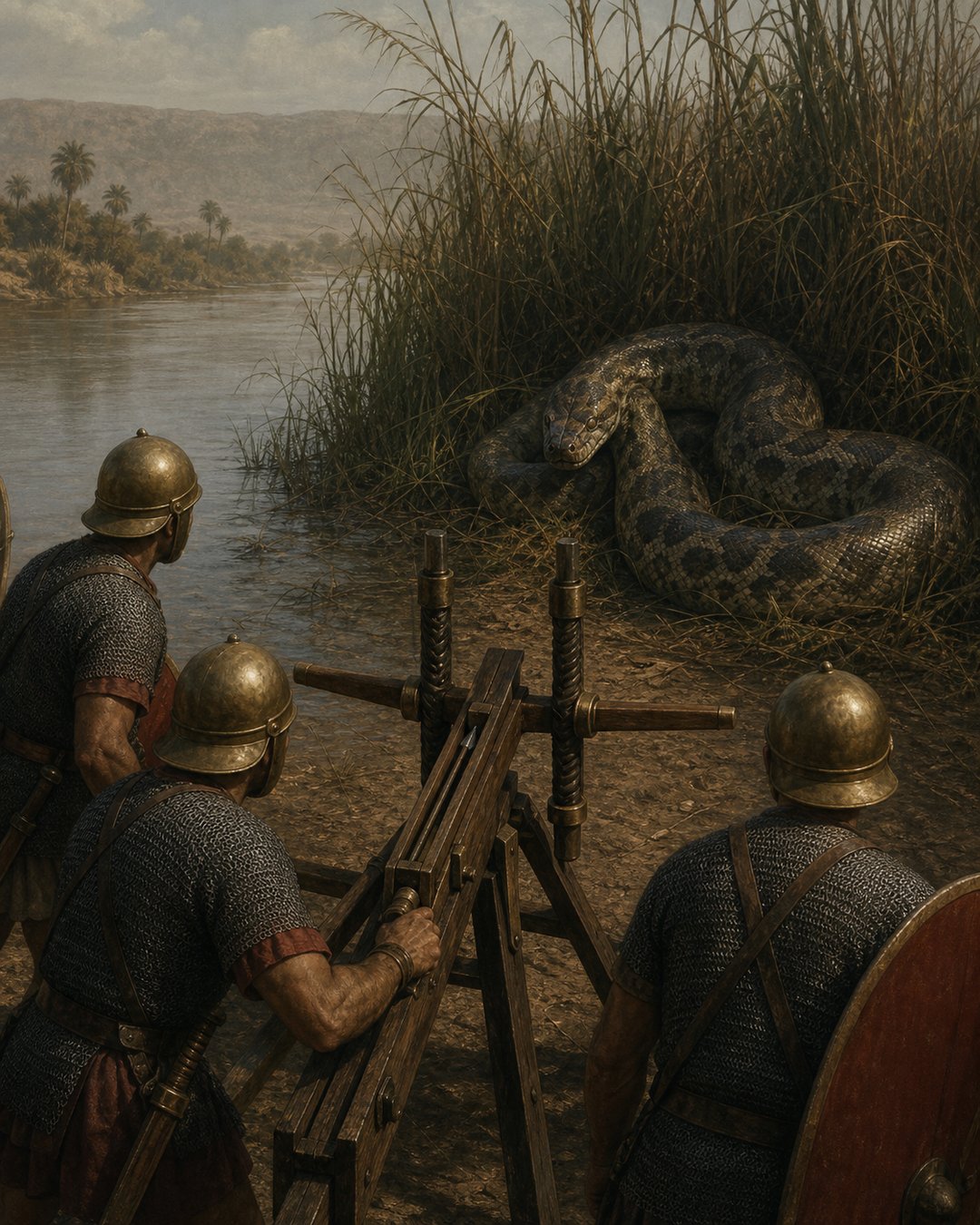
A Roman artillery engine was dangerous before anyone loaded a stone. Its power sat invisibly inside bundles of hair, sinew, thong, or plant fiber that crews had twisted under tension. The timber frame did not create force by size alone. It held a material spring that specialists could prepare, aim, and release. That is the … Read more

A Toga Was Rome’s Public Dress Code

The toga looks effortless in marble because marble cannot complain. On a living body it was a large wool garment that had to be placed, folded, balanced, and carried with care. It restricted the easy movements of work, left its wearer conscious of every shift in the cloth, and made neglect visible to everyone nearby. … Read more

Inside a Roman Lock, Security Began with a Bolt in the Floor

A Roman lock began below eye level. On surviving Pompeian thresholds, two holes mark where the fastenings of a double door entered the stone. Each leaf had its own bolt. Before a key became the object carried on a ring, security was a matter of wood, iron, leverage, and a socket worn into the sill. … Read more

Before a Roman Mirror Showed a Face, Someone Had to Polish It

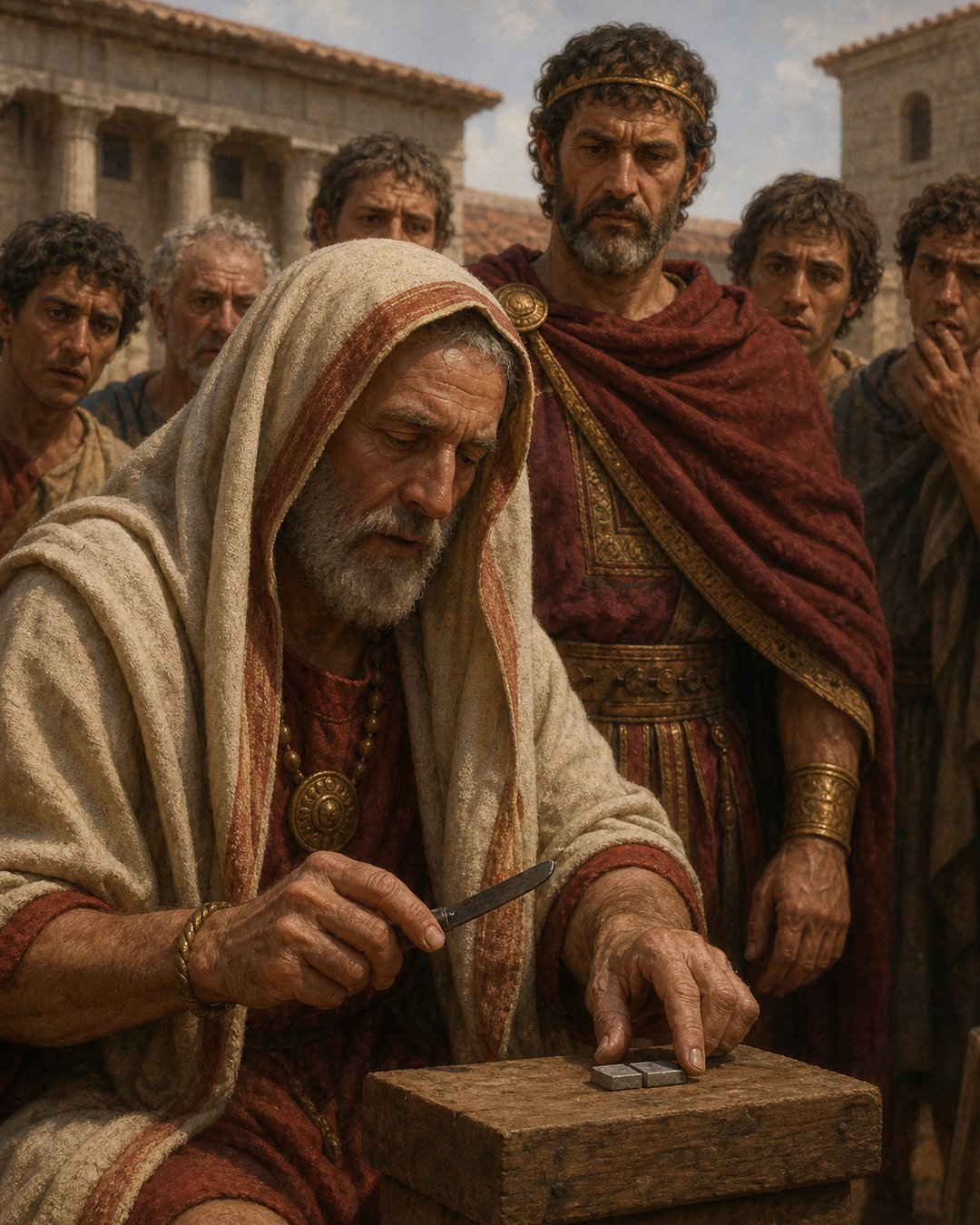
A Roman mirror did not begin with a face. It began with ore, alloy, heat, hammering, abrasion, and the patient removal of every dull patch that broke the reflection. Before anyone could inspect an earring or arrange a fold of cloth, a craftsperson had to persuade metal to behave like an image. That material fact … Read more

Why Roman Milestones Made Roads Measurable

A Roman road was not only a strip of hard surface. It was also a measured promise. A traveler could walk over fitted stones, pass tombs and fields, watch the next rise of land, and then meet a marker that said the journey was not just felt in tired legs. It was counted. That small … Read more

Why Roman Oil Lamps Made Night Work Visible

A Roman night was not empty just because the sun had gone down. Work could continue, accounts could be checked, goods could be sorted, and a household could keep moving, but only inside the limits of a small flame. The oil lamp made those limits visible. A lucerna was not dramatic infrastructure like an aqueduct … Read more

Why Roman Signet Rings Made Authority Portable

A Roman order did not always arrive with soldiers. Sometimes it arrived as a folded tablet, a sealed packet, or a message whose authority depended on one small impression in wax. The signet ring made that possible. The ring mattered because it let authority travel. A mark pressed by one hand could be checked by … Read more

How Roman Baths Made Public Cleanliness Social

Roman bathing can look luxurious from the outside, all marble, steam, and leisure. But the deeper story is more practical. A bath made cleanliness social by gathering water, heat, attendants, bodies, and conversation into a shared routine. The balneae were not simply rooms where people washed. They were places where infrastructure became a daily experience. … Read more