Roman Bankers Made Trust Visible at a Table

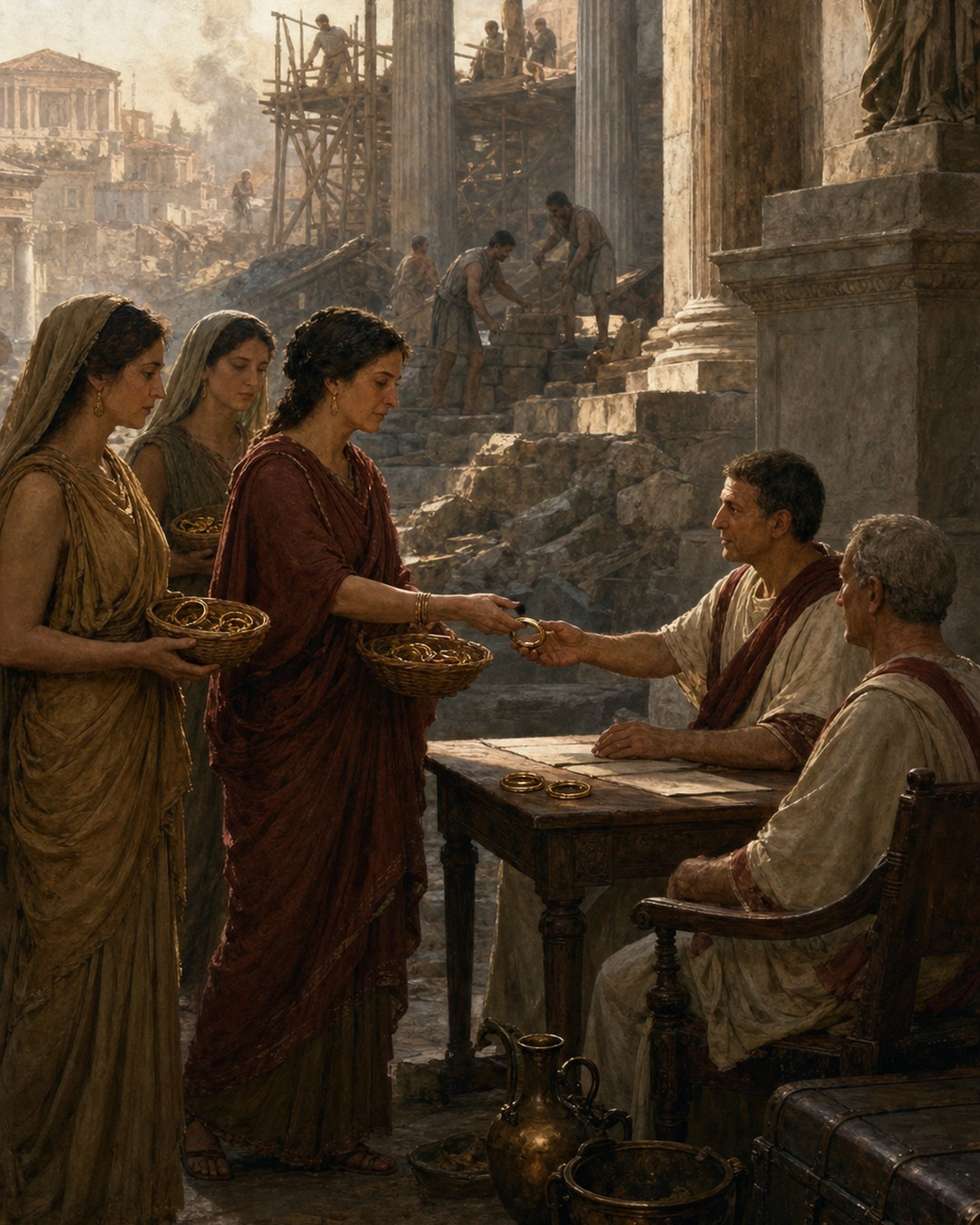
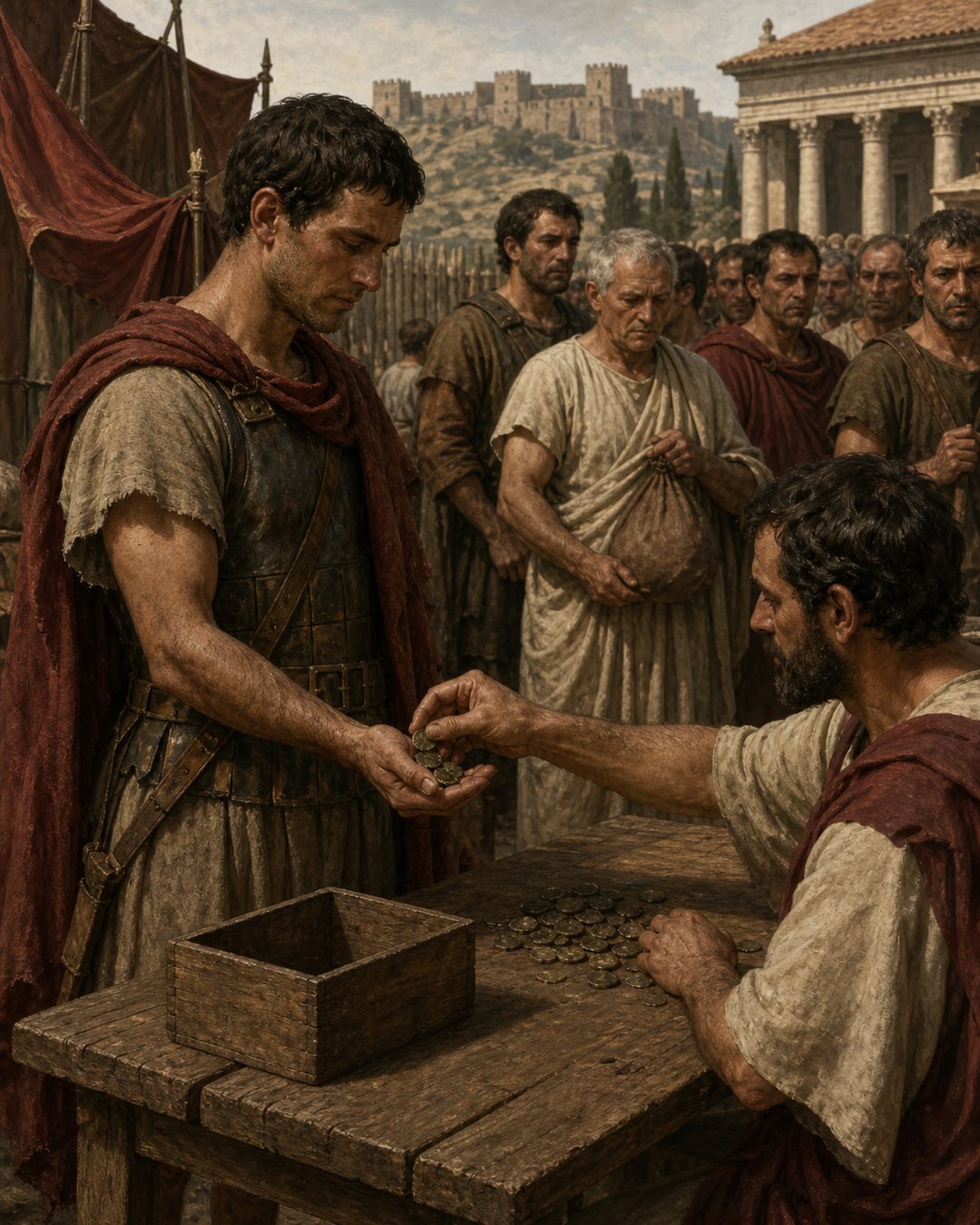
A Roman banker could make confidence visible with ordinary objects. Coins landed on wood. A small balance tipped. A stylus opened a pale line in wax. Sealed purses, witnesses, account names, and the banker’s location gave a transaction a shape that memory alone could not provide. The argentarius did not make risk disappear. He made … Read more

Roman Window Glass Changed What a Wall Could Do

A Roman window pane did not have to show a perfect landscape to change a room. Pale blue-green glass, cloudy with bubbles and ripples, could turn hard sunlight into a diffuse glow. The wall remained closed against a gust or shower, yet the interior no longer depended entirely on an open doorway, courtyard, lamp, or … Read more

Roman Barbers Turned Grooming into Public Theatre

The Roman customer who offered his throat to a barber did not disappear behind a locked door. He sat where other men waited, watched, interrupted, and judged. Small shears tugged through hair. An iron razor crossed skin without a modern safety guard. A mirror returned the finished face while the open shop admitted street noise, … Read more

Roman Latrines Made Privacy a Public Negotiation

A Roman public latrine could place a row of people shoulder to shoulder on one stone bench. Openings were spaced for bodies, not separated by doors. Water might move in a channel at their feet and another drain below. Conversation, silence, waiting, smell, and maintenance occupied the room together. The arrangement is easy to turn … Read more

Pompeii’s Graffiti Made the City Talk Back

Pompeii’s walls did not wait for permission to speak. Someone scratched a name beside a doorway. Another person praised a gladiator, complained about a host, copied a remembered line of poetry, drew a ship, or answered a message already in the plaster. The result was not one civic announcement but thousands of small attempts to … Read more

Roman Dolia Turned Wine into Stored Wealth

A full Roman dolium could not be lifted onto a cart when the owner changed his mind. The vessel might hold more than a thousand litres, stand taller than a crouching worker, and sit partly buried in the floor. Wine went into it by bucket, funnel, or jar. Once filled, the clay container became less … Read more

When Rome Panicked, It Opened the Sibylline Books

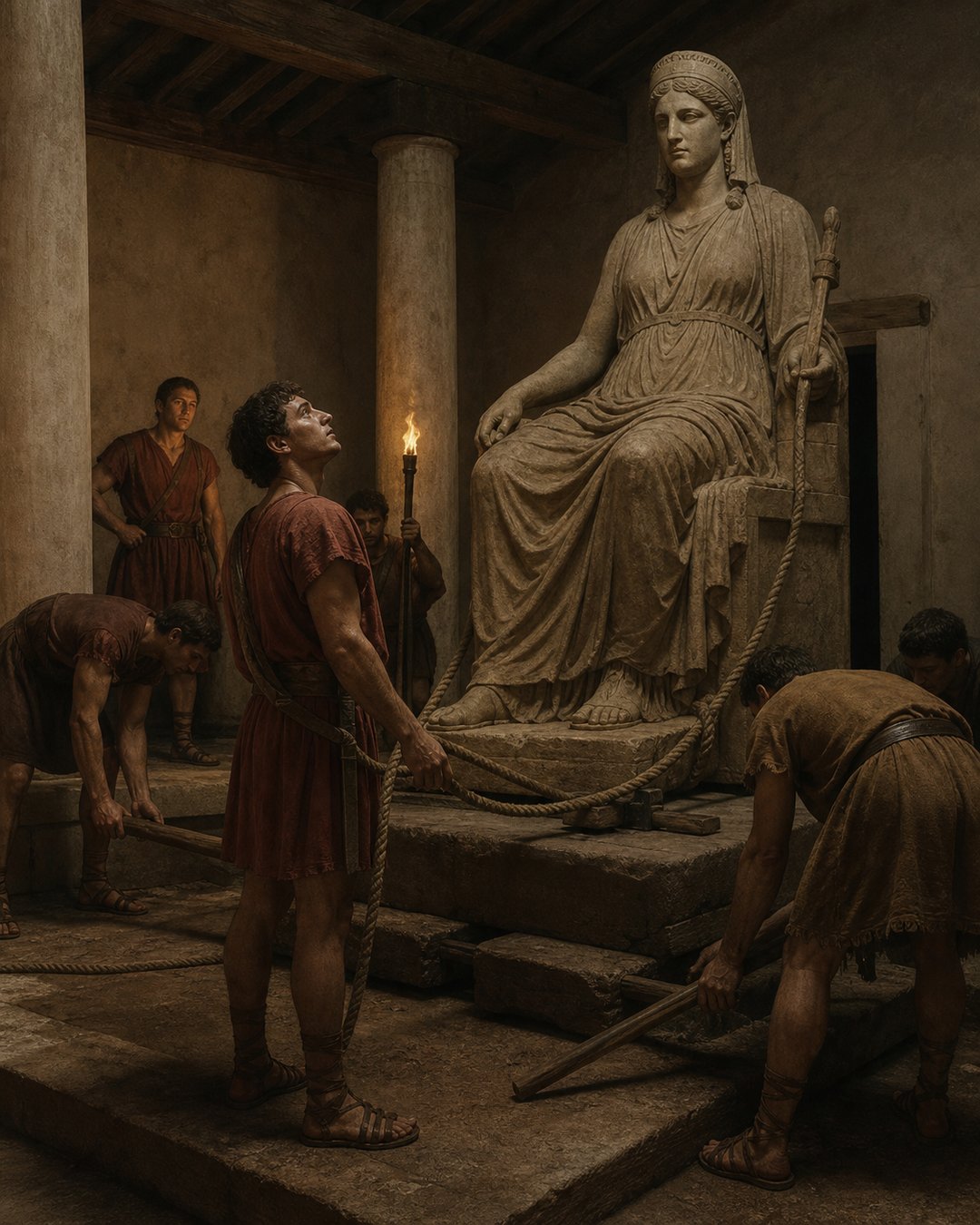
Rome did not open the Sibylline Books to ask who would win a private lawsuit or whom a young aristocrat should marry. The collection belonged to the state, rested under guarded custody, and entered public life when plague, prodigy, defeat, or some other rupture made normal ritual feel insufficient. The senate authorized consultation; appointed priests … Read more

The Corvus Turned a Sea Battle into a Fight on Deck

A Carthaginian captain approaching a Roman warship early in the First Punic War expected the familiar contest of oars, angles, rams, and disciplined seamanship. Then a timber gangway swung overhead. Its iron point crashed into the deck, rails framed a narrow passage, and Roman infantry began crossing. The sea had not disappeared, but the decisive … Read more

Garum Made the Roman Mediterranean Taste Connected

Before garum reached a Roman dining room, it had already passed through a landscape of nets, knives, salt, vats, sun, strainers, amphorae, and ships. The finished liquid might be clear and amber, but its origin was deliberately messy: small fish and selected fish parts were packed with enough salt to control decomposition while time transformed … Read more

Roman Surgery Began with the Hand

The Latinized word chirurgia carries its own correction to the way ancient surgery is often imagined. It joins hand and work. Bronze probes, forceps, hooks, knives, and cauteries mattered, but an instrument lying on a table did nothing. Treatment began when a trained hand examined a wound, aligned a limb, chose restraint, or decided not … Read more