
Why Pompeii Feels So Close and So Far Away
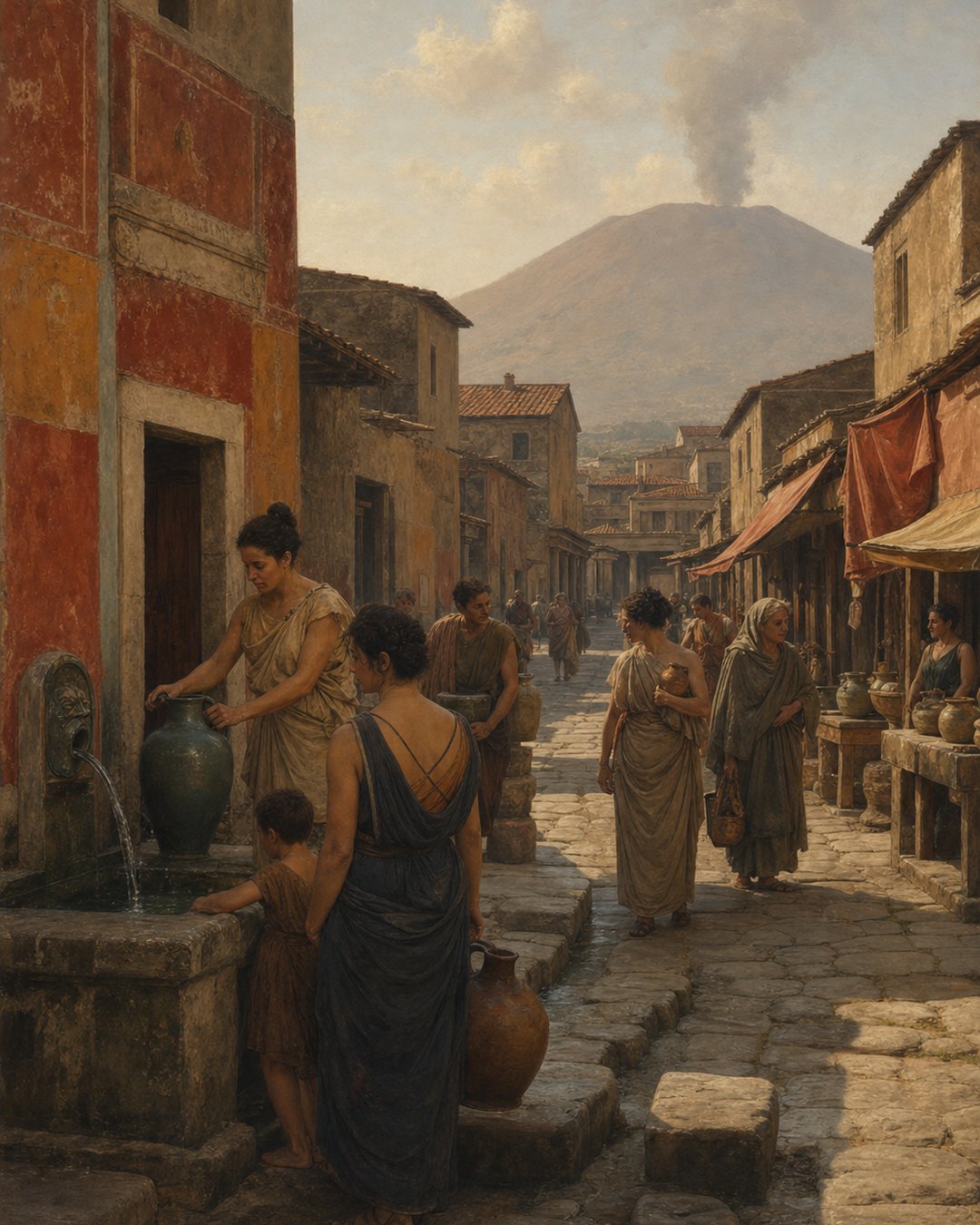
Pompeii feels modern because daily life survived in detail, but the city also reveals how different Roman assumptions were.
Pompeii feels modern because daily life survived in detail, but the city also reveals how different Roman assumptions were.
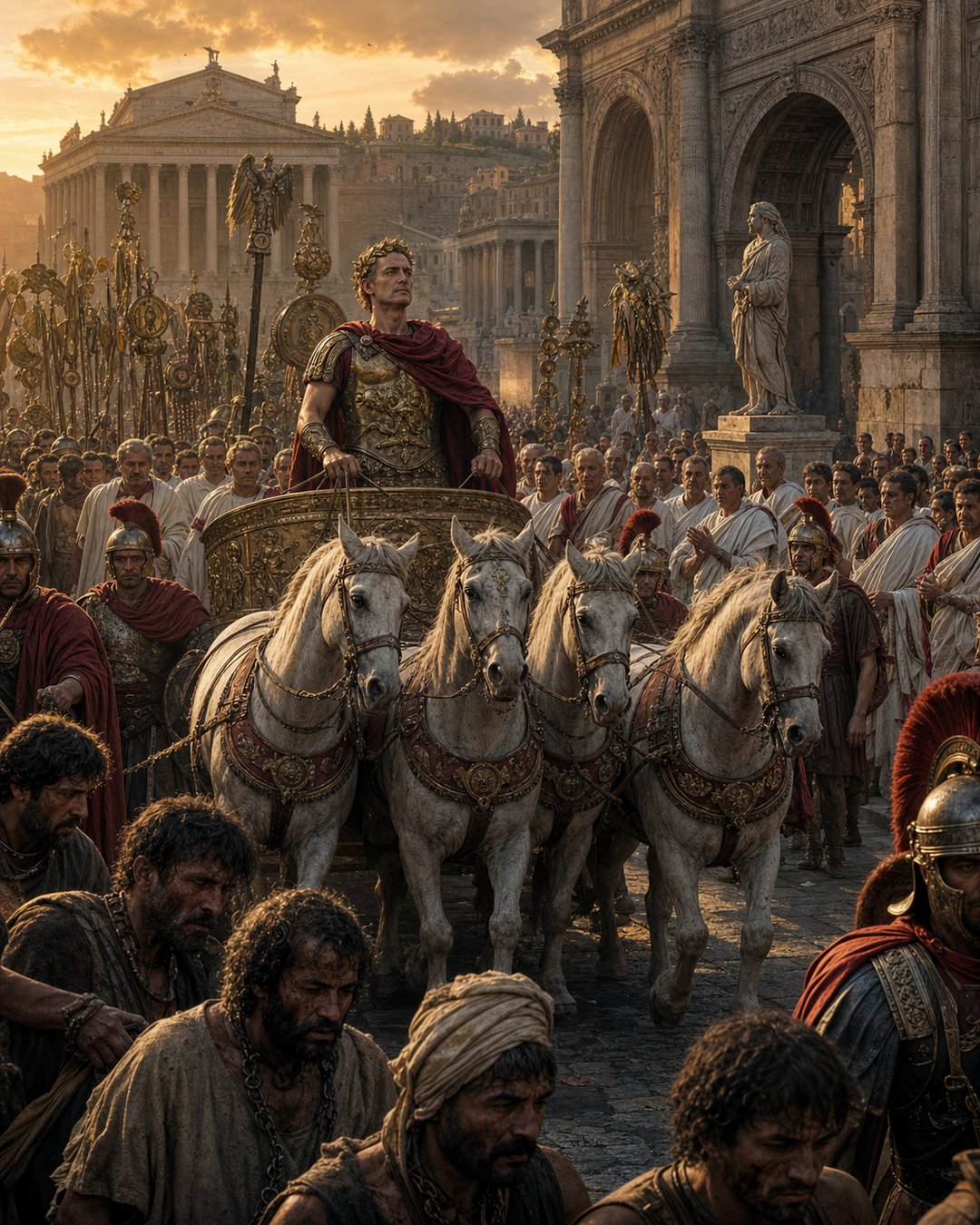
A triumph celebrated victory, but it also staged a warning: Rome remembered enemies by dragging their defeat through the city.
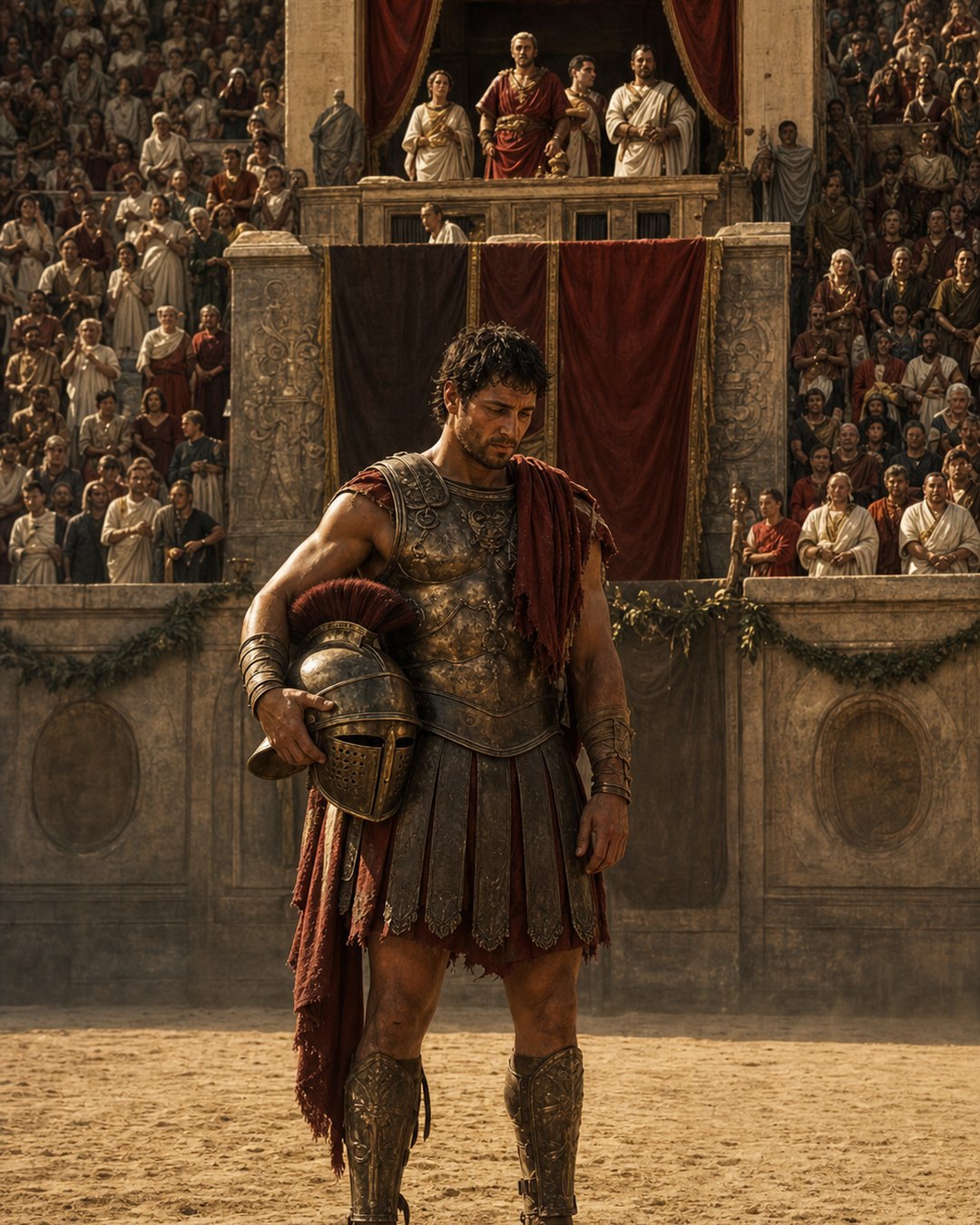
The arena entertained Rome, but it also taught hierarchy, courage, punishment, and the power of public judgment.
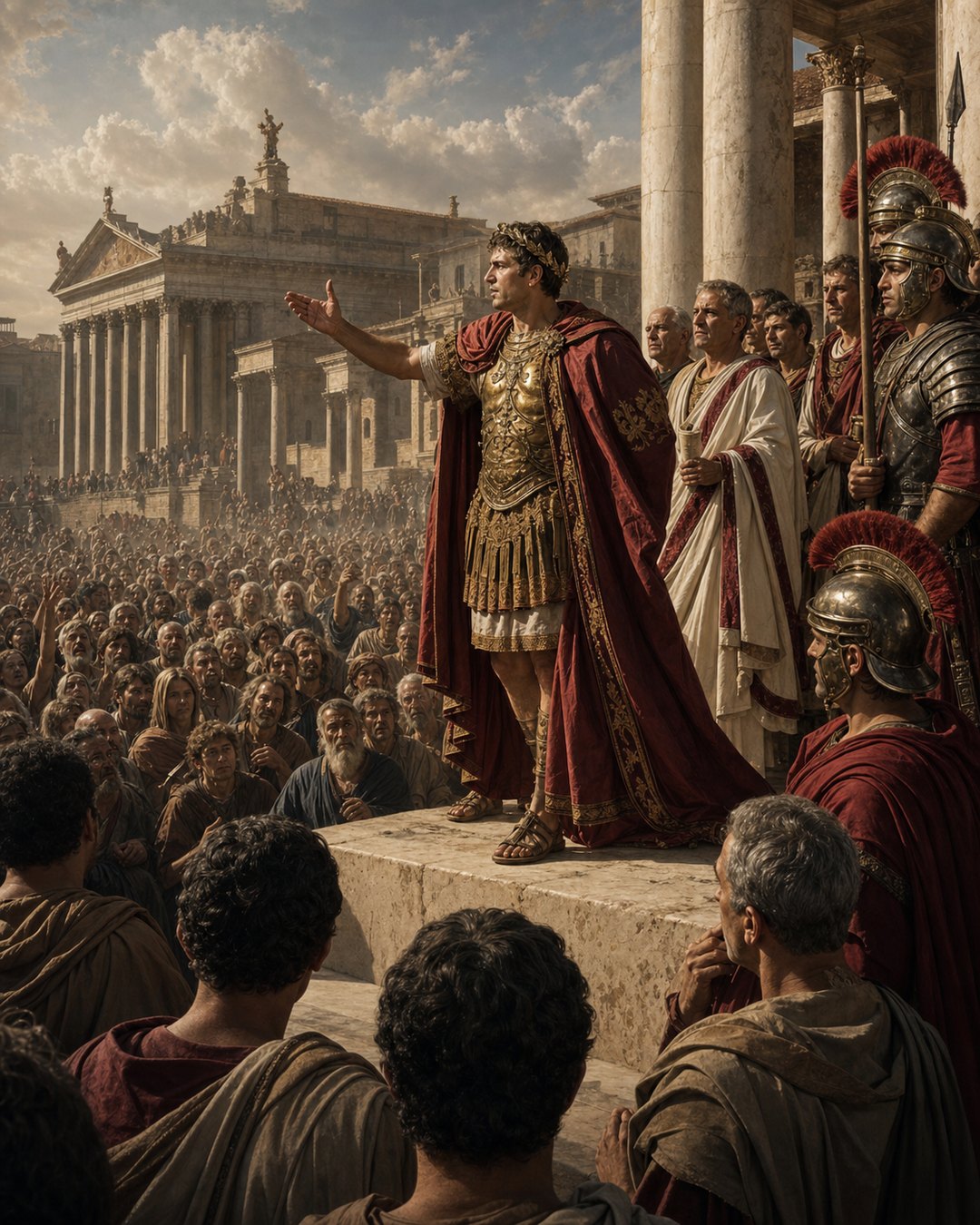
An emperor could command armies and still fear the mood of Rome. Crowds were not democratic government, but they were political weather.
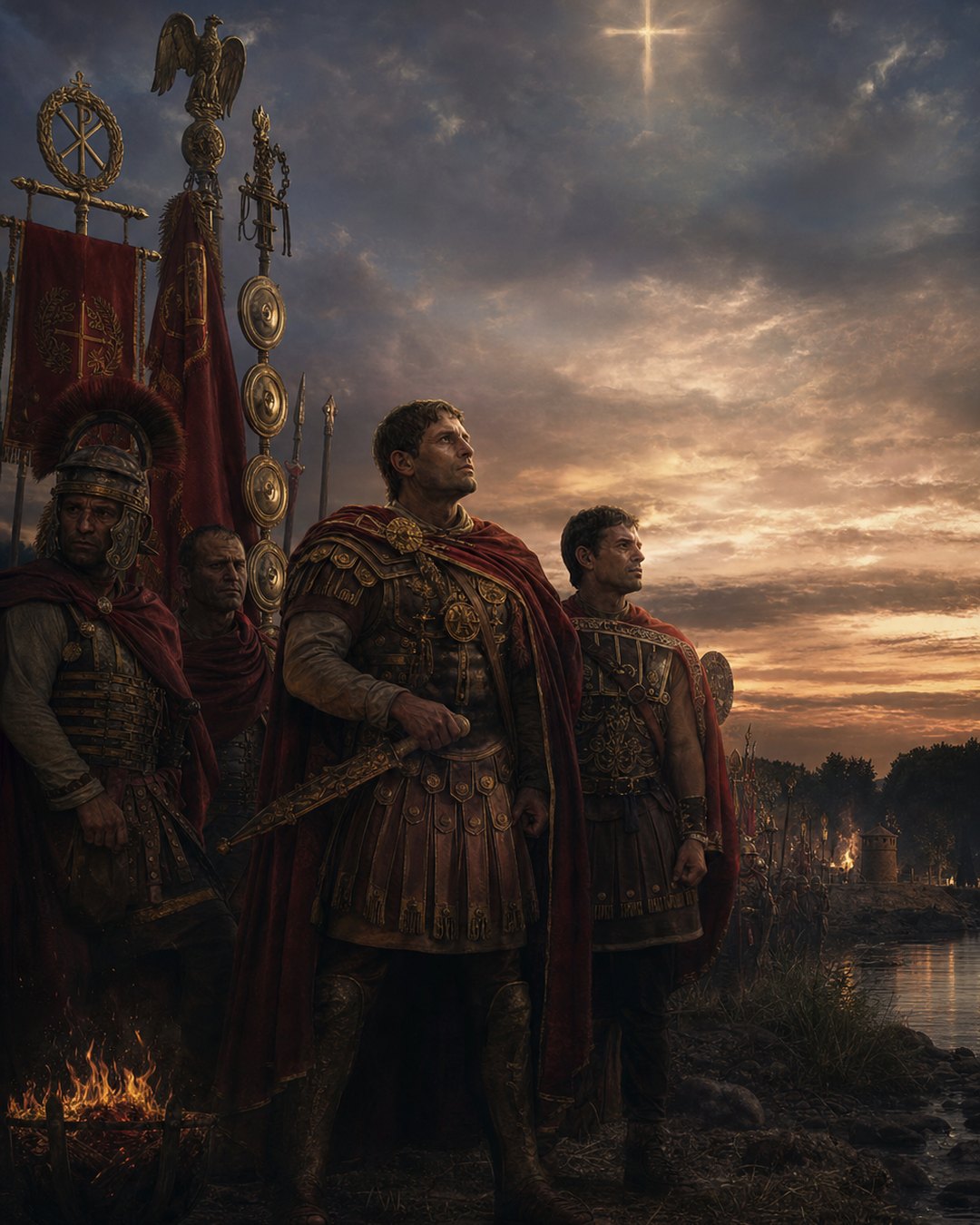
Constantine’s vision mattered because Roman power had long wanted victory to look sacred, not accidental.
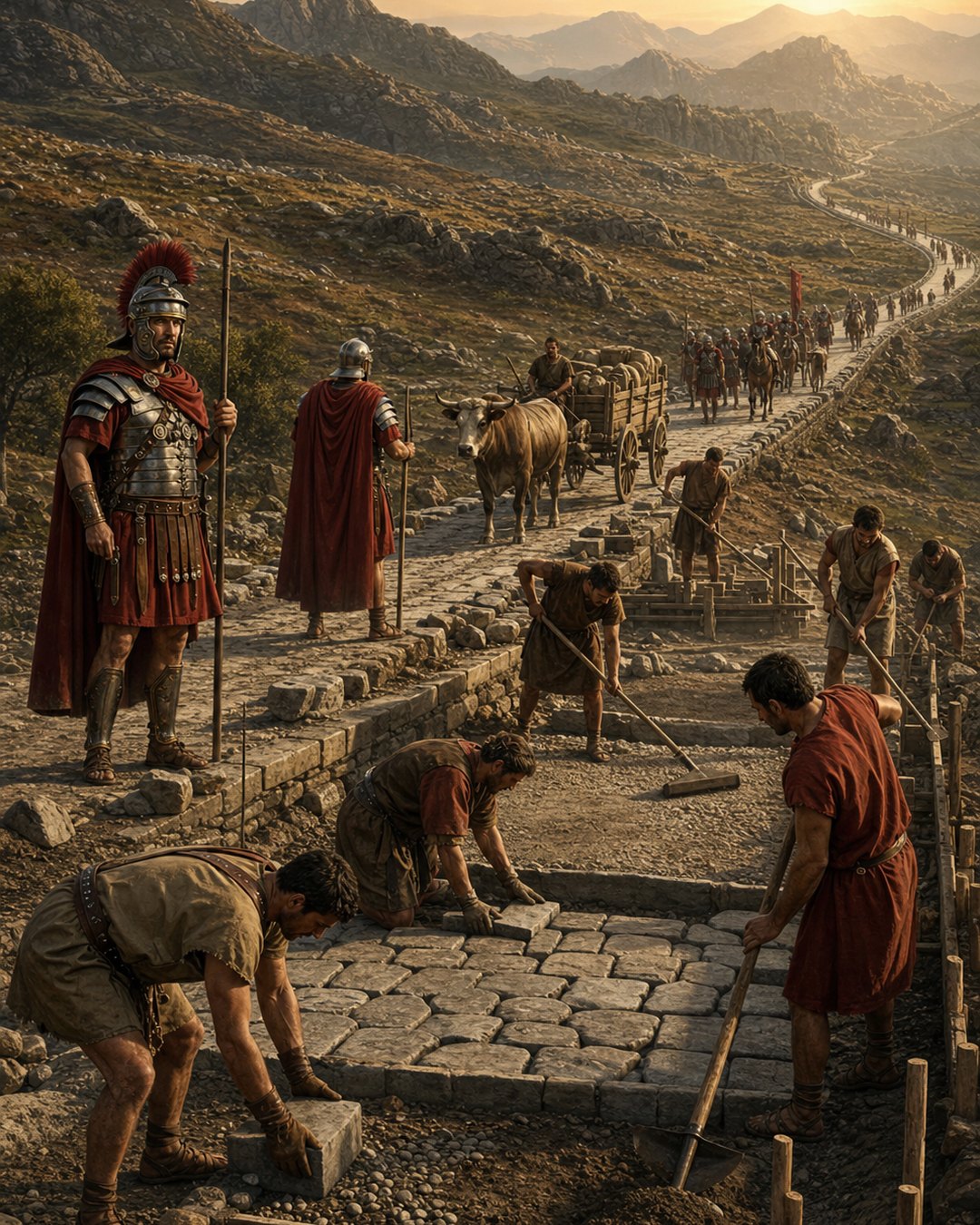
Roman roads helped trade, but their first political meaning was control: movement, military speed, messages, and the reach of the state.
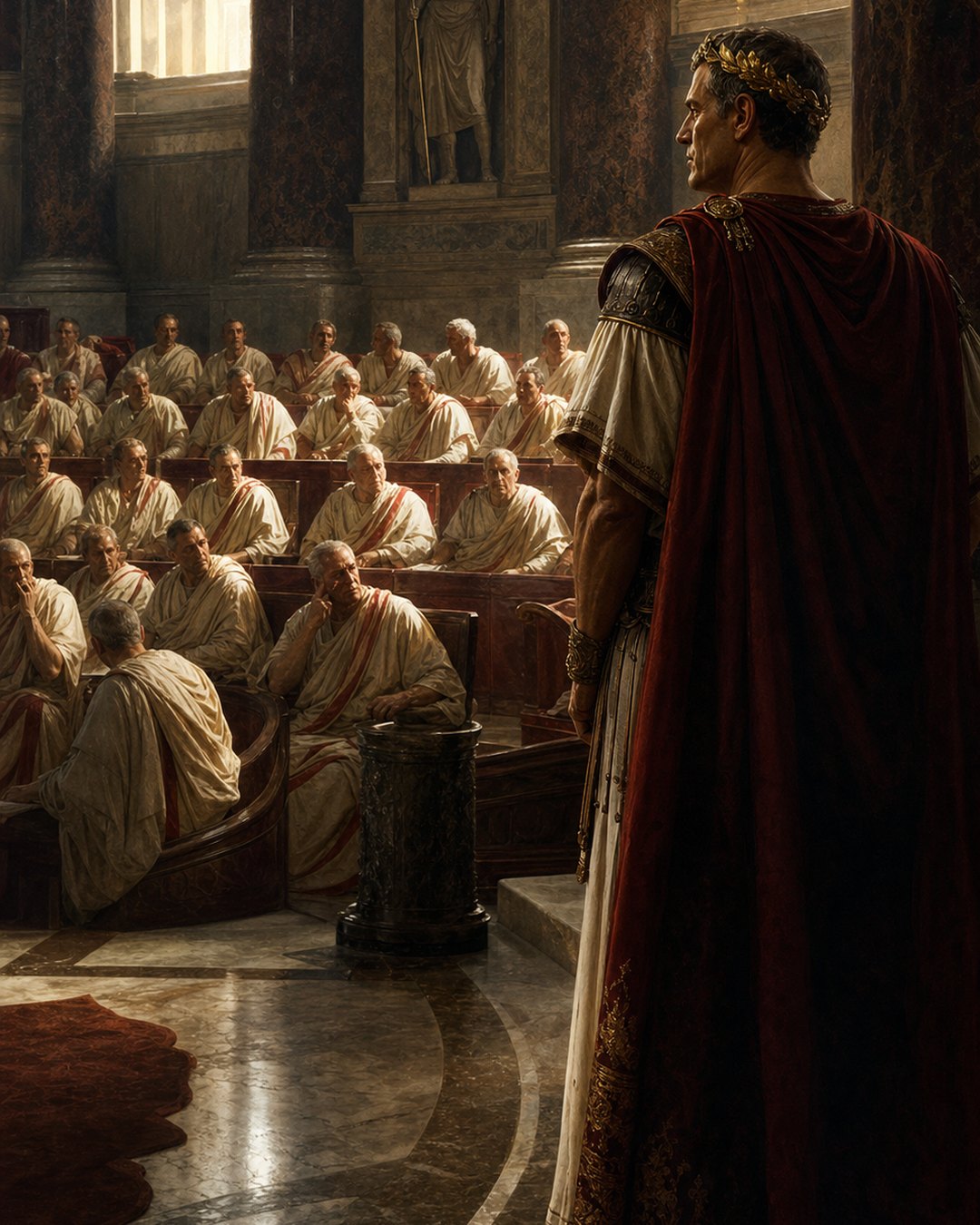
The Senate survived the Empire by remaining visible after much real power had moved elsewhere.
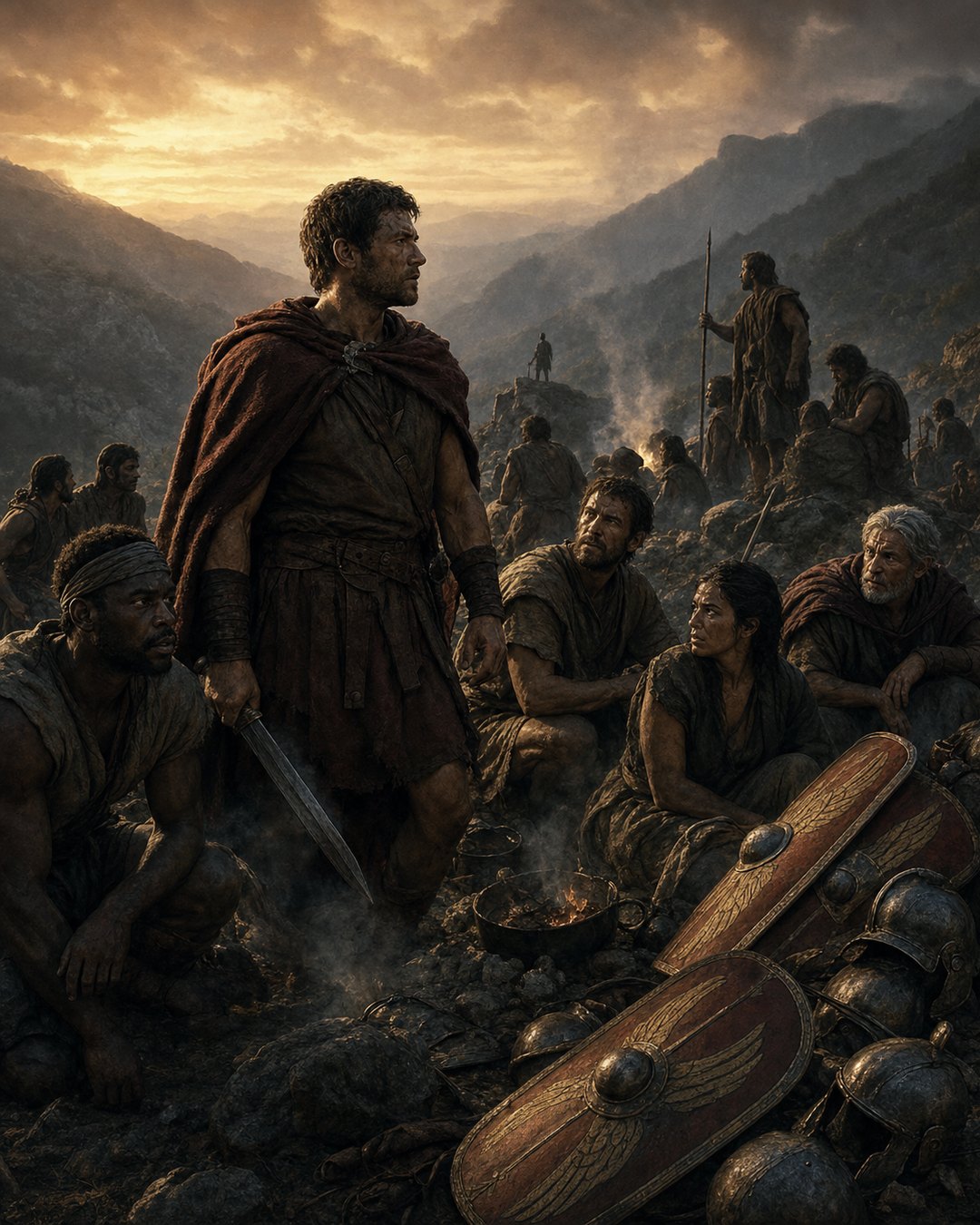
Spartacus terrified Rome because his revolt exposed the violence underneath Roman wealth and household order.
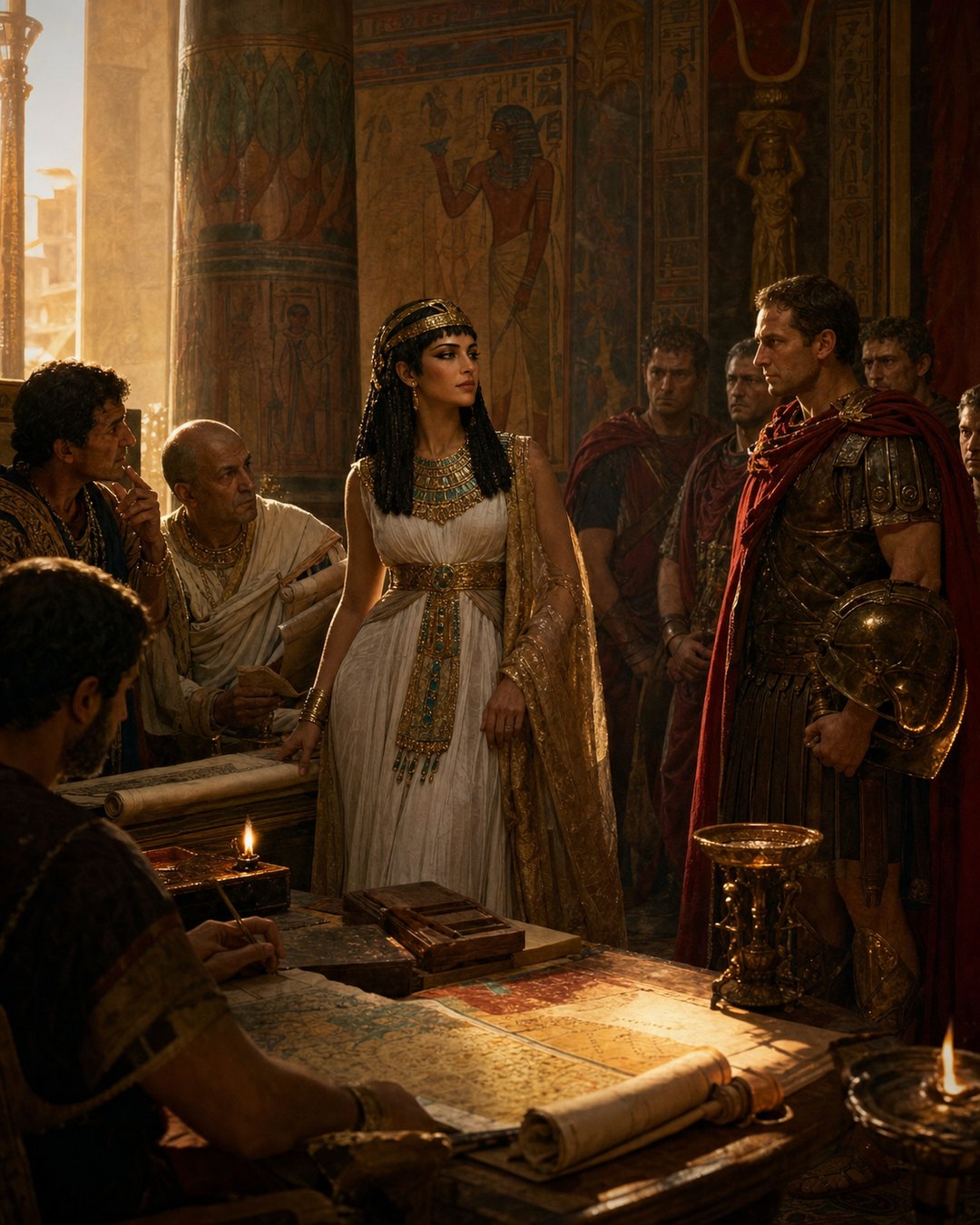
Rome simplified Cleopatra because it was easier to sell a civil war as a fight against a foreign queen than as another Roman struggle for power.
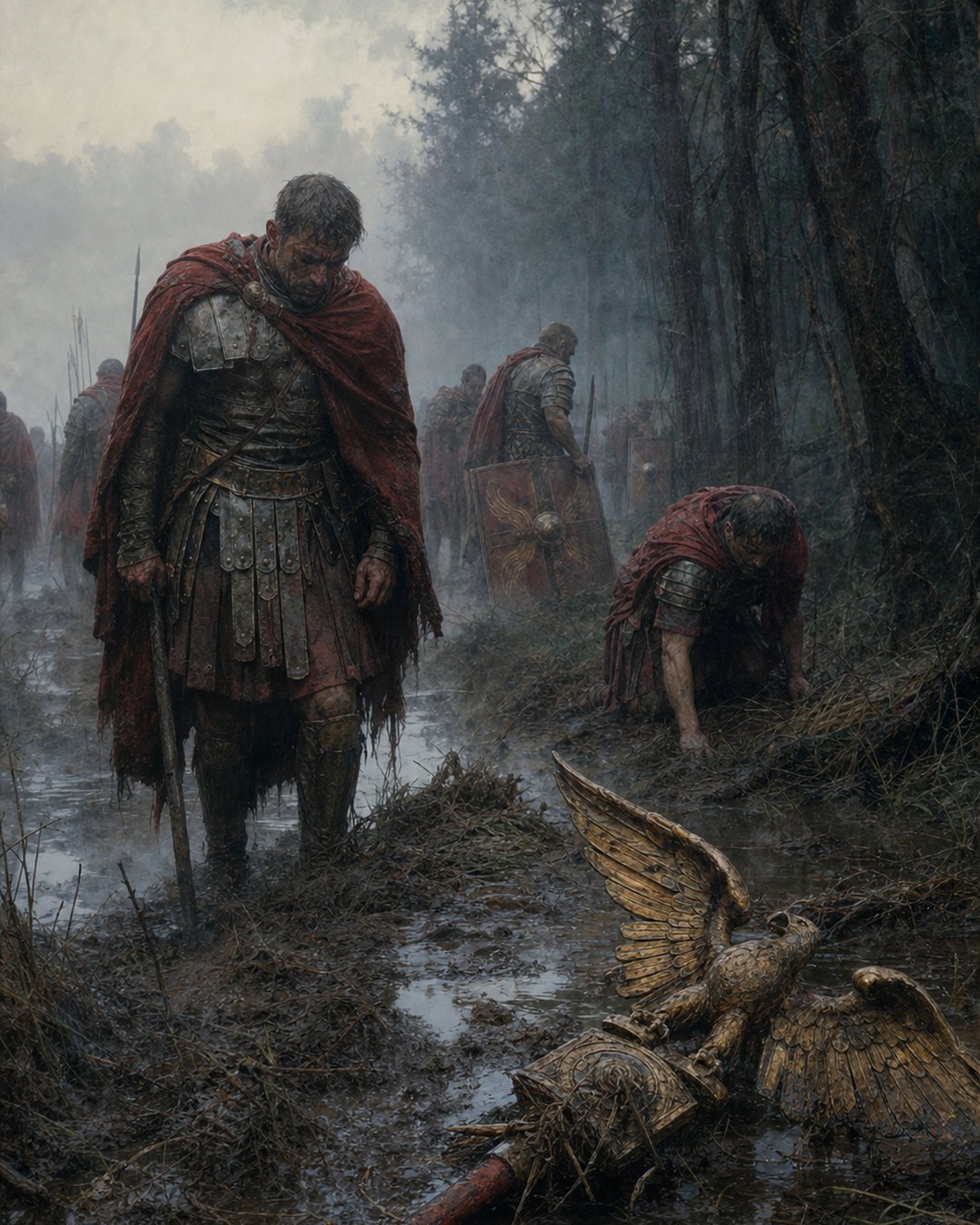
Teutoburg hurt Rome because it was more than a lost battle. It was a wound to symbols, confidence, and the idea that Roman order could keep moving forward.