Roman Chain Mail Made Protection Flexible
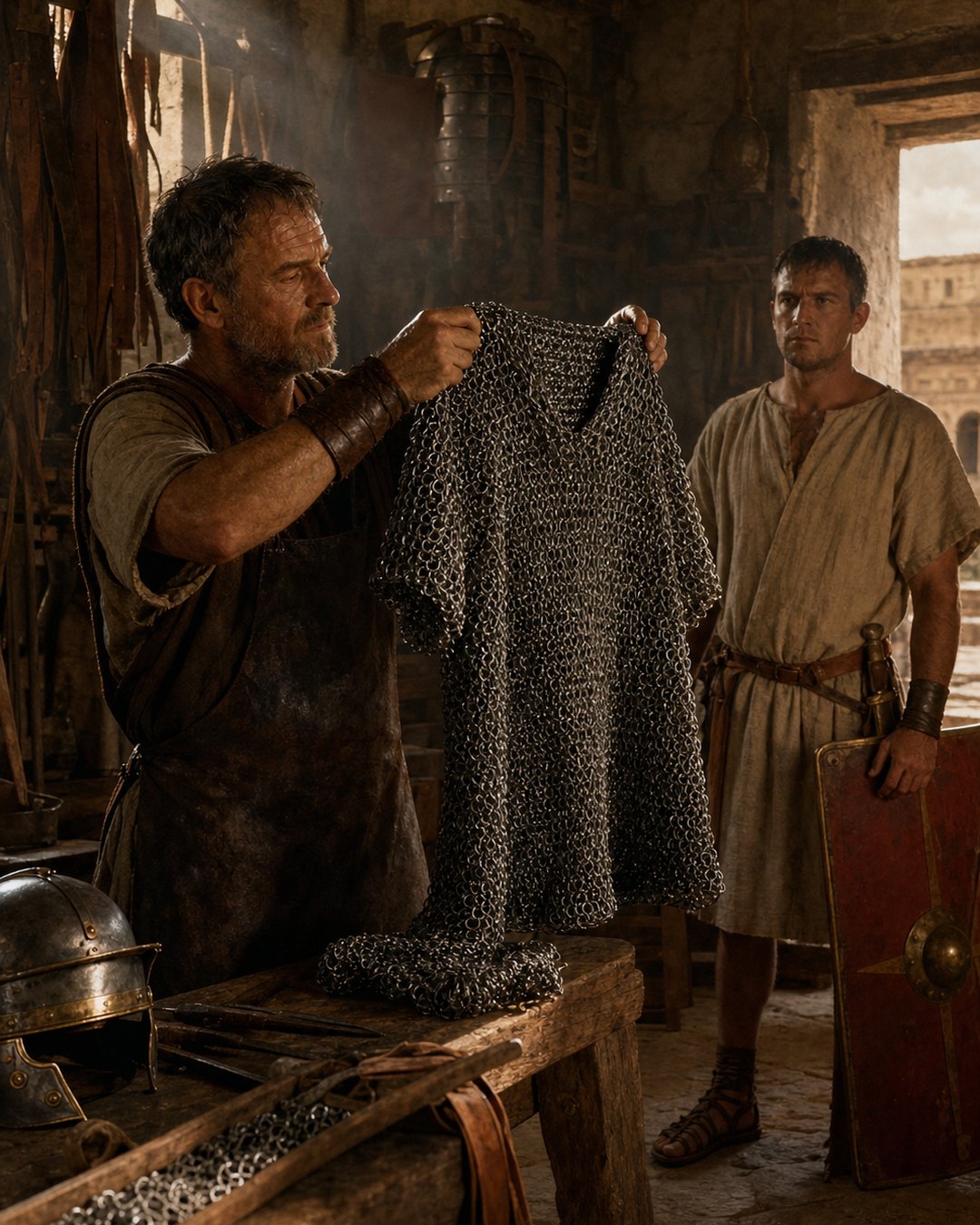
A Roman mail shirt moved before it protected. Lifted from a chest, thousands of iron rings slid against one another with a dry metallic whisper. On the body the same mesh bent at the shoulder, folded near the waist and followed a soldier reaching for shield or spear. Its strength began with controlled movement, not … Read more
Roman Anchors Made Stopping a Ship Active Work

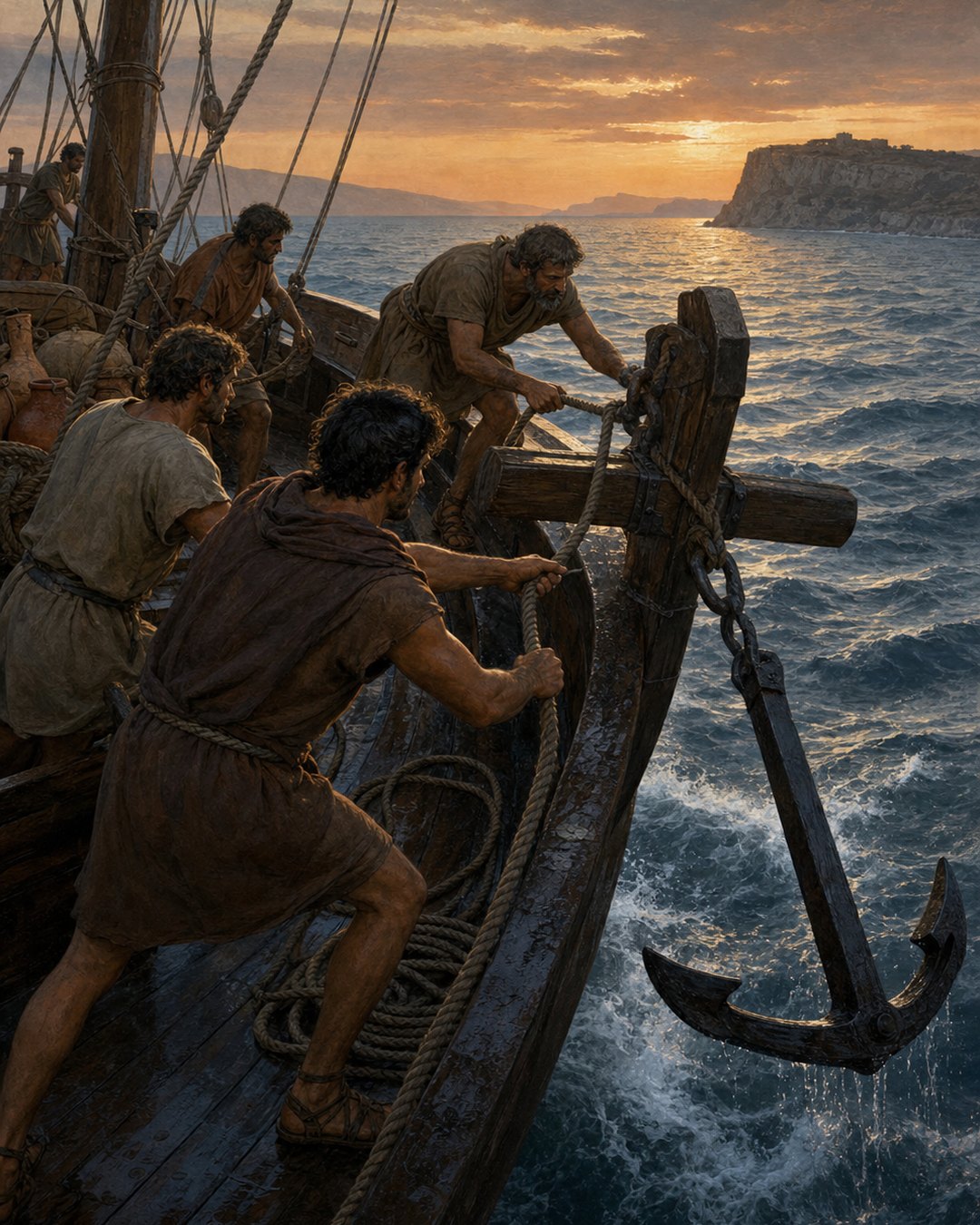
A ship could lower a heavy anchor and still keep moving. Weight carried the device through dark water, but stopping began only when a fluke met the seabed, the stock rolled it into position and the cable pulled at an angle low enough to make it bite. Wind continued pushing every plank above. Roman sailors … Read more

Roman Cavalry Saddles Made Stirrups Unnecessary

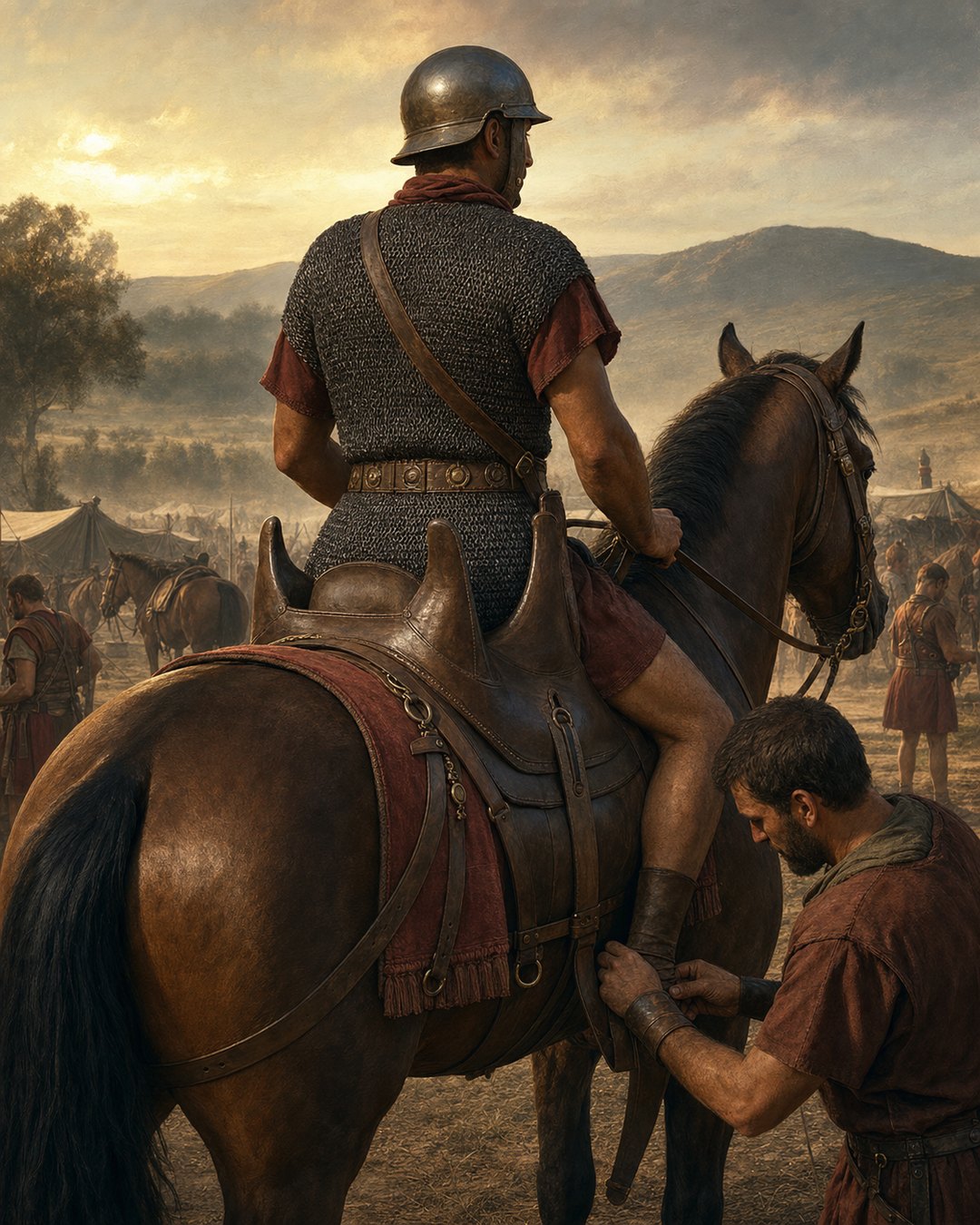
A Roman cavalryman could carry a spear, shield or sword while the ground moved beneath him—and no iron stirrup waited under either foot. Stability came from somewhere else. A rigid saddle sat on the horse’s back, and four projecting horns closed around the rider’s thighs like the corners of a seat built for motion. The … Read more

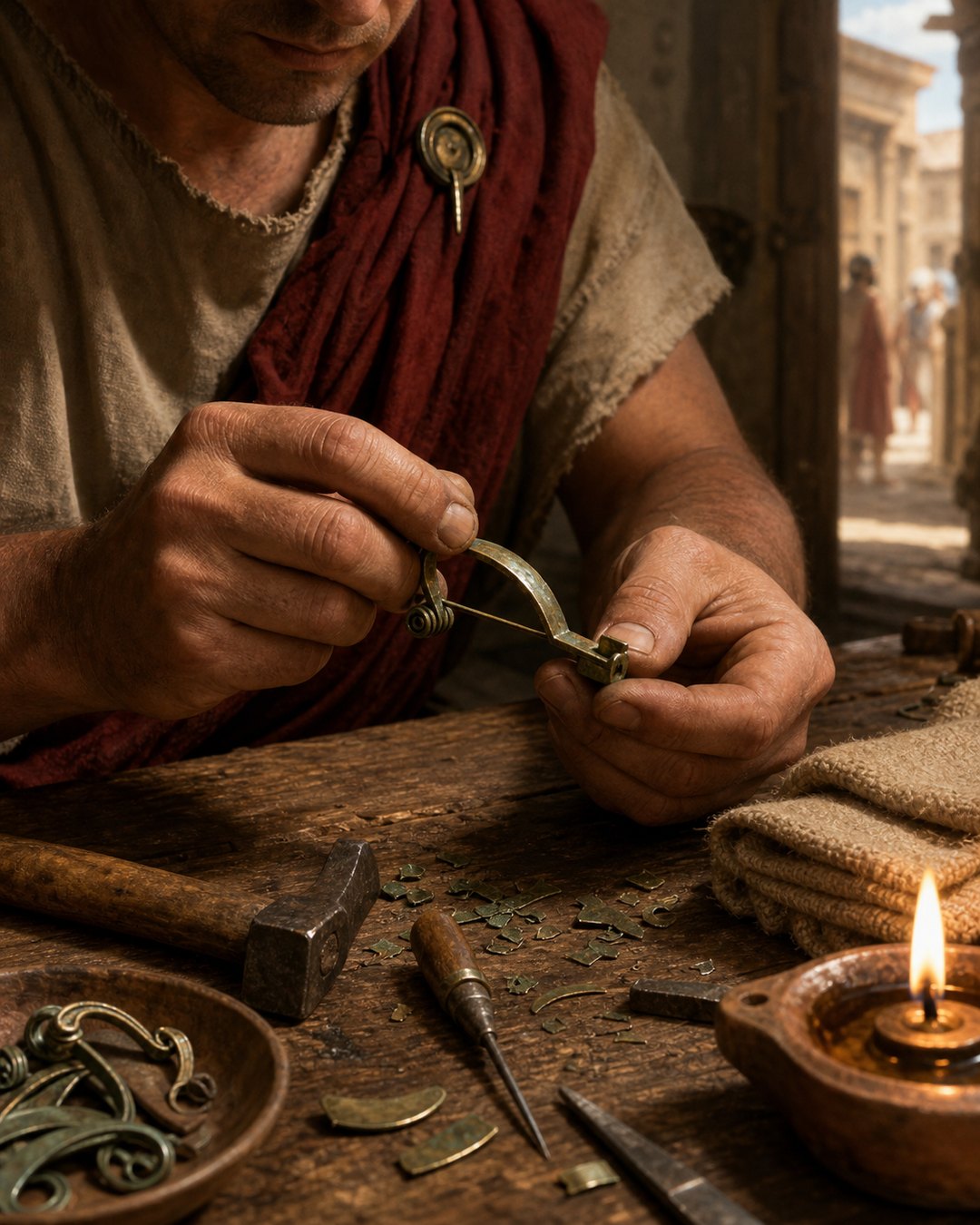
Roman Fibulae Made Fastening Clothes Visible

A cloak could look effortless after one sharp point had done dangerous work. A Roman fibula pushed through folded cloth, bent the fabric around a metal bow and trapped its pin beneath a catch. The fastening sat on the shoulder or chest where every step tugged at it—and where other people could see it. This … Read more

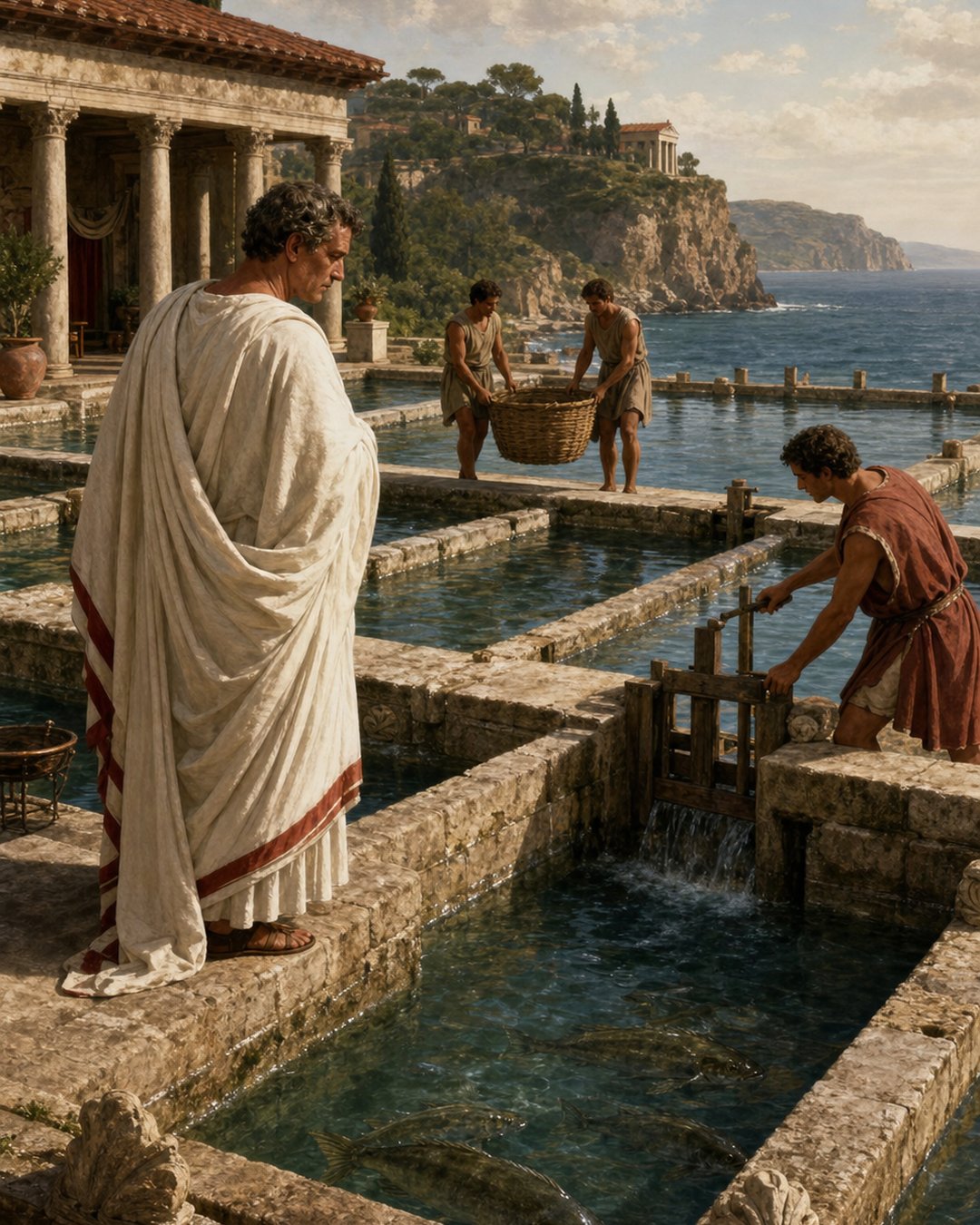
Roman Fishponds Made Fresh Fish into Living Wealth

At a Roman coastal villa, dinner could begin with a gate in a stone channel. Seawater moved through a constructed basin while mullet and other prized fish circled in clear compartments. A pond keeper watched the level, feed and flow until the owner ordered one living animal selected for the table. This was freshness made … Read more

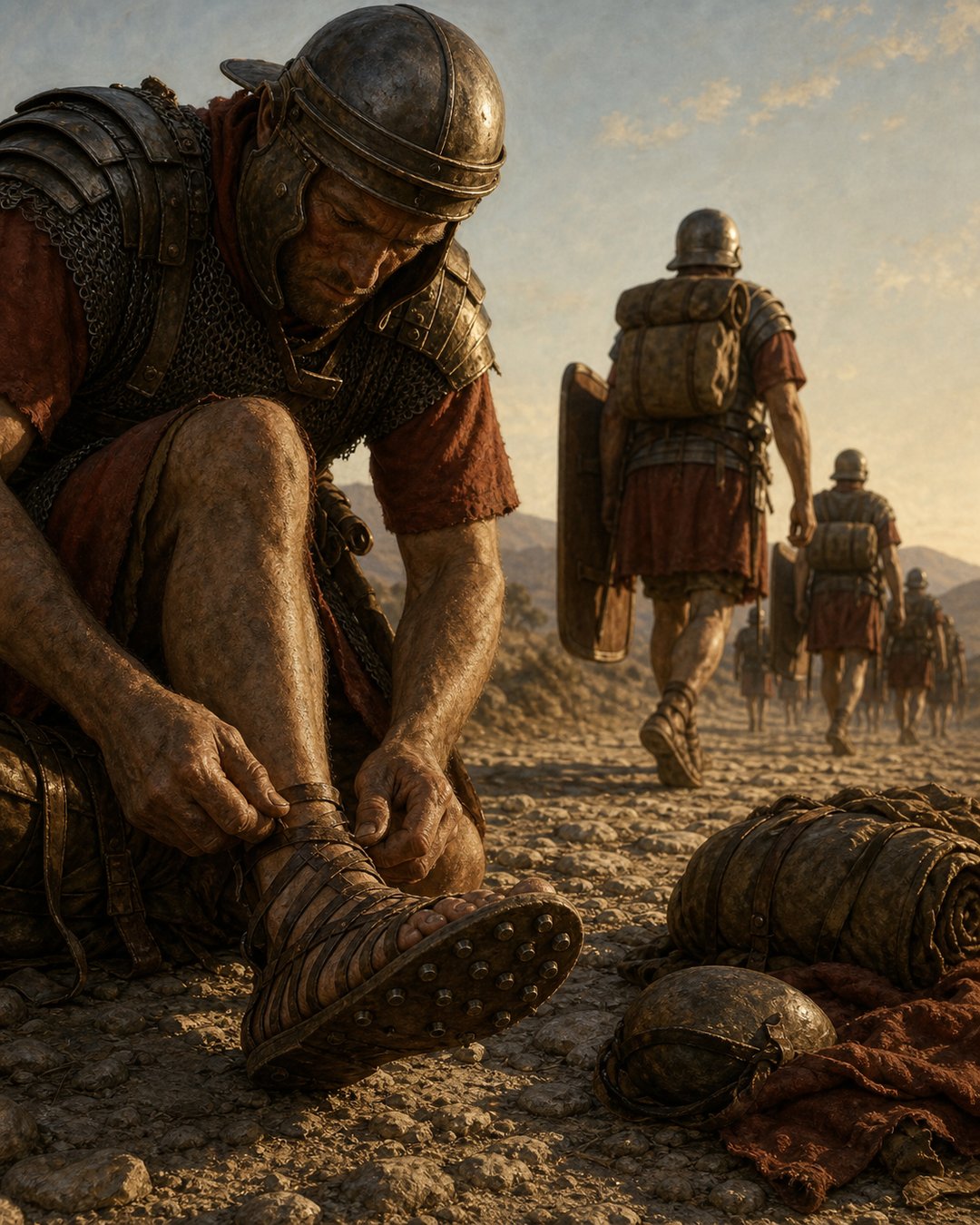
Roman Caligae Turned Leather and Nails into Marching Equipment

A legionary could carry shield, weapons, tools, food and part of a camp, yet the whole load met the road through two pieces of leather. Under each foot, iron hobnails struck paving, bit earth and slowly loosened. One torn strap or raised nail could turn disciplined movement into a bleeding problem measured at every step. … Read more

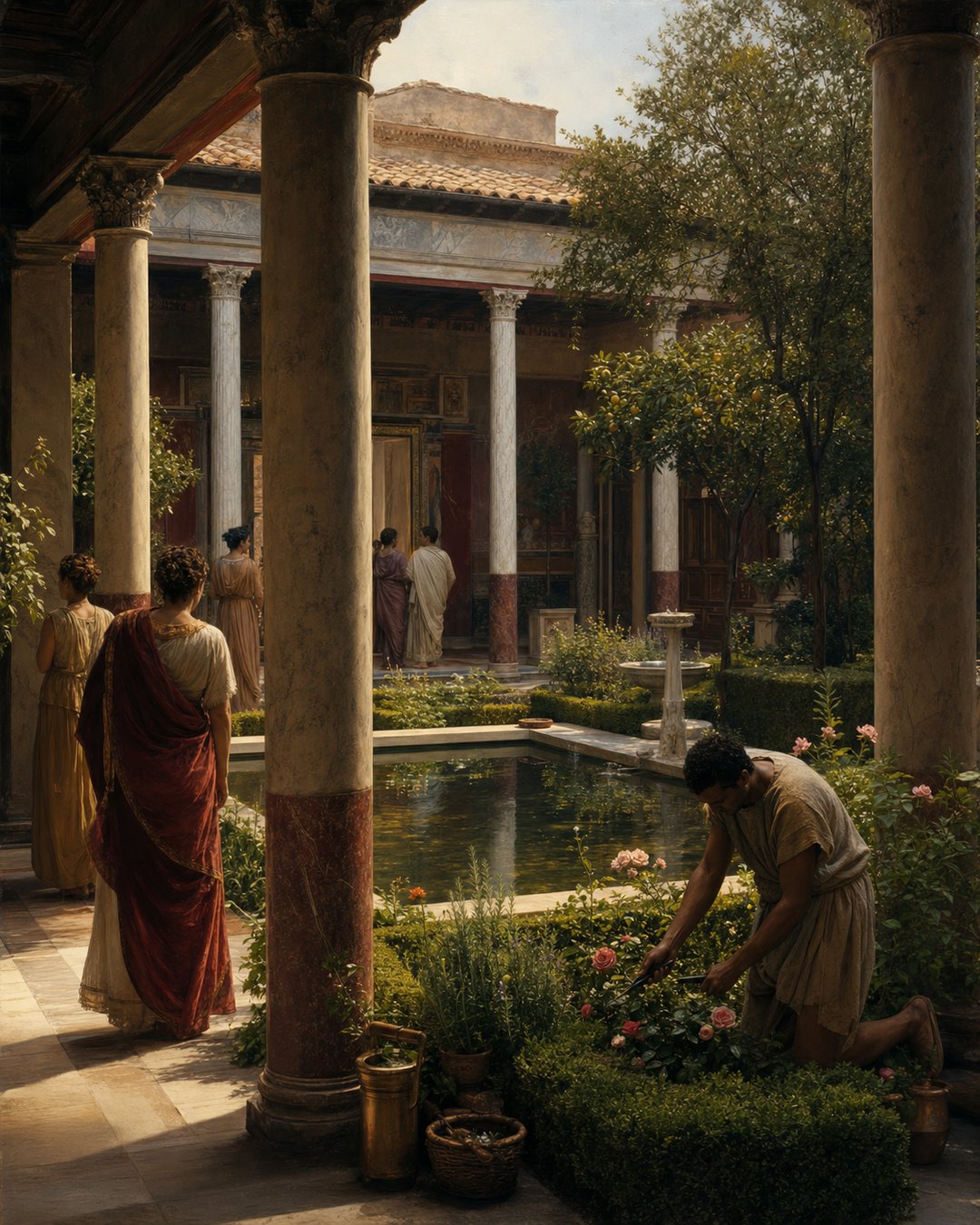
Roman Gardens Made Nature Follow the House

A visitor crossing a Roman atrium could meet an unexpected patch of sky. Beyond another doorway, columns framed wet stone, clipped shrubs, fruit leaves, roses, herbs and a narrow pool. The garden seemed to open the house to nature, yet almost everything visible had been positioned: where the guest stood, where water flashed and where … Read more

Roman Mosaics Spoke Before the Host Did

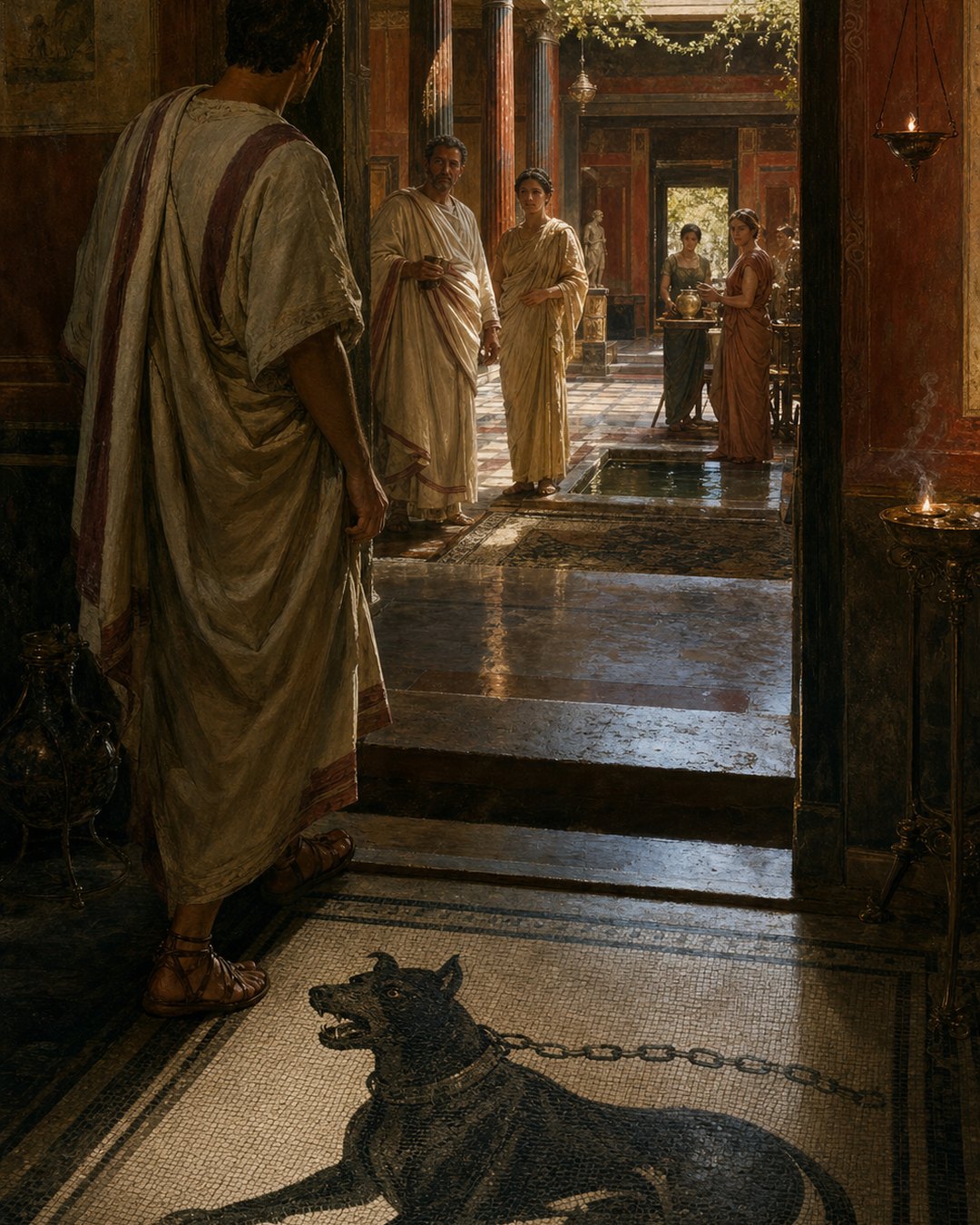
A guest crossing a Roman threshold looked down because the floor demanded it. Tiny pieces of black, white, ochre, red, green, and blue stone formed borders, waves, masks, birds, fish, mythic bodies, or an alert dog. The image waited in the exact place where a visitor decided how confidently to enter. Mosaics were expensive surfaces, … Read more

Pompeii’s Stepping Stones Made the Street Crossable

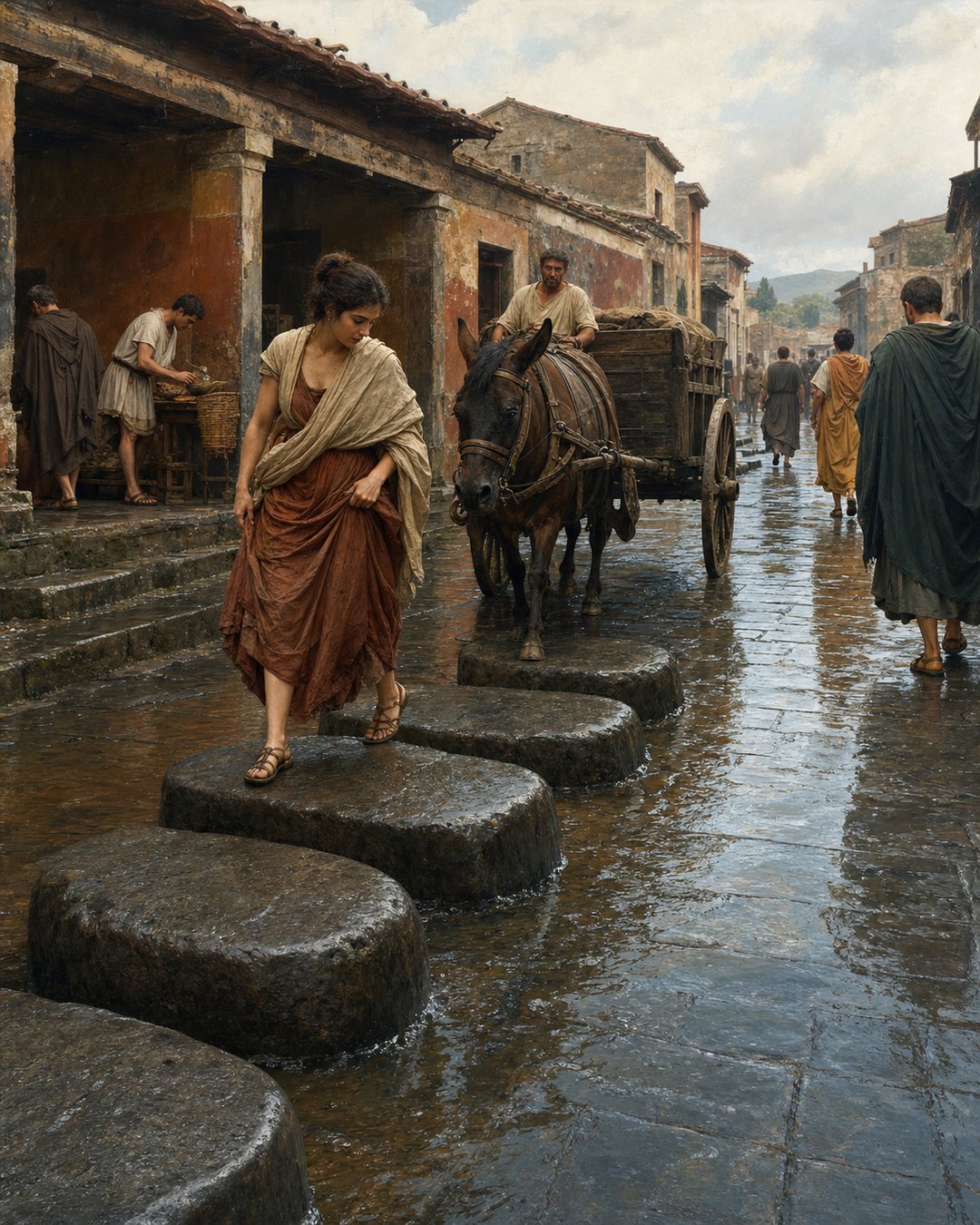
After rain, a Pompeian street did not become an empty ribbon of clean stone. Water followed the lower carriageway, carrying mud, animal waste, spilled food, and workshop debris between high sidewalks. A pedestrian approaching from one side faced a shallow urban channel rather than a modern curb and painted crossing. Pompeii answered with rock. Large … Read more

Roman Sundials Made an Hour Change with the Season

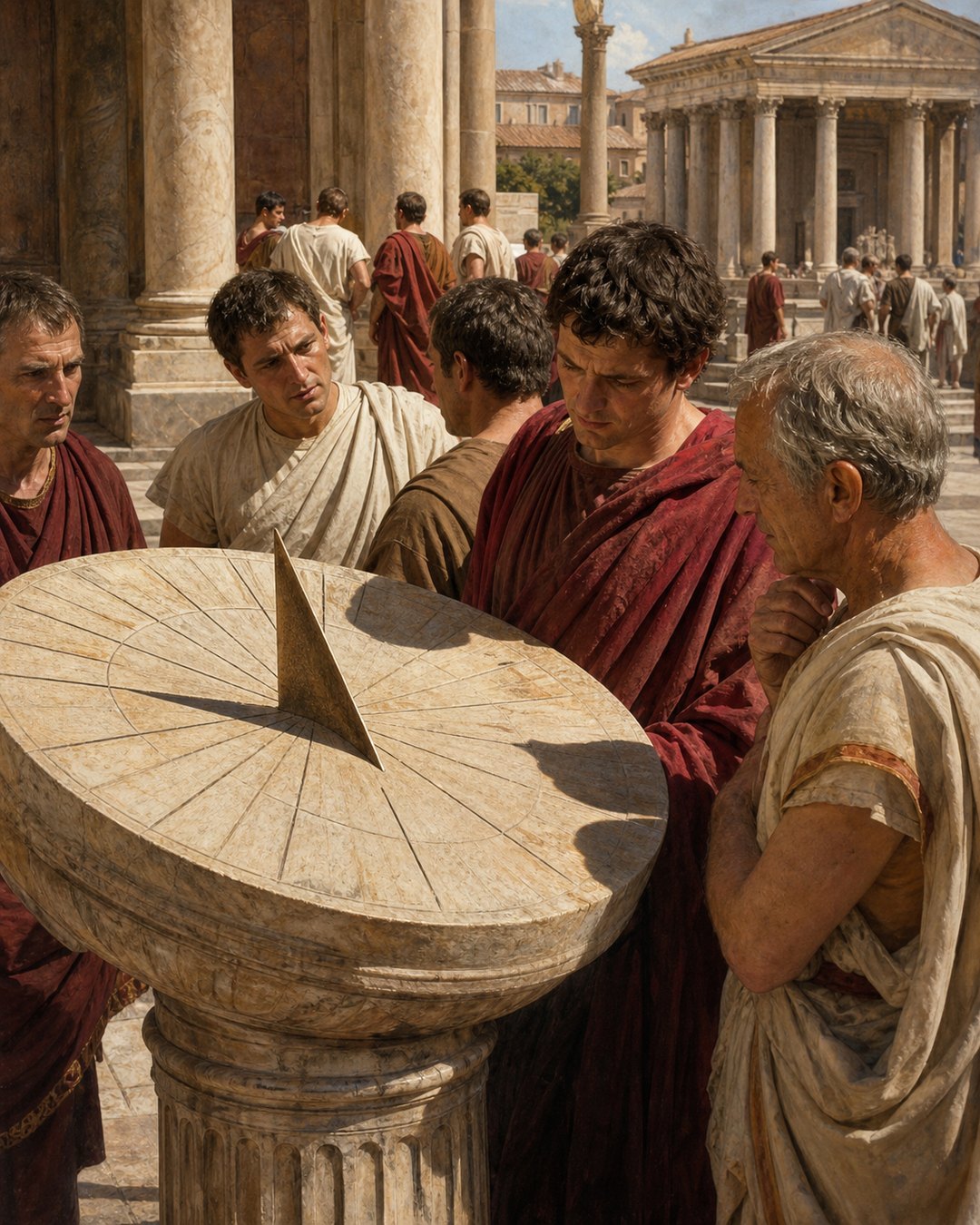
A Roman waiting in a forum did not glance at a row of identical digits. He watched a shadow. A bronze point or stone edge cut across lines carved into a dial, and the sun slowly moved that mark while business, meals, hearings, and appointments gathered around it. Time appeared as light touching prepared stone. … Read more