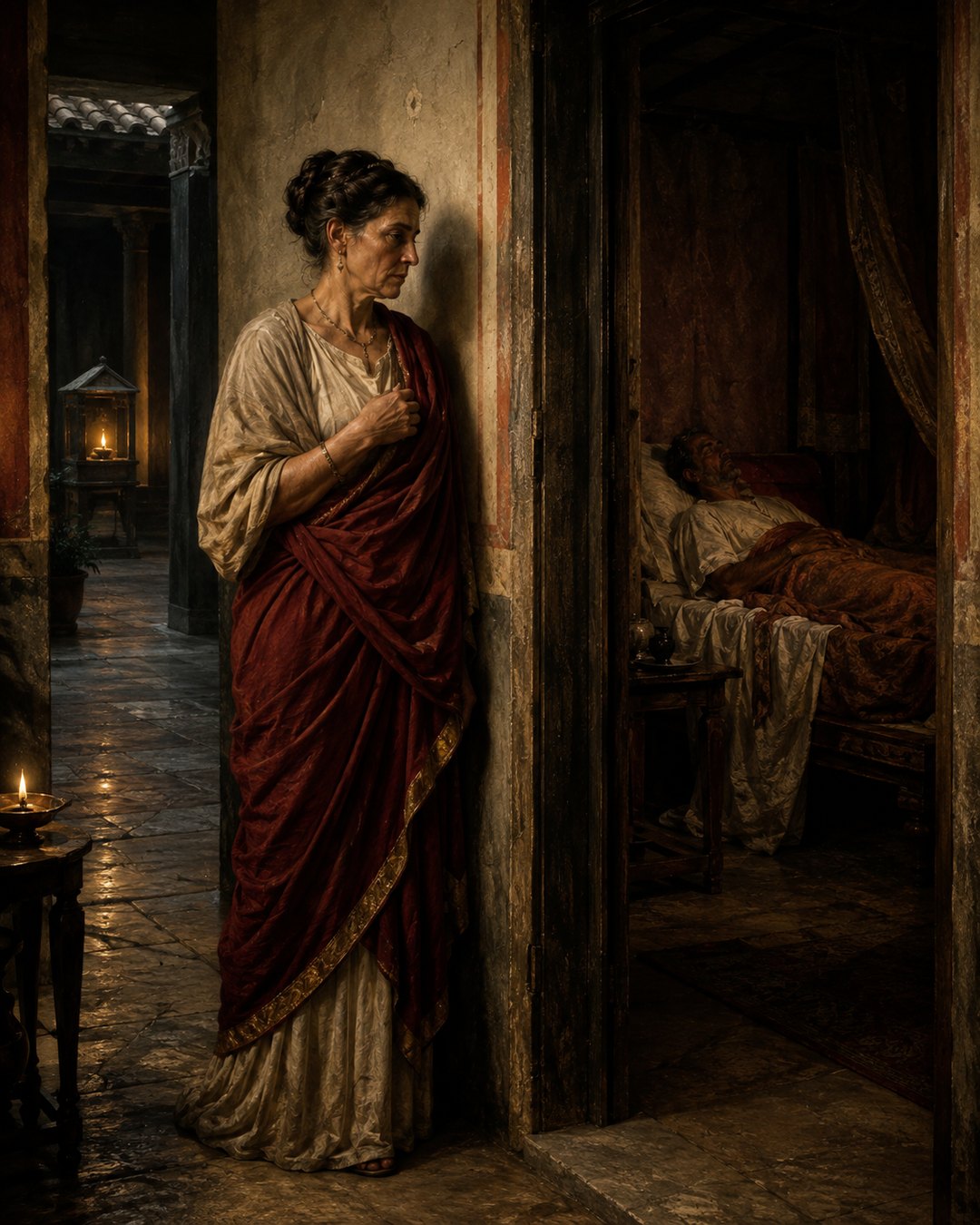
When Adoption Brought an Adult Heir into a Roman Family

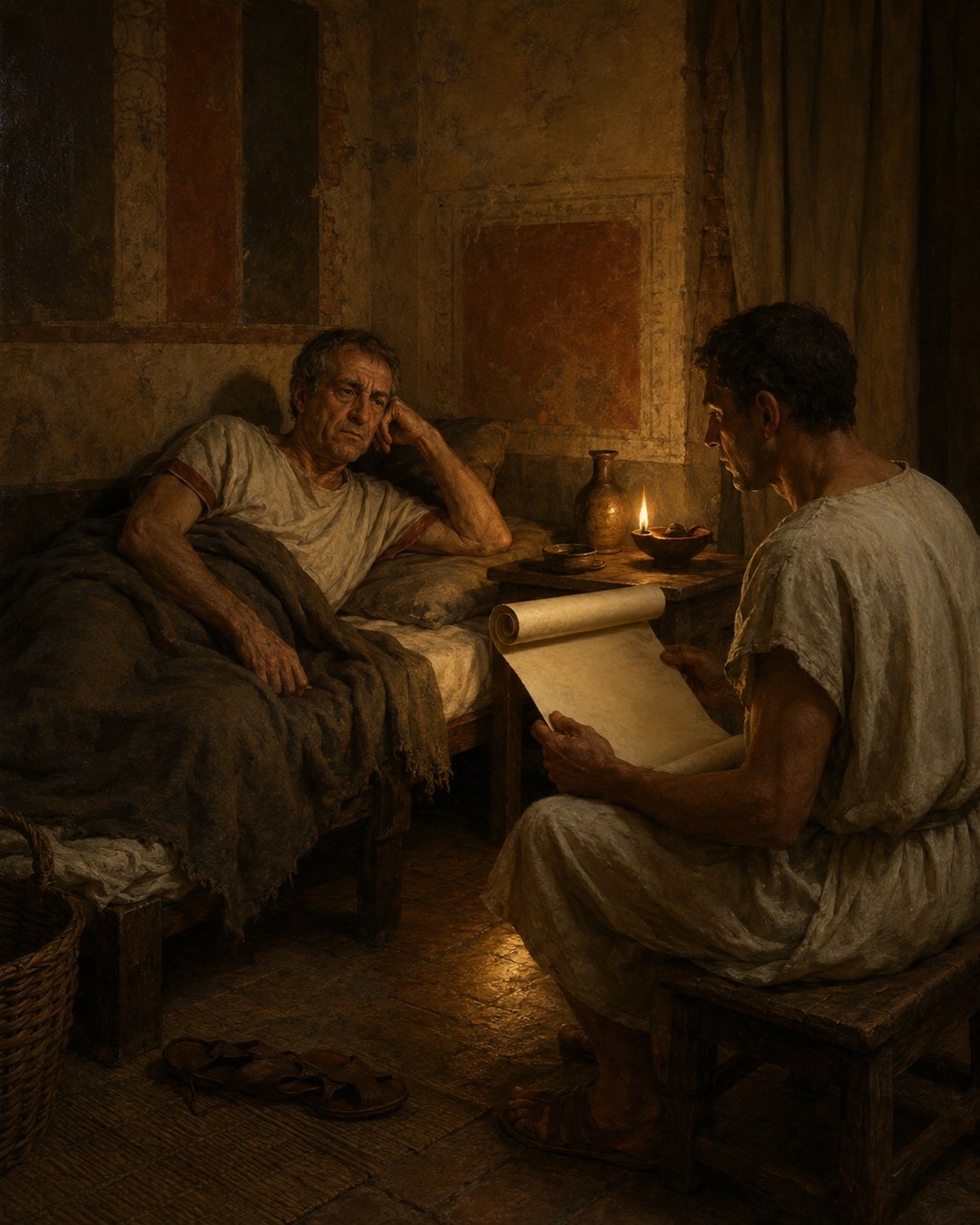
When modern readers hear “adoption,” they often picture a child joining a household that will raise them. A Roman legal observer could picture something quite different: an adult man with an established name crossing from one family line into another so that property, ritual obligations, and succession would not end. The emotional life of the … Read more

Before the Forum: How Roman Schools Trained Public Voices

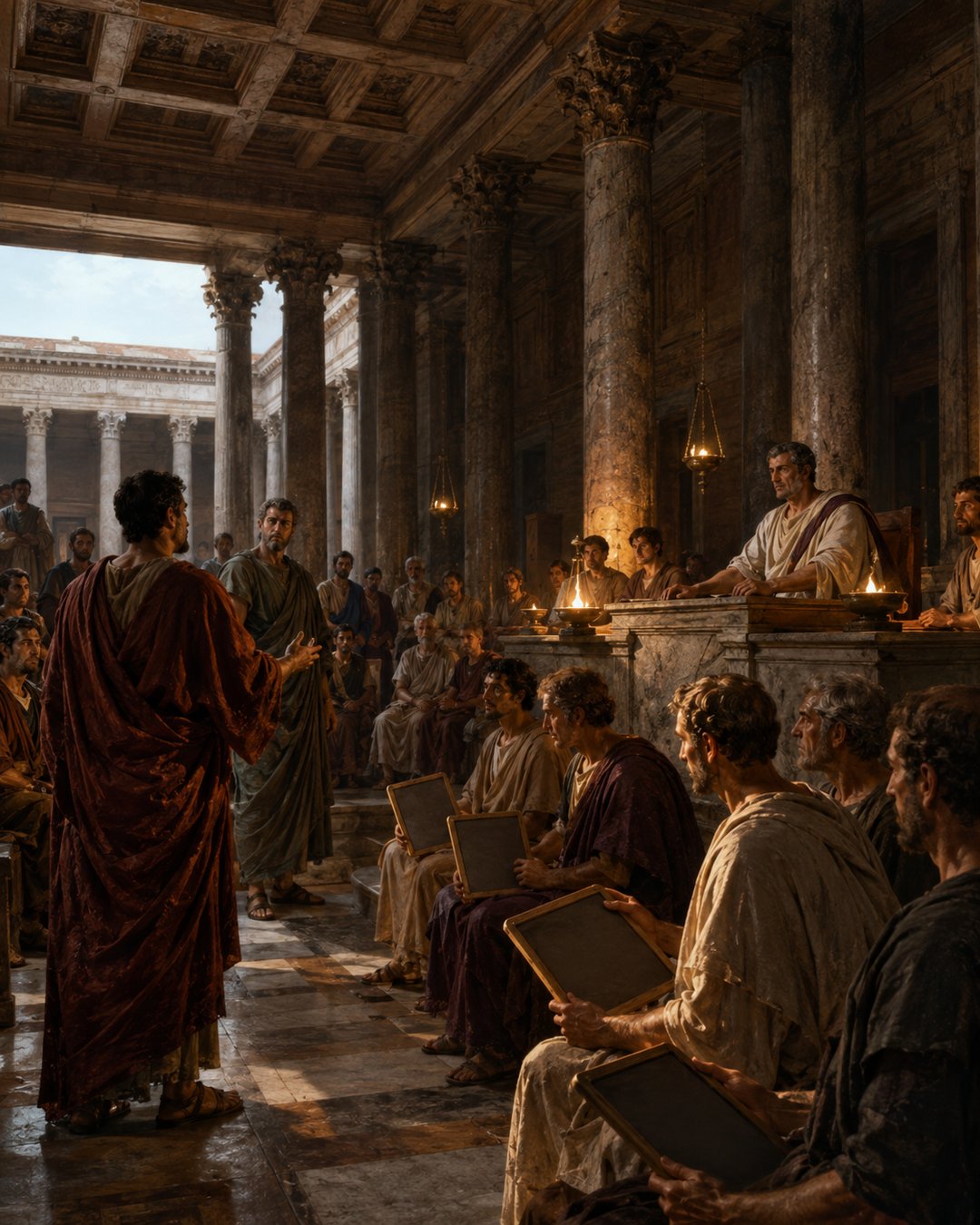
A Roman schoolroom could be easy to miss. It did not need a purpose-built campus, a bell tower, or rows of identical desks. A teacher might work in a rented room or a space open to street noise, while pupils carried small writing surfaces and sat close enough to hear every correction. The essential machinery … Read more

For Nine February Days, Roman Families Made Room for the Dead

On a cold February morning, a Roman family could leave the occupied streets and follow a road lined with the houses of the dead. Their destination was not a grand state altar. It might be a familiar tomb whose stone carried names, portraits and relationships already known within the household. Violets, grain, salt, wine-soaked bread … Read more

A Roman Plane Made Flatness Repeatable One Shaving at a Time

A plank can look level while still rocking beneath a joint or admitting light under a straightedge. Axes, adzes and saws reduced a tree but did not automatically leave a controlled finishing surface. The plane answered that problem. Its iron edge projected through a body whose sole slid over the timber. High fibres left as … Read more

Rome’s Sharpest Pair Was One Tool Made from Two Blades

A single blade depends on a backing surface or on the material’s own resistance. Pair two edges and the problem changes: each becomes the other’s support. As a Roman shear closed, its edges passed side by side, trapping fibres along a moving line. Wool, cloth or hair did not have to remain rigid. The tool … Read more

The Slow Turn That Squeezed a Roman Harvest

Workers walked a bar around a wooden screw or hauled hand-spakes through part of a circle. The screw turned many times but advanced only a little. Below it, a beam descended or a plate tightened onto grape marc or prepared olive material. Rotation became a short, forceful linear movement, and liquid found its way out … Read more