One Peck of Millet Became Sixty Pounds of Bread
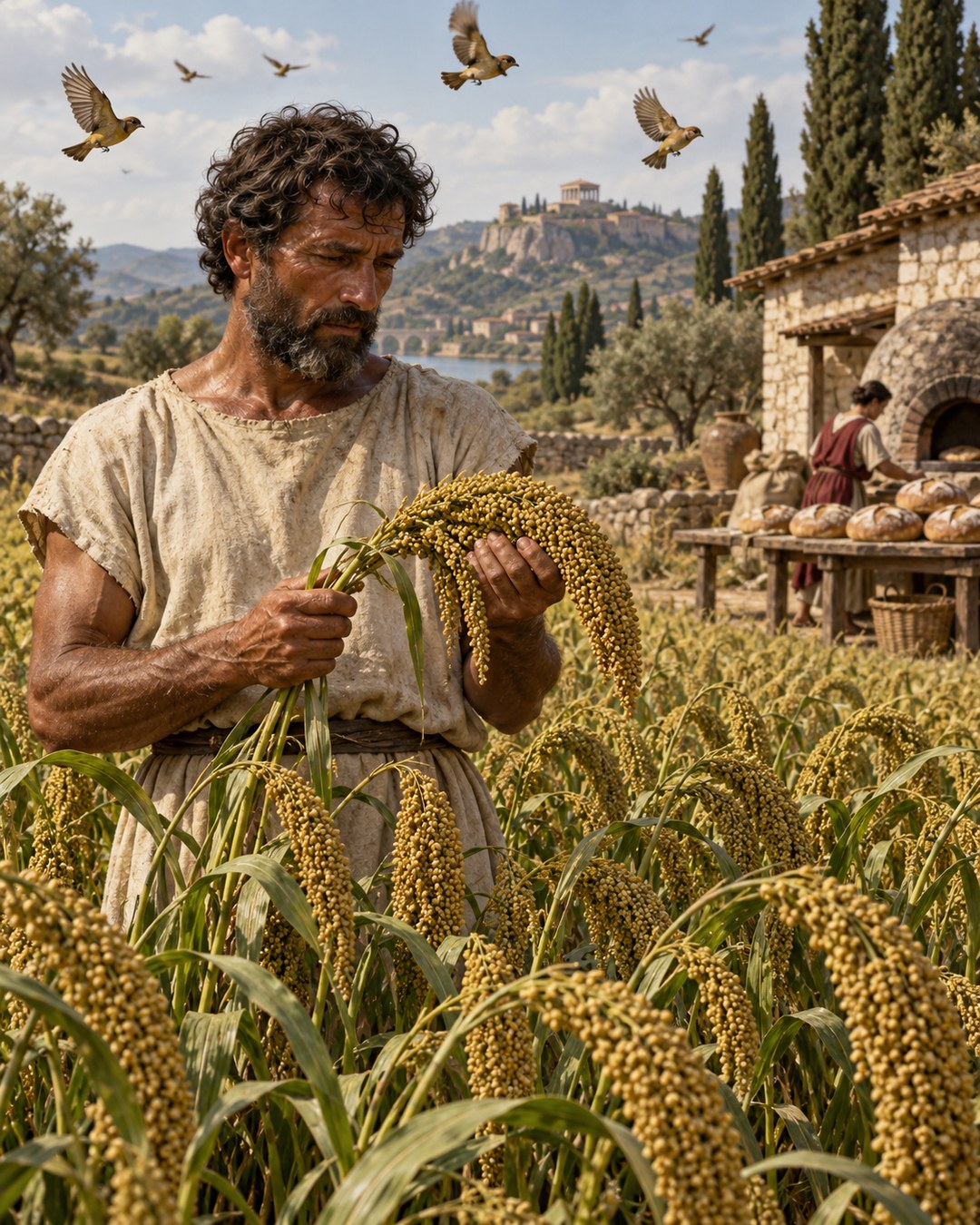
Pliny the Elder could look at a millet head and see a bargain split between a farmer, a flock of small birds and a cook. The birds took their portion in the field because thin skins left the grain exposed. The kitchen answered with expansion: Pliny reports that one peck of millet produced sixty pounds … Read more
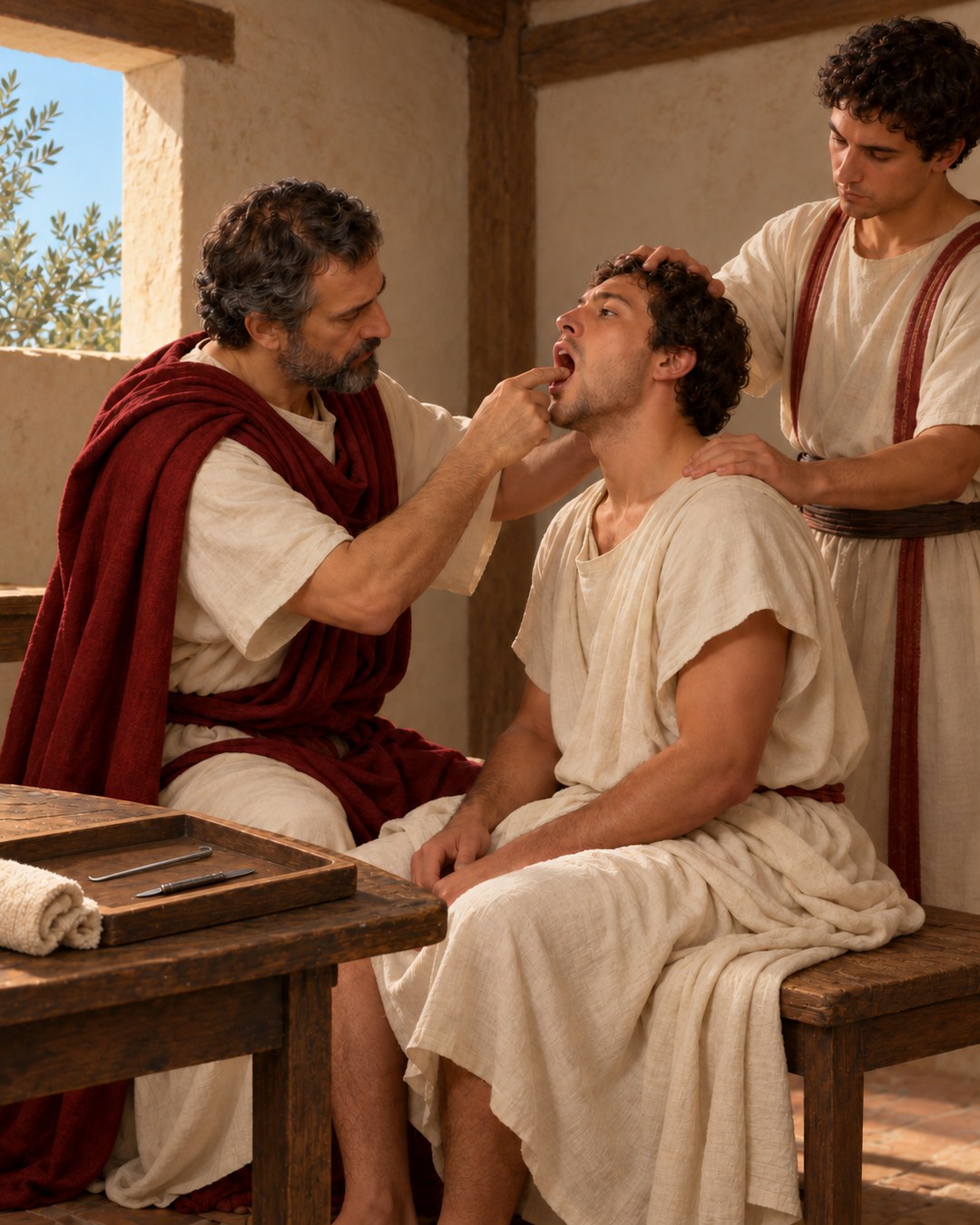
Celsus Tried a Finger Before the Tonsil Hook

Celsus begins his tonsil operation without a blade. When inflammation had left a tonsil hardened inside a thin covering, he told the practitioner to work around it with a finger and draw it out. Hook and scalpel entered only if that first separation failed. The order matters. Ancient surgery is often remembered through its instruments, … Read more

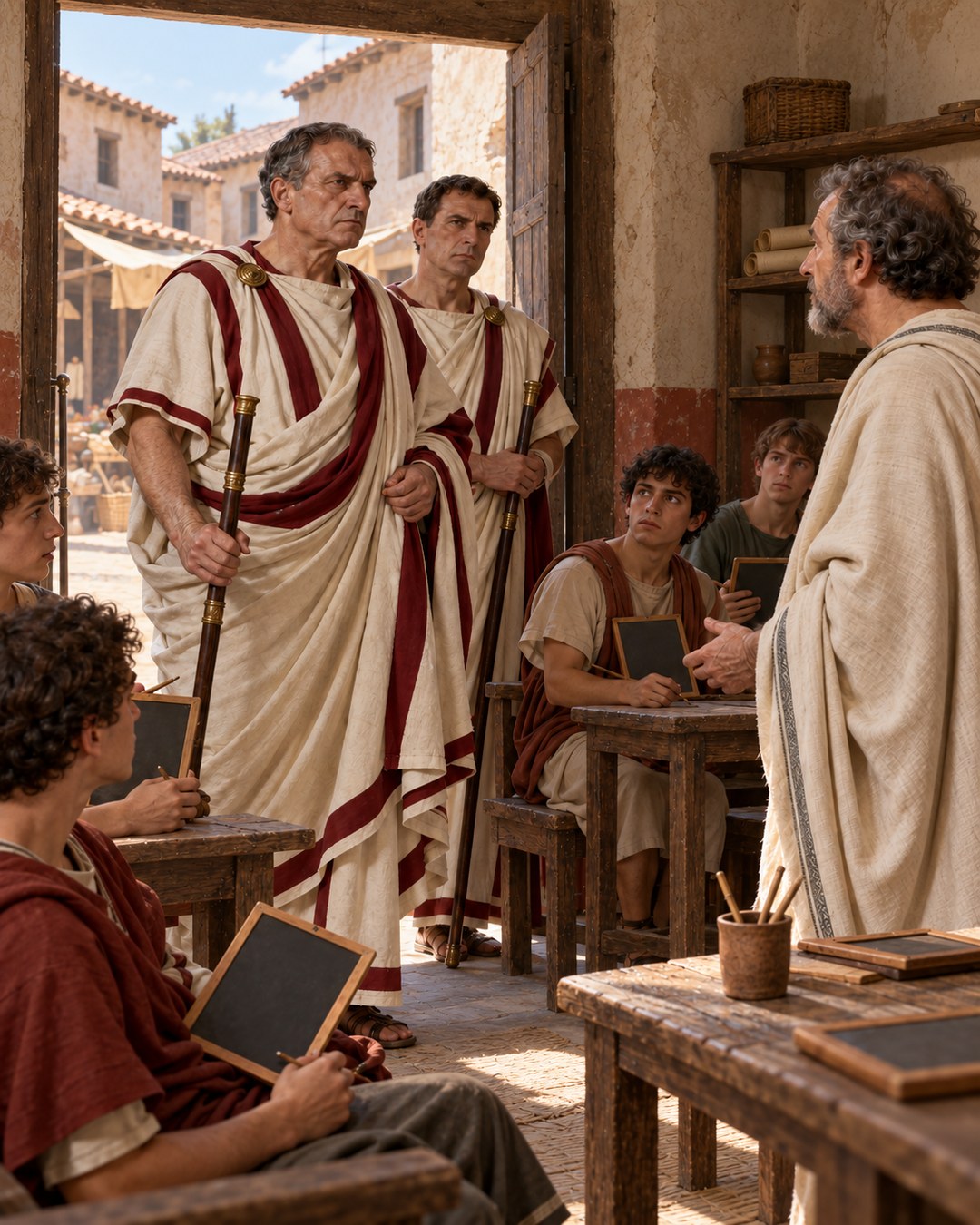
Two Censors Closed Rome’s New Latin Classrooms

Rome’s censors did not enter a classroom and refute a speech lesson. They attacked the classroom itself. Aulus Gellius preserves their complaint that men calling themselves Latin rhetoricians had created a new kind of instruction where young people gathered and sat for entire days. The wording turns education into an issue of public order. What … Read more

Tullus Read Numa’s Rites and Burned with His House

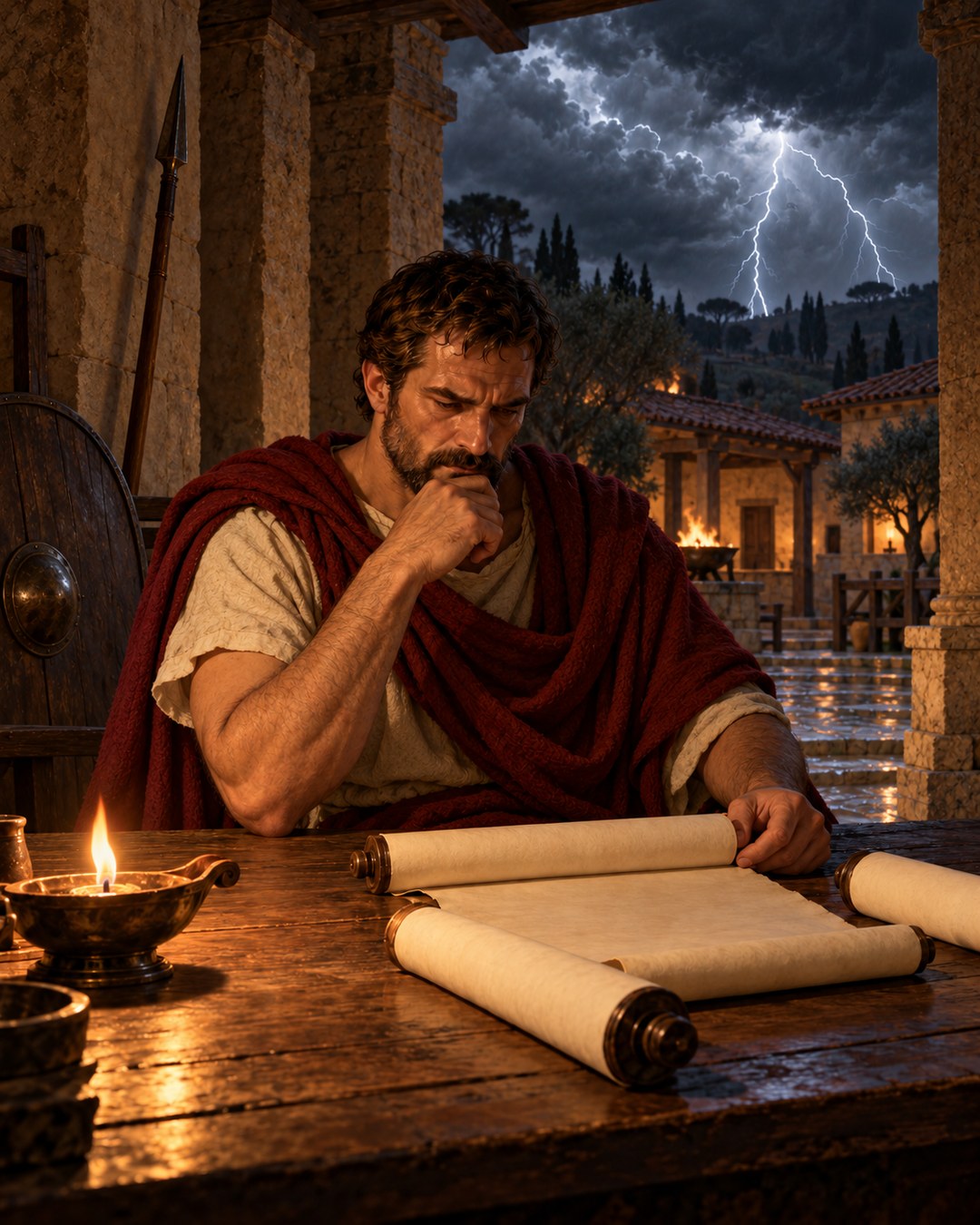
A king who had spent his reign treating war as the healthiest work for Roman bodies eventually locked himself indoors with another king’s ritual instructions. Livy says Tullus Hostilius found a secret ceremony for Jupiter Elicius in the commentaries of Numa. He attempted it, performed it incorrectly and burned with his house when lightning struck. … Read more

Four Daily Feasts Put Vitellius on Other Men’s Bills

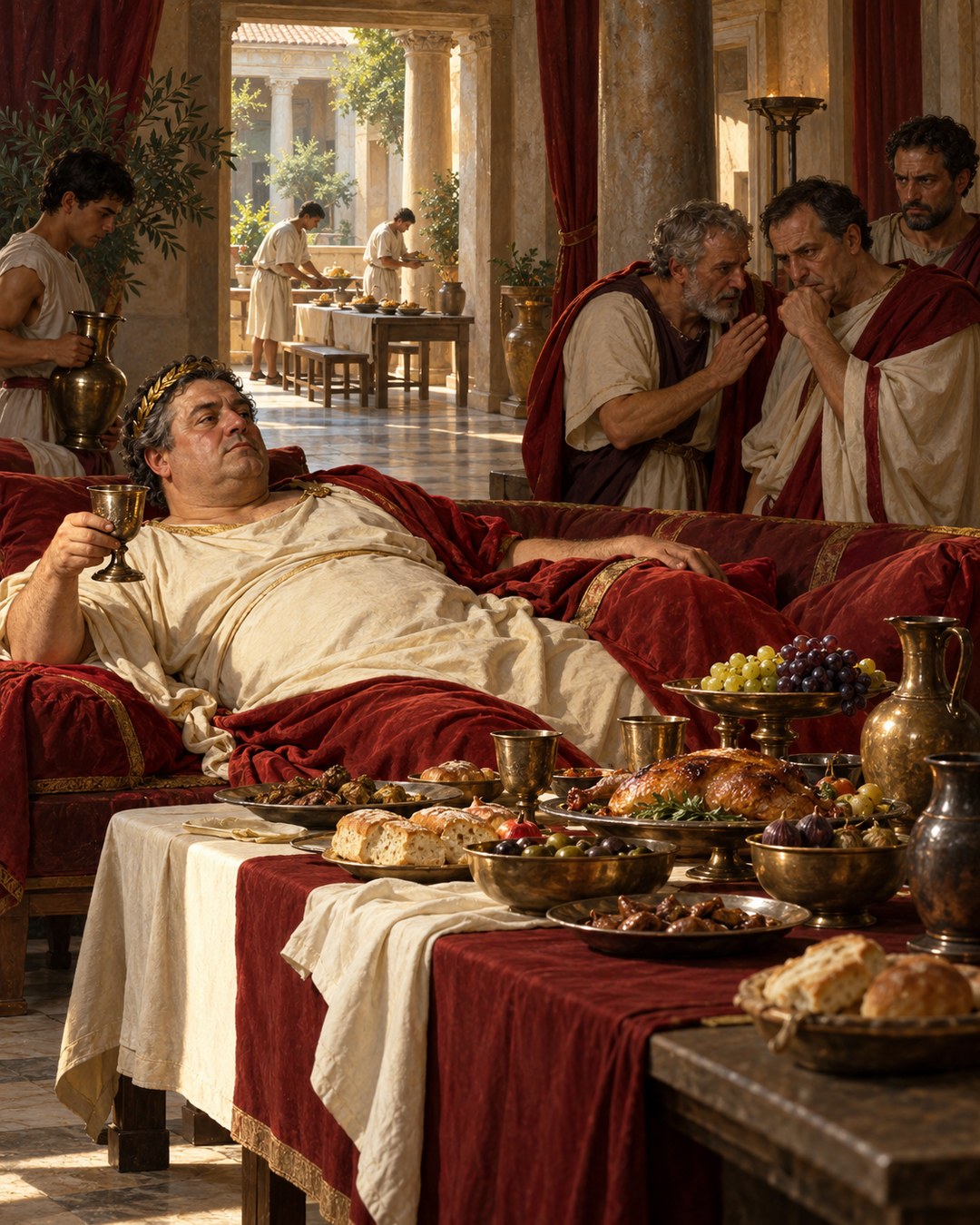
Suetonius did not make Emperor Vitellius’s appetite look like one spectacular lapse. He made it a schedule. Breakfast, luncheon, dinner and a drinking bout could become four separate feasts, each hosted by a different man on the same day. That arrangement matters more than the menu. An emperor moving from table to table did not … Read more

Oil Kept Small Ironwork from Turning Brittle

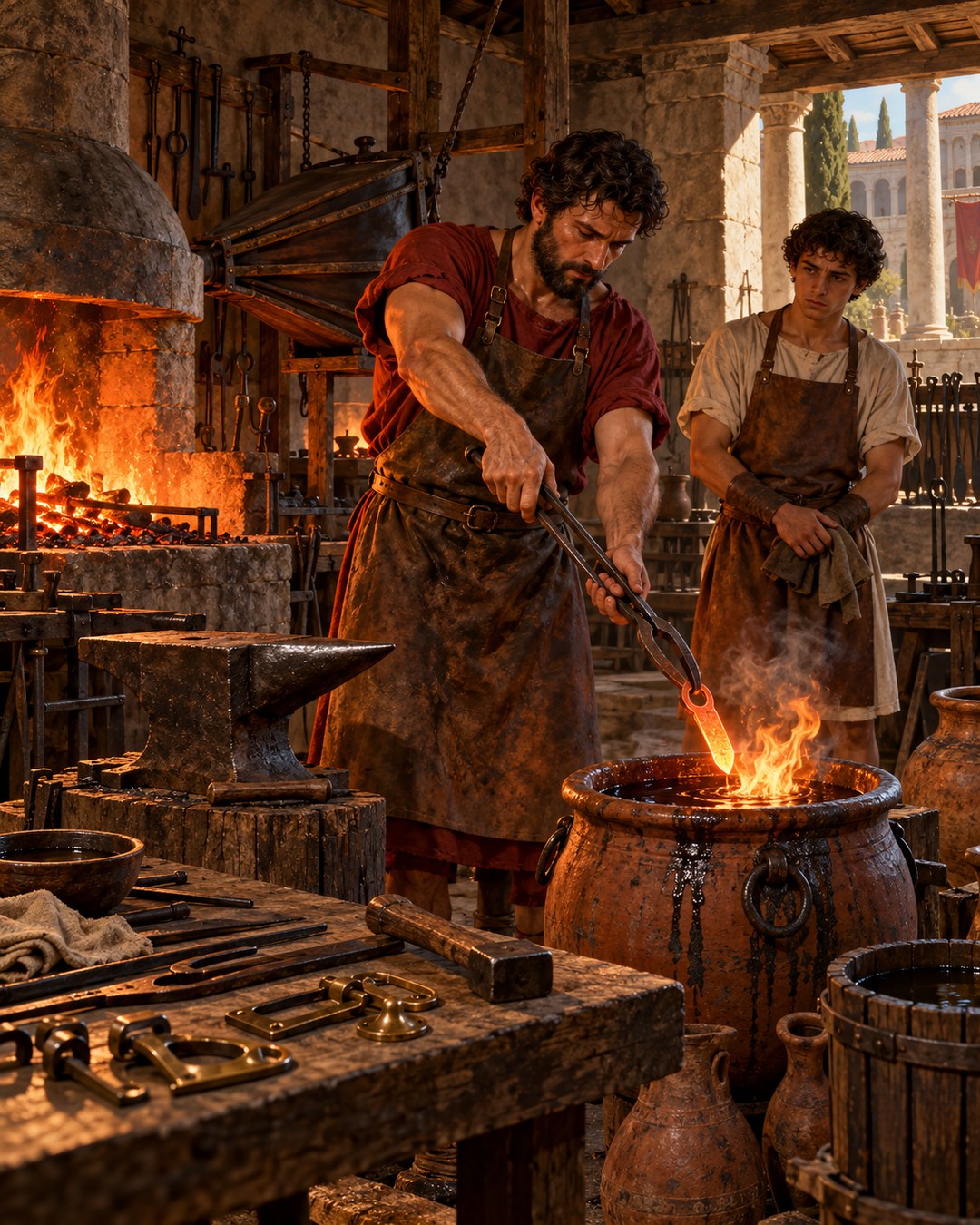
A small iron object left the fire glowing. The next step could preserve its usefulness or turn hardness into a hidden weakness. Pliny the Elder reports that smiths commonly quenched smaller forgings in oil because water might harden them enough to make them brittle. The line is short, but it captures a workshop decision rather … Read more

Amisus Could Aid Its Poor Because a Treaty Allowed It

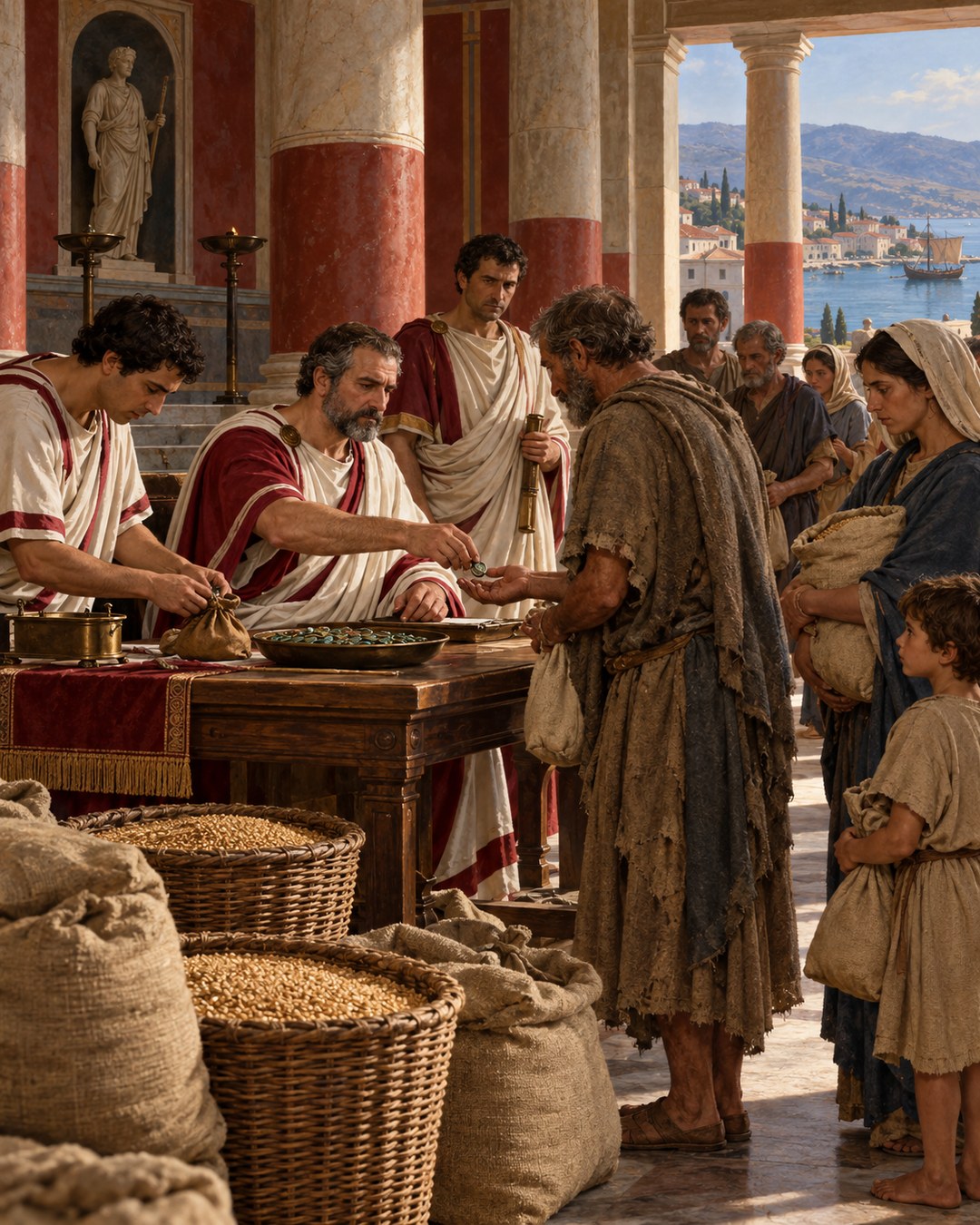
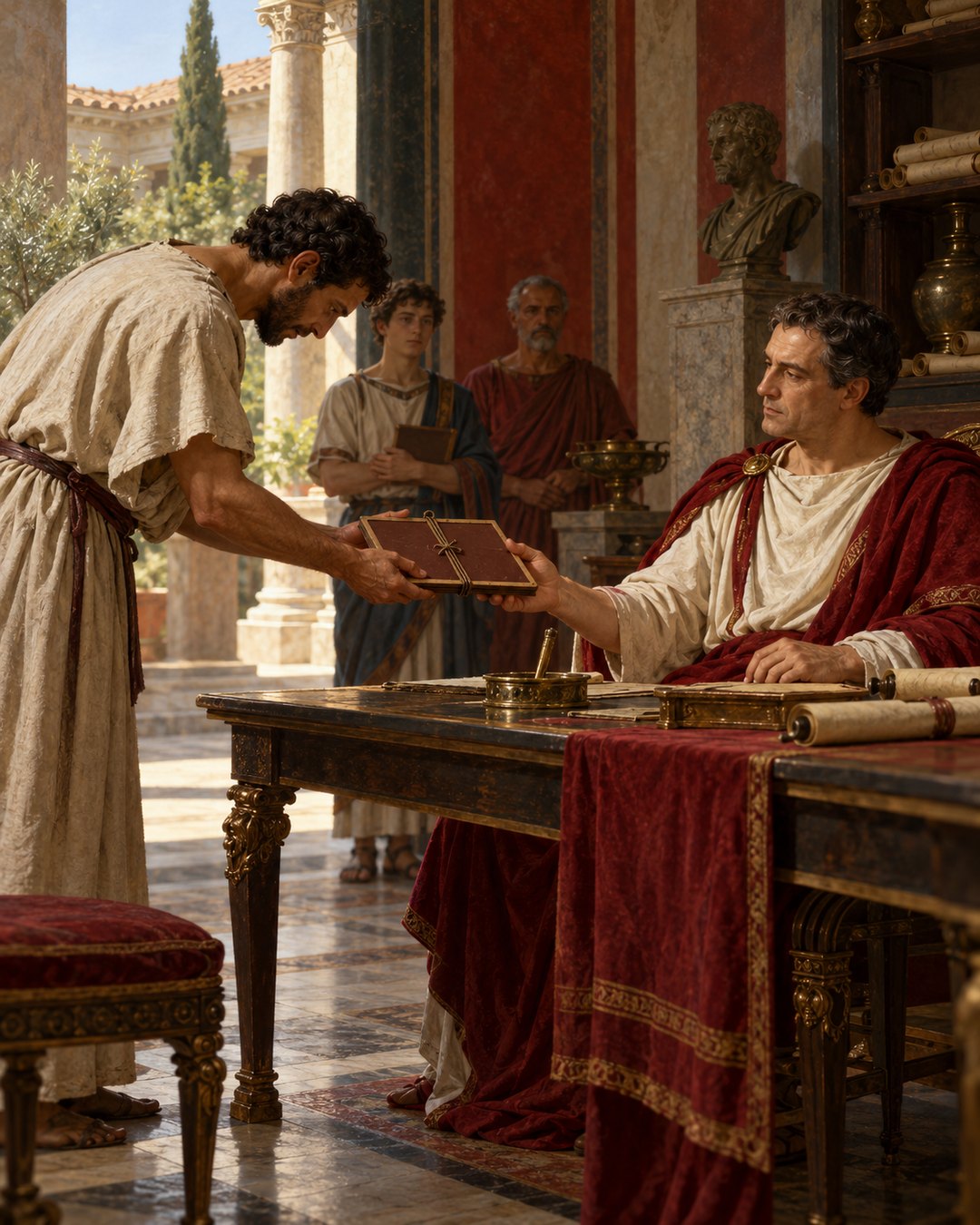
A collection for people in distress reached the Roman governor’s desk carrying two possible identities. It could be poor relief. It could also be a reason for residents to gather, contribute money and become an association that the imperial government did not trust. Pliny the Younger refused to decide which description controlled the case without … Read more

Three Boars Left Pliny’s Writing Tablets Full

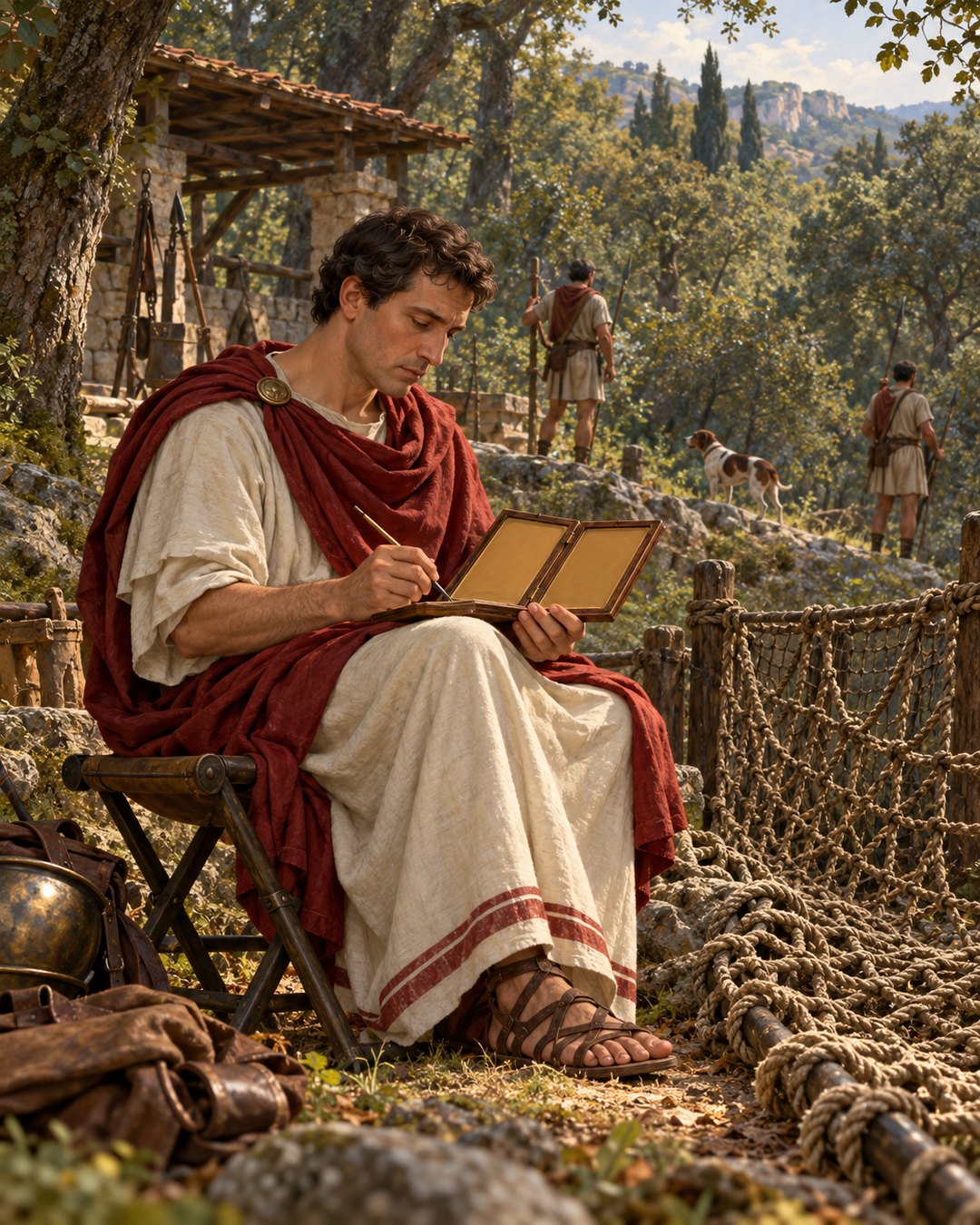
Pliny the Younger had news for Tacitus: he had bagged three magnificent boars. He immediately gave his friend permission to laugh. The joke depended on Pliny’s version of himself—a man more likely to be caught with a pen than a spear. That was exactly how he described the hunt. He sat beside the nets with … Read more

Pliny Kept Enslaved People’s Wills Like Legal Records

Illness had moved through Pliny the Younger’s household, and some of the people serving him died young. Writing to Paternus, he tried to name two consolations. He had granted freedom generously, he said, and he allowed enslaved people to make wills that he preserved like legal documents. The second practice sounds startlingly formal. Instructions were … Read more

Five Summer Hours Set the Roman Recruit’s Marching Pace

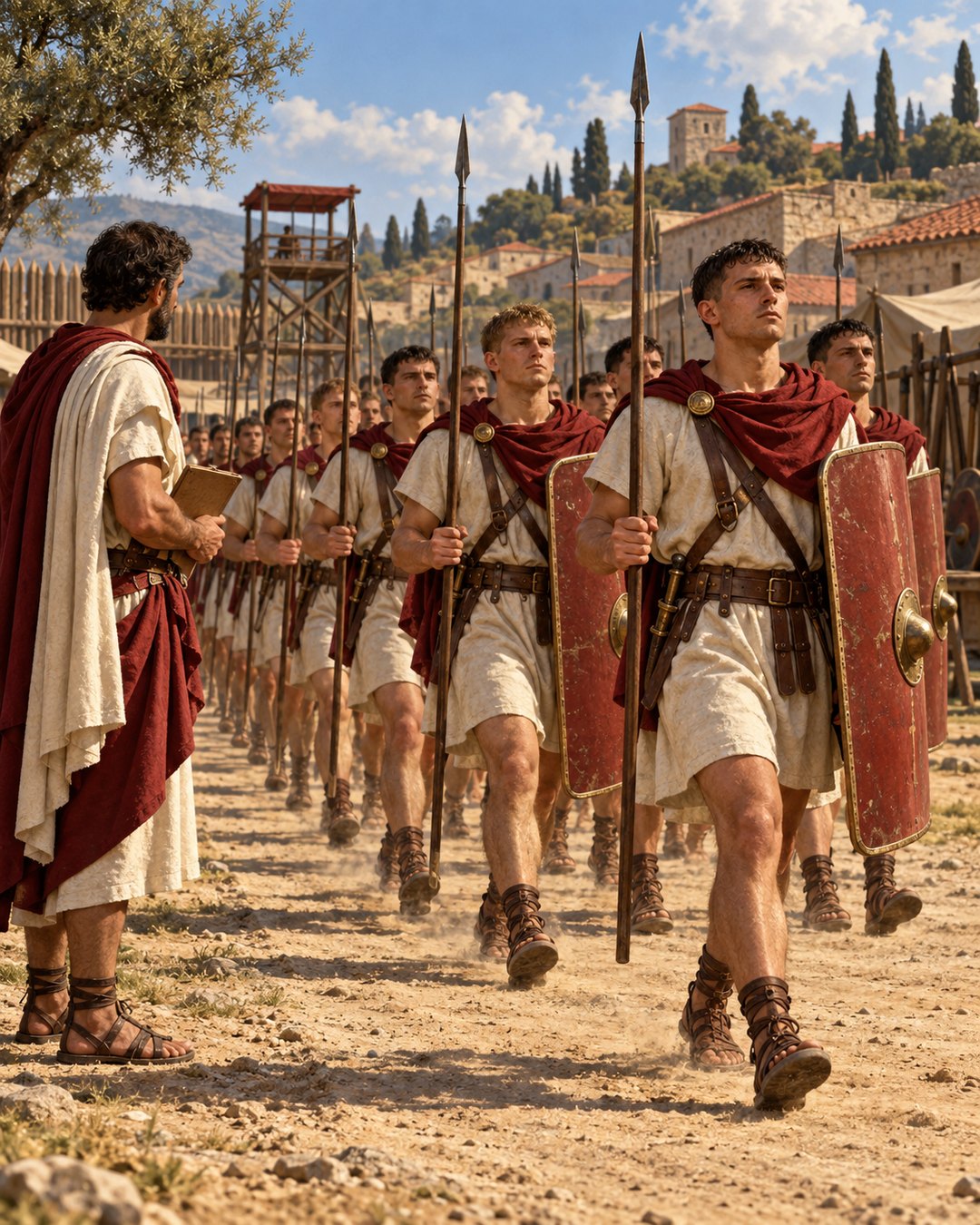
The Roman recruit’s first contest was not necessarily with an enemy. It was with the pace of the men beside him. Vegetius prescribed a military step that covered twenty Roman miles in five summer hours, then a faster full step that covered twenty-four in the same span. Those figures sound like a test of endurance. … Read more