Pausanias’s Mother Brought the First Stone to Seal Him In
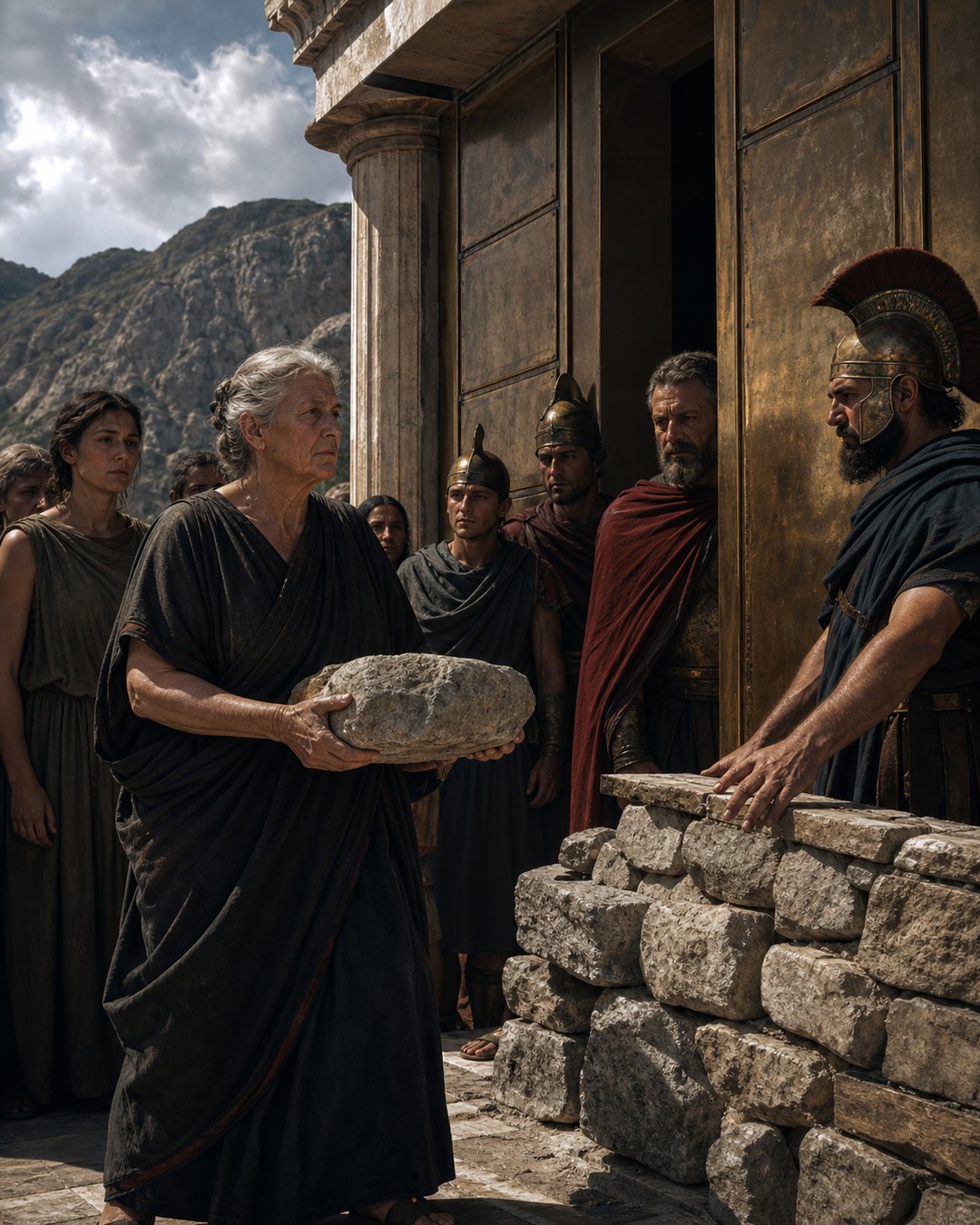
Pausanias was only a few steps ahead of the ephors when he reached the sanctuary of Athena Chalkioikos. The Spartan authorities intended to arrest him, but the sacred boundary interrupted ordinary seizure. He entered the precinct and took shelter in a building connected with it. The ephors answered without dragging him from the goddess’s protection. … Read more
Sponge Divers Pulled One Cord When Dogfish Closed In

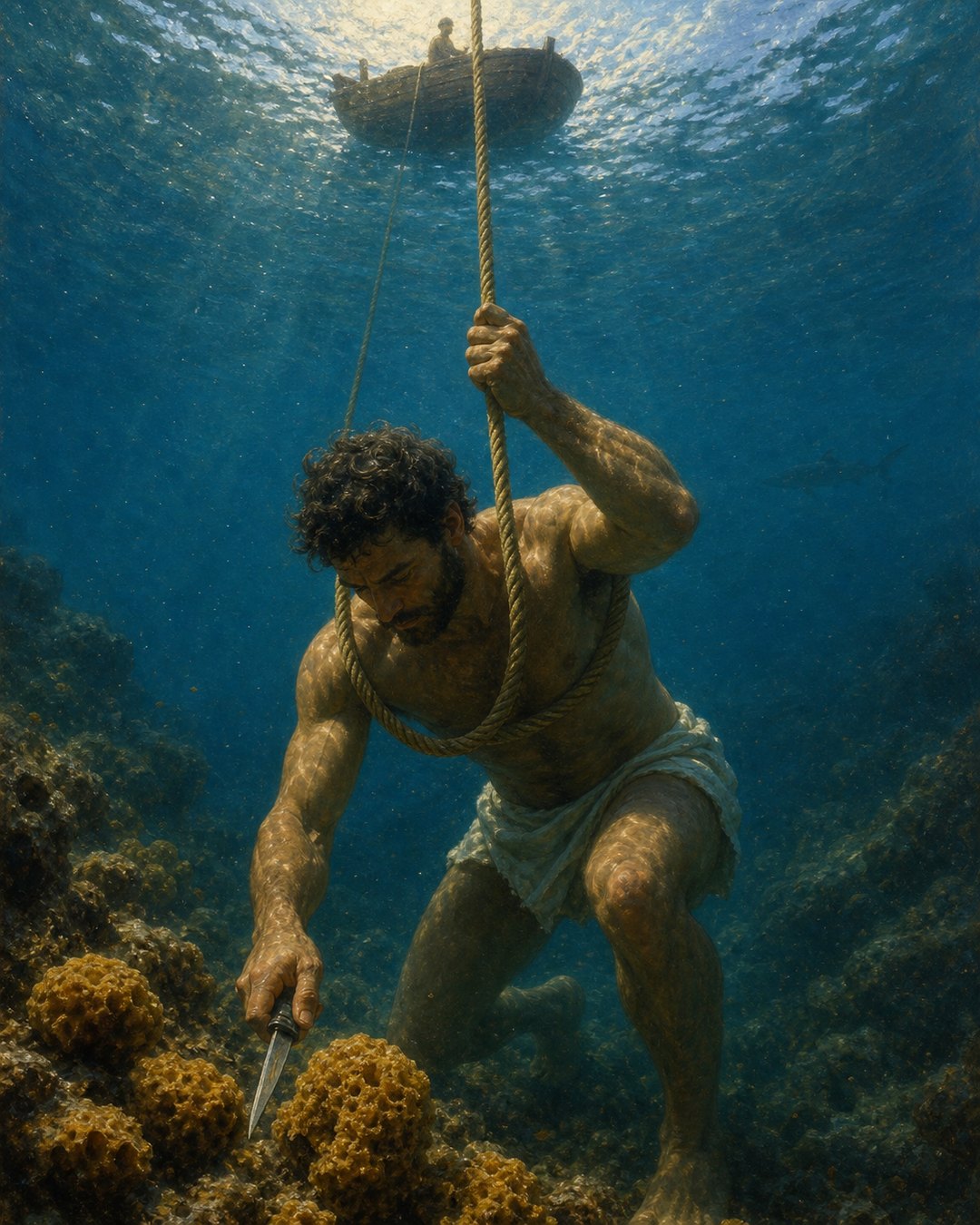
The sponge diver disappeared with a cord fixed beneath his shoulders. On the boat, companions held the other end. Below, one hand managed a short pointed blade while the other pulled the line to signal danger. Pliny the Elder describes this arrangement in a passage where harvesting turns suddenly into a fight for extraction. The … Read more

A Vine Stick Forced Antiochus to Answer Rome

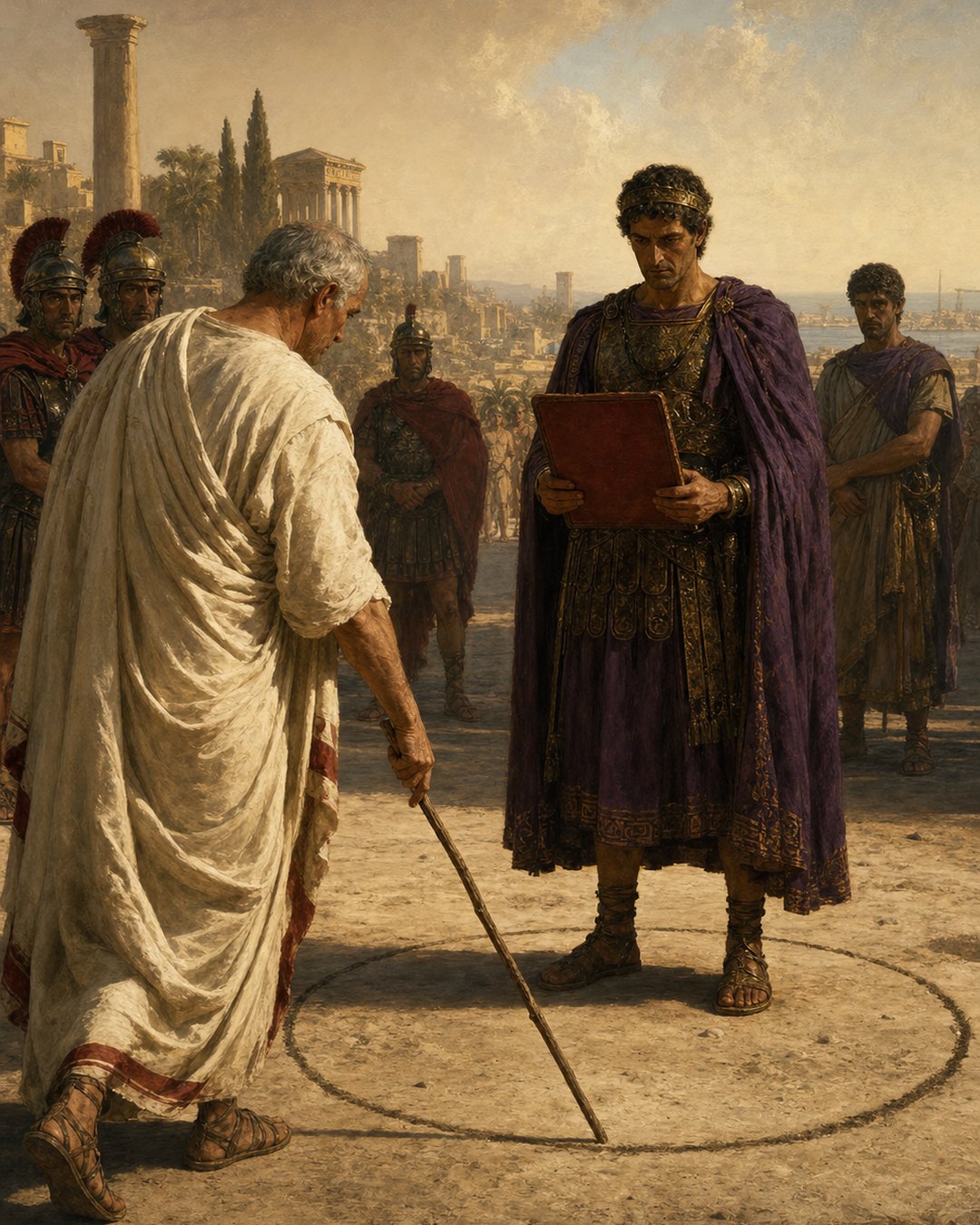
Antiochus IV approached the Roman delegation as a king close to possessing Egypt. Near Eleusis, four miles from Alexandria in Livy’s account, he greeted the envoys and extended his right hand to Gaius Popilius Laenas. The Roman did not take it. Instead, he put a written decree of the Senate into the king’s hand and … Read more

Three Cities Gave Homer’s Critic Three Different Deaths

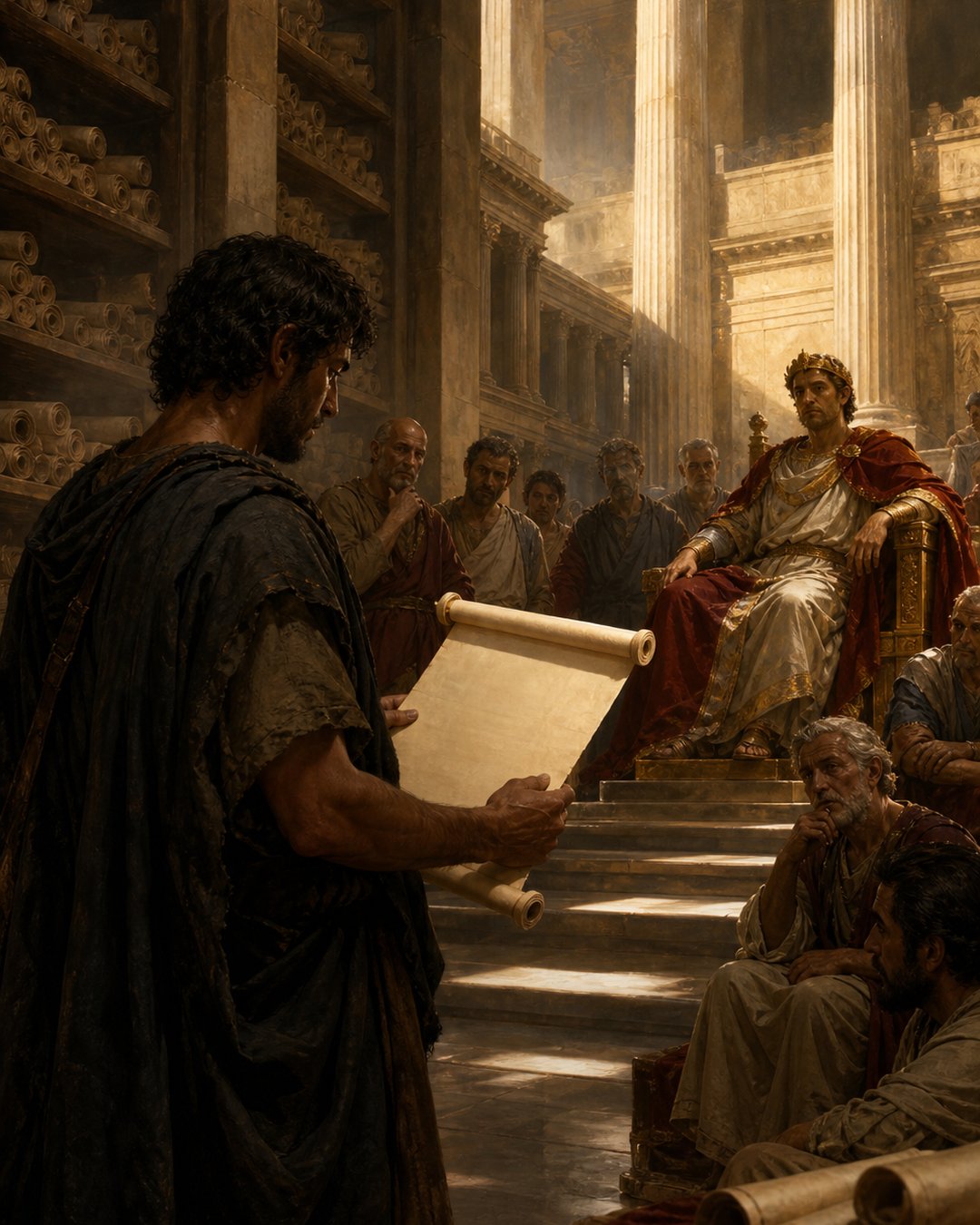
Zoilus arrived in Alexandria with an aggressive literary identity. Vitruvius says the Macedonian called himself Homeromastix and read works attacking the Iliad and Odyssey before Ptolemy. The king was offended but withheld an answer. Later the critic fell into poverty and asked the same court for help. The reply made reputation into an economy. Homer, … Read more

Two Hundred Forty Prisoners Cost Fabius His Fields

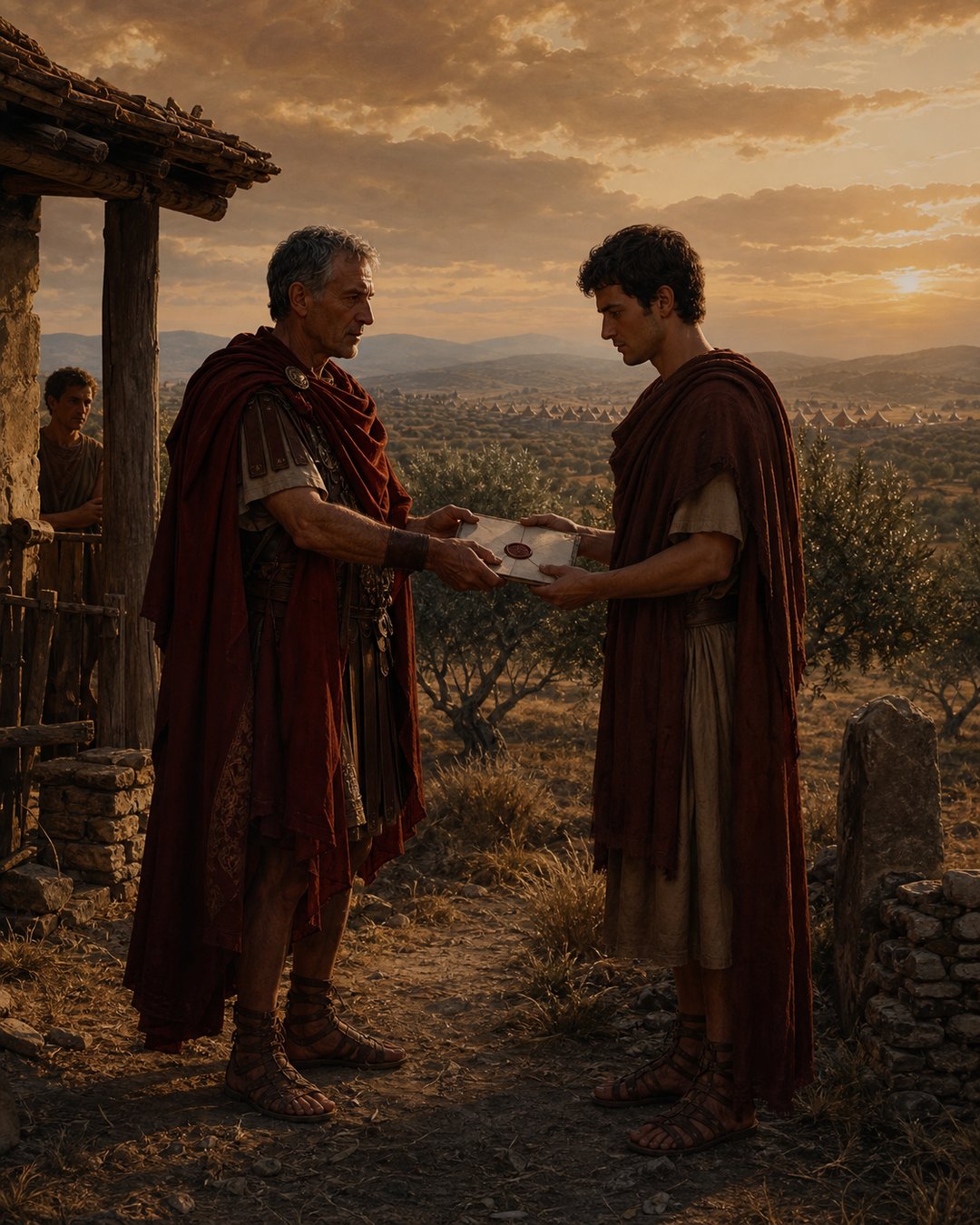
The prisoner exchange began with a clean rule and ended at the boundary of Fabius Maximus’s land. He and Hannibal agreed to trade captives man for man. When the matched exchanges were complete, Hannibal still held 240 Romans. The contract gave that remainder a price: 250 drachmas for every man recovered. Rome’s Senate refused to … Read more

One Visitor Turned a Prince’s Illness into a Royal Marriage

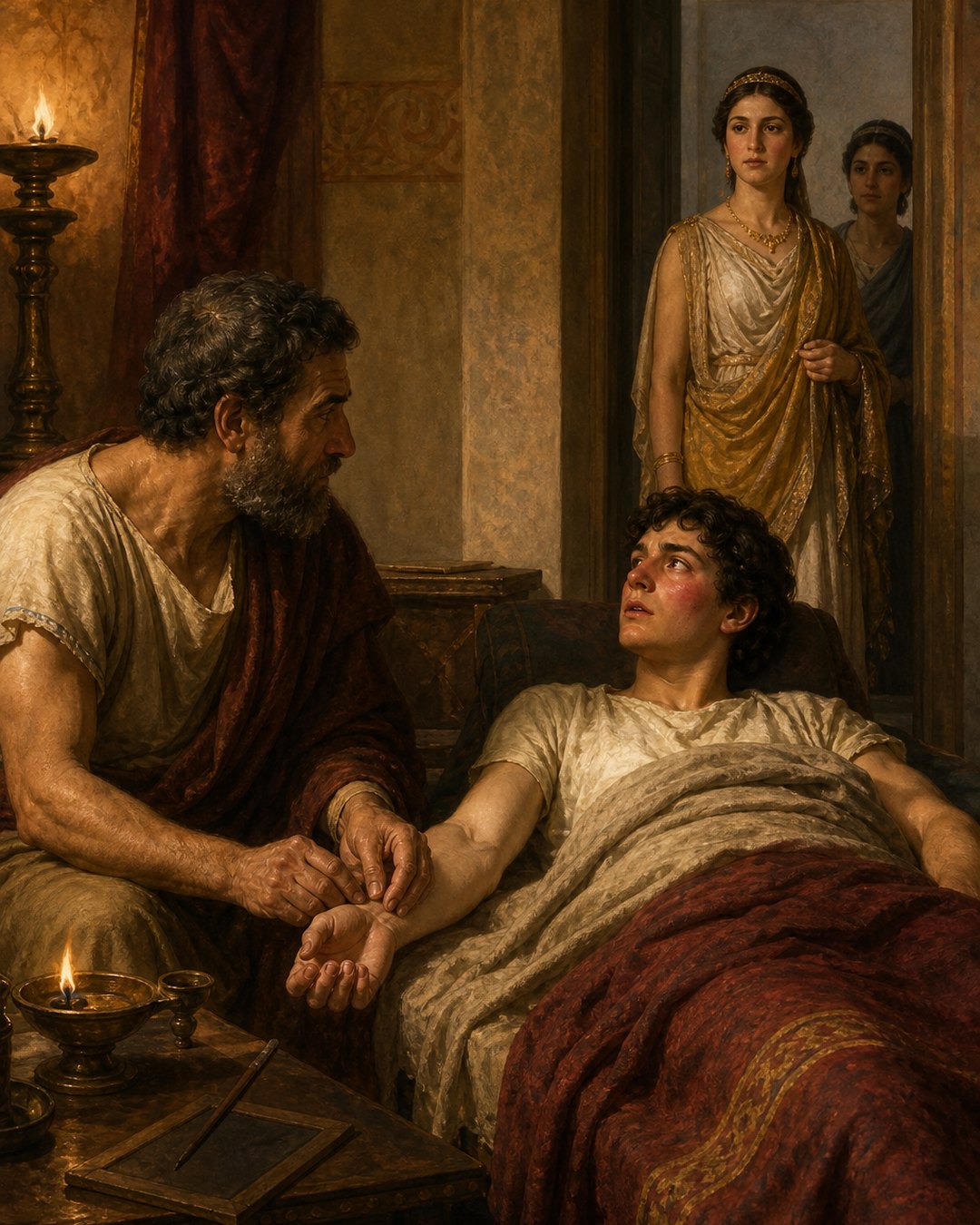
Antiochus was starving himself under the cover of illness. His physician Erasistratus believed that the prince was in love, but that diagnosis left the most dangerous question unanswered: with whom? Plutarch says the doctor remained in the chamber day after day and watched what happened when different people entered. Most visitors produced nothing. Stratonice produced … Read more

Sergius Orata Made Lake Lucrinus an Oyster Brand

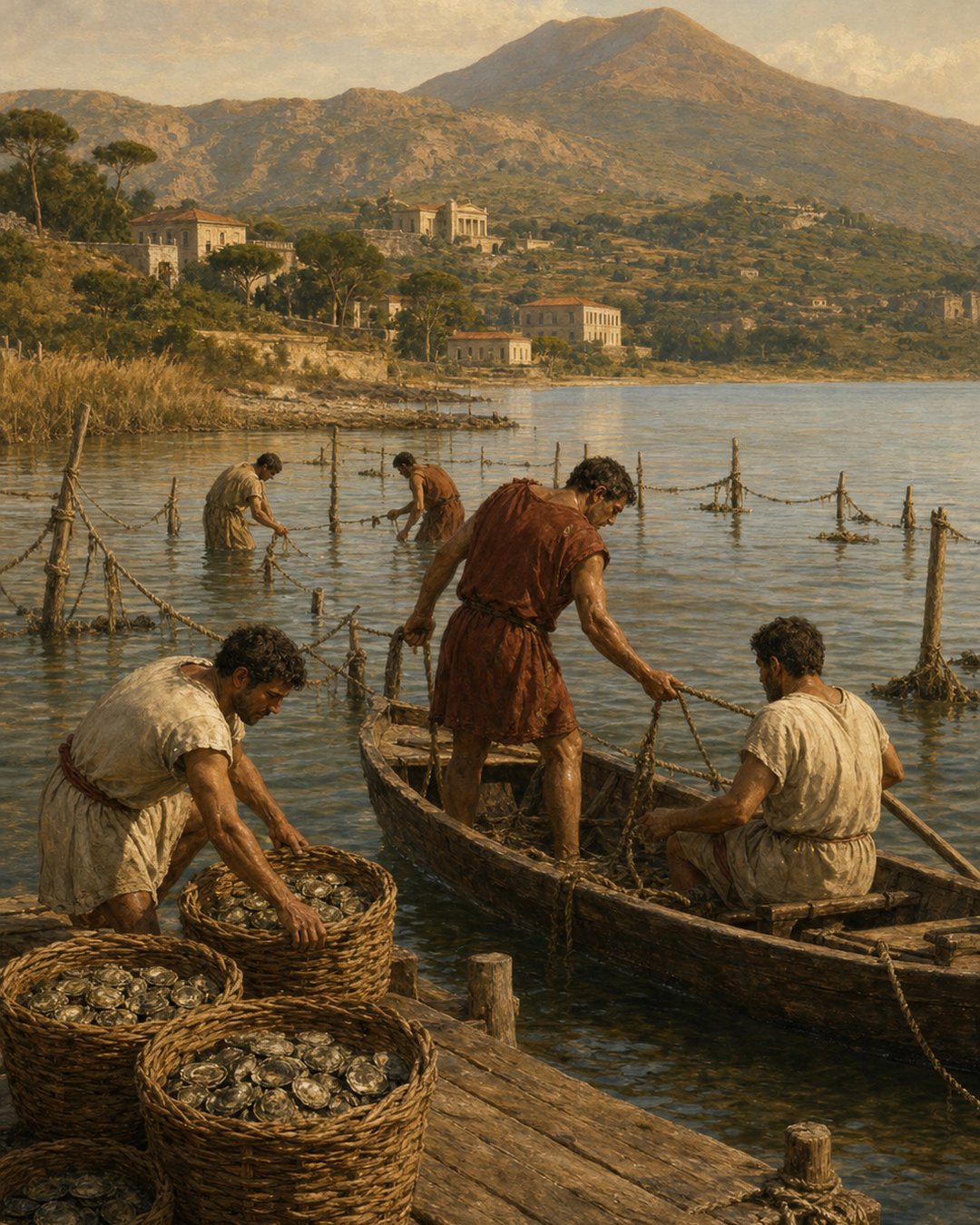
Sergius Orata’s oyster beds began with a stretch of water at Baiae and ended with a claim about taste. Pliny the Elder calls him the first person to form artificial beds, then immediately explains how the invention made money. Orata established them shortly before the Social War, promoted oysters from nearby Lake Lucrinus as the … Read more

Fifty Pounds of Flax Left Fifteen After the Iron Combs

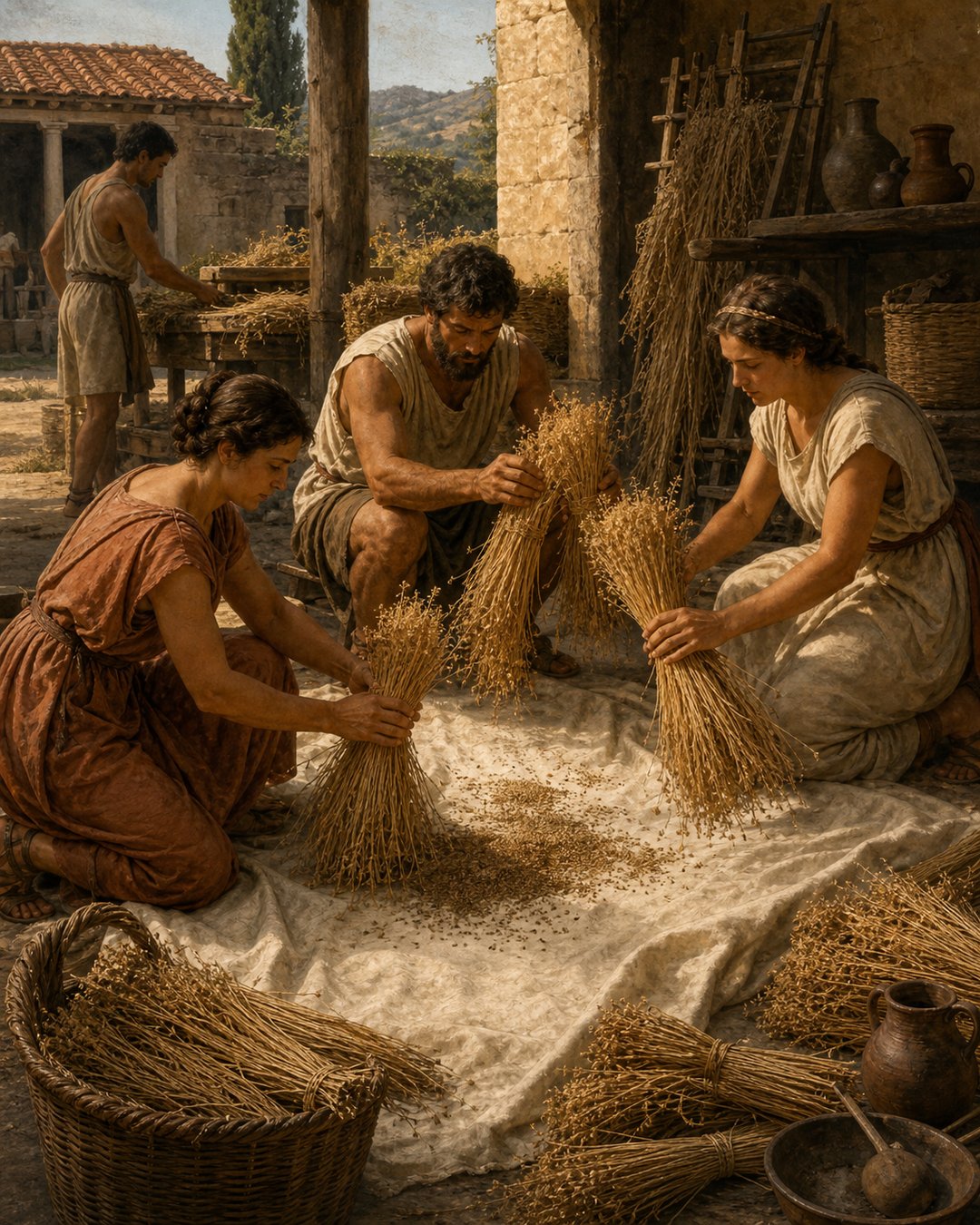
Fifty pounds of flax in the sheaf did not become fifty pounds of dressed fibre. Pliny the Elder gives fifteen pounds as a fair return after combing. The missing thirty-five pounds make the craft easier to understand than a finished fold of pale linen does. Manufacture was a controlled loss of seed, moisture, skin, broken … Read more