Wedding Pearls Became Incense for Fundanus’s Daughter
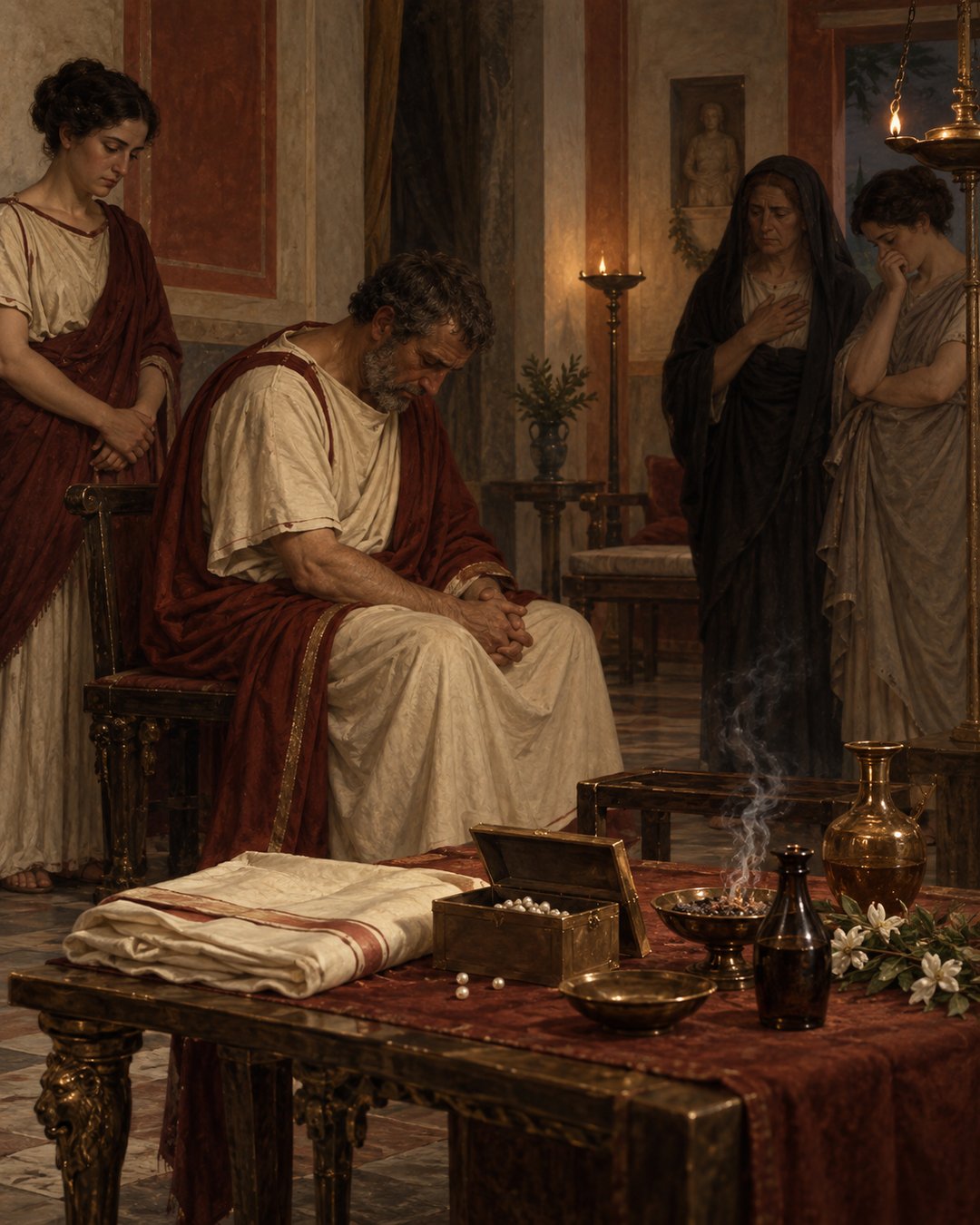
A wedding day had been chosen. Guests had already been called. Money was waiting for clothing, pearls and gems. Then the younger daughter of Minicius Fundanus died before she had fully completed her fourteenth year. Her father ordered the wedding expenditure redirected to incense, unguents and scents for her funeral. Pliny the Younger built his … Read more
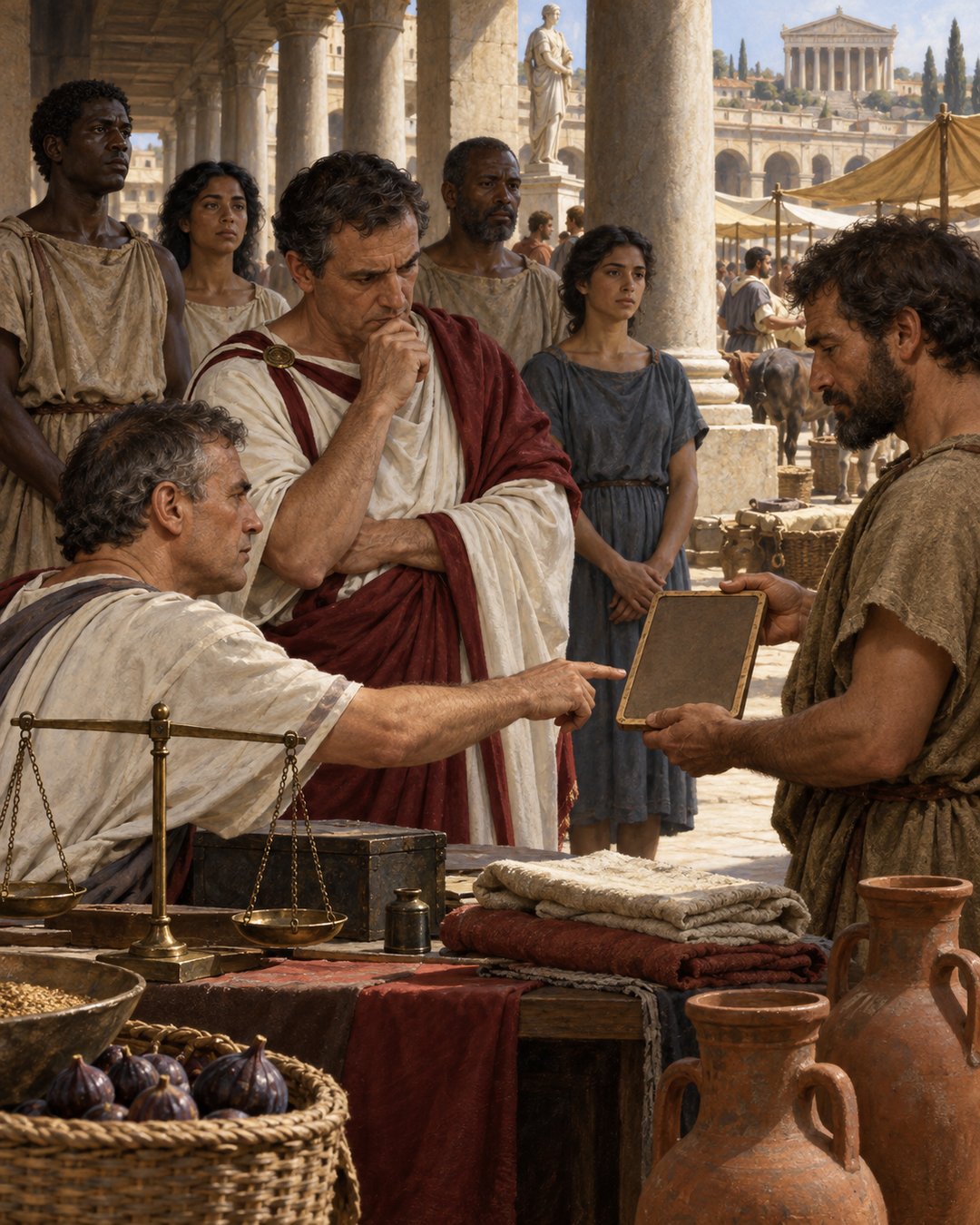

Disease, Flight, and Conviction Belonged on the Sale Ticket

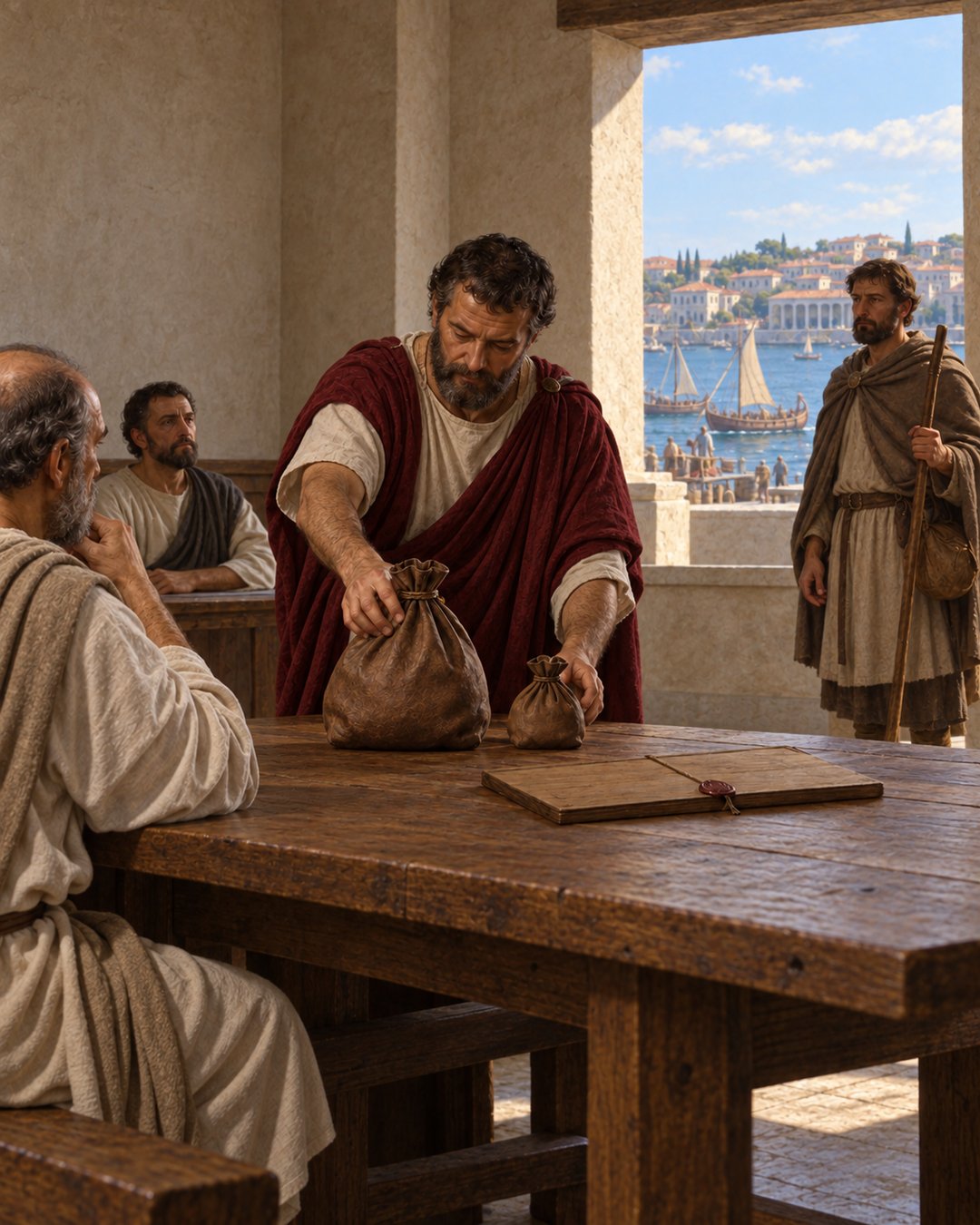
A Roman market rule demanded a written ticket for each enslaved person offered for sale. Disease, defect, a history of running away and an unresolved condemnation all had to be disclosed. The rule looked concise. Its consequences were not. Jurists soon had to decide whether stammering was a disease, whether short sight justified return and … Read more

Two Neighbors Crowned the Same Boundary Stone

Two landowners approached the same boundary marker from opposite sides. Each carried a garland. Each brought a cake. Then the households arrived: a farmer’s wife with coals from the hearth, an old man with wood and bark, a boy with a basket, and a daughter with sliced honeycomb. In Ovid’s account of the Terminalia, the … Read more

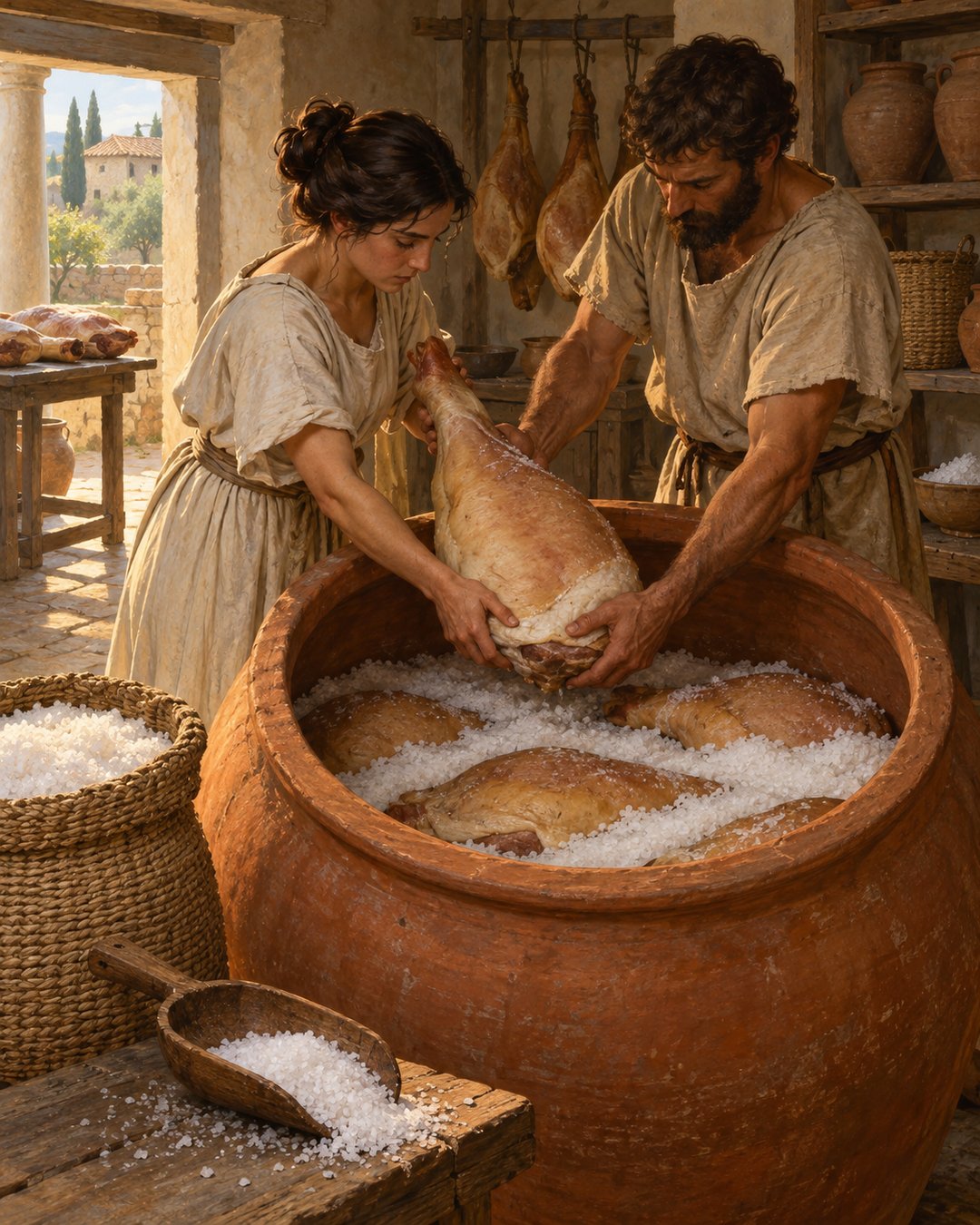
Hams Changed Places after Five Days in Cato’s Salt Jar

Cato’s ham recipe begins with a large vessel, ground salt and a rule about contact: meat must not touch meat. Five days later, every piece comes out with its salt. The former top hams go to the bottom, the layers are rebuilt, and the waiting begins again. The method is not a single act of … Read more

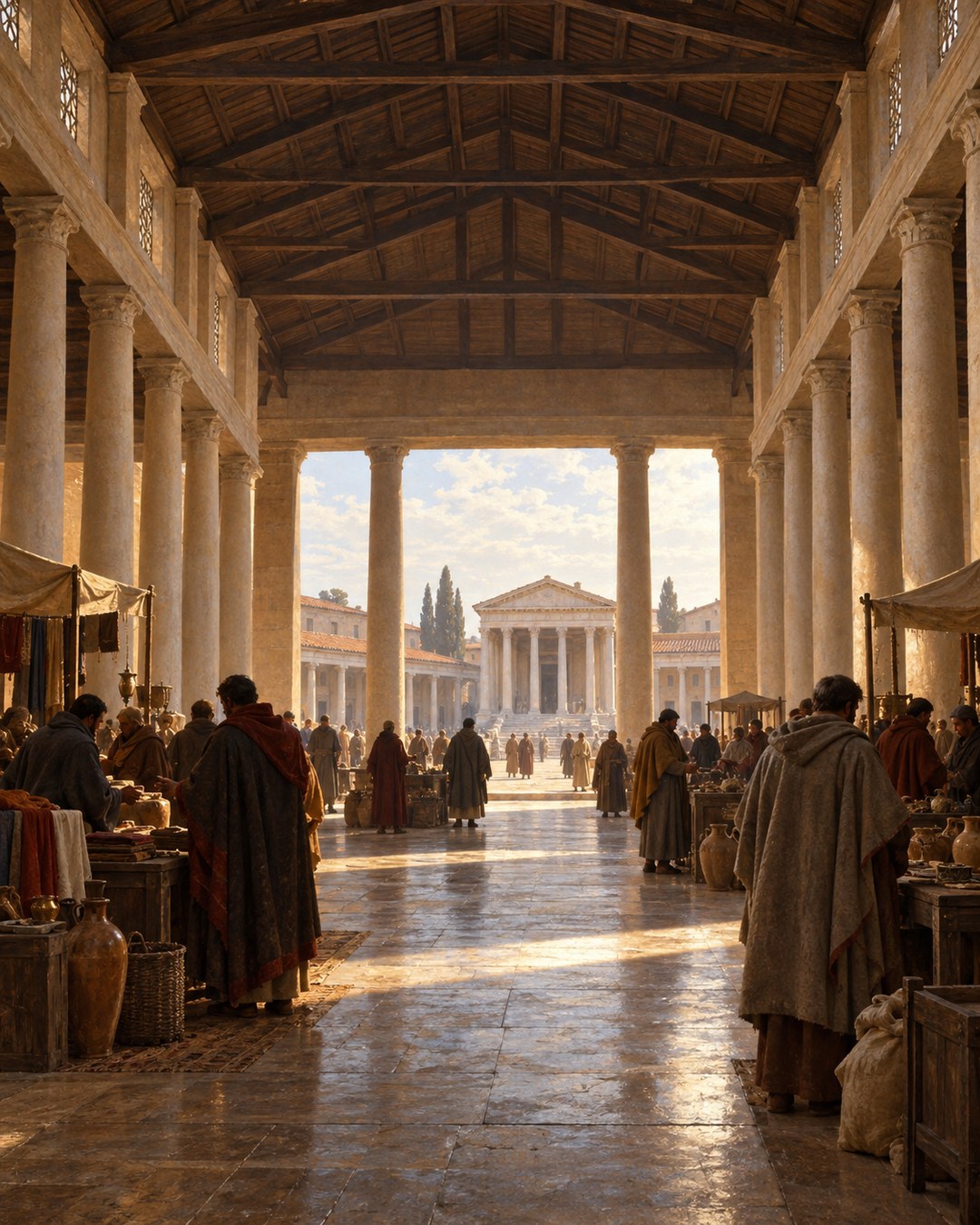
Vitruvius Removed Two Columns to Keep a Temple Visible

Vitruvius designed a basilica with two columns missing from its most politically charged side. The omission was deliberate. Through the opening, people inside the civic hall could still see the porch of the temple of Augustus across the forum at Fano. The gap reveals how Roman architecture managed more than weight. It arranged commerce, law … Read more

Three Days Decided Whether a Roman Wine Sale Was Sound

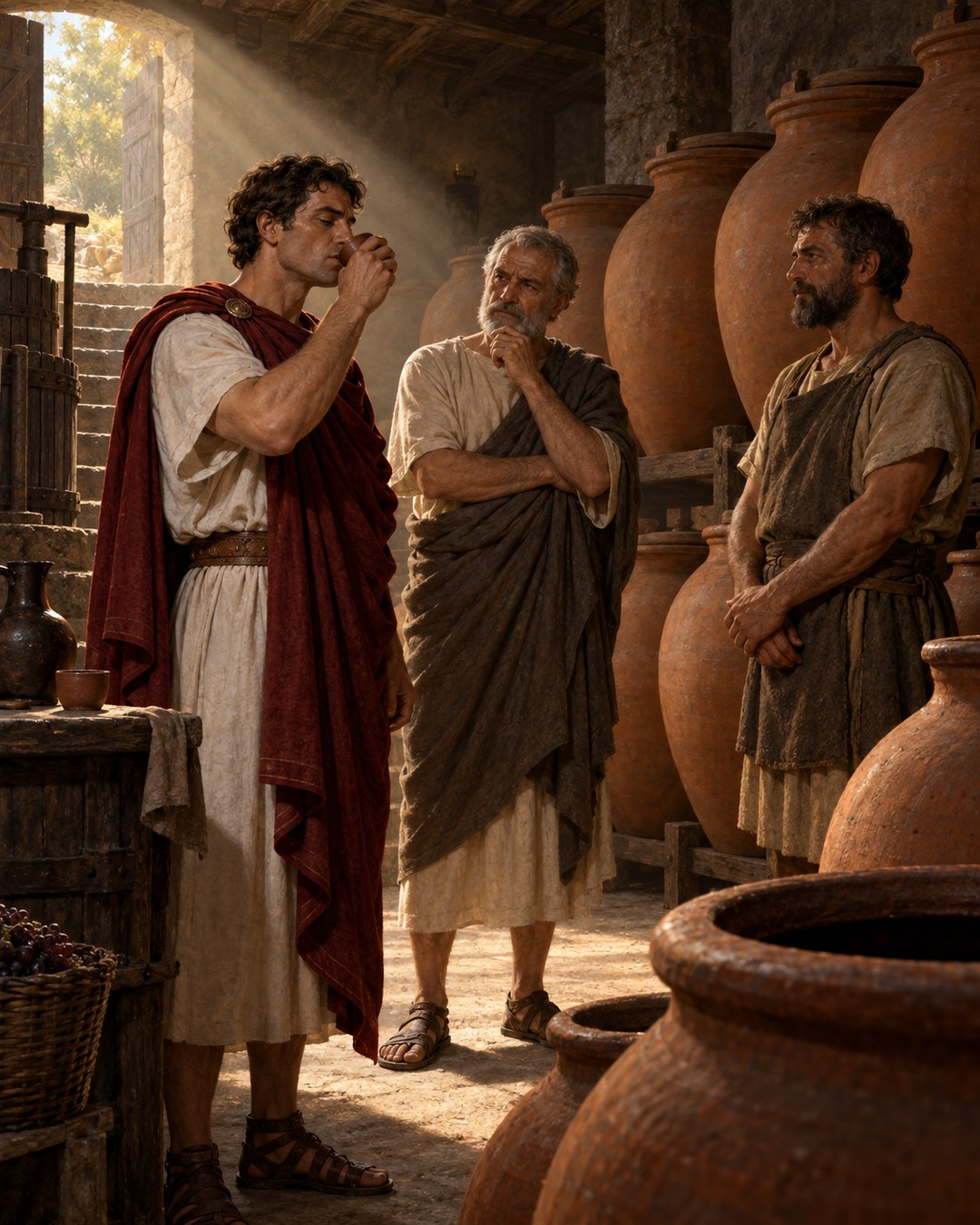
A Roman wine buyer could lose an objection by waiting three days. Cato’s model terms allowed the purchaser to test wine held in jars and reject stock that was sour or musty. Yet the same clauses prevented inspection from becoming endless: if the buyer did not arrange the tasting in time, the wine counted as … Read more

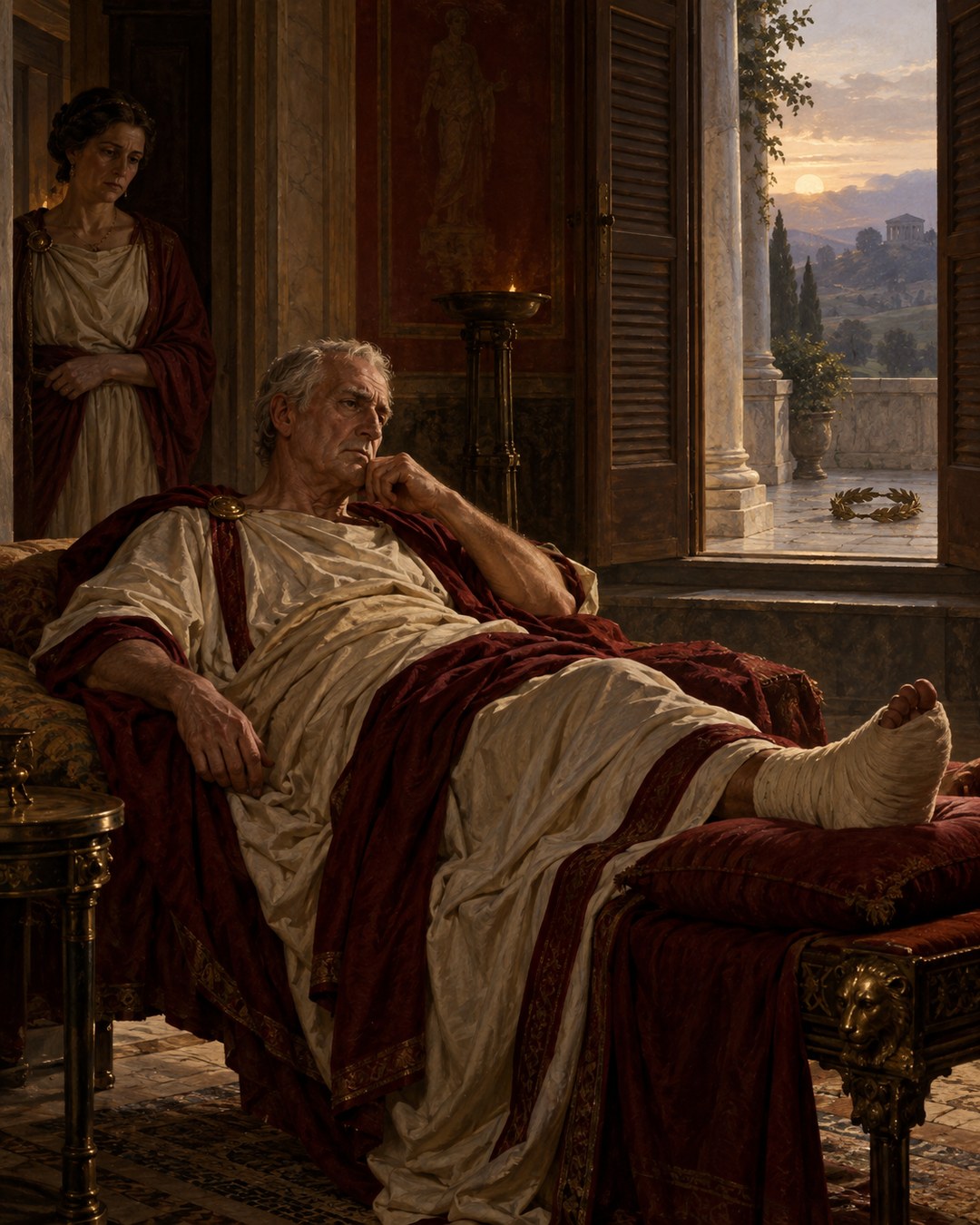
Too Many Stitches Made a Summer Wound Worse

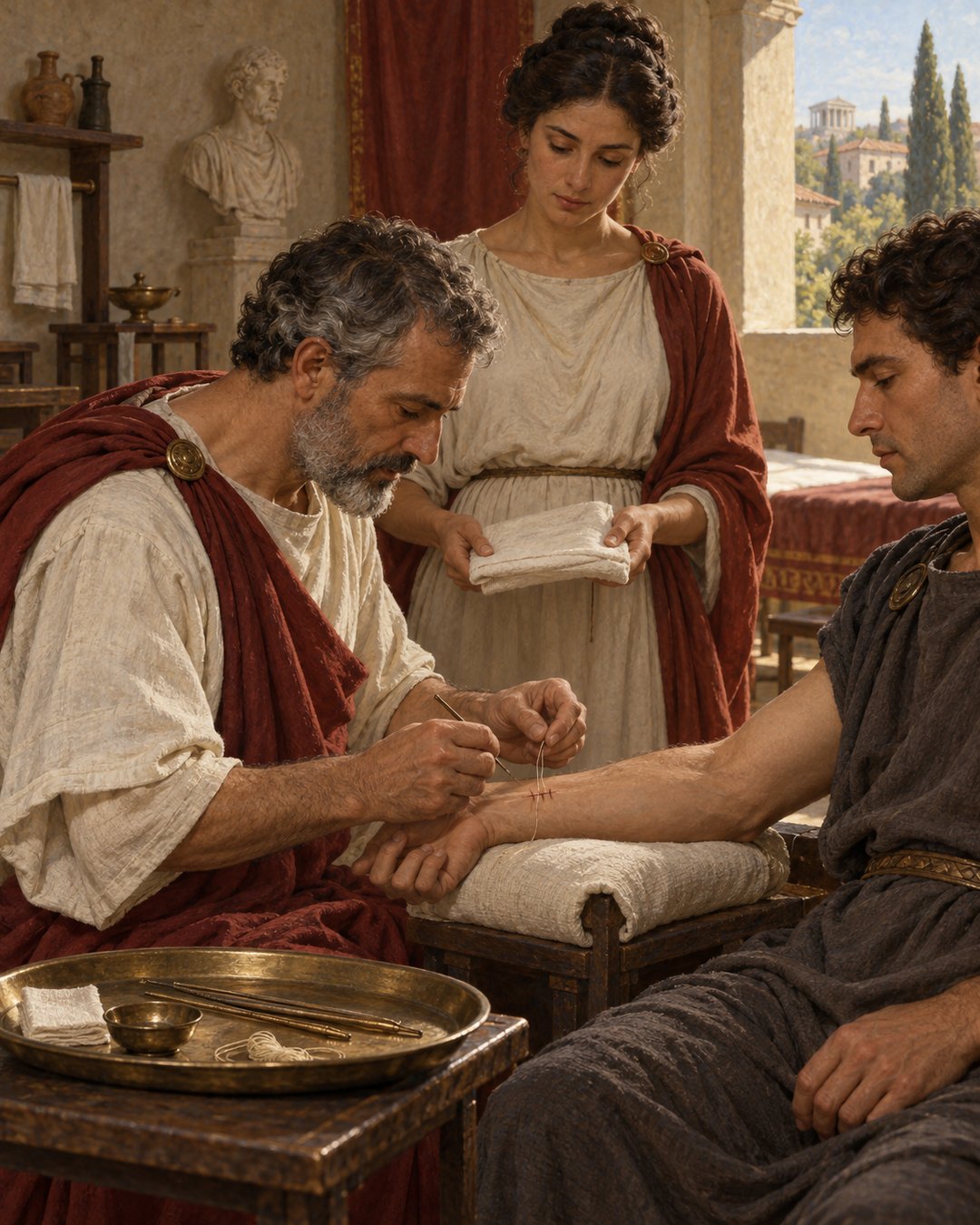
A Roman practitioner could make a wound worse by closing it too neatly. Aulus Cornelius Celsus warned that stitches placed too far apart failed to hold. Placed too close, they multiplied the small injuries made by the needle and increased inflammation, especially in summer. The task was not to force every edge into perfect contact. … Read more