Roman Caligae Turned Leather and Nails into Marching Equipment

A legionary could carry shield, weapons, tools, food and part of a camp, yet the whole load met the road through two pieces of leather. Under each foot, iron hobnails struck paving, bit earth and slowly loosened. One torn strap or raised nail could turn disciplined movement into a bleeding problem measured at every step. … Read more

The Corvus Turned a Sea Battle into a Fight on Deck

A Carthaginian captain approaching a Roman warship early in the First Punic War expected the familiar contest of oars, angles, rams, and disciplined seamanship. Then a timber gangway swung overhead. Its iron point crashed into the deck, rails framed a narrow passage, and Roman infantry began crossing. The sea had not disappeared, but the decisive … Read more

Roman Artillery Stored Violence in Twisted Rope

A Roman artillery engine was dangerous before anyone loaded a stone. Its power sat invisibly inside bundles of hair, sinew, thong, or plant fiber that crews had twisted under tension. The timber frame did not create force by size alone. It held a material spring that specialists could prepare, aim, and release. That is the … Read more

How Roman Navalia Made Sea Power Visible

A fleet at sea can look sudden, as if ships simply appear when war or transport demands them. Roman naval power was less magical than that. It needed timber, sheds, rope, carpenters, caulk, records, crews, and space along the water. Roman navalia made sea power visible because they turned readiness into a place. A ship … Read more

How Roman Stipendium Made Soldier Loyalty Countable

A Roman soldier could look most loyal when he stood beneath a standard, but loyalty was not made by spectacle alone. It also passed through pay tables, coin bags, rolls, tablets, and the repeated expectation that service would be recognized in material form. Roman stipendium made soldier loyalty countable because it translated military obligation into … Read more

How Roman Triumphal Paintings Made Conquest Readable

A triumph had to solve a problem of distance. The battle was over, the landscape was far away, and most spectators lining the streets had never seen the rivers, hills, cities, ships, or camps where victory had happened. The crowd needed more than a claim that Rome had won. Roman triumphal paintings made conquest readable … Read more

Why Roman Siege Ramps Made Conquest Visible

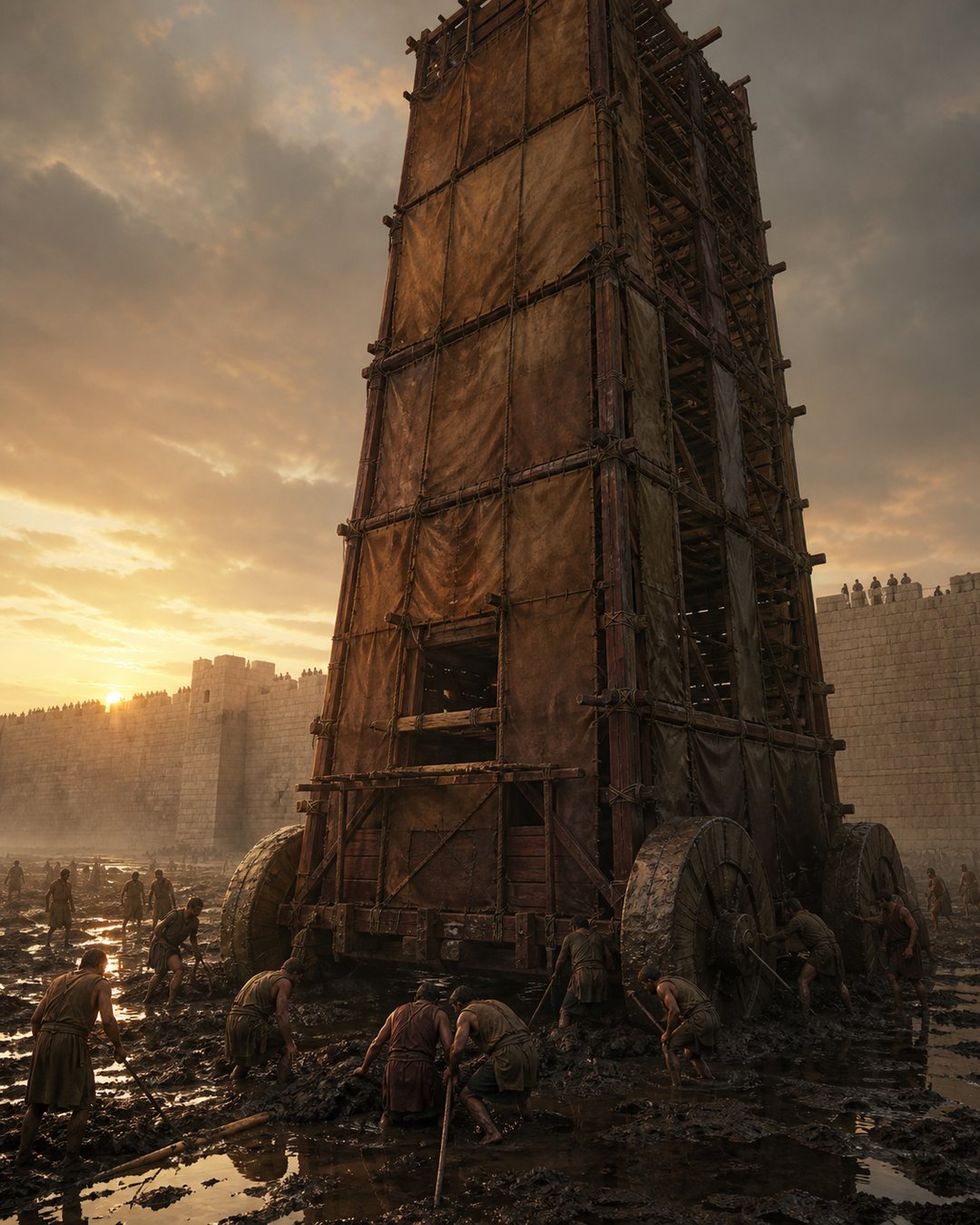
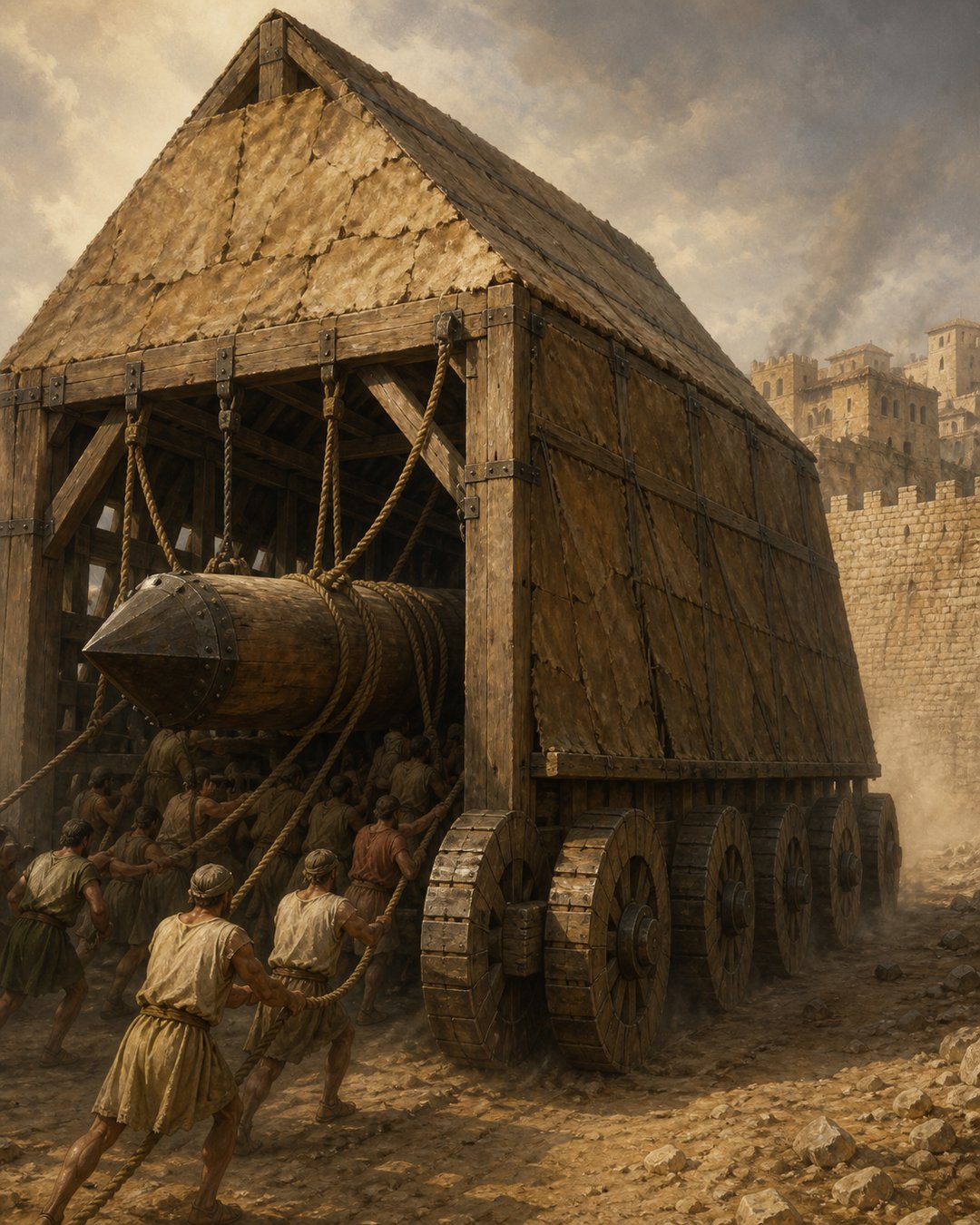
A siege ramp is not the most glamorous part of Roman war. It has no single hero, no clean trumpet note, and no instant decision. It is earth moved by tired hands, timber hauled into place, shields lifted against missiles, and officers measuring how much distance remains. Roman siege ramps made conquest visible because they … Read more

Why Roman Trophies Made Defeat Speak in Public

A defeated shield is just an object until someone decides where to put it. Rome was very good at deciding where objects should stand, who should see them, and what story they should be forced to tell. Roman trophies made defeat speak in public because captured arms could be rearranged into evidence. A helmet, a … Read more

Why Roman Treasury Ledgers Made War Countable

Roman war looks loud from a distance: standards, dust, shouted orders, triumphal memory. Up close, it also required a quieter world of taxes, tablets, coins, clerks, and public storage. Treasury ledgers made war countable because military power had to pass through administration before it became legend. Rome needed men, but it also needed sums: what … Read more

Why Roman Standards Made Legions Visible

A Roman standard was not merely decoration on a pole. It stood above dust, helmets, shields, fear, and shouted orders. Men could look toward it, rally around it, swear by what it represented, and feel disgrace if it fell into enemy hands. Standards mattered because they made the legion visible to itself. In an army … Read more