Twelve Bronze Faces Refuse to Explain Their Purpose
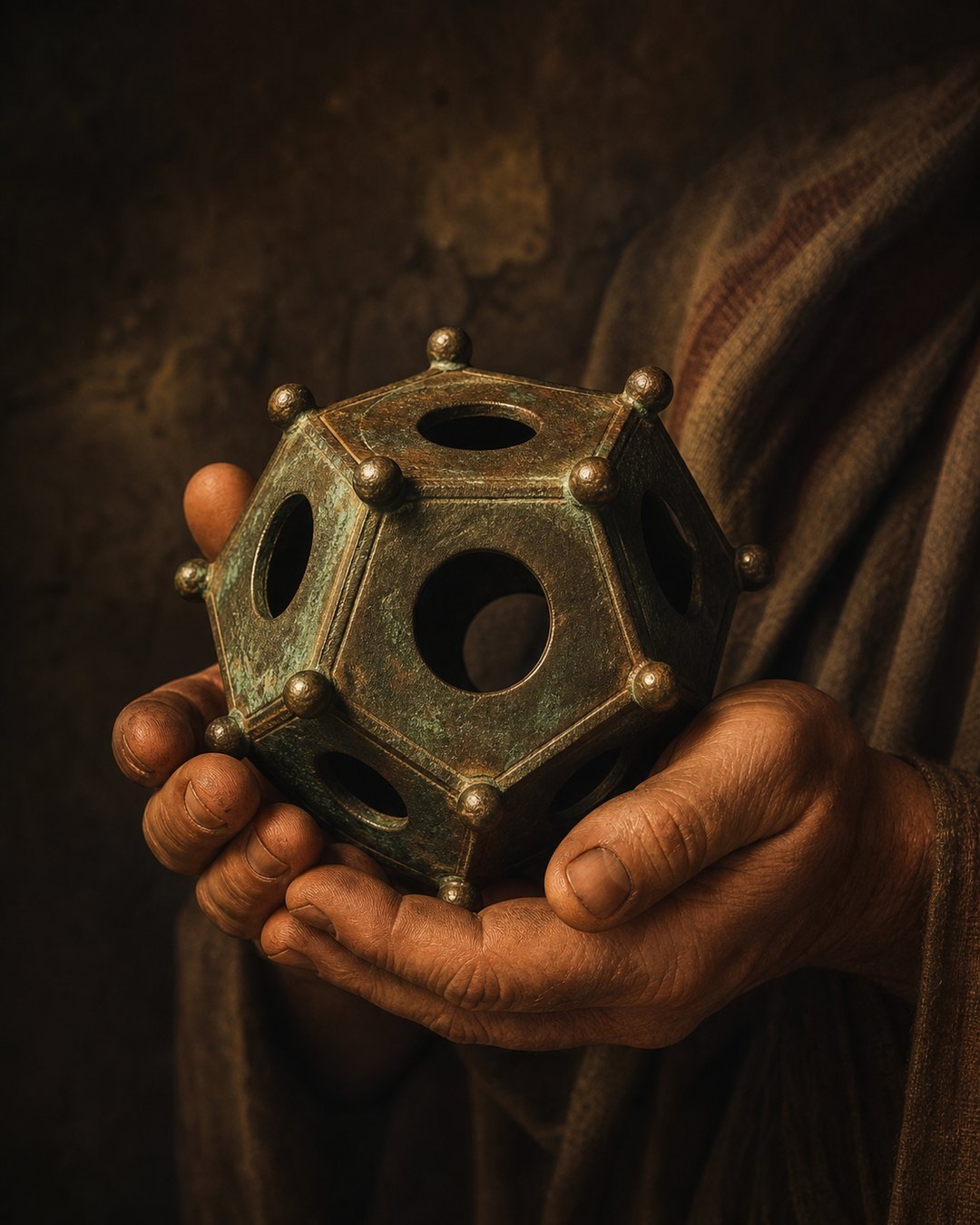
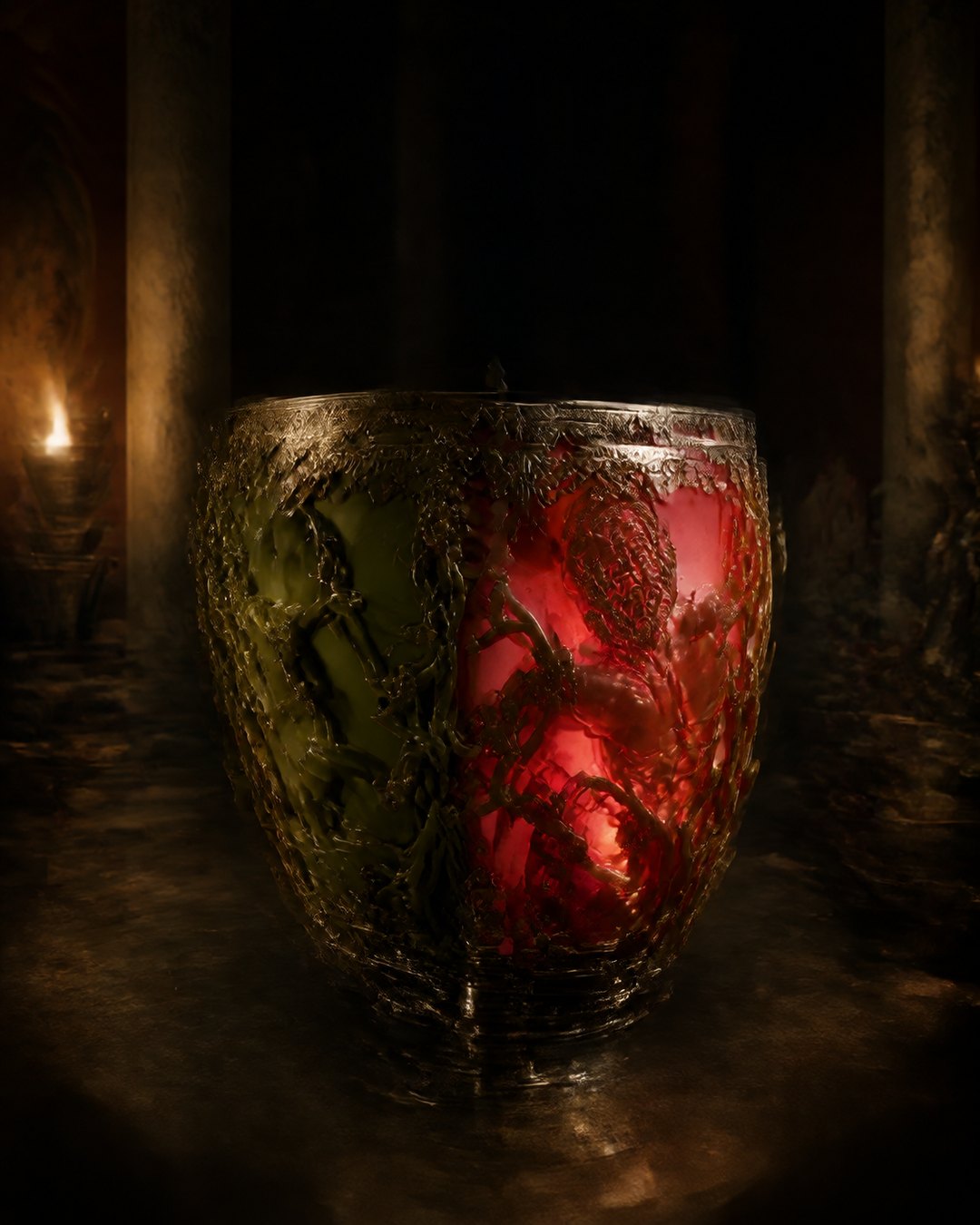
The object fits in two hands and seems designed to provoke measurement. Twelve flat pentagonal faces meet in a hollow bronze shell. A circular opening pierces each face, but the holes are not all the same diameter. Rounded knobs sit at the corners. Every surface suggests a rule; none supplies the missing instruction. More than … Read more
Fifty-Four Young Voices Sang Rome Into a New Age

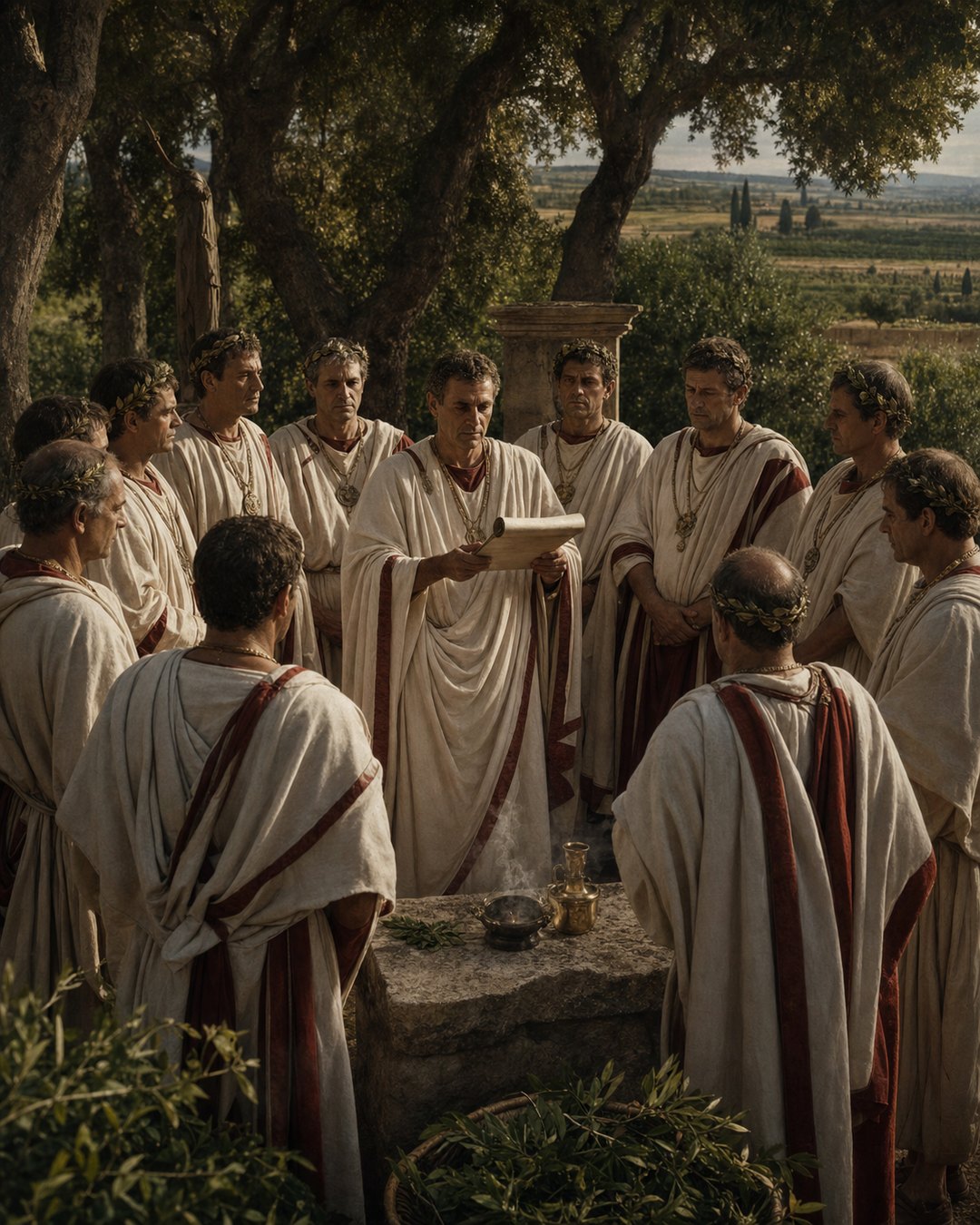
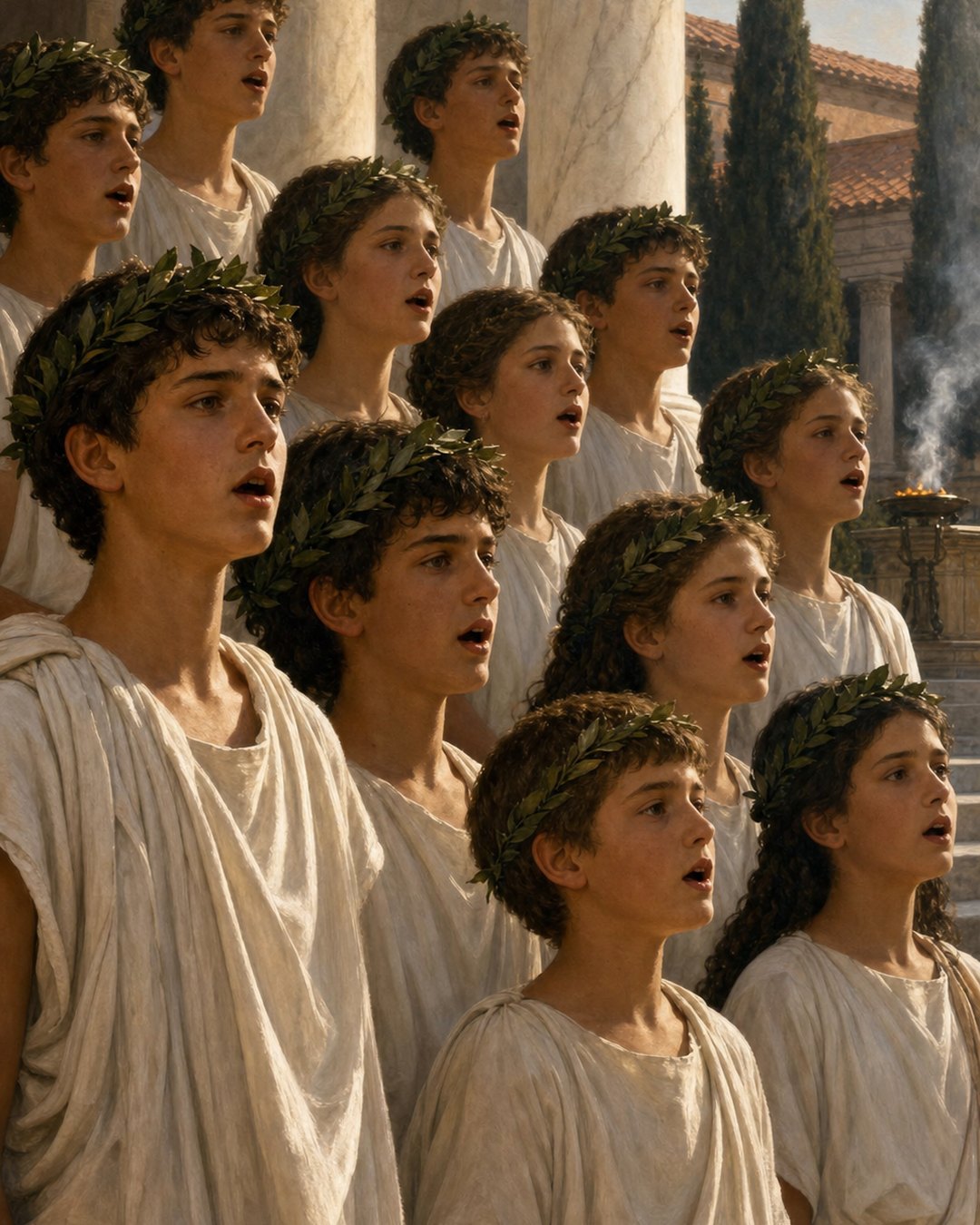
Near the end of Rome’s Secular Games in 17 BC, a carefully selected chorus climbed into the public memory of the city. Twenty-seven boys and twenty-seven girls stood on the Palatine after the sacrifices. Each had both parents still living. Together they sang a new hymn by Quintus Horatius Flaccus—Horace—then carried it to the Capitoline … Read more

Straw Men Went Into the Tiber Every May

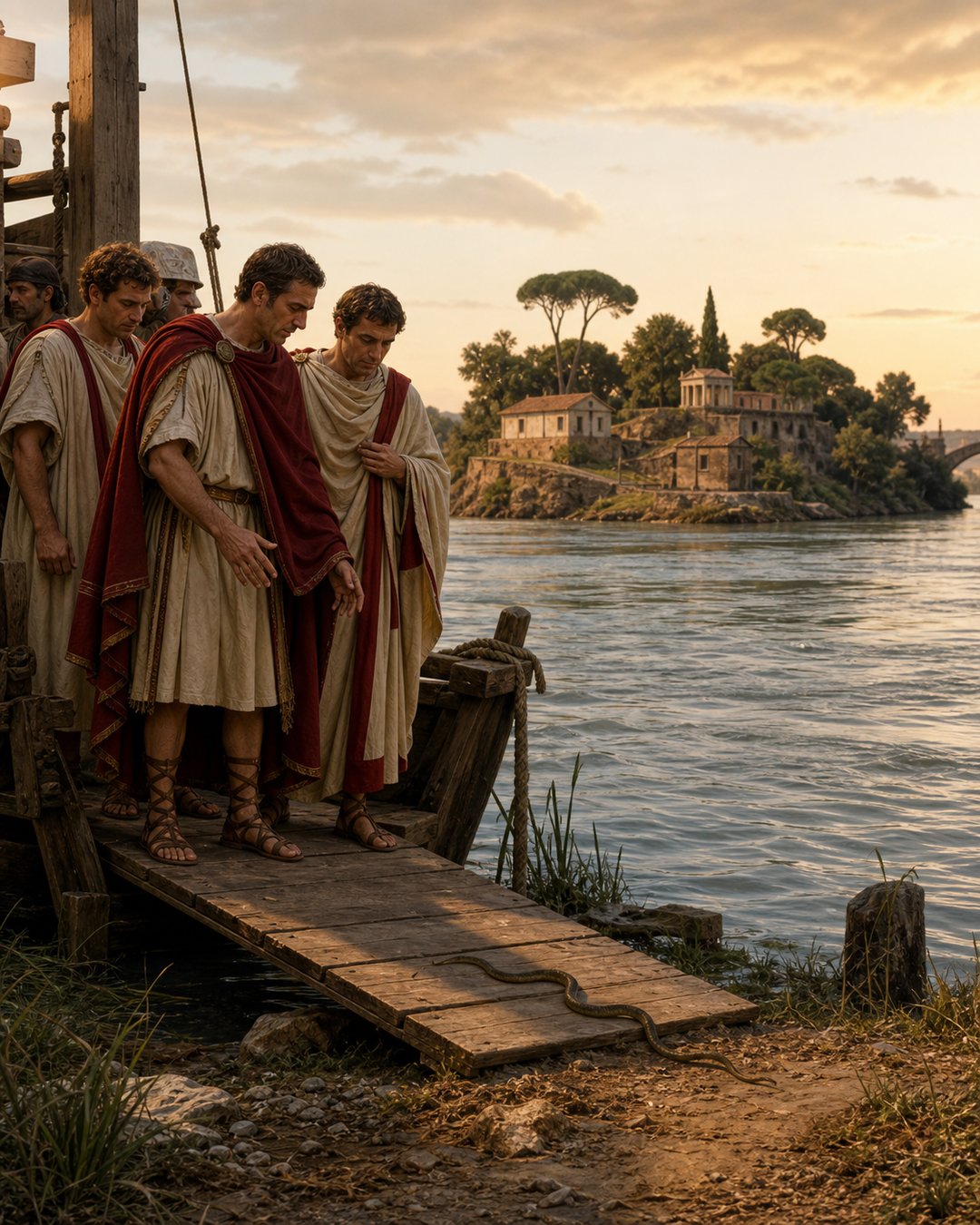
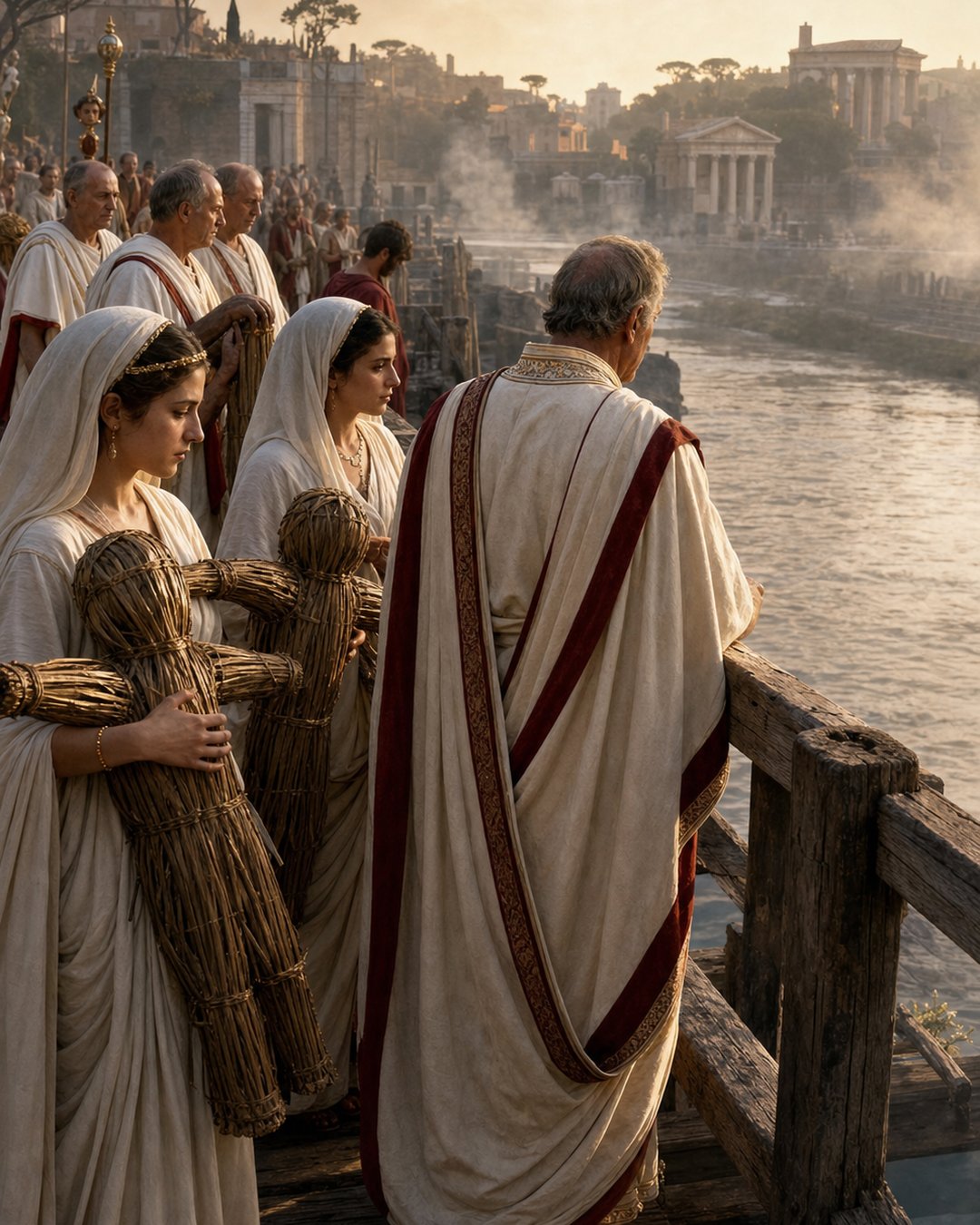
On the Ides of May, a procession reached Rome’s oldest wooden bridge carrying bodies that had never lived. They had heads, trunks and limbs, but they were bound from river rushes. Pontiffs, Vestal Virgins and magistrates stood above the Tiber as the human-shaped bundles were cast into the current. The figures were called the Argei, … Read more

Fifteen Priests Guarded Rome’s Dangerous Prophecies

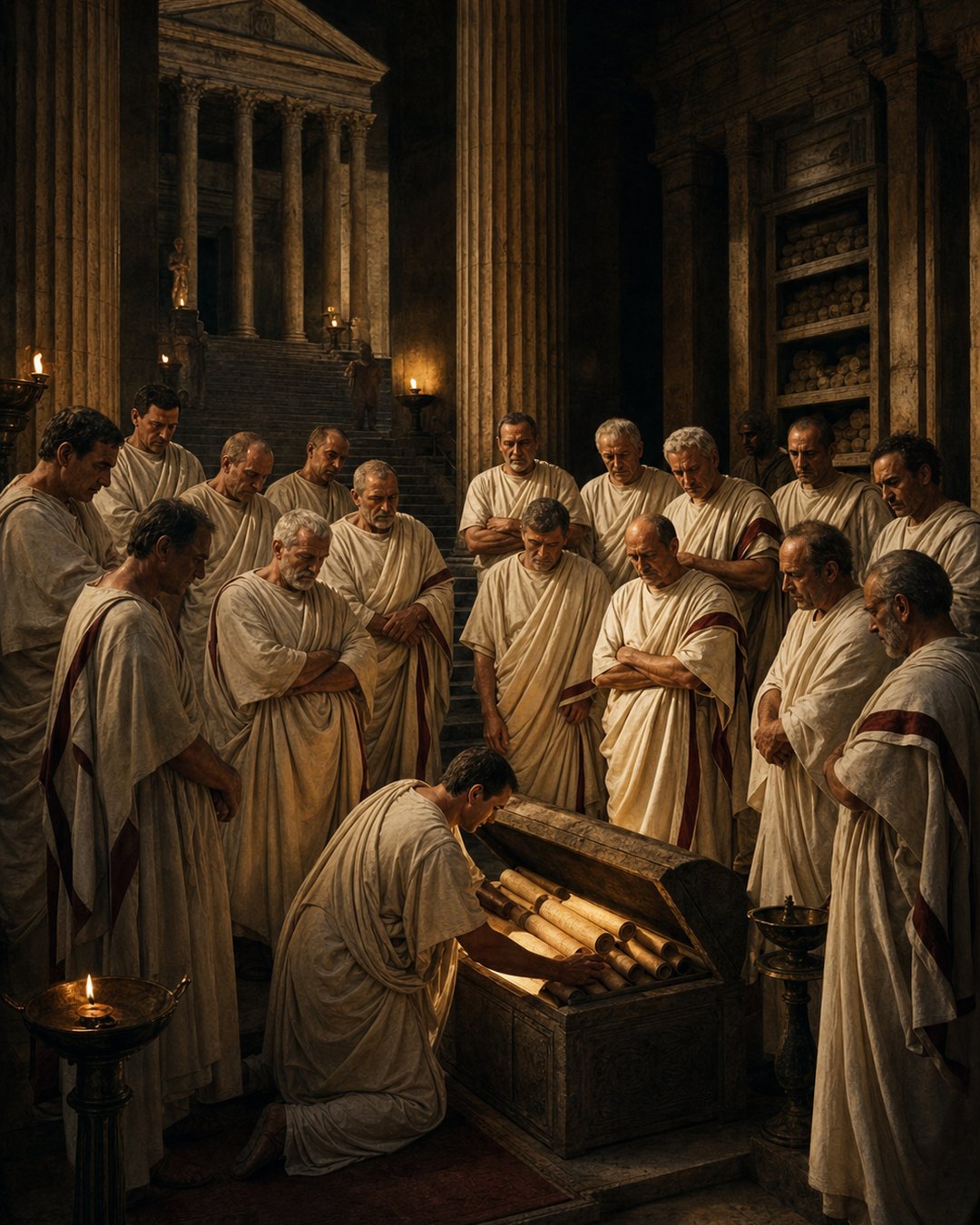
Rome did not treat prophecy as a voice that anyone could quote whenever politics became difficult. Its most famous prophetic collection was locked away, placed under named guardians and opened only after the Senate decided that ordinary answers were no longer enough. The arrangement looks paradoxical. A city that feared omens preserved dangerous verses at … Read more

The Admiral Who Read Vesuvius as a Rescue Signal

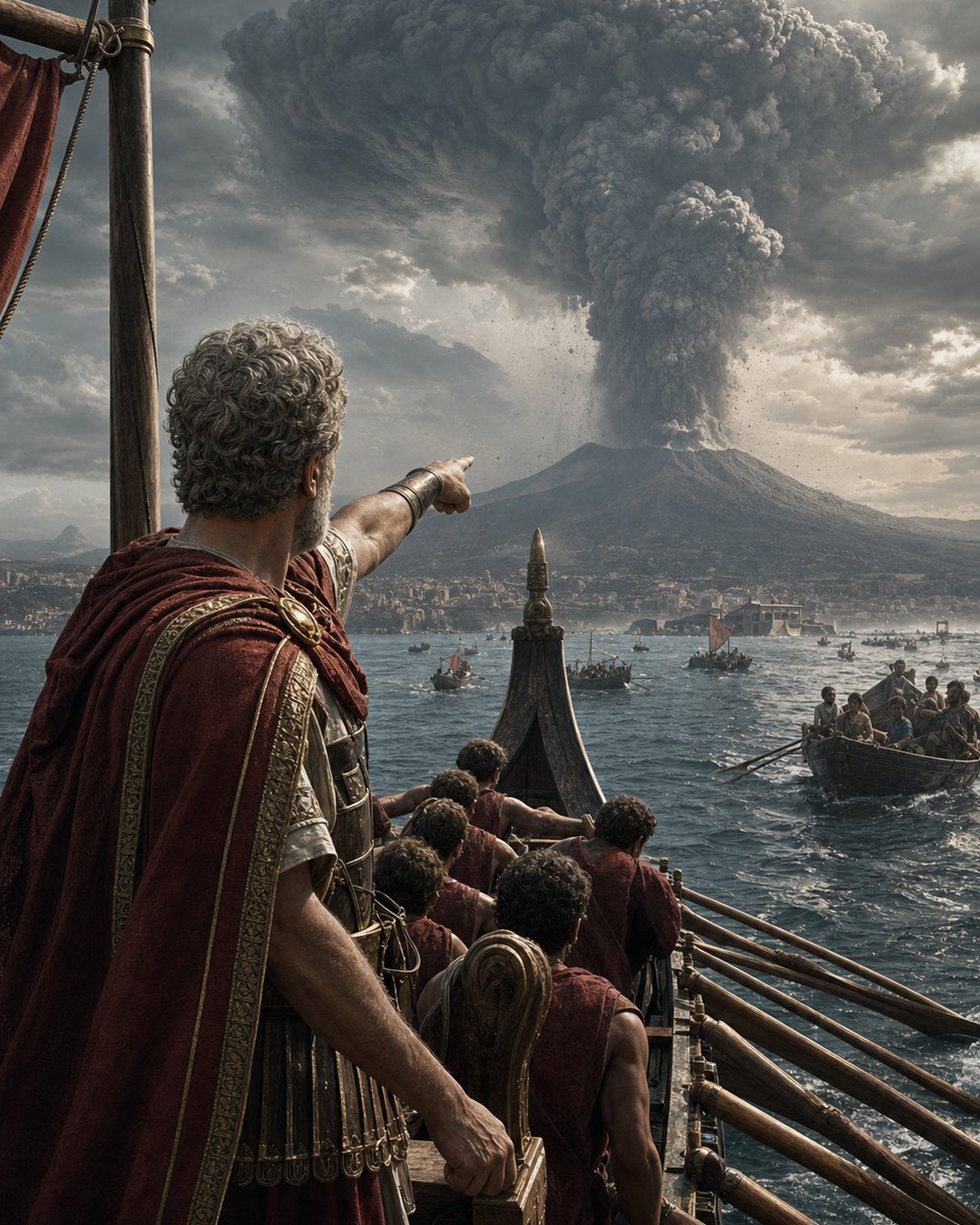
At Misenum on the afternoon of the Vesuvius eruption, Pliny the Elder was not standing at a villa window waiting to become a martyr to science. He commanded the Roman fleet. When an unfamiliar cloud rose across the Bay of Naples, curiosity sent him toward his writing tablets, but a message from a trapped friend … Read more

A Black Stone Arrived While Hannibal Still Haunted Italy

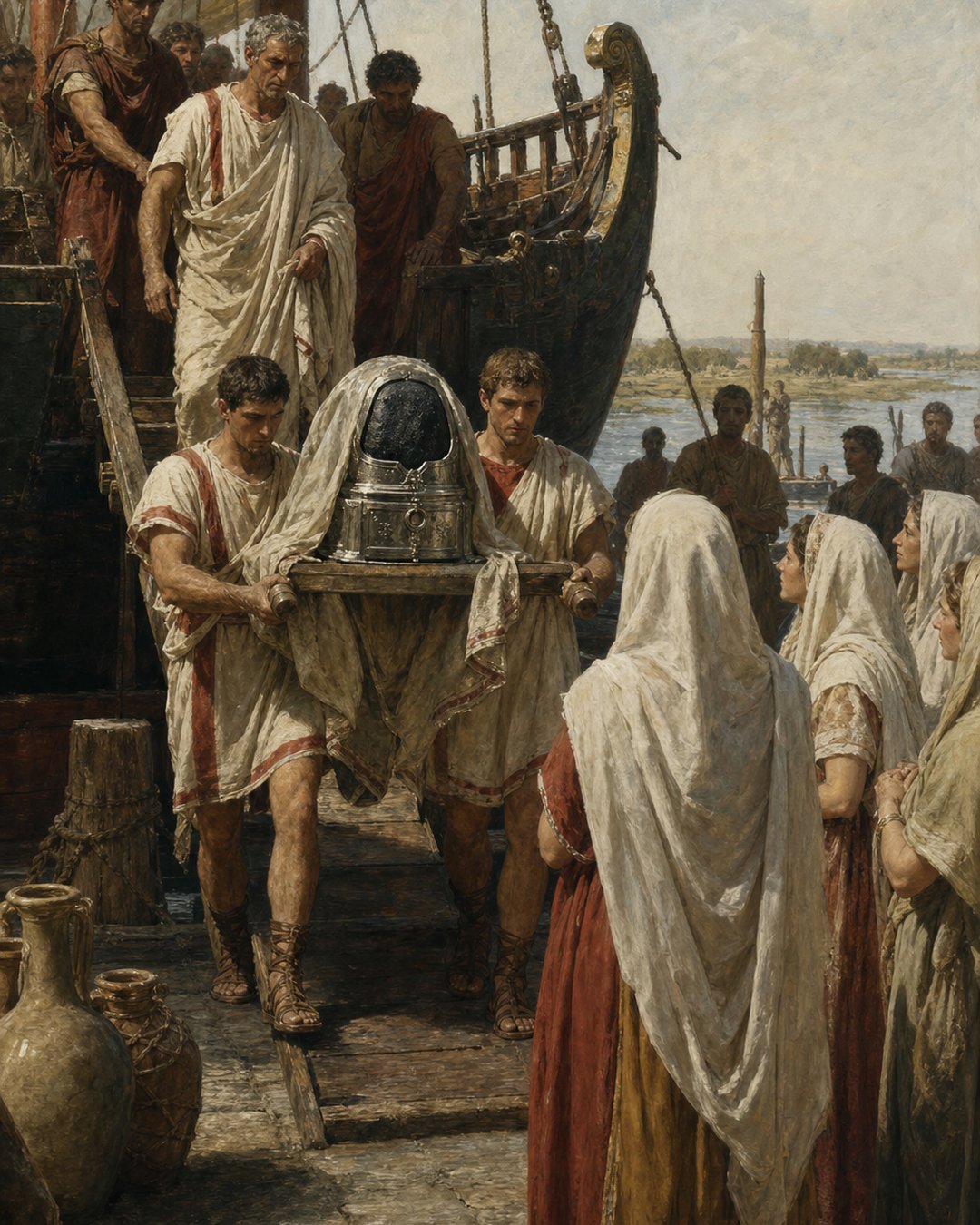
In 204 BCE, the Second Punic War had lasted fourteen years. Hannibal no longer threatened Rome’s walls, but he remained in Italy, harvests and alliances had been tested, and Romans wanted the war’s end to become thinkable. Their answer included a small dark object carried across the sea: the sacred stone of the Great Mother … Read more