Spring and Autumn Made Bricks Wait Two Years
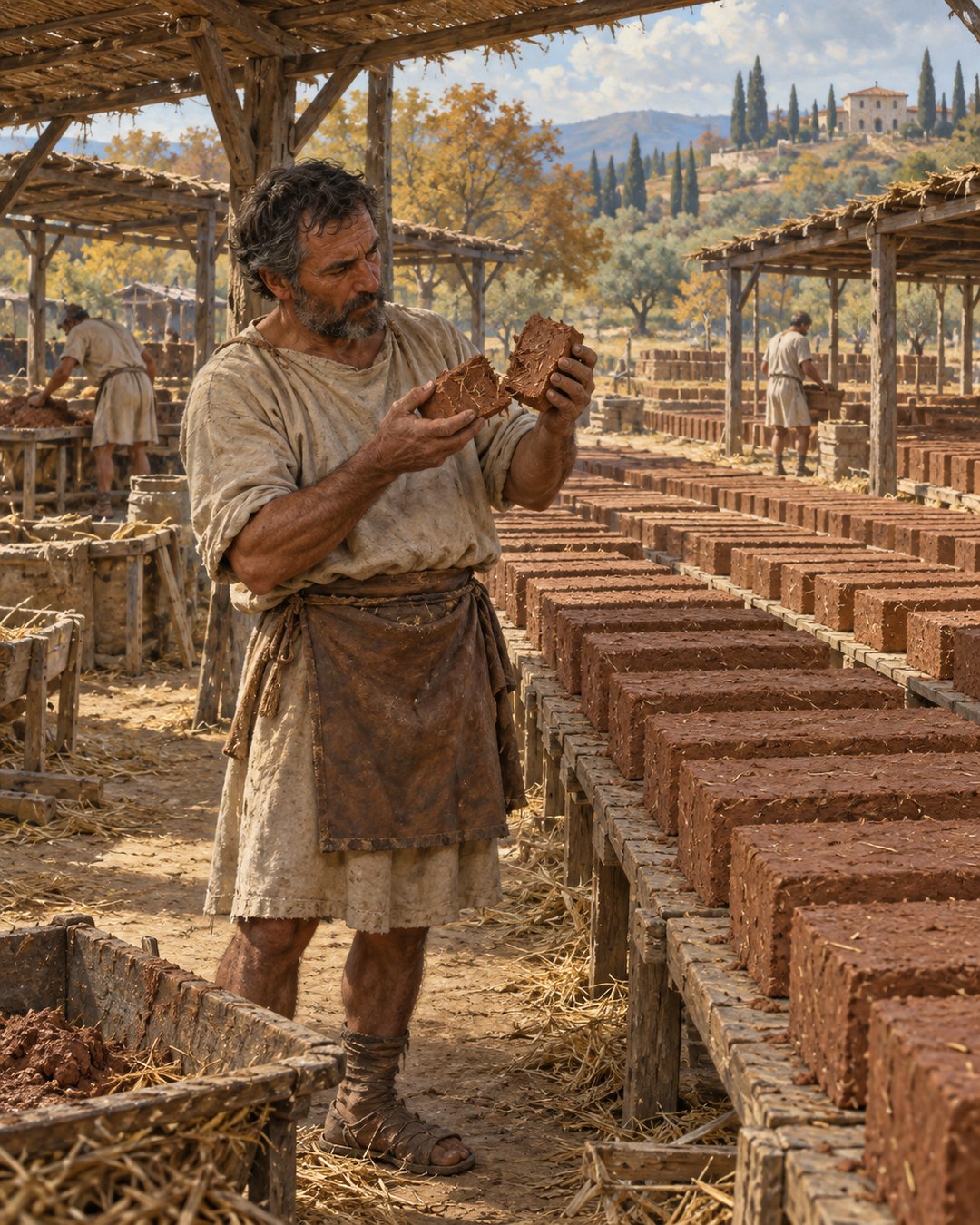
A Roman brick could look finished while remaining wet at its centre. Vitruvius made that hidden moisture the central danger in his instructions: a hard-looking surface was not proof that an unfired brick was ready for a wall. His remedy was not a clever mould or a hotter kiln. These were sun-dried units, and the … Read more

A Dropped Stone Exposed the Crane That Fell Asleep

A crane standing night watch held a small stone in its raised foot. If sleep loosened the grip, the stone fell and exposed the lapse. Pliny the Elder placed that memorable device inside a larger account of migration, leadership, formation, calls, fatigue, and guarded rest. The stone did not keep the whole flock awake. It … Read more

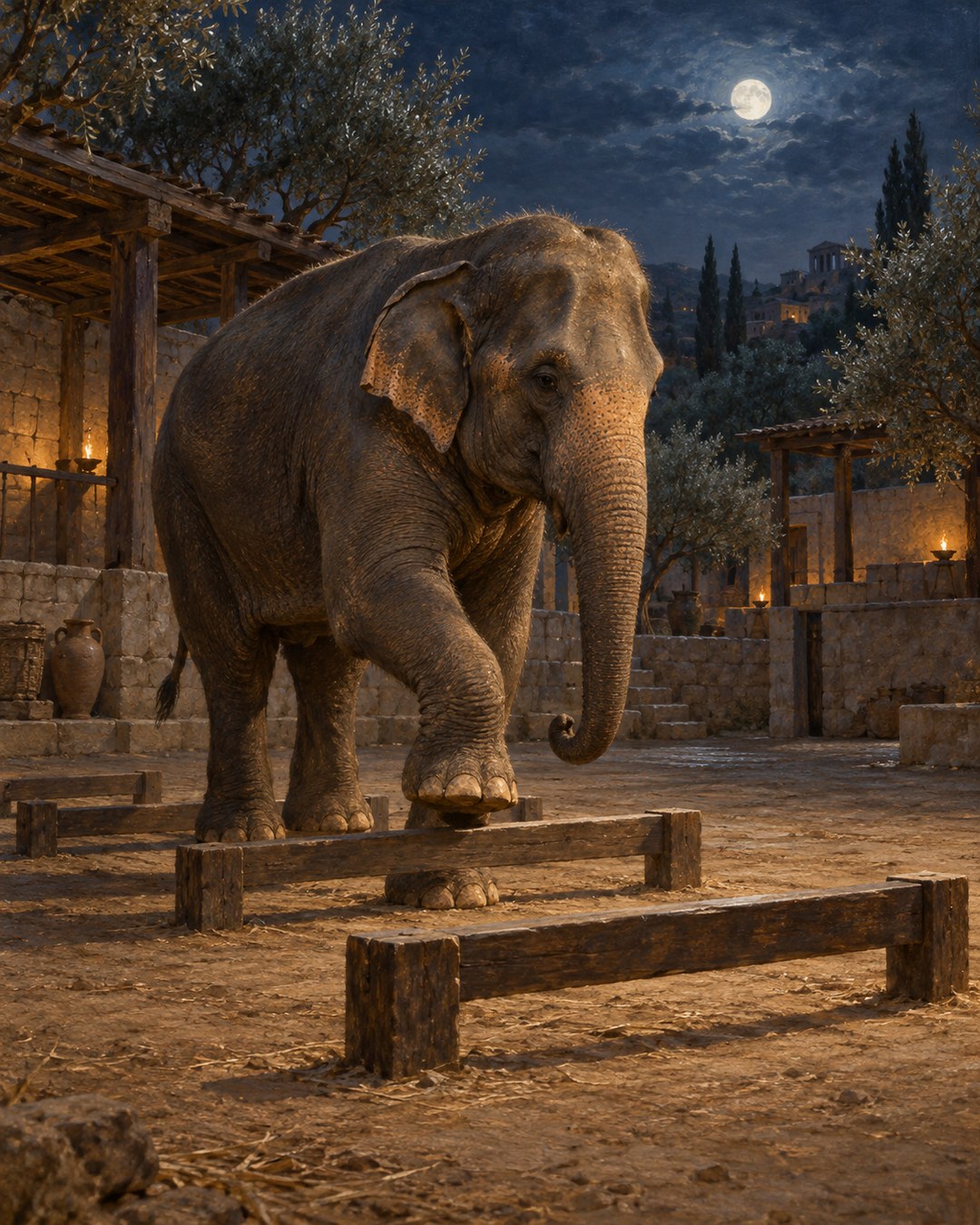
Moonlight Hid an Elephant’s Practice Session

Pliny the Elder’s elephant waited until night to repeat a lesson it had failed by day. The detail appears in the opening of Natural History Book 8, where elephant behaviour stands at the boundary between animal observation and moral portrait. Pliny did not describe the exact exercise. He cared about the motive he assigned to … Read more

Peace Followed the Cart Nobody Was Allowed to See

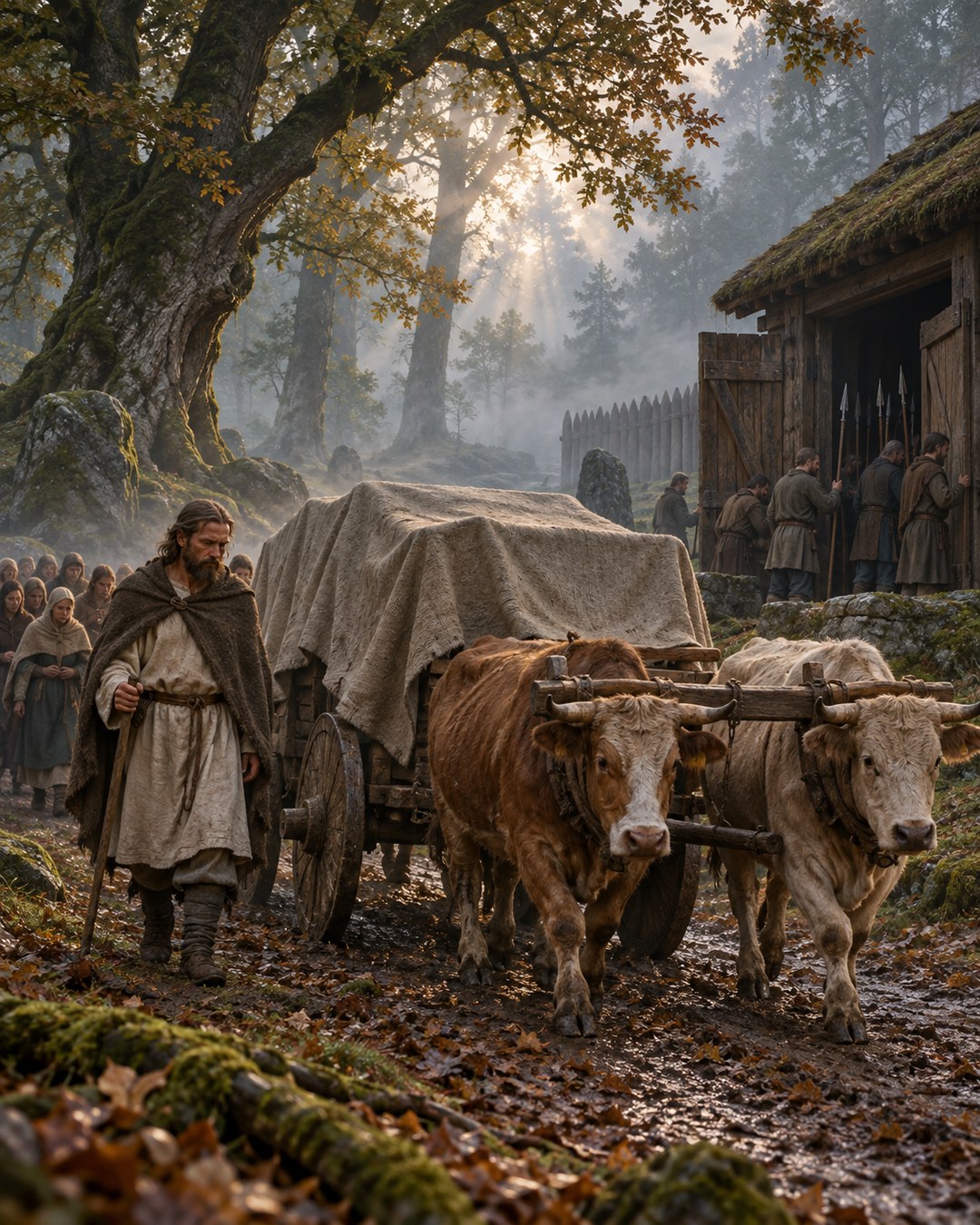
Tacitus placed a covered vehicle inside a grove on an island in the ocean. Only one priest could touch it. When he judged that Nerthus was present, cows drew the vehicle out among seven peoples, and ordinary conflict stopped. Weapons were put away, iron was locked up, and places the procession visited became places of … Read more

Xerxes Carried Athens’s Library Away; Seleucus Sent It Back

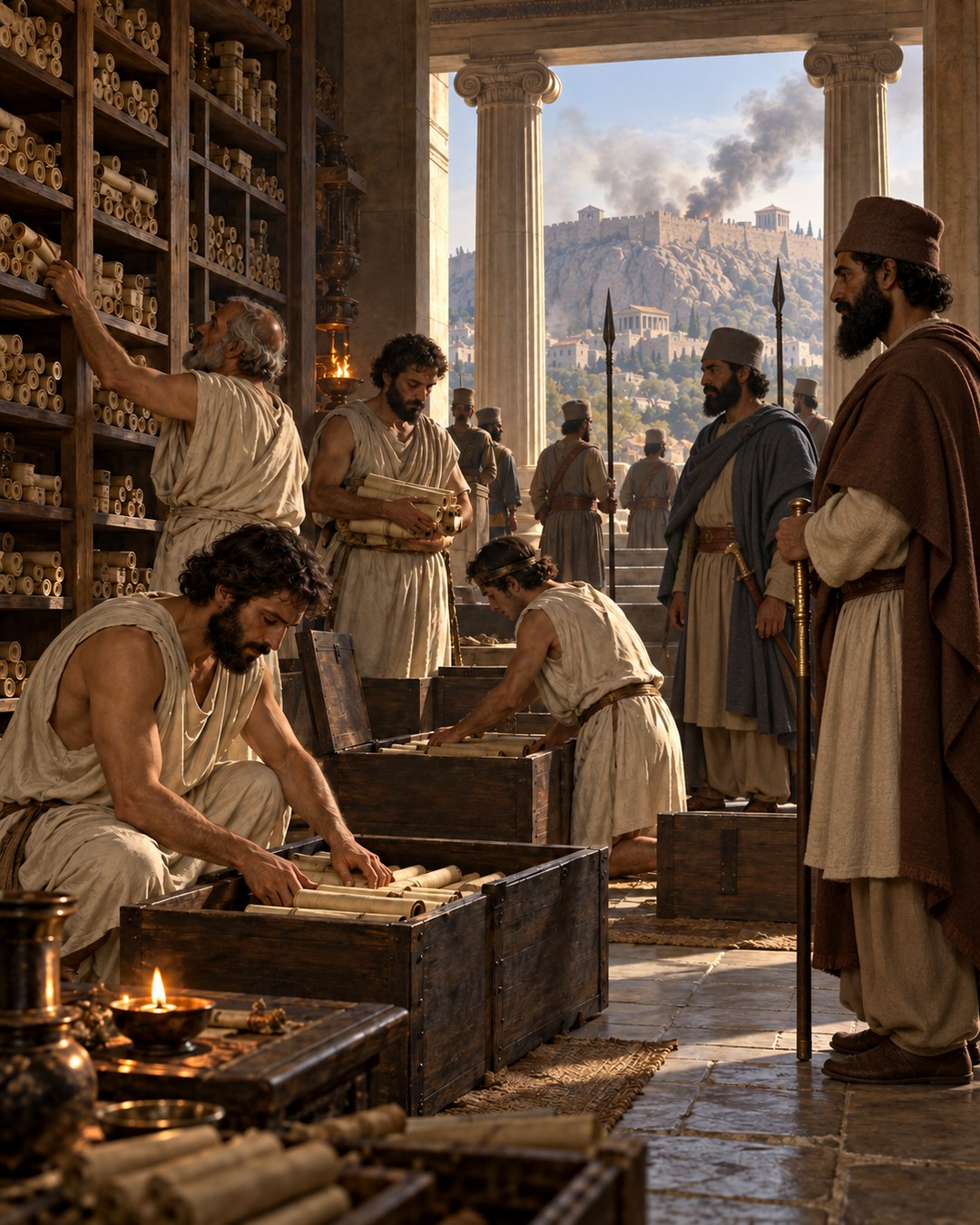
Aulus Gellius did not describe Athens’s first public library by room size, shelf plan, or lending rule. He described where its books went. Pisistratus reportedly founded the collection. Athenians enlarged it. Xerxes carried it to Persia after taking the city. Much later, Seleucus Nicator sent it back. That chain of custody turns library history into … Read more

Round Towers Made Roman Walls Harder to Break

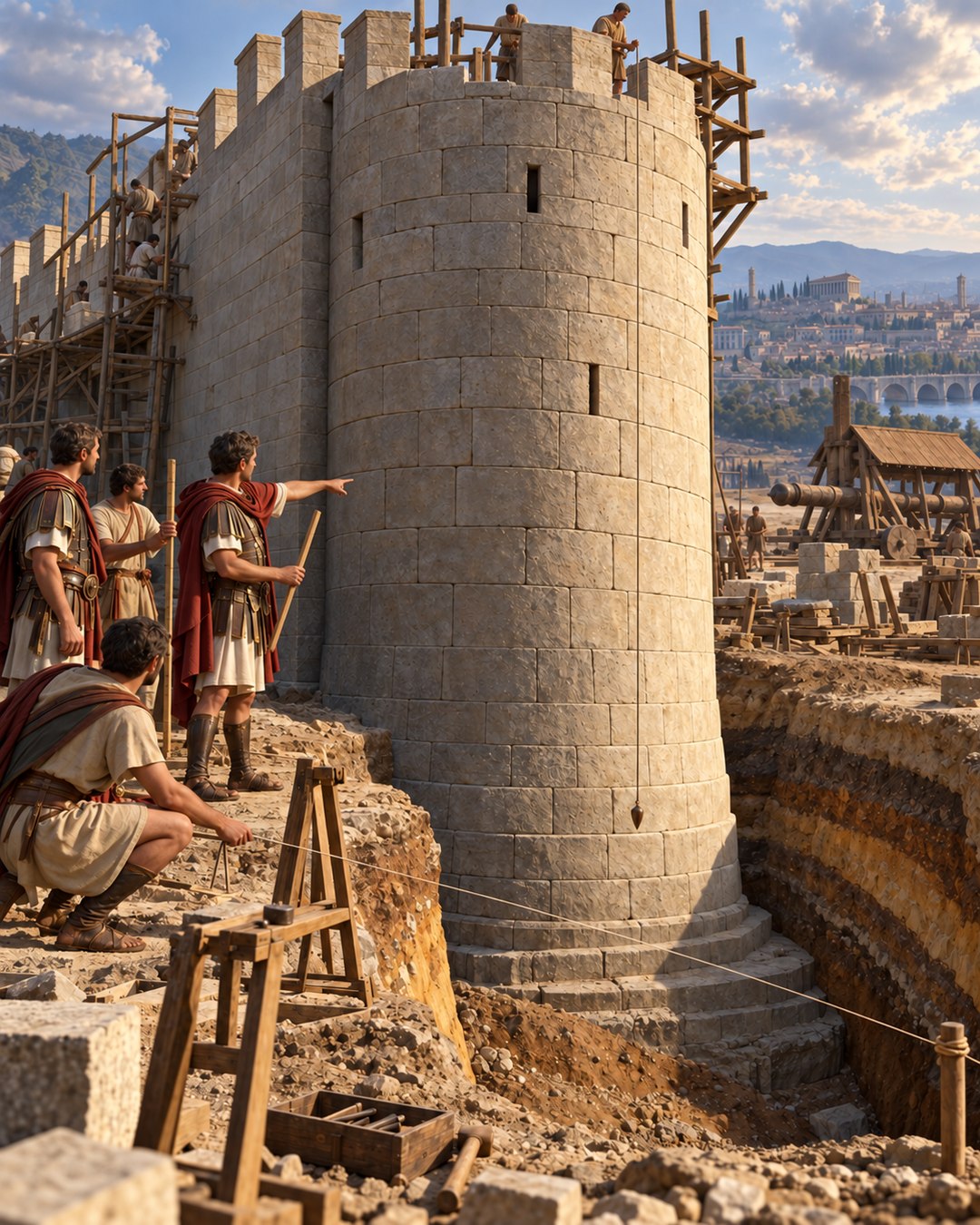
A square tower gave a battering ram a corner to attack. Vitruvius preferred the tower round or polygonal, because the masonry of a curved face behaved differently under impact. Wedge-shaped pieces could not simply be driven toward the centre without disturbing the whole mass. That geometric choice was only one layer of his defensive wall. … Read more

Hide-Covered Boats Crossed Caesar’s River in One Night

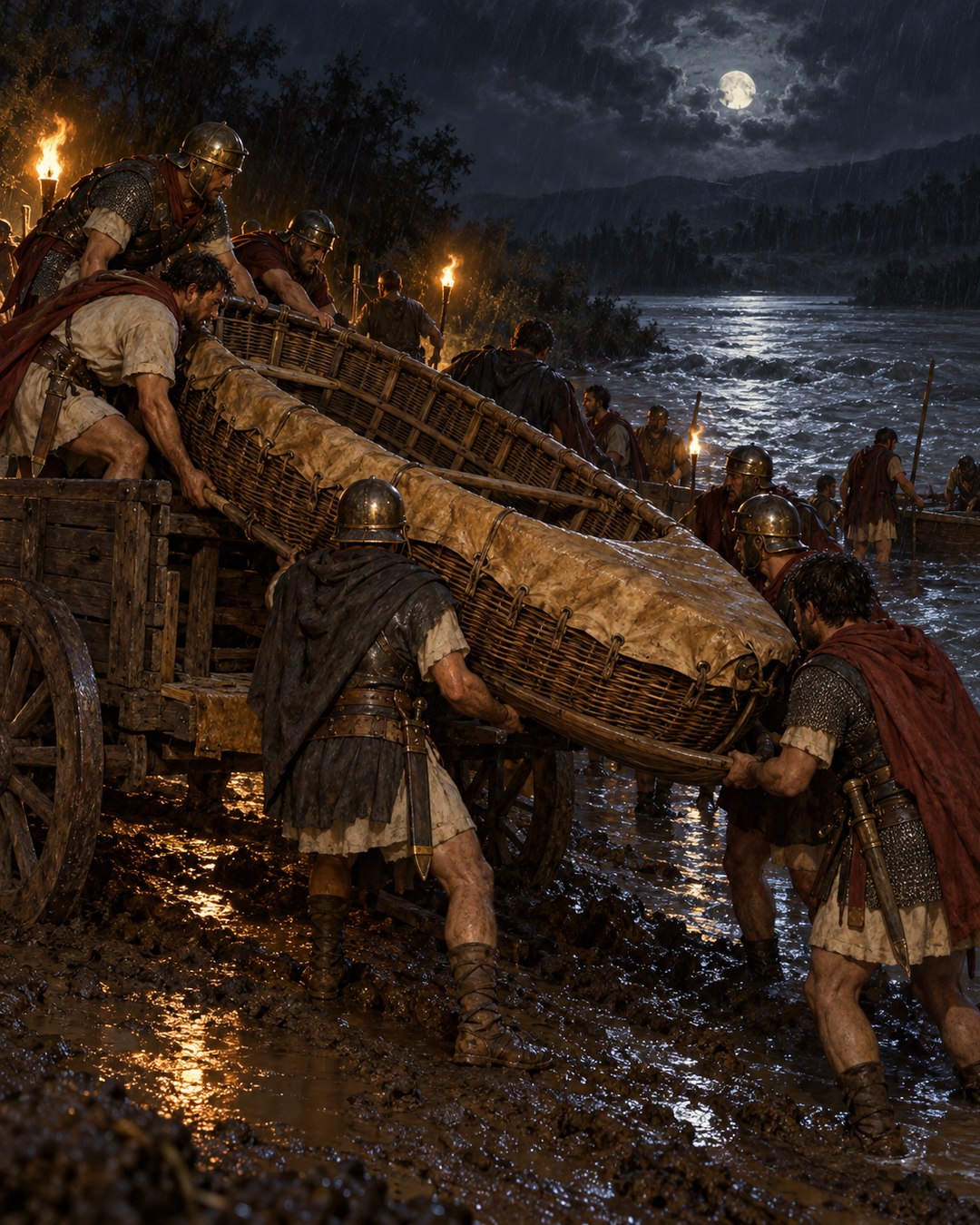
Caesar’s bridges near Ilerda were gone, the river crossings were watched, and food was becoming the sharper weapon. His answer began with boats that looked too light for the scale of the crisis. Their keels and ribs used slender timber. Wicker formed the rest of the hull, and hides kept the water out. The design … Read more

Flute Music Entered a Roman Notebook as Medicine

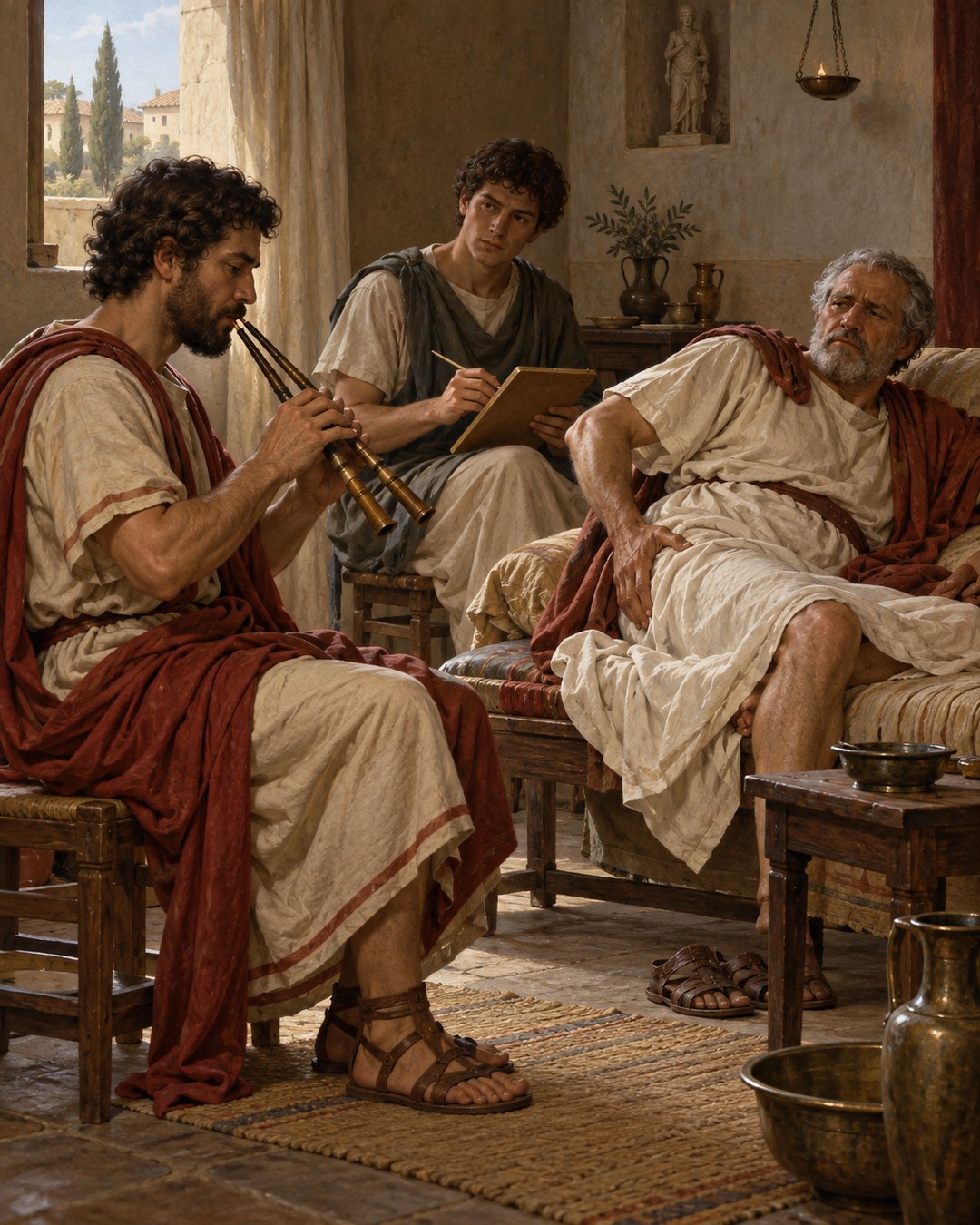
A flute-player enters Aulus Gellius’s notebook at the edge of severe pain. The claim he had read was precise enough to picture: when gout in the hips became most intense, soothing measures played on a flute were said to bring relief. A second book carried the instrument into a more dangerous setting. Music played skilfully … Read more

Castor and Hercules Divided Roman Oaths by Gender

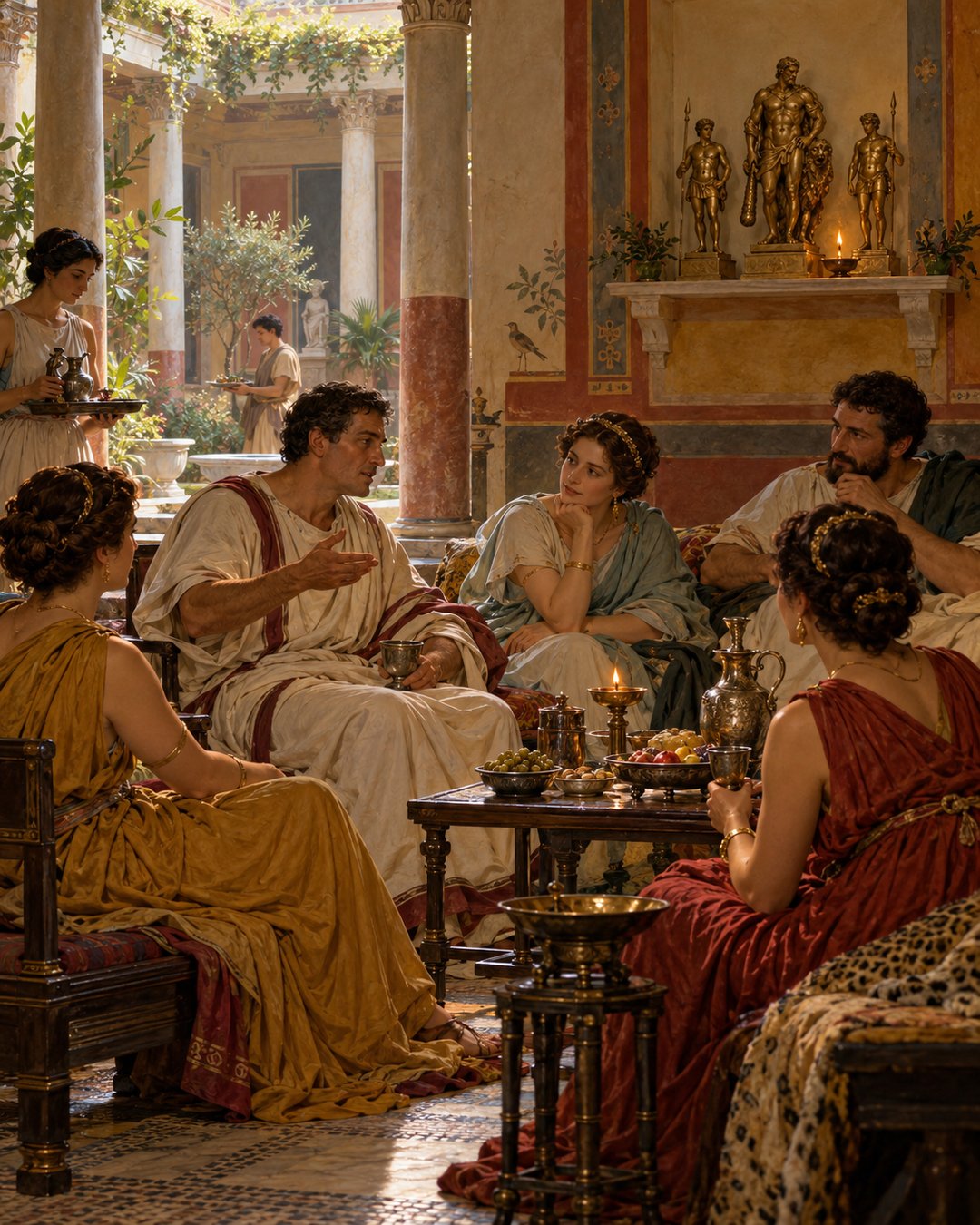
A Roman speaker could call on a god with two syllables and reveal more than surprise. In the early writings Aulus Gellius examined, women did not swear by Hercules and men did not swear by Castor. The rule lived inside ordinary speech rather than on a monumental inscription. Pollux complicated the pattern. The formula edepol, … Read more

Thick Wool Hid the Price of Demosthenes’s Silence

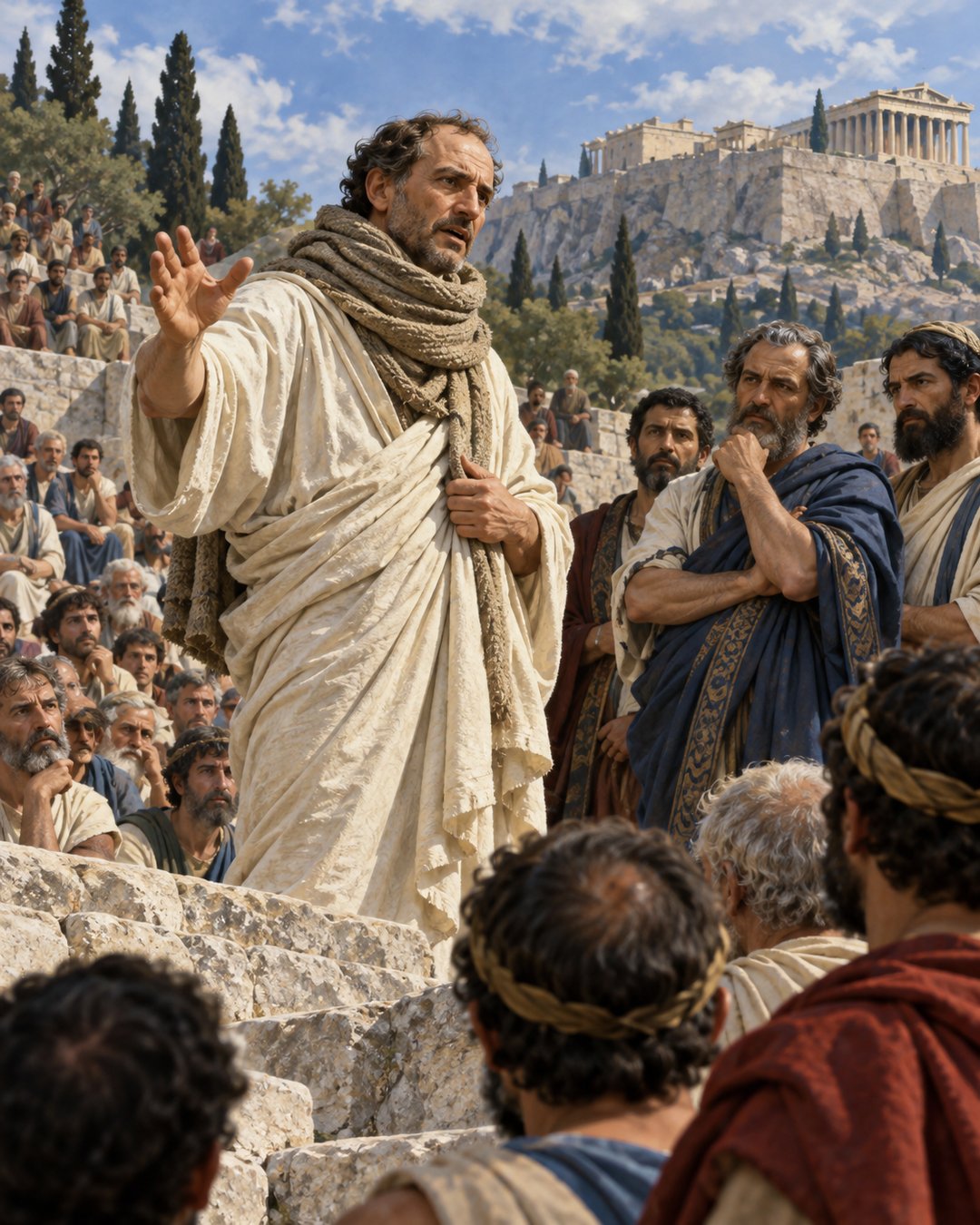
Demosthenes had already told the Athenian people why they should refuse the Milesians. Their request for aid, he argued, deserved rejection and did not serve the city’s interest. The debate was postponed until the next day, leaving the foreign envoys with one night to change what the assembly would hear. They did not hire a … Read more