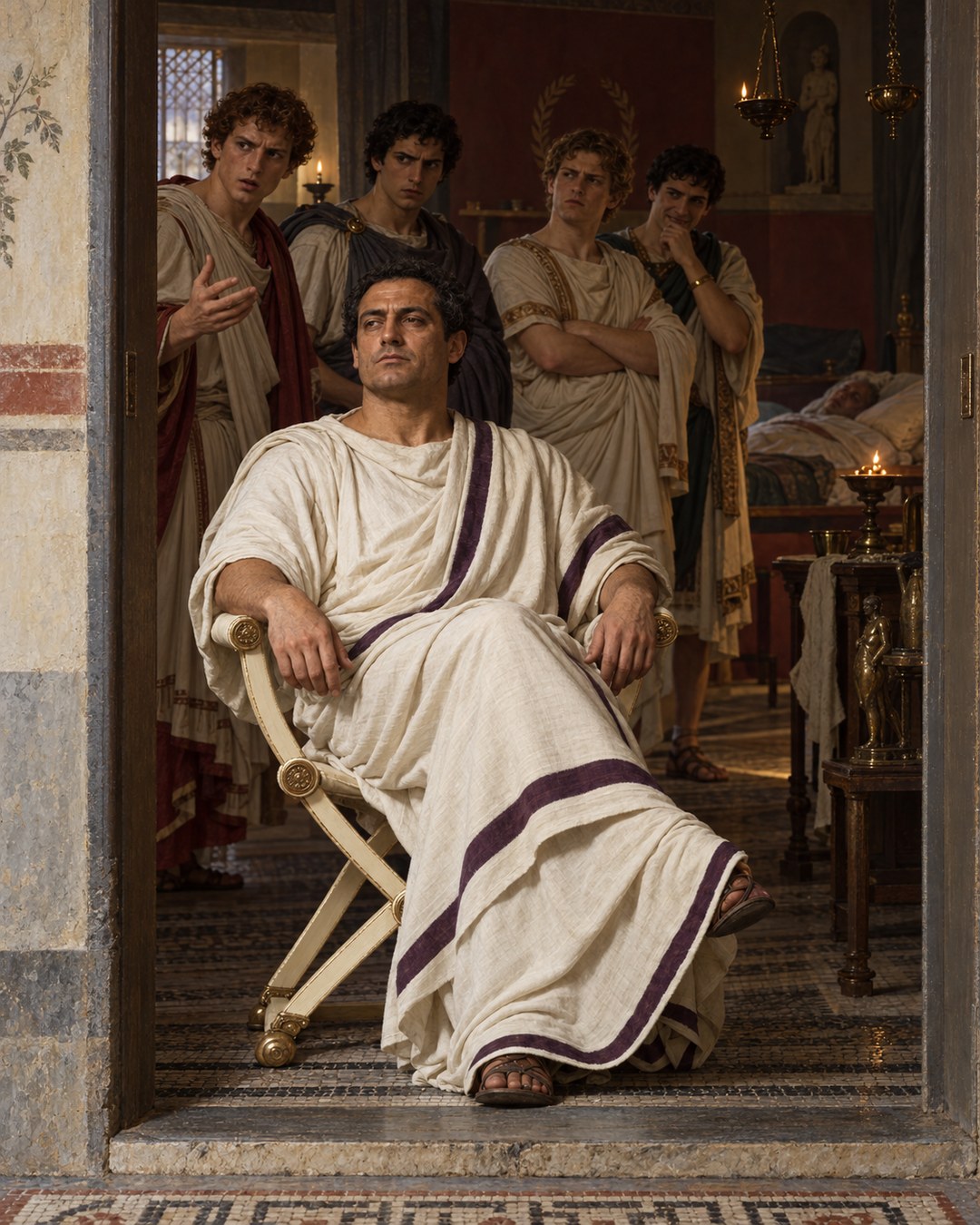
Flavius Blocked Noblemen with His Curule Chair

The young nobles stayed seated when Gnaeus Flavius entered the sickroom. None would perform the ordinary gesture of rising for a curule aedile. Flavius, the son of a freedman and a former professional scribe, did not demand an apology. He laughed and ordered his official chair brought to the threshold. Once he sat in the … Read more

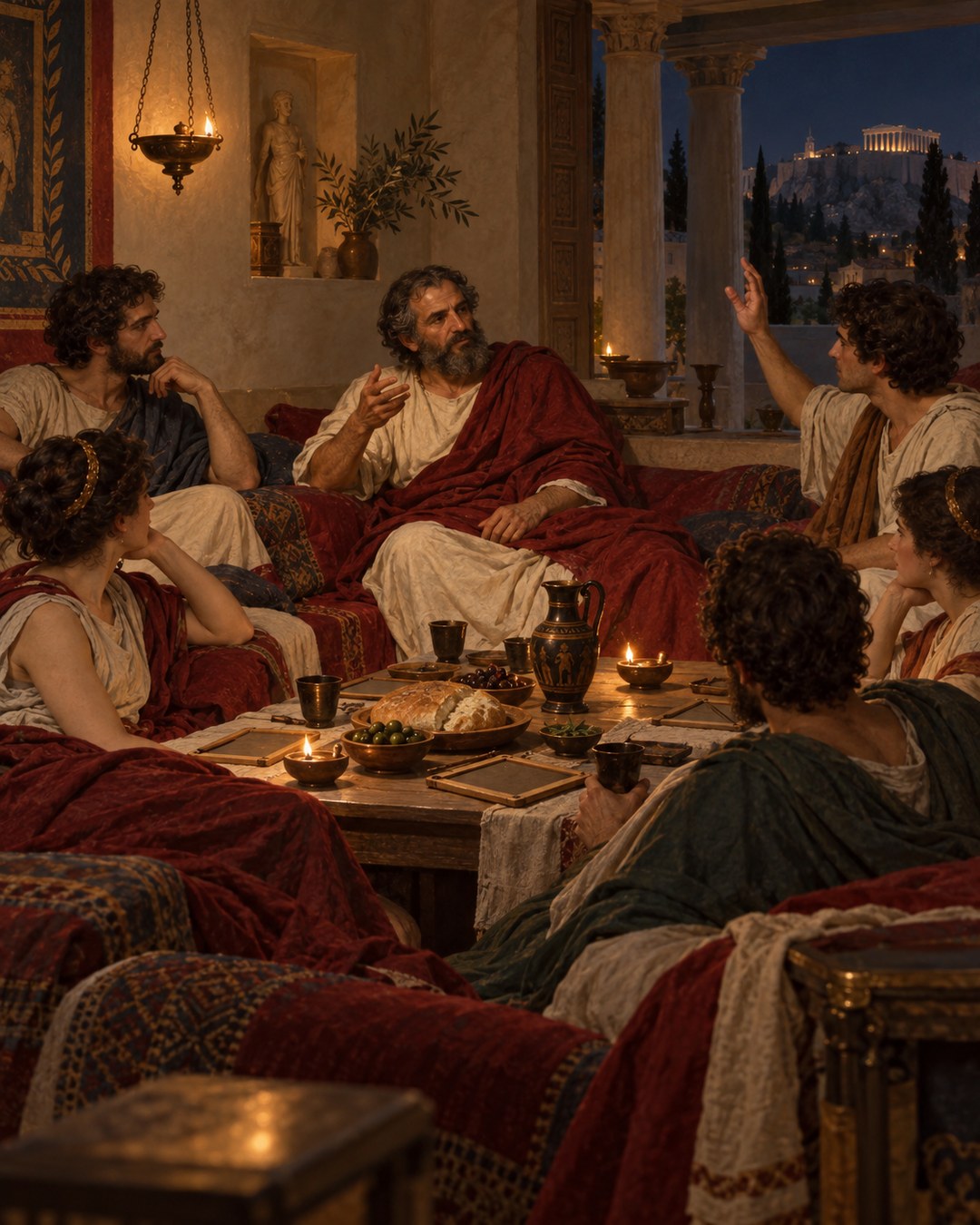
Taurus Charged His Dinner Guests One Question Each

No guest arrived at Taurus’s house empty-handed, although the expected contribution could not be eaten. The philosopher served a simple meal in Athens. His students supplied the luxury: each person had to think up one ingenious question before coming to dinner. Food came first. Only after eating ended did the questions begin. They were not … Read more

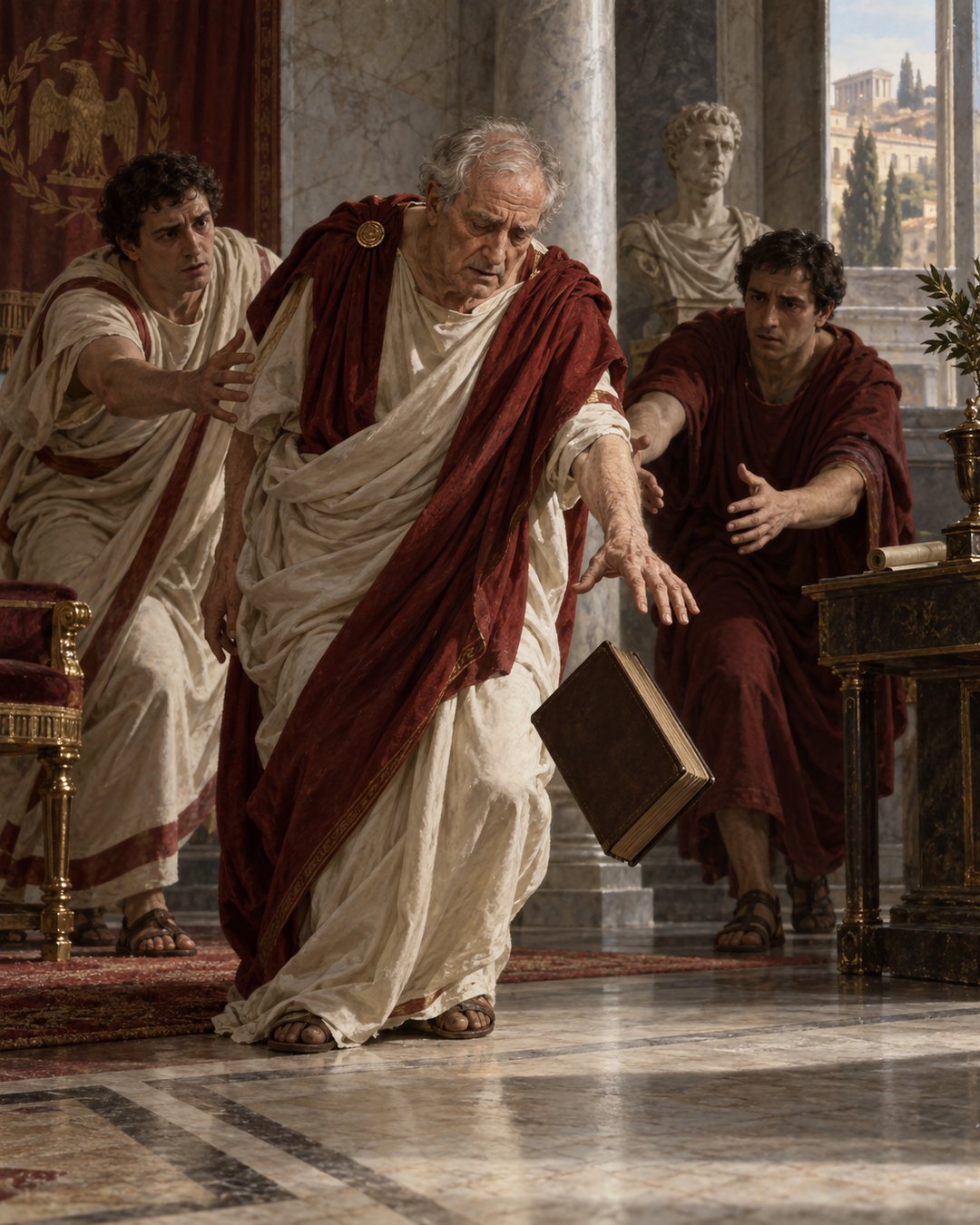
Verginius Broke His Thigh Rehearsing the Speech for Nerva

Verginius Rufus was standing with a heavy volume, practicing the speech in which he would thank Emperor Nerva for a third consulship. He was eighty-three. The book slipped from his hands; he moved quickly to catch it, lost his footing on smooth pavement and fell. The broken thigh never properly united. Pliny the Younger tells … Read more

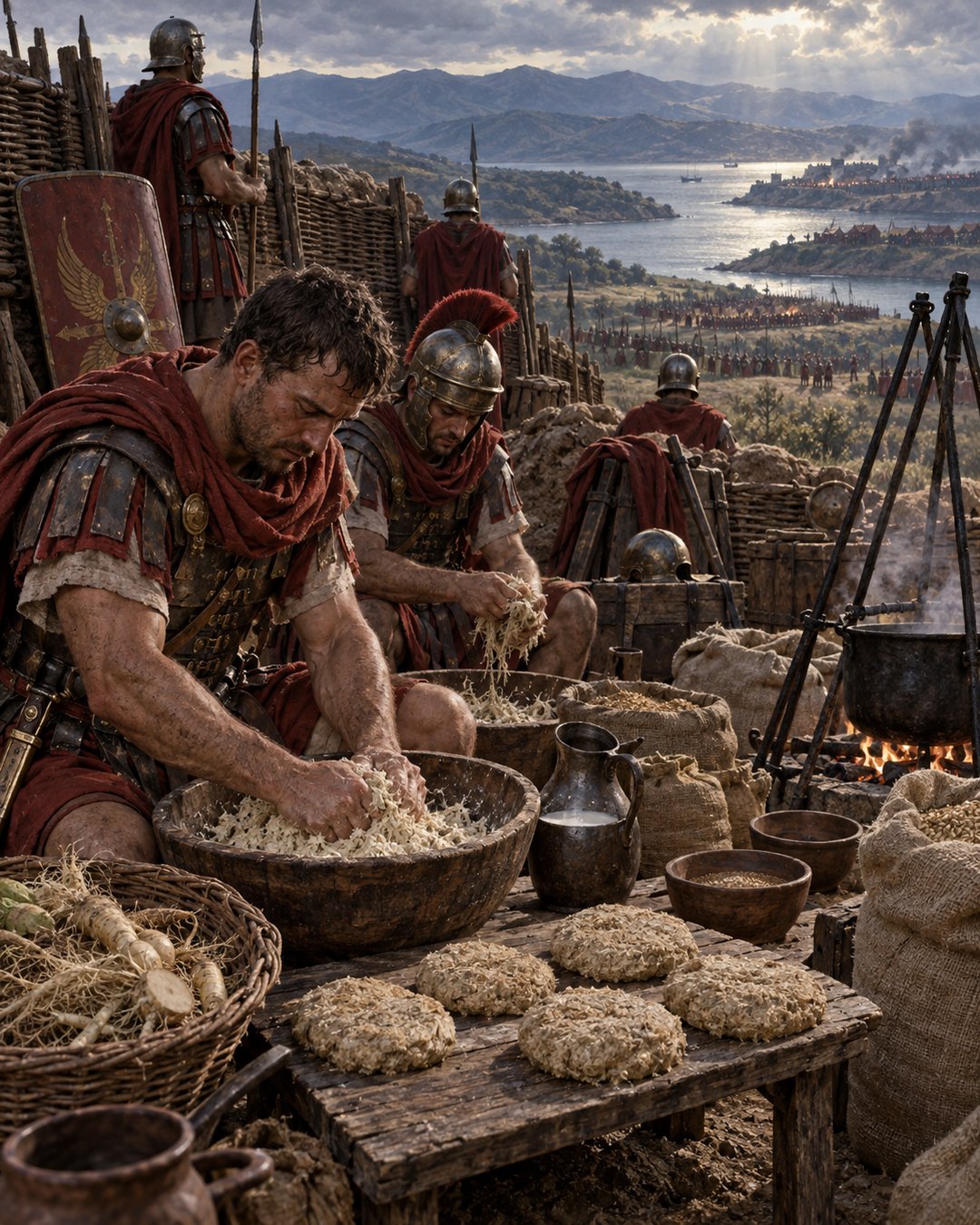
Hungry Legionaries Threw Root-Bread at Pompey’s Lines

The loaf crossed the ditch instead of reaching a hungry soldier’s mouth. Near Dyrrhachium, Caesar’s men had mixed a local root called chara with milk and shaped the result into something resembling bread. When Pompeian troops mocked their hunger, the legionaries threw the rough loaves toward the opposing works. The gesture carried two messages at … Read more

Calpurnia Heard Pliny’s Applause from Behind a Curtain

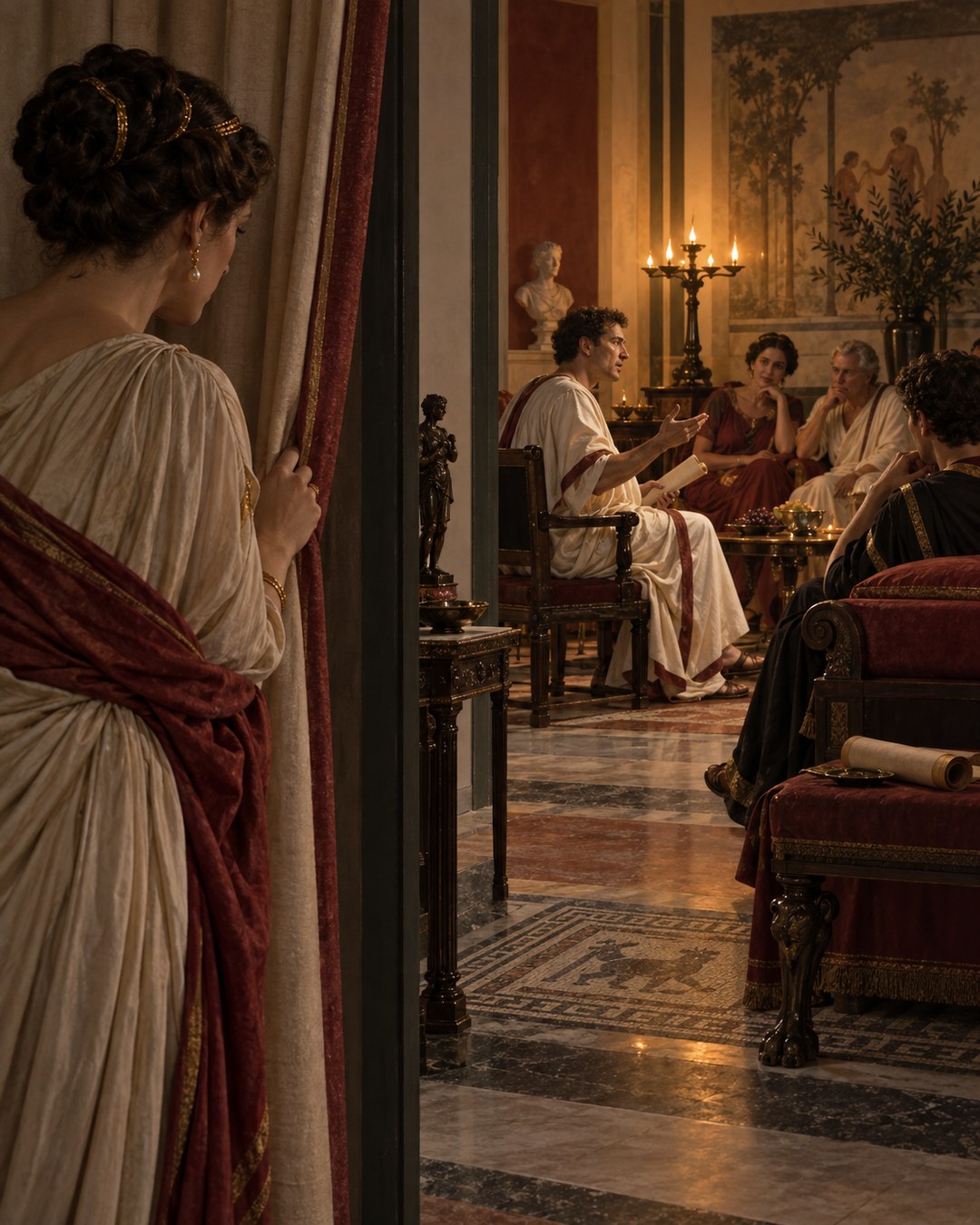
Calpurnia did not sit among the visible audience when Pliny the Younger recited his work. In his account, she concealed herself behind a curtain and listened. The fabric let sound through while keeping her outside the public arrangement of author, guests and praise. From there she heard the response to the man whose reputation shaped … Read more

One Receipt Fixed a Pompeii Auction at 38,079 Sesterces

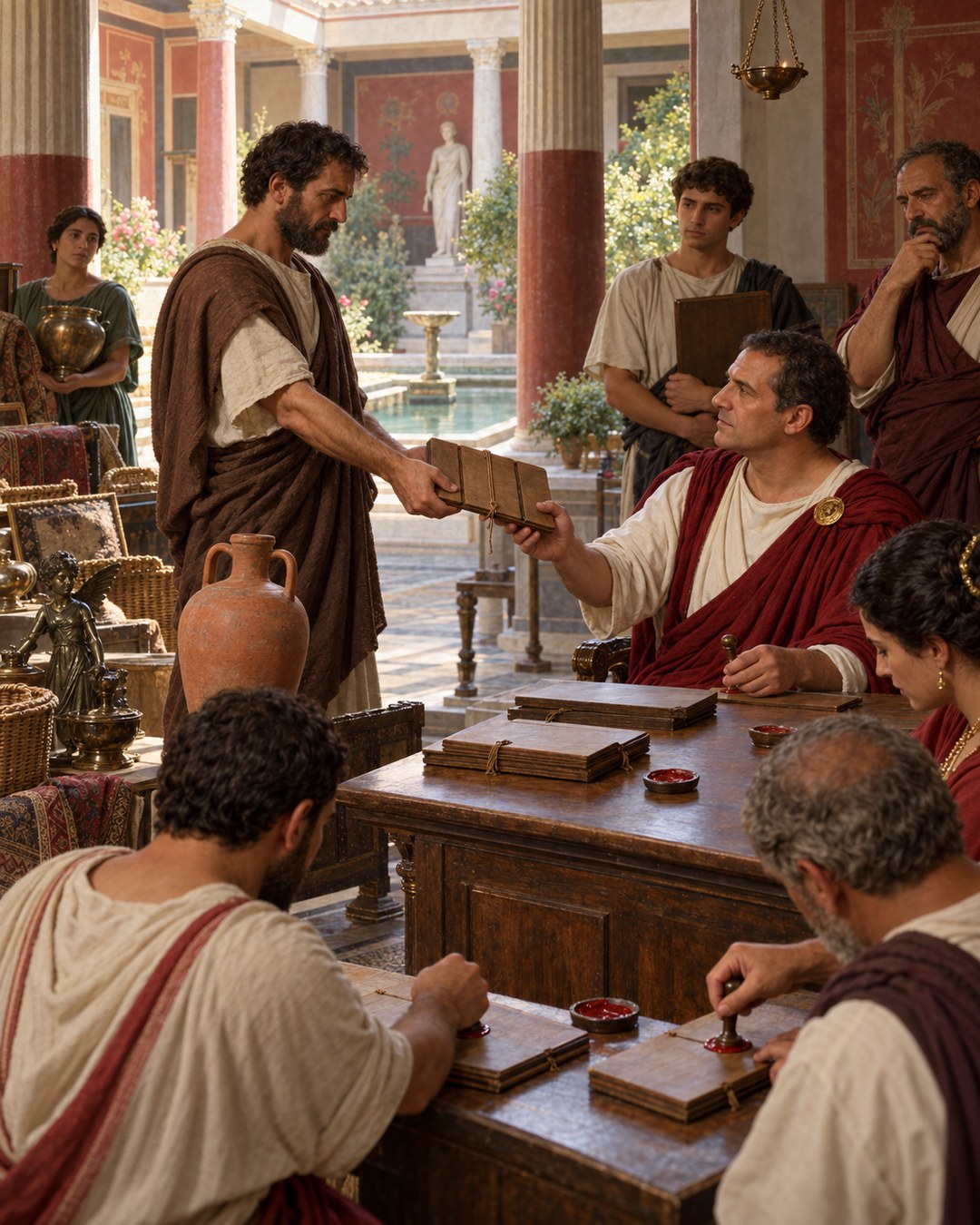
A seller in Pompeii had turned property into cash through an auction. The money did not move invisibly. It passed through Lucius Caecilius Iucundus, an intermediary whose wooden records fixed the settlement in names, figures, witnesses and seals. One surviving receipt makes the transfer unusually concrete: 37,332 sesterces, a premium of one fiftieth, and a … Read more

A Will Turned Its Enslaved Steward into a Child’s Guardian

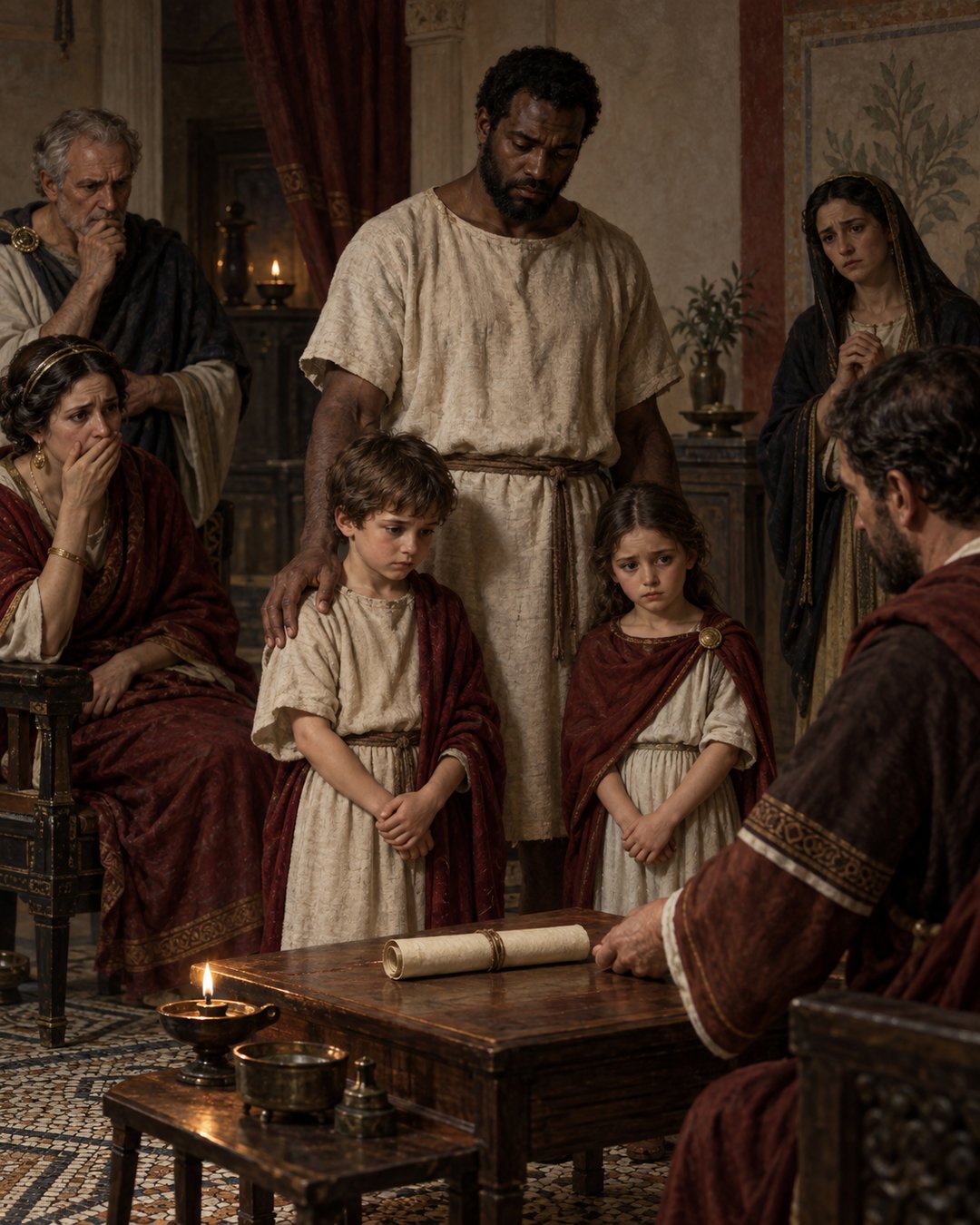
The will named an enslaved member of the household as guardian of the dead man’s young children. It did not separately grant him freedom. That omission created an immediate problem: guardianship was a civil office exercised over a free child, while an enslaved person lacked the independent status needed to perform it. Justinian’s Institutes gives … Read more

Birds Judged Zeuxis’s Grapes; Parrhasius Fooled the Painter

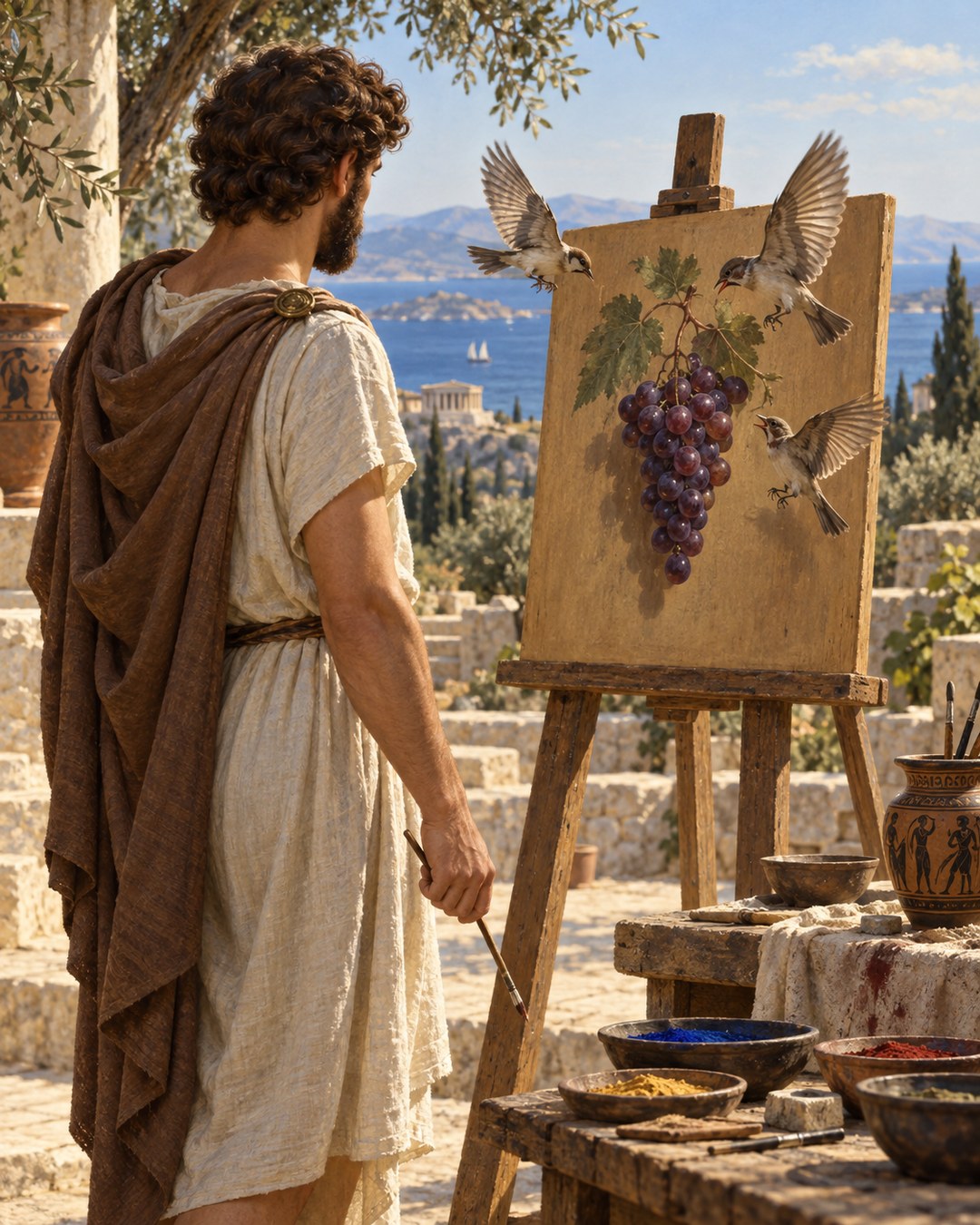
Birds flew toward the grapes Zeuxis had painted. For an artist seeking proof that pigment could imitate the visible world, the reaction looked like a verdict delivered without flattery. The birds did not know they were judging a picture. Their mistake seemed to prove the grapes had crossed from representation into presence. Then Zeuxis faced … Read more

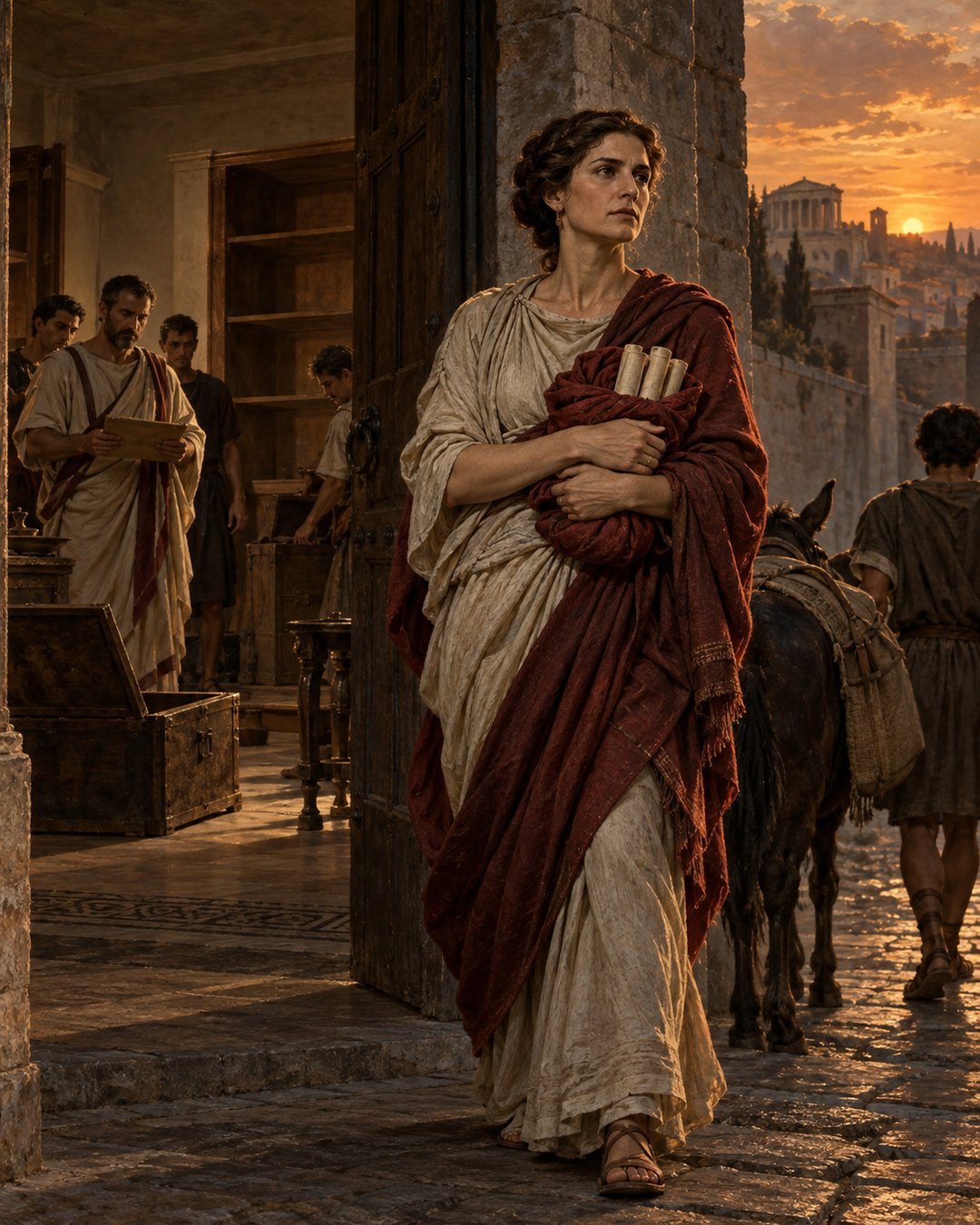
Fannia Carried a Forbidden Biography into Exile

Metius Carus asked Fannia whether she had commissioned a biography of her husband, Helvidius Priscus. She answered, “I did.” He asked whether she had supplied the writer with materials. Again: “I did.” Did her mother know? “She did not.” Pliny gives the exchange without a speech of defiance, as if its danger can be measured … Read more