Pompey Needed a Handbook to Convene the Senate
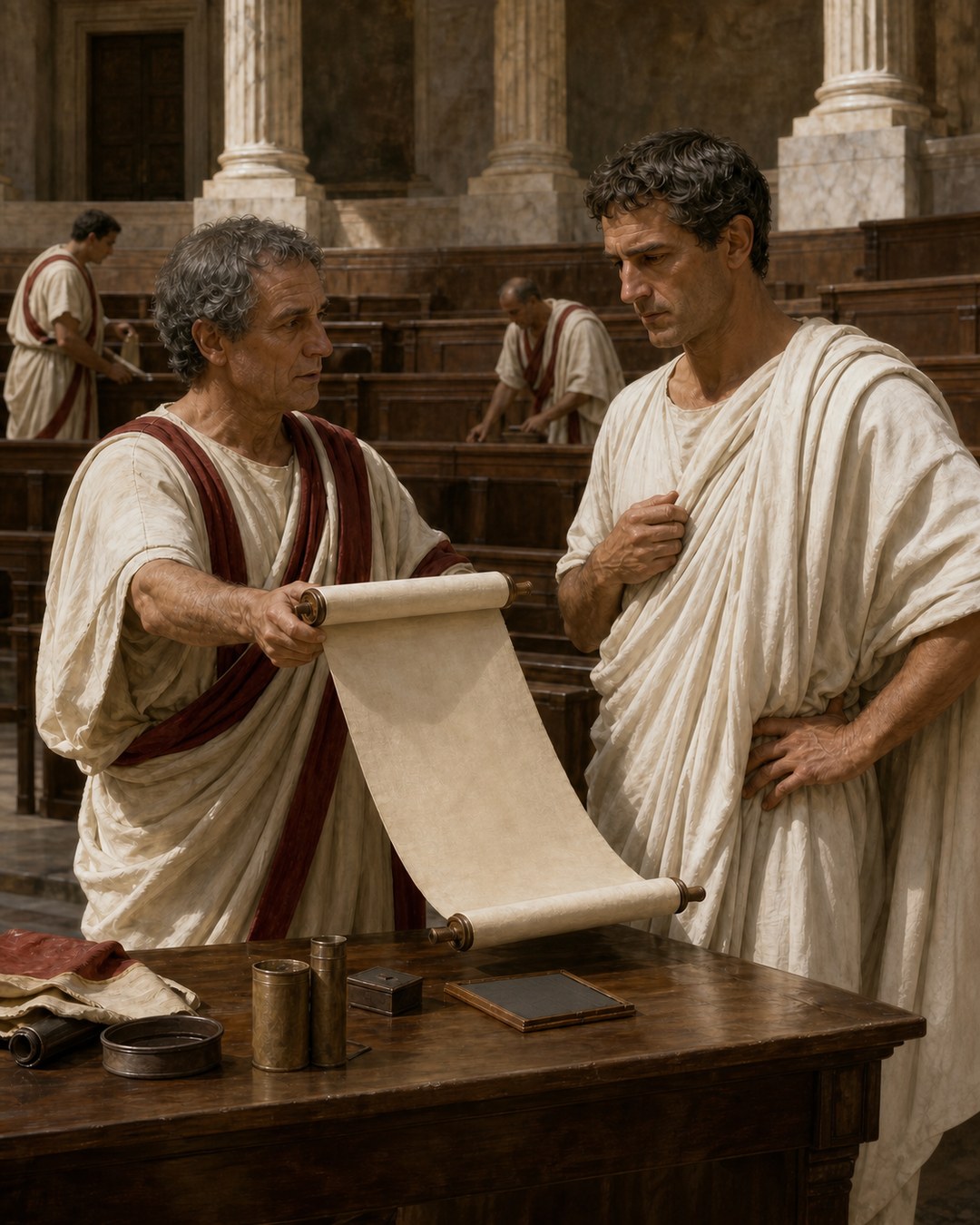
Pompey knew how to move an army, secure a command and turn victory into public stature. As he approached his first consulship, however, he admitted that another Roman institution could defeat confidence alone. Aulus Gellius says the consul-elect asked Marcus Varro for a handbook explaining how to convene the senate, consult it and bring a … Read more
Half a Haircut Kept Demosthenes Underground

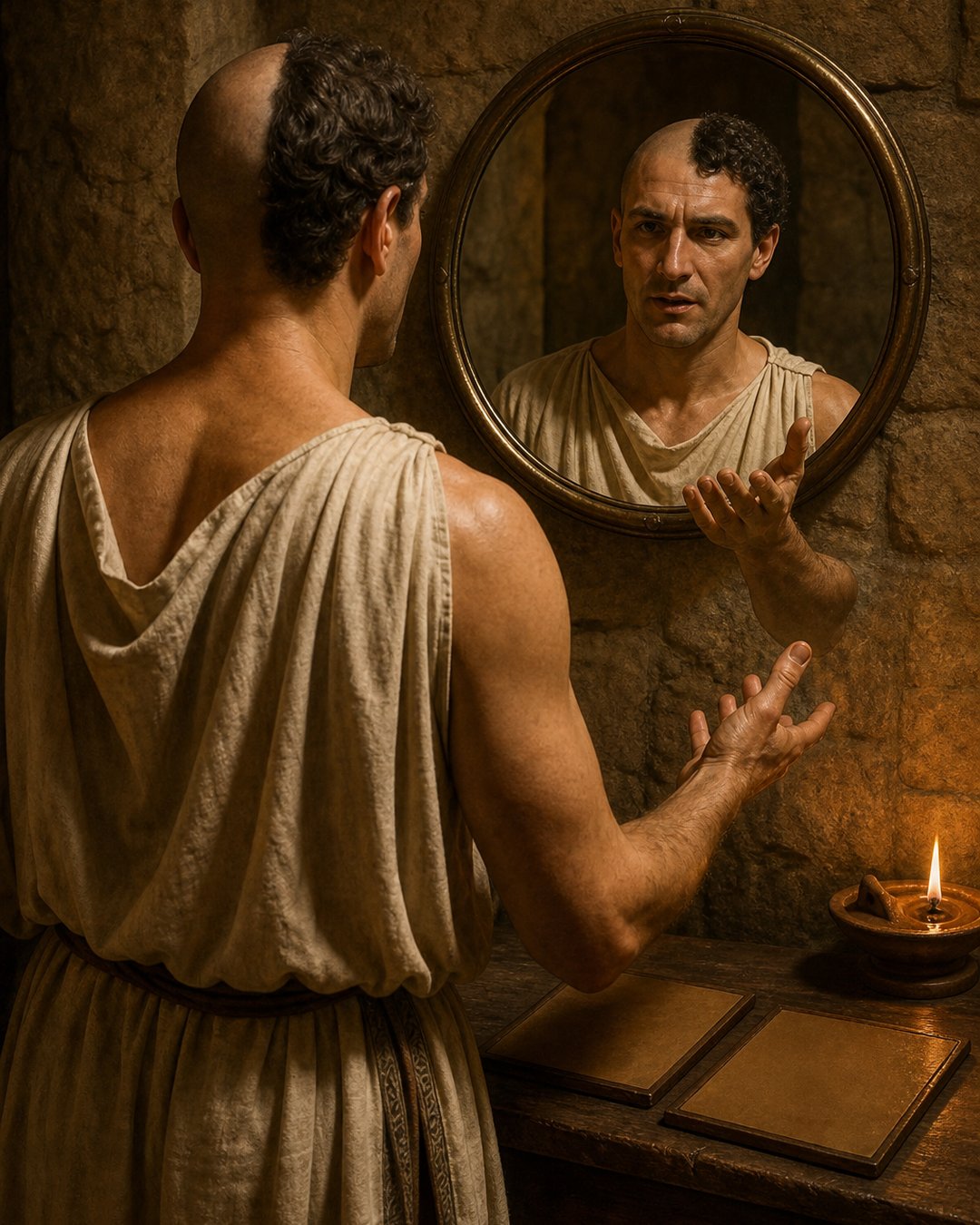
Demosthenes built a room beneath the ground and turned embarrassment into its lock. He shaved the hair from only one side of his head, then withdrew to practice. If restlessness tempted him toward the street, the unfinished appearance made going out costly. Plutarch says he sometimes remained below for two or three months. The half … Read more

Marble, Glass and Gilded Wood Rose for One Month

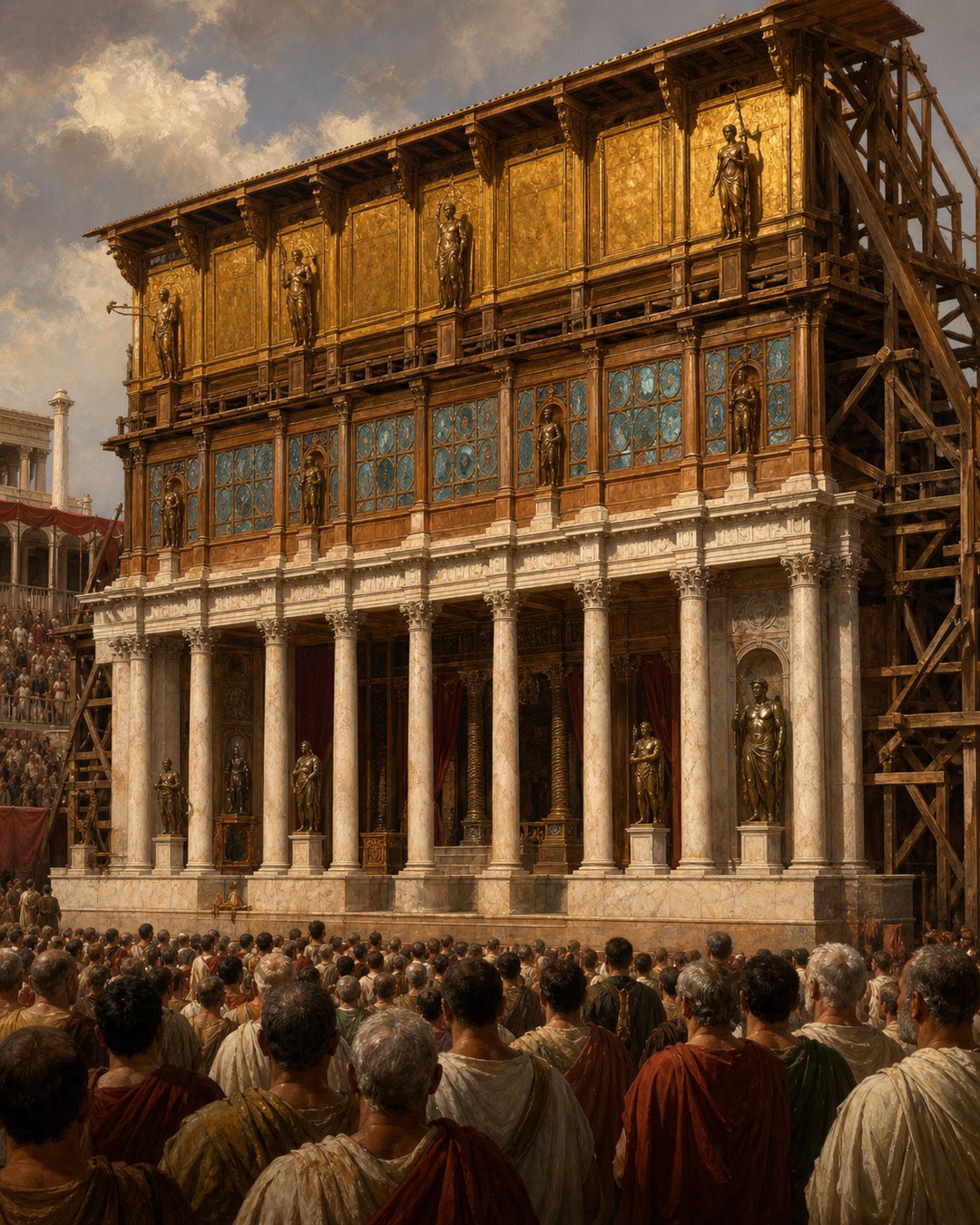
For a few festival days, Rome looked up at a building that seemed determined to exhaust comparison. Its lower stage façade was marble. Above it came glass. Gilded timber occupied the highest level. Pliny counted 360 columns and 3,000 bronze statues, then gave the audience an astonishing reported capacity of 80,000. The sponsor was Marcus … Read more

Vine Was the Wrong Word in an Early Roman Lawsuit

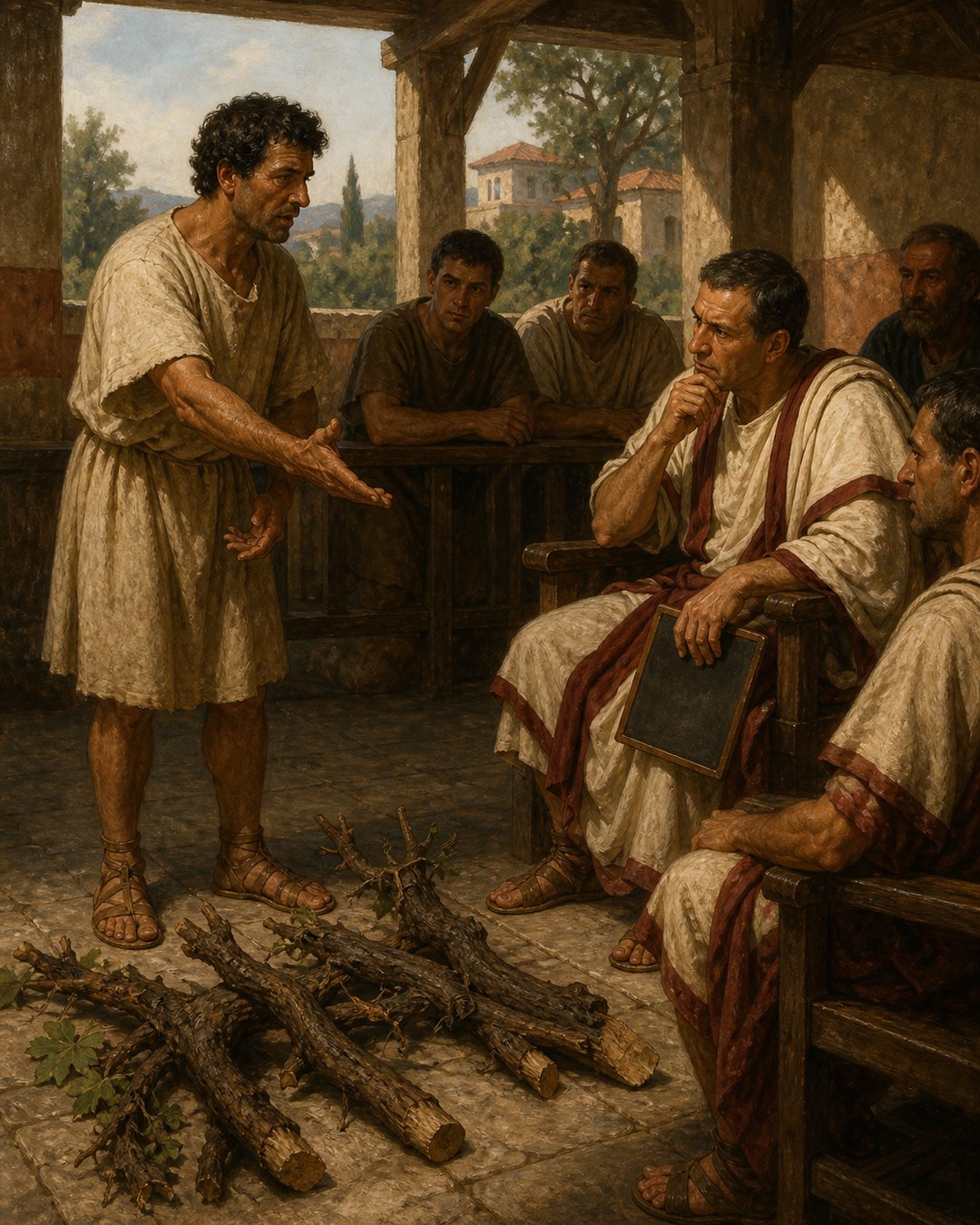
The farmer’s word was accurate. Someone had cut his vines, so he came to court and called them vines. Yet according to the Roman jurist Gaius, that ordinary precision destroyed the action. The old statutory form required him to say “trees.” The dispute therefore stopped at a threshold that feels remote from the damaged field. … Read more

A Young Judge Swore the Evidence Was Not Clear

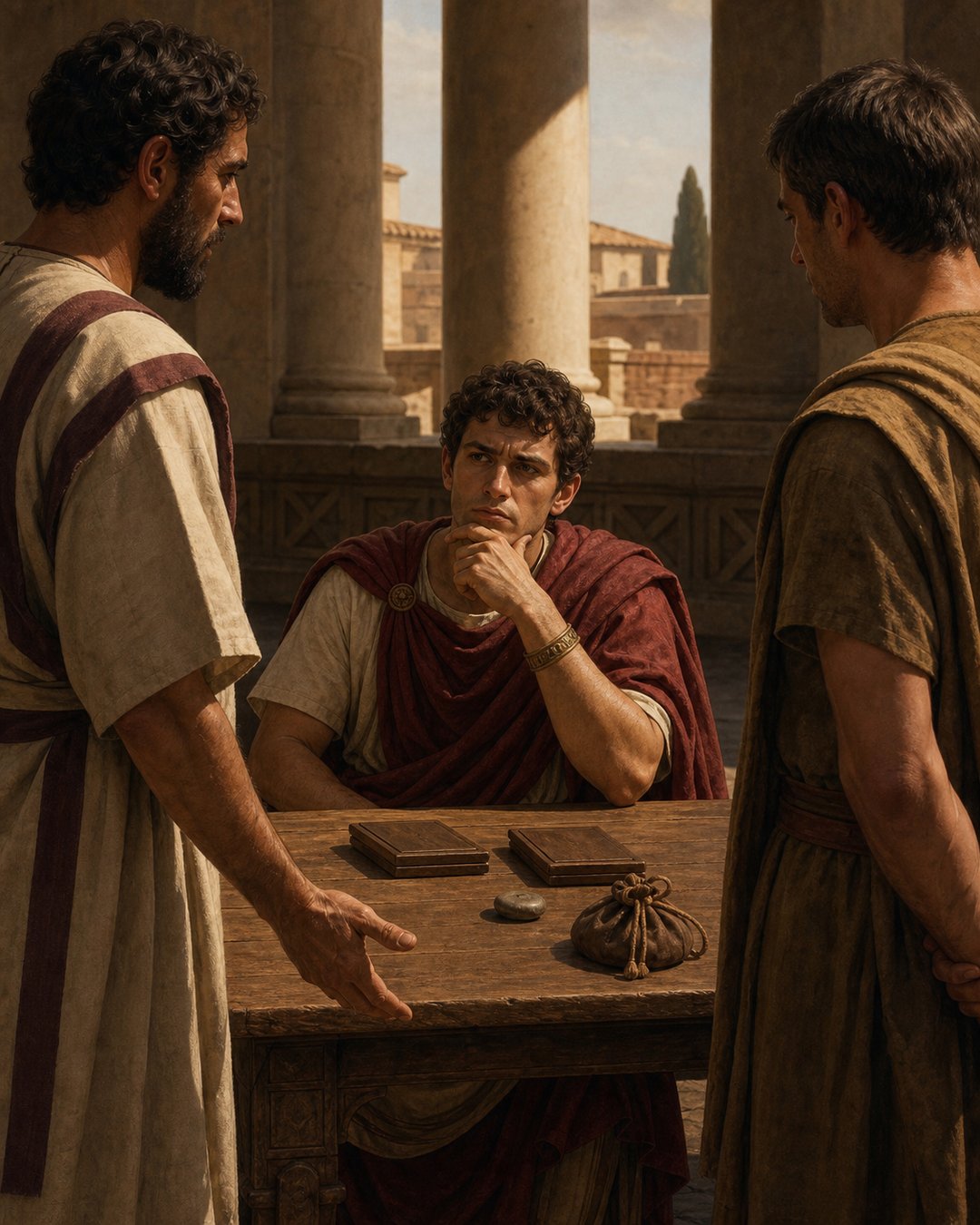
A money claim came before Aulus Gellius with almost everything a cautious judge might distrust. The claimant produced no receipt, no account entry, no signature, no sealed deed, and no witness. Yet Gellius believed him to be a man of tested honesty. The defendant, surrounded by advocates, had a reputation for lies and fraud. The … Read more

Three Seal Rings Carried Augustus from Sphinx to Portrait

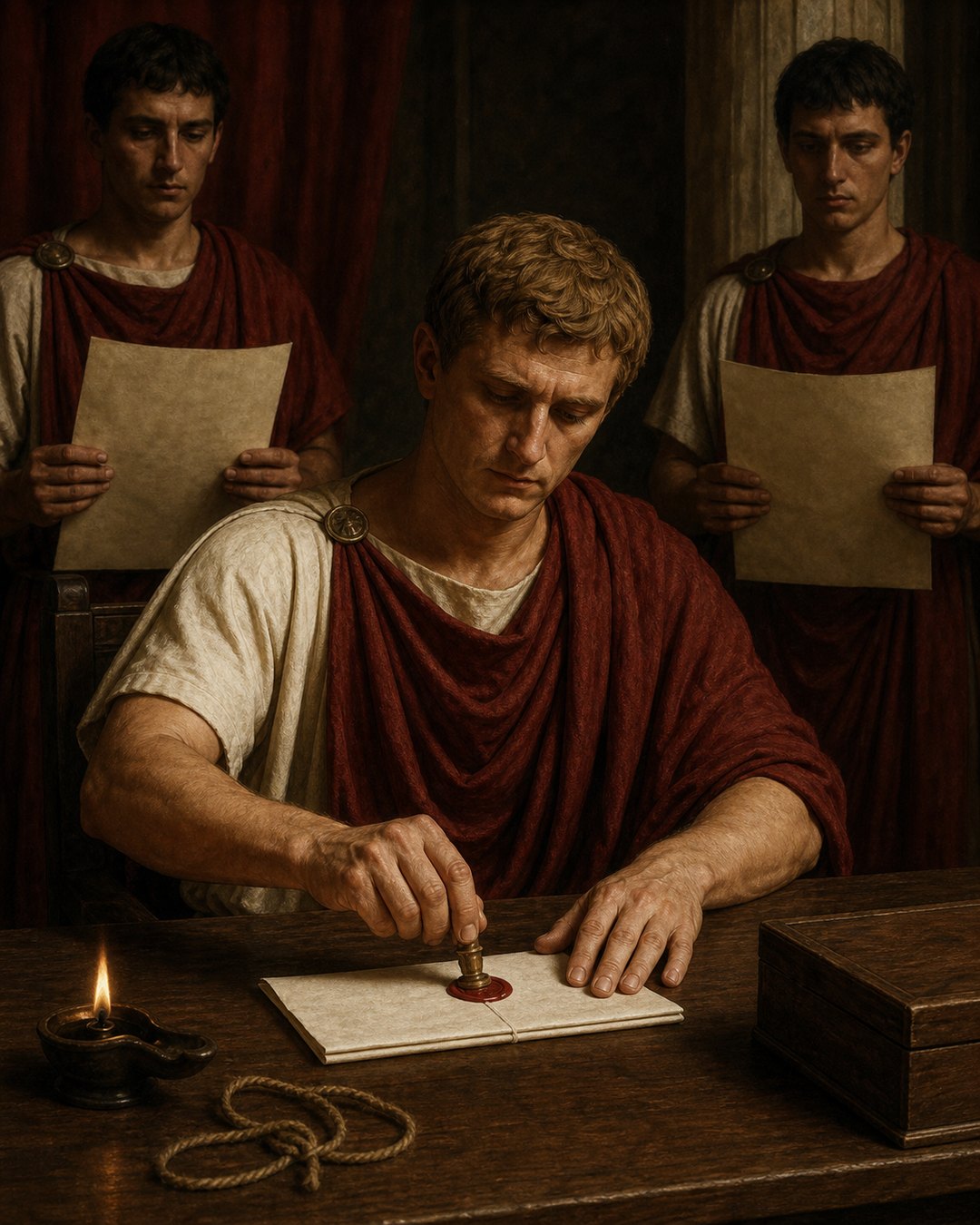
An obscure letter from Augustus could provoke a joke before it provoked obedience. The emperor’s first seal showed a sphinx. When recipients struggled with his meaning, Suetonius says, they remarked that the sphinx had brought riddles. The joke reveals what a signet could and could not do. Its impression could identify the sender and protect … Read more

Scipio Turned His Trial Day into Zama’s Anniversary

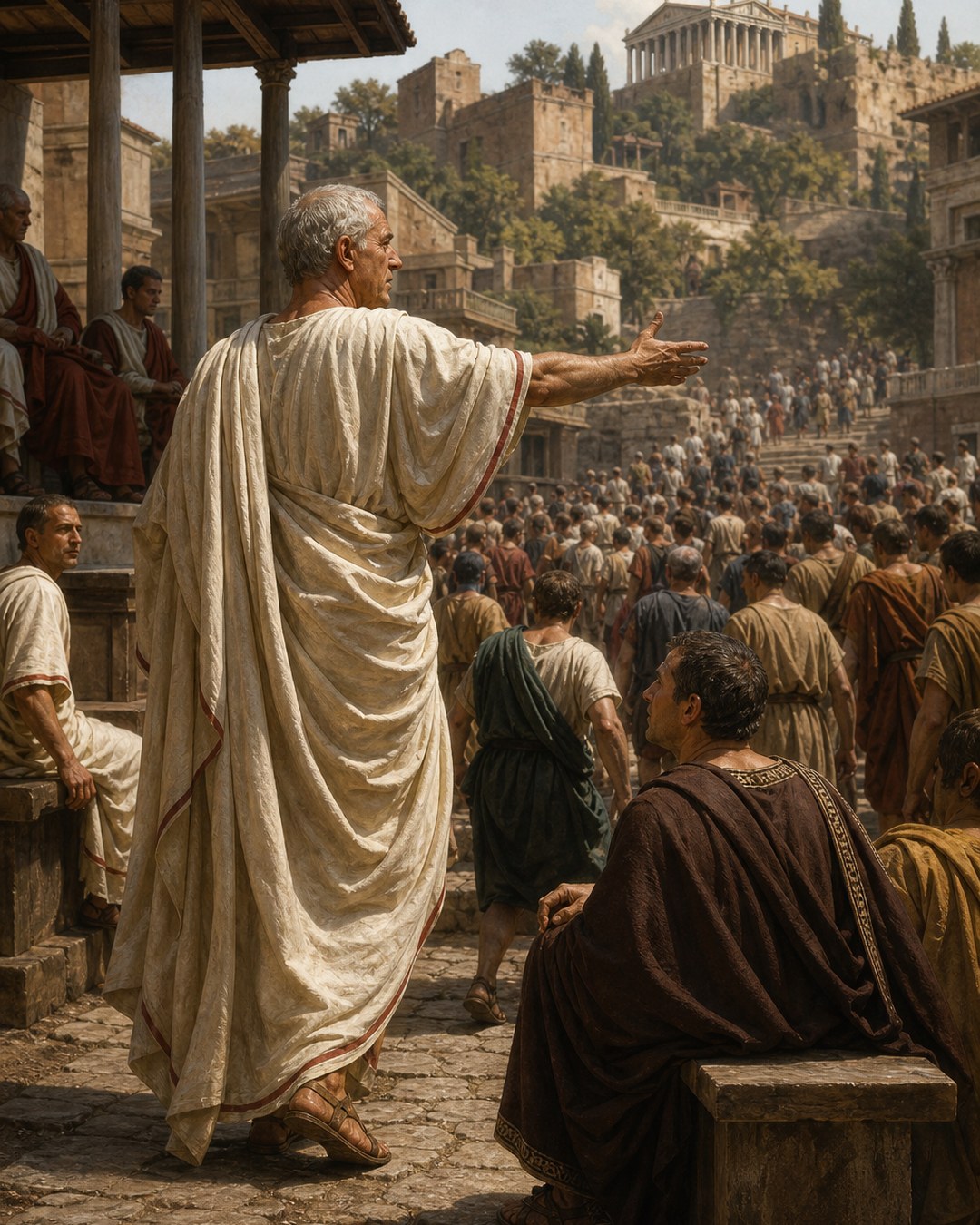
At dawn, the tribunes took their places on the Rostra. Scipio Africanus arrived through the Forum with friends, clients, and a crowd drawn from every social rank. He was not entering Rome in a triumphal chariot. He was appearing as a defendant, summoned to answer accusations involving money, influence, and his conduct around the war … Read more

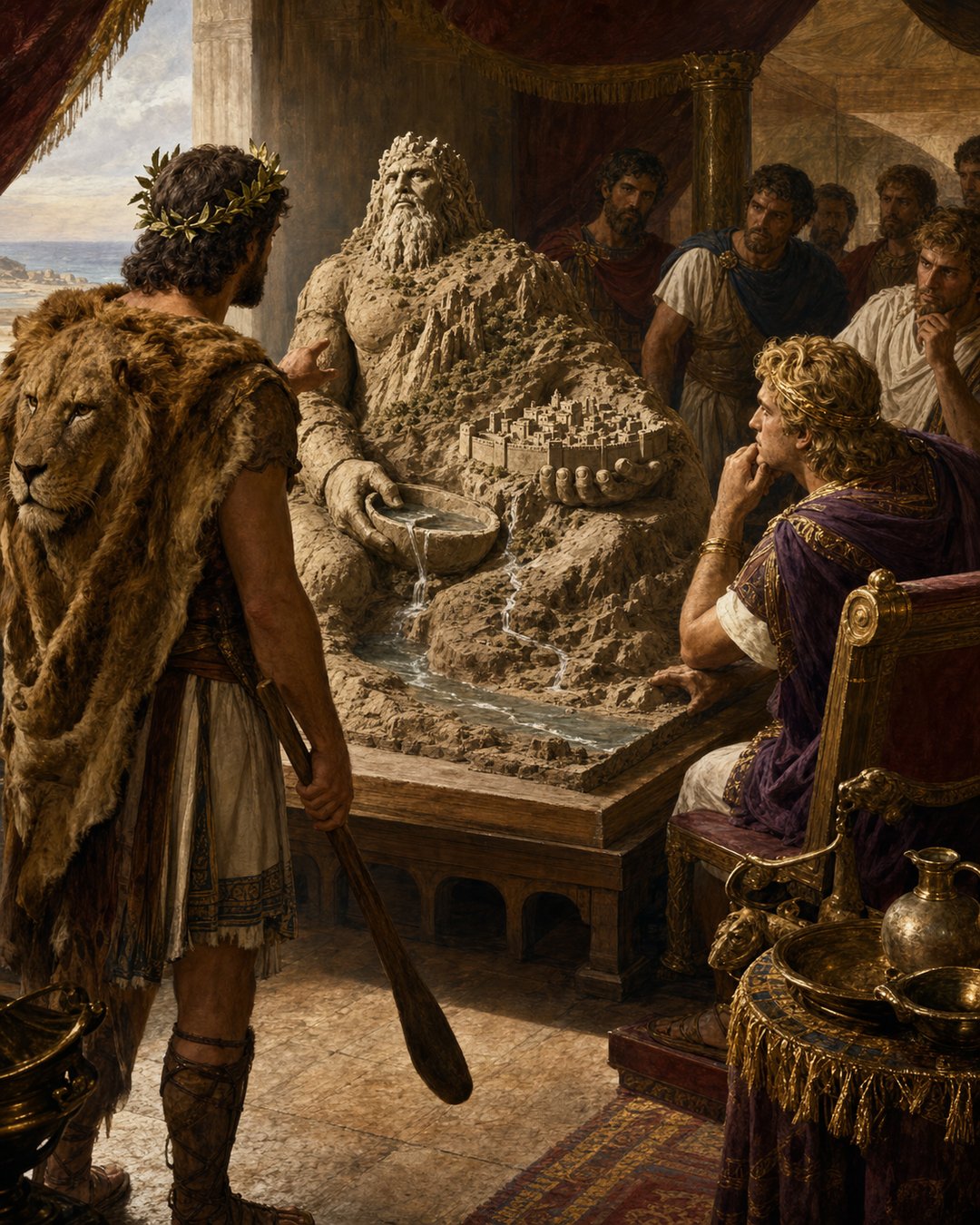
Alexander Rejected a City Carved into Mount Athos

Dinocrates did not wait quietly for a royal appointment. According to Vitruvius, the Macedonian architect reached Alexander’s army with letters to powerful men, watched those introductions stall, and decided to turn his own body into the invitation. He stripped off his ordinary clothing, covered himself with oil, placed a poplar wreath on his head, slung … Read more

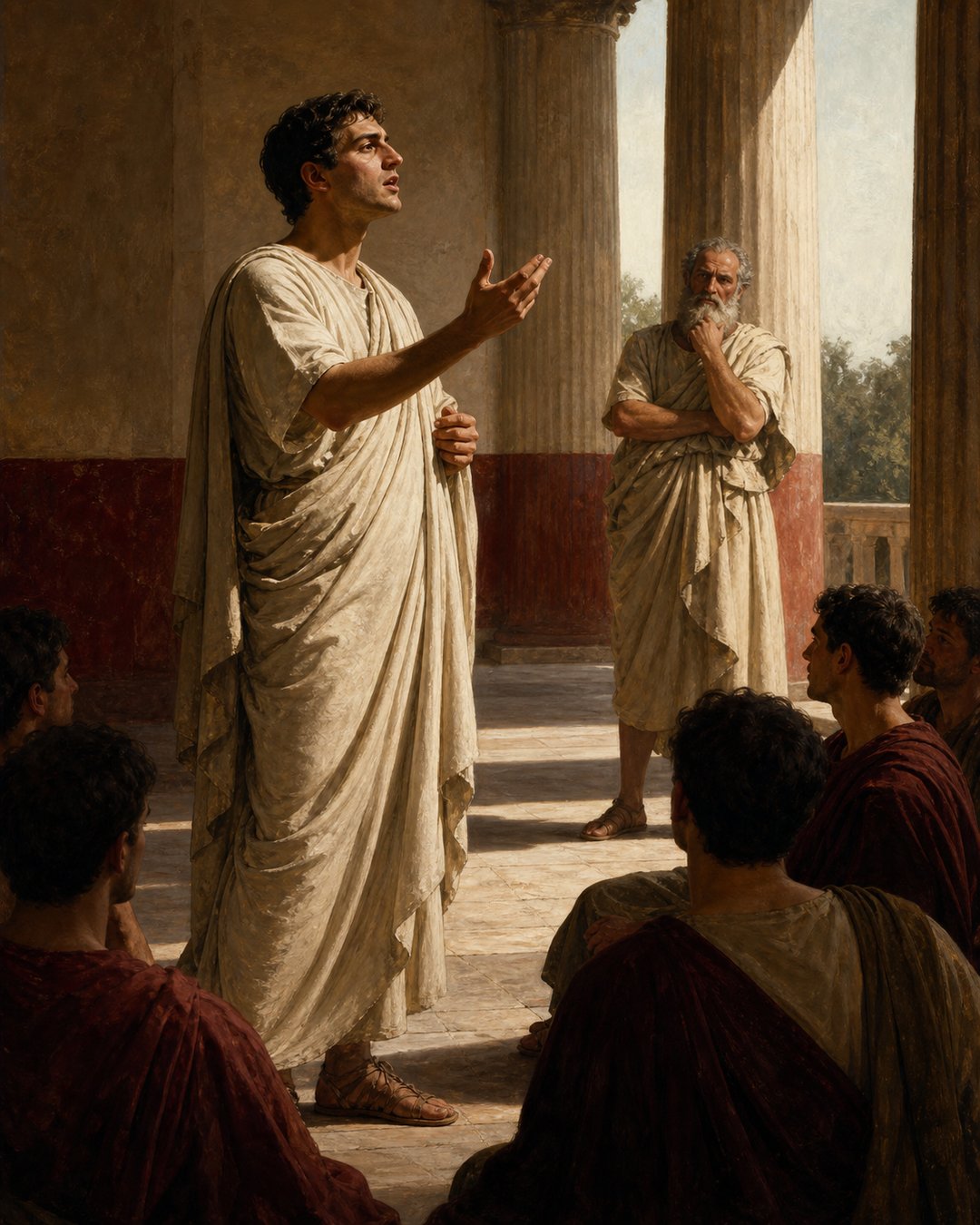
Cicero Trained a Harsh Voice for the Forum

Cicero’s young voice was powerful enough to make listeners worry about the body producing it. Plutarch describes him as spare and lean, troubled by a weak stomach and able to take only a little light food late in the day. His voice was full and strong, yet harsh and unmodulated. Passion drove it upward into … Read more