Dead Consuls Returned to the Forum in Wax
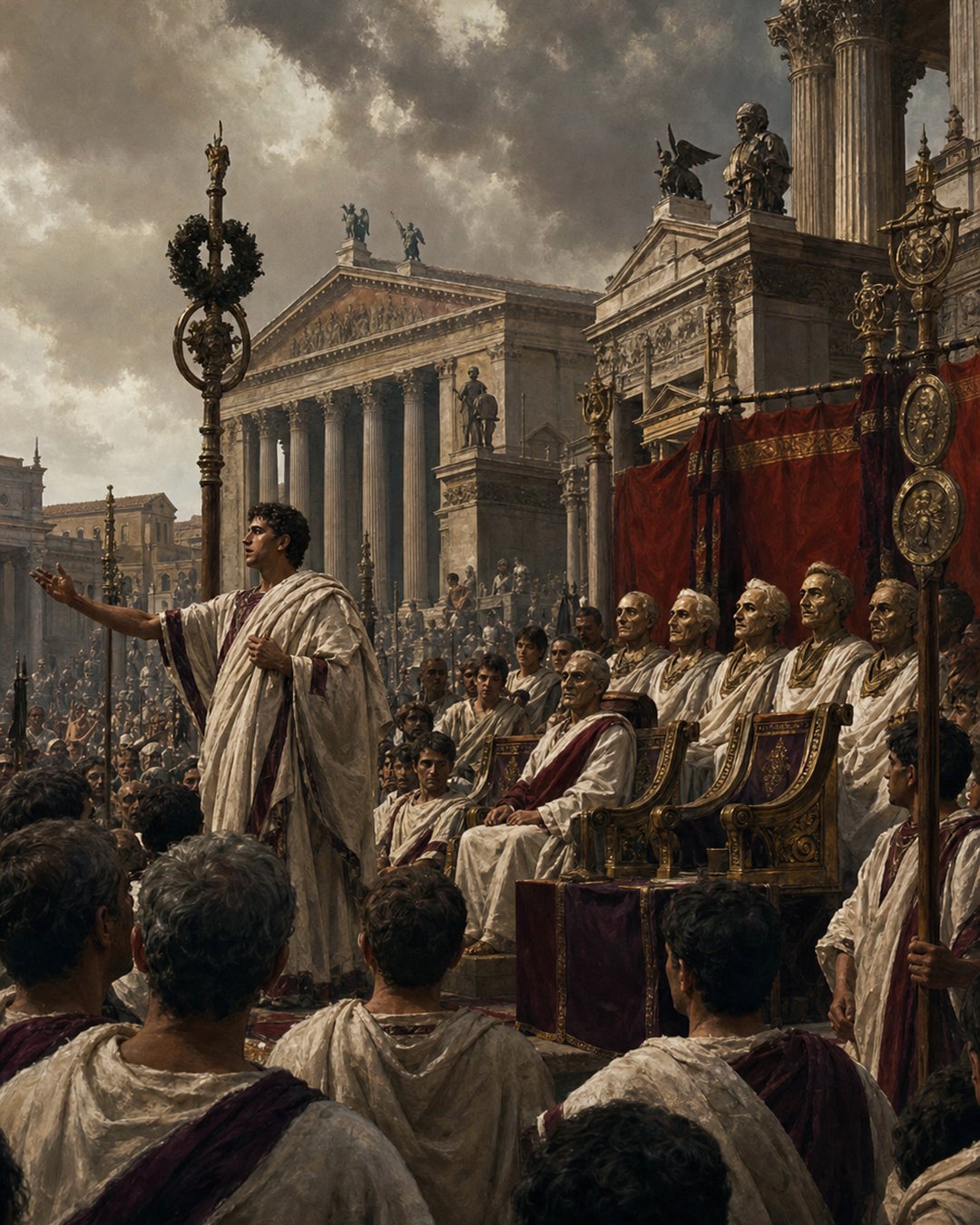
An elite Roman funeral could bring more than one dead man into the Forum. Polybius describes actors wearing wax likenesses of a family’s ancestors, dressed according to the offices those men had held. Former consuls, censors and triumphators appeared to return in procession, then sat on ivory chairs while the newest death was explained to … Read more
Verres Left Rome Before Cicero Finished the Case

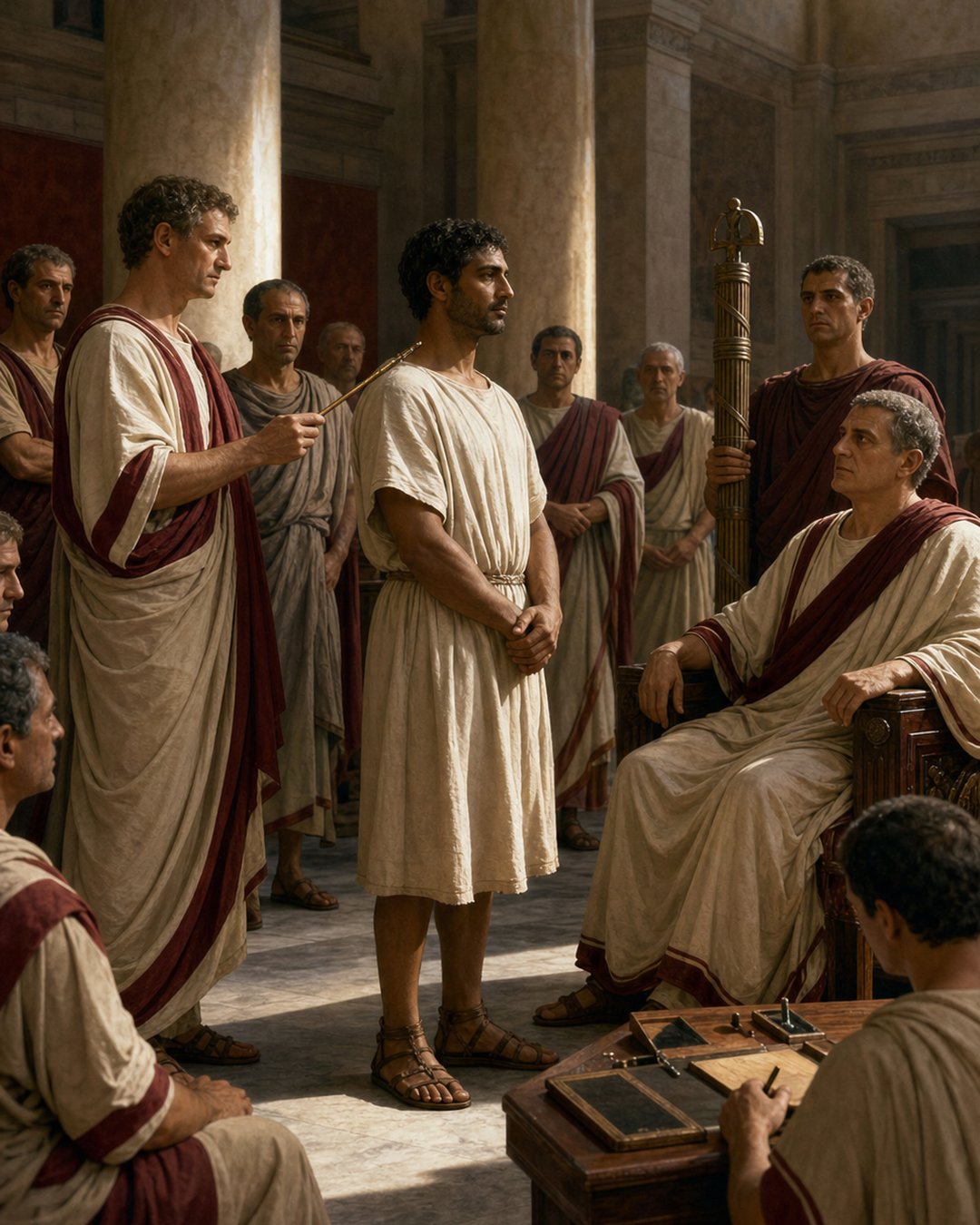
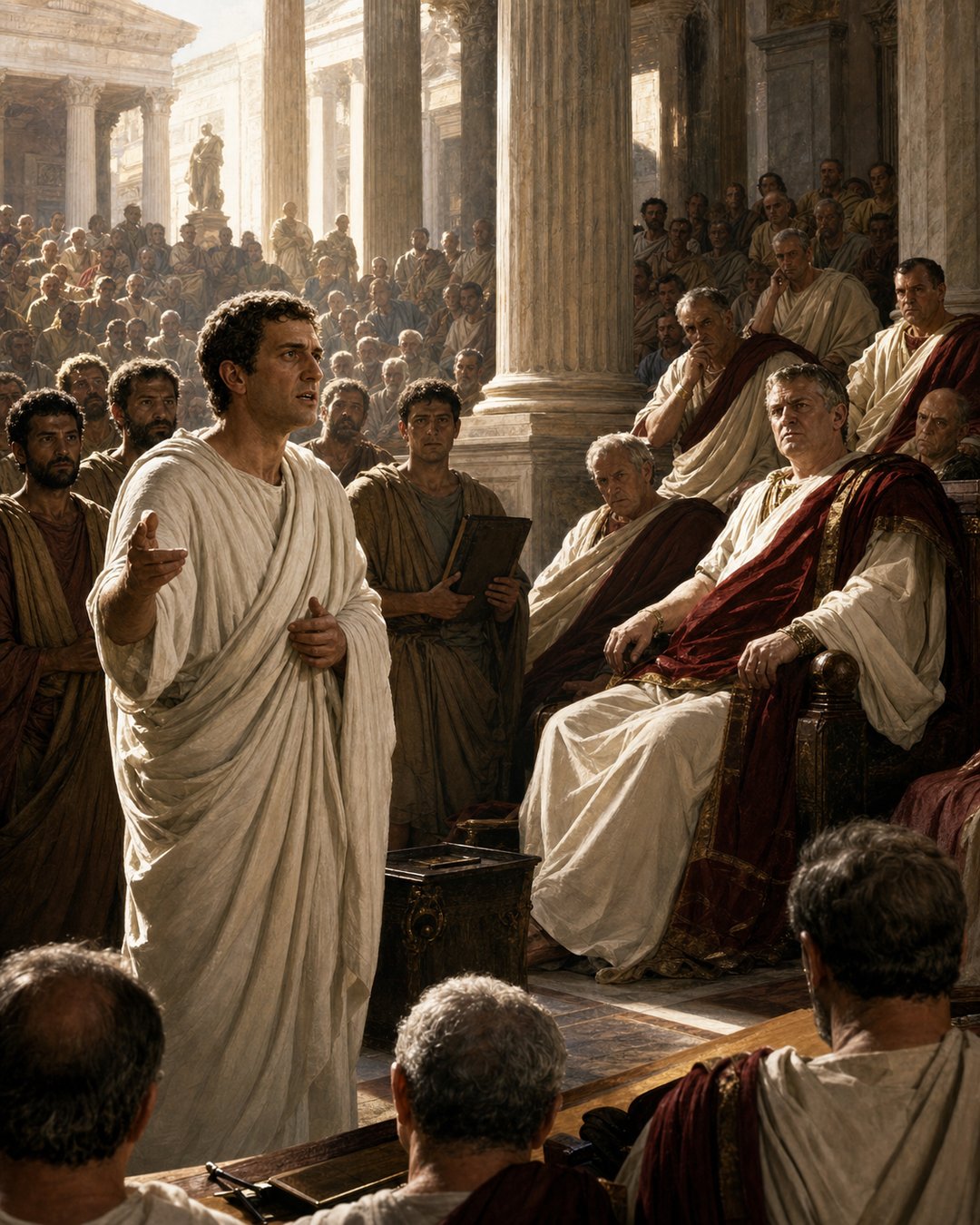
When Gaius Verres entered court in 70 BCE, he expected a long contest. Delay favoured him. Elections and public games could interrupt proceedings, a friend might soon hold the consulship, and the case could be pushed into a political climate kinder to a former governor with money and connections. Marcus Tullius Cicero answered by refusing … Read more

Cicero Spoke While Catiline Sat Alone

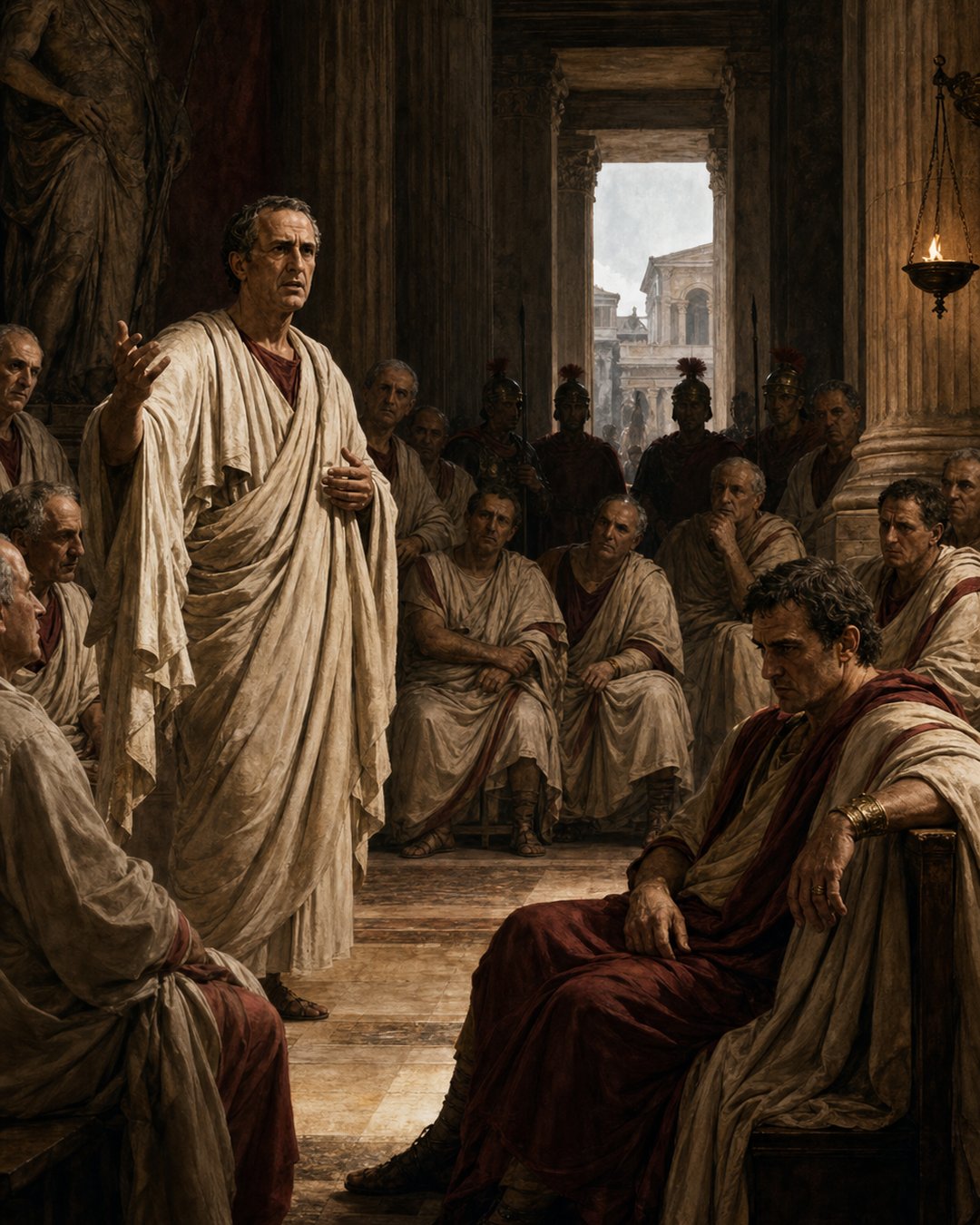
On 8 November 63 BCE, Lucius Sergius Catilina walked into a meeting of the Roman Senate and found isolation waiting for him. Senators who might normally have greeted a former praetor moved away. The bench around him was left conspicuously empty. Across the chamber stood the consul Marcus Tullius Cicero, prepared to turn intelligence about … Read more

One Vote Gave Pompey the Whole Mediterranean

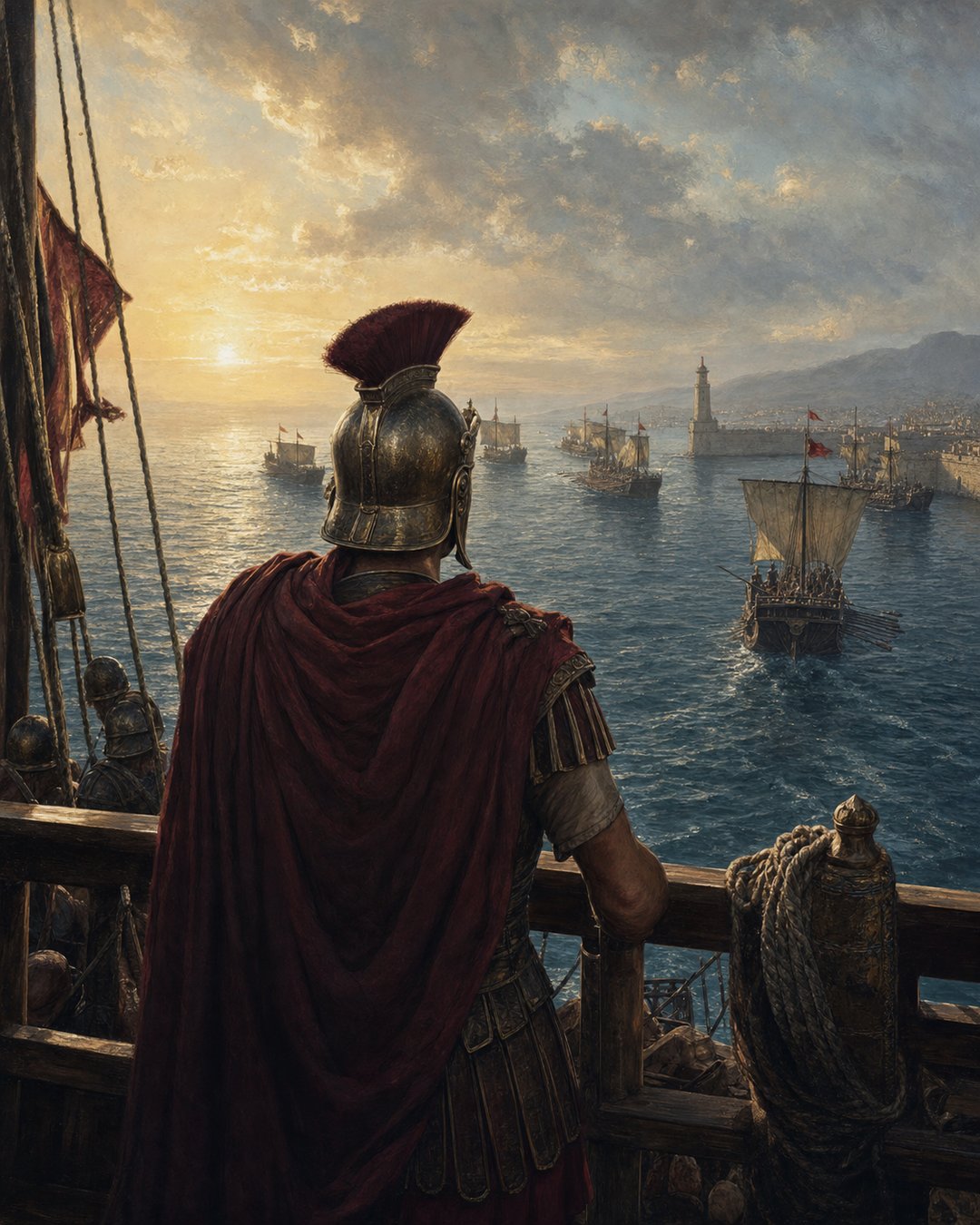
In 67 BCE, Romans confronted piracy as a problem that reached from a captured ship to the price of bread. Raiding had disrupted routes, embarrassed magistrates and made the Mediterranean look less like Rome’s road than an open field of danger. The proposed answer was extraordinary: give Gnaeus Pompeius Magnus command over the entire sea … Read more

What a Flat Chisel Did That a Point Could Not

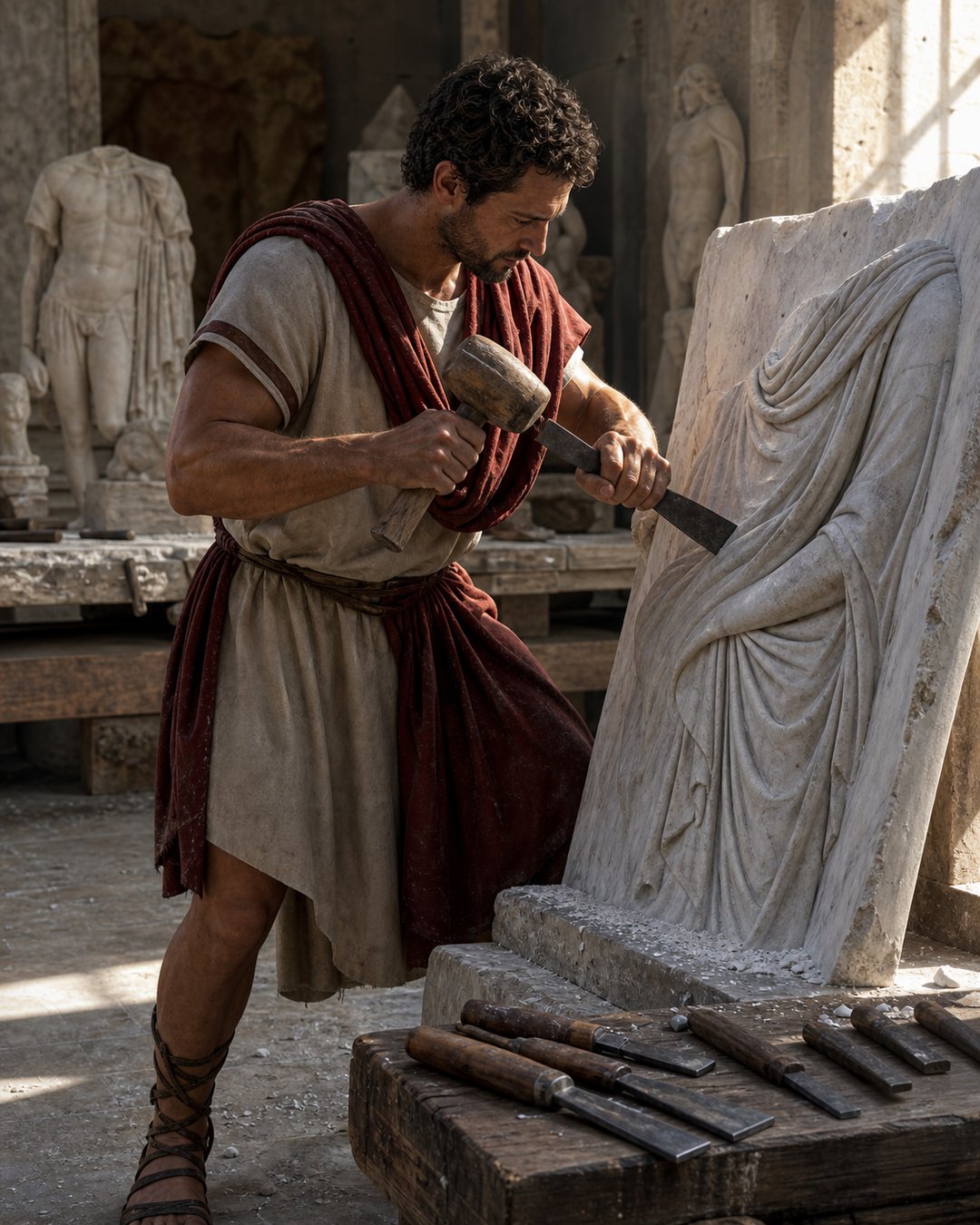
A hammer blow seems too blunt to produce a clean letter. Roman stone carvers solved that mismatch by placing a narrow piece of sharpened iron between hand and marble. The hammer supplied energy, but the flat chisel decided where that energy entered, how wide the removal became and whether the next mark joined the last … Read more

One Hammer Blow, Thousands of Imperial Coins

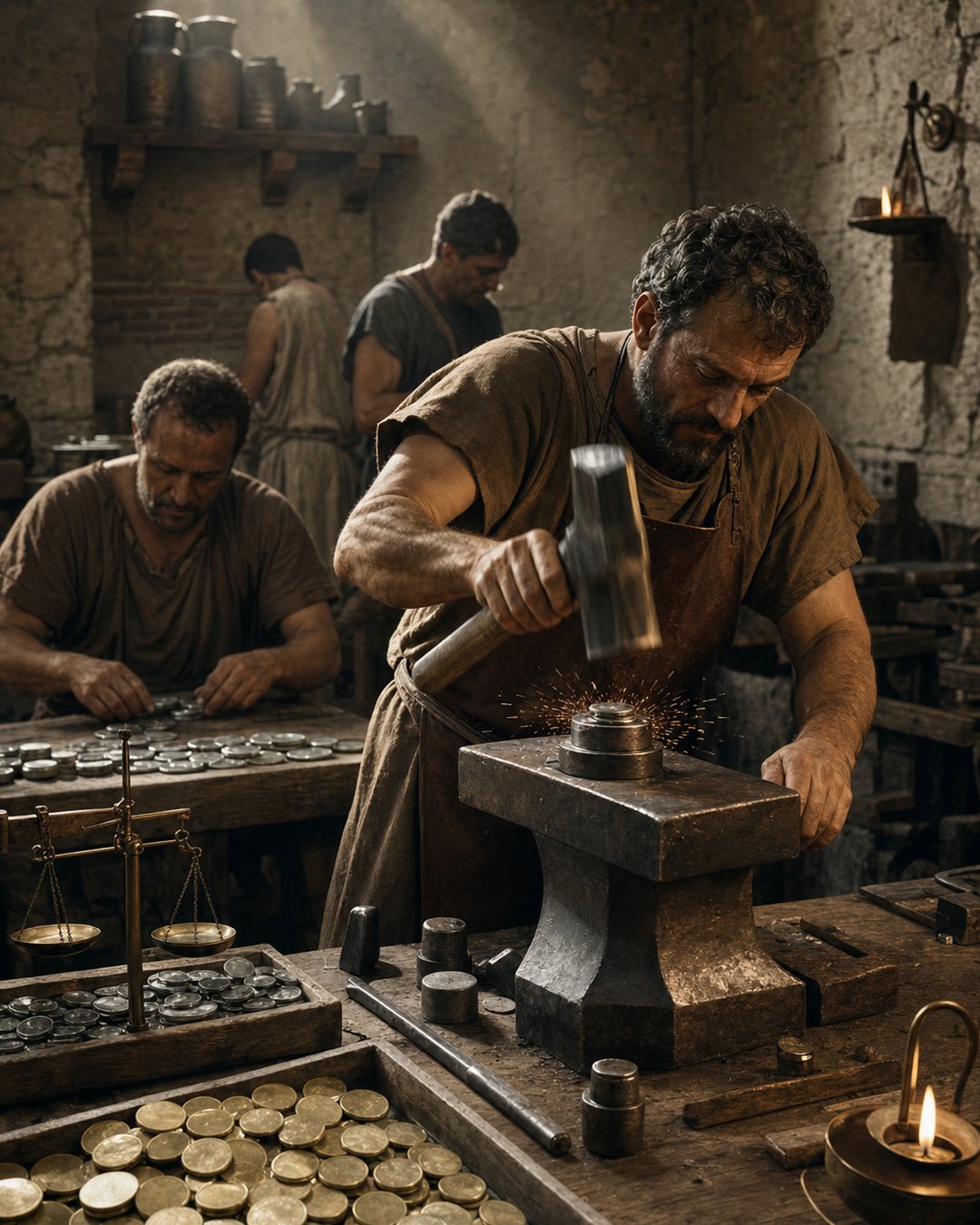
A Roman coin began as an awkward little piece of metal. It might have the right alloy and roughly the right weight, but it had no face, legend or claim to authority. In the mint, a worker placed that blank on an engraved die, positioned a second die above it and trusted a hammer blow … Read more

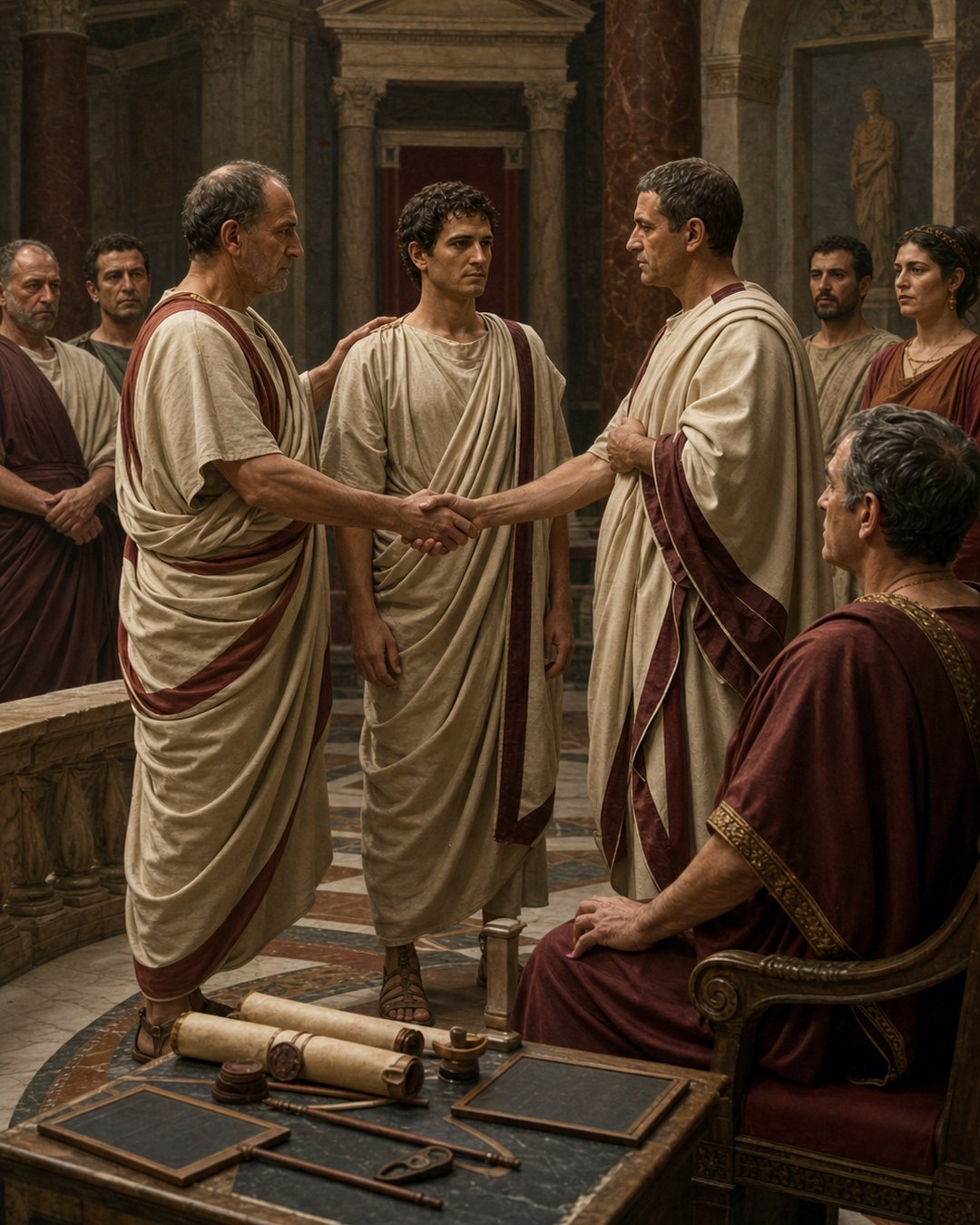
When Adoption Brought an Adult Heir into a Roman Family

When modern readers hear “adoption,” they often picture a child joining a household that will raise them. A Roman legal observer could picture something quite different: an adult man with an established name crossing from one family line into another so that property, ritual obligations, and succession would not end. The emotional life of the … Read more

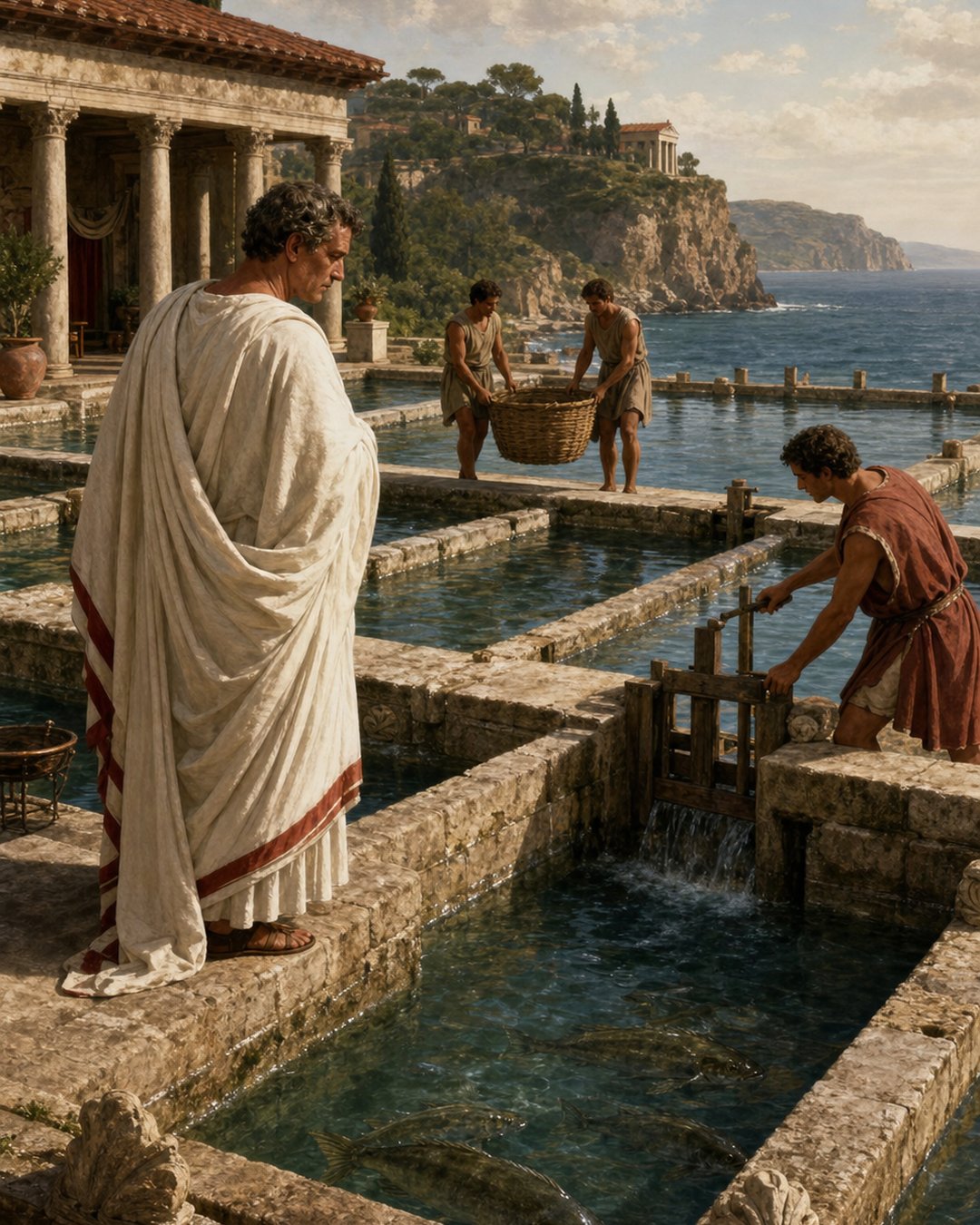
Roman Fishponds Made Fresh Fish into Living Wealth

At a Roman coastal villa, dinner could begin with a gate in a stone channel. Seawater moved through a constructed basin while mullet and other prized fish circled in clear compartments. A pond keeper watched the level, feed and flow until the owner ordered one living animal selected for the table. This was freshness made … Read more

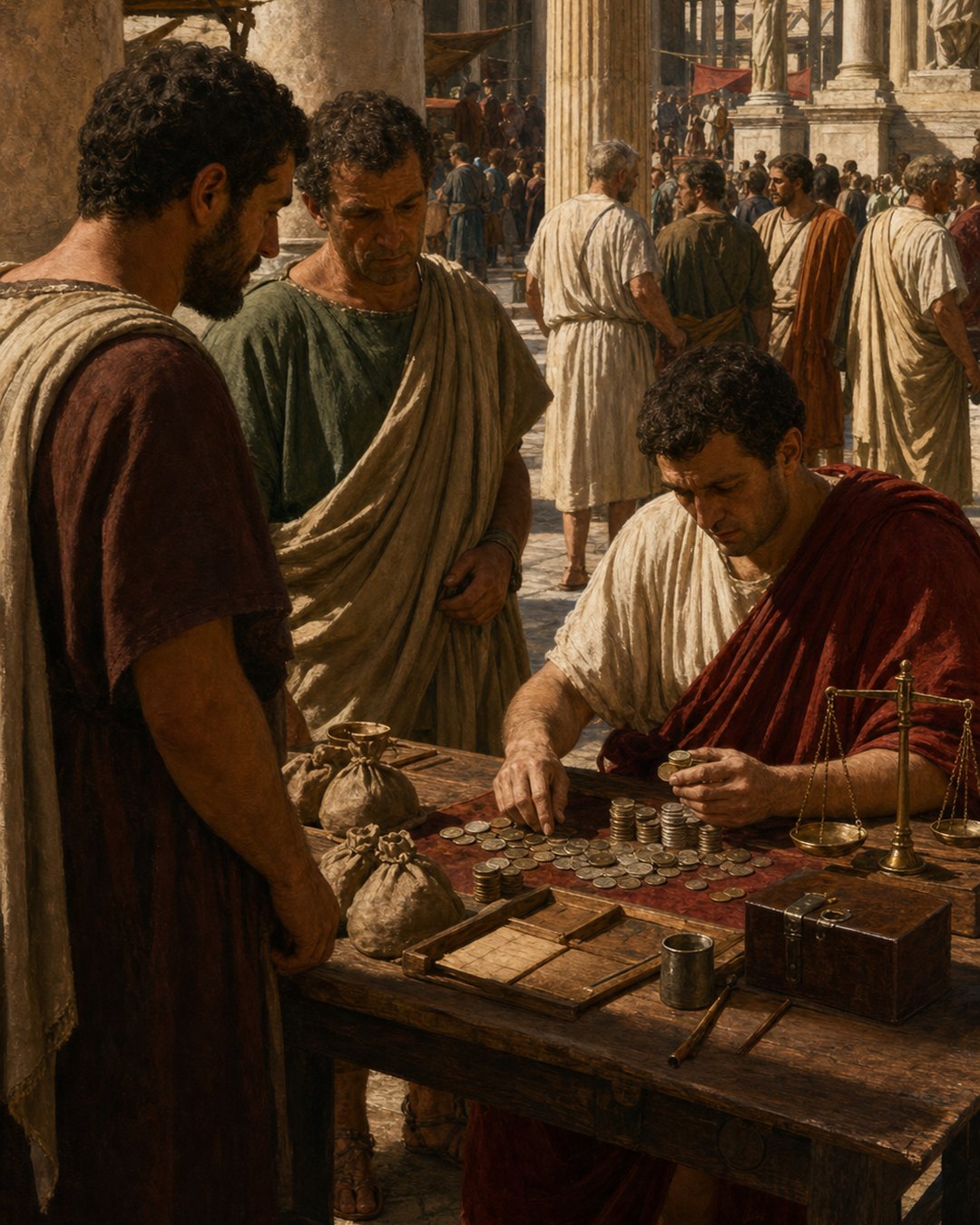
Roman Bankers Made Trust Visible at a Table

A Roman banker could make confidence visible with ordinary objects. Coins landed on wood. A small balance tipped. A stylus opened a pale line in wax. Sealed purses, witnesses, account names, and the banker’s location gave a transaction a shape that memory alone could not provide. The argentarius did not make risk disappear. He made … Read more