Why Roman Calendars Made Time a Public Authority
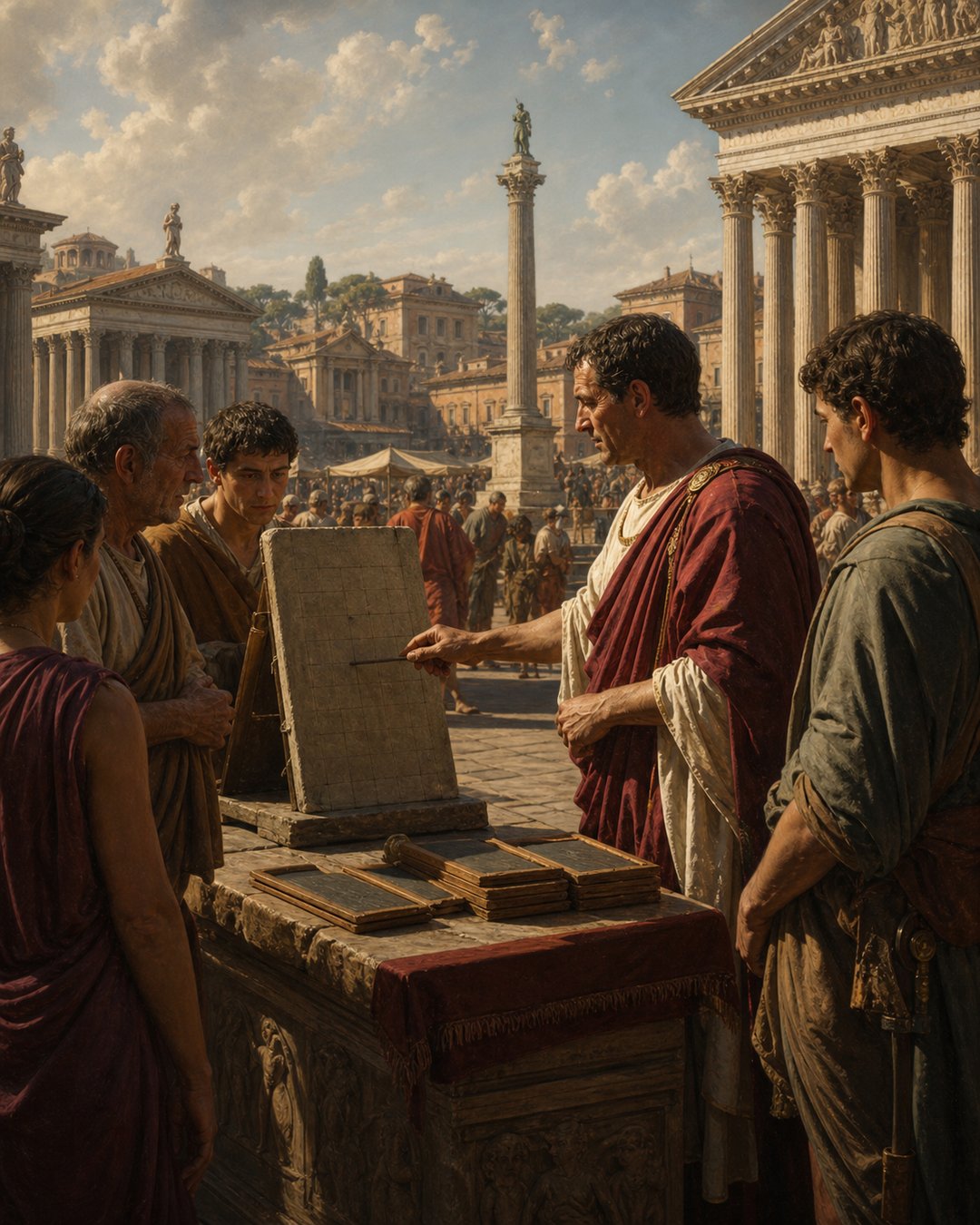
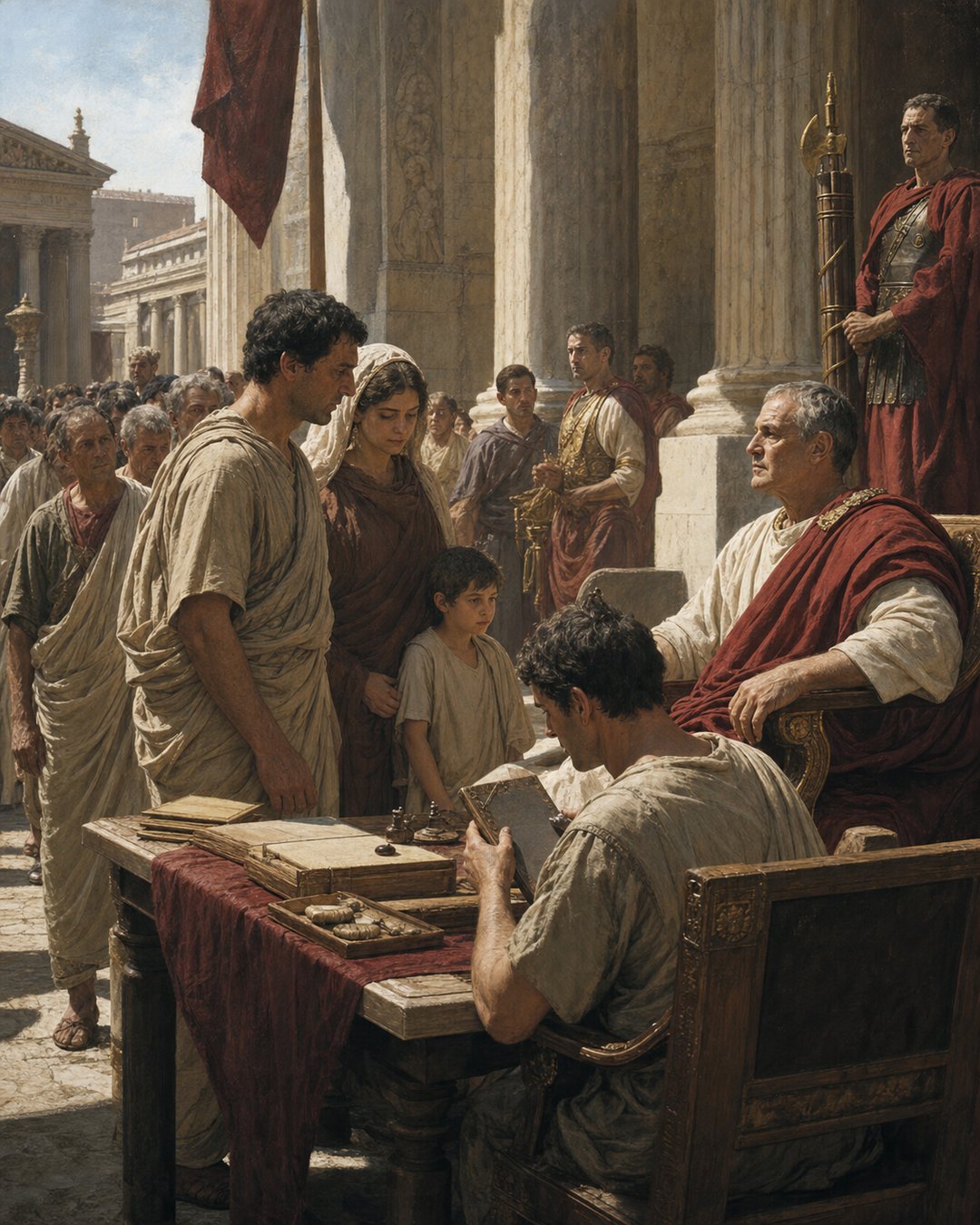
Time feels private until someone tells you when a court can sit, when a market will gather, and which day is fit for public business. Rome understood that power could live in the calendar as surely as in a command. Roman calendars made time a public authority because dates were not merely counted. They were … Read more
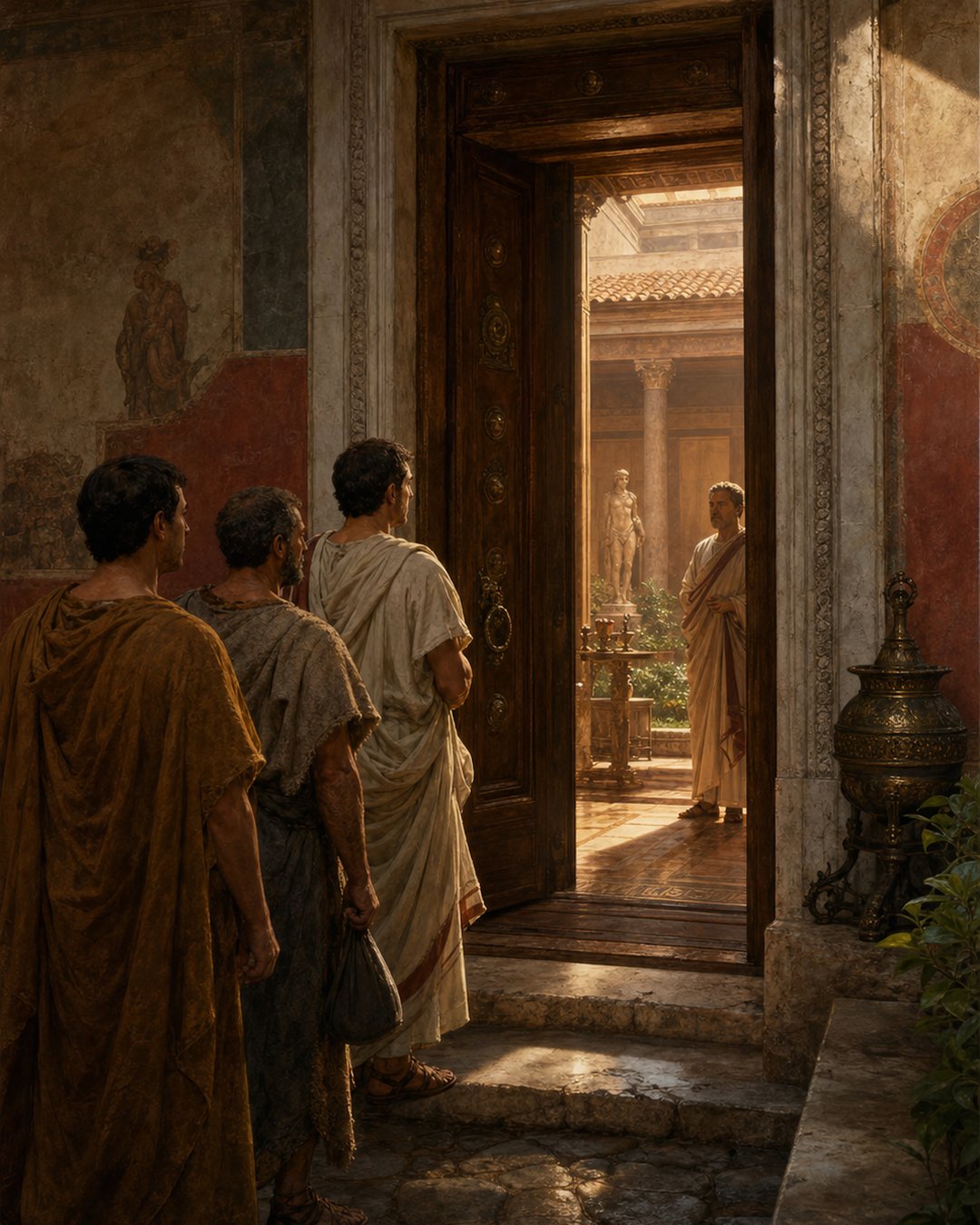
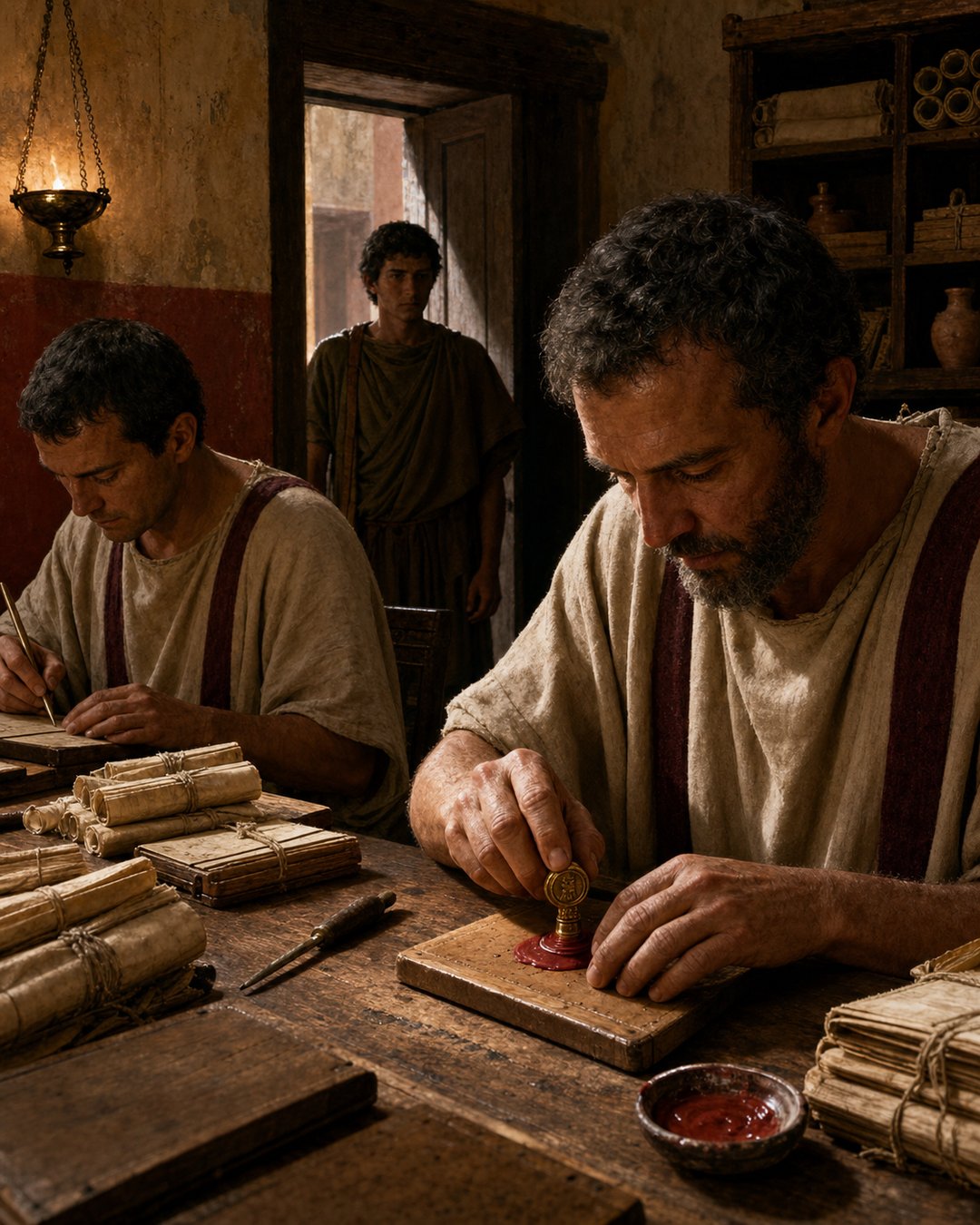
Why Roman Seals Made Documents Travel With Authority

Roman authority often had to travel farther than a voice could carry. Orders, accounts, receipts, private letters, and official instructions needed to move through hands, roads, rooms, and delays without losing their force. A seal mattered because it made a document a guarded object. Wax, cord, tablet, and mark told the receiver that someone had … Read more

Why Roman Wax Tablets Made Promises Harder to Deny

A Roman promise could be scratched into wax. That sounds fragile, but the object changed the argument. Once a name, sum, witness, obligation, or date had a surface, memory was no longer only a matter of who spoke most confidently. Wax tablets mattered because they made promises harder to deny. They did not make Rome … Read more

Why Lictors Made Roman Power Walk Through the Street

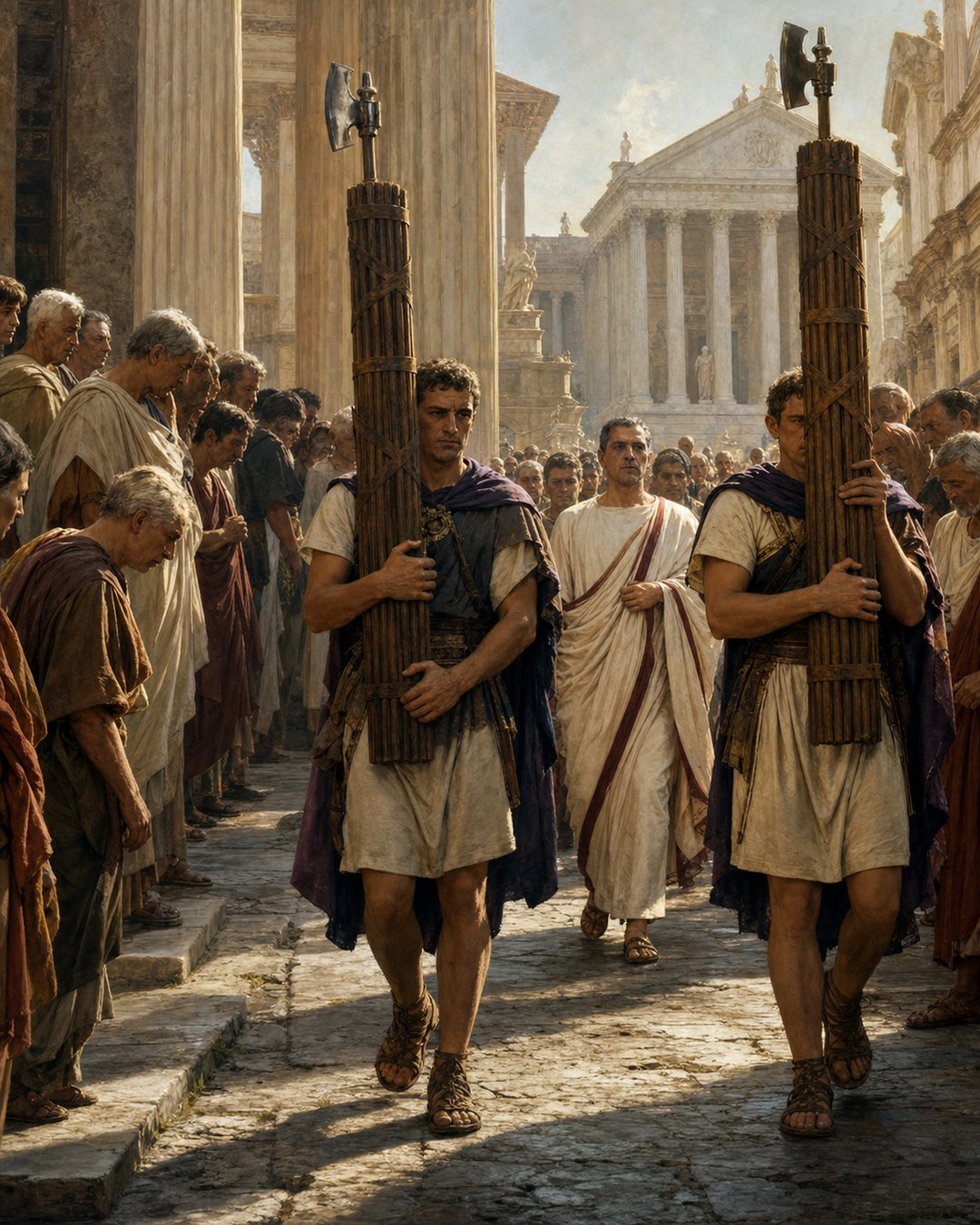
A Roman magistrate did not need to shout to announce authority. The street could see him coming. Lictors walked before him with the fasces, pushing a public message through the crowd: this person carried a kind of power ordinary citizens had to notice. That is why lictors matter. They made Roman authority mobile, visible, and … Read more

Why Diocletian’s Price Edict Made Anxiety Visible

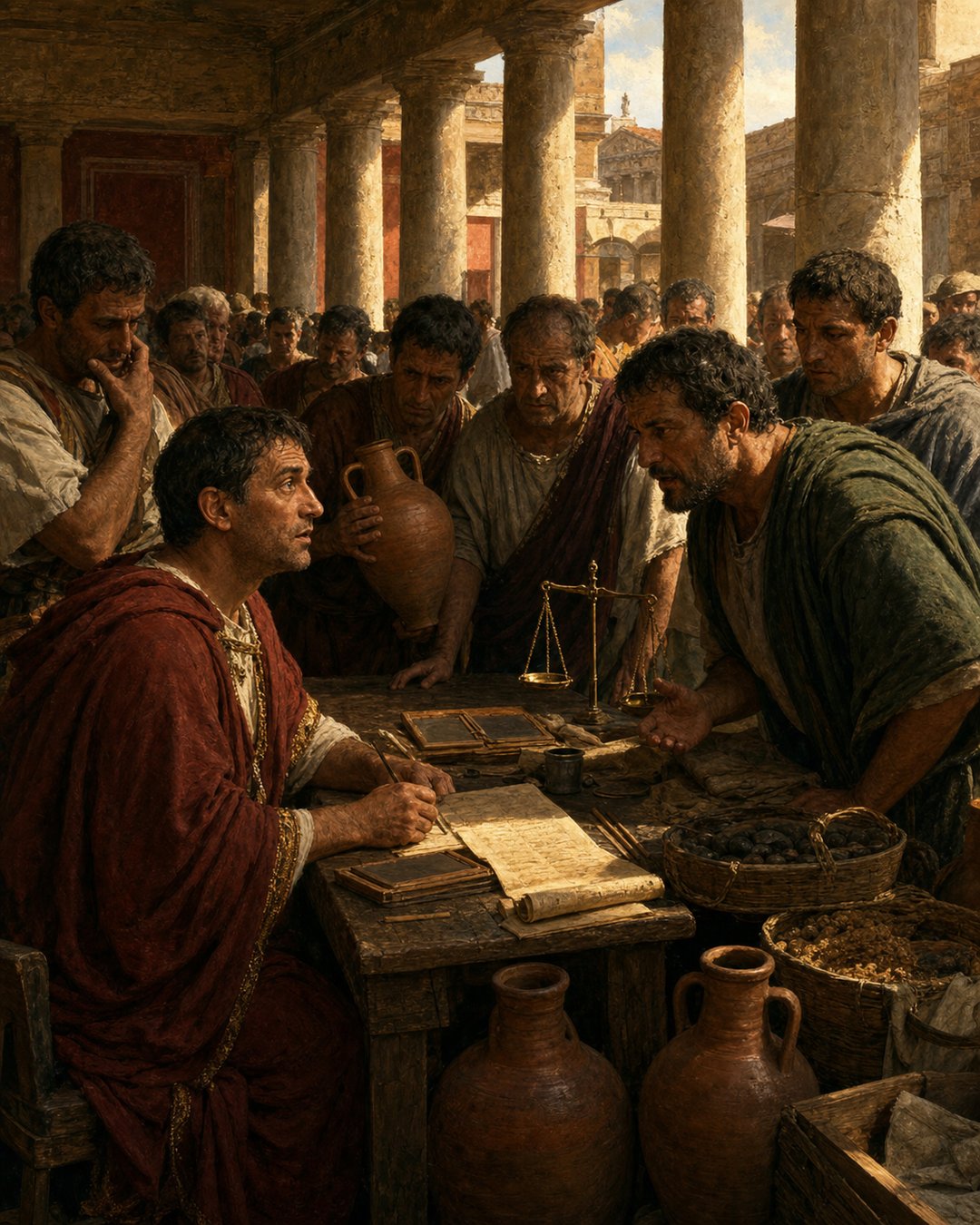
Diocletian’s price edict was not a calm spreadsheet from a confident empire. It was a public confession that ordinary exchange had become frightening. In AD 301, the state tried to name maximum prices for food, wages, transport, textiles, animals, and services, then backed those numbers with terrifying penalties. The edict matters because it made anxiety … Read more

Why Roman Couriers Made Imperial Orders Move

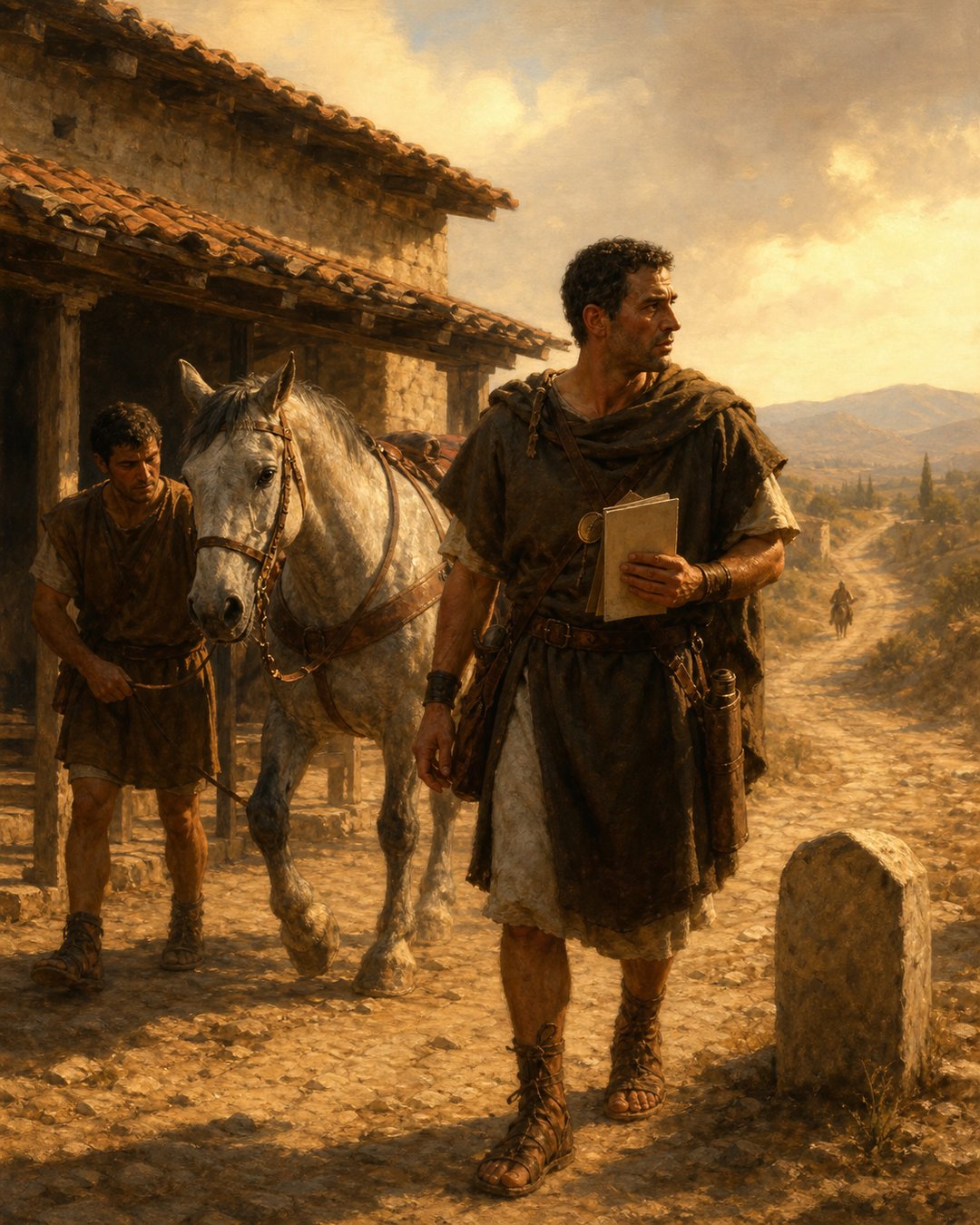
An imperial order still needed hooves. However grand the emperor looked on coins, his commands had to cross mud, mountains, rivers, bad weather, tired animals, and local suspicion before they became action in a province. The cursus publicus made that movement more dependable. Roman couriers mattered because they turned distance into an administrative routine. The … Read more

Why Trajan’s Column Made War Readable

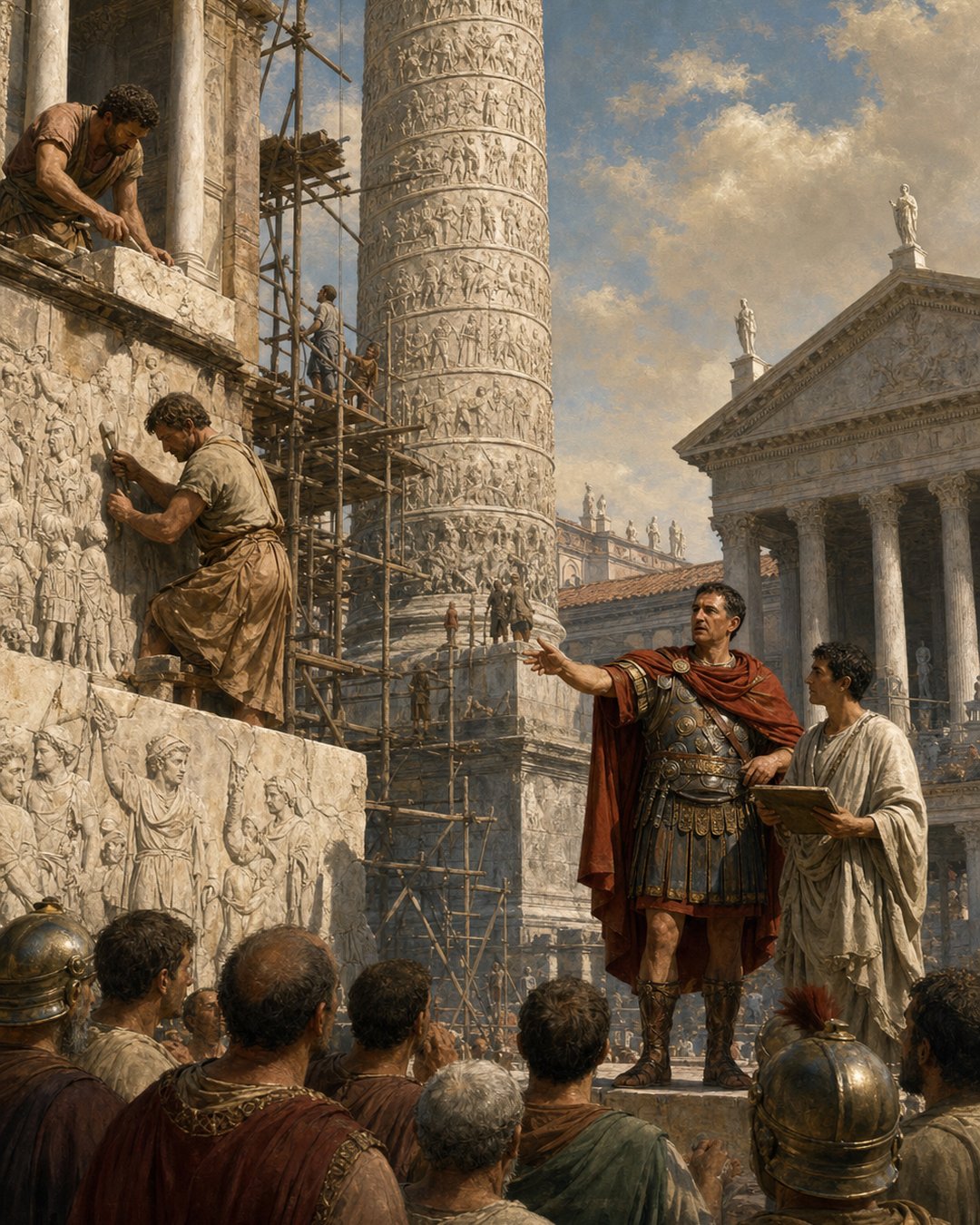
Trajan’s Column did something a battlefield could not do. It brought a distant war back to Rome and made it stand in public, carved in stone, visible to people who had never crossed the Danube or heard a Dacian horn. The monument did not simply announce that Trajan had won. It offered a way to … Read more

Why the Curia Made Roman Politics Visible

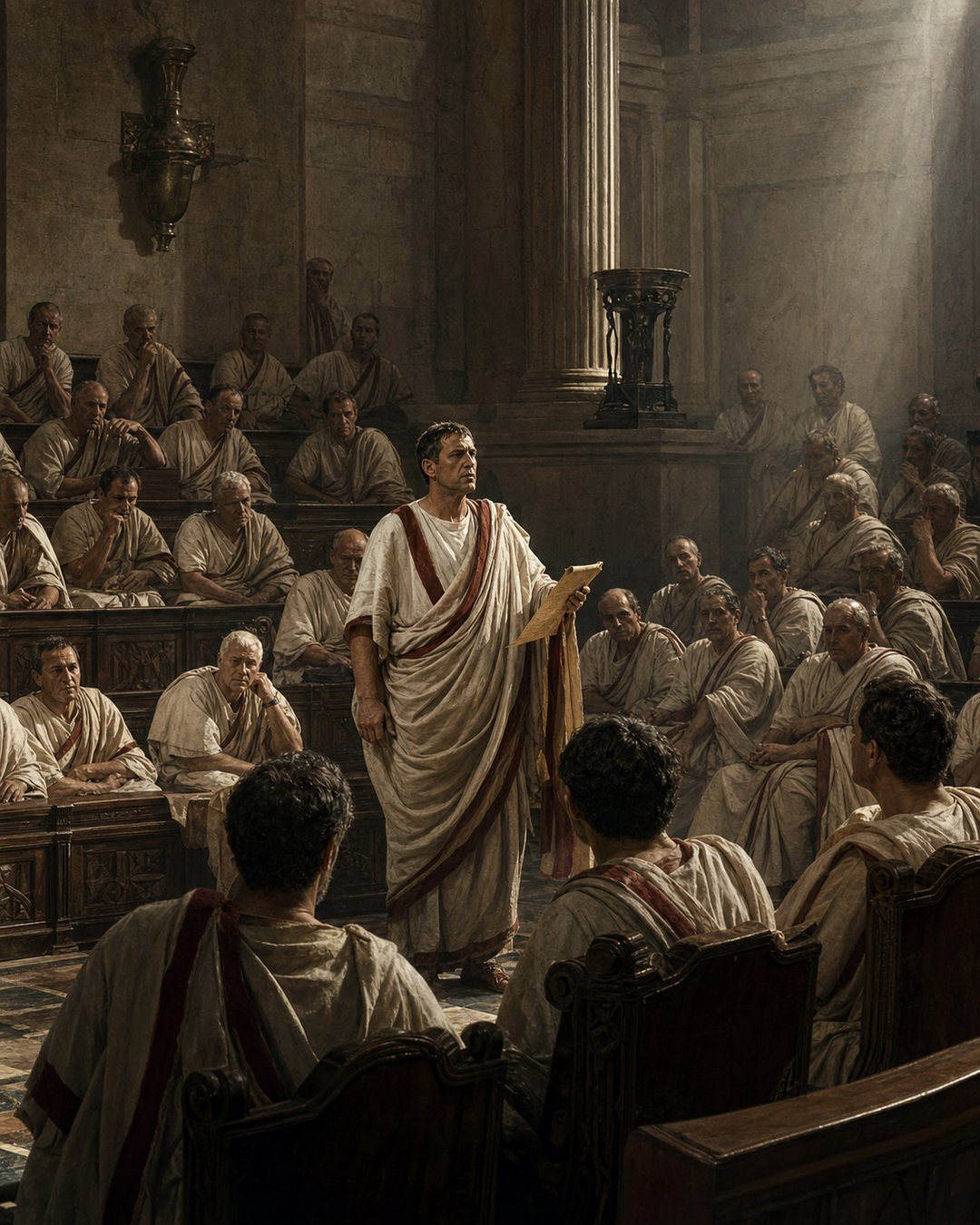
The Roman Senate was not only a constitutional idea. It was also a place people could point to. The Curia gave Roman politics doors, benches, walls, a threshold, and a public setting in the Forum. Before anyone voted, the building had already communicated something important: some men entered, others waited outside, and the city could … Read more

Roman Coins Turned Emperors into Pocket-Sized News

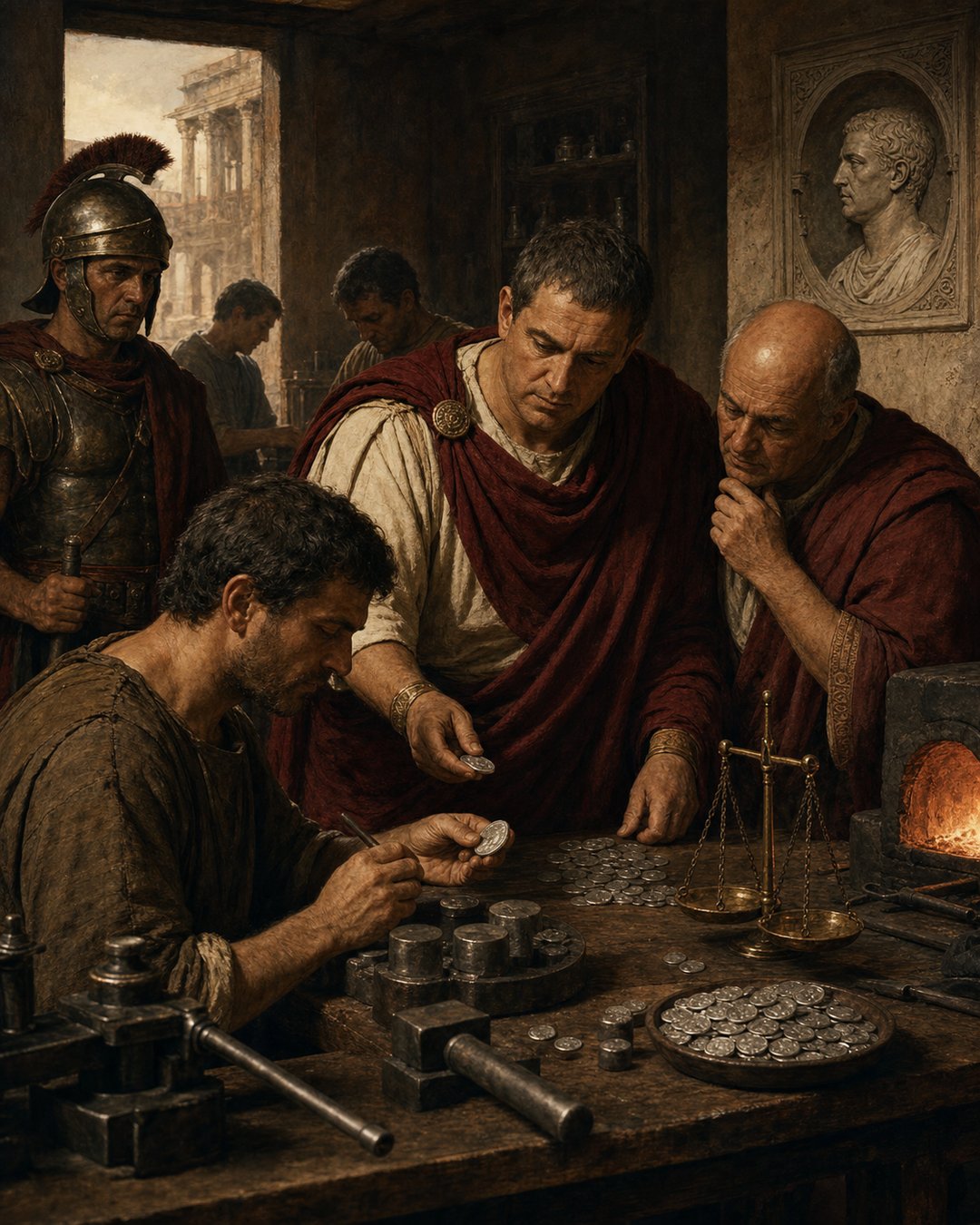
A Roman coin was easy to underestimate. It could disappear inside a purse, lie under a market table, or pass from a soldier to a wine seller without ceremony. Yet that small object carried one of the empire’s most persistent political messages. A face, a title, a victory, a deity, or a promise could travel … Read more