When Adoption Brought an Adult Heir into a Roman Family

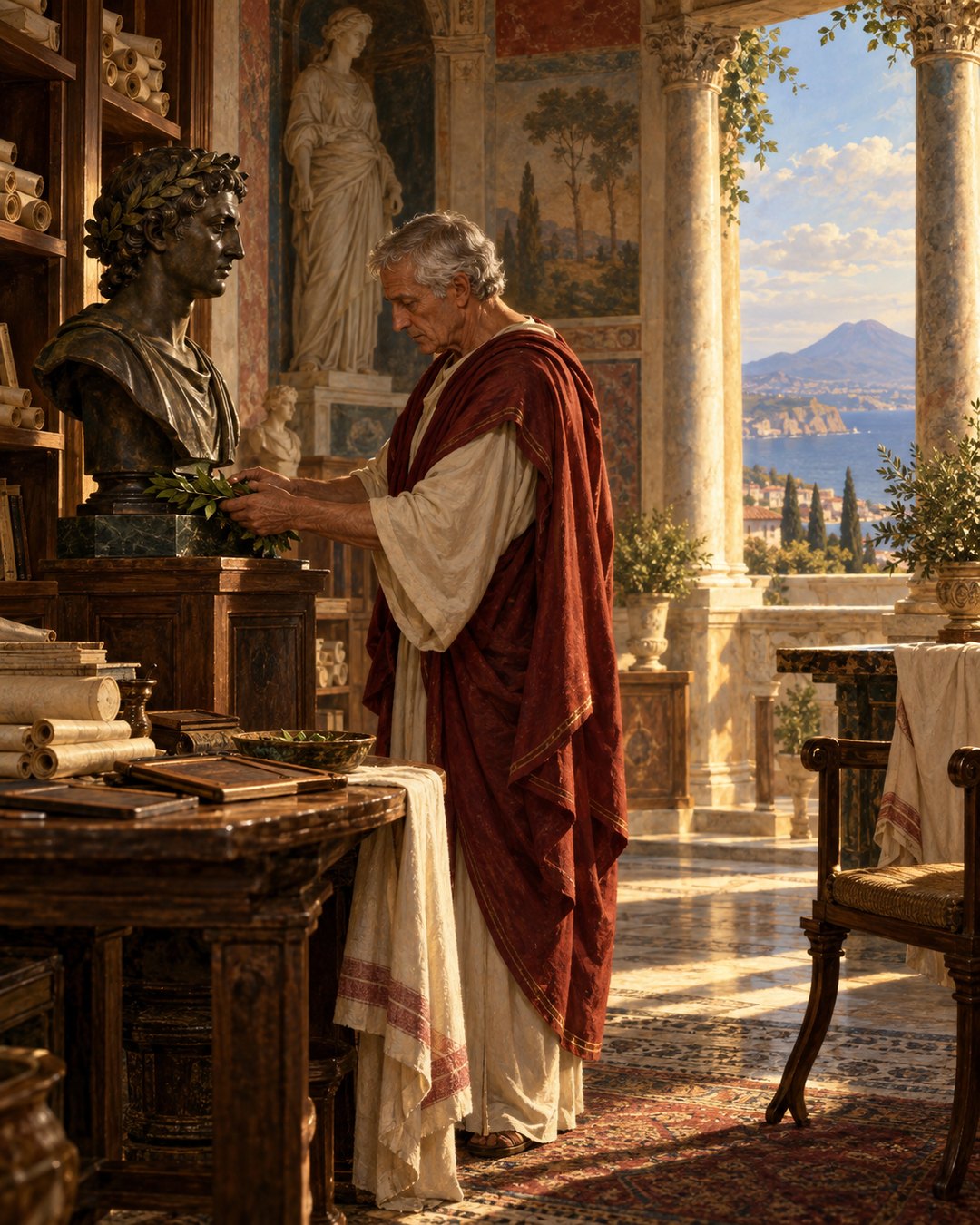
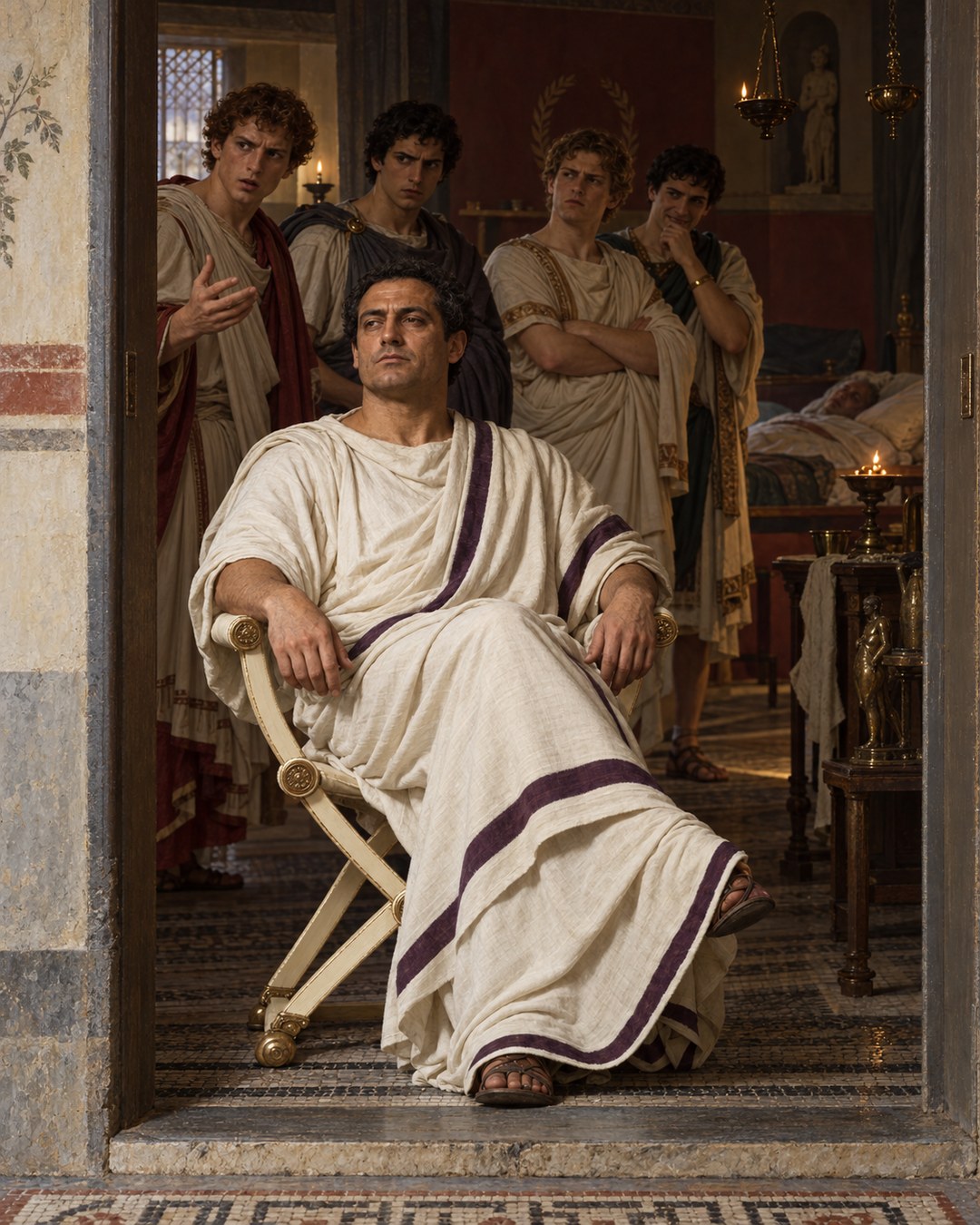
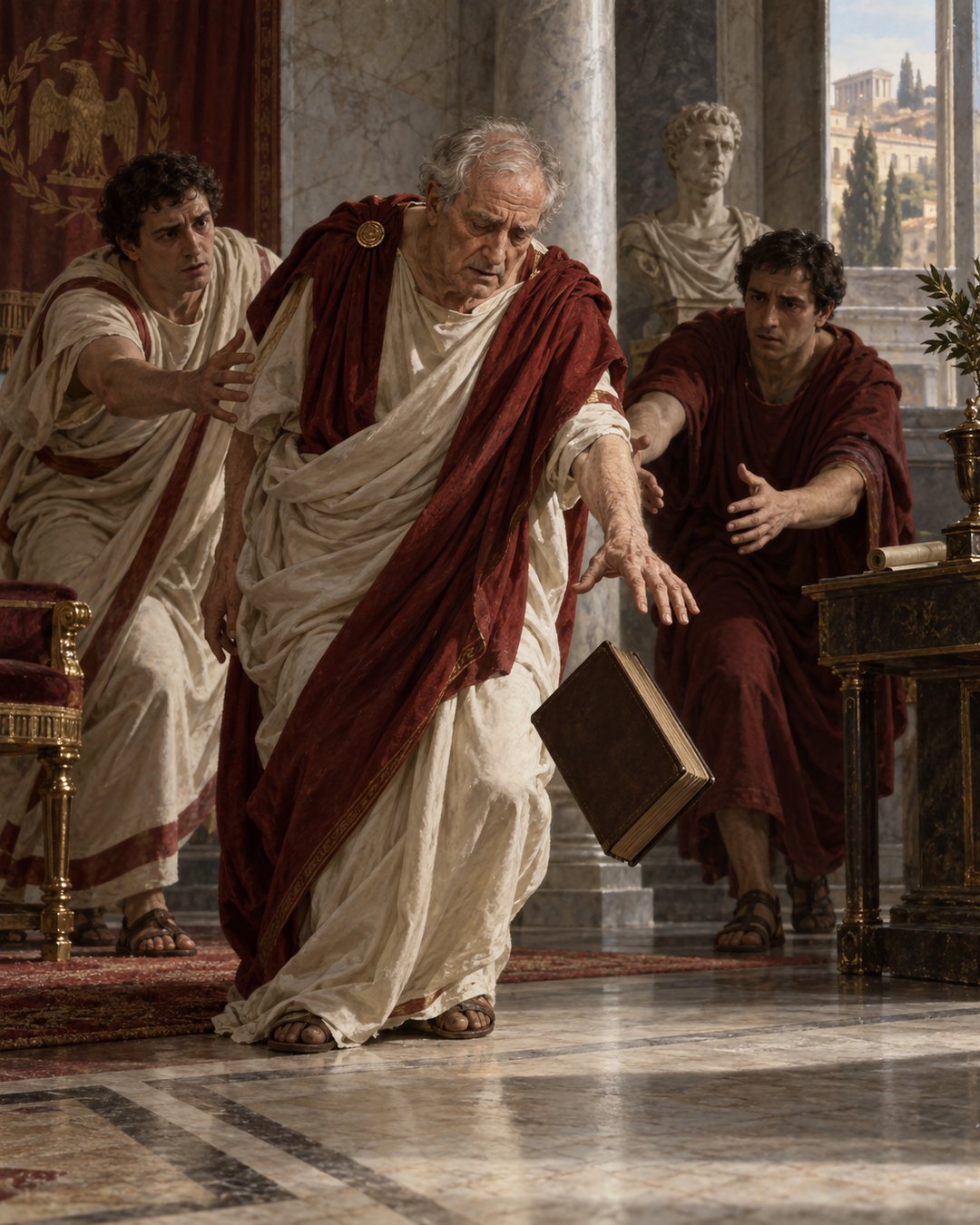
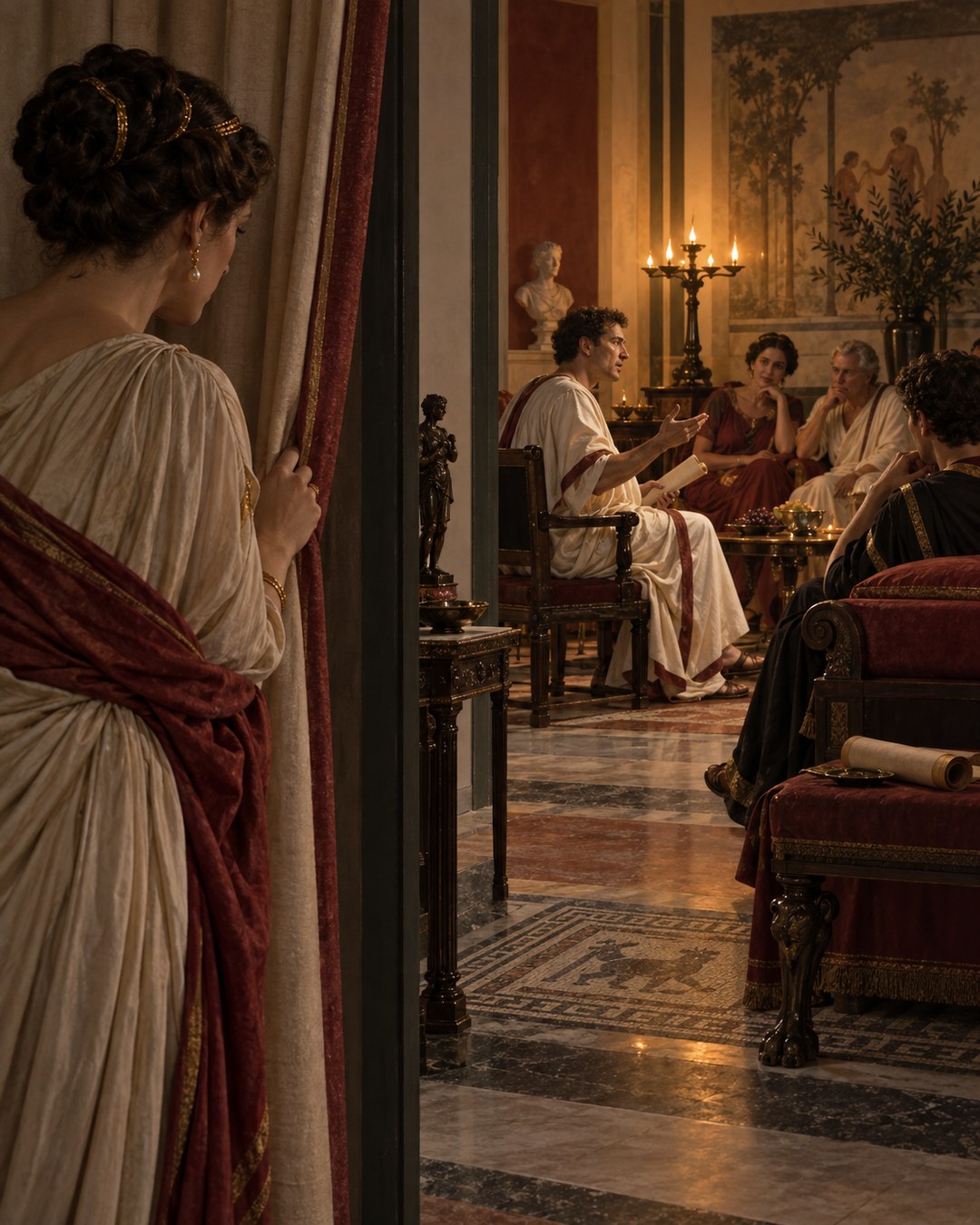
When modern readers hear “adoption,” they often picture a child joining a household that will raise them. A Roman legal observer could picture something quite different: an adult man with an established name crossing from one family line into another so that property, ritual obligations, and succession would not end. The emotional life of the … Read more

Roman Fishponds Made Fresh Fish into Living Wealth

At a Roman coastal villa, dinner could begin with a gate in a stone channel. Seawater moved through a constructed basin while mullet and other prized fish circled in clear compartments. A pond keeper watched the level, feed and flow until the owner ordered one living animal selected for the table. This was freshness made … Read more

Roman Bankers Made Trust Visible at a Table

A Roman banker could make confidence visible with ordinary objects. Coins landed on wood. A small balance tipped. A stylus opened a pale line in wax. Sealed purses, witnesses, account names, and the banker’s location gave a transaction a shape that memory alone could not provide. The argentarius did not make risk disappear. He made … Read more

A Toga Was Rome’s Public Dress Code

The toga looks effortless in marble because marble cannot complain. On a living body it was a large wool garment that had to be placed, folded, balanced, and carried with care. It restricted the easy movements of work, left its wearer conscious of every shift in the cloth, and made neglect visible to everyone nearby. … Read more

How Roman Archives Made State Memory Public

A spoken order can sound powerful in the forum and still fade before the dust settles. Rome’s solution was not only louder speech. It was record, storage, display, and the repeated habit of making authority leave a material trace. Roman archives made state memory public because they turned political acts into objects that could be … Read more

Why Roman Praetors Put Justice on Public Boards

Justice can feel invisible until someone gives it a place to stand. In Rome, legal authority did not exist only inside minds or private consultations. It appeared in magistrates, attendants, tribunals, boards, notices, advocates, and citizens waiting to see how disputes would be framed. Roman praetors put justice on public boards because law needed visible … Read more

Why Roman Censors Made Reputation Countable

Reputation feels airy until an official writes it down. In Roman civic life, honor, property, household standing, rank, and disgrace could meet at a table where names were reviewed and social position became part of public record. Roman censors made reputation countable because they joined moral judgment to enrollment. A citizen did not only live … Read more

How Roman Voting Bridges Made Elections Visible

A Roman election could look like a crowd before it looked like a result. Men gathered, waited, pressed forward, argued, recognized neighbors, and watched officials impose order on bodies that did not naturally move in neat units. The vote had to become something more precise than noise. Roman voting bridges made elections visible because they … Read more

How Roman Public Notices Made News Official

News becomes powerful when people know where to find it and who else has seen it. In Rome, information did not have to wait for a modern newspaper to become public. It could be posted, announced, copied, discussed, and tied to the places where civic life already gathered. Roman public notices made news official because … Read more