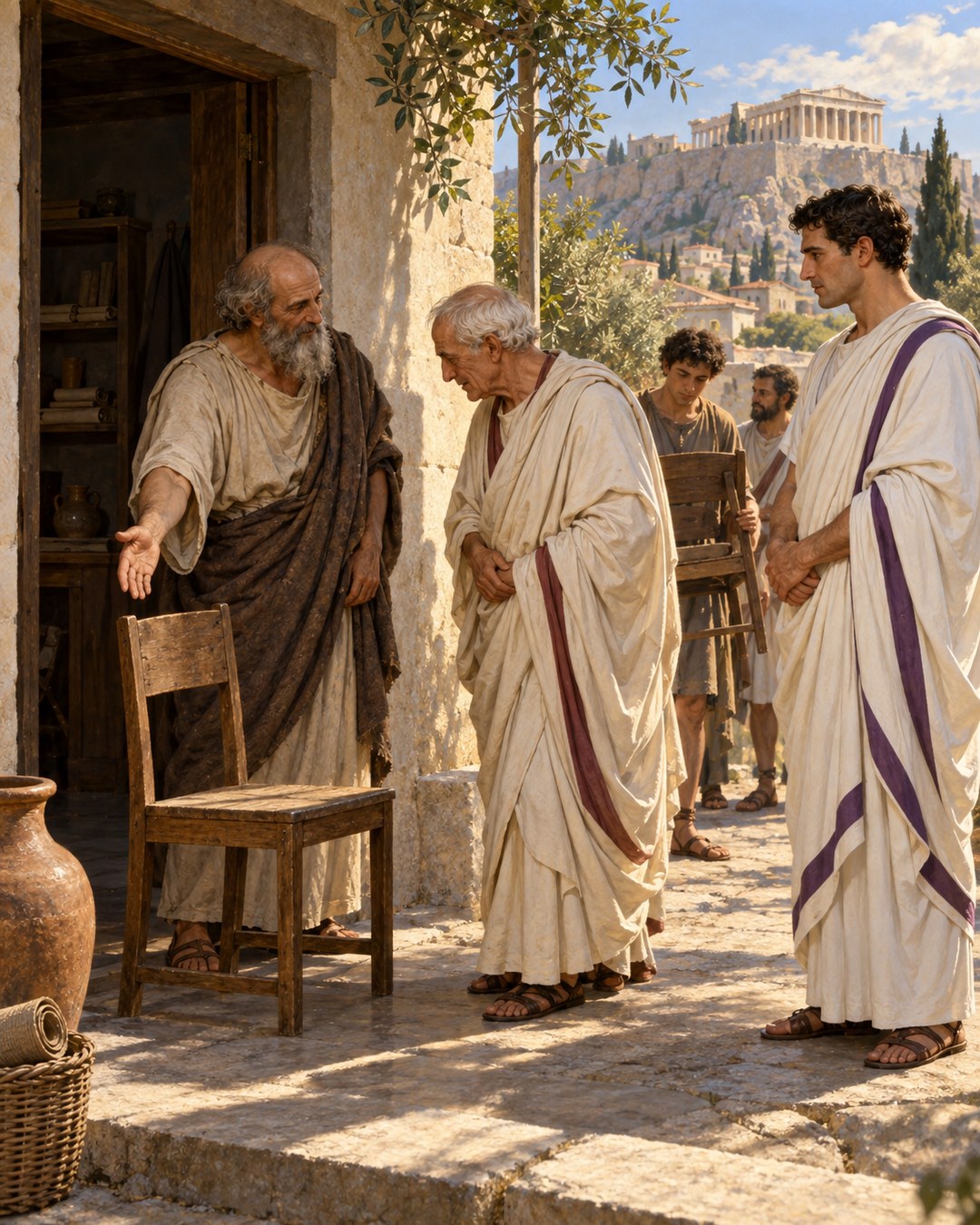
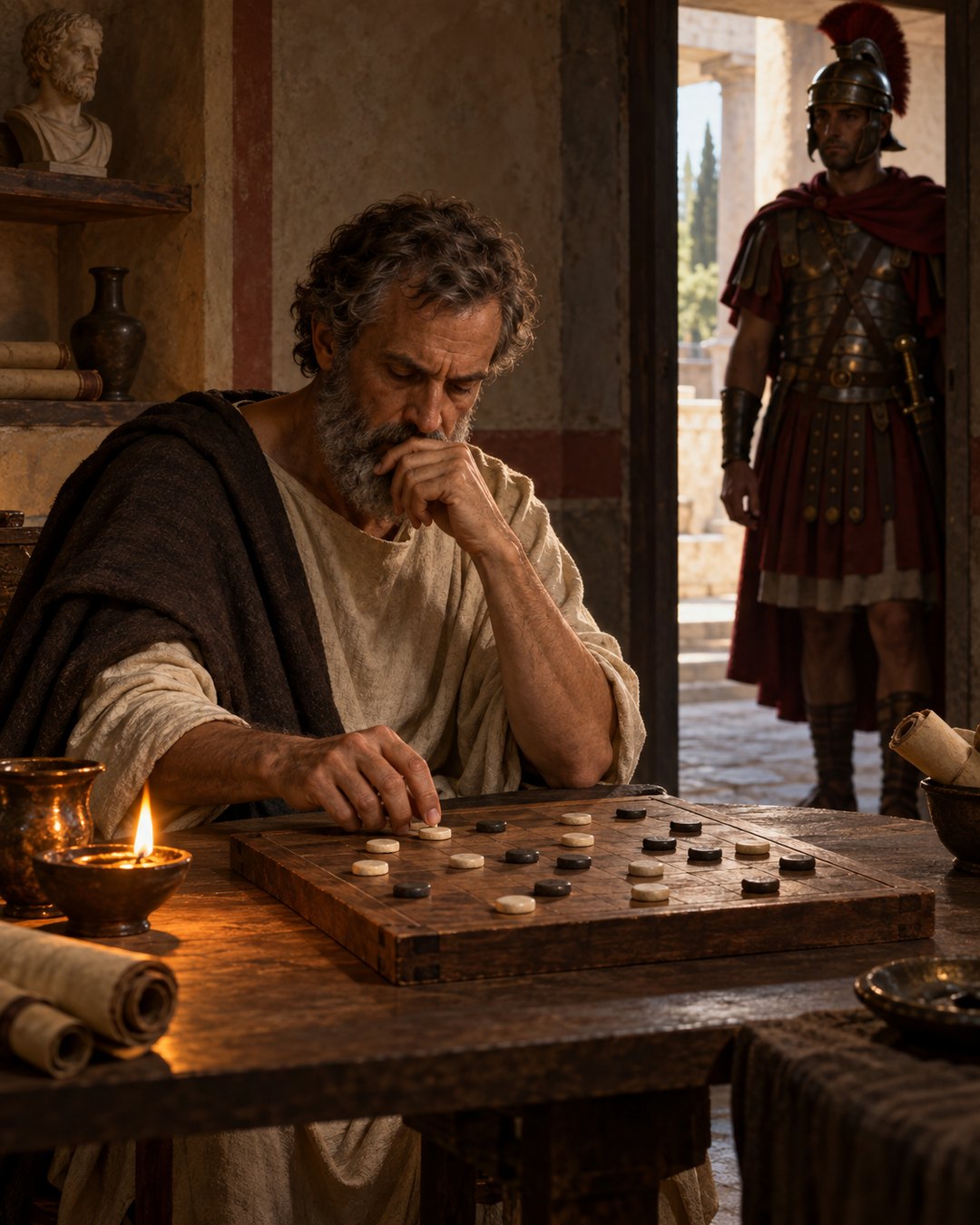
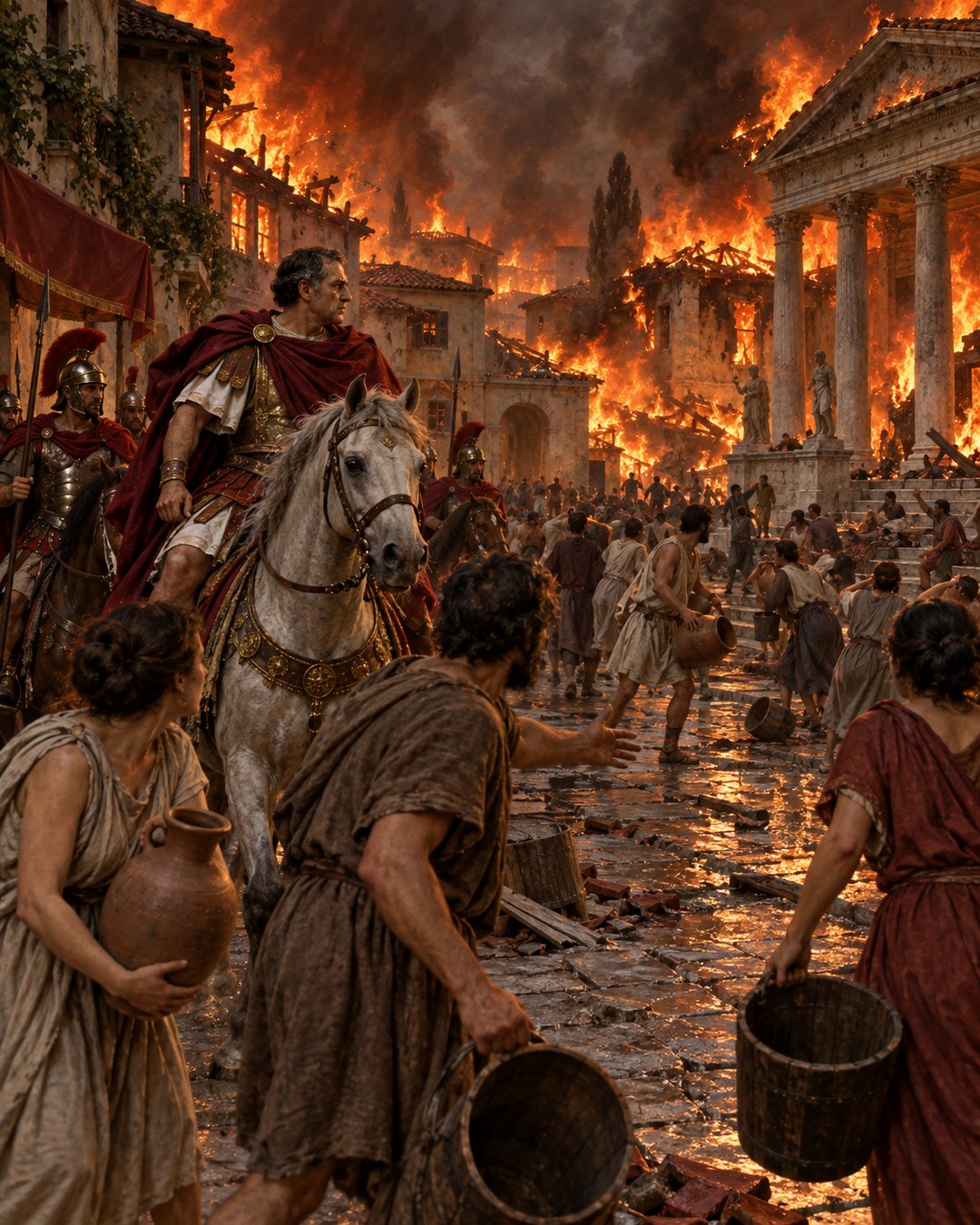
A Husband Carved the Story of the Wife Who Saved Him

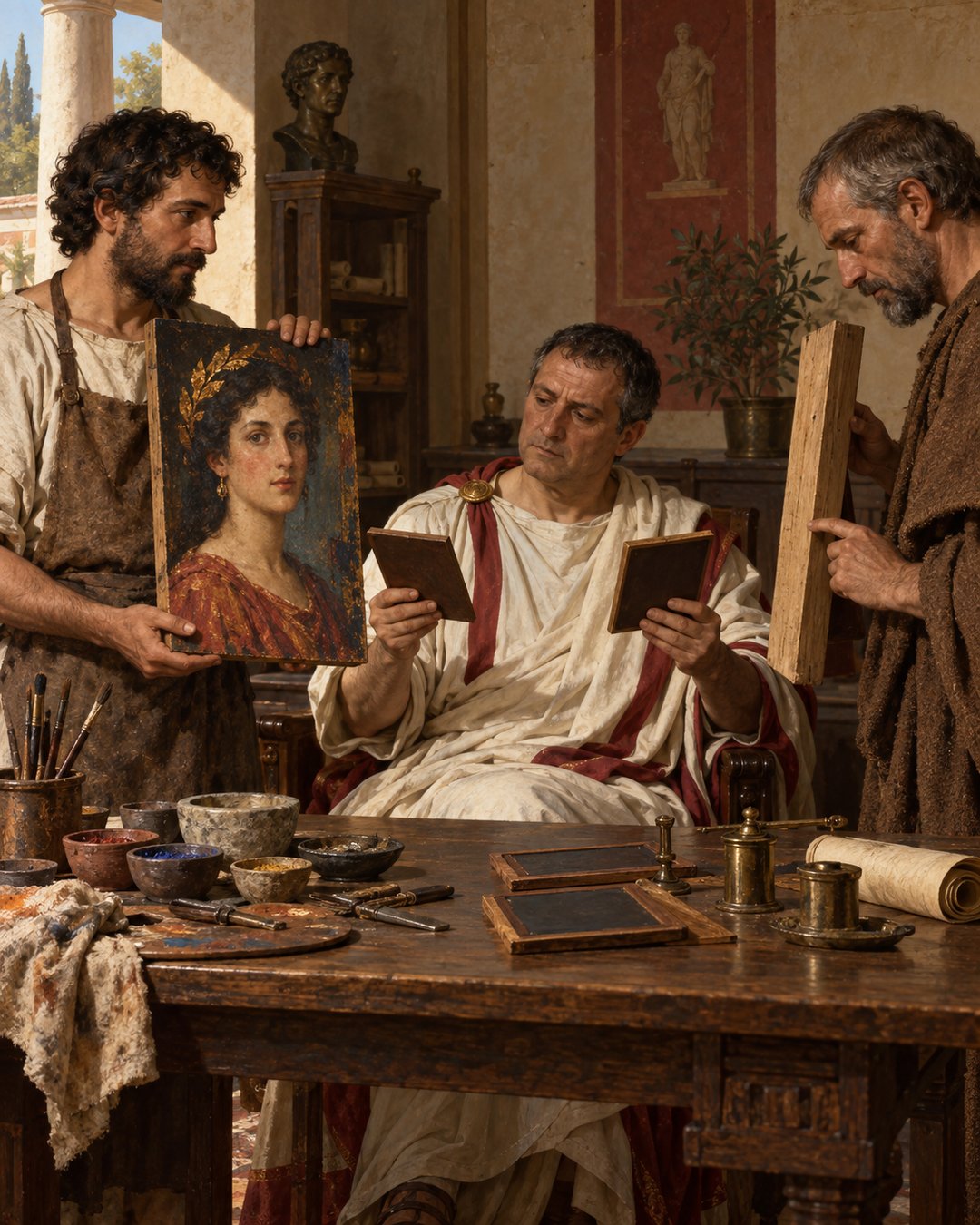
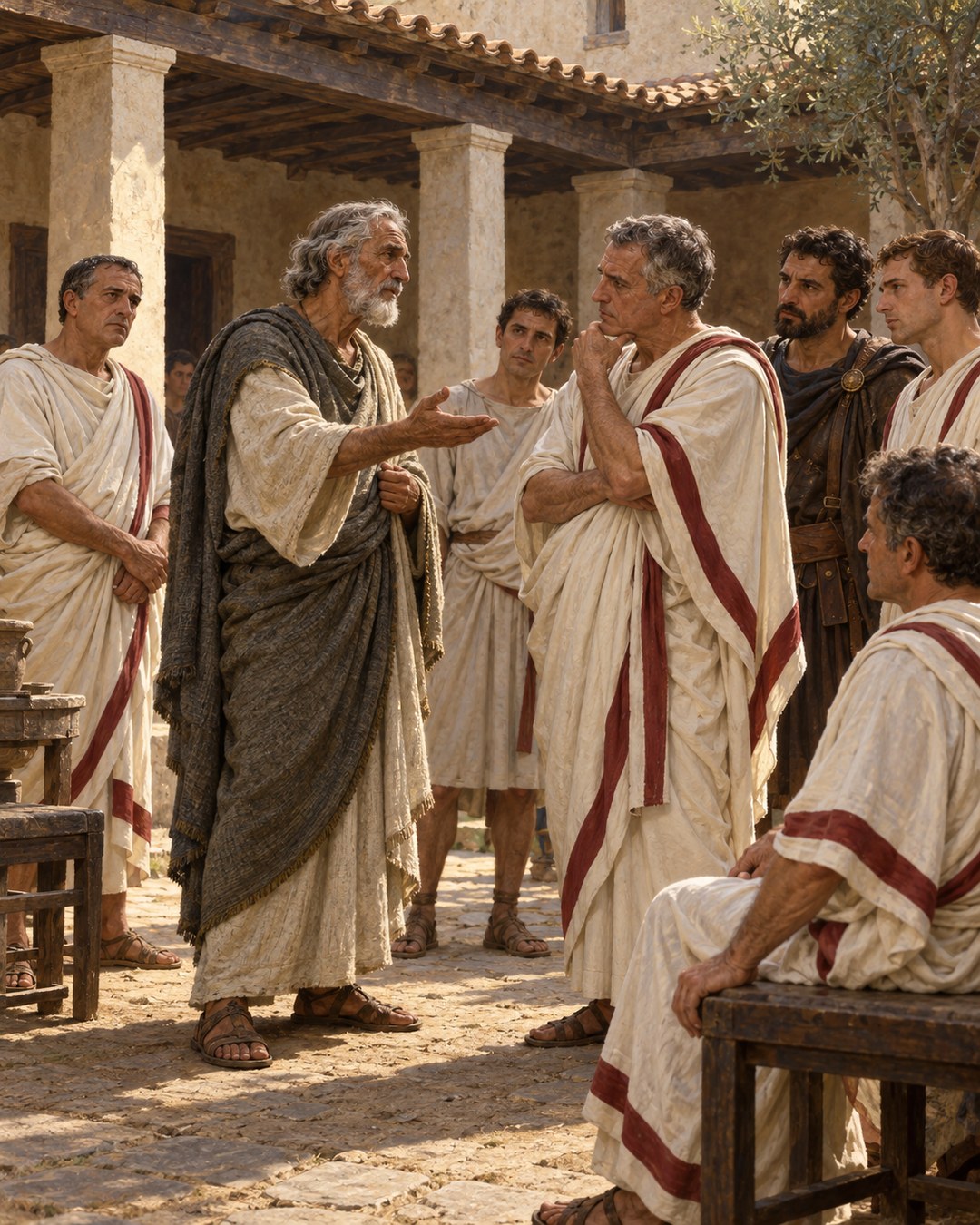
Around the end of the first century BC, a Roman widower had an extraordinary account of his marriage cut into stone. The surviving slabs do not preserve his name or his wife’s with certainty. What they preserve is a sequence of emergencies: murdered parents, a contested will, civil war, guards, hiding places, a violent petition … Read more

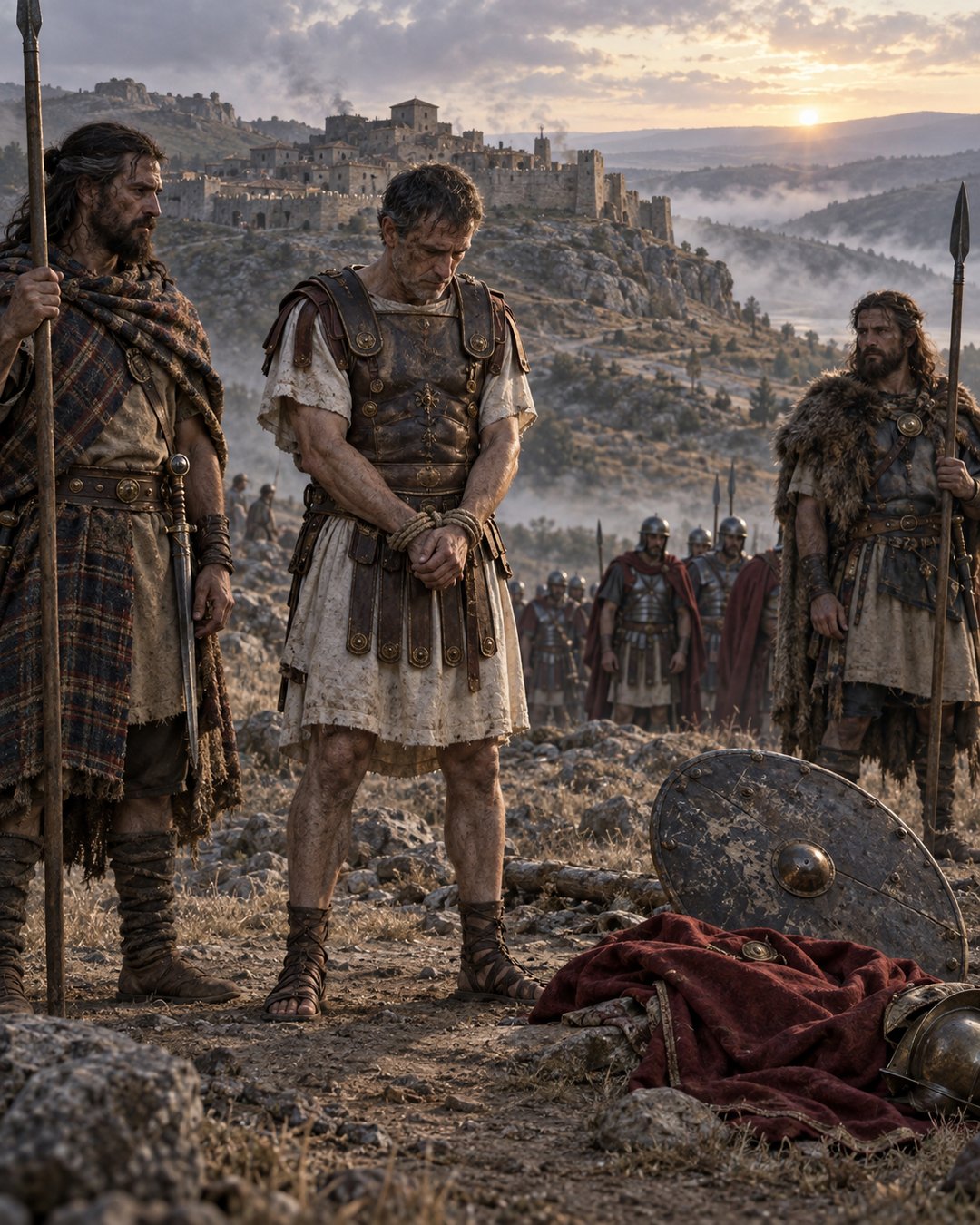
Agrippina Carried Germanicus’s Ashes Through a Silent Italy

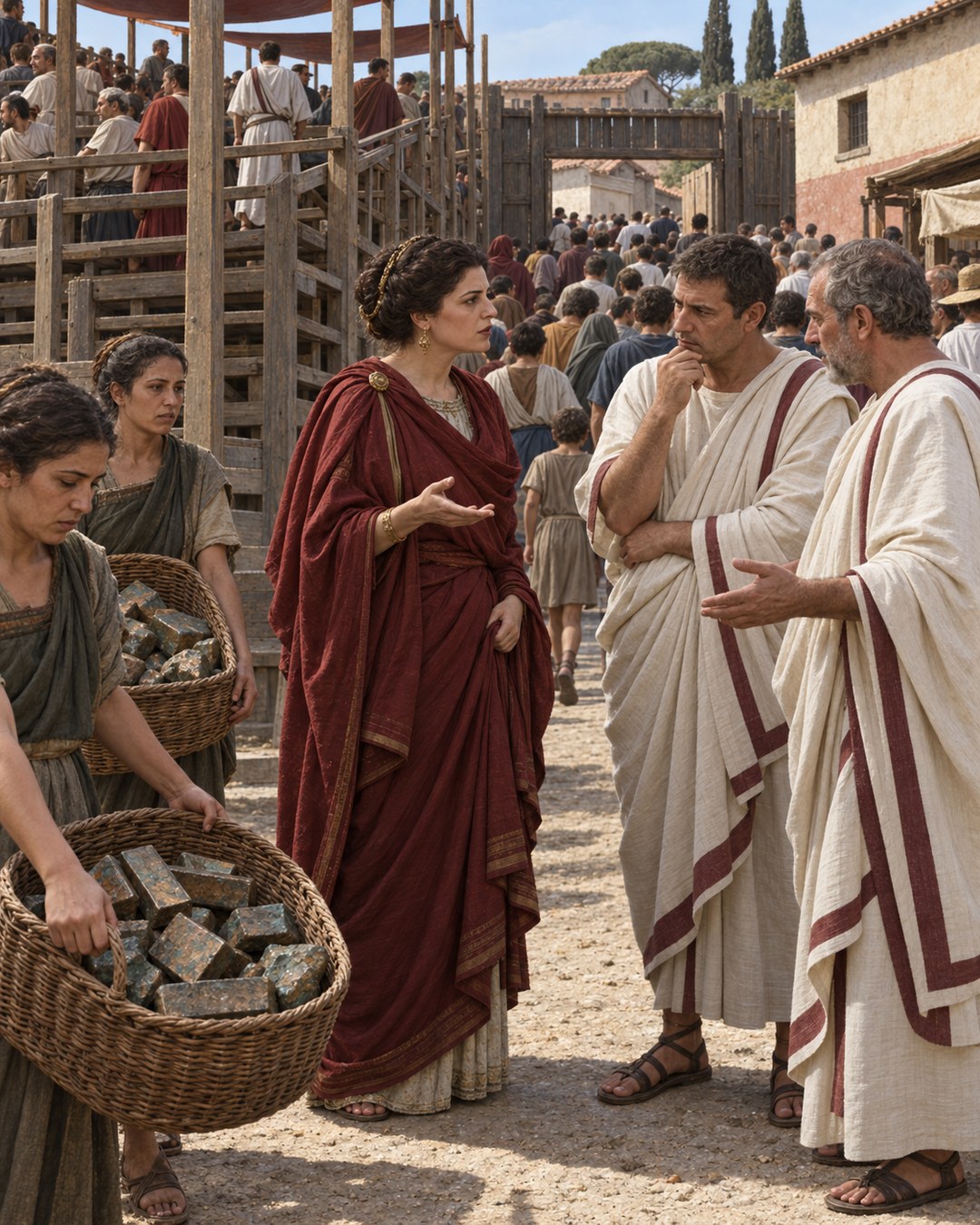
Agrippina stepped from the ship at Brundisium holding an urn. Germanicus had left Italy as the empire’s most admired young commander. He returned as ashes carried by his widow, with their children following behind. Tacitus makes the harbor almost motionless before the crowd’s grief breaks through. The landing came in AD 20, after Germanicus died … Read more

Six Bronze Tablets Made a Town Govern Itself

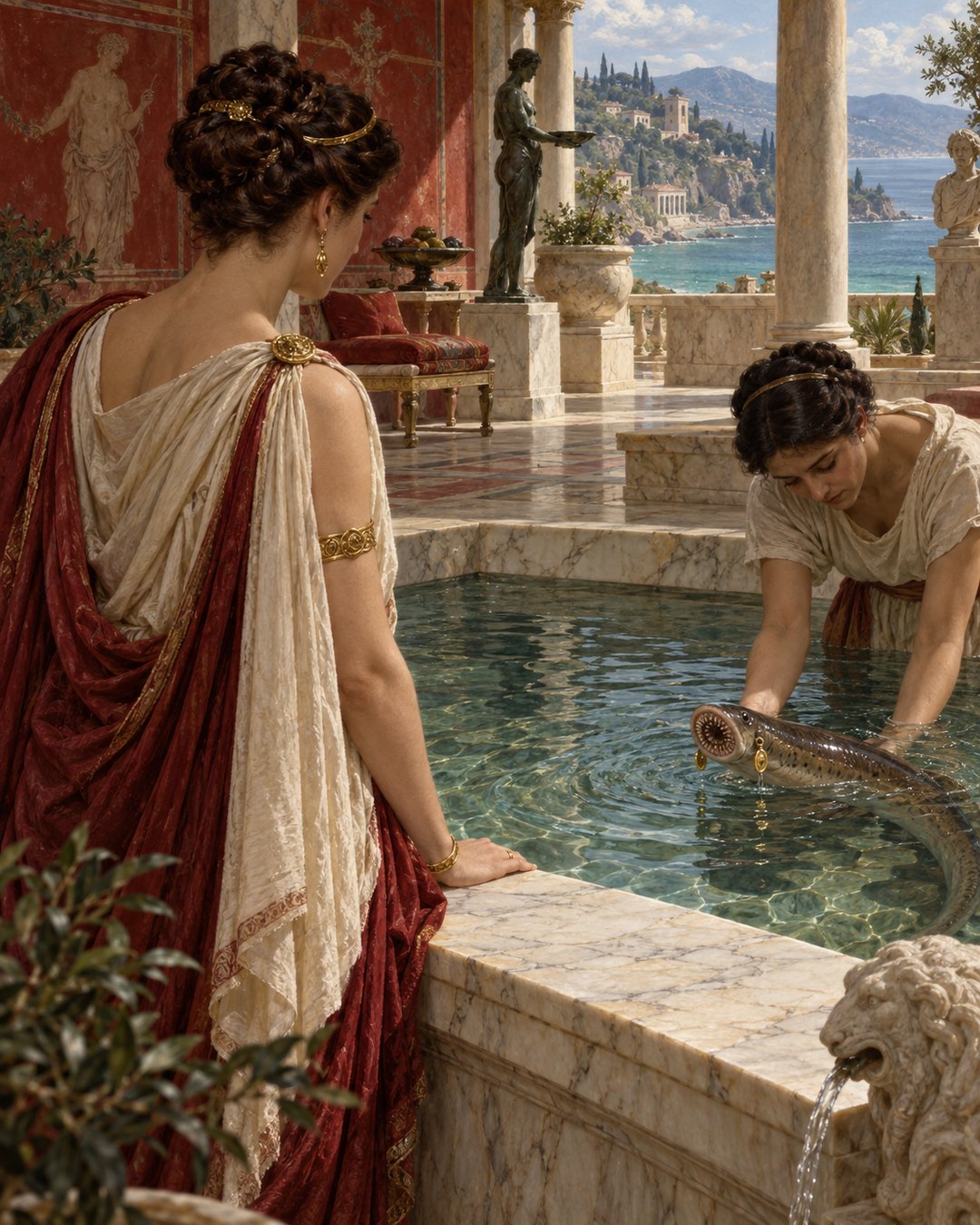
In 1981, six bronze plates recovered in southern Spain opened a town hall that had been silent for nearly nineteen centuries. They belonged to the Municipium Flavium Irnitanum, a community in the modern province of Seville that was scarcely known before its municipal charter appeared. The metal did not preserve a heroic speech. It preserved … Read more

Dead Consuls Returned to the Forum in Wax

An elite Roman funeral could bring more than one dead man into the Forum. Polybius describes actors wearing wax likenesses of a family’s ancestors, dressed according to the offices those men had held. Former consuls, censors and triumphators appeared to return in procession, then sat on ivory chairs while the newest death was explained to … Read more

Verres Left Rome Before Cicero Finished the Case

When Gaius Verres entered court in 70 BCE, he expected a long contest. Delay favoured him. Elections and public games could interrupt proceedings, a friend might soon hold the consulship, and the case could be pushed into a political climate kinder to a former governor with money and connections. Marcus Tullius Cicero answered by refusing … Read more

Cicero Spoke While Catiline Sat Alone

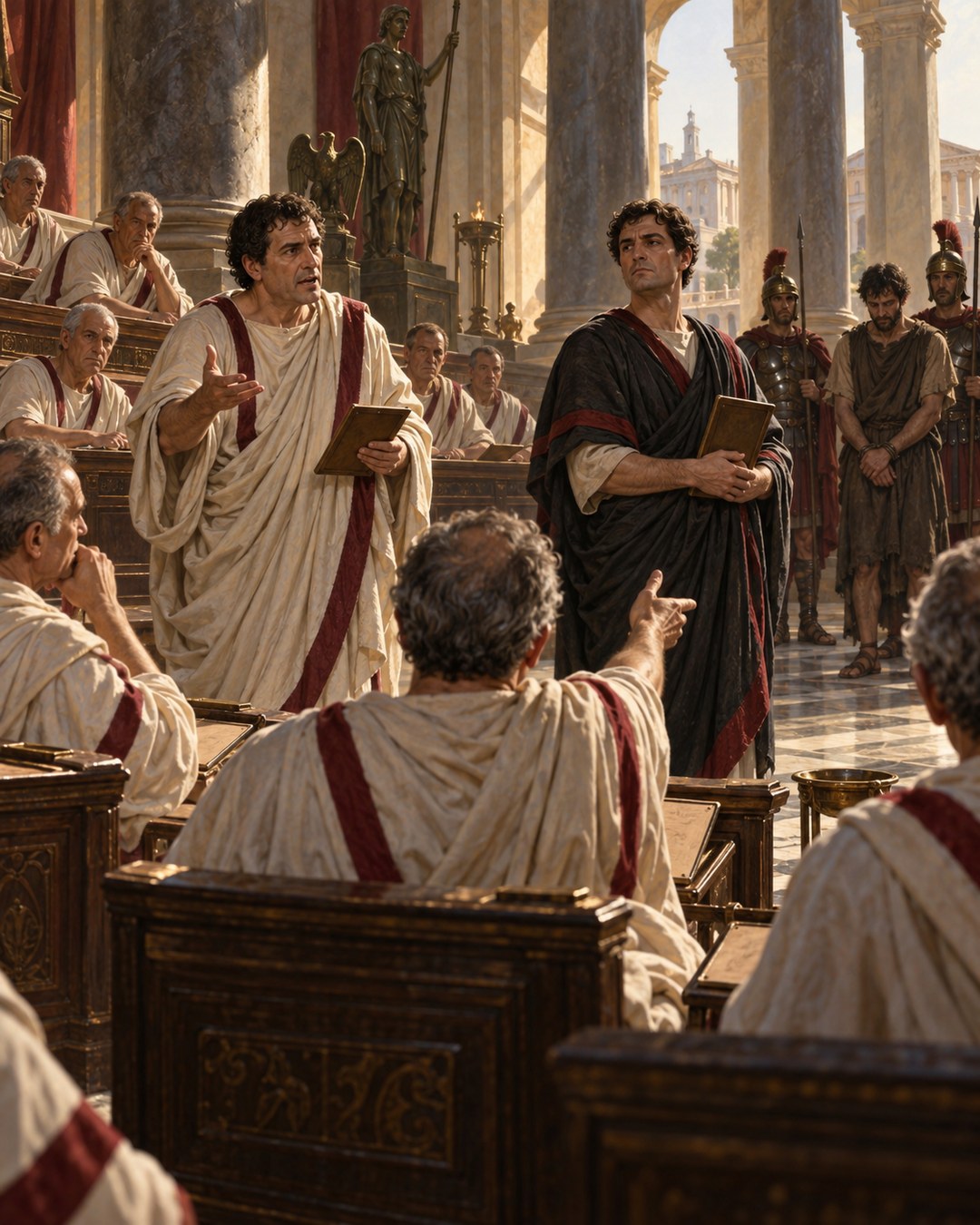
On 8 November 63 BCE, Lucius Sergius Catilina walked into a meeting of the Roman Senate and found isolation waiting for him. Senators who might normally have greeted a former praetor moved away. The bench around him was left conspicuously empty. Across the chamber stood the consul Marcus Tullius Cicero, prepared to turn intelligence about … Read more

One Vote Gave Pompey the Whole Mediterranean

In 67 BCE, Romans confronted piracy as a problem that reached from a captured ship to the price of bread. Raiding had disrupted routes, embarrassed magistrates and made the Mediterranean look less like Rome’s road than an open field of danger. The proposed answer was extraordinary: give Gnaeus Pompeius Magnus command over the entire sea … Read more

What a Flat Chisel Did That a Point Could Not

A hammer blow seems too blunt to produce a clean letter. Roman stone carvers solved that mismatch by placing a narrow piece of sharpened iron between hand and marble. The hammer supplied energy, but the flat chisel decided where that energy entered, how wide the removal became and whether the next mark joined the last … Read more

One Hammer Blow, Thousands of Imperial Coins

A Roman coin began as an awkward little piece of metal. It might have the right alloy and roughly the right weight, but it had no face, legend or claim to authority. In the mint, a worker placed that blank on an engraved die, positioned a second die above it and trusted a hammer blow … Read more