Augustus Smashed Every Goblet to Save One Cup-Bearer
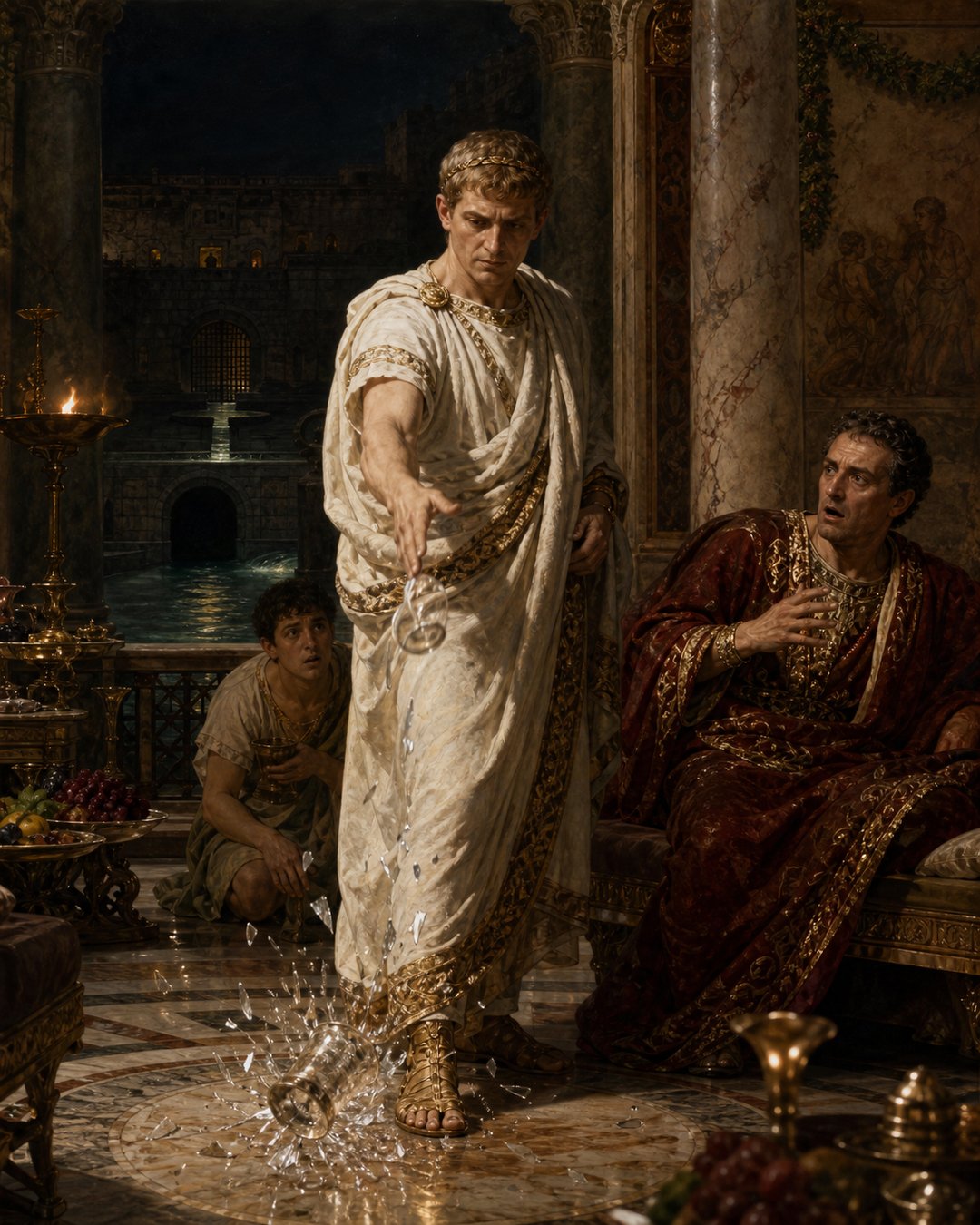
A cup-bearer broke a crystal goblet during a banquet given by Vedius Pollio. The wealthy host ordered the enslaved man thrown to the huge lampreys he kept in reservoirs. Emperor Augustus was dining there. Augustus first asked Vedius not to carry out the punishment. Vedius refused. The emperor then requested every similar or valuable drinking … Read more

Cato Told Buyers to Visit a Farm More Than Once

Cato the Elder begins his farming handbook by slowing the buyer down. Do not be over-eager to purchase, he warns, and do not consider one inspection enough. A good farm should become more convincing with each visit. The neighbors’ properties, the direction of the slope, water, workers, roads, town and equipment all had to support … Read more

A Reader Followed Pliny Through Bath and Dinner

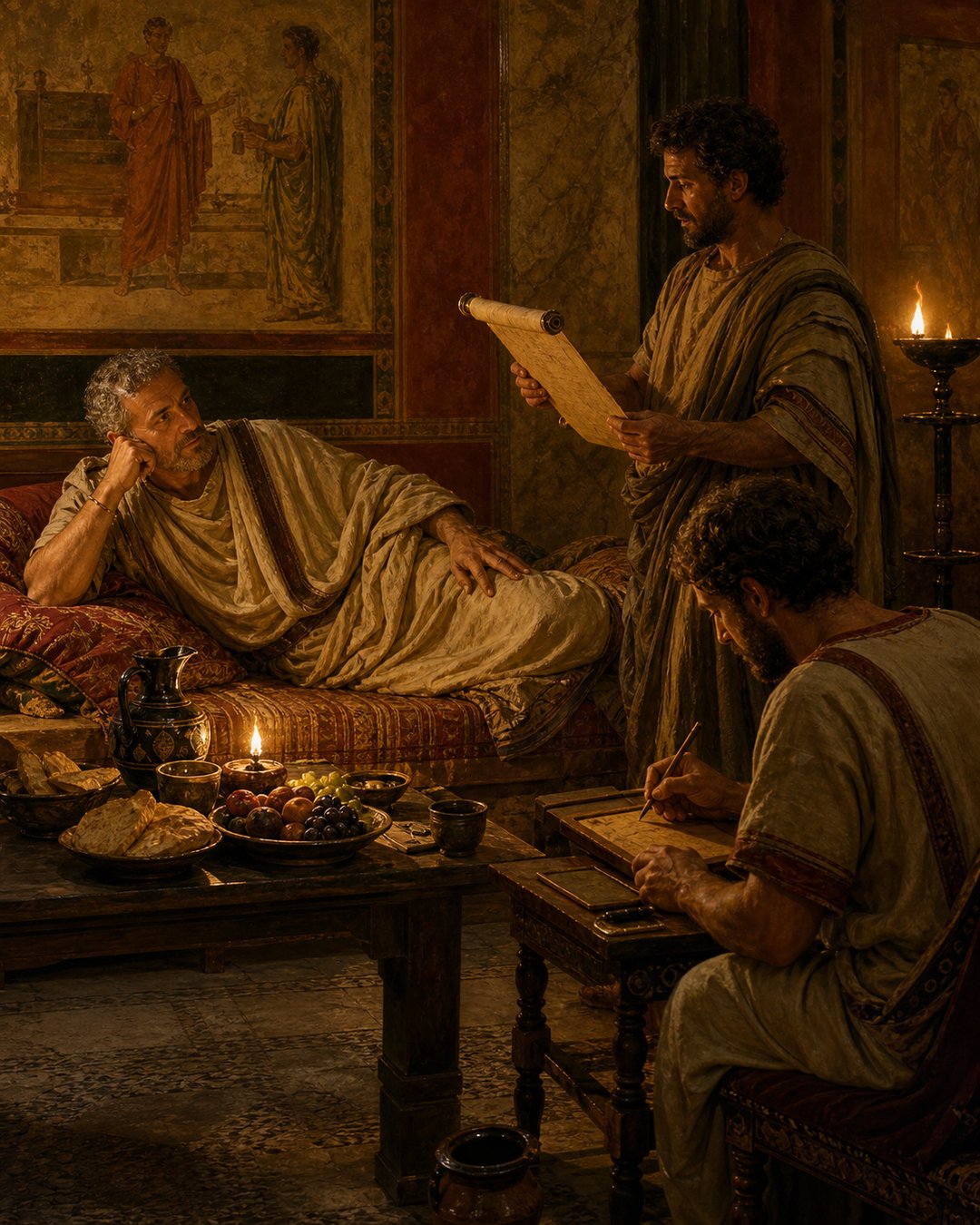
At dinner, a book was read aloud and notes were taken. If the reader mispronounced a word, Pliny the Elder interrupted him. On one occasion, a guest asked why he had not simply let the reader continue. Pliny answered that the correction mattered—and then rebuked the guest for wasting the time in which more than … Read more

Three Days in Salt Started Rome’s Purple Dye

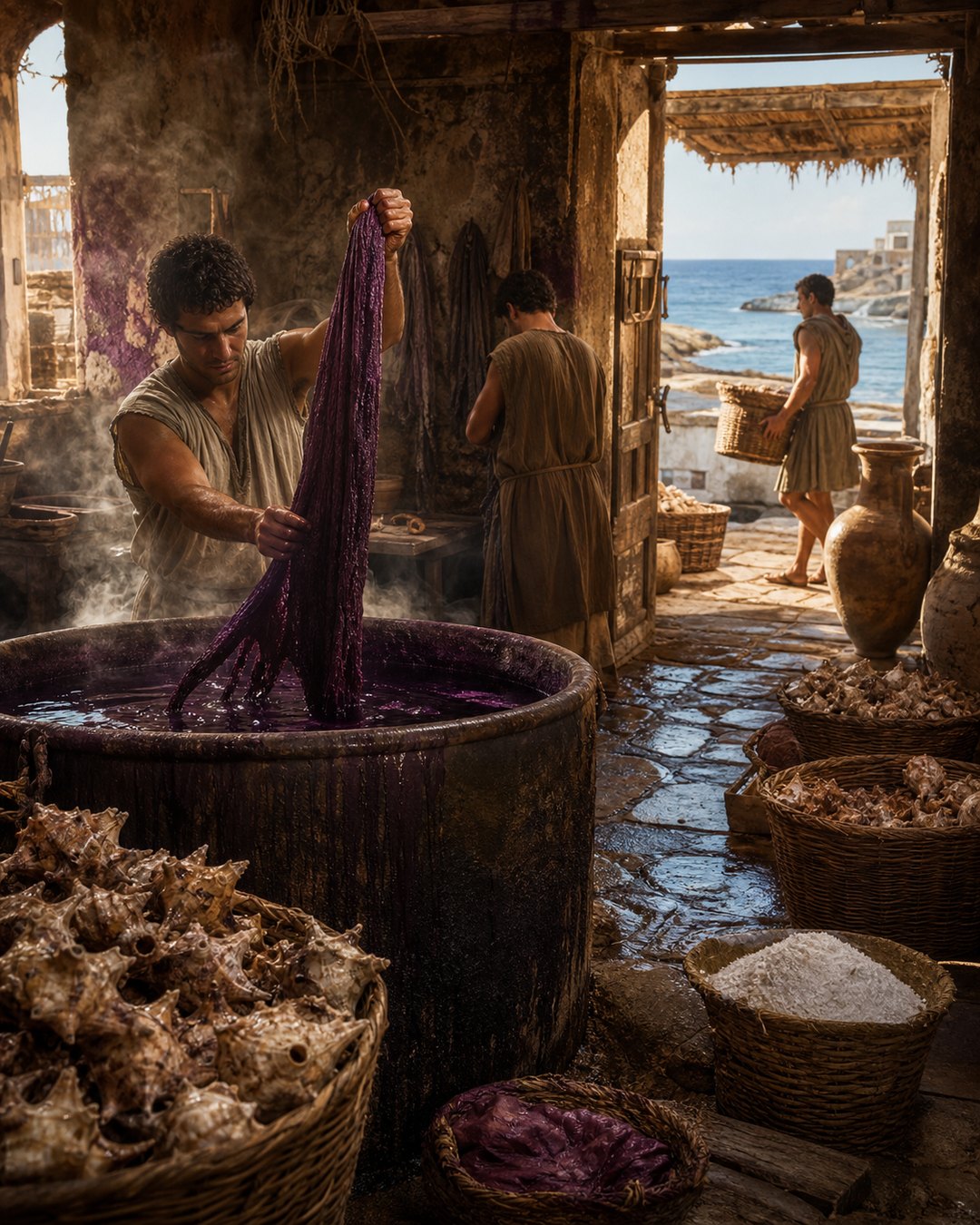
The color did not emerge from the sea as purple cloth. It began as a pale fluid in a shellfish’s body, removed with the animal’s tissue, mixed with salt and left for three days. The mass then went into a lead vessel over controlled heat. Flesh was skimmed away. Only after repeated reduction did a … Read more

Dark Clay Jars Turned Dormice into Villa Livestock

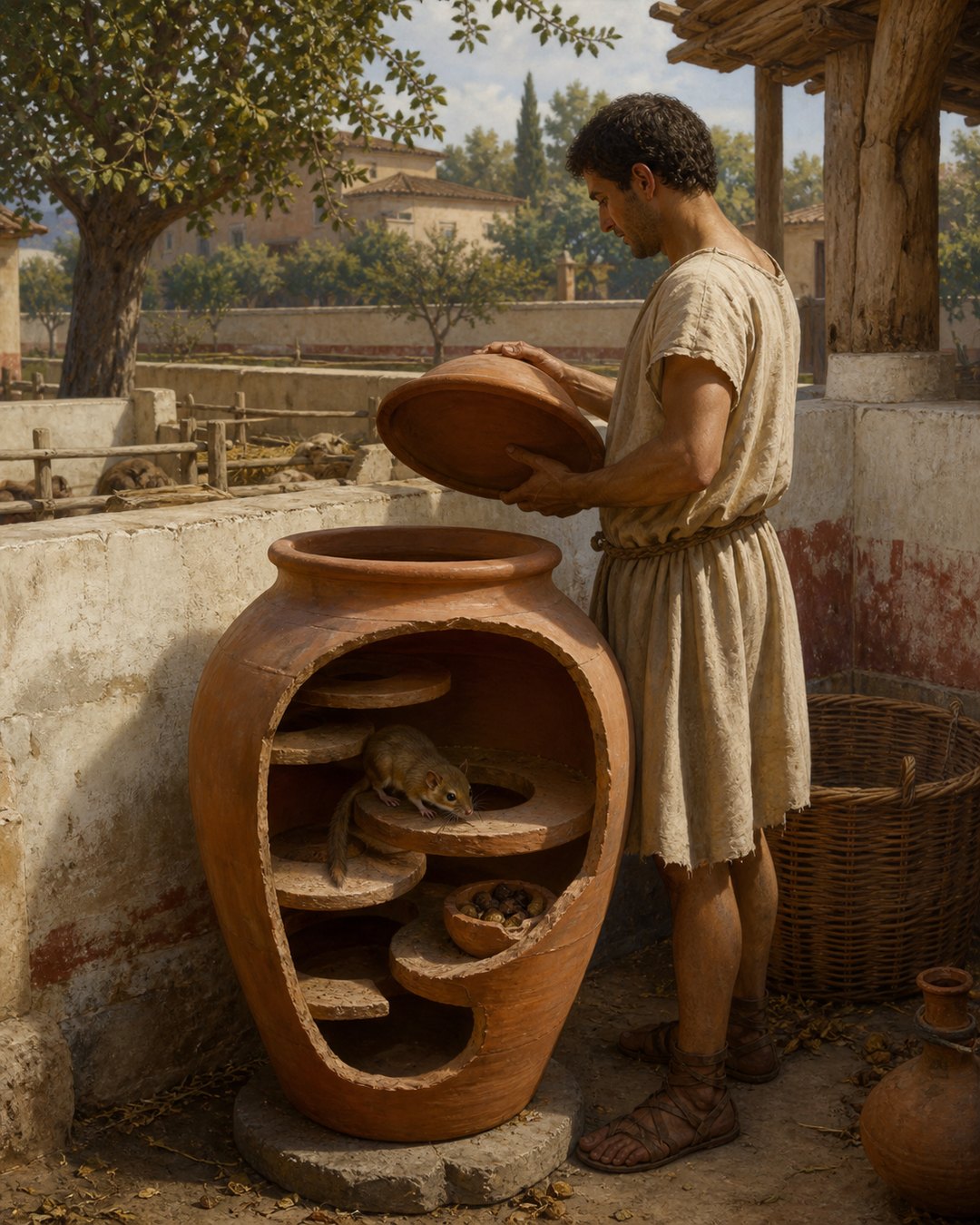
The jar was built to keep an animal moving in darkness. Its walls carried channels. A hollow held acorns, walnuts or chestnuts. Once the lid went on, the dormouse climbed, ate and accumulated fat inside a container designed for that single purpose. Varro’s account of villa husbandry does not begin at the dining couch. It … Read more

Tiberius Destroyed the Cup That Would Not Stay Dented

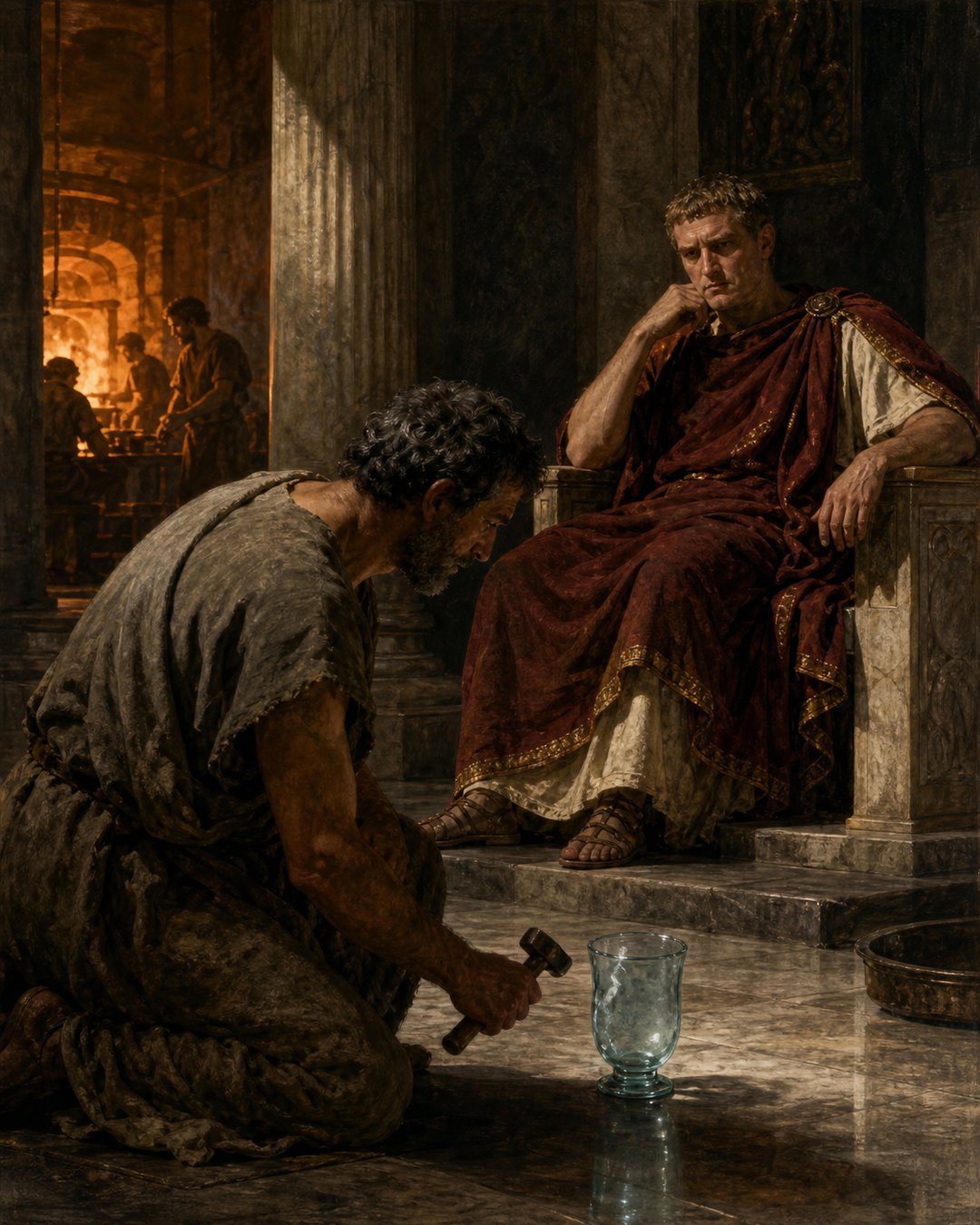
The glassworker arrived with a gift fit for an emperor: a drinking vessel no other workshop could make. Tiberius accepted it, admired it, and handed it back. Then the craftsman threw the cup onto the floor. It did not shatter. The impact left a dent, according to Petronius, but the maker calmly took out a … Read more

A Stray Ball Put a Razor into Roman Law

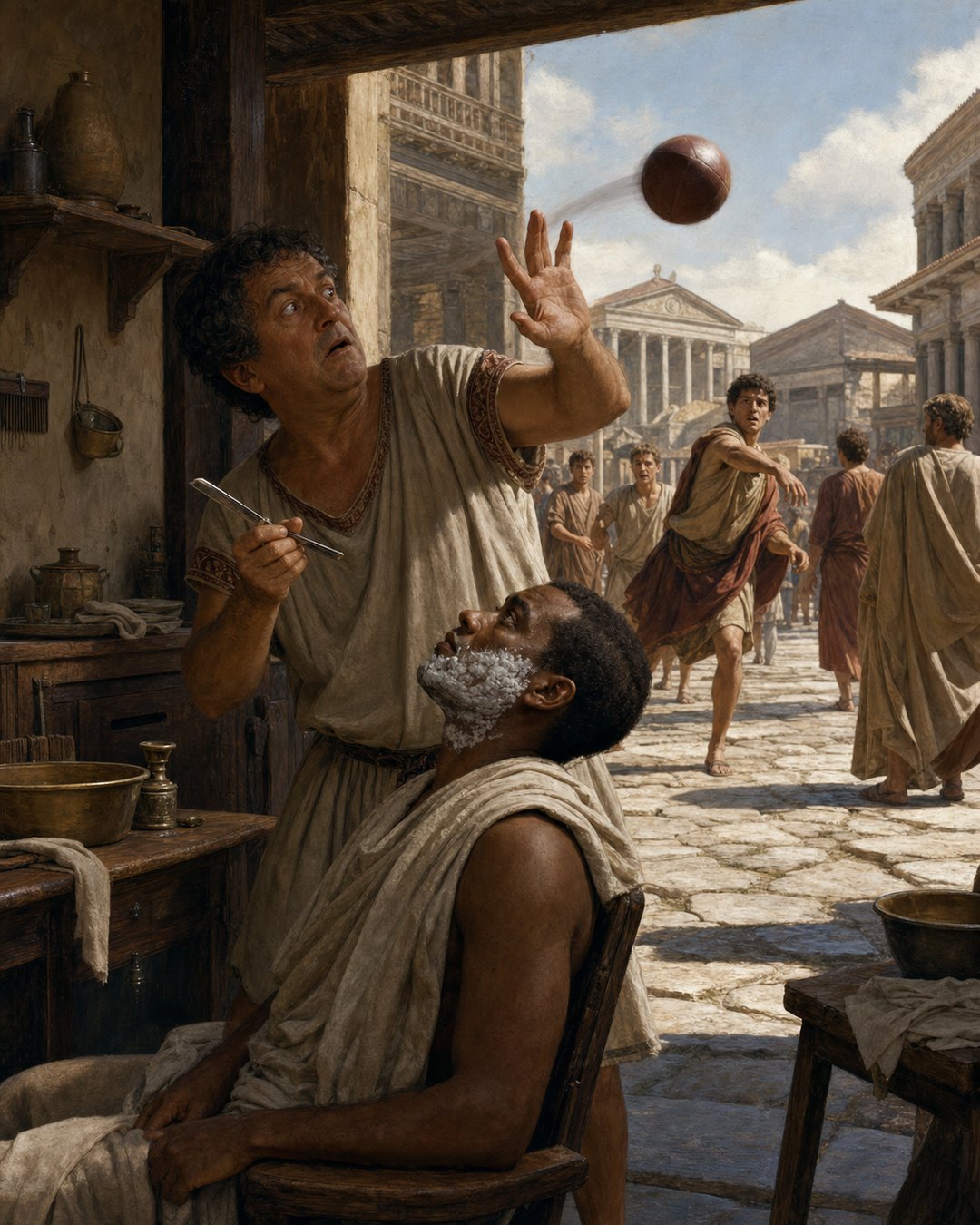
A player struck a ball with unusual force. The ball flew into a barber’s hand. The hand drove a razor across the throat of the slave sitting under the blade. In a few movements, a game beside a public workplace became a fatal problem in Roman law. The chain survives in Book Nine of Justinian’s … Read more

Two Ethiopians Carried Rome’s Talking Raven to Its Pyre

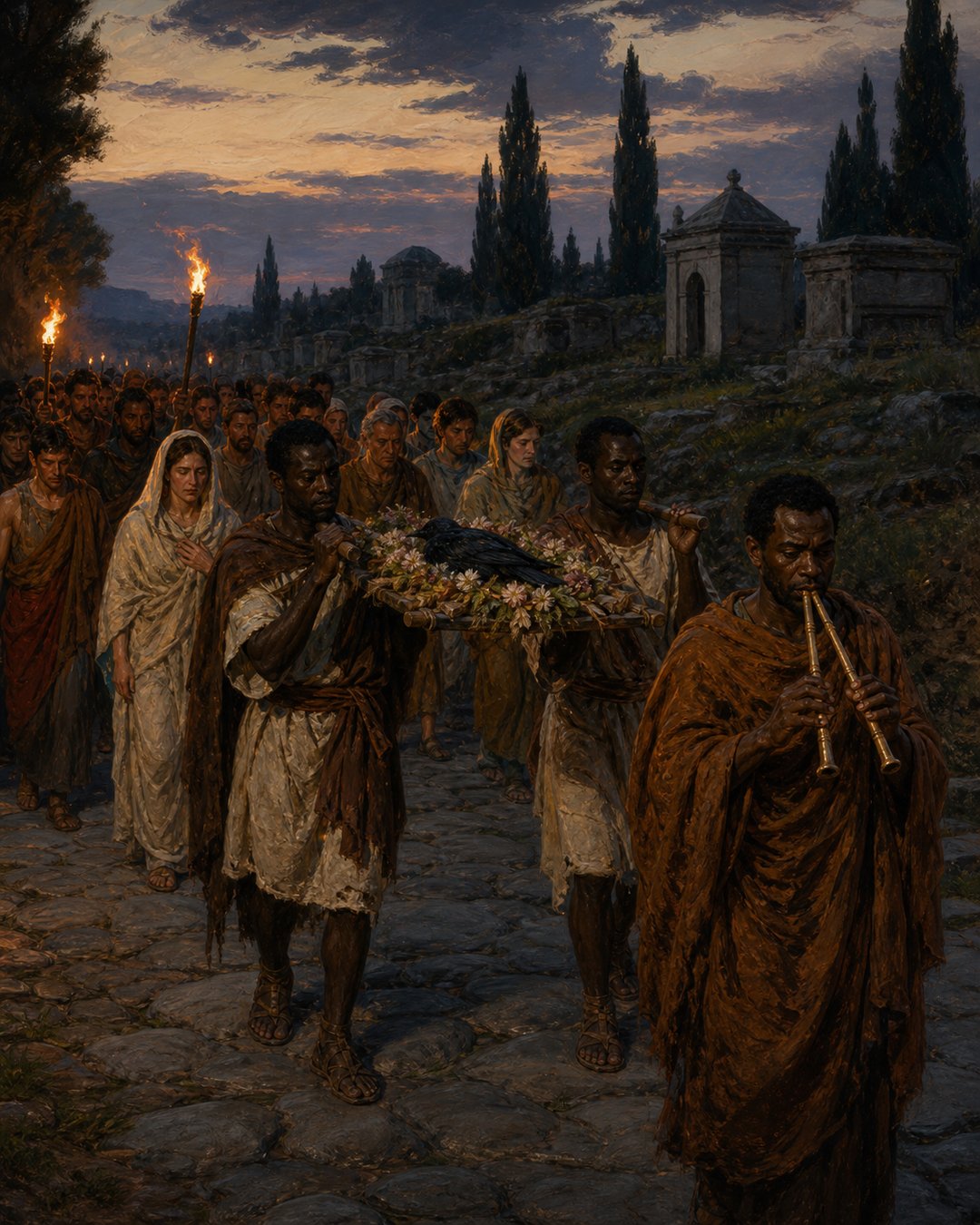
Every morning a raven left a shoemaker’s shop opposite the temple of Castor and flew toward the Rostra. Pliny says it greeted Tiberius by name, then Germanicus and Drusus, then the Roman people passing through the Forum. After completing that sequence, it returned to the shop. The routine lasted for years. Rome did not merely … Read more

Eleven September Survived in Claudia Severa’s Own Hand

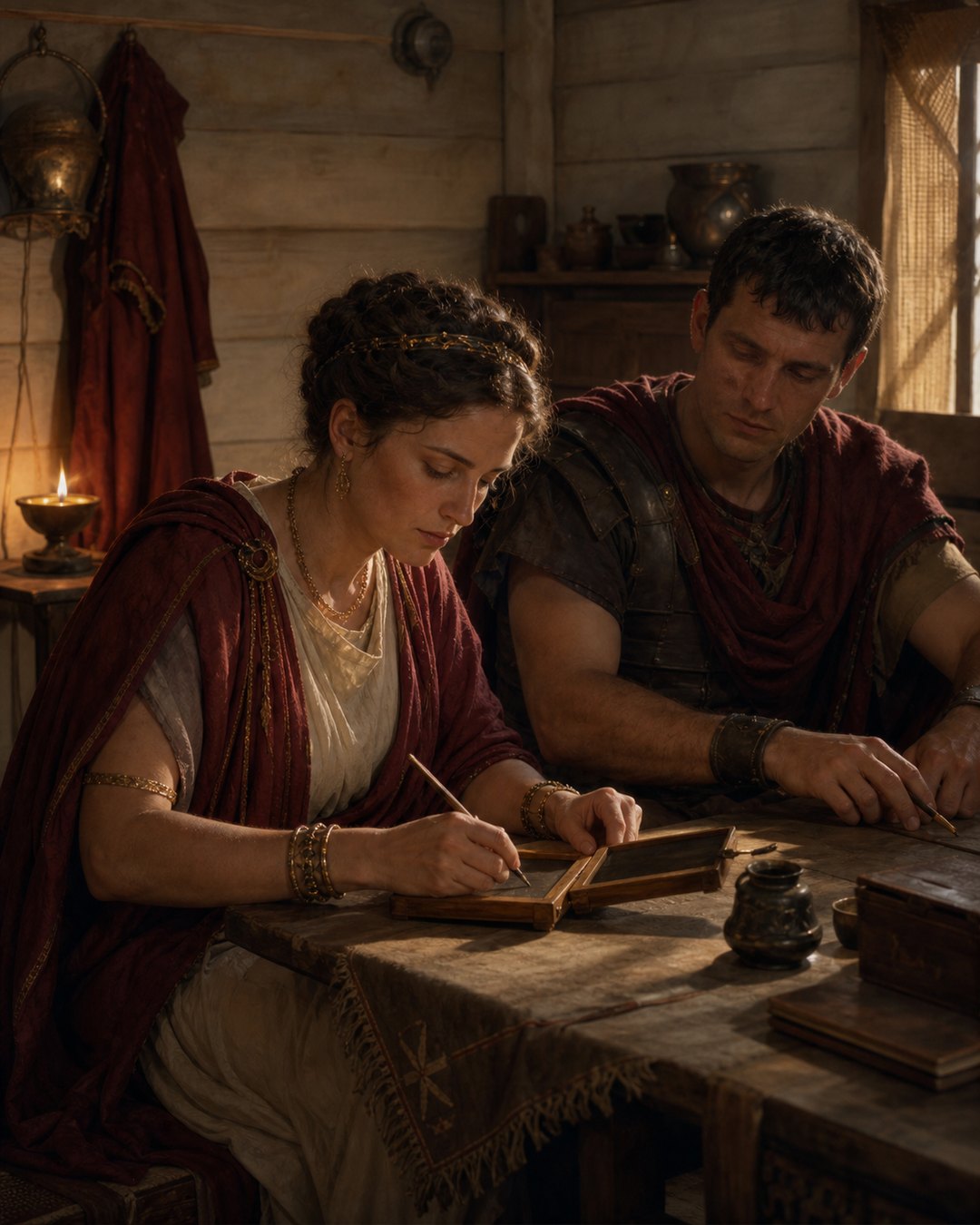
A birthday invitation reached Sulpicia Lepidina with a precise request: come on 11 September and make the day happier by being present. The main message was written in an elegant professional-looking hand. Near the end, however, the script changed. Claudia Severa herself added that she would expect her “sister,” called her “my dearest soul,” and … Read more

Obsidian Mirrors Gave Rome Shadows Instead of Faces

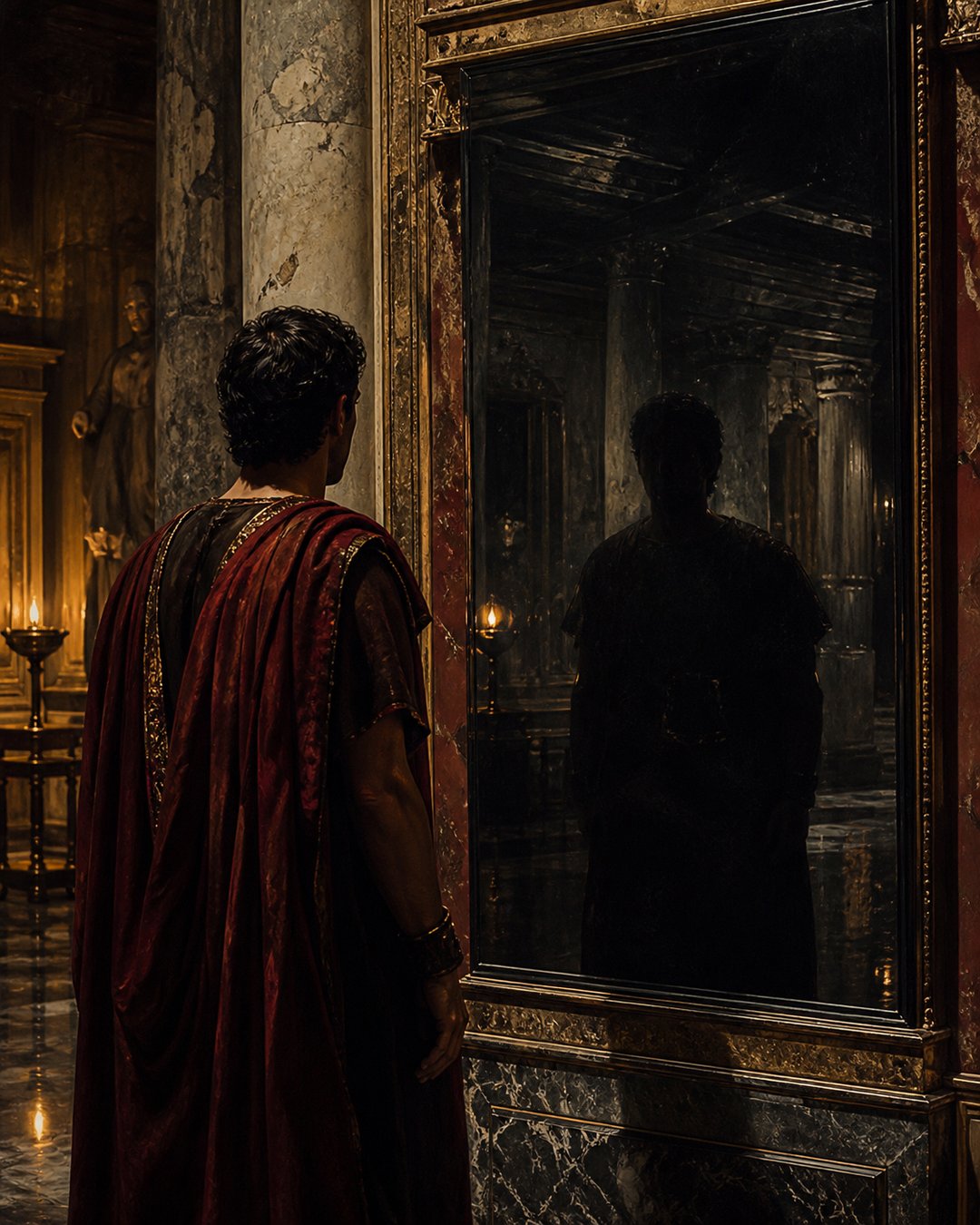
A polished Roman wall could return a face as a shadow. Pliny the Elder describes obsidian as very dark and sometimes translucent, but cloudier than glass. When attached to walls as a mirror, he says, it reflected shadows rather than images. The surface announced a viewer’s presence without surrendering clear features. That imperfection did not … Read more