Lentisc Wood, Gold and Boxwood Built a Roman Grooming Kit
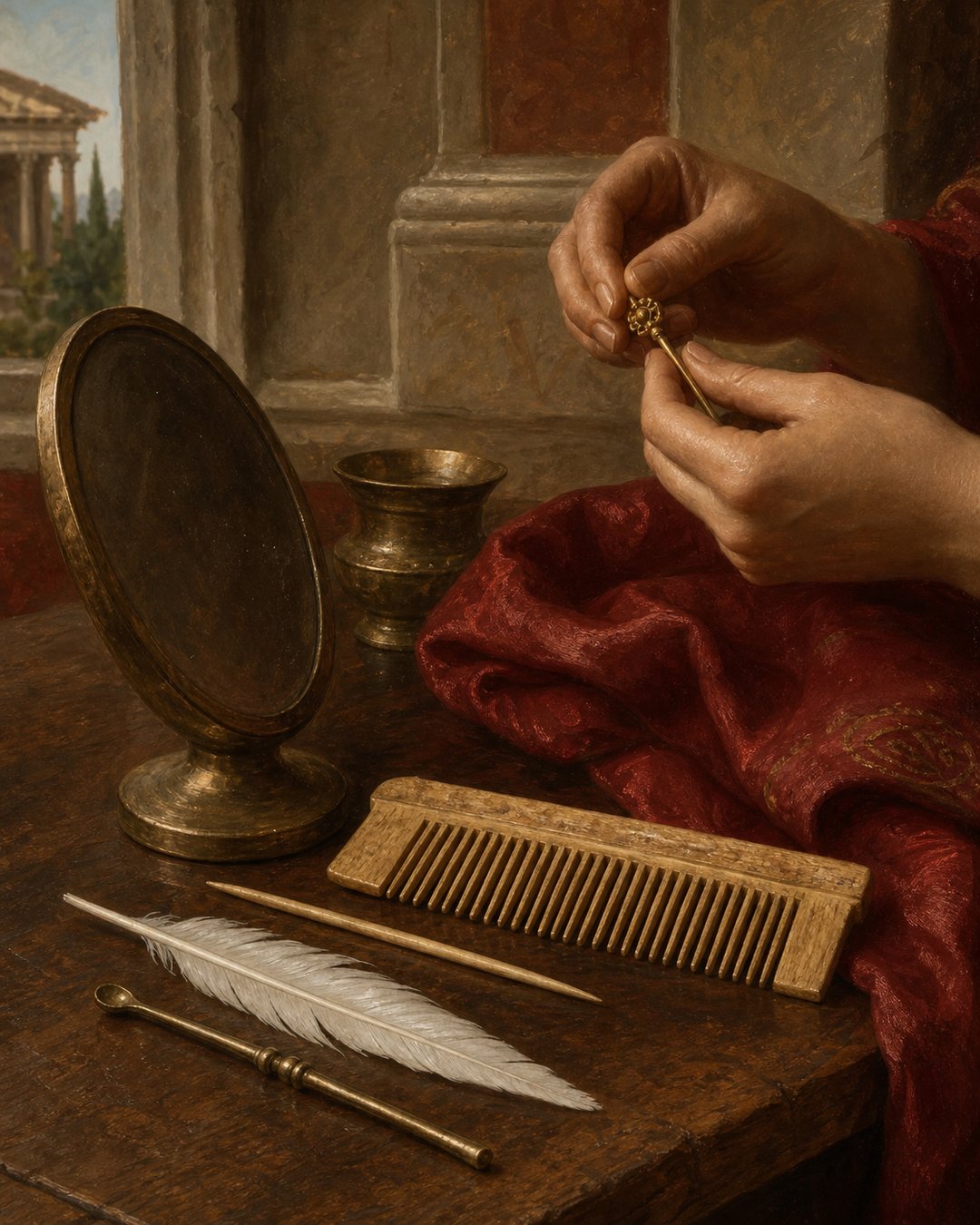
A sliver of lentisc wood passed between the teeth. A narrow implement answered an itch in the ear. A gold pin lifted oiled hair clear of silk, while a boxwood comb waited for a recipient whom the poet promptly declared bald. In Martial’s gift book, Roman grooming arrives not as a single morning routine but … Read more
Feathers, Bladders and Dust Divided Rome’s Ball Games

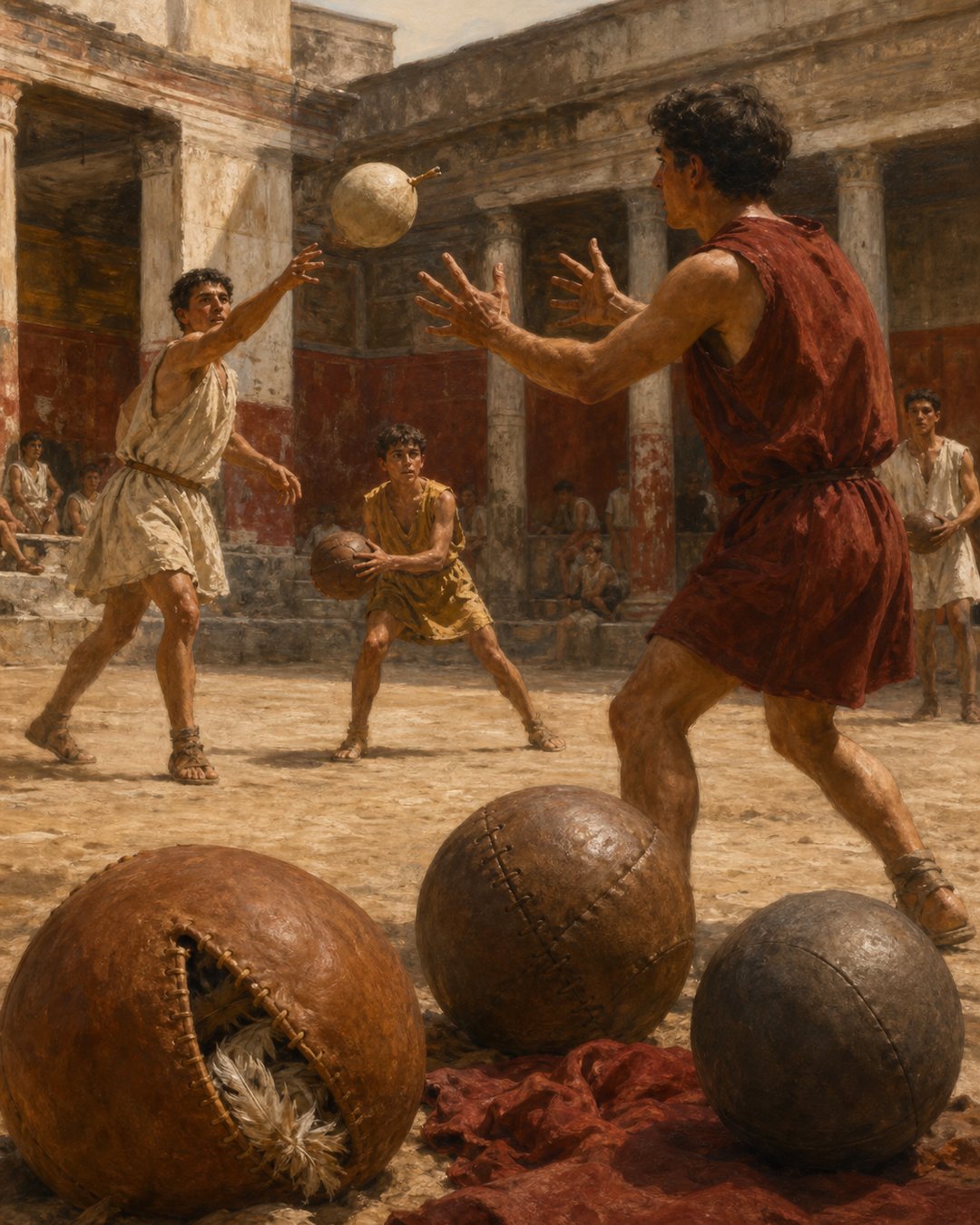
A leather ball struck a left hand and flew across a triangle before the receiver had settled his feet. Nearby, another ball moved at a gentler pace between a boy and an older man. A third kicked up dust as agile players reached and missed. To call all three simply “Roman ball games” would erase … Read more

Coarse Linen Turned Summer Snow into a Roman Drink

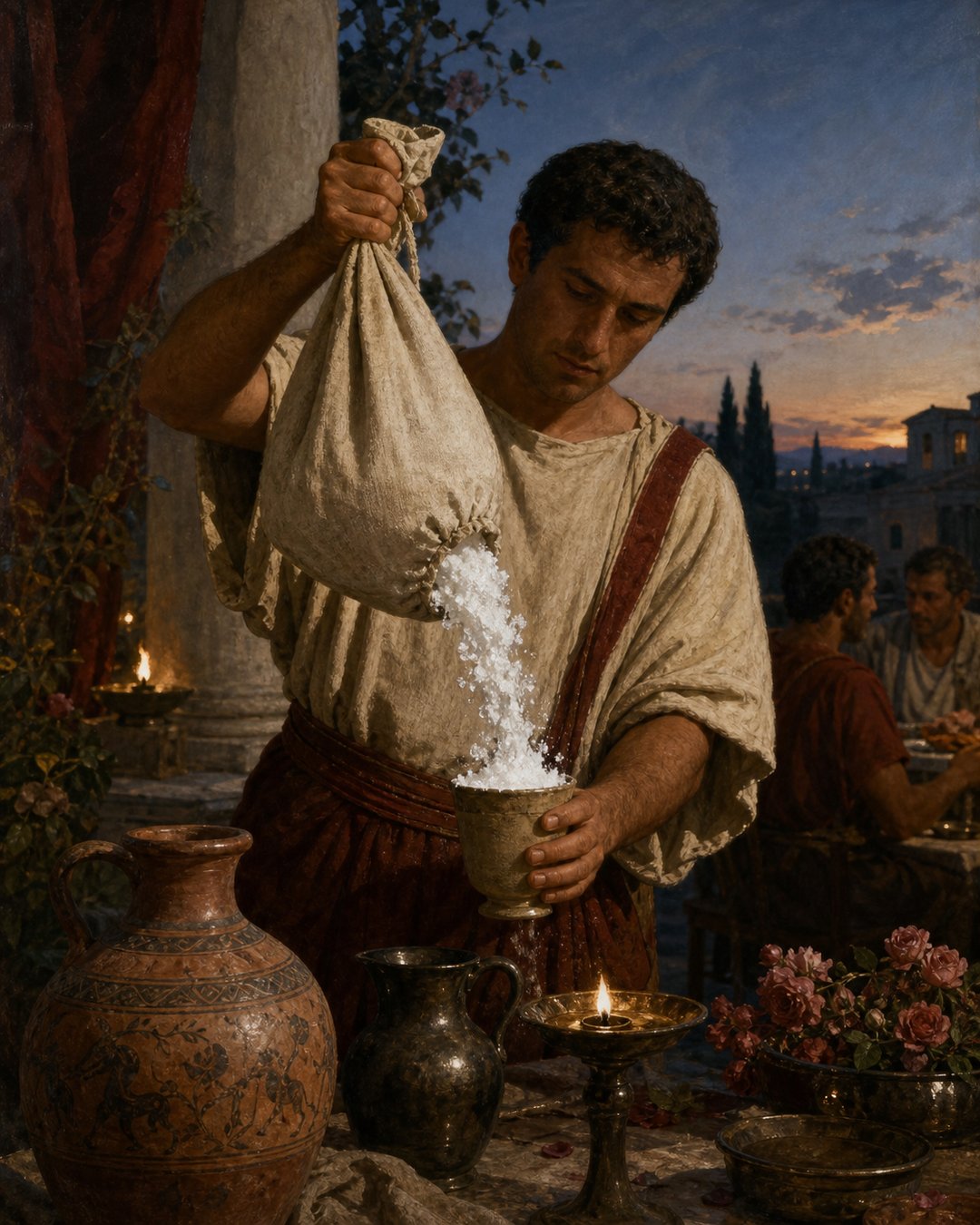
A servant lifted a coarse linen bag above a cup. Inside it sat snow, an object that belonged naturally to winter but had arrived at a Roman table in another season. Meltwater passed through the cloth. The wine below became cold. Then the bag began to boast. That voice comes from Martial’s Epigrams, where objects … Read more

Ten Witnesses Watched a Spelt Cake Change a Roman Marriage

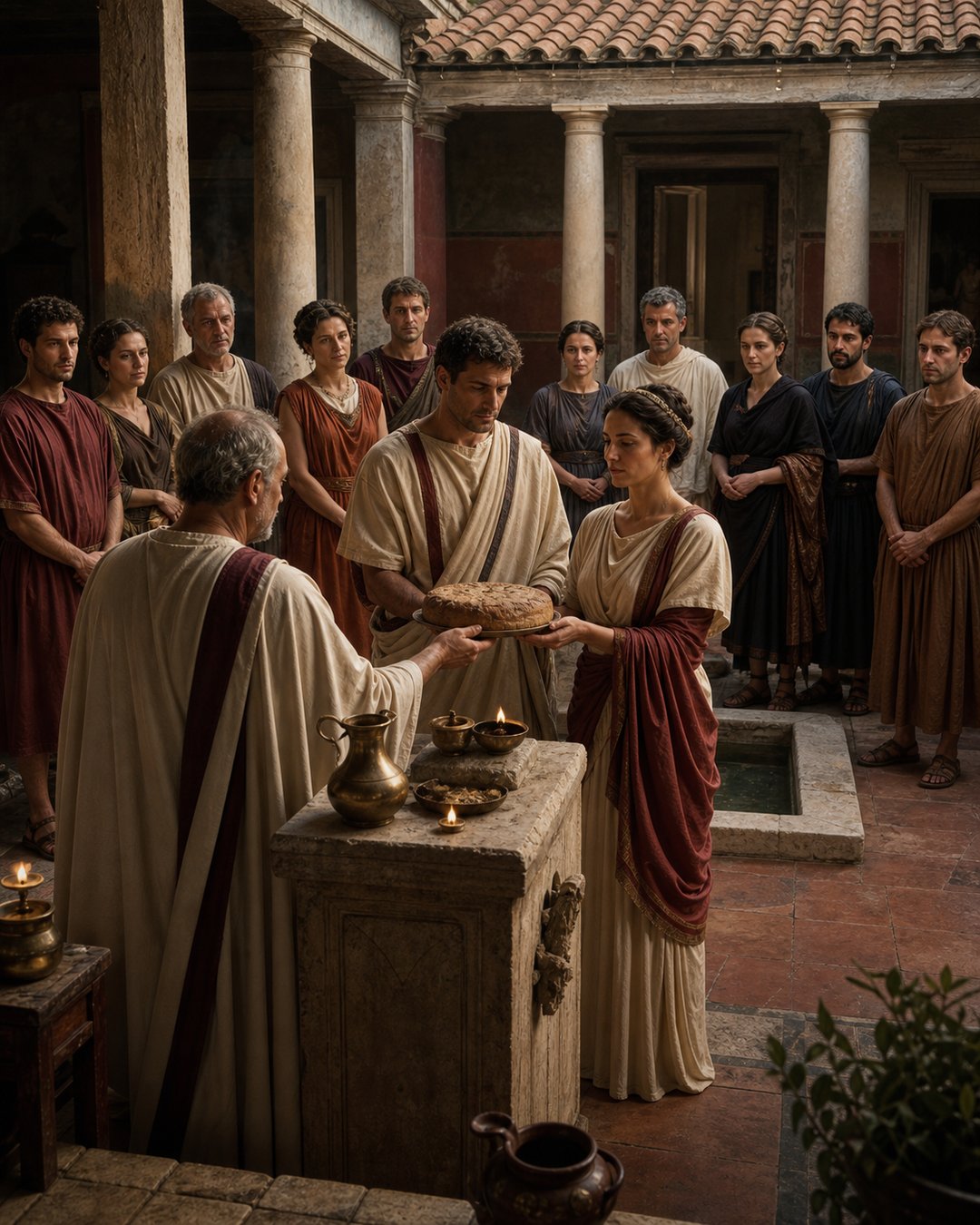
Ten witnesses stood around a small cake of spelt. A sacrifice was offered to Jupiter Farreus. Traditional words were spoken, although the jurist Gaius does not preserve them for us. Nothing in his compressed description sounds like a private exchange of affection. The surviving outline is spare, formal and crowded: food, god, formula and witnesses … Read more

A Dolphin Carried a Schoolboy Across the Bay

A poor boy travelling from the district of Baiae to school at Pozzuoli carried bread for the journey. At the Lucrine Lake he called a dolphin he had named Snub-nose and offered pieces from his meal. Pliny the Elder says the dolphin came from the depth, ate from the boy’s hand and allowed him to … Read more

Apicius Crossed the Sea for Prawns and Turned Back

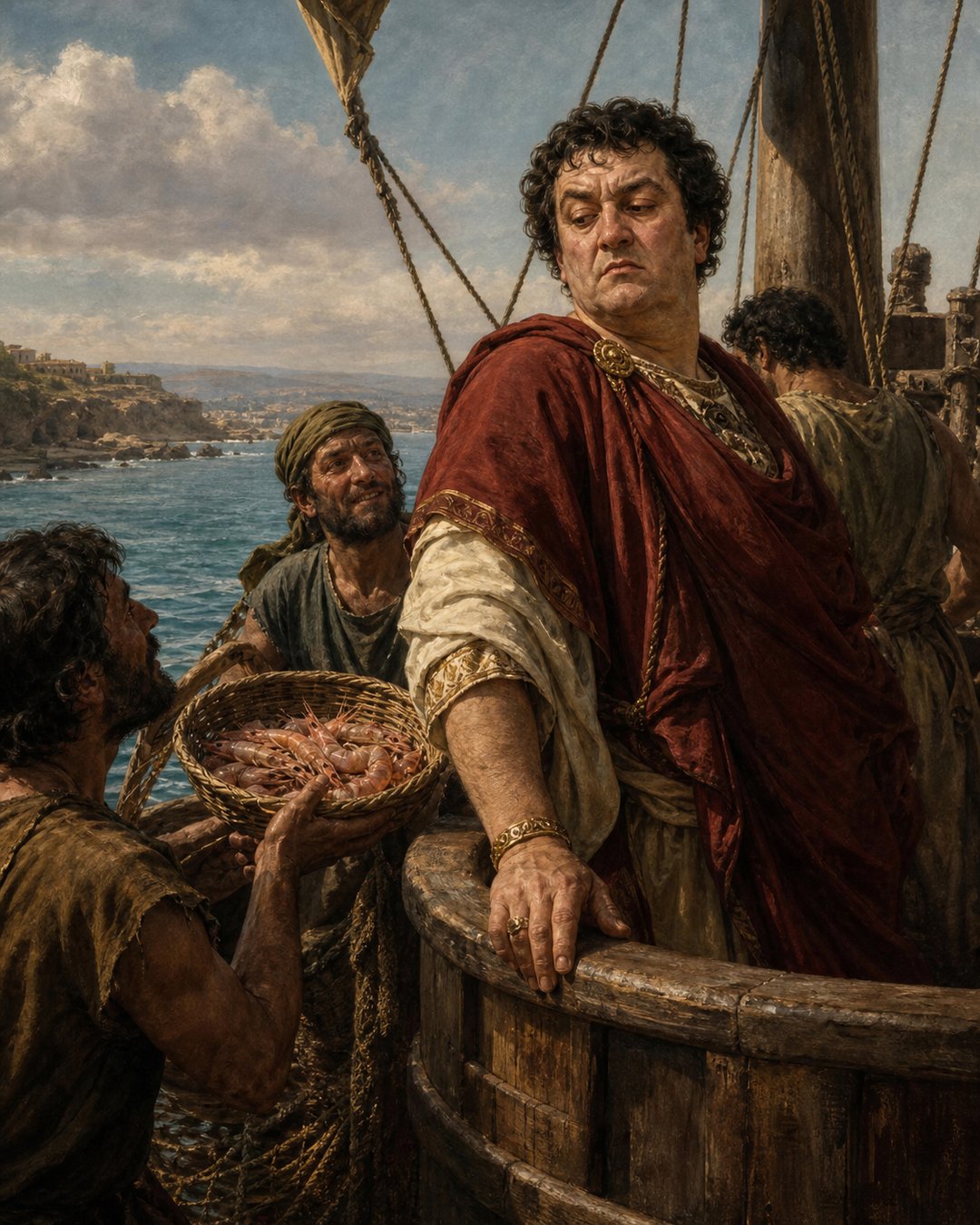
Apicius heard that enormous prawns lived off Libya. The report was enough to launch a voyage. He crossed the Mediterranean in search of a specimen larger than anything available near his Italian home. Fishermen came out to meet the arriving ship. Apicius asked whether they possessed prawns greater than the celebrated catch of Campania. They … Read more

Twenty-Five Asses Turned a Slap into a Purchase

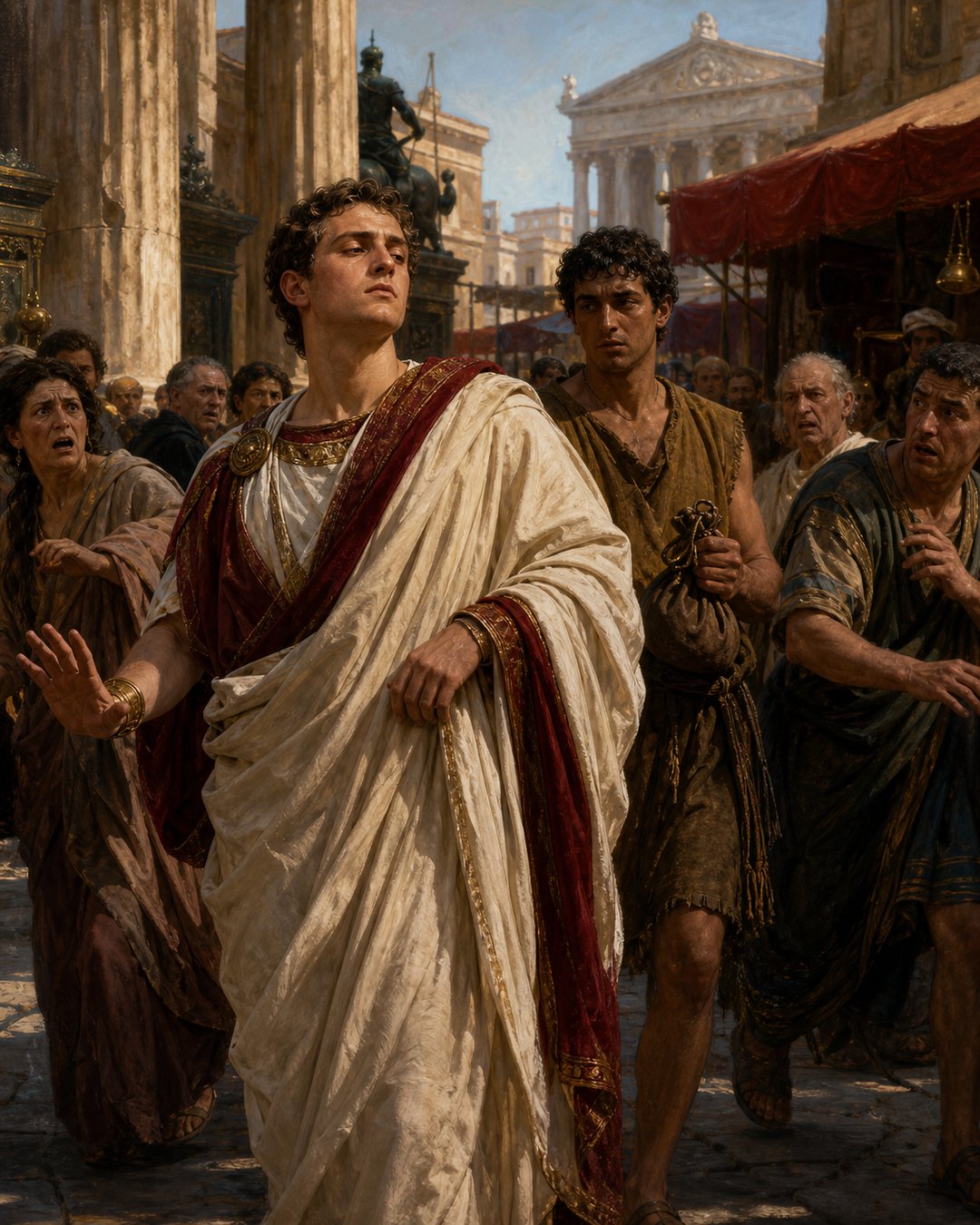
Lucius Veratius walked through Rome striking free citizens in the face. An enslaved attendant followed him with a purse. After each blow, the attendant counted out twenty-five bronze asses. Aulus Gellius presents the scene as an argument about old law. The Twelve Tables had attached a fixed payment to one form of personal injury. Once … Read more

Fabius Pictor Signed Rome’s First Famous Temple Painting

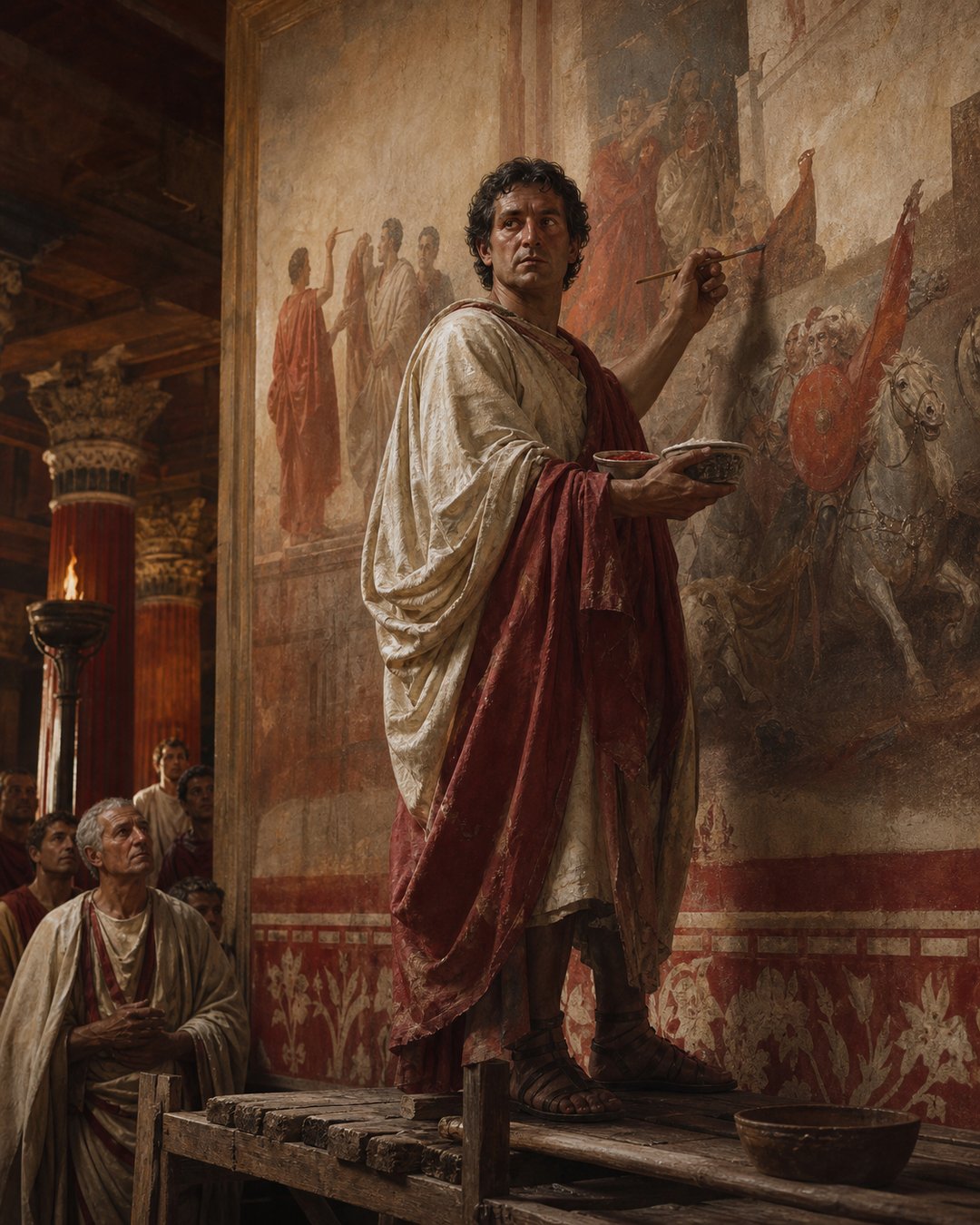
In 304 BC, a Roman aristocrat climbed into the role of a painter. Gaius Fabius decorated the Temple of Salus, placed his name on the work and left his descendants a surname: Pictor, the painter. Pliny the Elder considered the choice remarkable. Painting was not an obvious occupation for a man from a leading family, … Read more

Vespasian Taxed What Roman Laundries Collected

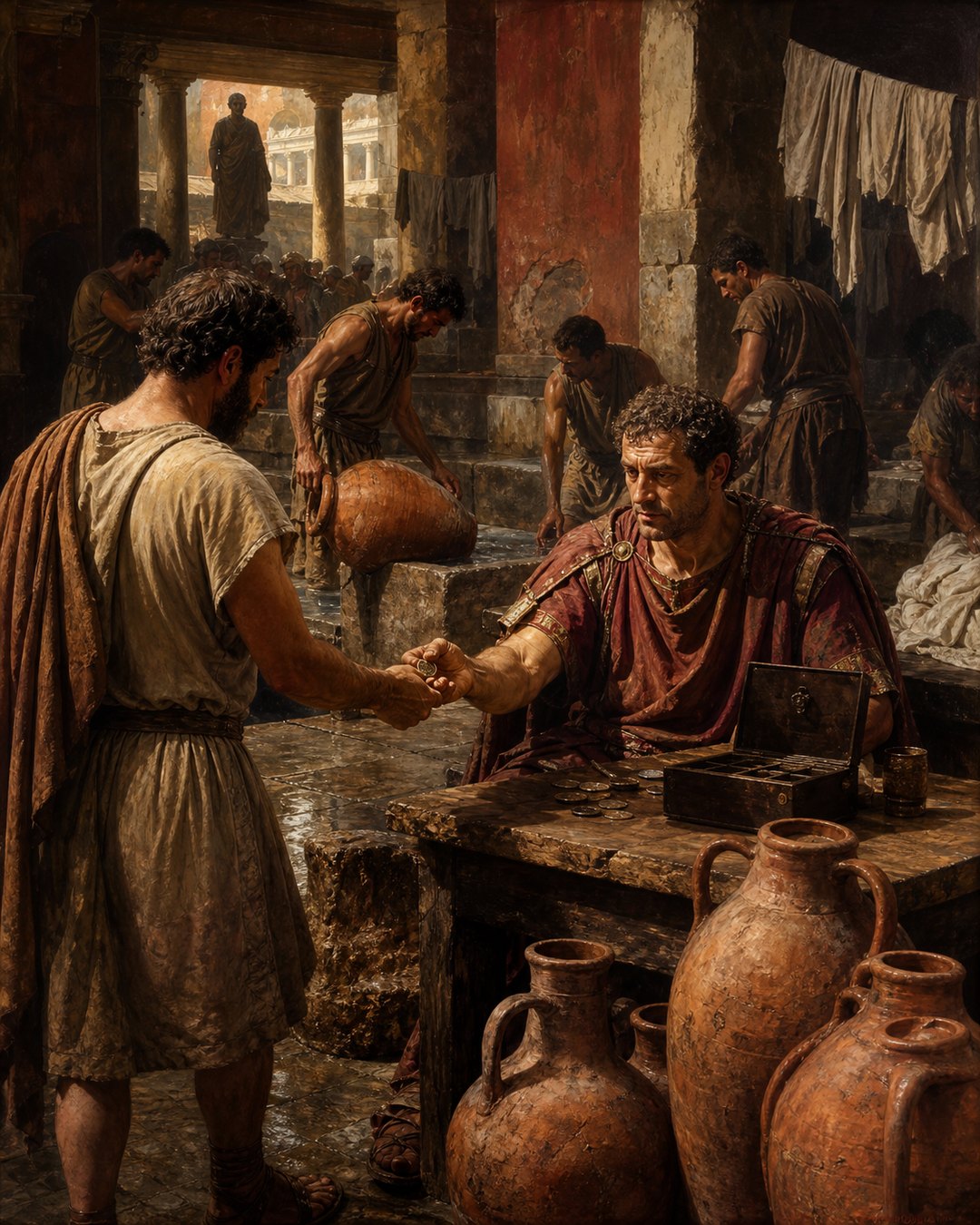
Vespasian held a coin beneath his son’s nose and asked whether it smelled. Titus said it did not. The emperor answered that it came from urine. Suetonius tells the exchange in a few lines, but the joke depended on an entire urban process. Roman urine was not merely waste. Fullers used aged urine in cleaning … Read more

One Law Pushed Rome’s Dead Beyond the City

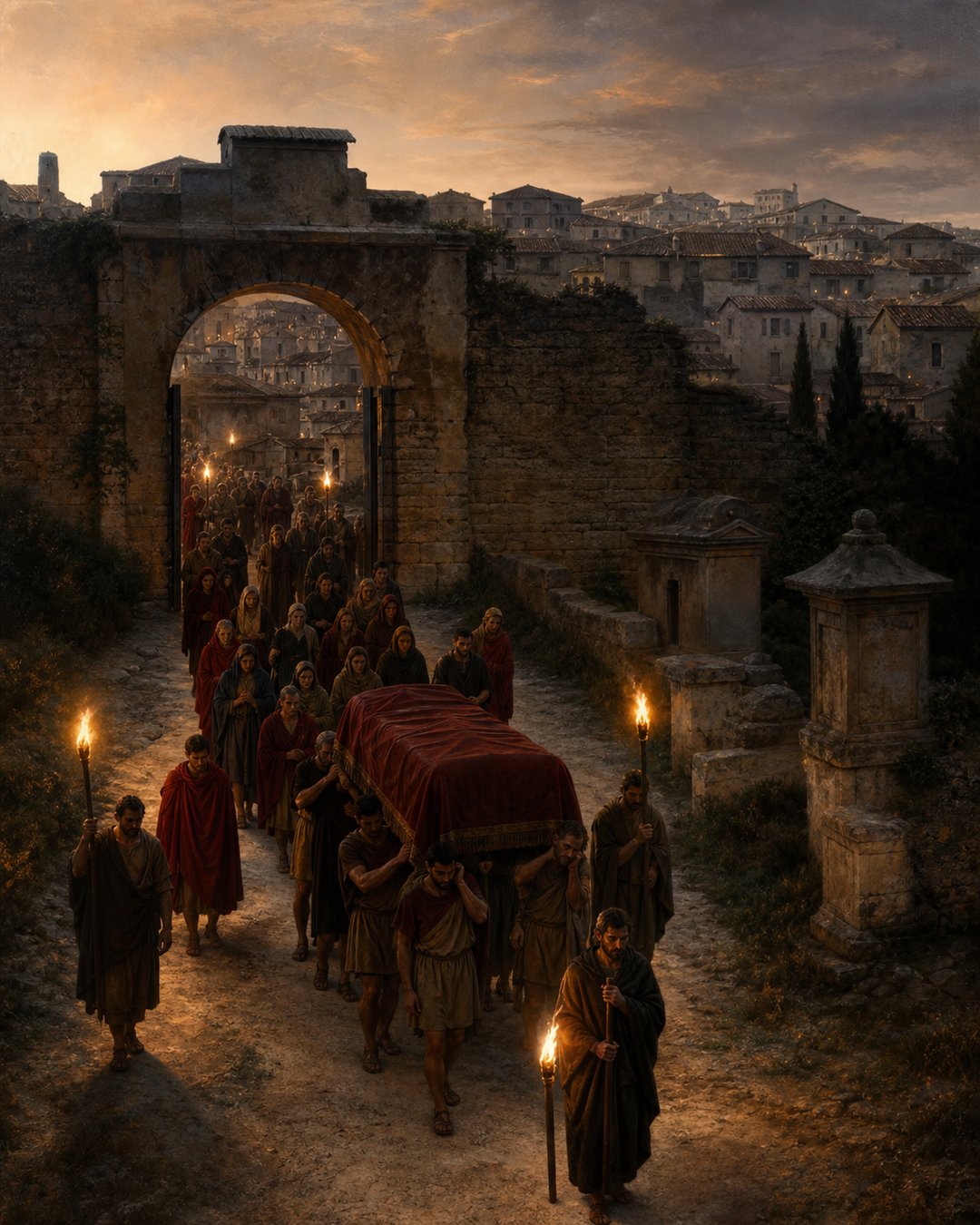
A Roman leaving the city did not pass from crowded life into empty countryside. Beyond the gates stood another population: the dead. Tombs, altars and inscribed monuments lined major roads, presenting family names to travelers while keeping bodies and funeral fires outside the civic center. A severe sentence in the Twelve Tables helped create that … Read more