Roman Gates Began Where a Founder Lifted the Plough
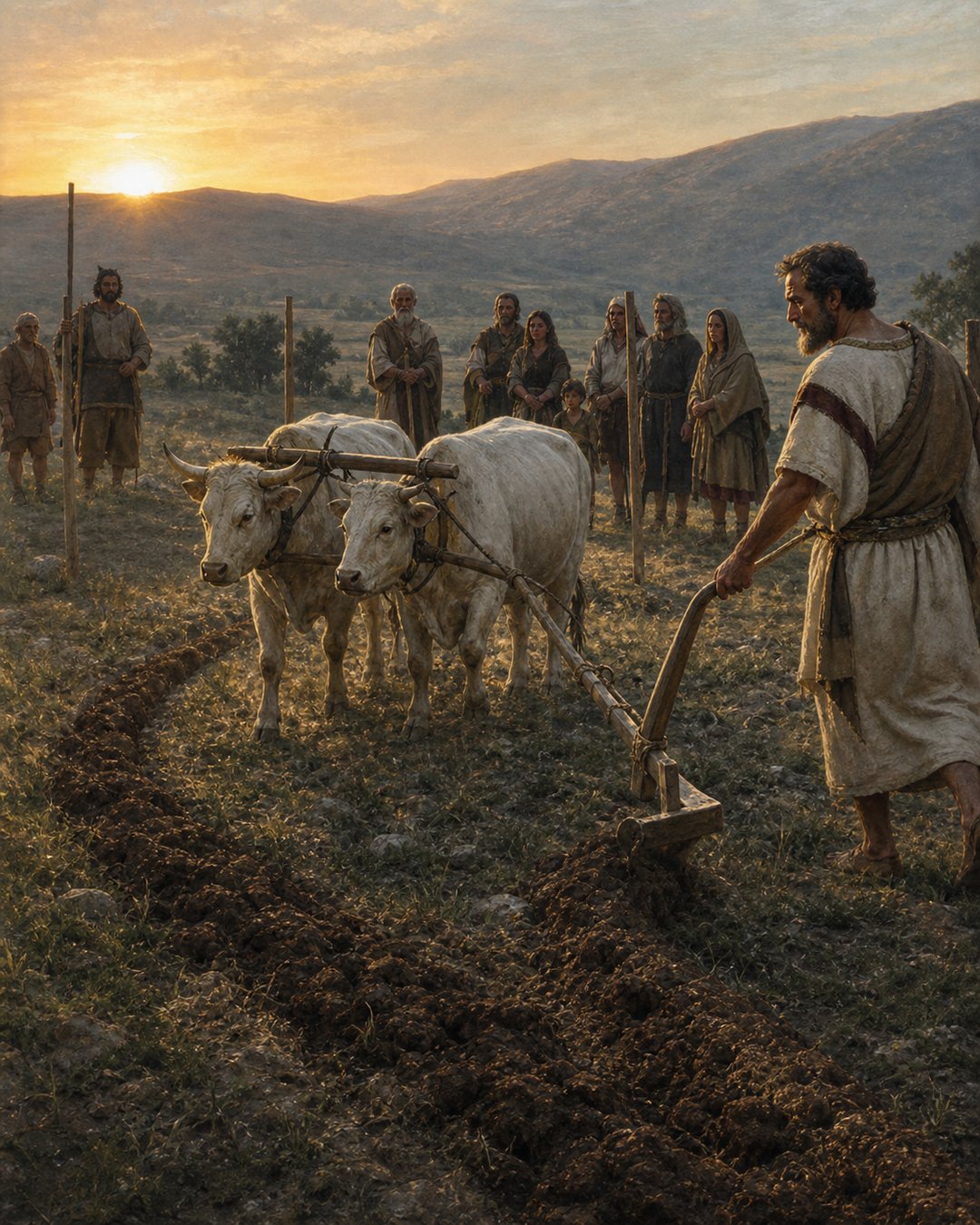
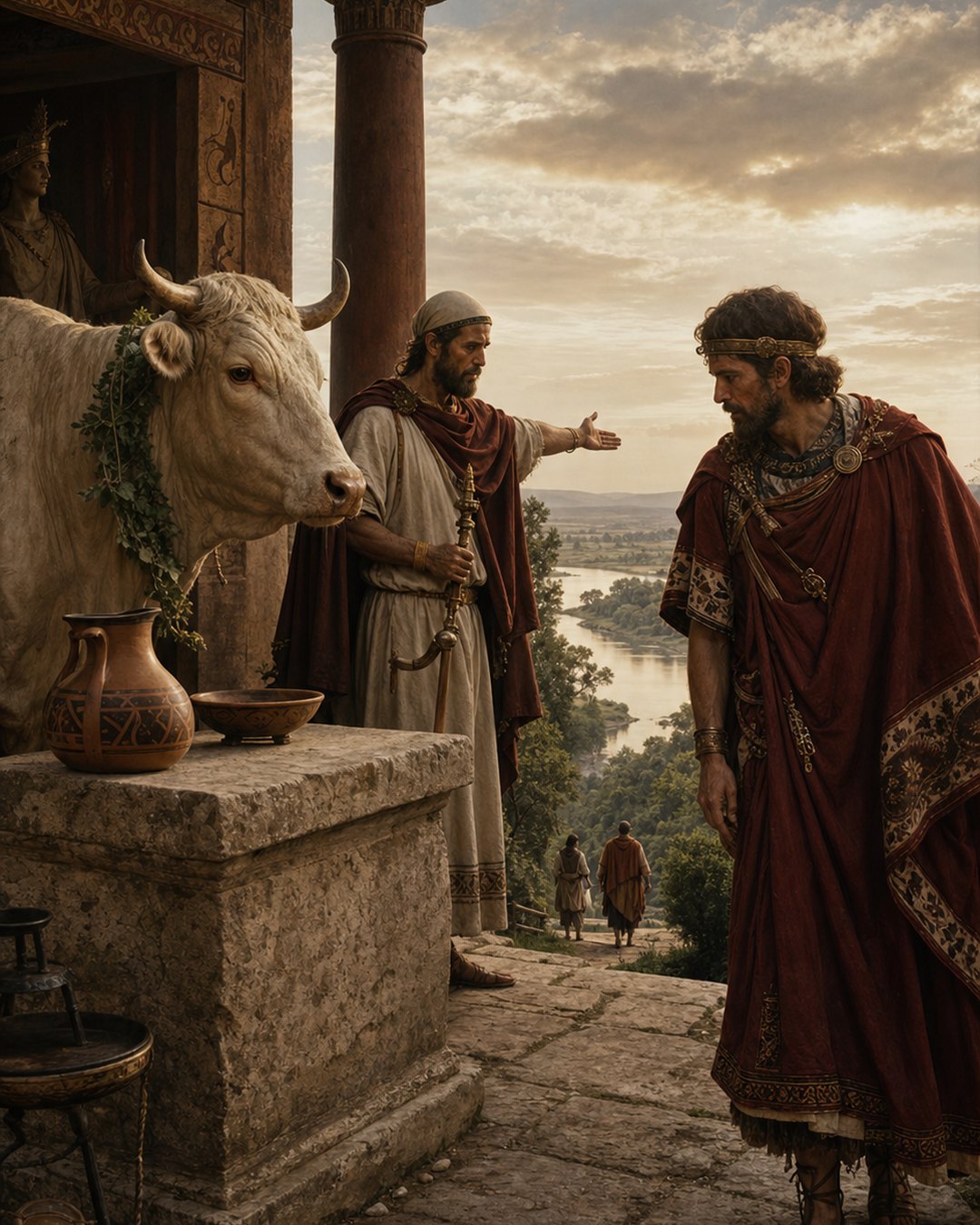
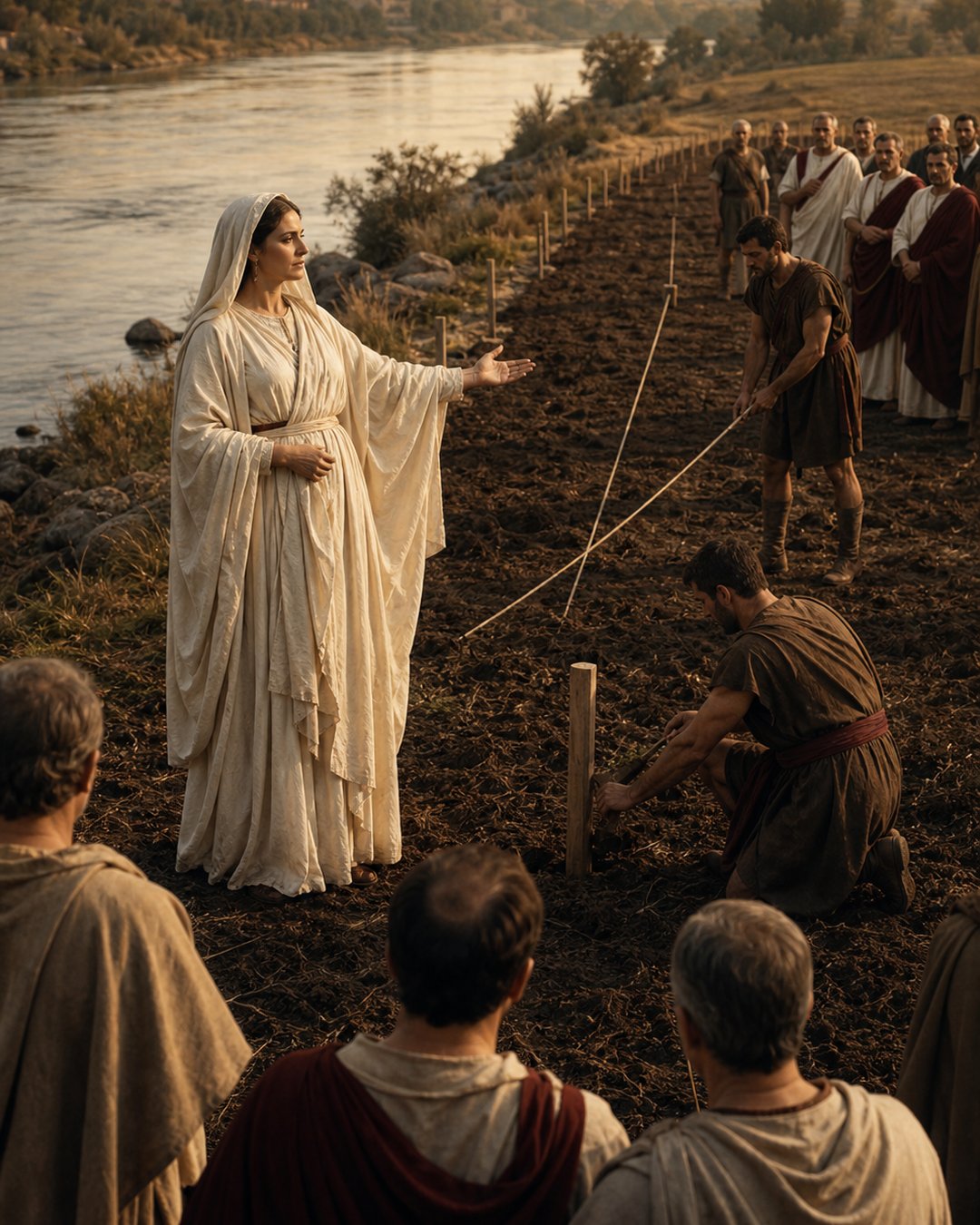
A Roman town boundary began with an agricultural tool. Varro says communities in Latium followed an Etruscan rite in which a bull and a cow drew a plough around the intended settlement. The founder turned the cut earth inward. The trench and its bank established the beginning of ditch, wall, and protected urban ground. The … Read more
Priests Made Marcellus Build a Second Temple

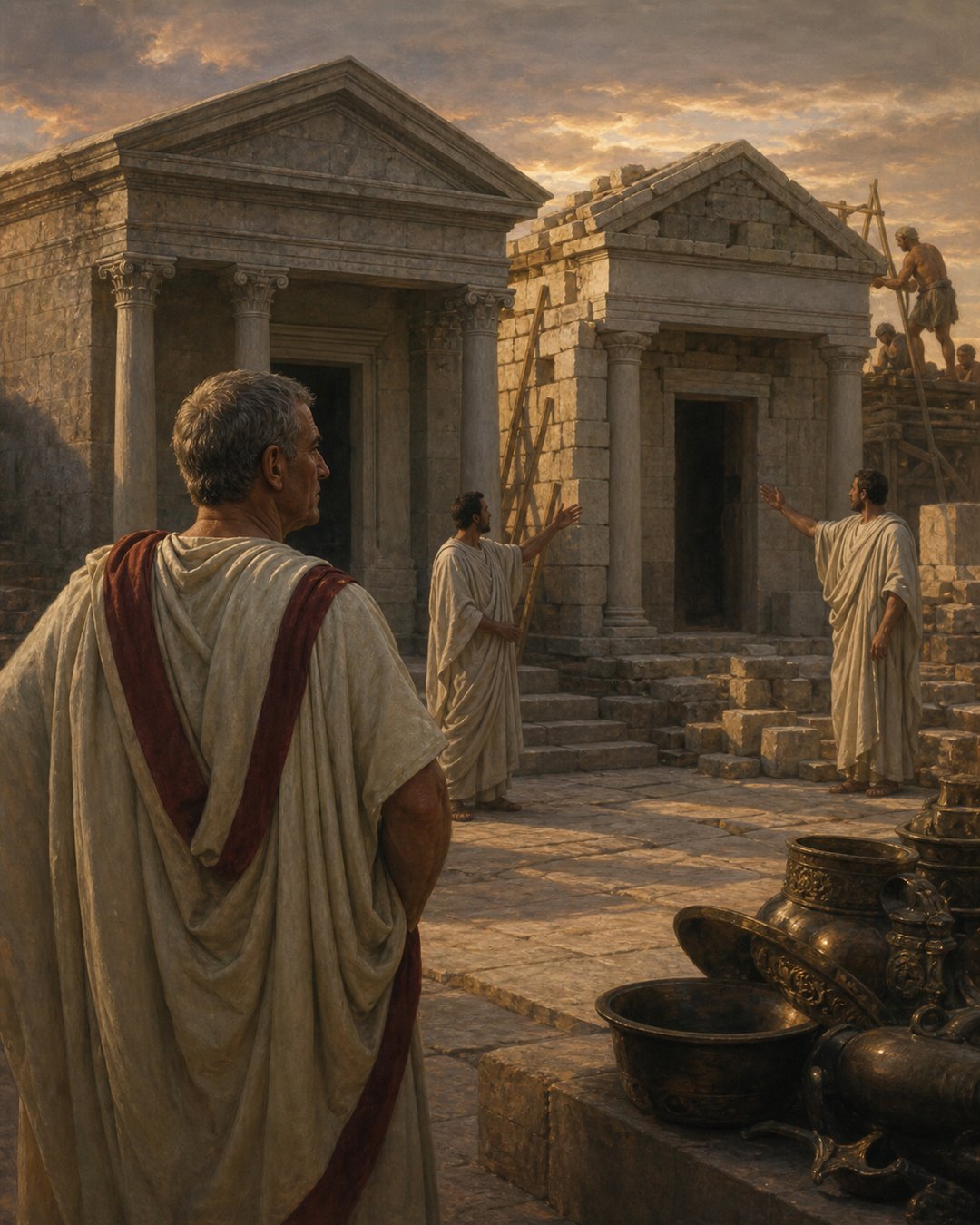
Marcellus had the money, the victory spoils and the office. He still did not control the dedication. In Plutarch’s account, the Roman commander wanted one temple built from his Sicilian spoils to honour two divine recipients: Honour and Virtue. The priests refused. They would not agree that two deities should occupy one temple. The solution … Read more

Plutarch’s Mirrors Turned Sunlight into Sacred Fire

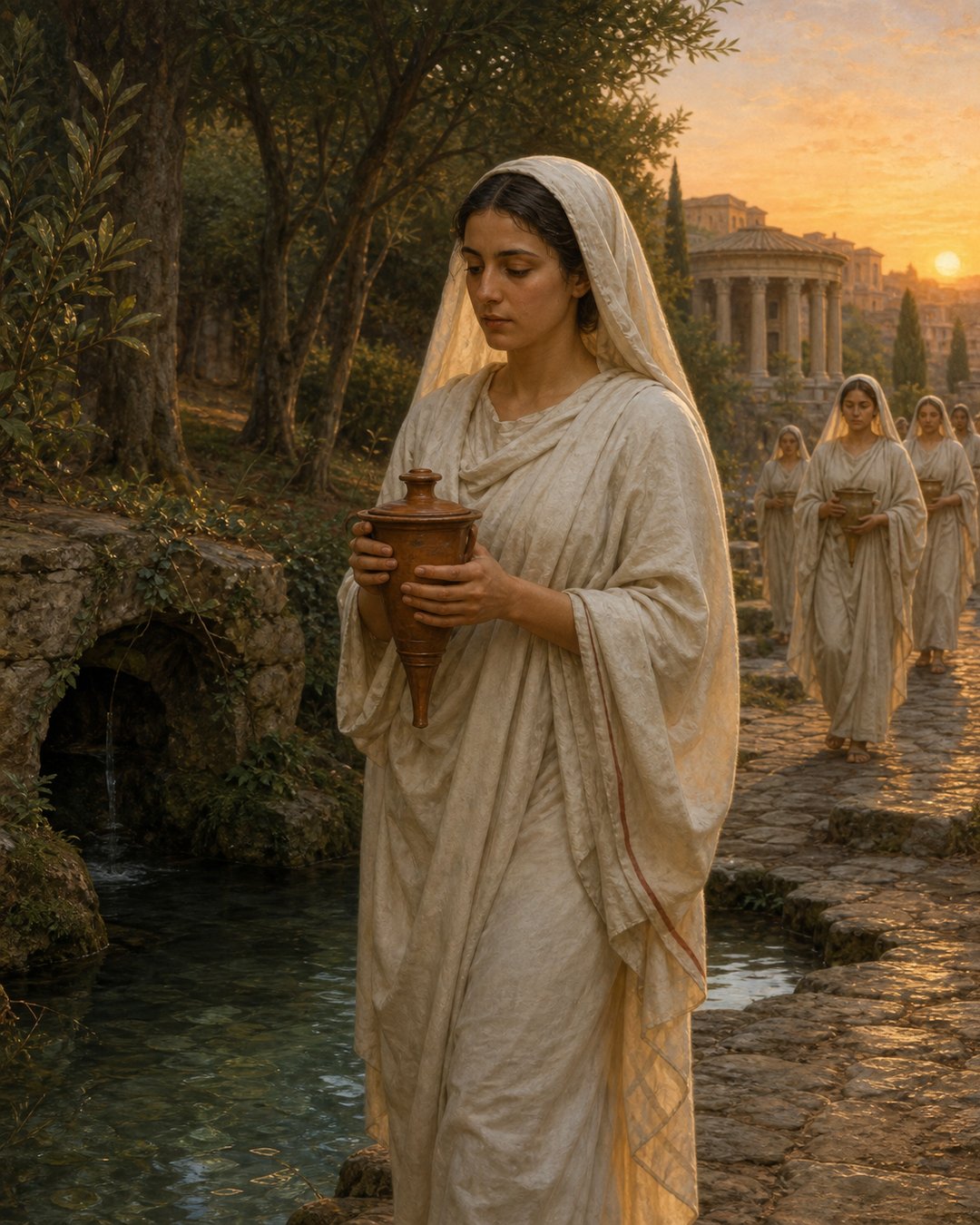
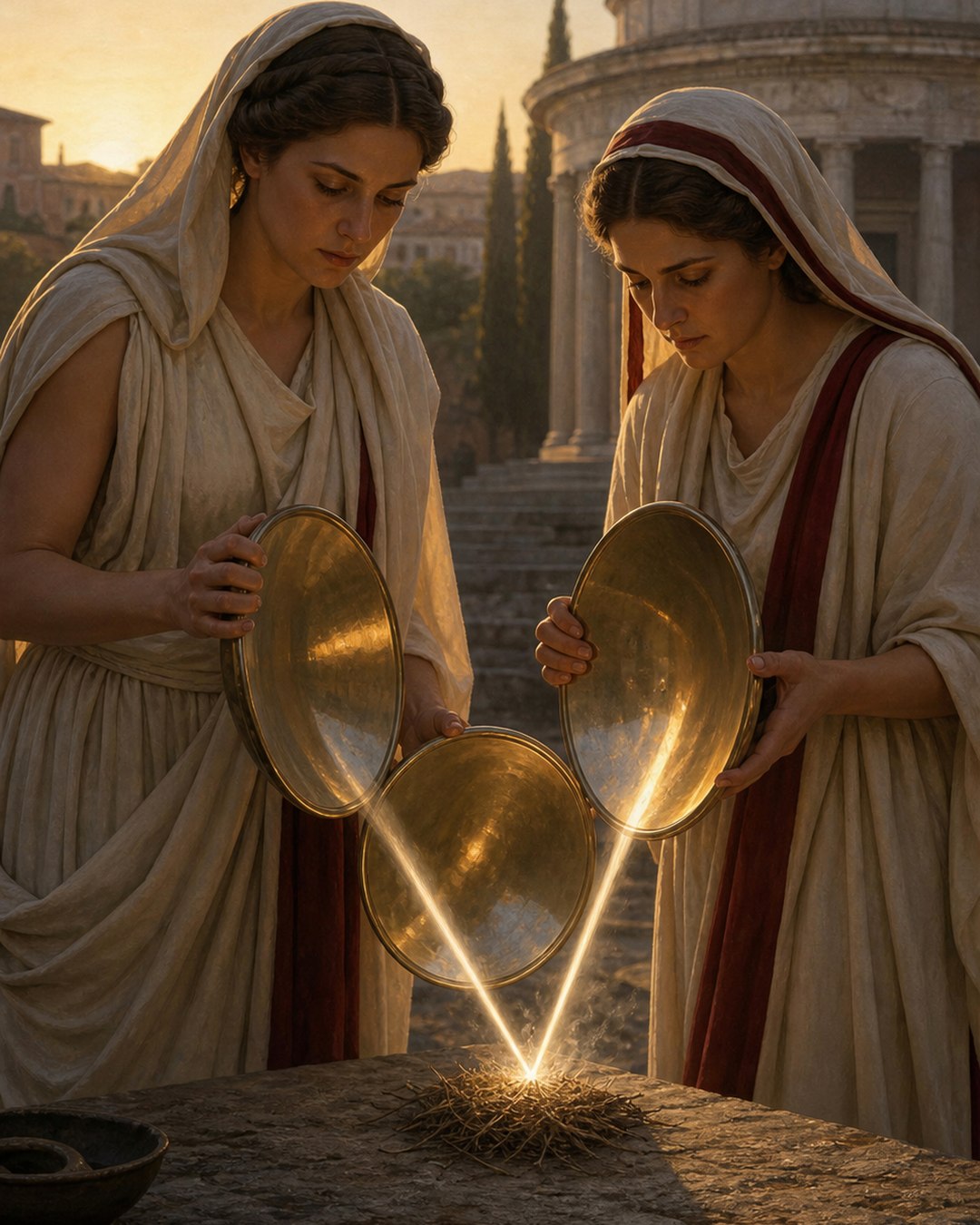
First came the failure: a flame intended to endure had gone dark. The practical answer was close at hand. Every kitchen, lamp and brazier could offer fire. Plutarch says that answer was unacceptable. The extinguished sacred fire was not to be relit from another flame. Its replacement had to be “fresh and new,” drawn from … Read more

Eleven Copies Hid the Shield That Fell from the Sky

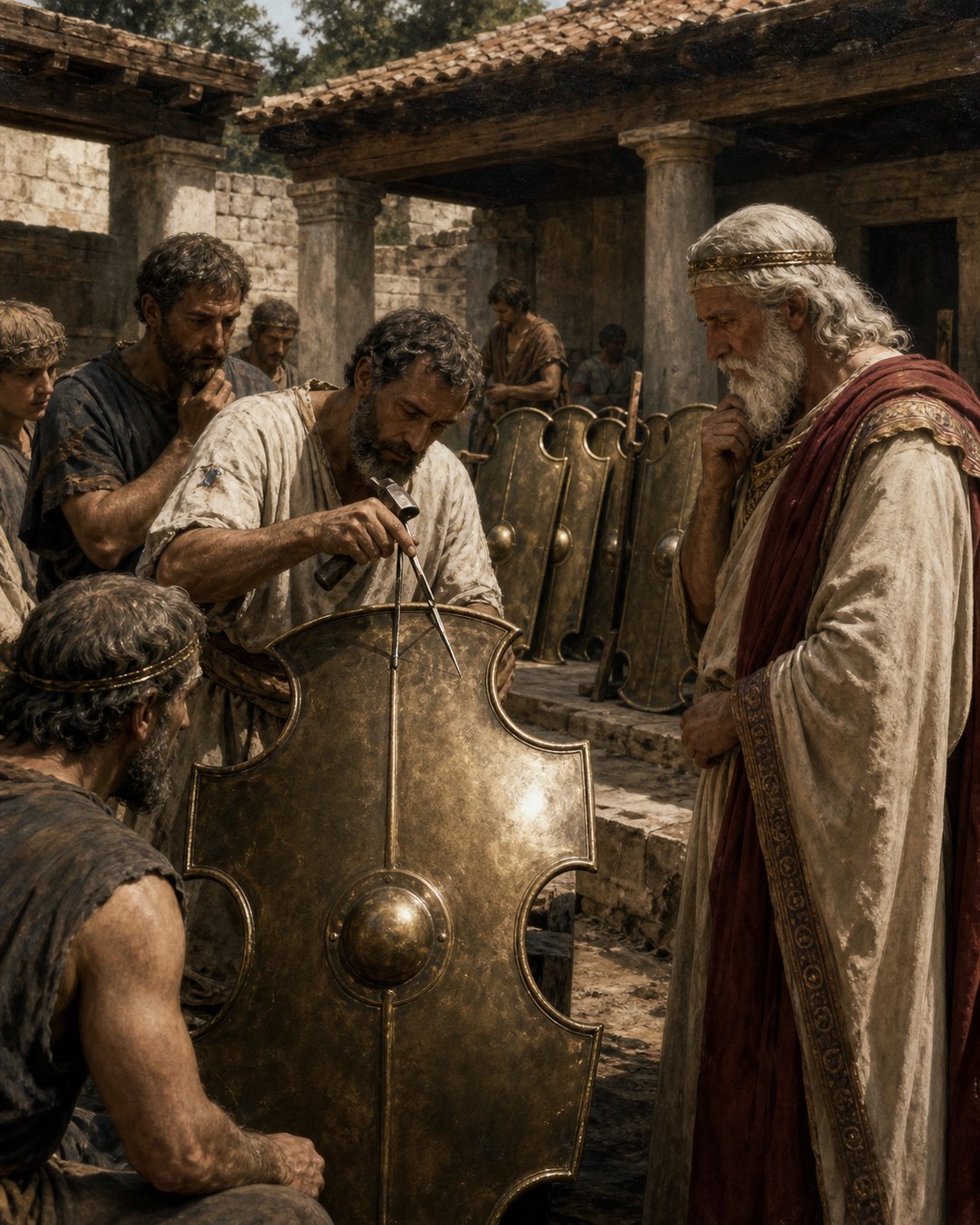
Rome protected one sacred shield by making it impossible to tell which shield was sacred. Plutarch says a bronze buckler fell from the sky during a pestilence in Numa’s reign. The king treated it as a pledge of the city’s preservation. A unique object, however, invited a simple danger: a thief needed to steal only … Read more

An Elephant Traced Greek Letters for Roman Readers

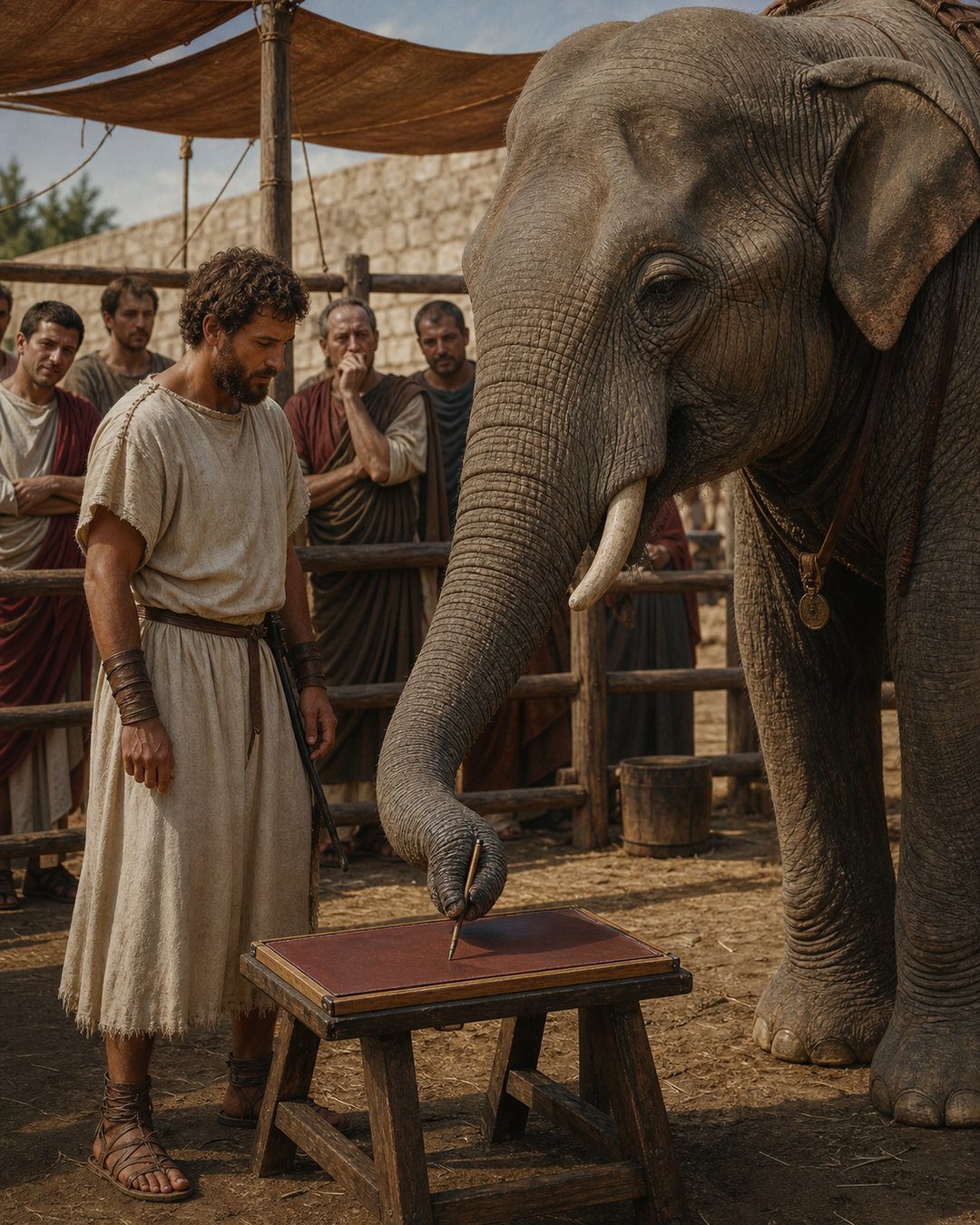
An elephant stood over a writing surface and traced a sentence in Greek. Pliny the Elder attributes the report to Mutianus, a man who had been consul three times. The animal supposedly wrote in the first person that it had made the inscription and dedicated Celtic spoils. In the same chapter another elephant rehearsed a … Read more

Mars’s Courage Became a Wife in Rome’s Old Prayers

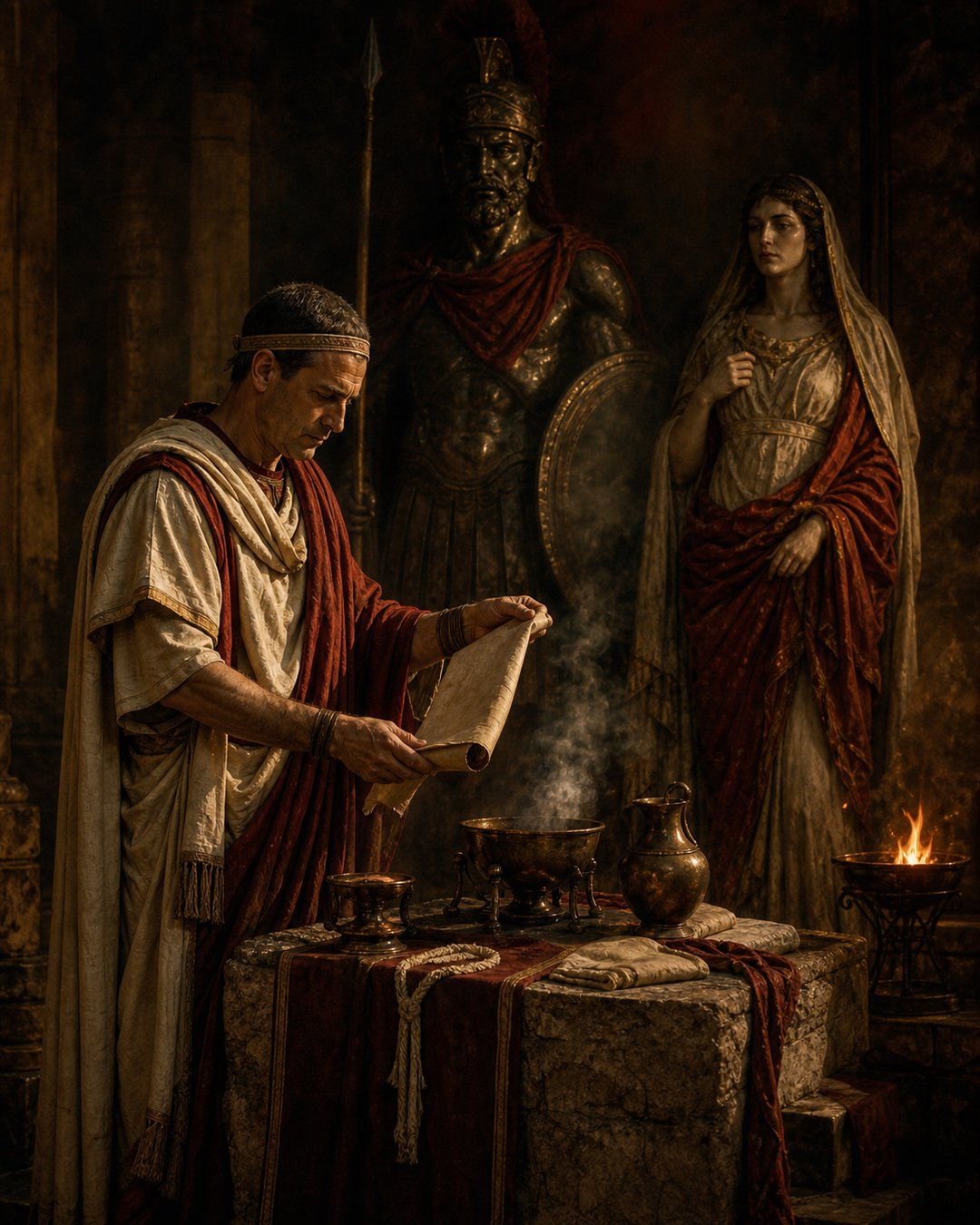
An old Roman prayer name could change identity without changing its place beside Mars. For one antiquarian explanation, Nerio meant the war god’s courage, strength and majesty. In comedy and annalistic tradition, Nerio—or Neria or Nerienes—was his wife. Aulus Gellius did not solve the contradiction by choosing one clean definition. He compared priestly prayer books, … Read more

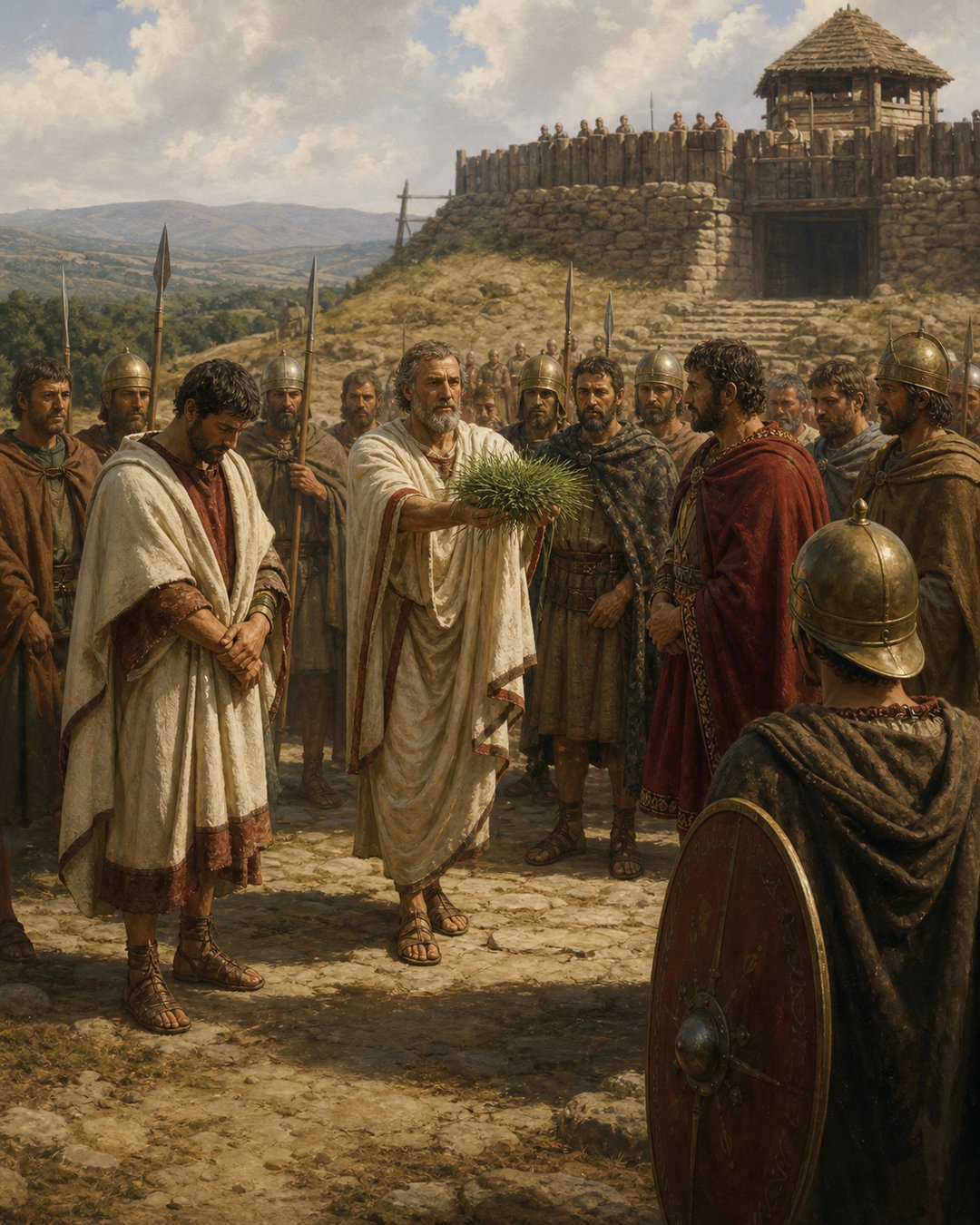
A Flint Stone Sealed Rome’s Treaty Oath

Before six brothers fought for Rome and Alba Longa, a Roman priest asked his own god to punish Rome if it broke its word. Livy places the treaty before the combat of the Horatii and Curiatii. Three champions from each community would decide which people submitted to the other. Yet the duel did not rest … Read more