One Hundred Fleeces Became Latinus’s Bed for an Oracle
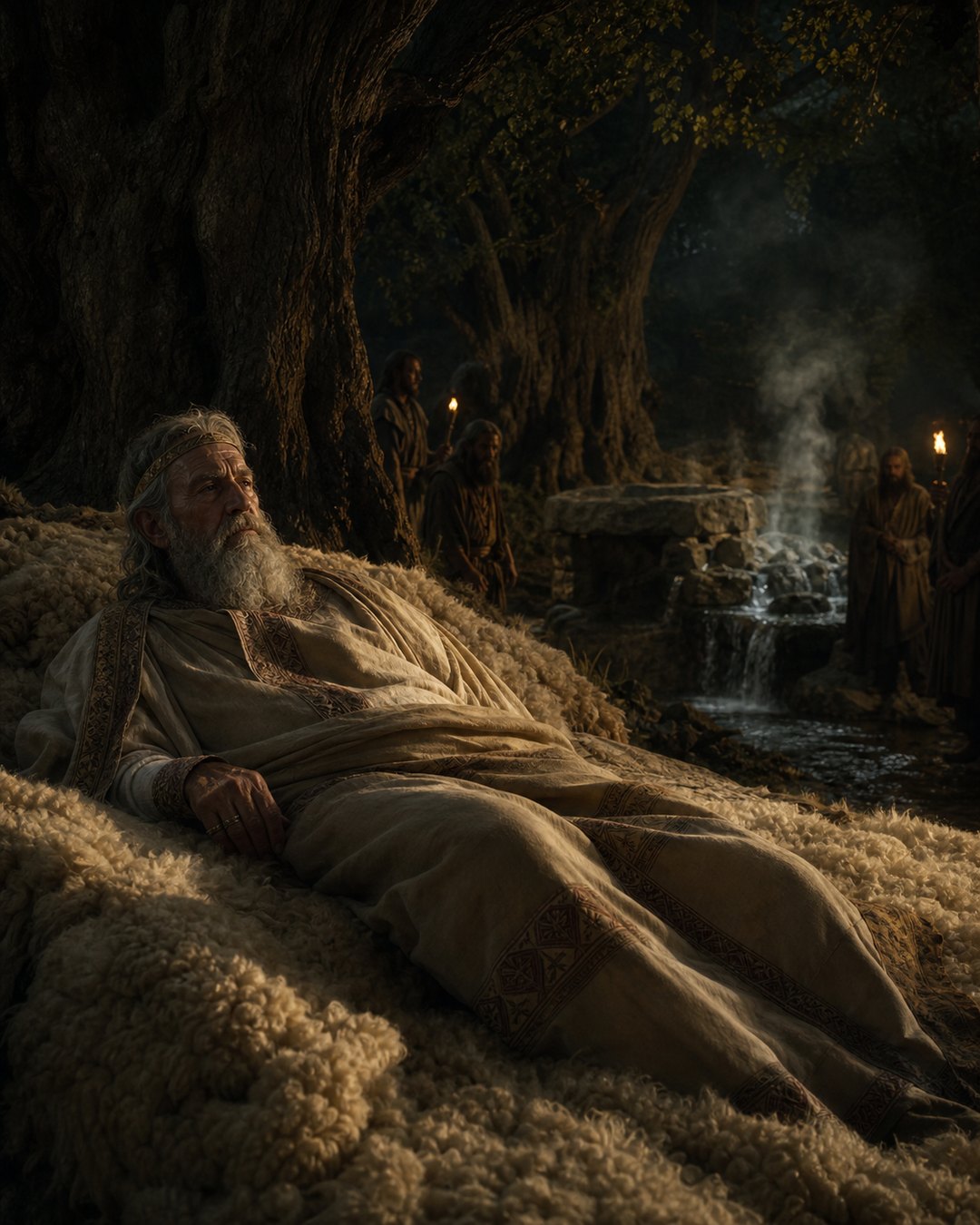
Latinus did not sit upright on a throne while an official read the future. In Virgil’s story, the king slaughtered one hundred woolly sheep, spread their skins beneath him and lay down in a sacred grove. The answer would come only after waking authority had yielded to ritual sleep. Below high Albunea, a fountain echoed … Read more
Three Cities Gave Homer’s Critic Three Different Deaths

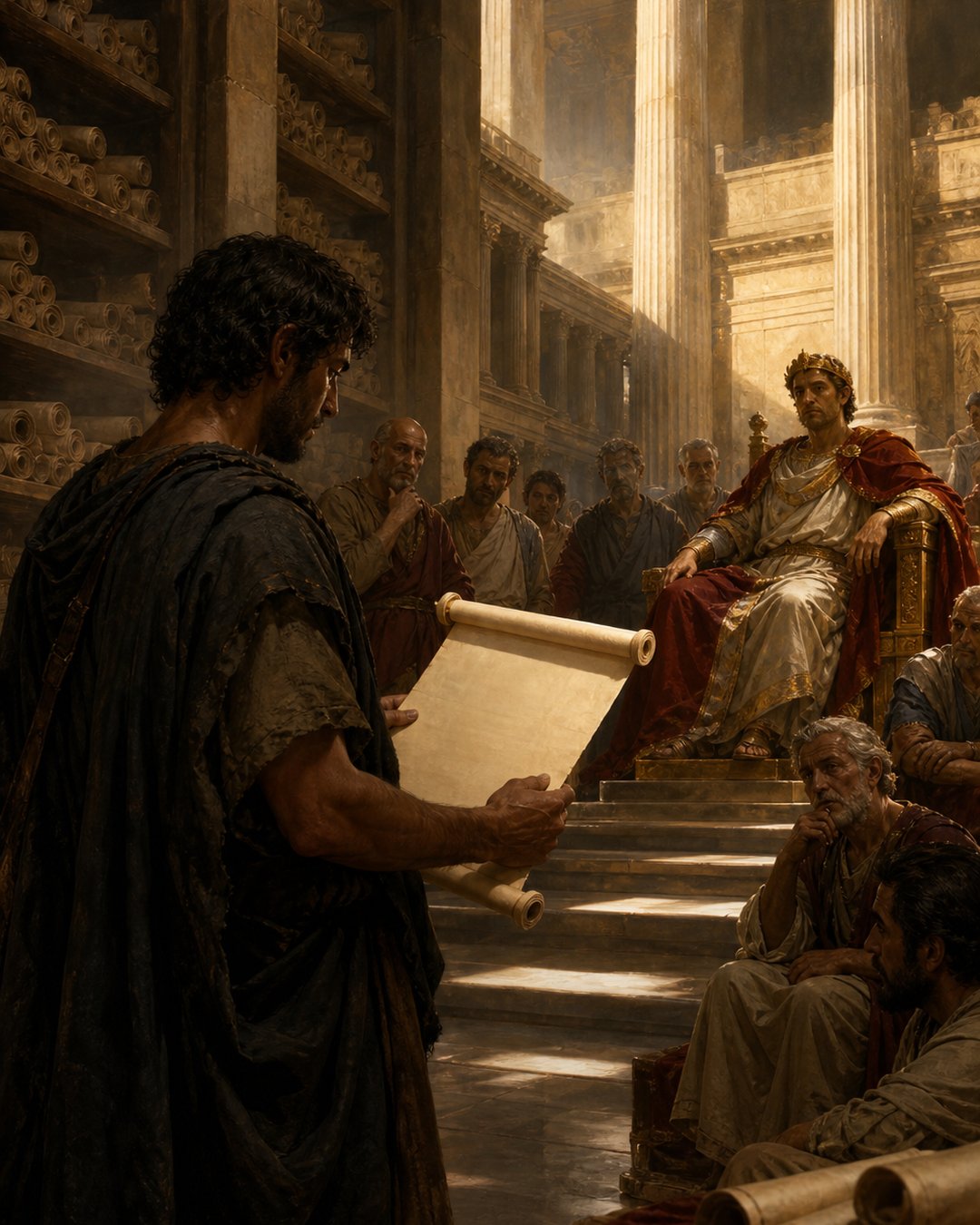
Zoilus arrived in Alexandria with an aggressive literary identity. Vitruvius says the Macedonian called himself Homeromastix and read works attacking the Iliad and Odyssey before Ptolemy. The king was offended but withheld an answer. Later the critic fell into poverty and asked the same court for help. The reply made reputation into an economy. Homer, … Read more

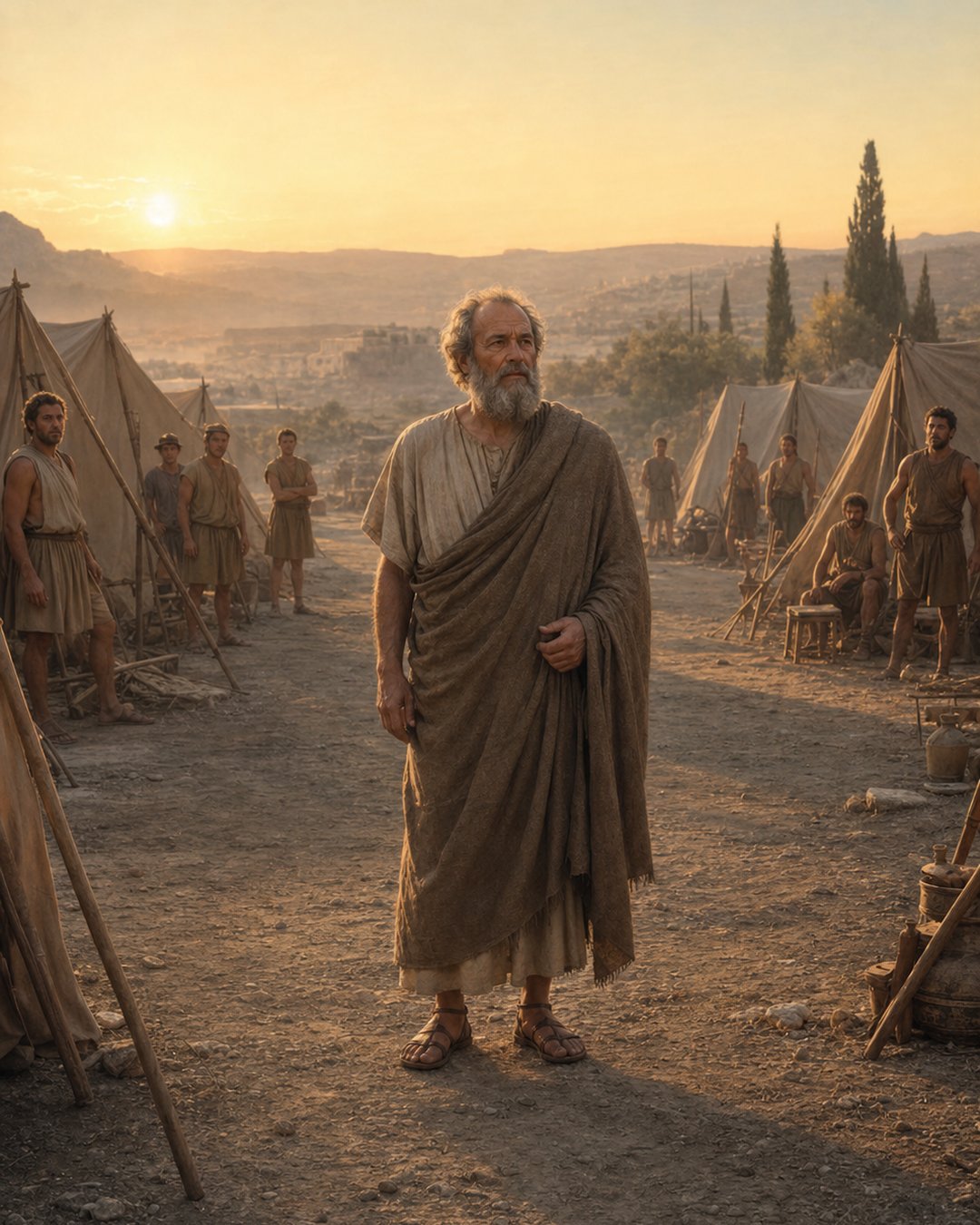
Sunrise Found Socrates Where Dawn Had Left Him

At midday the soldiers began pointing him out. Socrates had been standing in the same place since dawn, absorbed in a problem that had refused to yield. Hours passed, the camp moved through its routines, and still he did not leave. By evening, curiosity had become an overnight watch. Some Ionian soldiers finished supper, carried … Read more

No Knot Could Stay on Jupiter’s Priest

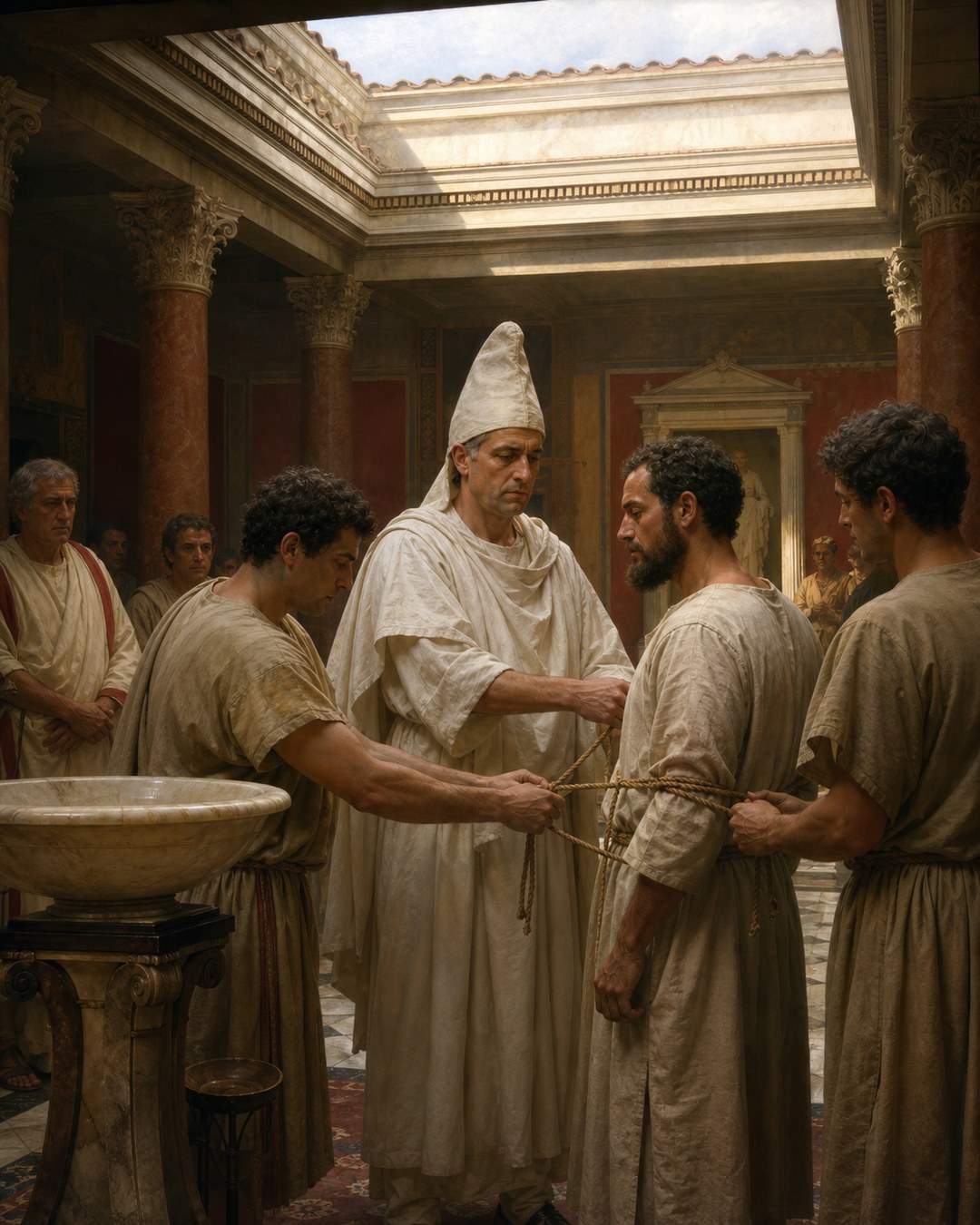
No knot could remain on the clothing of Jupiter’s priest. Not in his head-dress, not in his girdle, not anywhere else on what he wore. The prohibition followed him through ordinary movement because it was built into the things resting against his body. Aulus Gellius records an even stranger consequence. If a person in fetters … Read more

A Veil Carried the Grief Timanthes Refused to Paint

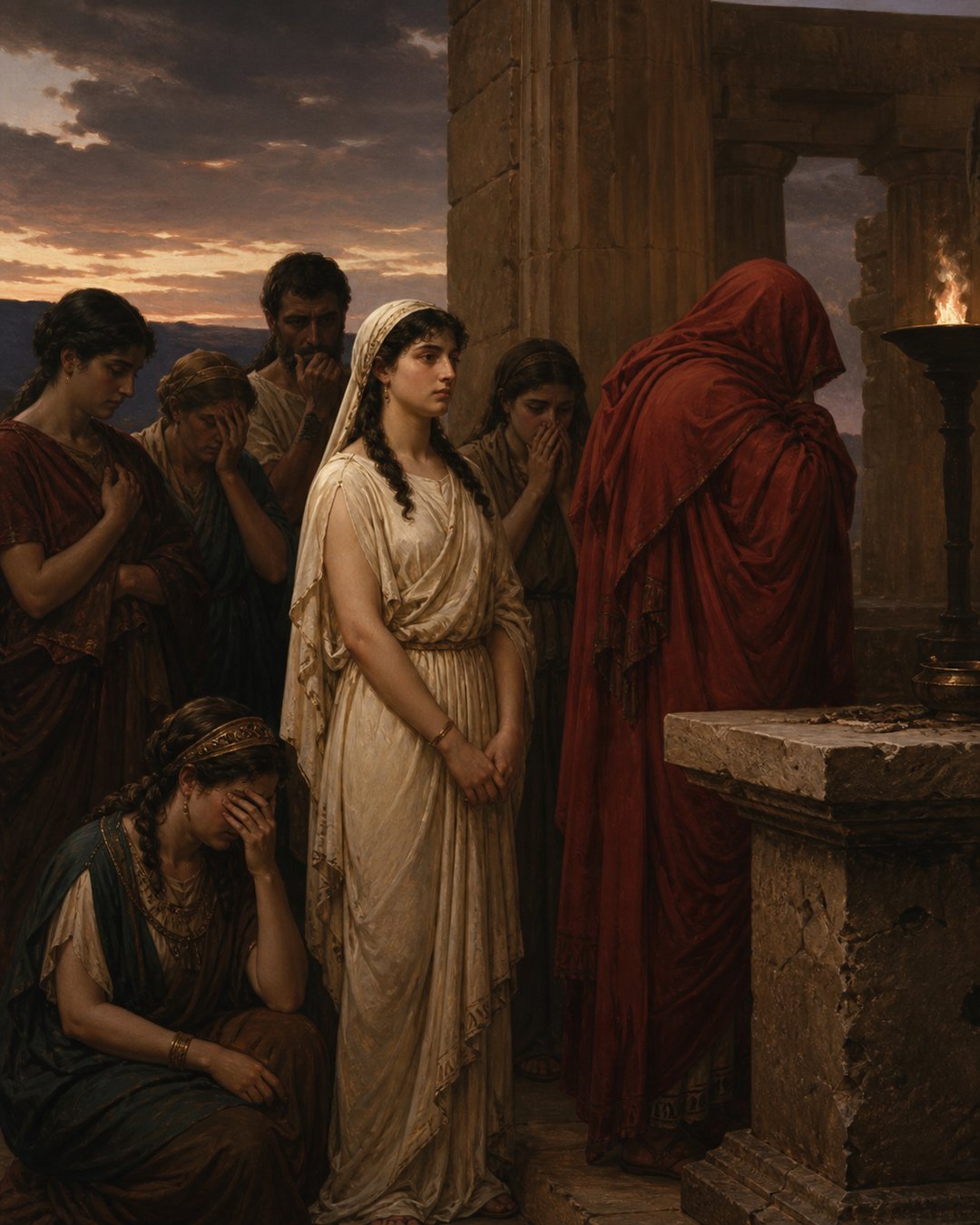
One face in Timanthes’s lost painting refused the viewer’s gaze. Iphigenia stood at an altar awaiting death. Around her, relatives and witnesses showed grief in different degrees. Her father did not. A fold of cloth concealed him at the moment when the picture should have revealed its deepest sorrow. Pliny the Elder preserved this arrangement … Read more

A Laurel Garland Carried Delphi’s Answer Back to Rome

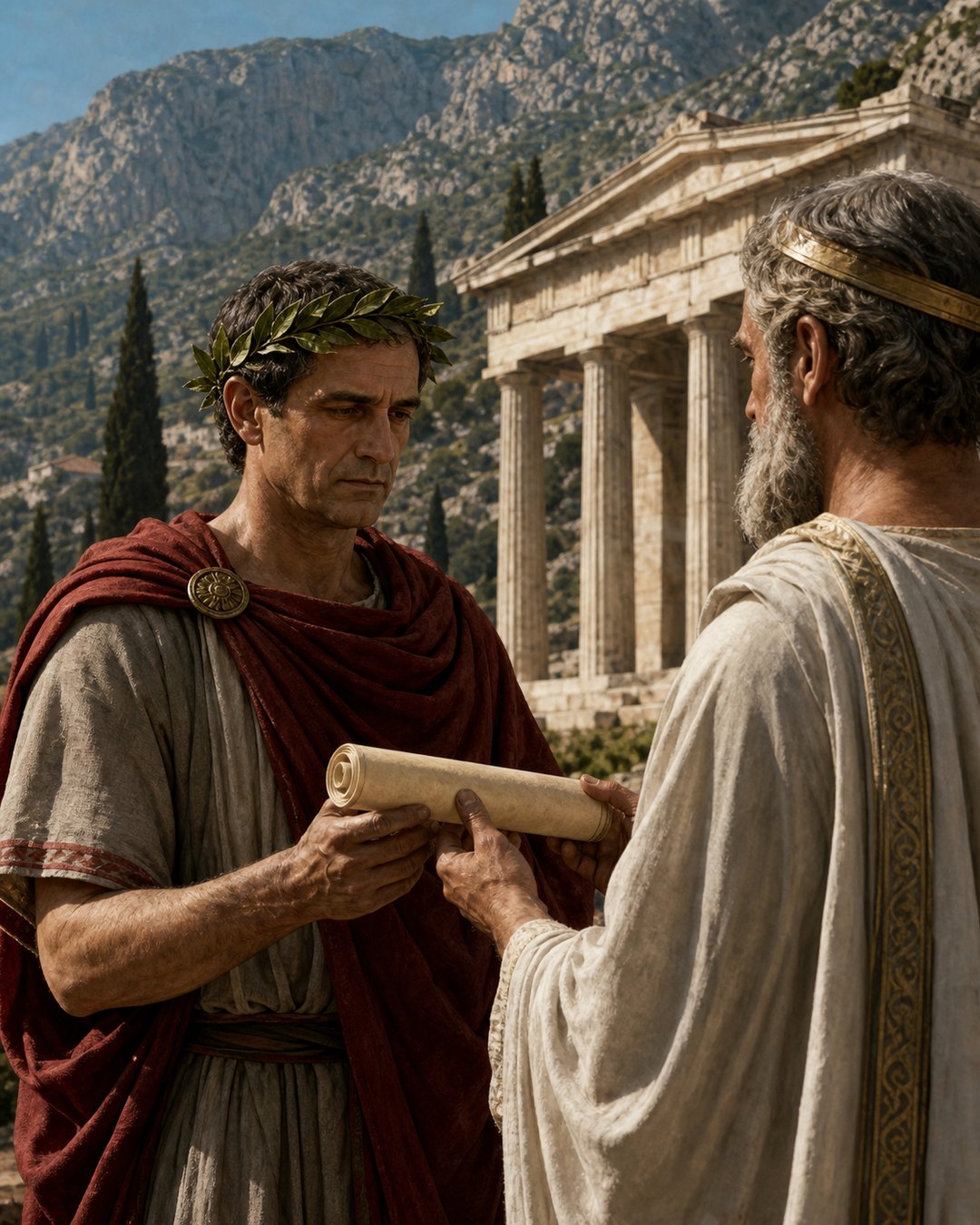
Rome’s answer to Cannae travelled home on a senator’s head. Quintus Fabius Pictor returned from Delphi carrying a written oracle in Greek and wearing the same laurel garland in which he had approached Apollo’s shrine. A priest had instructed him not to remove it until he reached Rome. Livy says Fabius read the response before … Read more

A Pig and a Prayer Opened Rome’s Sacred Groves

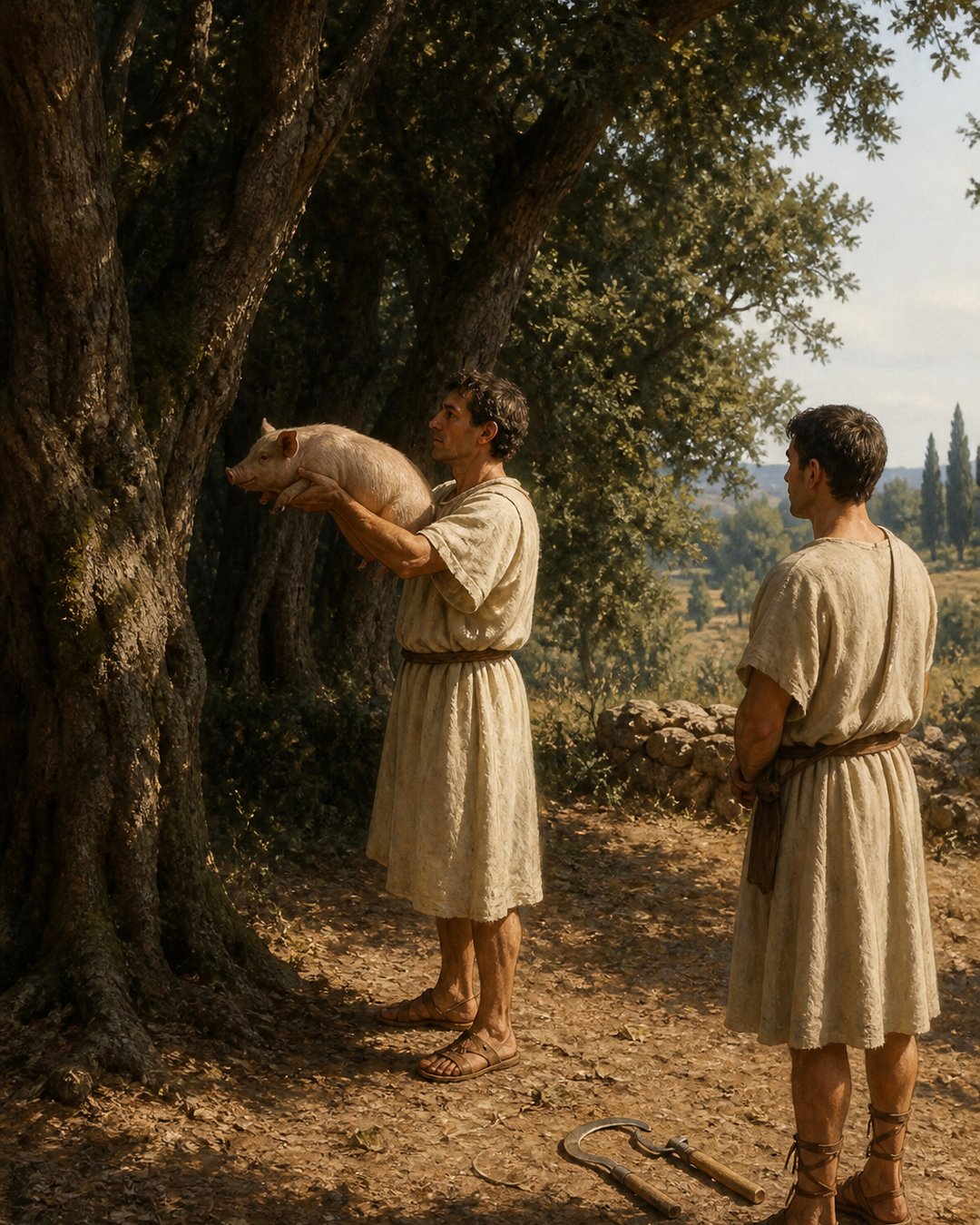
Before anyone thinned a sacred grove, Cato the Elder required a pig and a spoken formula. The speaker addressed “whether thou be god or goddess” to whom the grove belonged, acknowledged that deity’s right to the offering, and asked that the cutting be rightly done. The words did more than apologize for damaged trees. They … Read more

A False Fire Alarm Revealed Praxiteles’s Favorite Statues

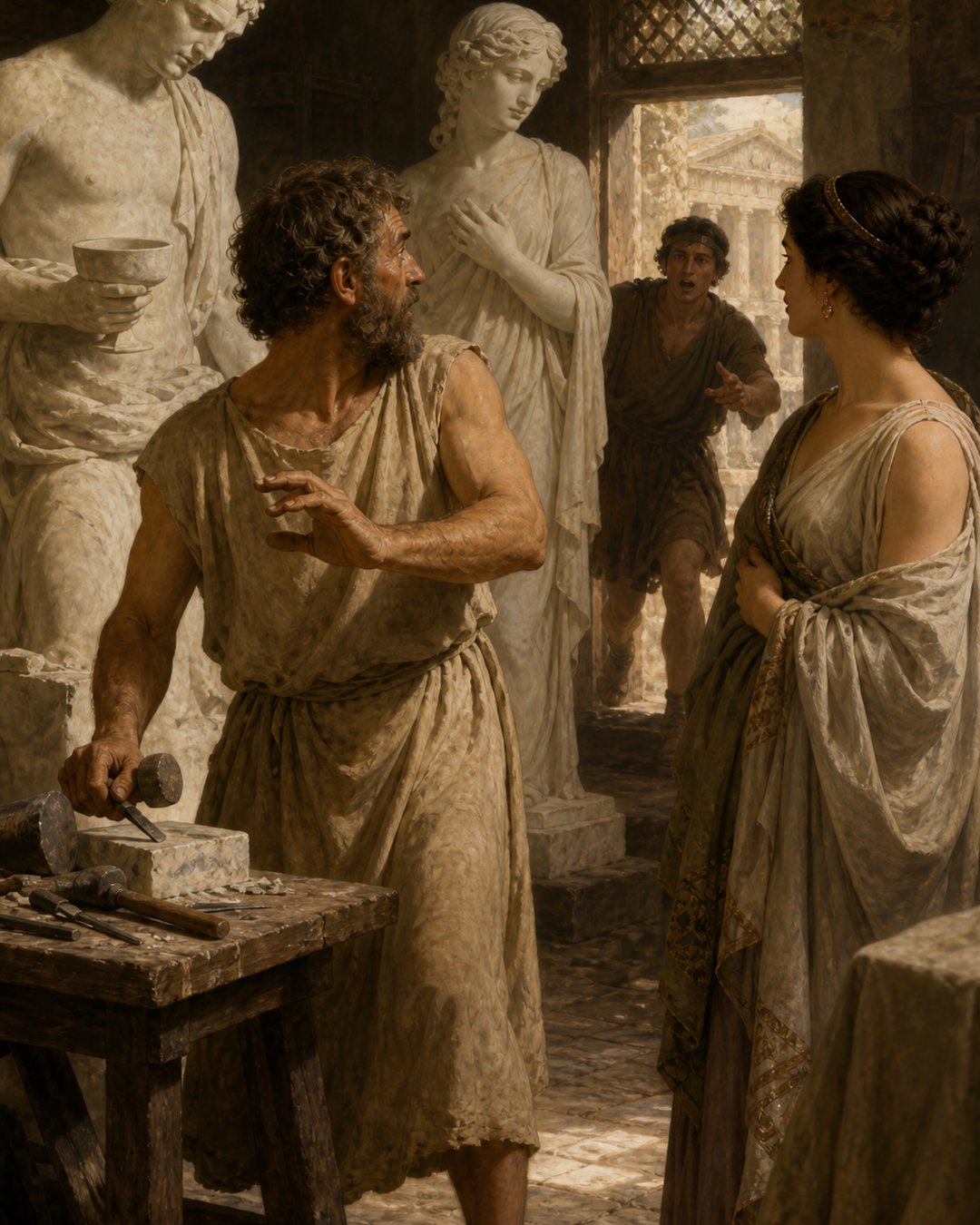
Praxiteles promised Phryne the most beautiful of his sculptures, then refused to say which sculpture that was. The gift sounded generous, but the maker still controlled the ranking. Any answer he gave could protect the work he least wanted to surrender. Phryne answered with a false emergency. A slave rushed in claiming that fire had … Read more

Cicero Found Archimedes Beneath the Briars

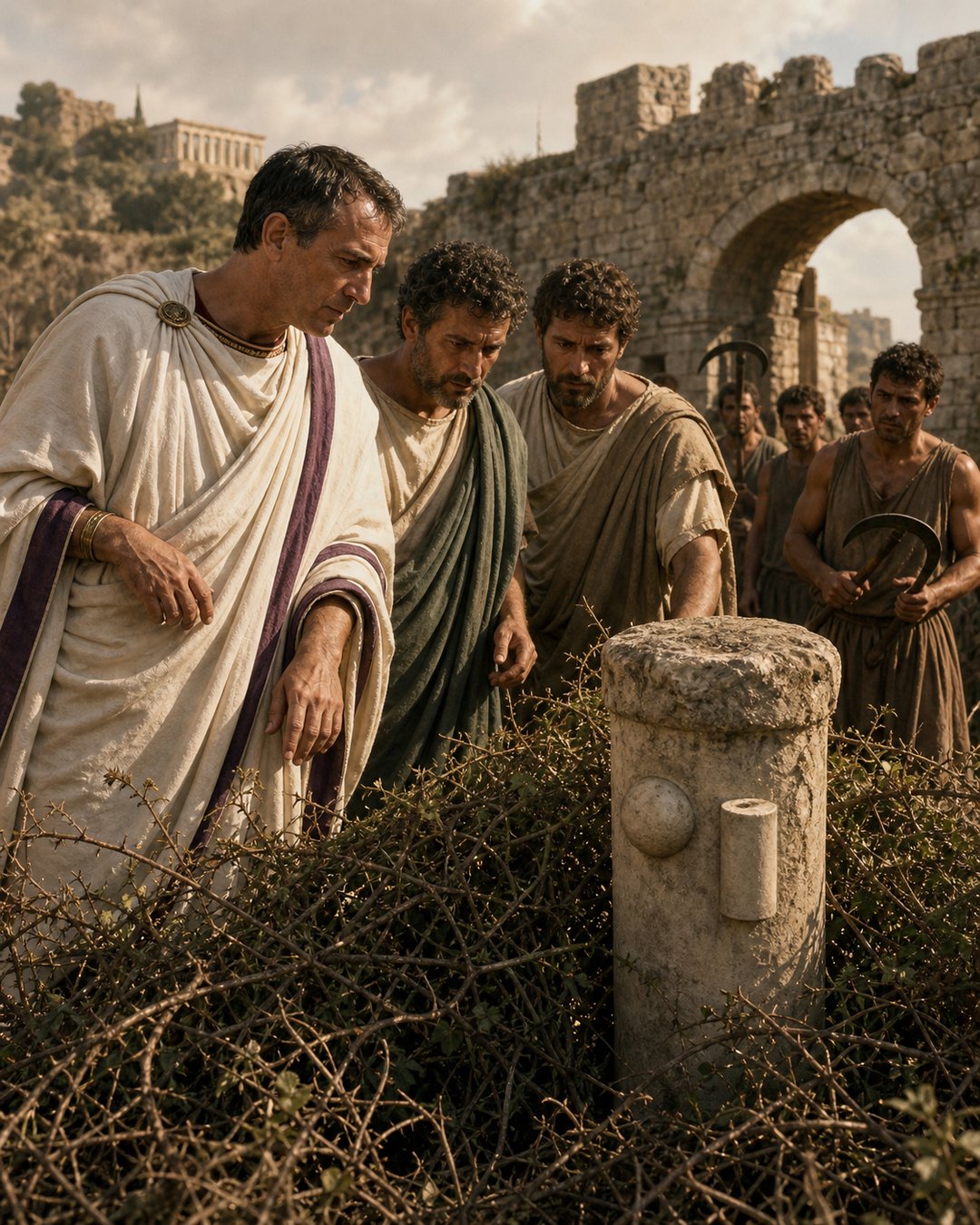
Syracuse’s leading men told Cicero there was no tomb to find. Archimedes had been the city’s greatest mathematician, yet the monument had dropped out of local memory. Cicero did not arrive with a map or an official register. He carried a few remembered verses and one visual clue: a sphere with a cylinder. During his … Read more