A Hundred Thousand Sesterces Bought the Horse of Seius
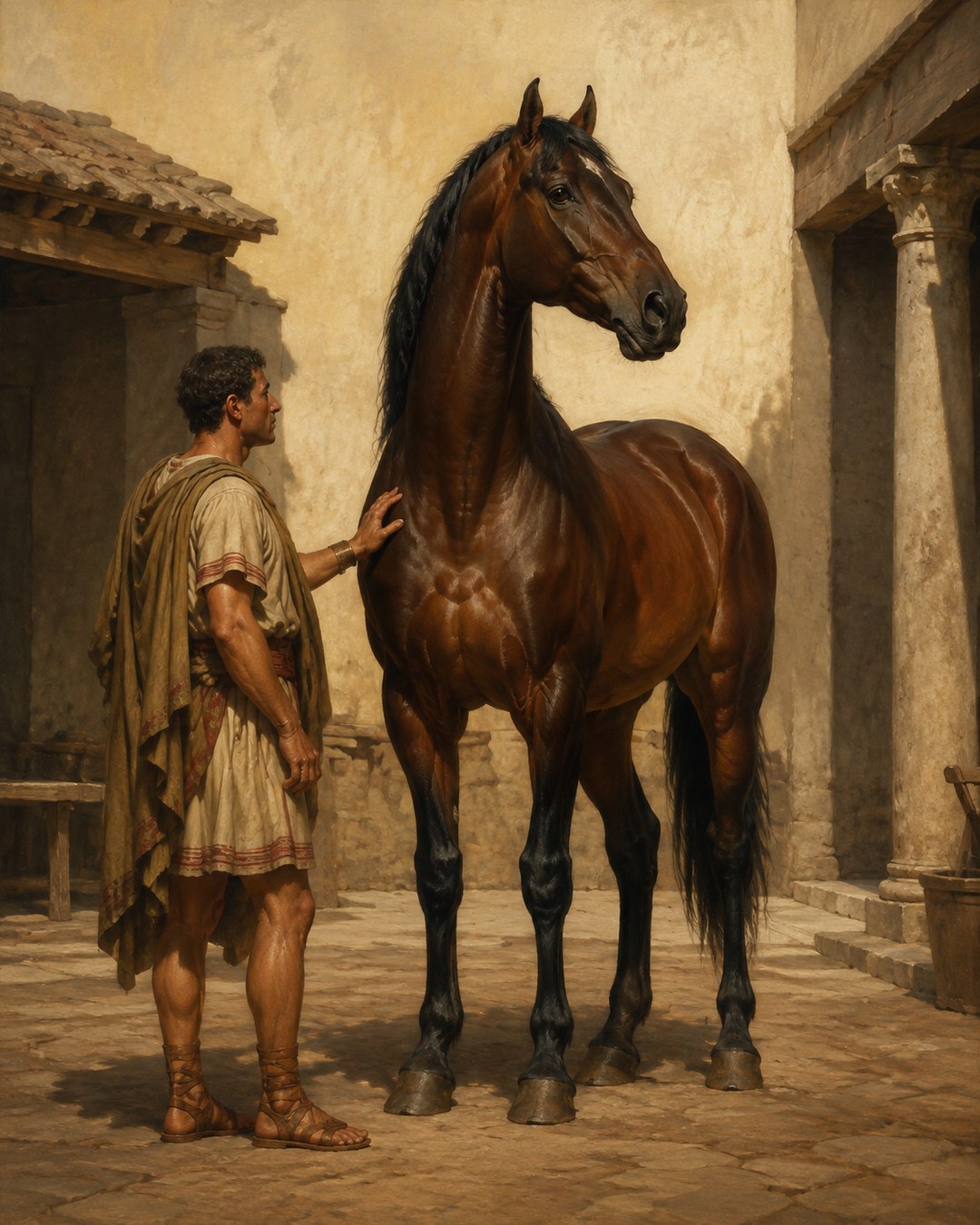
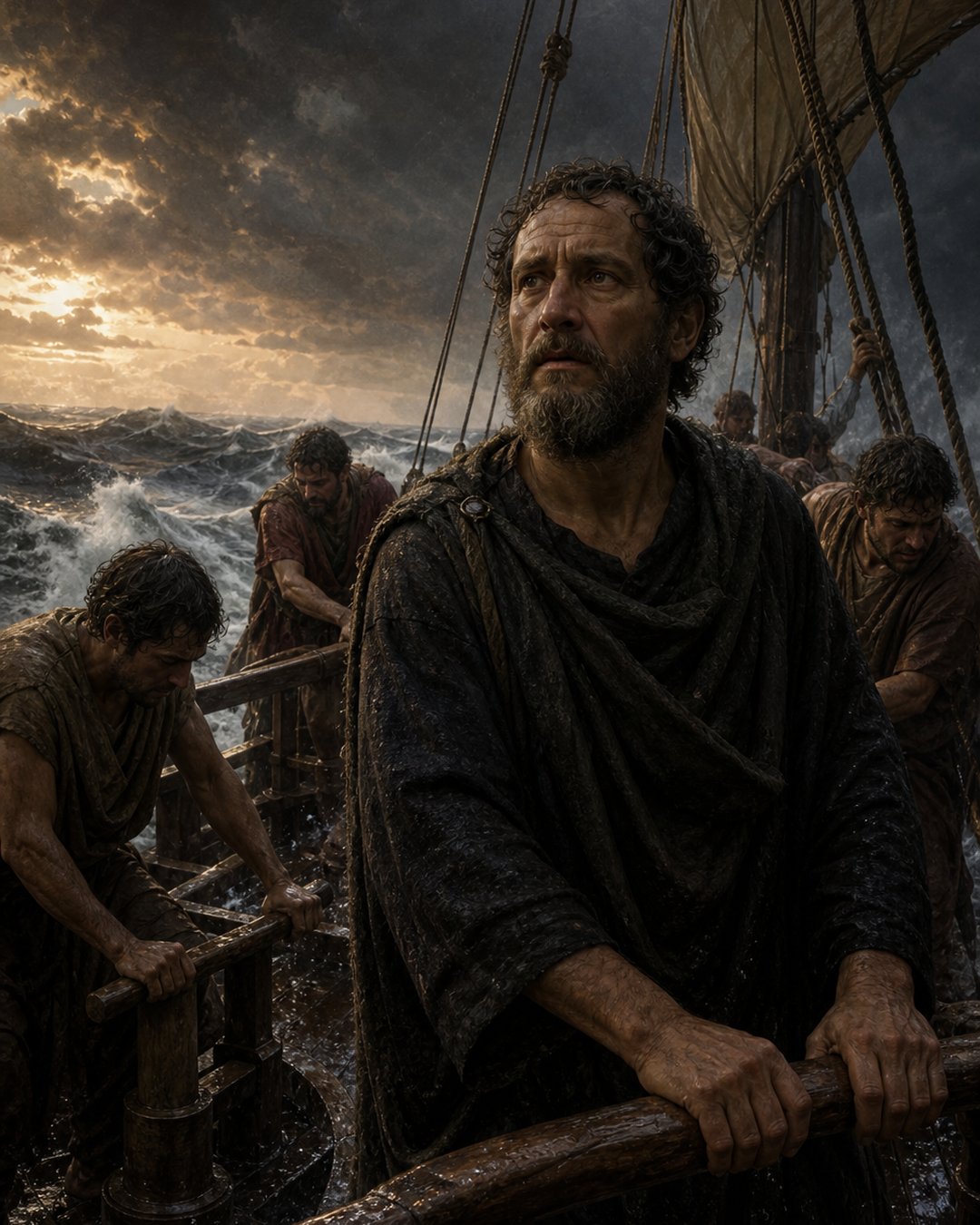
The horse stood at Argos with the qualities buyers wanted to exaggerate and witnesses wanted to remember: extraordinary size, a high neck, a thick shining mane and a rich bay coat. Cornelius Dolabella was travelling toward Syria when its fame pulled him off his route. He paid one hundred thousand sesterces for it. Aulus Gellius … Read more
Four People Guarded Every Word of a Roman Prayer

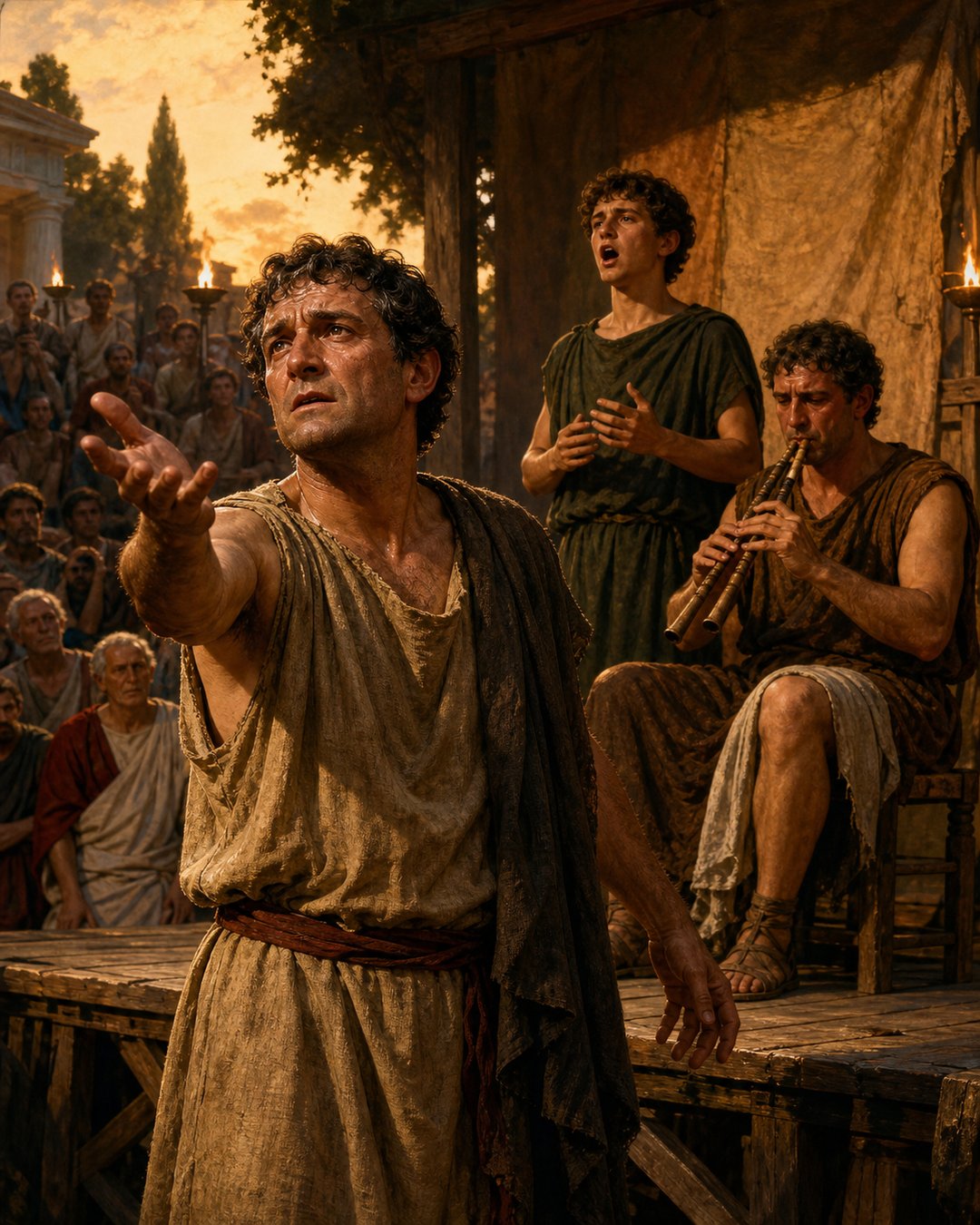
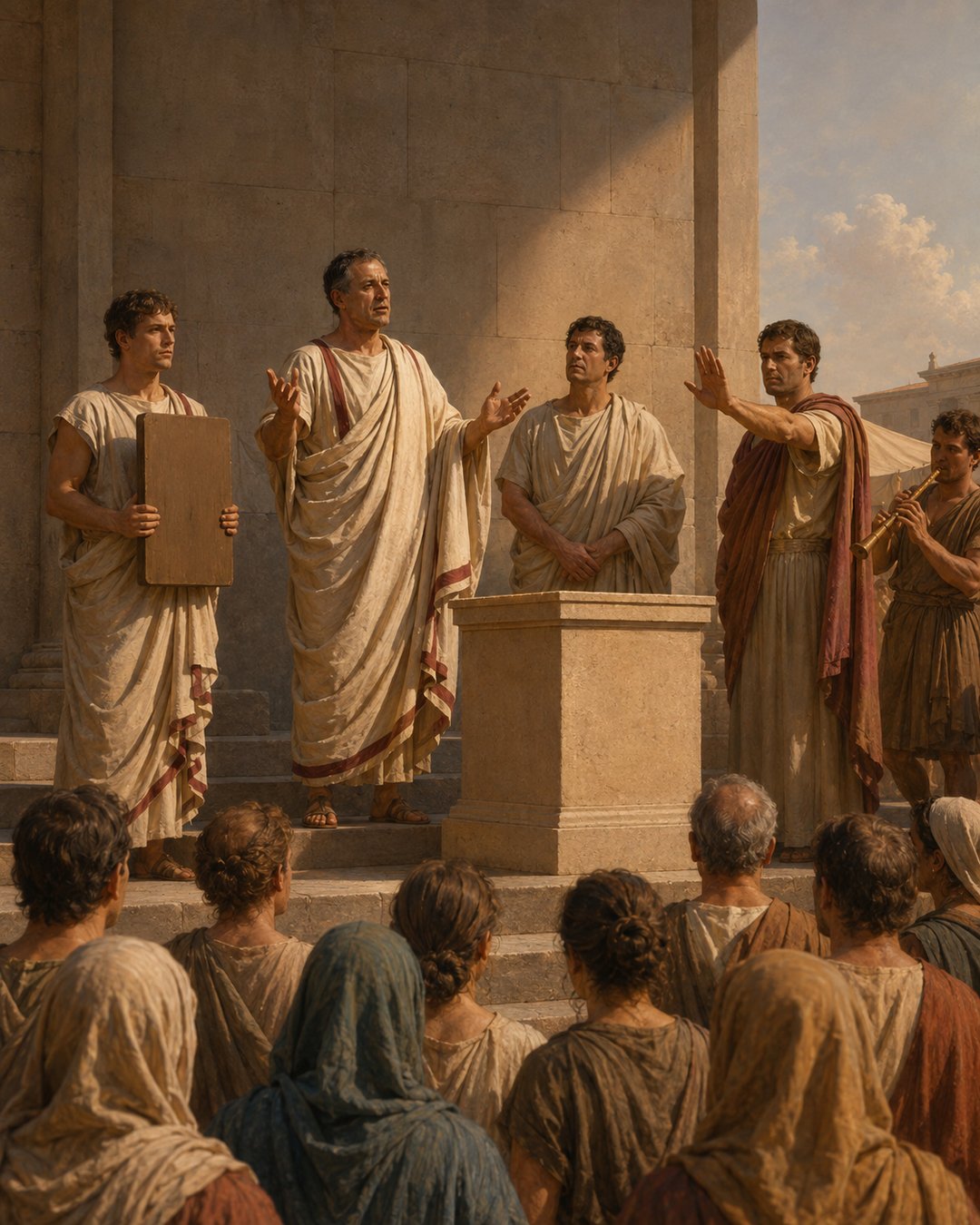
A magistrate began a public prayer, but the voice was not his alone. One attendant read the formula ahead of him from a written ritual. A second listened for every word. A third guarded the silence around them. At the edge of the ceremony, a musician played the flute so that stray speech could not … Read more

Juno’s Statue Answered Before It Left Conquered Veii

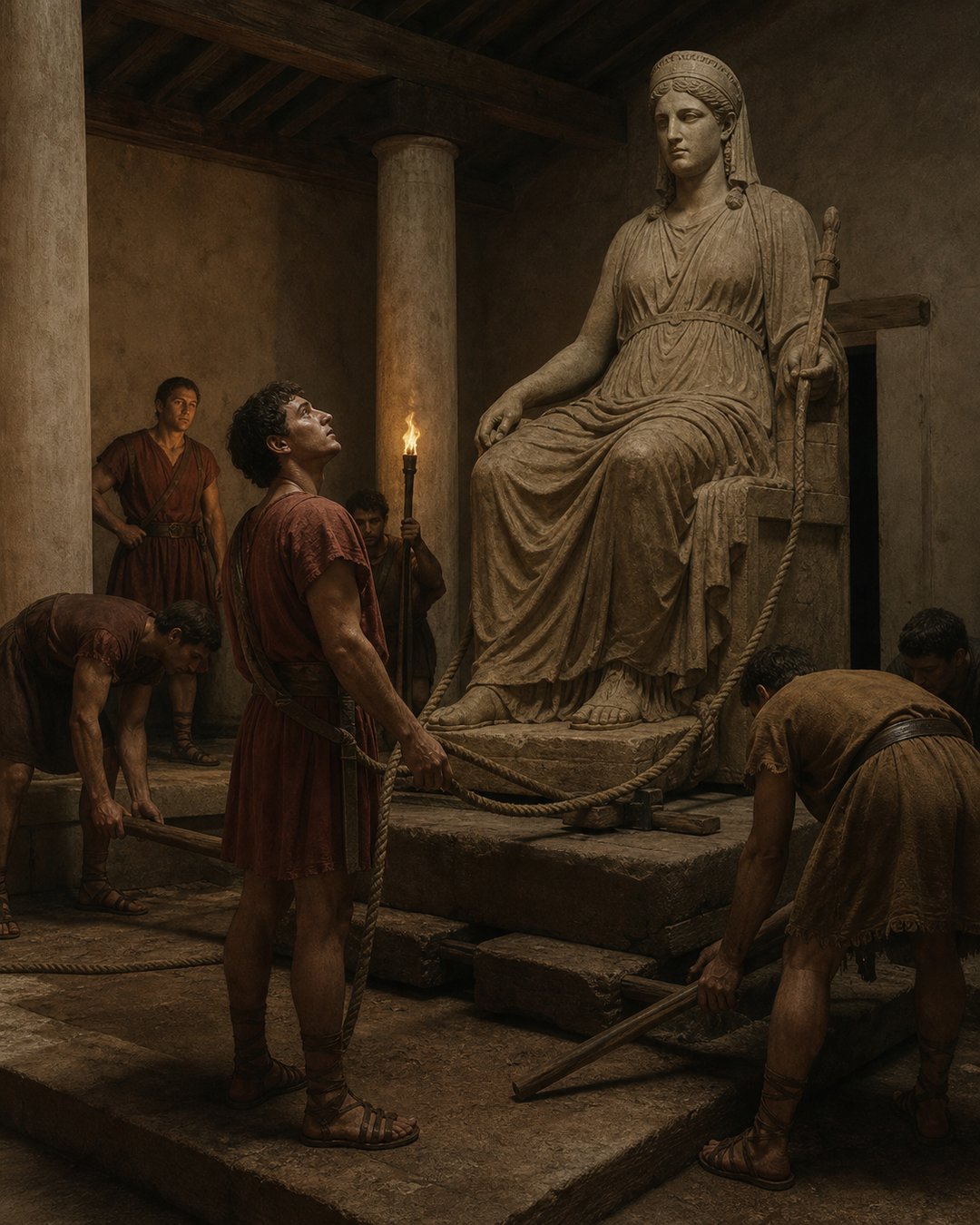
Veii had been conquered, but its great goddess could not be treated like an ordinary prize. Livy says the Romans selected youths, made them wash, dressed them in white and sent them into Juno Regina’s temple with profound reverence. Etruscan custom, as he understood it, had normally allowed only a priest from a particular family … Read more

A Broken Voice Split Rome’s Theatre into Song and Gesture

The actor had reached the point where applause became a physical problem. Livius Andronicus performed in plays he had written, and the audience repeatedly called him back. According to Livy, the strain broke his voice. The performance still had to continue, but its author could no longer carry every part of it. The solution was … Read more

Gellius Put Beans Back on Pythagoras’s Table

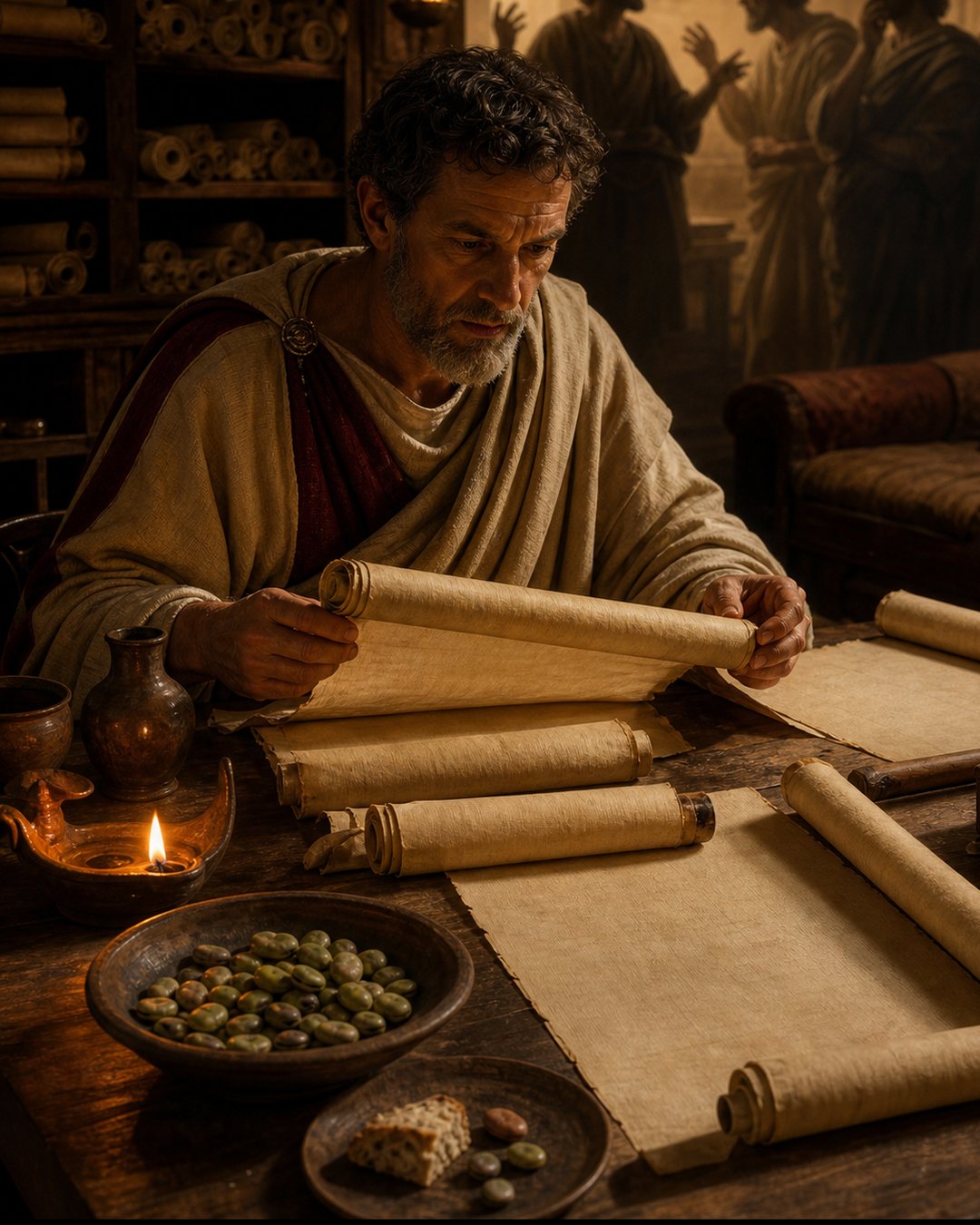
A bowl of beans sits at the center of one of antiquity’s most persistent biographical arguments. By the second century, Aulus Gellius could call it a long-established belief that Pythagoras avoided beans and ate no animals. The picture was memorable: the philosopher’s discipline could be reduced to a forbidden food that anyone understood. Gellius did … Read more

Corinthian Bronze Collectors Chased an Impossible Date

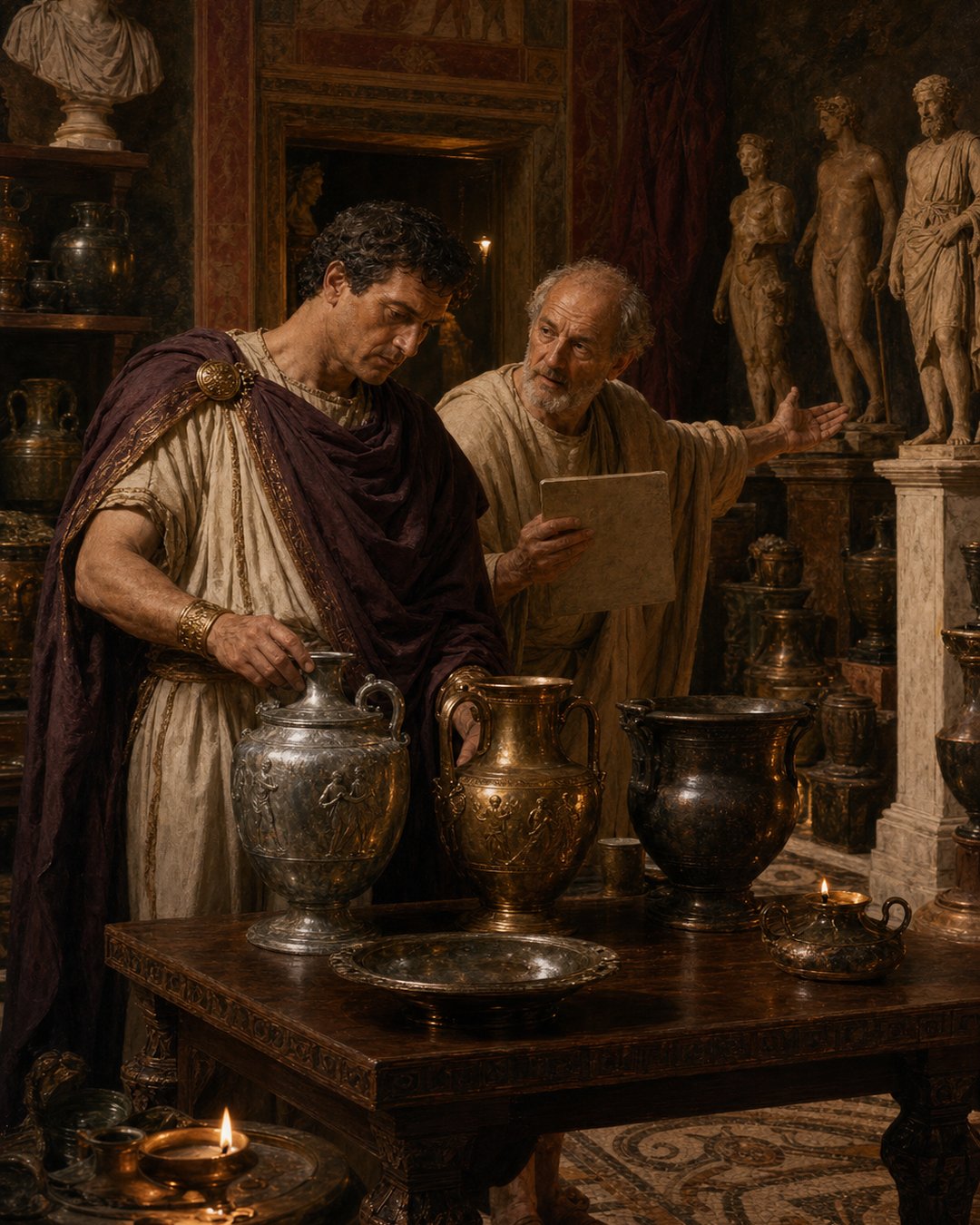
Roman collectors believed fire had made a metal that craft could no longer reproduce. When Corinth was captured and burned, the story went, copper, gold and silver melted together by accident. Objects made from the resulting alloy became trophies of discernment. Colour, scarcity and catastrophe gathered in one name: Corinthian bronze. Pliny the Elder repeats … Read more

Clitumnus’s Bridge Divided Sacred Water from Swimmers

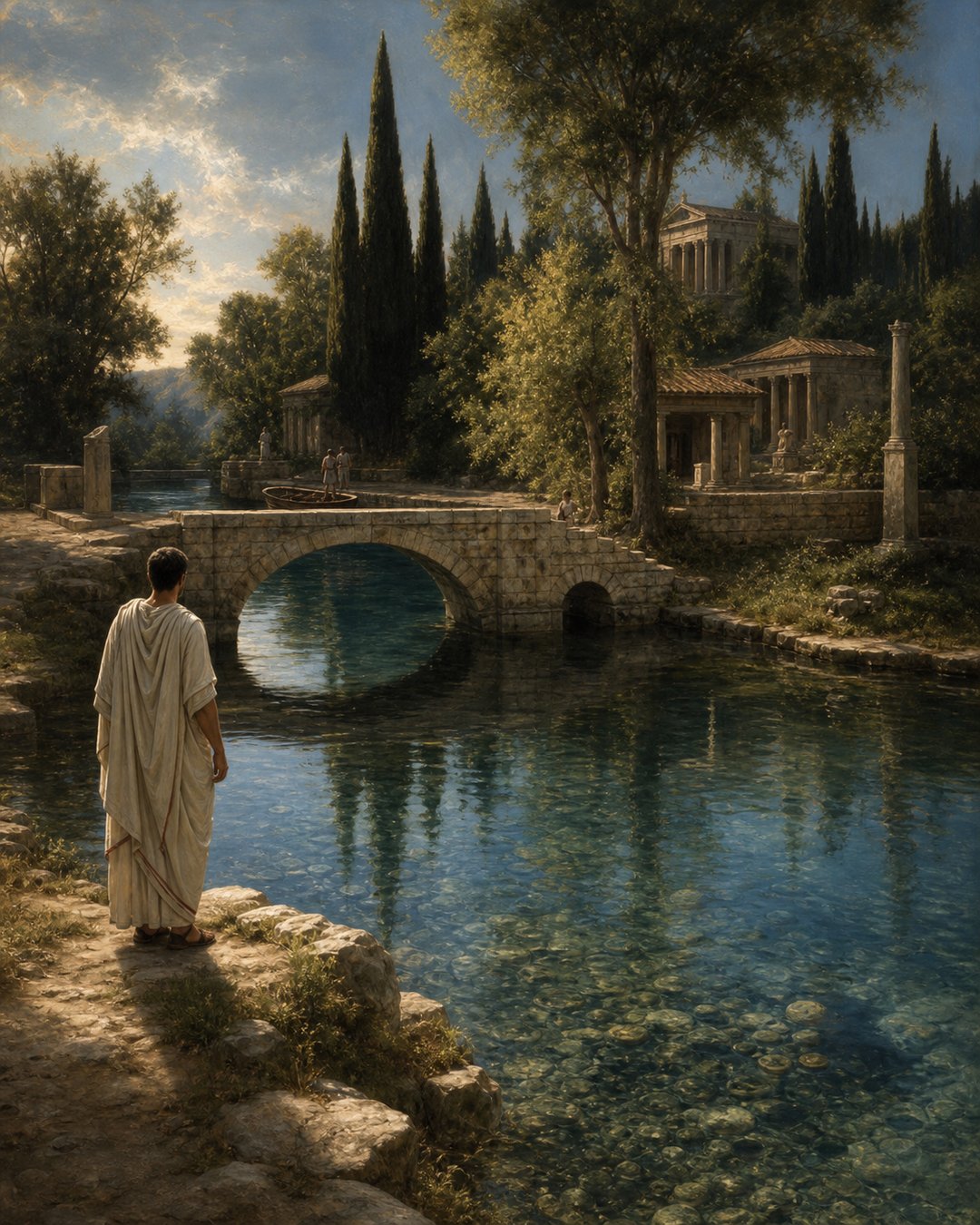
Pliny the Younger reached Clitumnus and immediately regretted arriving so late in life. He urged his correspondent Romanus to make the same journey. Beneath a hill thick with old cypresses, water broke from several channels, gathered in a small whirlpool and widened into a pool so clear that coins and pebbles could be counted on … Read more

Buried Silver Named Four Christians at Durobrivae

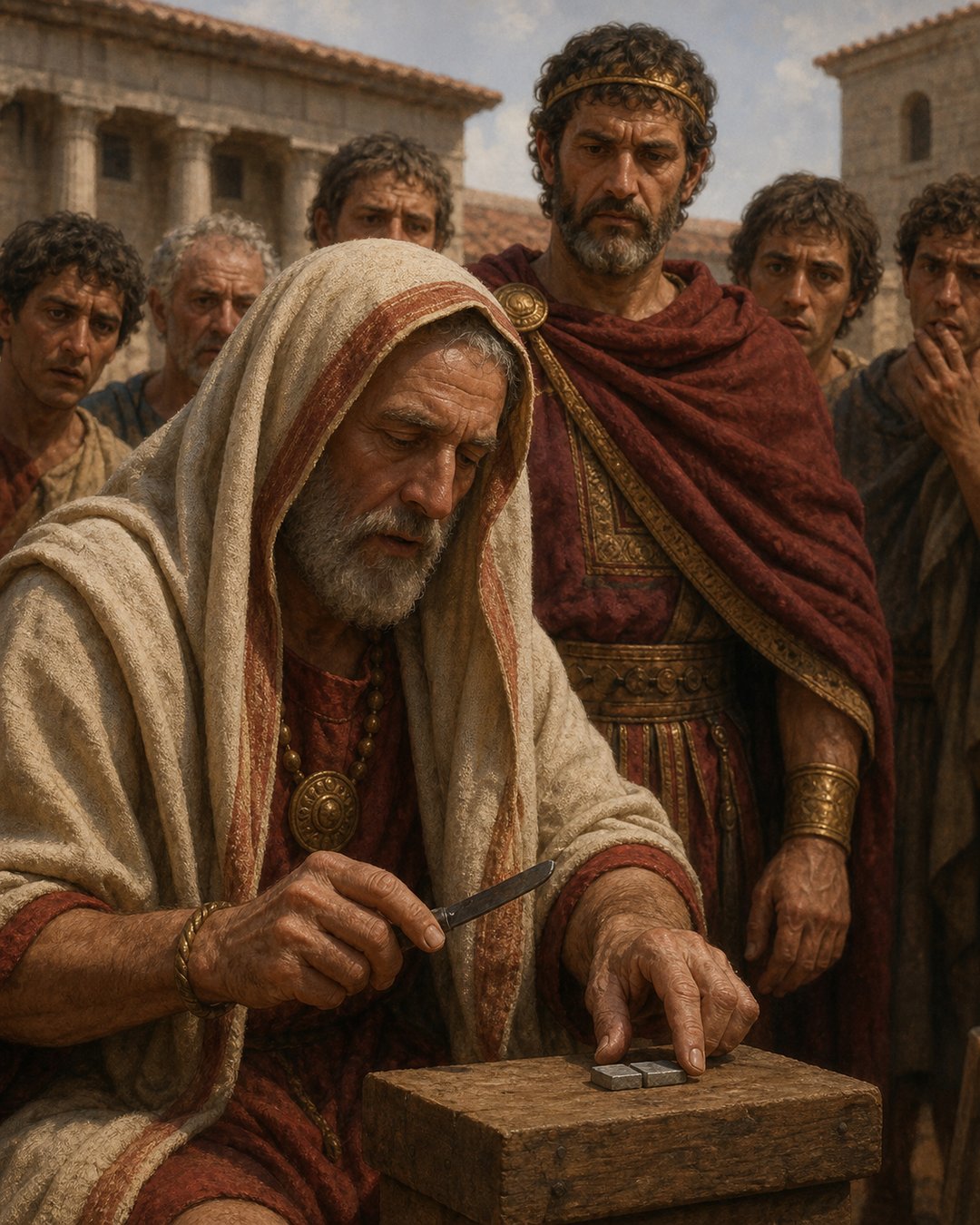
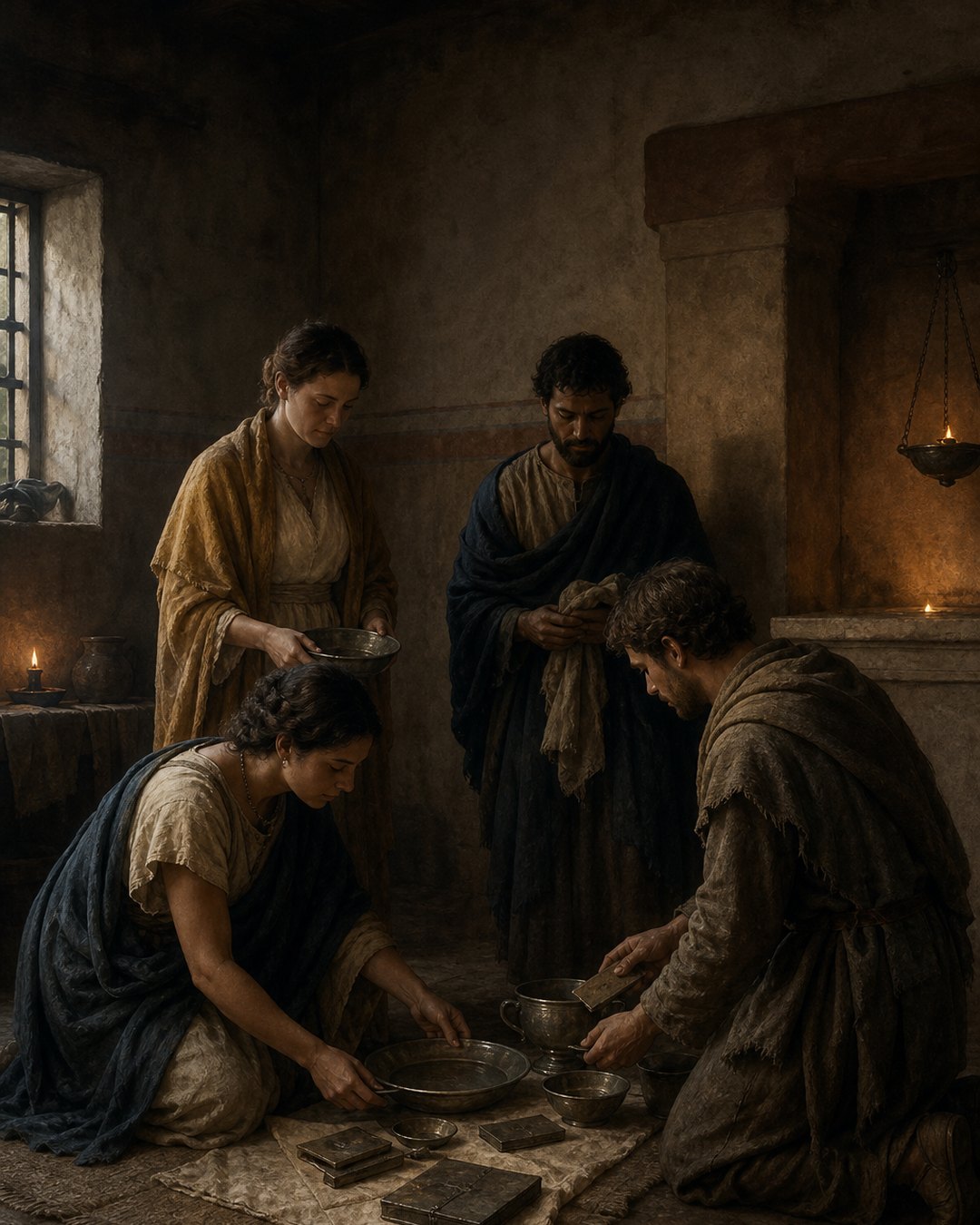
A plough moved through a field beside the River Nene in February 1975 and struck the remains of a Roman community’s precious metal. The first pieces did not gleam. Darkened, bent and damaged by agriculture, they could be mistaken for lead or pewter. They proved to be silver, part of a deposit hidden within the … Read more