One Servant’s Cry Unmasked Clodius at the Bona Dea
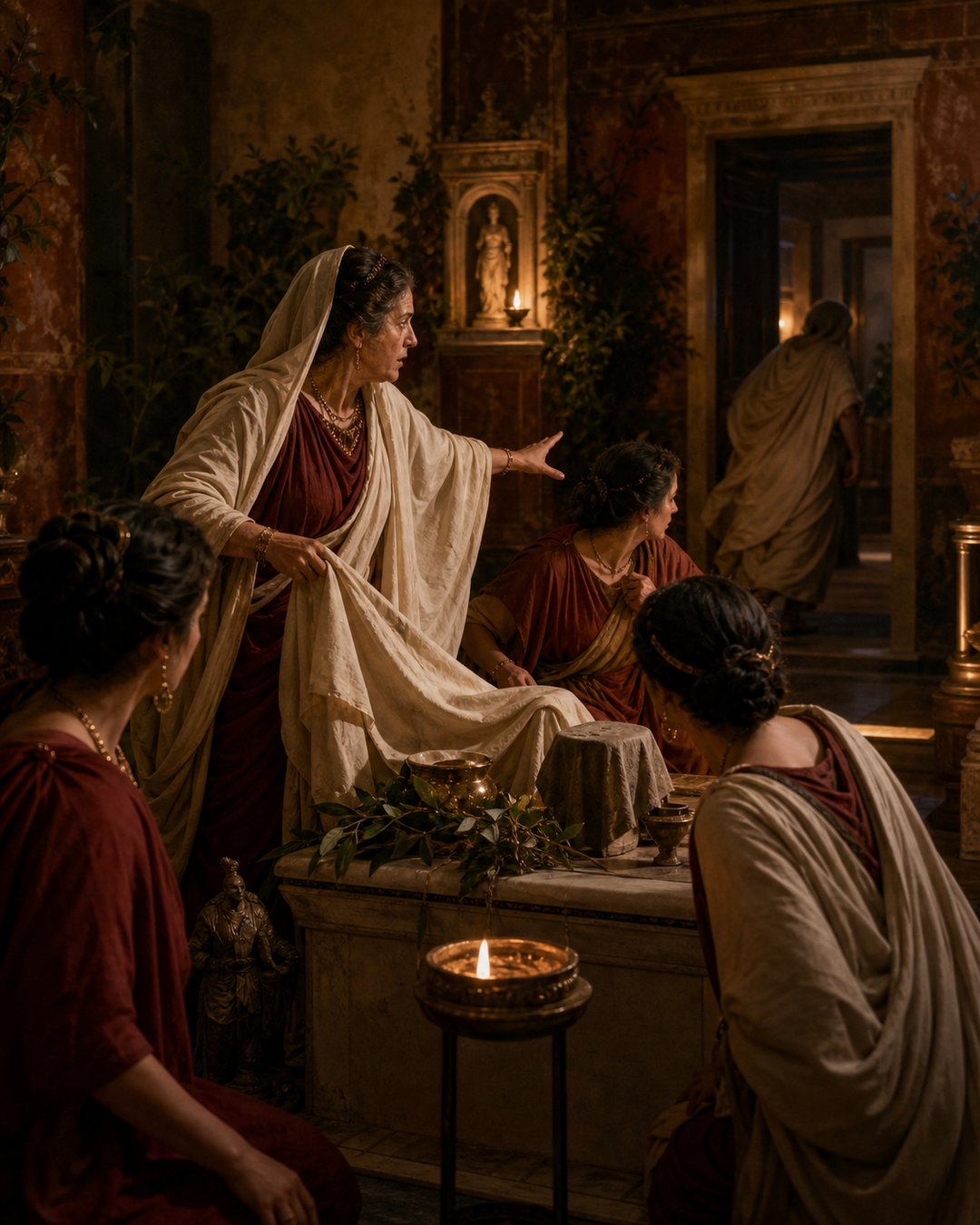
The disguise had carried Publius Clodius Pulcher through the door. Dressed as a woman and still young enough to lack a betraying beard, he entered the house where Rome’s elite women were celebrating the Bona Dea. Men were excluded. Julius Caesar himself had withdrawn from his own home for the night. Inside, Clodius lost his … Read more
Brambles Hid Archimedes’s Tomb Until Cicero Read the Stone

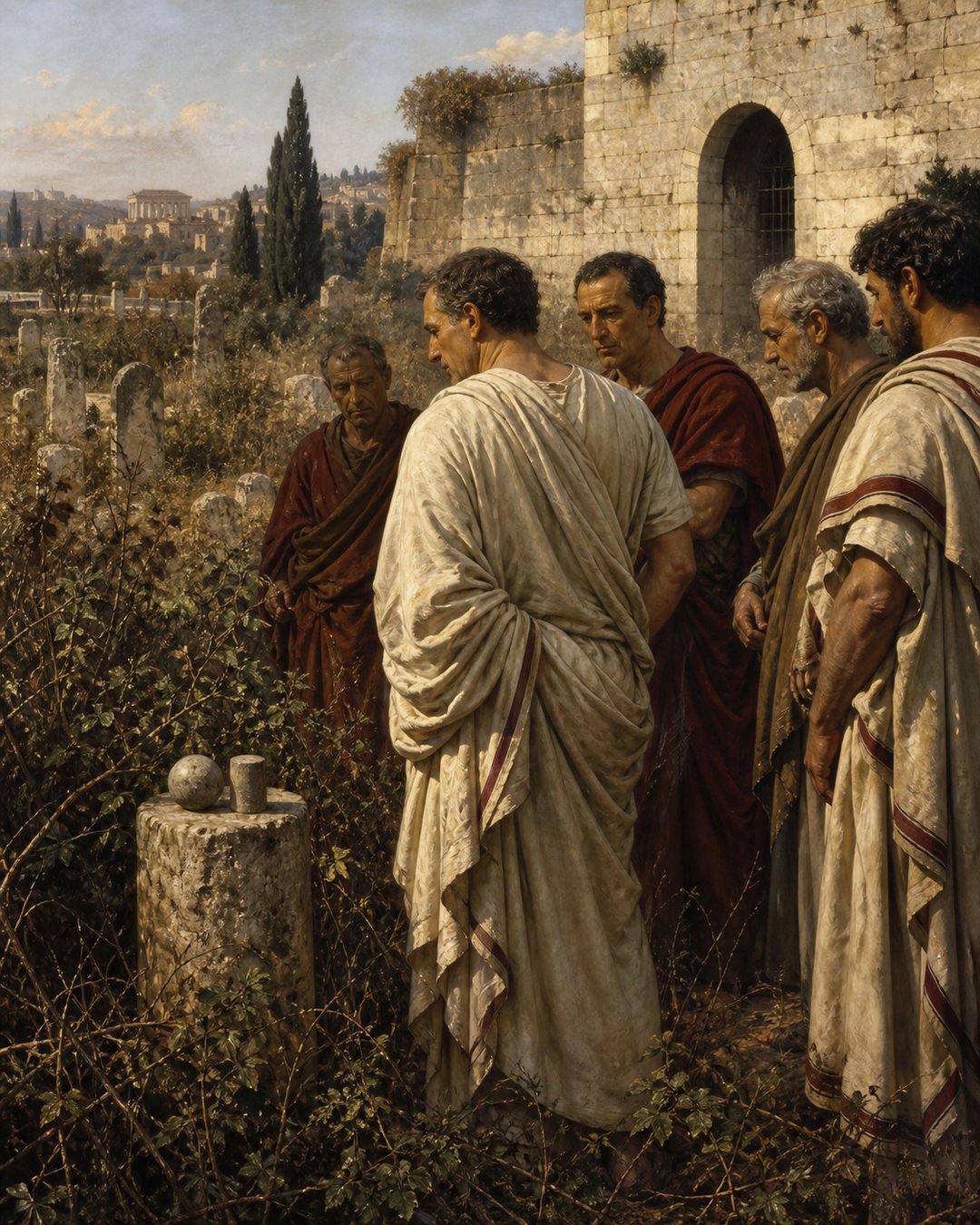
The Syracusans told Cicero that Archimedes’s tomb no longer existed. Cicero disagreed because he remembered verses describing the monument. They said a sphere and a cylinder stood on its top. He searched among the many tombs near Syracuse’s Achradina Gate. Above shrubs and brambles he noticed a small column carrying exactly those two geometric figures. … Read more

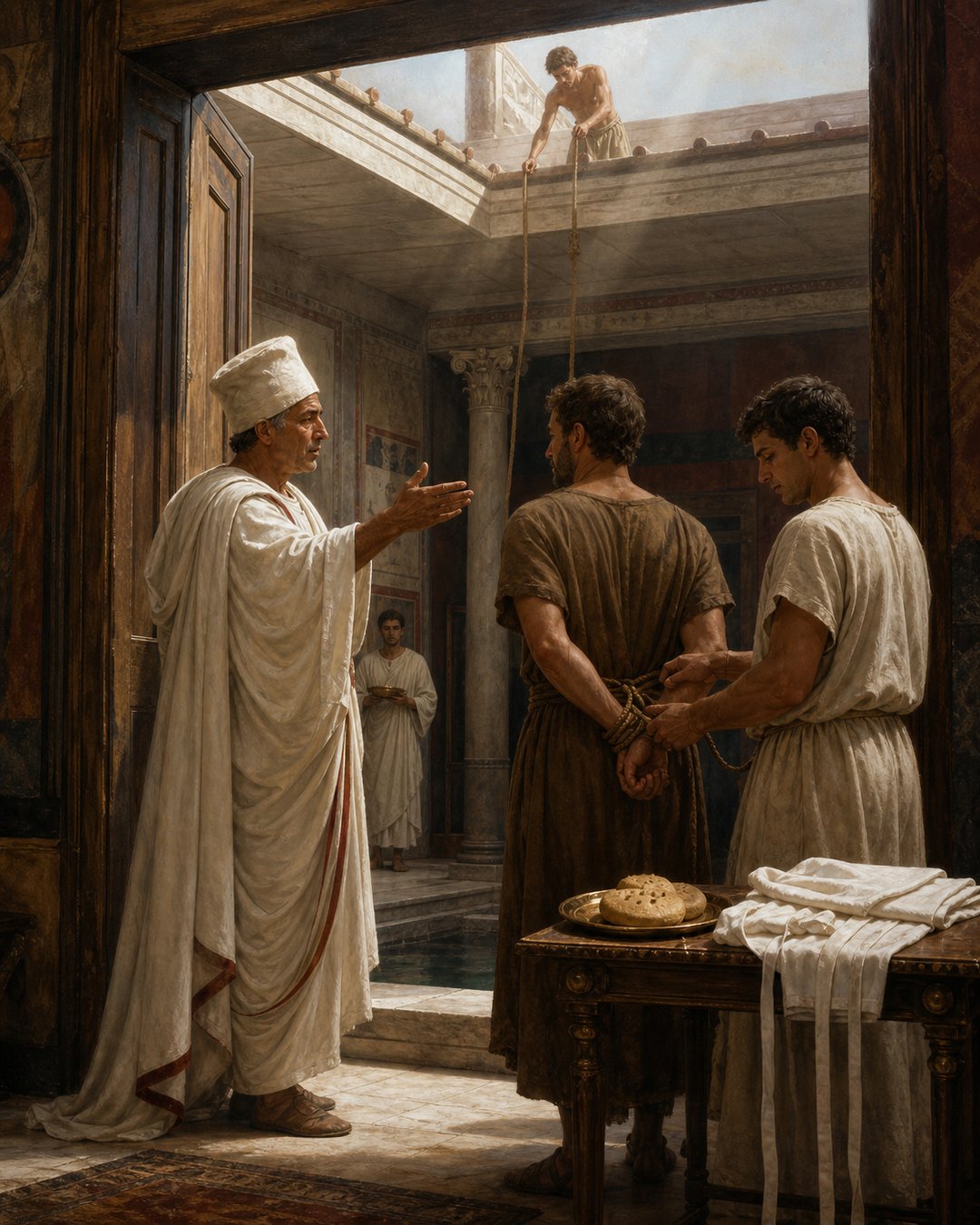
One Knot Could Stop Jupiter’s Priest at the Door

If a person in fetters entered the house of Jupiter’s priest, the bonds had to come off. The restraints were then pulled upward through the opening in the roof and lowered into the street. The same priest could have no knot in his cap, belt or any other part of his clothing. Aulus Gellius records … Read more

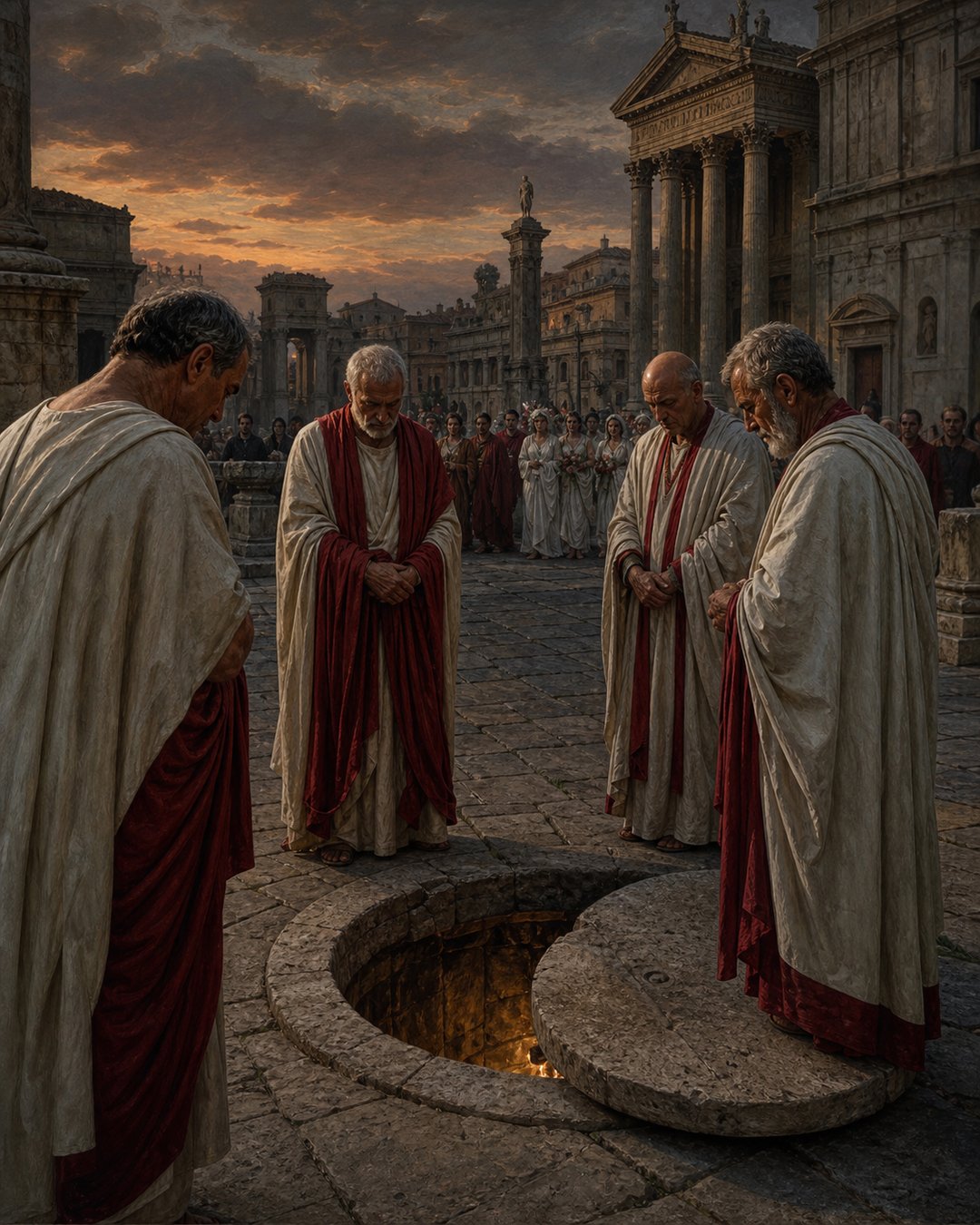
Three Dates Opened Rome’s Dangerous Mundus

On 24 August, Rome’s calendar marked an opening. The same thing happened on 5 October and 8 November. Ancient antiquarians described the mundus as open on those three dates, and Macrobius says the days were too religiously charged for battle, military recruitment or marriage. What opened is harder to recover. The surviving accounts do not … Read more

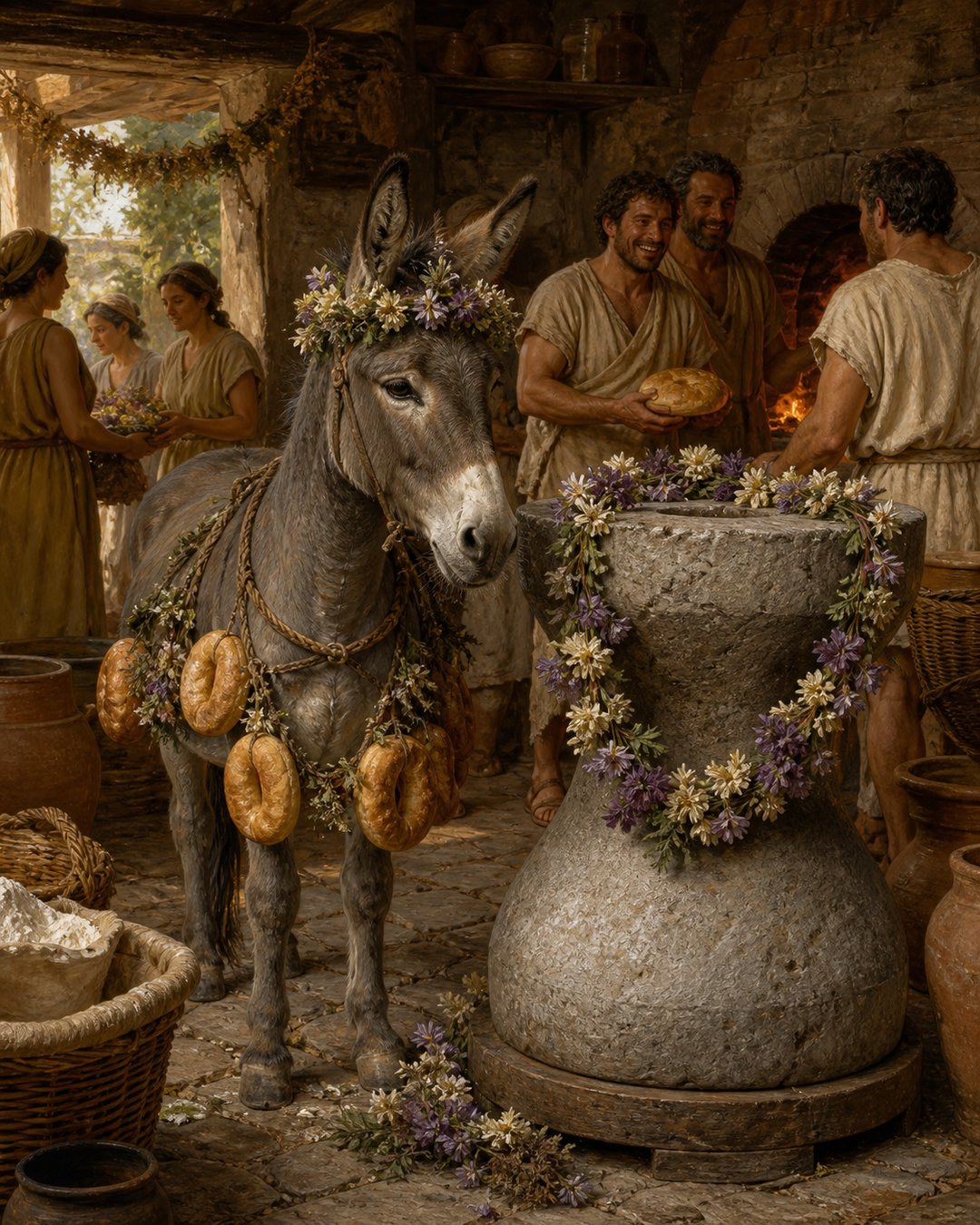
Violets Covered the Millstones on Vesta’s Holiday

For most of the year, a millstone announced work through weight, friction and noise. On Vesta’s holiday, Ovid saw the same rough stones disappear beneath flower garlands. The animals that normally turned them wore wreaths, and loaves hung from their decorated bodies. Bread was no longer only the product at the end of labor. For … Read more

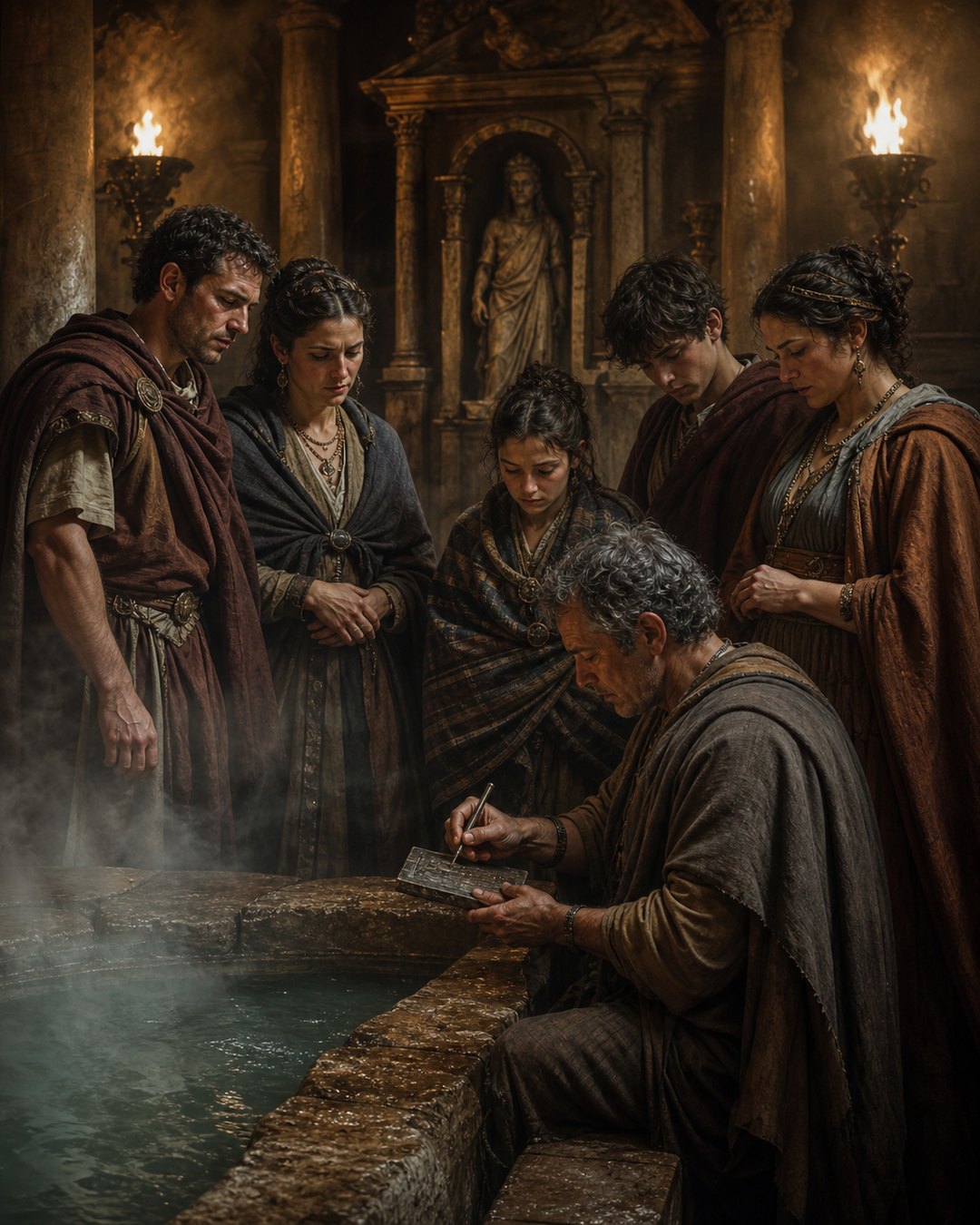
Six Family Names Bound an Oath to Bath’s Hot Spring

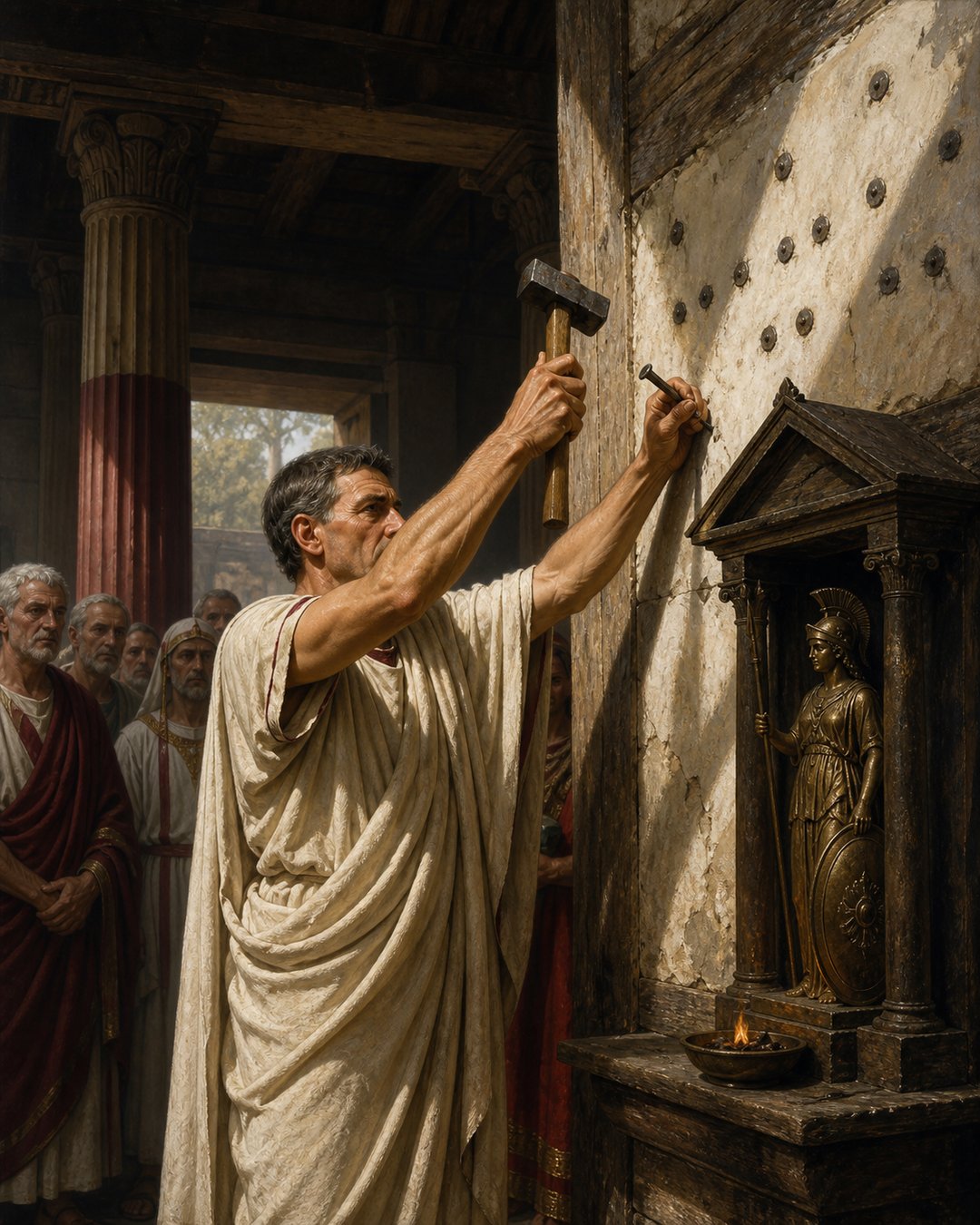
Six names were cut into a thick metal sheet and placed in the sacred spring at Bath: Uricalus; Docilosa, his wife; Docilis, his son; Docilina; Decentinus, his brother; and Alogiosa. The text says they had sworn there on 12 April. It does not preserve what they promised. Instead, it preserves the consequence if one of … Read more

An Olive Grove Crossed the Road When Nero Fell

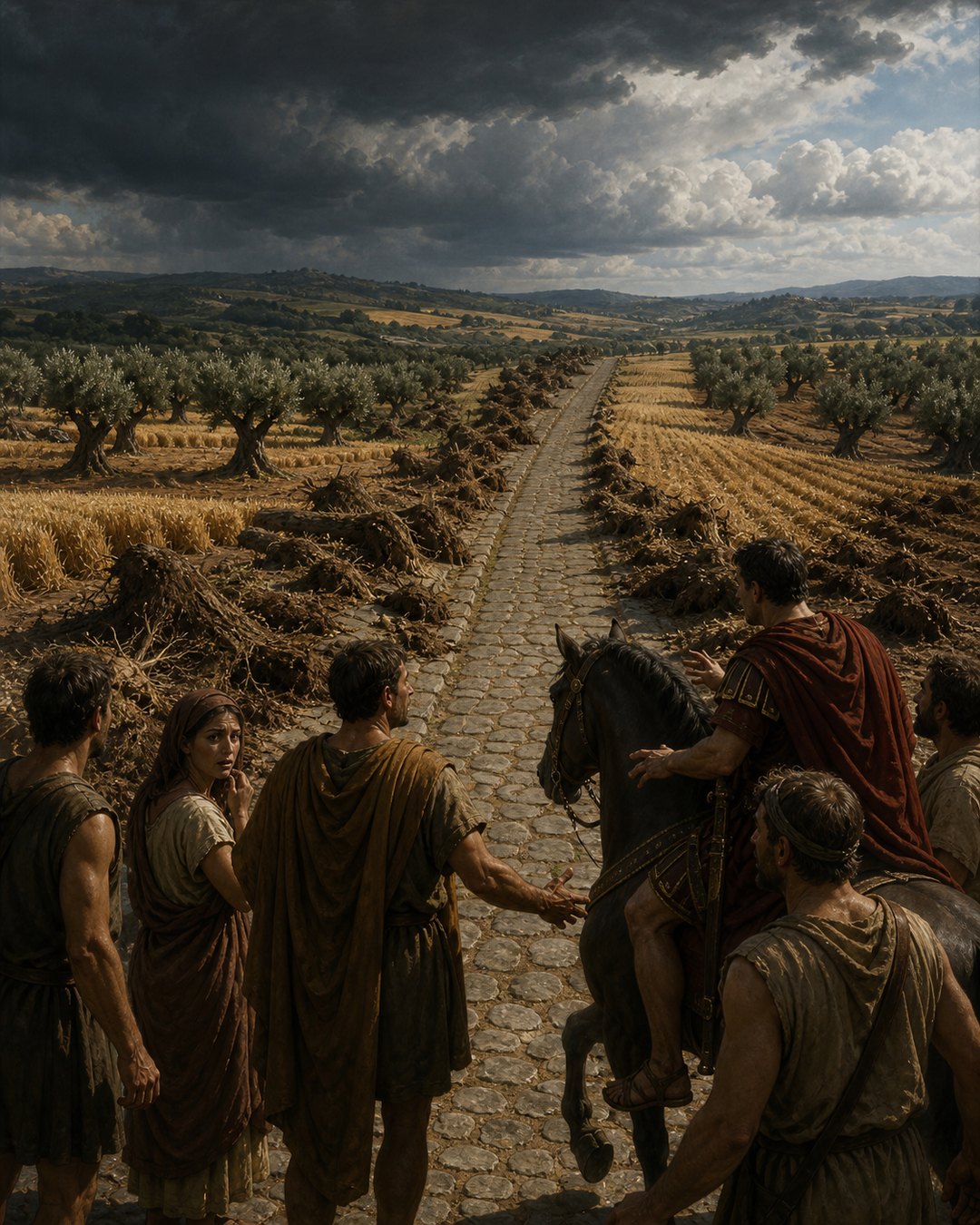
Near the end of his discussion of tree diseases, Pliny the Elder records an event that defeats ordinary gardening language. In the territory of the Marrucini, he says, an entire olive grove belonging to the equestrian Vettius Marcellus crossed a public road. The crops on the opposite side crossed back and occupied the grove’s former … Read more

A Dolphin Became Too Expensive for One Roman Town

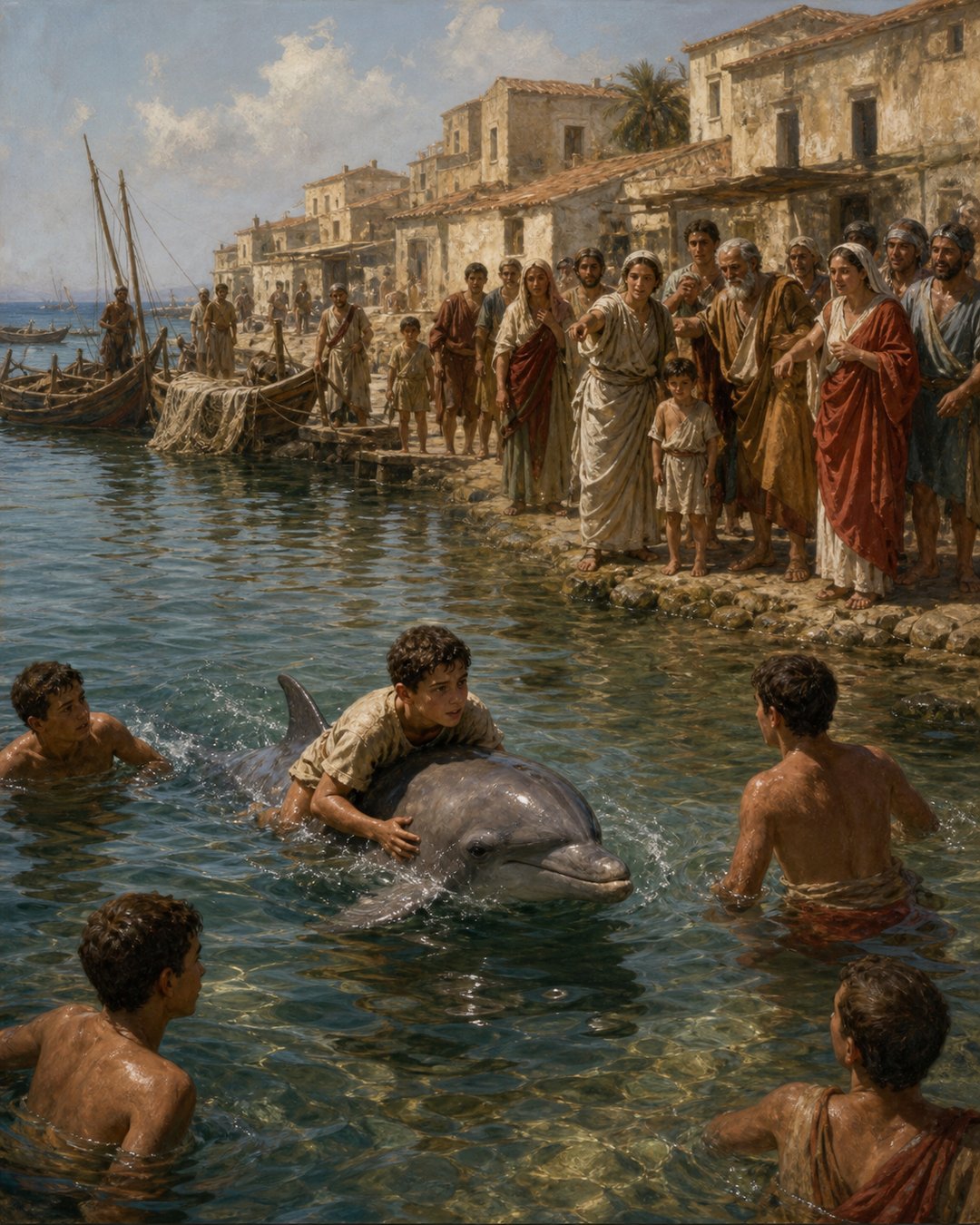
The dolphin did not die because it attacked the boy. In Pliny the Younger’s story, it died after carrying him safely, returning on later days, accepting human touch and attracting so many officials that a small town could no longer afford the attention. Kindness made the animal famous. Fame made it expensive. Pliny sent the … Read more