Taunts, Stones, Steel: Pompeii’s Arena Riot
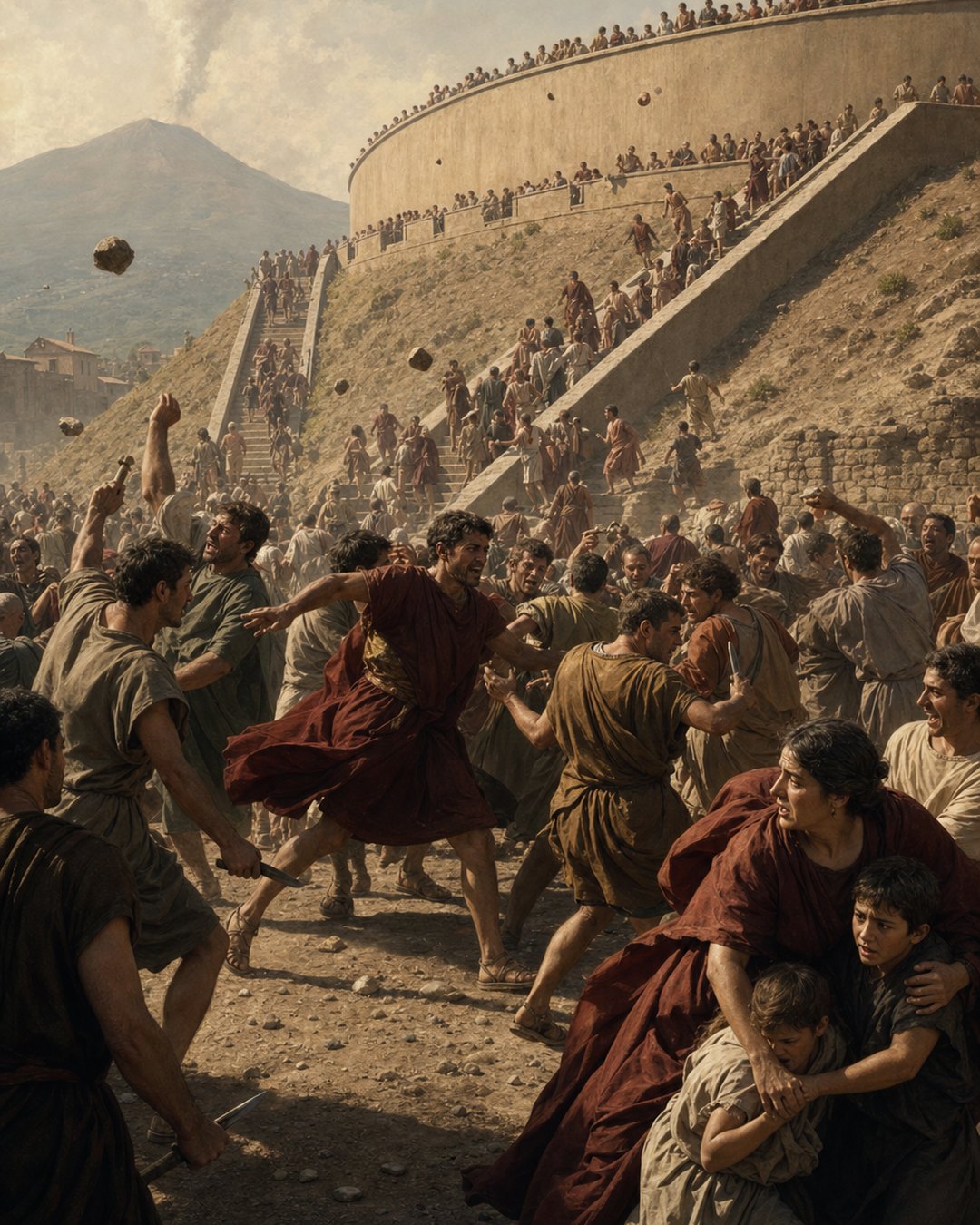
The gladiators were not the only armed men at Pompeii’s amphitheatre in AD 59. Visitors from neighboring Nuceria traded taunts with the home crowd. Insults followed. Then stones crossed the seating. By the time blades appeared, a show designed to stage controlled violence had produced uncontrolled violence among its spectators. Tacitus compresses the escalation into … Read more
Regina’s Tombstone Joined Britain to Palmyra in Four Lines

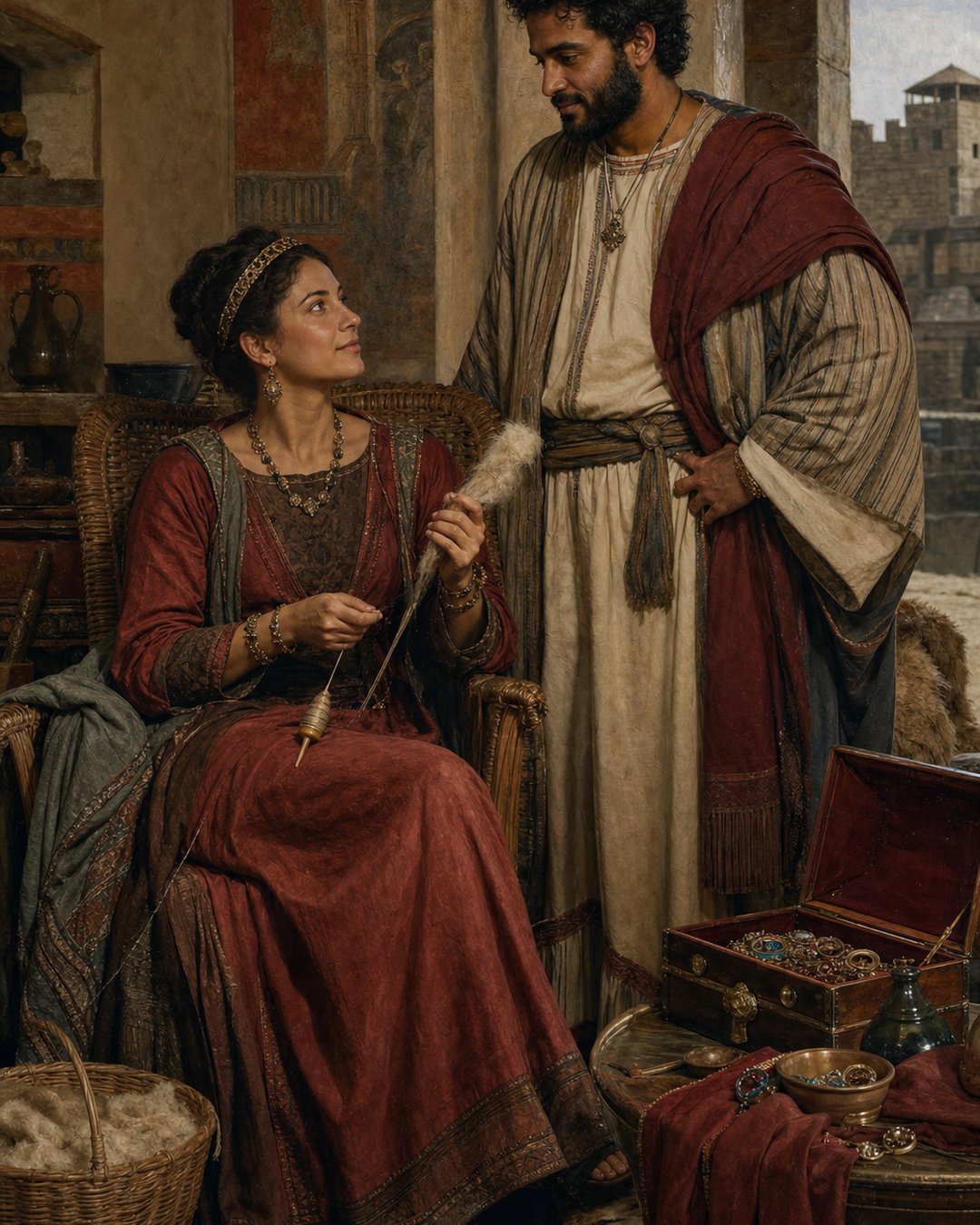
Four lines at the bottom of a sandstone monument carried a longer journey than most Roman roads. Three were cut in Latin. The fourth used Palmyrene Aramaic. Above them sat Regina, not as an emperor, priestess or mythic heroine, but as a richly dressed woman with wool-working tools and an open jewellery casket. The stone … Read more

When Rome Burned, Galen Lost Books No Copy Could Replace

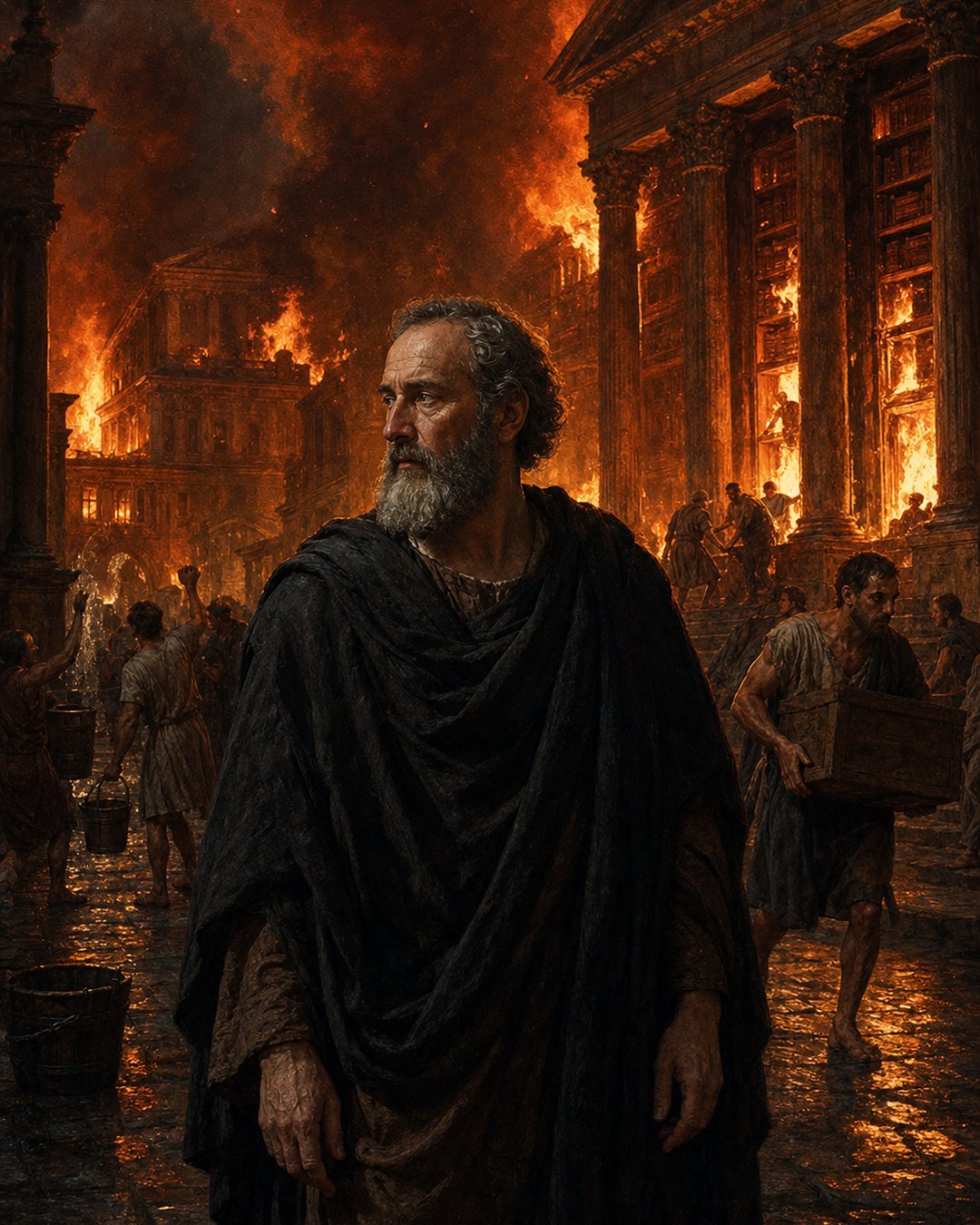
Galen did not need someone to explain what a burned library meant. In 192 CE, fire tore through central Rome and destroyed three imperial libraries near one another on the Palatine. It also reached the rented storerooms where scholars kept personal books, copies and work in progress. Galen lost both the sources he trusted and … Read more

One Pompeian Cellar Hid a Silver Table Set for Eight

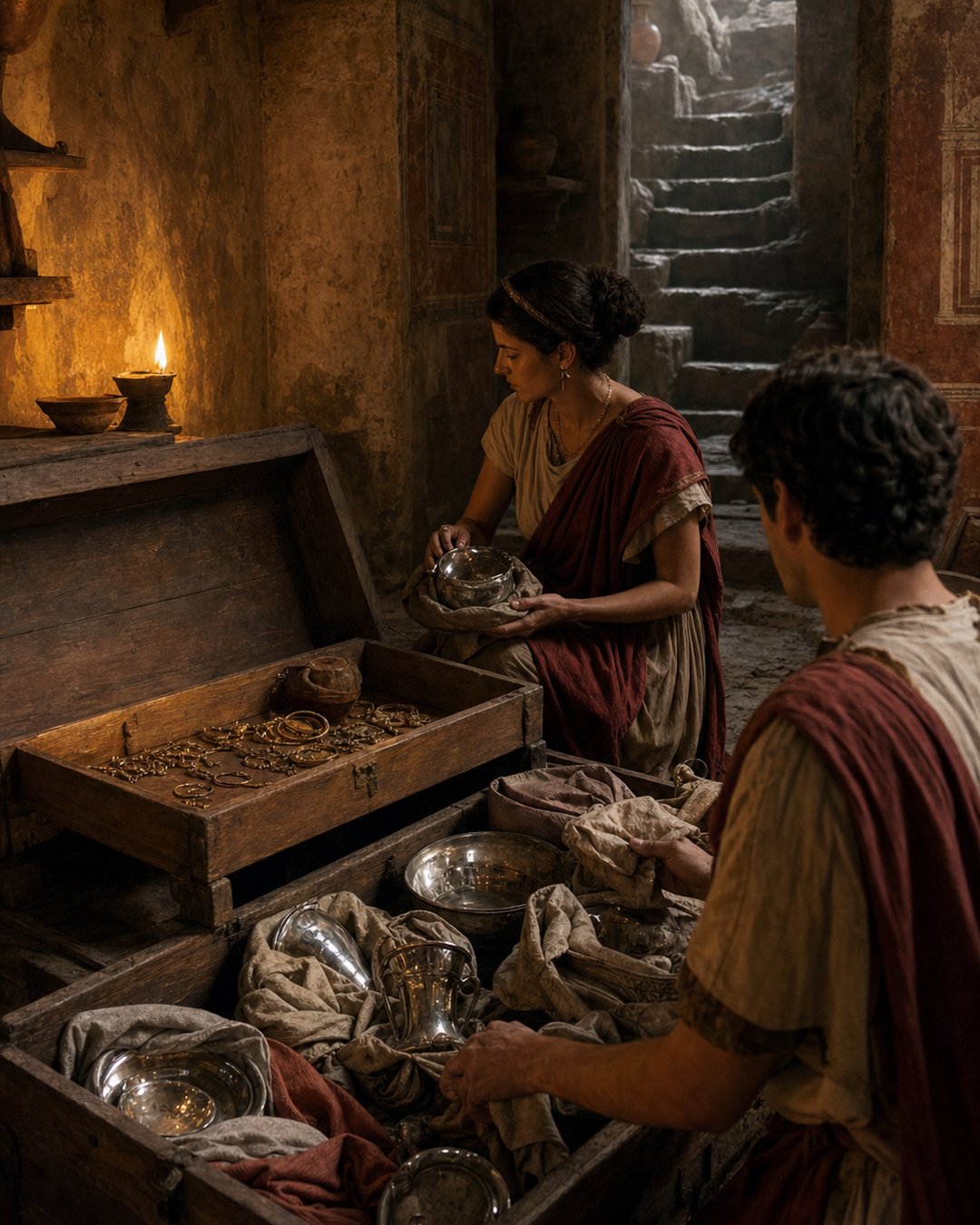
The silver did not glitter when excavators reached it in December 1930. In a cellar of Pompeii’s Casa del Menandro, 118 pieces of plate had been wrapped in textiles and lowered into the bottom of a wooden chest. A second box rested above them. It held gold jewellery, precious stones, wire and coins. The arrangement … Read more

What Herculaneum’s Sewer Kept After the City Died

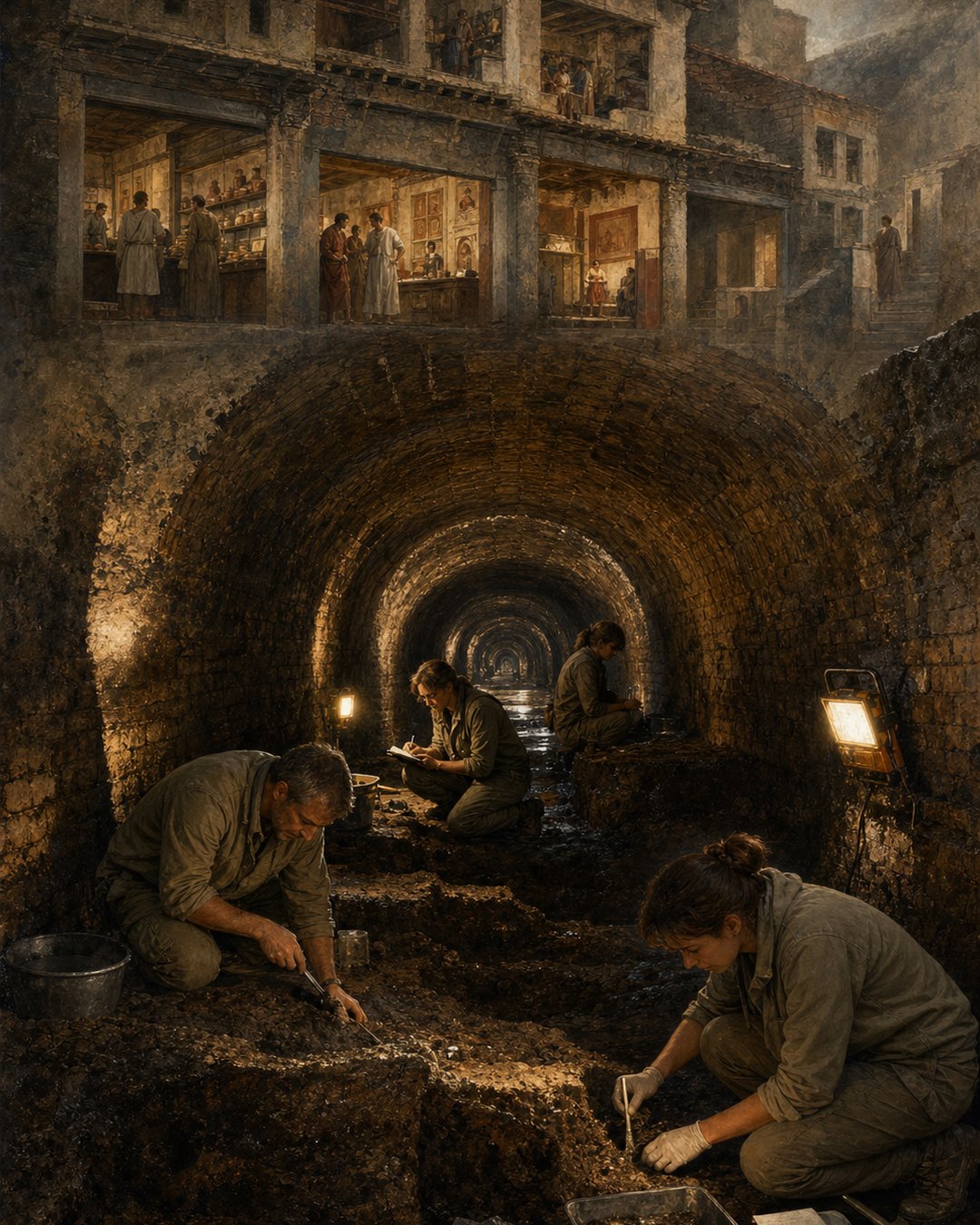
Beneath one block of Herculaneum, archaeologists entered a tunnel eighty-six metres long and began bagging what the city had tried to flush away. The work eventually produced about 750 sacks of ancient sewage. Mixed through it were food remains, pottery, coins, beads, a lamp and a gold ring set with a gemstone. The deposit had … Read more

An Imagined House Could Hold an Entire Roman Speech

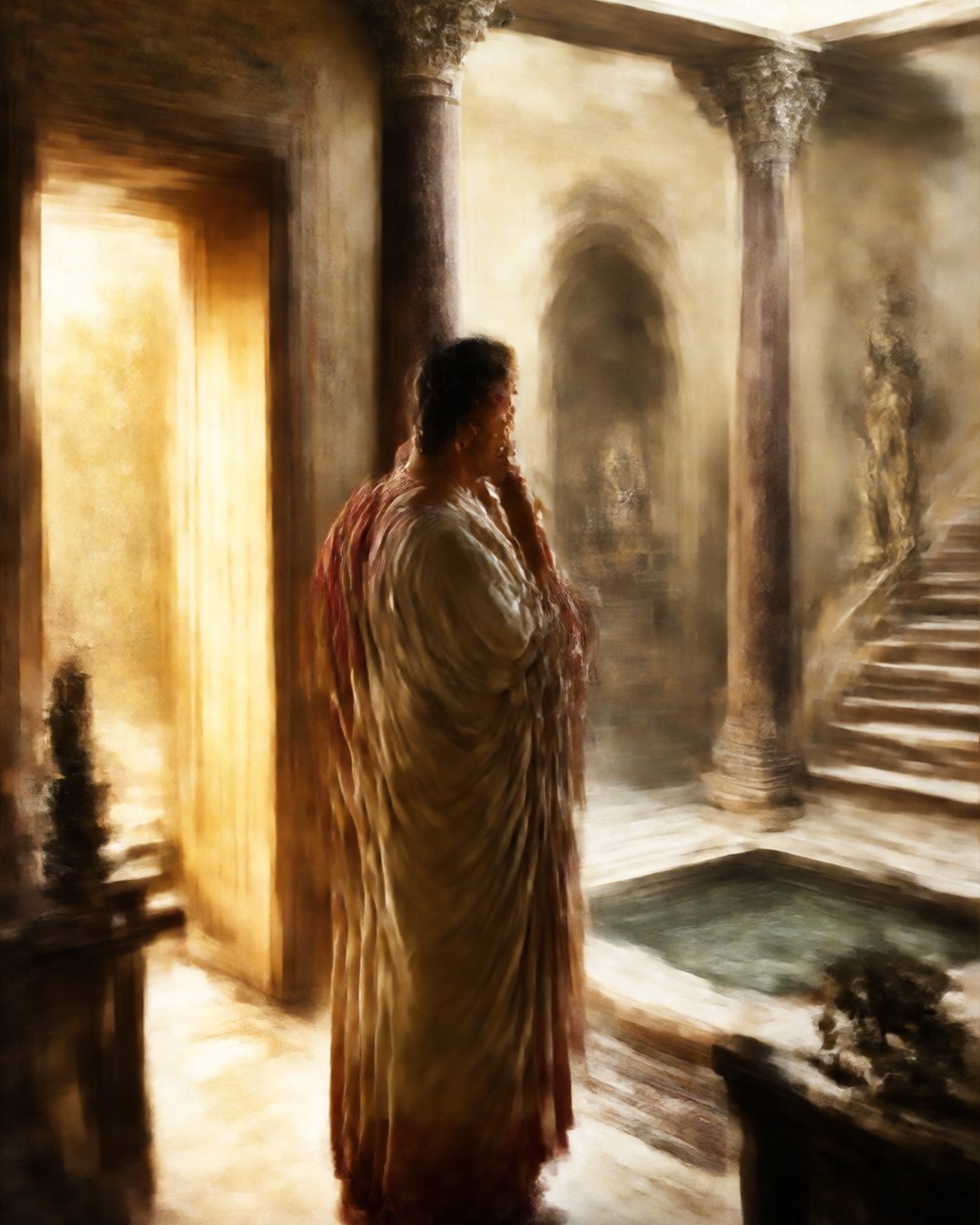
A Roman speaker could prepare for court by walking through a house without moving his feet. He began at the doorway, crossed the atrium, passed a column, paused at a couch and continued toward a staircase. At each familiar place he set a vivid mental image for one part of the speech. When the moment … Read more

Every Eighth Day Brought the Countryside into Rome

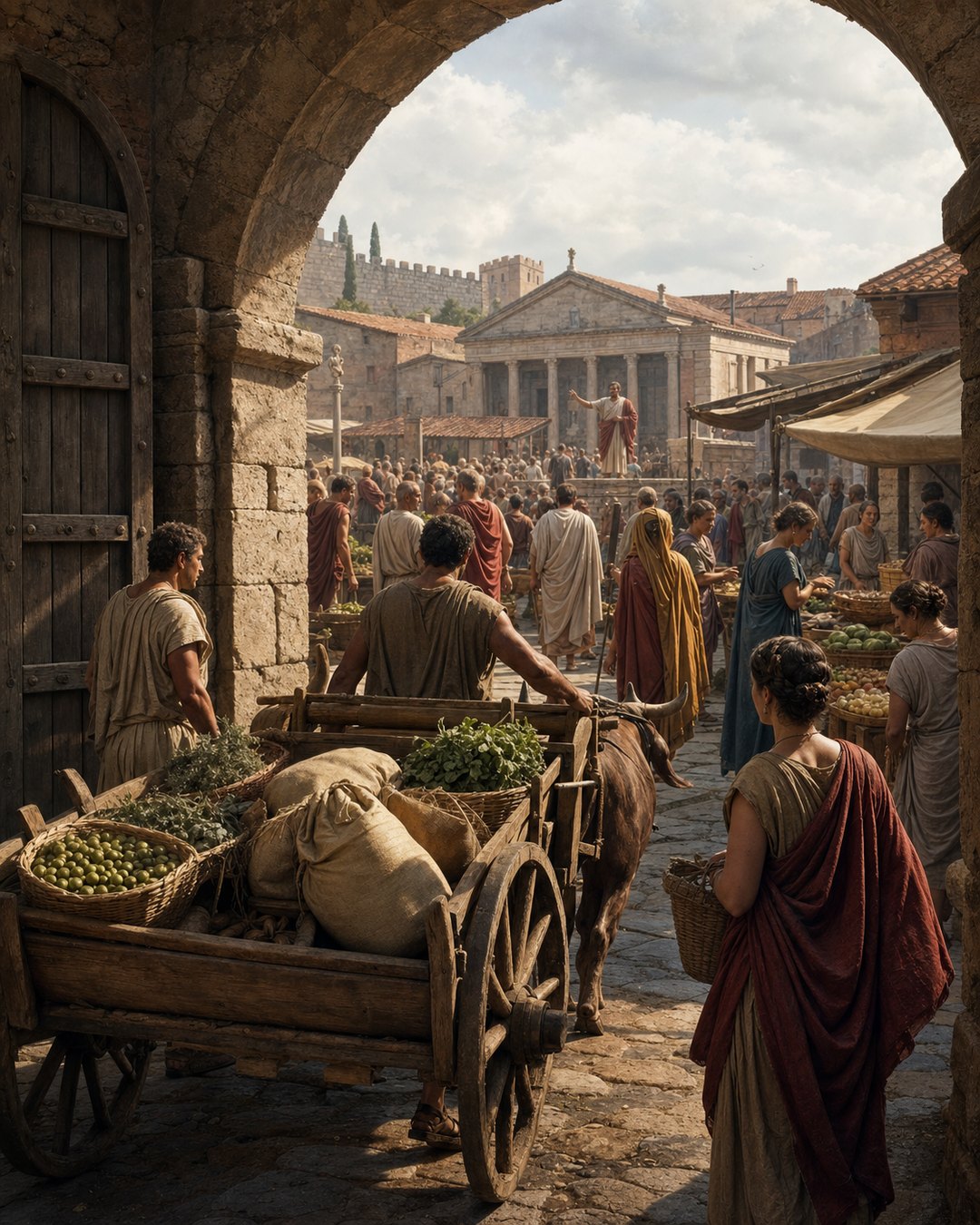
Rome’s countryside did not enter the city at random. On a recurring market day, farmers and rural buyers could plan to bring produce, settle business, hear news and return home with goods that were difficult to obtain locally. The cycle was called the nundinae, a “ninth day” by Roman inclusive counting but an eight-day interval … Read more

A Baker Built His Tomb Like the Machinery of Bread

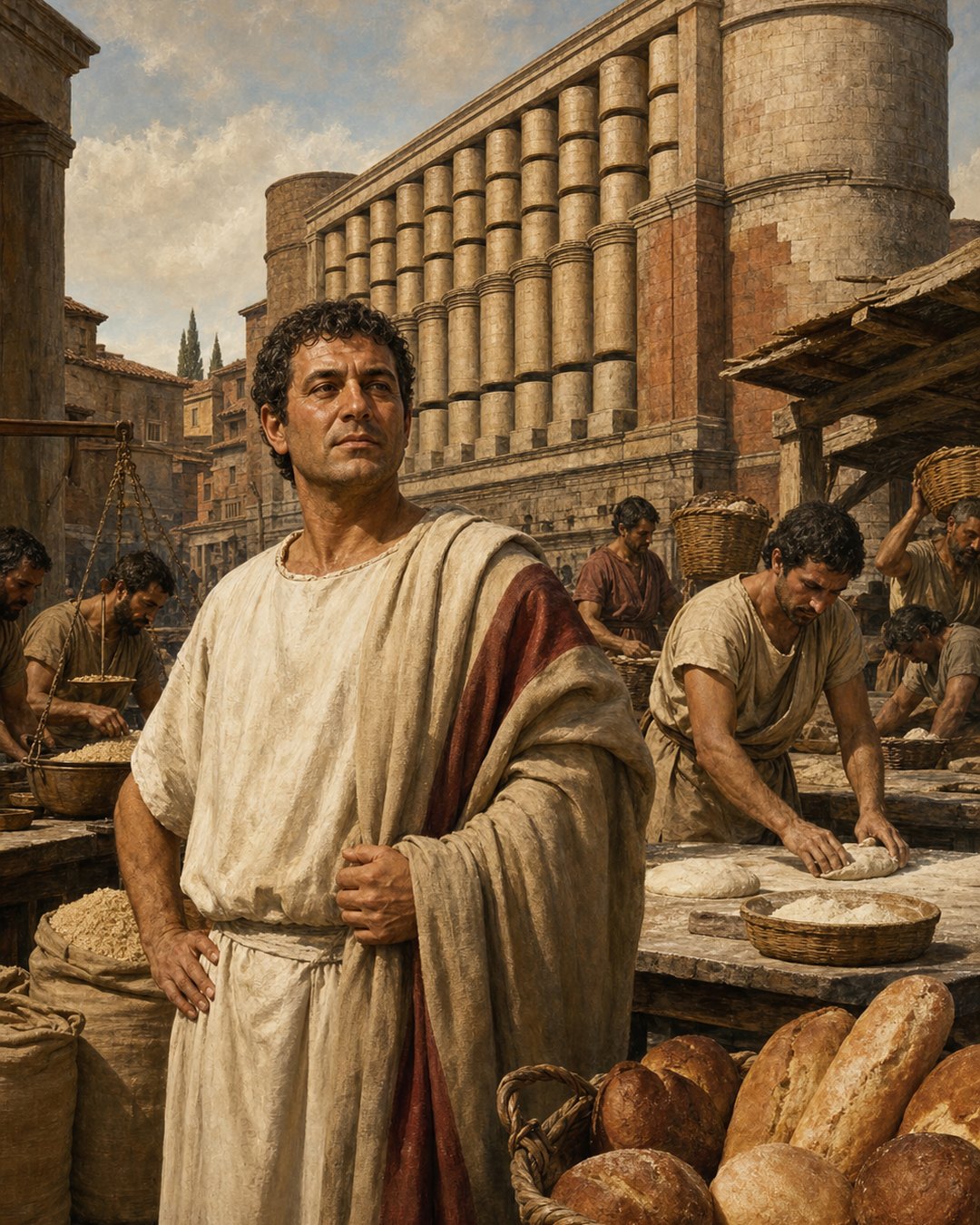
Marcus Vergilius Eurysaces did not ask Rome to remember a borrowed heroic ancestor. He put bread production on his tomb. Near the Porta Maggiore, the monument announces a baker, contractor and public servant in letters large enough for traffic to read. Above them, ranks of cylinders and a relief sequence turn commercial machinery into funeral … Read more

Pepper, Ivory and a Loan Contract Across Two Oceans

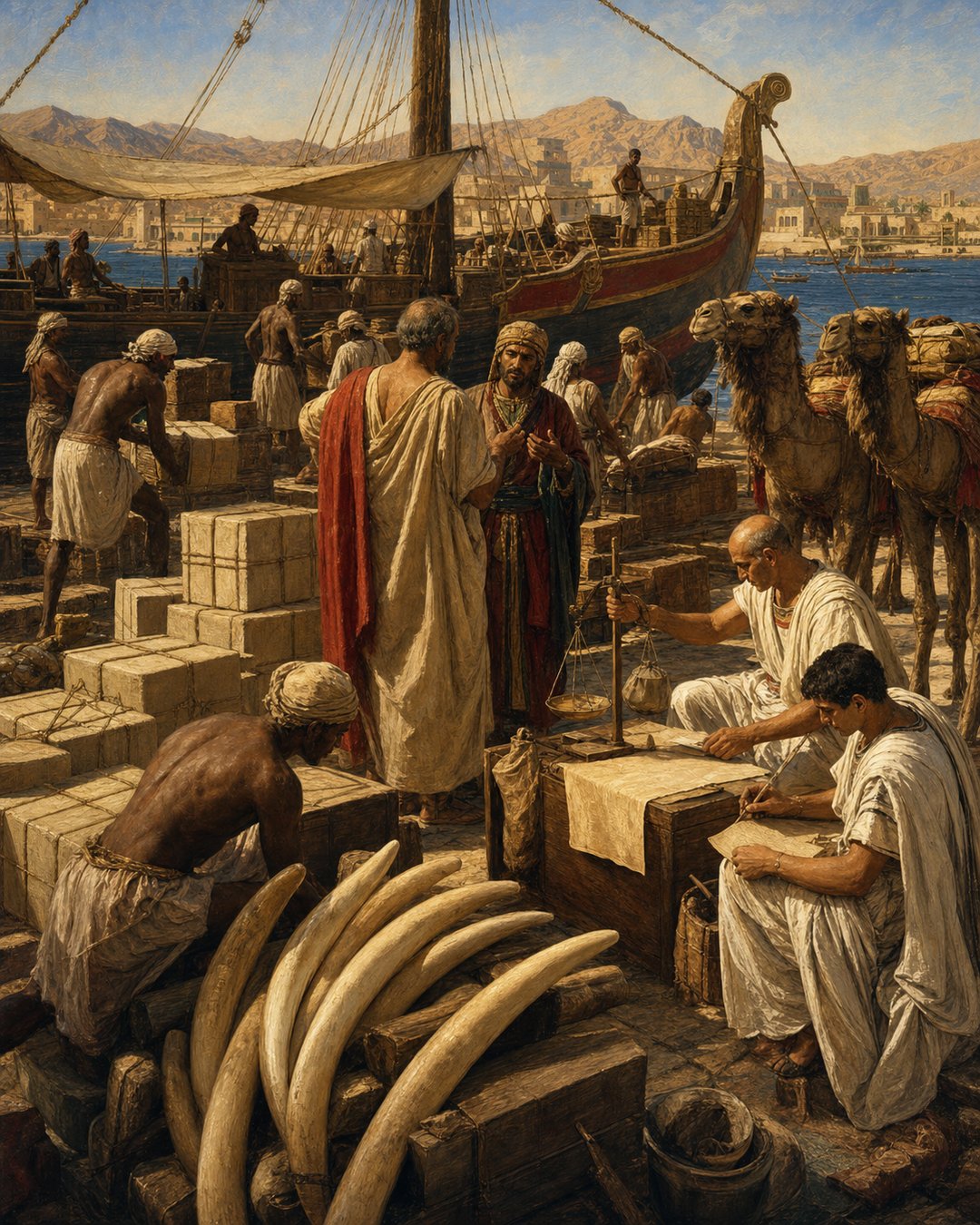
A torn papyrus preserves a ship called the Hermapollon, sixty boxes of Gangetic nard, thousands of pounds of ivory and a cargo valued in talents and drachmas. It is easy to read those fragments as an exotic shopping list. The more important revelation is less glamorous: Roman trade with India was held together by clauses … Read more

Diocles Won 1,462 Races—and Chose When to Hold Back

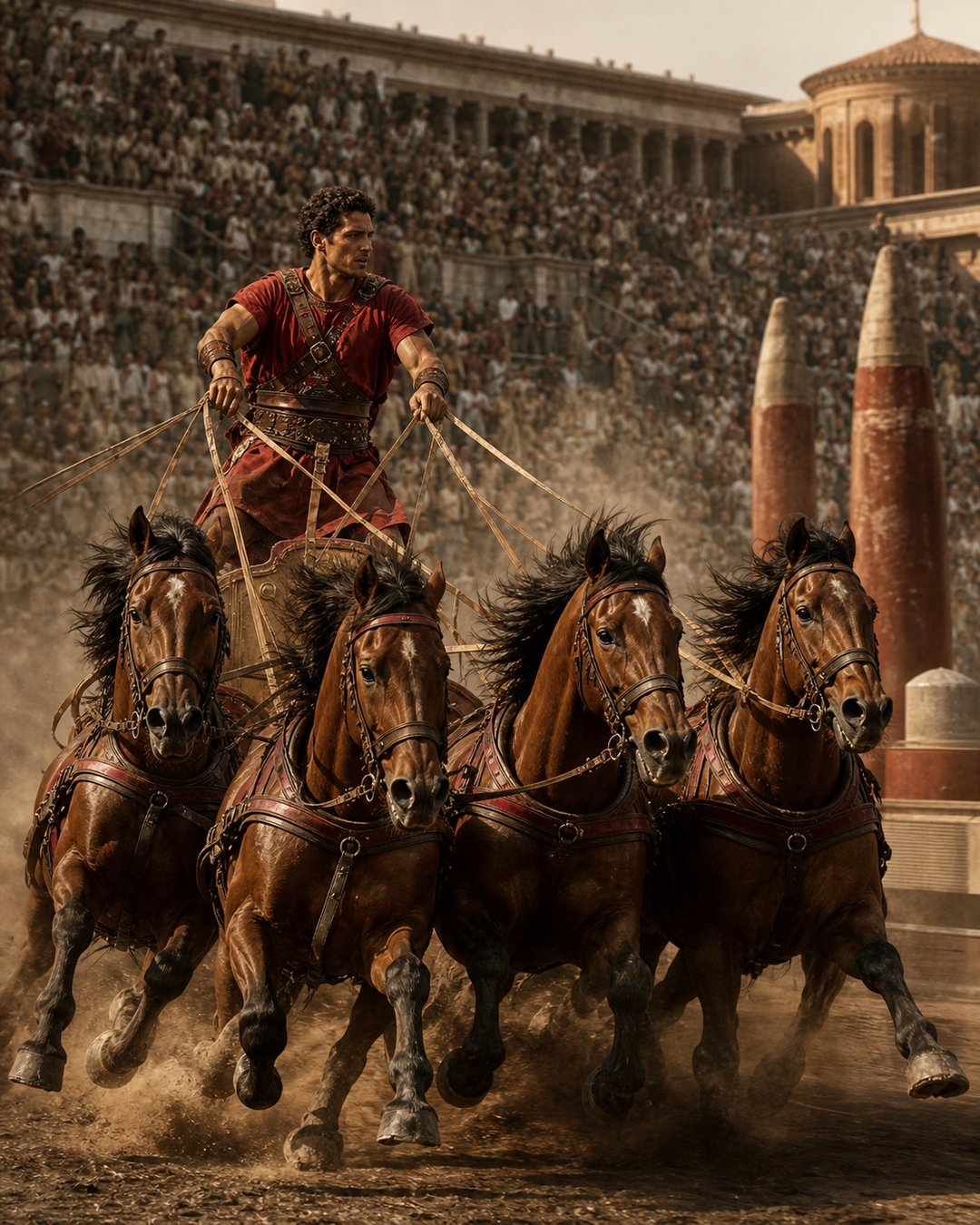
A stone inscription set up at Praeneste does something modern sports archives would recognize immediately: it turns a career into numbers. Gaius Appuleius Diocles raced for twenty-four years, entered 4,257 contests, won 1,462 times and accumulated 35,863,120 sesterces in prize money. Those figures are so large that they can make him look like a legend … Read more